
by Dulce Navarro | Jun 11, 2025 | Countries, Culture, Europe, Traditions, Travel
Inclusive Communities Through Language and Culture
In today’s globalized society, the concept of community has transcended borders and linguistic boundaries. More than ever, people from diverse cultural and linguistic backgrounds are coming together to live, work, and thrive. At the heart of truly inclusive communities lies a powerful tool: language. Language not only enables communication—it fosters connection, understanding, and a shared sense of identity.
The Role of Language in Building Inclusive Societies
Language serves as both a bridge and a gateway. It bridges gaps between cultures and serves as a gateway to meaningful interactions. When people are empowered to communicate in a common language—or when their native language is acknowledged and respected—they are more likely to participate fully in the social, economic, and civic life of a community.
In multilingual cities around the world, public services, schools, and businesses that embrace linguistic diversity often see higher engagement and satisfaction among residents. Translation and interpretation services, multilingual signage, and inclusive language policies make people feel seen and valued, no matter where they come from.
Culture: The Companion to Language
While language gives us the words, culture gives them context. Understanding cultural norms, values, and traditions enhances communication and reduces misunderstandings. Cultural literacy—just like linguistic fluency—is essential for meaningful integration. From food and festivals to family structures and etiquette, culture shapes how people perceive and engage with the world around them.
Inclusive communities don’t just tolerate cultural differences—they celebrate them. Cultural exchange programs, international fairs, local arts initiatives, and storytelling events all play a critical role in fostering empathy and mutual respect. By valuing the rich backgrounds of all community members, societies can create a sense of belonging that transcends origin.
Business and Policy Implications
For business leaders and policymakers, investing in language and cultural inclusion is not just a moral imperative—it’s a smart strategy. Companies that offer multilingual support attract a broader customer base, gain a competitive edge in international markets, and cultivate stronger brand loyalty. Internally, diverse teams that understand one another’s perspectives are more innovative and collaborative.
On a governmental level, inclusive language policies improve access to education, healthcare, and public services. Municipalities that provide interpretation assistance and culturally appropriate outreach programs see increased participation in community events, improved public health outcomes, and greater civic trust.
The Expat Experience: Language as a Tool for Integration
For expatriates, language is often the first—and most daunting—barrier to feeling at home in a new country. Mastering a new language is not only key to navigating everyday life, but also essential for developing relationships, finding employment, and participating in the local culture. Expats who embrace language learning typically report higher levels of happiness and integration.
However, language learning doesn’t happen in isolation. Successful integration also depends on open, welcoming communities that create space for cultural exchange and mutual learning. When both expats and locals approach one another with curiosity and respect, they lay the groundwork for vibrant, inclusive societies.
Case Studies: Communities Leading the Way
Around the world, numerous cities have become beacons of inclusivity through innovative language and cultural initiatives:
- Toronto, Canada: Known for its multicultural neighborhoods, Toronto provides translation services in over 140 languages across public health and municipal departments.
- Barcelona, Spain: The city’s “Welcome Plan” includes free Catalan and Spanish classes for newcomers, as well as cultural mediation programs to support immigrant families.
- Melbourne, Australia: With a high percentage of foreign-born residents, Melbourne promotes intercultural understanding through local libraries offering multilingual materials and conversation circles.
These examples highlight how forward-thinking policies and community engagement can turn diversity into a powerful asset.
Learning New Languages as an Expat: Strategies for Quick Success
If you’re an expat looking to integrate quickly into your new environment, here are a few proven strategies to accelerate your language learning journey:
- Immerse Yourself: Surround yourself with the language as much as possible—watch local TV, read the news, and listen to music in your target language.
- Practice Daily: Consistency is key. Even 15 minutes a day of structured learning can make a big difference over time.
- Join Local Groups: Language exchanges, hobby clubs, and volunteer opportunities are great ways to practice conversational skills and build community.
- Use Technology: Apps like Duolingo, Babbel, or Tandem offer accessible ways to practice on the go.
- Be Patient and Persistent: Mistakes are part of the process. Keep showing up and celebrating small wins.
Learning a new language is one of the most rewarding investments you can make as an expat. It opens doors not only to better communication but to deeper cultural connection and long-term personal growth.
Stay Connected for More Travel and Lifestyle Inspiration
For more insights into travel, culture, and lifestyle tips, follow me on @salvadorordorica. If you’re seeking professional translation and localization services to enhance your global ventures, visit The Spanish Group — your trusted partner in bridging cultures worldwide.

by Dulce Navarro | Jun 10, 2025 | Consumer, Countries, Culture, Healthcare, Lifestyle
Healthcare in France for Expats: How It Works and What to Expect
Relocating to France as an expat can be an exciting journey filled with culture, cuisine, and breathtaking landscapes. However, one of the most important aspects to understand before making the move is the French healthcare system. Often ranked among the best in the world, France’s healthcare is known for its high-quality care and affordability. Here’s everything expats need to know about accessing healthcare in France—how it works, what to expect, and how to make the most of it.
Overview of the French Healthcare System
France has a universal healthcare system, which means every legal resident is entitled to healthcare services through the national public health insurance known as l’Assurance Maladie. The system is funded through social security contributions and taxes, ensuring that the majority of medical costs are covered or reimbursed by the government.
The French system is a hybrid model, combining public and private sectors. Patients can choose their healthcare providers, whether public hospitals or private clinics, and still benefit from public insurance coverage.
How Expats Can Access Healthcare in France
To access public healthcare in France, expats must first obtain residency and register with the French social security system. This process includes applying for a social security number and enrolling in the public health insurance scheme.
Step 1: Residency and Long-Stay Visa
Before you can register for French healthcare, you must have legal residency. Most expats will need a long-stay visa or residence permit, especially if planning to stay longer than 90 days.
Step 2: Register with CPAM
Once legally residing in France, expats need to register with their local CPAM (Caisse Primaire d’Assurance Maladie) office. You’ll be required to submit documents such as proof of residency, passport, visa, birth certificate, and proof of income or employment.
Step 3: Obtain Your Carte Vitale
After registration, you’ll receive a Carte Vitale, a green card that proves you’re part of the French healthcare system. Presenting this card at medical appointments ensures partial reimbursement for most healthcare costs.
Understanding Costs and Reimbursements
While healthcare in France isn’t free, it is heavily subsidized. The government typically reimburses around 70% of doctor’s visits and up to 80% of hospital stays. The remaining costs, known as ticket modérateur, are paid out-of-pocket or covered by private supplementary insurance.
Mutuelle: Supplementary Insurance
To avoid unexpected medical bills, most residents and expats opt for a mutuelle—a complementary private insurance that covers the balance not reimbursed by the state. Mutuelles can range from €30 to €100+ per month depending on the coverage level and your health needs.
Access to General Practitioners and Specialists
In France, the first point of contact for most medical needs is the médecin traitant (primary care physician). You’re encouraged to declare your médecin traitant, which ensures better reimbursement rates. Visiting a doctor without this declaration can result in lower refunds from Assurance Maladie.
You’re also free to consult specialists—like dermatologists, cardiologists, or gynecologists—but referrals from your primary doctor often streamline the process and guarantee higher reimbursement rates.
Emergency Care and Hospitals
France offers excellent emergency care through public hospitals and specialized clinics. In case of emergencies, dial 15 for medical help (SAMU), or go directly to the nearest emergency room (urgences).
Public hospitals are well-equipped and staffed, often providing better value compared to private clinics. However, private facilities may offer faster appointments and more amenities, albeit with higher out-of-pocket costs if not fully covered by your mutuelle.
Pharmacies and Prescriptions
Pharmacies in France are highly regulated and widely accessible. Prescriptions from a doctor are partially or fully reimbursed through the healthcare system. Most common medications are affordable, and pharmacists are knowledgeable professionals who can offer medical advice and basic consultations.
Healthcare for Self-Employed and Remote Workers
If you’re self-employed or working remotely from France, you’ll need to register with URSSAF and contribute to the system via the auto-entrepreneur or profession libérale structure. This allows you to access public healthcare and apply for a Carte Vitale like any salaried employee.
Private Healthcare Options
While the public system covers most needs, private healthcare is available for those seeking quicker access or more personalized care. Some expats choose to keep international health insurance, especially during the transition period or while awaiting registration with Assurance Maladie.
International policies may also cover repatriation, dental, and vision—services not always included in basic public coverage.
What to Expect as a New Patient
Healthcare professionals in France are highly trained, and most speak basic English, especially in urban areas. Appointments are typically punctual, thorough, and include a personal touch. However, you may experience longer wait times for specialists depending on the region.
Make sure to bring your Carte Vitale and mutuelle card to every appointment, and keep copies of any medical reports or receipts for reimbursement purposes.
Learning New Languages as an Expat: Strategies for Quick Success
Living in France means embracing the language and culture. Here are some effective strategies to accelerate your French language learning:
- Enroll in local language schools or immersion programs – These are often offered in towns and cities for expats and professionals.
- Practice daily with apps like Babbel, Rosetta Stone, or Duolingo.
- Engage with locals – Join meet-ups, attend events, or simply make small talk at your local café or market.
- Watch French media – Films, news, and podcasts help with vocabulary and pronunciation.
- Set small goals – Aim to handle a pharmacy visit or order at a restaurant in French within your first month.
Language is the key to deeper integration, better relationships, and a more fulfilling experience as an expat in France.
Stay Connected for More Travel and Lifestyle Inspiration. For more insights into travel, culture, and lifestyle tips, follow me on
@salvadorordorica. If you’re seeking professional translation and localization services to enhance your global ventures, visit
The Spanish Group — your trusted partner in bridging cultures worldwide.

by Dulce Navarro | Jun 10, 2025 | Countries, Culture, Europe, Lifestyle, Travel
Discover the French Riviera: A Luxury Travel Guide
The French Riviera, or Côte d’Azur, has long captivated the world’s elite with its breathtaking coastline, vibrant cultural scene, and timeless glamour. From world-class cuisine to iconic film festivals, this Mediterranean paradise offers a rich tapestry of experiences suited to the most discerning traveler. Whether you’re considering a summer escape or a long-term relocation, the Riviera promises luxury, comfort, and culture in equal measure.
Where to Stay: Iconic Hotels and Private Villas
The French Riviera is synonymous with opulence, and accommodations here reflect that reputation. In Monte Carlo, the Hotel de Paris Monte-Carlo offers regal suites, a private beach club, and immediate access to the famed Casino de Monte-Carlo. In Cannes, Hotel Barrière Le Majestic stands steps away from La Croisette and the Palais des Festivals, perfect for film lovers.
For those desiring a more intimate and personalized experience, renting a private villa in Saint-Jean-Cap-Ferrat or Èze provides unparalleled privacy with sweeping sea views. Many come with full staff, infinity pools, and curated concierge services to ensure a seamless stay.
Best Experiences: Culture, Cuisine, and Coastline
Explore Iconic Destinations
Nice, with its Promenade des Anglais and pastel-colored Old Town, offers a blend of urban charm and beachside relaxation. Stroll through the flower market in Cours Saleya or visit the Matisse Museum for a dose of culture.
Head to Antibes to discover the Picasso Museum and soak up the old-world charm of the port. Don’t miss a visit to Villa Ephrussi de Rothschild in Saint-Jean-Cap-Ferrat, a pink-palace oasis surrounded by themed gardens and art collections.
Indulge in Gourmet Dining
From Michelin-starred establishments to charming seaside cafés, the French Riviera boasts an enviable culinary scene. Try Le Louis XV – Alain Ducasse in Monaco for an unforgettable gastronomic experience. In Menton, Mirazur (named the World’s Best Restaurant in 2019) serves a unique, seasonally driven tasting menu.
For something more relaxed, enjoy a long lunch at La Guérite on Île Sainte-Marguerite—arrive by boat and dine to the sound of waves and live music.
Yachting and Coastal Excursions
Chartering a yacht along the coast is a quintessential Riviera experience. Spend the day exploring hidden coves, snorkeling in turquoise waters, and enjoying onboard champagne lunches. From Cannes to Saint-Tropez, private charters offer customizable itineraries and luxury amenities.
If you prefer land-based adventure, drive the Corniche roads between Nice and Monaco. These cliff-hugging routes offer panoramic views of the Mediterranean and are perfect for a scenic day trip.
Exclusive Events and Seasonal Highlights
The French Riviera hosts some of the most prestigious events in the world. The Cannes Film Festival in May brings global cinema to the forefront, accompanied by glamorous red-carpet moments. Monaco Grand Prix, held in late May, combines Formula 1 adrenaline with A-list opulence.
During the summer, Jazz à Juan in Antibes and Nice Jazz Festival draw music lovers to the coast. The festive season, though quieter, still offers lights, markets, and fine dining experiences with fewer crowds.
Shopping and Style
Shopping on the Riviera is as stylish as it is varied. Monaco’s Metropole Shopping Monte-Carlo houses designer boutiques including Chanel, Hermès, and Celine. In Saint-Tropez, explore the chic shops of Place des Lices or discover unique pieces from local artisans in the village streets.
Nice’s pedestrian shopping zones and weekly antique markets also offer great finds for fashionistas and collectors alike.
Living as an Expat on the Riviera
For those considering a move to the French Riviera, the quality of life is unmatched. With a Mediterranean climate, excellent healthcare, and a multilingual international community, the region supports a smooth transition into expat life. Cities like Nice and Antibes are particularly expat-friendly, offering a mix of French culture and international amenities.
Networking groups, bilingual schools, and local clubs make it easy to connect and integrate. The French Riviera also serves as a convenient base for travel across Europe, with excellent transportation links and proximity to major cities like Milan, Barcelona, and Geneva.
Learning New Languages as an Expat: Strategies for Quick Success
Adjusting to life abroad is much smoother when you embrace the local language. Here are a few effective strategies for learning French (or any new language) quickly and confidently:
- Enroll in immersive language courses – Many cities offer intensive programs for adults.
- Use language apps like Duolingo, Babbel, or Memrise to reinforce vocabulary daily.
- Practice with locals – Join conversation groups, attend local events, and don’t be afraid to make mistakes.
- Label your environment – Put sticky notes on household items to reinforce vocabulary at home.
- Set realistic goals – Aim for conversational fluency first, and build from there.
Whether you’re relocating for lifestyle, work, or simply the adventure, mastering the local language deepens your connection to the culture and community around you.
Stay Connected for More Travel and Lifestyle Inspiration. For more insights into travel, culture, and lifestyle tips, follow me on
@salvadorordorica. If you’re seeking professional translation and localization services to enhance your global ventures, visit
The Spanish Group — your trusted partner in bridging cultures worldwide.
by Dulce Navarro | Jun 9, 2025 | Countries, Culture, Europe, Lifestyle, Travel
Best Cities for Expats in Spain: Where to Work and Live
Spain continues to be one of the most attractive destinations for expatriates worldwide, thanks to its rich culture, welcoming climate, and high quality of life. Whether you’re looking to relocate for professional opportunities, a slower pace of life, or a bit of both, Spain offers diverse cities that cater to a wide range of lifestyles and work environments. Below, we explore the best cities in Spain for expats — based on employment prospects, cultural integration, and lifestyle perks.
1. Barcelona – Innovation Meets Mediterranean Charm
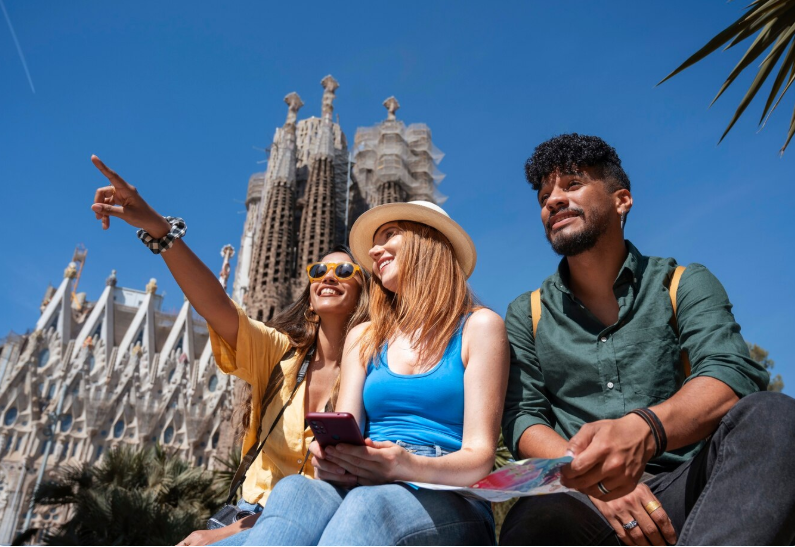
Barcelona is not only a tourist favorite but also a top choice for international professionals. As the capital of Catalonia, the city is a vibrant blend of modern innovation and rich historical tradition. It’s home to numerous multinational companies, a growing tech startup scene, and frequent networking events that make it easy to integrate into the local professional community.
With its Mediterranean coastline, Gaudí’s architectural marvels, and a plethora of cafes and co-working spaces, Barcelona is ideal for both work and leisure. Keep in mind that while Spanish and Catalan are spoken here, many international companies operate in English, making the transition easier for non-Spanish speakers.
2. Madrid – Spain’s Cosmopolitan Capital
Madrid is the political, financial, and cultural heart of Spain. For expats working in finance, law, education, or government-related sectors, Madrid offers the most opportunities. It is home to many international corporations, major universities, and research institutions, providing a thriving environment for professionals and academics alike.
Beyond work, Madrid boasts world-class museums like the Prado, vibrant nightlife, and a diverse culinary scene. Its central location also makes it ideal for weekend trips to other parts of Spain. Though the cost of living is slightly higher, the job prospects and urban lifestyle more than compensate for it.
3. Valencia – The Ideal Work-Life Balance
Valencia strikes a perfect balance between big-city amenities and a relaxed coastal vibe. It’s particularly attractive for digital nomads and remote workers, with a growing number of coworking spaces and tech events. The cost of living here is lower than in Madrid or Barcelona, making it appealing for young professionals and families alike.
Known for its City of Arts and Sciences, delicious paella, and wide beaches, Valencia offers a high quality of life with less of the hustle and bustle. It also has a reliable public transport system and is generally regarded as one of the safest cities in Spain.
4. Málaga – A Rising Star for Expats and Entrepreneurs
Once seen purely as a tourist gateway to the Costa del Sol, Málaga has recently reinvented itself as a modern and forward-thinking city. The tech industry is booming here, with Google establishing a cybersecurity center and other tech hubs on the rise.
Málaga also features a lower cost of living than other major cities, stunning beaches, a growing art scene, and great weather year-round. For entrepreneurs and creatives looking to base themselves in a coastal city with rising international influence, Málaga is worth serious consideration.
5. Seville – For Cultural Immersion and a Slower Pace
If you’re looking to experience traditional Andalusian culture while enjoying a relaxed lifestyle, Seville may be the place for you. While the job market may not be as broad as Madrid or Barcelona, there are still opportunities in education, tourism, and small business sectors.
Known for its flamenco music, Moorish architecture, and festivals like Semana Santa, Seville offers a deep sense of community and rich cultural immersion. It’s perfect for expats who value lifestyle and cultural connection over high-powered careers.
6. Bilbao – The Industrial Powerhouse with Cultural Flair
Located in the Basque Country, Bilbao offers a unique experience compared to the rest of Spain. It’s an economic hub with a strong industrial and services sector, making it ideal for engineers, architects, and logistics professionals. The presence of international companies and a world-renowned design scene (including the iconic Guggenheim Museum) makes it an exciting city for creatives and professionals alike.
Bilbao also offers a slightly cooler climate and a more reserved cultural style, which can be ideal for expats looking for a different pace and atmosphere.
7. Granada – Affordable Living with Scenic Beauty
Granada is a hidden gem for expats, especially those seeking an affordable, picturesque place to live. The cost of living is one of the lowest among Spanish cities, and the views of the Sierra Nevada mountains, along with the historic Alhambra, make it a magical place to call home.
It’s a university town, so there’s a youthful and international population. While job opportunities may be more limited, it’s a great spot for remote workers or retirees looking for charm and serenity.
Learning New Languages as an Expat: Strategies for Quick Success
As an expat in Spain, learning Spanish — or even a regional language like Catalan or Basque — can dramatically improve your quality of life and work experience. Here are a few strategies to accelerate your language learning journey:
- Immerse Yourself Daily: Listen to Spanish podcasts, watch local TV, and change your phone’s language settings to Spanish.
- Join a Language Exchange: Many cities host “intercambios” where locals and expats meet to practice languages over coffee or drinks.
- Take Formal Classes: Consider enrolling in a language school, especially in the early months.
- Use Apps: Duolingo, Babbel, and Rosetta Stone are great tools for daily practice.
- Be Patient and Consistent: Fluency takes time, but consistency is key. Even 15 minutes a day can lead to real progress over a few months.
Learning the language not only helps you navigate daily life but also fosters deeper cultural understanding and meaningful connections.
Stay Connected for More Travel and Lifestyle Inspiration. For more insights into travel, culture, and lifestyle tips, follow me on @salvadorordorica. If you’re seeking professional translation and localization services to enhance your global ventures, visit The Spanish Group — your trusted partner in bridging cultures worldwide.

by Dulce Navarro | Jun 5, 2025 | Countries, Culture, Europe, Lifestyle, Travel
Hidden Gems in Italy: Underrated Towns Worth the Trip
Italy is celebrated for iconic destinations like Rome, Florence, and Venice, but beyond the bustling crowds lie lesser-known towns offering equally rich experiences. From medieval hilltop villages to coastal hideaways, these hidden gems capture the essence of Italian charm without the tourist overload. If you’re a traveler seeking authenticity, peace, and cultural depth, here are some underrated Italian towns that deserve a place on your itinerary.
1. Civita di Bagnoregio – Lazio
Perched atop a crumbling hill in central Italy, Civita di Bagnoregio is often referred to as “the dying city.” Accessible only via a pedestrian bridge, this tiny town is frozen in time, with cobbled streets, stone houses, and panoramic views over the Tiber River Valley. Its haunting beauty and isolation offer a unique, introspective experience for visitors looking to escape modern distractions.
2. Castelluccio di Norcia – Umbria
Nestled in the Apennine Mountains, Castelluccio di Norcia is best visited in late spring when the plains below burst into color with the annual “Fiorita,” a natural wildflower bloom. Despite suffering damage from recent earthquakes, its resilient spirit, striking landscape, and outstanding lentil-based cuisine make it a destination well worth visiting.
3. Tropea – Calabria
Often dubbed the “Pearl of the Tyrrhenian,” Tropea combines dramatic cliffside views, pristine beaches, and charming historic architecture. Less commercialized than Amalfi or Cinque Terre, Tropea offers a more laid-back coastal experience with warm hospitality and affordable accommodations. Don’t leave without trying their famous red onions and creamy gelato.
4. Brisighella – Emilia-Romagna
This picturesque medieval village is known for its slow pace, natural hot springs, and a scenic trail that connects three key landmarks: the clock tower, fortress, and Monticino sanctuary. It’s also one of Italy’s “Cittaslow” towns, promoting sustainable living, slow food, and traditional crafts—making it a peaceful retreat from the urban hustle.
5. Cervo – Liguria
Perched above the Ligurian Sea, Cervo is a colorful town of narrow alleyways, Baroque churches, and art festivals. It remains off the beaten path despite its stunning coastal location. The International Chamber Music Festival held here each summer attracts global talent, while the pebble beaches below provide quiet relaxation away from crowds.
6. Montefalco – Umbria
Wine lovers will delight in Montefalco, home to the lesser-known but excellent Sagrantino wine. This hilltop town offers panoramic views of vineyards and olive groves, with charming enotecas (wine bars), medieval architecture, and religious art inside its Romanesque churches. It’s a must-visit for culinary travelers and oenophiles alike.
7. Bosa – Sardinia
Colorful pastel buildings line the Temo River in Bosa, creating a postcard-perfect setting that feels almost surreal. Located on Sardinia’s western coast, Bosa remains largely untouched by mass tourism. The Castello Malaspina offers sweeping views, while nearby beaches such as Bosa Marina invite quiet seaside relaxation.
8. Ascoli Piceno – Marche
This elegant Renaissance town is known for its travertine piazzas and rich culinary traditions, including the famous “olive all’ascolana”—stuffed and fried olives. With fewer visitors than other central Italian towns, Ascoli Piceno provides an authentic window into everyday Italian life, full of art, history, and incredible food.
9. Orta San Giulio – Piedmont
Located on the shores of Lake Orta, this serene lakeside village offers tranquility and romance without the crowds of Lake Como. Its narrow cobblestone streets lead to the mystical island of San Giulio, where ancient monasteries and silence dominate. It’s ideal for couples or anyone needing a true escape.
10. Scicli – Sicily
Often overshadowed by more prominent Sicilian cities like Palermo or Catania, Scicli offers stunning Baroque architecture, quiet charm, and delicious local cuisine. A UNESCO World Heritage Site, it’s perfect for strolling, enjoying local wines, and soaking in the Sicilian sun without the buzz of tourist groups.
Learning New Languages as an Expat: Strategies for Quick Success
Exploring Italy’s lesser-known towns will naturally immerse you in environments where English is rarely spoken. This provides a fantastic opportunity to accelerate your Italian language skills. Here are some quick strategies for success:
- Daily immersion: Listen to local radio, read signs, menus, and talk to shopkeepers in Italian.
- Language apps: Duolingo, Babbel, or Pimsleur can help reinforce vocabulary and grammar daily.
- Practice speaking: Hire a tutor or join local meetups to improve conversational skills.
- Label your surroundings: Write the Italian name for household items on sticky notes to build vocabulary passively.
- Be patient: Fluency comes from consistent exposure and engagement, not perfection.
Mastering the language enhances every experience—whether you’re asking for directions in Scicli, ordering wine in Montefalco, or simply chatting with locals in a village piazza.
Stay Connected for More Travel and Lifestyle Inspiration.
For more insights into travel, culture, and lifestyle tips, follow me on Instagram @salvadorordorica. If you’re seeking professional translation and localization services to enhance your global ventures, visit The Spanish Group — your trusted partner in bridging cultures worldwide.

by Dulce Navarro | Jun 4, 2025 | Countries, Europe, Languages, Lifestyle, Residency, Traditions
Learning Languages as an Expat: Fast-Track Methods That Work
Living abroad can be a life-changing adventure, but the language barrier often becomes one of the most daunting aspects for expats. Whether relocating for work, personal growth, or a change of pace, mastering the local language is crucial for integration, communication, and professional success.
For company directors and global professionals, the stakes are even higher. Not understanding the language of your host country can limit networking opportunities, disrupt workflow, and hinder overall business expansion. Fortunately, there are proven fast-track methods that work — techniques that make language learning more efficient, engaging, and sustainable, even for busy individuals.
Why Language Proficiency Matters for Expats
Language is the foundation of culture and communication. For expatriates, acquiring the local language goes beyond mere survival — it’s about building trust, fostering relationships, and operating confidently in both personal and professional settings. Business leaders in particular benefit from language fluency by being able to negotiate, present, and network without the need for constant interpretation.
In multicultural business environments, understanding subtle language cues also helps prevent misunderstandings and builds stronger teams across borders. In short, investing time into language acquisition is not just a personal goal, but a strategic asset.
1. Immersive Learning Through Daily Habits
Immersion is the gold standard in language learning. This doesn’t always mean enrolling in full-time classes. It means finding creative and consistent ways to surround yourself with the language every day. Here are some effective ways:
- Change your phone and computer settings to the target language.
- Watch local news, films, or YouTube videos with subtitles.
- Listen to podcasts during your commute.
- Label household items with sticky notes using the local word.
- Practice with locals during everyday errands — at the grocery store, bank, or gym.
Even just 15 minutes of purposeful exposure each day can make a noticeable difference over time.
2. Language Exchange and Social Practice
Joining a language exchange or tandem program allows expats to practice speaking with native speakers while offering value in return. These programs are often free and create real-world dialogue that no textbook can replicate. Websites like Tandem, HelloTalk, and Meetup provide an easy entry point.
Another great strategy is to attend local events, networking nights, or cultural meetups. Practicing casual conversation in social settings reduces the pressure of perfection and builds confidence. The goal is fluency, not flawless grammar.
3. Targeted Apps and Online Platforms
Language learning apps have come a long way, offering sophisticated algorithms and engaging methods to accelerate acquisition. While Duolingo and Babbel are well-known, others like LingQ, Memrise, and Pimsleur provide more specialized tools, especially for conversational fluency.
For business professionals, platforms like italki and Preply offer one-on-one lessons with certified tutors tailored to your industry vocabulary, schedule, and goals. Virtual classrooms also allow flexibility for those managing multiple responsibilities.
4. Focus on Communication Over Perfection
One of the biggest blocks in language learning is the fear of making mistakes. This is especially true for high-level professionals who are used to speaking with authority and precision. But the truth is, fluency comes from making mistakes — lots of them.
Rather than focusing on perfect grammar, prioritize being understood. Use body language, simplified phrases, and repetition to reinforce communication. Confidence in imperfect speech will take you farther than hesitation with perfect grammar ever will.
5. Tailor Your Learning to Your Industry
If you’re working in legal, medical, tech, or business fields, you’ll need to learn more than just everyday vocabulary. Use industry-specific textbooks, glossaries, or courses designed for professionals in your sector. This will not only increase your effectiveness at work but also earn the respect of local colleagues and clients.
Remember, speaking the same “business language” builds trust faster than any presentation slide could.
6. Consider Intensive Language Programs
For those who want faster results, intensive programs — either in-person or online — provide a structured environment with high-impact results. Programs typically run from one to eight weeks and offer daily instruction combined with immersive cultural experiences.
Some reputable programs include Berlitz, EF Education First, and the Goethe-Institut (for German). These programs are designed for adults, including executives, and often offer customized modules for specific learning goals.
7. Hire Professional Translators When Needed
While learning the language is a long-term goal, using professional translation services ensures you can operate confidently in the interim. For legal documents, marketing campaigns, and business proposals, certified translation is not just smart — it’s often legally required.
The Spanish Group offers fast, accurate, and culturally-sensitive translations in over 90 languages, making it the ideal partner for global professionals navigating international markets.
Learning New Languages as an Expat: Strategies for Quick Success
In conclusion, learning a new language as an expat requires intentionality, consistency, and creativity. The most successful strategies combine daily exposure, real-life practice, targeted tools, and cultural engagement. Avoid the trap of perfectionism — embrace the journey and celebrate small wins along the way.
For company directors, managers, and entrepreneurs abroad, the ability to communicate in the local language isn’t just a personal milestone — it’s a business imperative. Equip yourself with the right tools and mindset, and you’ll unlock deeper relationships, expanded opportunities, and a more fulfilling international experience.
Stay Connected for More Travel and Lifestyle Inspiration.
For more insights into travel, culture, and lifestyle tips, follow me on Instagram @salvadorordorica. If you’re seeking professional translation and localization services to enhance your global ventures, visit The Spanish Group — your trusted partner in bridging cultures worldwide.
