Exploring Spain’s Wine Regions: A Guide to the Best Vineyards
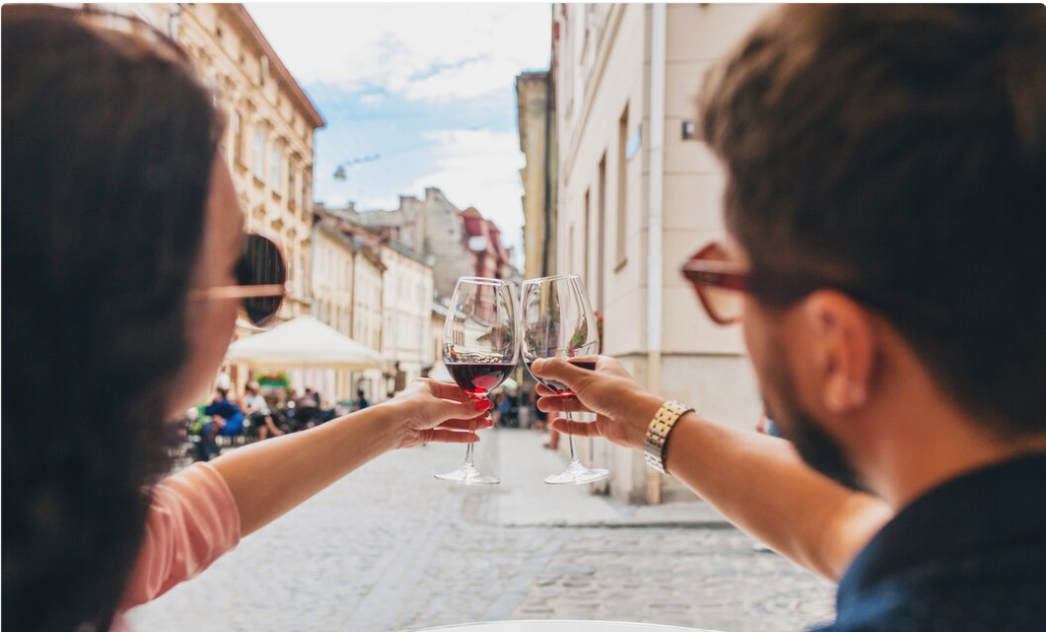
Spain is one of the world’s top wine-producing countries, boasting a rich history of viticulture and an impressive variety of wines. From bold reds to crisp whites and exquisite sparkling Cava, Spain offers something for every wine lover. If you’re planning a wine tour in Spain, here’s a guide to the best wine regions and vineyards you should visit.
1. La Rioja – Spain’s Most Famous Wine Region
Known For: Tempranillo, Garnacha
La Rioja is synonymous with Spanish wine. This northern region is famous for its **rich, oak-aged reds**, particularly **Tempranillo**. Visit renowned wineries such as **Marqués de Riscal** and **Bodegas Muga**, and explore the charming town of Haro, which hosts the annual Wine Battle festival.
2. Ribera del Duero – The Land of Bold Reds
Known For: Tempranillo (Tinto Fino)
Located in Castilla y León, Ribera del Duero produces some of Spain’s most **powerful and complex reds**. Wineries like **Vega Sicilia** and **Dominio de Pingus** craft world-class wines, making this a must-visit destination for red wine enthusiasts.
3. Priorat – A Hidden Gem for Wine Lovers
Known For: Garnacha, Cariñena
Situated in Catalonia, Priorat is known for its **intense, mineral-driven red wines**. The region’s slate-rich soil (llicorella) gives the wines a distinctive character. Top wineries include **Clos Mogador** and **Alvaro Palacios**, producing some of Spain’s most sought-after wines.
4. Rías Baixas – The Home of Albariño
Known For: Albariño
If you prefer white wine, head to **Rías Baixas** in Galicia. This coastal region is famous for **Albariño**, a crisp, aromatic white wine that pairs perfectly with seafood. Visit **Bodegas Martín Códax** and **Pazo de Señorans** for a taste of some of the best Albariño wines.
5. Penedès – The Heart of Cava Production
Known For: Cava (Sparkling Wine)
Penedès, near Barcelona, is Spain’s top **sparkling wine** region. Home to prestigious Cava producers like **Freixenet** and **Codorníu**, it’s the perfect place to explore traditional Spanish sparkling wine-making techniques.
6. Jerez – The Sherry Capital of the World
Known For: Sherry (Fino, Amontillado, Oloroso)
For something unique, visit **Jerez de la Frontera** in Andalusia, the birthplace of Sherry. Experience the solera aging process at **Bodegas González Byass (Tío Pepe)** and **Bodegas Lustau**, and enjoy guided tastings of this fortified wine.
7. Toro – A Rising Star in Spanish Wine
Known For: Tinta de Toro (Tempranillo)
Located in Castilla y León, **Toro** is an up-and-coming wine region producing **rich, full-bodied reds**. Wineries like **Numanthia** and **Bodegas Pintia** (owned by Vega Sicilia) are crafting exceptional wines that are gaining international acclaim.
8. Navarra – A Diverse Wine Region
Known For: Rosé, Tempranillo, Chardonnay
Navarra is known for its **vibrant rosé wines** as well as quality reds and whites. This region offers a mix of traditional and modern winemaking, with standout wineries such as **Bodegas Ochoa** and **Chivite**.
9. Somontano – A Blend of Tradition and Innovation
Known For: Merlot, Syrah, Chardonnay
Located at the foothills of the Pyrenees, **Somontano** is known for its **modern approach to winemaking**. The region produces a variety of high-quality wines, with wineries like **Viñas del Vero** and **Bodega Pirineos** leading the way.
10. Montilla-Moriles – A Sherry Alternative
Known For: Pedro Ximénez (Sweet Wine)
Similar to Jerez, Montilla-Moriles specializes in **fortified wines**, particularly **Pedro Ximénez**, known for its rich sweetness. **Bodegas Alvear** and **Toro Albalá** are some of the top producers in this region.
Final Thoughts
Spain’s wine regions offer a remarkable variety of flavors and styles, making it a paradise for wine lovers. Whether you prefer **bold reds, refreshing whites, sparkling Cava, or fortified Sherry**, there’s a perfect Spanish wine for every palate.
Stay Connected for More Travel and Lifestyle Inspiration. For more insights into travel, culture, and lifestyle tips, follow me on Instagram @salvadorordorica. If you’re seeking professional translation and localization services to enhance your global ventures, visit The Spanish Group — your trusted partner in bridging cultures worldwide.
Ultimate Travel Tips for Spain: How to Plan a Perfect Trip
Spain is a country that captivates travelers with its diverse landscapes, rich history, and vibrant culture. Whether you’re planning to explore the bustling streets of Madrid, the artistic wonders of Barcelona, or the sun-kissed beaches of the Costa del Sol, careful planning will ensure you make the most of your trip. Here’s your ultimate guide to planning the perfect journey to Spain.
1. Best Time to Visit Spain
Spain’s climate varies depending on the region, so choosing the best time to visit depends on your travel goals.
Spring (March to May): Ideal for sightseeing and outdoor activities, with mild temperatures and fewer crowds.
Summer (June to August): Perfect for beach lovers but expect high temperatures, especially in southern regions like Andalusia.
Fall (September to November): A great time to explore cities with pleasant weather and fewer tourists.
Winter (December to February): Ideal for skiing in the Pyrenees or Sierra Nevada, while coastal cities like Barcelona remain mild.
2. Travel Documents and Entry Requirements
Before traveling to Spain, ensure you have the necessary documents:
Visa Requirements: EU citizens can enter freely, while non-EU travelers should check visa regulations. U.S. citizens can visit for up to 90 days without a visa.
Passport Validity: Ensure your passport is valid for at least six months beyond your stay.
Travel Insurance: Recommended for medical emergencies, trip cancellations, or lost baggage.
3. Transportation: Getting Around Spain
Spain offers an excellent transportation network, making it easy to travel between cities and regions.
Trains: Renfe operates high-speed AVE trains that connect major cities like Madrid, Barcelona, and Seville.
Buses: Affordable and extensive, with companies like ALSA covering long-distance routes.
Flights: Domestic flights are useful for covering large distances quickly, especially between the mainland and the Balearic or Canary Islands.
Car Rentals: Ideal for exploring rural areas, but city parking can be challenging.
Public Transport: Metro systems in Madrid, Barcelona, and Valencia are efficient and cost-effective.
4. Must-Visit Destinations in Spain
Madrid
The Prado Museum: Home to masterpieces by Velázquez and Goya.
Royal Palace of Madrid: One of Europe’s largest and most stunning palaces.
Retiro Park: A beautiful retreat in the heart of the city.
Barcelona
La Sagrada Familia: Gaudí’s architectural masterpiece.
Park Güell: A colorful, artistic park with stunning views.
La Rambla: A lively boulevard with shops, cafes, and street performers.
Seville
Alcázar of Seville: A breathtaking palace with Moorish architecture.
Metropol Parasol: A modern architectural wonder with panoramic views.
5. Spanish Cuisine: What to Eat and Drink
Paella: A must-try rice dish from Valencia.
Tapas: Small plates of various dishes, perfect for sharing.
Jamón Ibérico: A delicacy of cured Iberian ham.
Gazpacho: A refreshing cold tomato soup from Andalusia.
6. Essential Spanish Travel Tips
Cultural Etiquette
Greetings: A kiss on both cheeks is common among friends, while a handshake is standard in formal settings.
Tipping: Not obligatory but appreciated. A 5-10% tip is customary in restaurants.
Siesta Time: Many shops and restaurants close in the afternoon (2-5 PM) in smaller towns.
Money and Payments
Currency: Spain uses the Euro (€).
Credit Cards: Widely accepted, but carrying some cash is useful for small businesses.
7. Festivals and Events to Experience
La Tomatina (Buñol, August): A massive tomato-throwing festival.
San Fermín (Pamplona, July): Famous for the Running of the Bulls.
Semana Santa (Holy Week, March/April): Religious processions held across the country.
Final Thoughts
Spain is a country full of history, culture, and unforgettable experiences. Whether you’re indulging in world-renowned cuisine, exploring historic cities, or relaxing on its pristine beaches, proper planning will ensure a seamless and enjoyable trip.
Stay Connected for More Travel and Lifestyle Inspiration. For more insights into travel, culture, and lifestyle tips, follow me on Instagram @salvadorordorica. If you’re seeking professional translation and localization services to enhance your global ventures, visit The Spanish Group — your trusted partner in bridging cultures worldwide.
How to Work Remotely from Spain: Visas, Cost, and Best Cities
Introduction
Spain has become a top destination for remote workers due to its pleasant climate, rich culture, and excellent quality of life. If you’re considering working remotely from Spain, it’s important to understand the visa requirements, cost of living, and the best cities to settle in.
Visa Options for Remote Workers
Spain’s Digital Nomad Visa
Spain introduced a Digital Nomad Visa, allowing non-EU remote workers to legally live and work in the country. To qualify, you need proof of employment or freelance contracts outside of Spain, a stable income, and private health insurance.
Self-Employment Visa
If you’re a freelancer or entrepreneur, the self-employment visa (autónomo visa) allows you to legally work in Spain. You’ll need a detailed business plan and proof of sufficient financial means.
Cost of Living in Spain
Spain is generally more affordable than other Western European countries. However, costs vary by city. Here’s a breakdown:
Housing
Rental prices range from €600-€2,000 per month depending on the city and type of accommodation.
Utilities and Internet
Expect to pay around €100-€150 monthly for utilities and €30-€50 for high-speed internet.
Food and Dining
Groceries cost around €250-€400 per month, while dining out is very affordable with meals costing €10-€20 at local restaurants.
Best Cities for Remote Work in Spain
Barcelona
A cosmopolitan city with excellent coworking spaces, vibrant culture, and beachside living.
Madrid
The capital city offers a thriving business environment, cultural attractions, and a well-connected transport system.
Valencia
A more affordable alternative with a relaxed coastal vibe, great weather, and an emerging startup scene.
Seville
For those seeking history, tradition, and a lower cost of living, Seville is an excellent choice.
Expat Life in Europe: Pros, Cons, and Tips for a Smooth Transition
Moving to Europe as an expat is an exciting adventure that offers new opportunities, cultural experiences, and personal growth. However, it also comes with challenges that require preparation and adaptability. This guide explores the pros and cons of expat life in Europe and provides tips for a seamless transition.
Pros of Living as an Expat in Europe
1. High Quality of Life
Many European countries rank high in quality of life, offering excellent healthcare, efficient public transportation, and a strong work-life balance. Cities like Zurich, Vienna, and Copenhagen consistently receive high scores in global livability indexes.
2. Rich Cultural Experiences
Europe is home to diverse cultures, languages, and histories. Whether you are exploring the art of Paris, the history of Rome, or the cuisine of Barcelona, each country has unique traditions that make expat life enriching.
3. Travel Opportunities
With well-connected transportation networks, living in Europe provides easy access to neighboring countries. Expats can take weekend trips to different countries, experiencing multiple cultures without the need for long-haul flights.
4. Strong Social Benefits
Many European nations offer strong social security systems, including healthcare, education, and pension schemes. Countries like Germany and Sweden provide excellent support for expats, ensuring a high standard of living.
Cons of Living as an Expat in Europe
1. Bureaucracy and Paperwork
European countries often have strict visa and residency requirements. Expats may face lengthy processes for work permits, bank accounts, and healthcare registration.
2. High Cost of Living
Certain European cities, such as London, Zurich, and Paris, have a high cost of living. Housing, dining, and transportation expenses can be significant, requiring financial planning before relocating.
3. Language Barriers
Although many Europeans speak English, language barriers can still be challenging. Learning the local language is beneficial for everyday interactions, professional opportunities, and social integration.
4. Cultural Adjustments
Adjusting to new cultural norms and social etiquette can take time. From different business practices to meal schedules, expats must adapt to varying lifestyles and expectations.
Tips for a Smooth Transition
1. Research Visa and Residency Requirements
Understand the visa process and residency laws of your chosen country. Consulting immigration experts or legal advisors can help ensure compliance with local regulations.
2. Learn the Language
Even basic knowledge of the local language can improve your experience. Enroll in language courses or use language learning apps to enhance communication skills.
3. Understand the Cost of Living
Plan your finances according to the cost of living in your chosen city. Research housing prices, tax structures, and daily expenses to create a realistic budget.
4. Build a Social Network
Joining expat groups, attending local events, and networking with fellow expats can help ease the transition. Many online communities provide support and valuable insights.
5. Adapt to Cultural Differences
Embrace the cultural differences and remain open-minded. Understanding local customs, traditions, and social behaviors will help in integrating smoothly into the community.
Conclusion
Living as an expat in Europe is an enriching experience that comes with both opportunities and challenges. With proper planning, cultural adaptation, and financial management, the transition can be smooth and rewarding.
Stay Connected for More Travel and Lifestyle Inspiration
For more insights into travel, culture, and lifestyle tips, follow me on Instagram @salvadorordorica. If you’re seeking professional translation and localization services to enhance your global ventures, visit The Spanish Group—your trusted partner in bridging cultures worldwide.
Cultural Heritage Preservation Through Storytelling and Oral Traditions
In an era dominated by rapid globalization and technological advancement, preserving cultural heritage has become more critical than ever. At the heart of this preservation lies storytelling and oral traditions—powerful tools that have safeguarded the identities, values, and histories of civilizations for centuries. Whether through folktales, legends, personal narratives, or communal histories, storytelling transcends generations, ensuring that cultural knowledge is not lost to time.
The Power of Storytelling in Cultural Preservation
Storytelling is one of humanity’s oldest traditions, predating written language. Across the globe, indigenous communities, families, and elders have used oral narratives to pass down knowledge, moral lessons, and historical accounts. Unlike written records, which may be subject to decay or restricted access, oral traditions rely on human interaction, making them a dynamic and evolving means of cultural transmission.
1. Safeguarding Indigenous Wisdom
Many indigenous cultures rely solely on oral traditions to preserve their identity. For example, Native American tribes share myths and folklore that explain their origins, spiritual beliefs, and customs. In Africa, griots—storytellers, poets, and musicians—serve as living libraries, passing down genealogies, historical events, and communal wisdom through spoken word and song.
2. Language as a Cultural Anchor
Language is at the core of cultural identity, and oral traditions play a vital role in keeping languages alive, especially endangered ones. When people continue to tell stories in their native tongues, they reinforce linguistic traditions and ensure that dialects remain relevant. This is crucial in a world where many indigenous languages are on the brink of extinction due to assimilation and globalization.
3. Moral and Ethical Lessons
Many cultures use storytelling to instill values and teach important life lessons. Fables, parables, and proverbs convey themes of justice, honesty, respect, and perseverance. The stories of Aesop, for example, have been passed down for over 2,500 years and continue to educate people across different cultures.
Oral Traditions as a Historical Record
While written documentation is a relatively recent development in human history, oral traditions have long served as an accurate and trusted means of recording events. Many cultures use oral history to document wars, migrations, royal lineages, and even everyday life.
1. Unwritten Histories
In places where written records were scarce or non-existent, oral traditions have been instrumental in preserving historical accounts. For example, Australia’s Aboriginal communities have passed down Dreamtime stories for over 60,000 years, detailing creation myths and historical events.
Similarly, West African societies have relied on griots to recount the rise and fall of empires such as Mali and Ghana. These stories have provided historians with invaluable insights into African history that might have otherwise been lost.
2. Personal Narratives and Testimonies
Oral history projects have become vital in documenting firsthand accounts of major world events. Survivors of the Holocaust, veterans of war, and those who have lived through social revolutions share their experiences to ensure history is remembered accurately and lessons are learned for future generations.
3. Cultural Identity Amid Migration
As people migrate and settle in new lands, they bring their stories with them. Oral traditions help preserve a sense of identity and belonging among displaced communities. For example, the Irish diaspora has maintained a strong cultural identity through storytelling, music, and oral histories passed down through generations.
Challenges to Cultural Heritage Preservation
Despite their importance, storytelling and oral traditions face significant challenges in the modern world. The rapid decline of indigenous languages, the impact of digital distractions, and the loss of elder storytellers pose threats to this form of cultural preservation.
1. The Decline of Native Languages
With the rise of dominant global languages, many indigenous dialects are disappearing at an alarming rate. When a language dies, the stories, proverbs, and traditions associated with it are at risk of being lost as well.
2. Technology’s Double-Edged Sword
While technology can help document and preserve oral traditions, it also contributes to their decline. Younger generations are increasingly engaging with digital content rather than listening to elders recount stories in traditional settings.
3. The Loss of Storytellers
Many communities rely on elders to pass down knowledge, but with aging populations and urbanization, younger generations are often distanced from these cultural bearers. Without active measures to preserve and share these traditions, they may disappear with time.
Modern Efforts to Preserve Oral Traditions
Recognizing these challenges, various organizations and communities are actively working to document and revitalize oral traditions.
1. Digital Storytelling Initiatives
Many cultural institutions are leveraging digital media to record and share oral histories. Podcasts, video interviews, and digital archives have become valuable tools for ensuring that stories remain accessible to future generations.
2. Educational Programs
Schools and universities are incorporating oral history projects into their curricula to encourage students to engage with their cultural roots. By interviewing elders and documenting local folklore, younger generations develop a deeper appreciation for their heritage.
3. Community-Led Preservation Efforts
Communities worldwide are organizing storytelling festivals, language preservation programs, and mentorship initiatives to keep oral traditions alive. The International Storytelling Center, for example, promotes the power of storytelling as a tool for cultural connection and education.
Conclusion
Storytelling and oral traditions serve as the lifeblood of cultural heritage preservation. They safeguard history, reinforce identity, and connect generations across time. While challenges exist, modern technology, education, and community engagement offer promising solutions to ensure these traditions endure.
By valuing and actively participating in storytelling, we can contribute to preserving the richness of our cultural heritage for future generations.
Stay Connected for More Travel and Lifestyle Inspiration
For more insights into travel, culture, and lifestyle tips, follow me on Instagram @salvadorordorica. If you’re seeking professional translation and localization services to enhance your global ventures, visit The Spanish Group—your trusted partner in bridging cultures worldwide.
Adapting to European Business Culture: Key Differences Across Countries
In today’s globalized world, expanding business operations into Europe can offer exciting opportunities. However, adapting to the diverse business cultures across European countries is crucial for success. Each nation has its own traditions, etiquette, and communication styles, making it essential to understand and respect these differences. Whether you’re setting up partnerships, negotiating deals, or managing teams, cultural awareness can help you build stronger relationships and navigate the European business landscape effectively.
Understanding Business Culture in Europe
Europe is a continent of rich history and cultural diversity, and these differences extend into the business environment. While the European Union (EU) has created some degree of standardization in economic and business practices, the way business is conducted still varies significantly from country to country. Factors such as corporate hierarchy, negotiation styles, punctuality, and communication approaches differ widely, impacting everything from daily meetings to long-term partnerships.
To thrive in Europe’s diverse business landscape, it’s essential to learn the cultural nuances of each country. Below, we explore key business culture differences in several major European economies.
Germany: Precision and Professionalism
Germany is known for its structured and methodical approach to business. Punctuality is highly valued, and being late to meetings is considered disrespectful. German business culture is formal, with clear hierarchies and well-defined roles within organizations. Decisions are typically made based on thorough research, analysis, and long-term planning.
Negotiations in Germany tend to be direct, with an emphasis on factual accuracy and technical expertise. Small talk is minimal, and business discussions remain focused on efficiency and results. Germans also value written communication, so contracts and agreements should be meticulously detailed to avoid misunderstandings.
France: Relationships and Hierarchy
French business culture is hierarchical, and respect for authority is crucial. Decision-making tends to be centralized, with top executives having the final say. While professionalism is important, personal relationships and networking play a key role in business success. It’s common to engage in small talk before discussing business matters, as this helps build trust and rapport.
The French appreciate formality in both speech and attire, particularly in corporate environments. Additionally, business lunches are common, and they serve as an opportunity for relationship-building rather than just discussing deals. If you’re working in France, being fluent in French or at least making an effort to use the language can be greatly appreciated and can improve business relations.
United Kingdom: Pragmatism and Politeness
The United Kingdom’s business culture blends formality with pragmatism. While British professionals value politeness and diplomacy, they also prioritize efficiency and results. Meetings often start with casual conversation before transitioning into business matters, and humor is sometimes used to ease tensions.
Hierarchy exists in British businesses, but decision-making is often more collaborative than in France or Germany. Being tactful and avoiding overly aggressive negotiation tactics is crucial, as the British prefer indirect communication and may use subtle cues rather than blunt statements.
Italy: Flexibility and Personal Connections
In Italy, business is built on relationships. Personal connections, trust, and rapport are fundamental to successful business dealings. Meetings often start with extensive small talk, and deals are rarely rushed—patience is required when conducting business in Italy.
Italian business culture is less rigid than in Germany, and flexibility is common. While hierarchy is respected, decision-making can involve significant discussions and personal input from various levels of management. Business attire is stylish and professional, reflecting the Italian appreciation for aesthetics and presentation.
Spain: Warmth and Work-Life Balance
Spanish business culture is characterized by warmth and hospitality. Building relationships is essential, and face-to-face meetings are preferred over emails or phone calls. Small talk is expected before business discussions, and Spaniards often value a more relaxed approach to work.
While punctuality is appreciated, meetings may start slightly late, and schedules can be more fluid compared to northern European countries. Spain also has a strong emphasis on work-life balance, and long lunch breaks or evening networking events are common. Demonstrating patience and adaptability is key when conducting business in Spain.
Scandinavia: Equality and Consensus-Driven Decision Making
Business culture in Scandinavia (Denmark, Sweden, and Norway) is known for its egalitarian approach. Hierarchies are typically flat, and decision-making is often based on consensus rather than authority. Employees at all levels are encouraged to contribute ideas, and leadership is seen as collaborative rather than authoritative.
Scandinavians value efficiency, punctuality, and clear communication. Meetings are usually to the point, and excessive formalities are avoided. Work-life balance is highly prioritized, and it’s common for employees to leave the office on time to spend time with their families.
The Netherlands: Directness and Pragmatism
The Dutch are known for their directness and pragmatic approach to business. They appreciate honesty and straightforward communication, so being clear and concise in discussions is expected. Unlike some other European cultures, Dutch business meetings are often informal and efficient.
Networking is important, but the Dutch tend to separate their personal and professional lives more than southern European countries. Punctuality and reliability are key, and negotiations are usually based on logic and facts rather than personal relationships.
Key Takeaways for Business Success in Europe
Punctuality Matters: In Germany, Scandinavia, and the UK, being on time is crucial, while in Spain or Italy, there may be more flexibility.
Formality Varies: Countries like Germany and France value formality in business, while the Netherlands and Scandinavia have more informal work environments.
Building Relationships is Key: In Italy, Spain, and France, personal relationships play a significant role in business success.
Communication Styles Differ: The British use indirect language and diplomacy, while the Dutch and Germans favor direct communication.
Hierarchy and Decision-Making: France and Germany have hierarchical structures, while Scandinavian countries promote consensus-based decision-making.
By understanding these differences and adapting accordingly, business professionals can build stronger relationships, improve negotiations, and successfully navigate the European market.
Stay Connected for More Travel and Lifestyle Inspiration
For more insights into travel, culture, and lifestyle tips, follow me on Instagram @salvadorordorica. If you’re seeking professional translation and localization services to enhance your global ventures, visit The Spanish Group—your trusted partner in bridging cultures worldwide.