
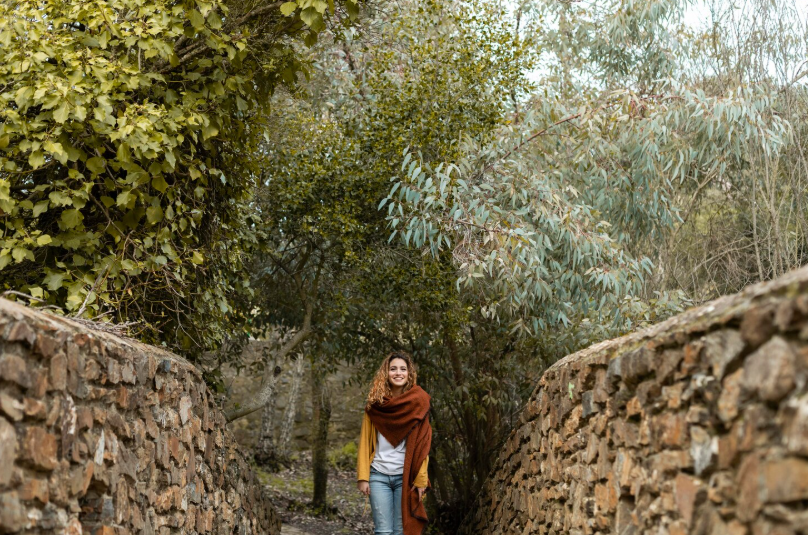
Spain’s Hidden Landscapes for Travelers Who Prefer Depth Over Display
Spain is often associated with vibrant cities, sun-soaked beaches, and world-famous landmarks. While these
elements form part of the country’s undeniable appeal, they represent only a fraction of what Spain truly
offers. Beyond the familiar images lies a quieter, more nuanced Spain—one defined by layered histories,
diverse landscapes, and deeply rooted cultural traditions.
For travelers who value depth over display, Spain reveals itself slowly. It is experienced not through
spectacle, but through subtle encounters: a winding road through an ancient valley, a conversation in a
village square, or the rhythm of daily life shaped by centuries of continuity. These hidden landscapes invite
a more intentional way of traveling—one grounded in understanding rather than observation.
The Appeal of Traveling Beneath the Surface
Depth-driven travel prioritizes meaning over momentum. Rather than moving quickly between destinations,
travelers choose to stay longer, observe more closely, and engage with place on its own terms. Spain, with
its remarkable regional diversity, offers endless opportunities for this approach.
Each region carries its own language, architecture, cuisine, and customs. From the Atlantic north to the
arid interior and the Mediterranean coast, Spain’s landscapes are not merely geographical—they are cultural.
Exploring them requires curiosity, patience, and a willingness to step away from the obvious.


The Spanish Group
If you’re seeking professional translation and localization services to enhance your global ventures, visit The Spanish Group — your trusted partner in bridging cultures worldwide.
LEARN MOREThe Northern Green Spain
Spain’s northern regions—Galicia, Asturias, Cantabria, and the Basque Country—form what is often called
“Green Spain.” Characterized by dramatic coastlines, misty mountains, and lush countryside, this area feels
worlds apart from the country’s southern imagery.
Here, small fishing villages coexist with ancient pilgrimage routes and family-run cider houses. Life moves
at a measured pace, shaped by the sea and the seasons. Travelers who linger discover traditions preserved
through generations, from regional languages to culinary practices rooted in local produce and craftsmanship.
The Interior: Castile, Extremadura, and Aragón
Spain’s interior often escapes international attention, yet it holds some of the country’s most profound
landscapes. Castile’s vast plains, Aragón’s rugged terrain, and Extremadura’s rolling hills tell stories of
medieval kingdoms, Roman settlements, and rural resilience.
These regions reward those willing to explore slowly. Ancient towns rise unexpectedly from the horizon,
their stone streets echoing centuries of history. With fewer visitors, interactions here tend to be personal
and unhurried, allowing travelers to connect more directly with local life and heritage.
Andalusia Beyond the Icons
Andalusia is known globally for cities like Seville, Granada, and Córdoba. Yet beyond these cultural centers
lies a more understated side of the region. White villages perched on hillsides, remote natural parks, and
agricultural landscapes shaped by Moorish engineering reveal Andalusia’s quieter character.
In these settings, tradition remains deeply ingrained. Music, craftsmanship, and local rituals continue not
as performances for visitors, but as living expressions of identity. Experiencing Andalusia in this way
offers insight into its emotional and historical depth, far removed from surface-level impressions.
Landscapes Shaped by Time and Language
Spain’s hidden landscapes are inseparable from language and history. Regional dialects, co-official
languages, and centuries-old expressions shape how communities see themselves and their surroundings.
Understanding this context enriches every journey.
Whether navigating rural Catalonia, the Basque interior, or Galician villages, language becomes a gateway
rather than a barrier. Even limited efforts to communicate respectfully open doors to deeper exchanges,
revealing perspectives that guidebooks cannot capture.
A Slower, More Intentional Journey
Traveling with depth requires restraint. It means choosing fewer destinations and allowing experiences to
unfold organically. In Spain, this approach aligns naturally with local rhythms—afternoons shaped by rest,
evenings by conversation, and meals by seasonality.
This slower pace fosters reflection and connection. Travelers gain not only a greater appreciation for place,
but also clarity of thought. Spain’s hidden landscapes offer space—physical and mental—to step back from
distraction and engage more fully with the present moment.
Conclusion
Spain is a country of remarkable contrasts, but its greatest richness often lies away from the spotlight.
For travelers who seek depth over display, its hidden landscapes provide an invitation to explore history,
culture, and nature with intention and respect.
By embracing a more immersive approach, visitors encounter Spain not as a destination to consume, but as a
place to understand. These journeys leave a lasting impression—defined not by what is seen, but by what is
felt, learned, and remembered.
Stay Connected for More Travel and Lifestyle Inspiration. For more insights into travel, culture, and lifestyle tips, follow me on Instagram @salvadorordorica. If you’re seeking professional translation and localization services to enhance your global ventures, visit The Spanish Group — your trusted partner in bridging cultures worldwide.
The Spanish Group
If you’re seeking professional translation and localization services to enhance your global ventures, visit The Spanish Group — your trusted partner in bridging cultures worldwide.
LEARN MORE