by Dulce Navarro | Mar 17, 2025 | Countries, Culture, Europe, Lifestyle, Residency, Traditions, Travel
Digital Nomad Relocation to Italy: Best Cities, Visas & Cost of Living
As the world embraces remote work, Italy has become a dream destination for digital nomads seeking a mix of rich culture, breathtaking landscapes, and a high quality of life. Whether you’re looking for vibrant city life, coastal serenity, or charming countryside, Italy offers a variety of locations to suit every remote worker’s preference. In this blog post, we’ll explore the best cities for digital nomads, visa requirements, and the cost of living to help you plan your move seamlessly.
Best Cities for Digital Nomads in Italy
Milan – The Business and Innovation Hub
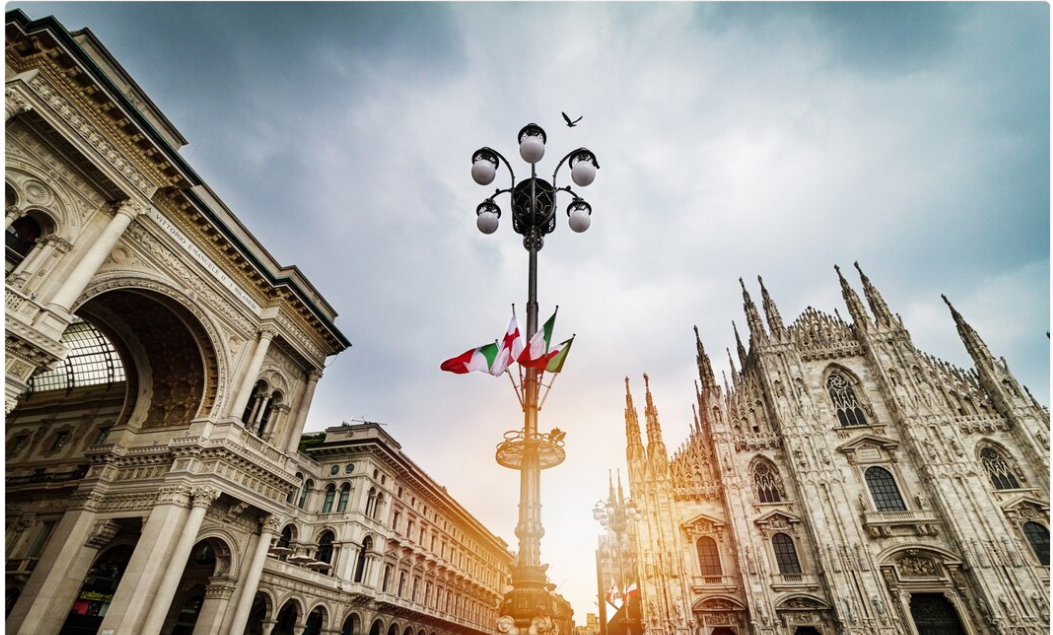
Milan, Italy’s financial and fashion capital, is perfect for digital nomads looking for a fast-paced environment with top-tier amenities…
Rome – The Eternal City with a Modern Twist
Rome offers a blend of history and modernity, making it a great choice for digital nomads who appreciate cultural immersion…
Florence – A Haven for Creatives and Artists
For digital nomads in creative fields, Florence is an inspiring destination with its Renaissance architecture and artistic atmosphere…
Bologna – The Student City with a Vibrant Lifestyle
Bologna is home to one of the oldest universities in the world, giving it a youthful and energetic vibe…
Naples – Affordable and Culturally Rich
For digital nomads seeking affordability without compromising on culture, Naples is an excellent choice…
Turin – A Growing Tech and Startup Hub
Turin is emerging as a tech-friendly city, attracting entrepreneurs and digital nomads alike…
Palermo – Mediterranean Charm at a Low Cost
Palermo, the capital of Sicily, is an excellent choice for digital nomads who enjoy warm weather, beaches, and a lower cost of living…
Visa Requirements for Digital Nomads in Italy
Italy recently introduced a Digital Nomad Visa, allowing remote workers from non-EU countries to legally live and work in Italy…
Cost of Living in Italy for Digital Nomads
| Expense |
Milan (€) |
Rome (€) |
Florence (€) |
Bologna (€) |
Naples (€) |
Palermo (€) |
| Rent (1-BR apartment) |
1,200 – 2,000 |
900 – 1,500 |
800 – 1,300 |
700 – 1,200 |
500 – 1,000 |
400 – 900 |
| Utilities & Internet |
150 – 200 |
120 – 180 |
120 – 180 |
100 – 150 |
100 – 150 |
80 – 130 |
Additional Tips for Digital Nomads Moving to Italy
- Learn Basic Italian: While English is widely spoken in major cities, knowing some Italian will enhance your experience.
- Get a Local SIM Card: Companies like TIM, Vodafone, and WindTre offer affordable mobile data plans.
- Use Public Transport: Italy’s train system makes it easy to travel between cities.
- Join Expat & Nomad Communities: Platforms like Meetup, Facebook groups, and co-working spaces are great for networking.
- Consider Health Insurance: Even if not required by your visa, having good coverage is advisable.
Final Thoughts
Italy is a fantastic destination for digital nomads looking for a mix of history, culture, and modern conveniences…
Stay Connected for More Travel and Lifestyle Inspiration. For more insights into travel, culture, and lifestyle tips, follow me on Instagram @salvadorordorica. If you’re seeking professional translation and localization services to enhance your global ventures, visit The Spanish Group — your trusted partner in bridging cultures worldwide.

by Dulce Navarro | Mar 17, 2025 | Countries, Culture, Europe, Lifestyle, Travel
Exploring Spain’s Wine Regions: A Guide to the Best Vineyards
Spain is one of the world’s top wine-producing countries, boasting a rich history of viticulture and an impressive variety of wines. From bold reds to crisp whites and exquisite sparkling Cava, Spain offers something for every wine lover. If you’re planning a wine tour in Spain, here’s a guide to the best wine regions and vineyards you should visit.
1. La Rioja – Spain’s Most Famous Wine Region
Known For: Tempranillo, Garnacha
La Rioja is synonymous with Spanish wine. This northern region is famous for its **rich, oak-aged reds**, particularly **Tempranillo**. Visit renowned wineries such as **Marqués de Riscal** and **Bodegas Muga**, and explore the charming town of Haro, which hosts the annual Wine Battle festival.
2. Ribera del Duero – The Land of Bold Reds
Known For: Tempranillo (Tinto Fino)
Located in Castilla y León, Ribera del Duero produces some of Spain’s most **powerful and complex reds**. Wineries like **Vega Sicilia** and **Dominio de Pingus** craft world-class wines, making this a must-visit destination for red wine enthusiasts.
3. Priorat – A Hidden Gem for Wine Lovers
Known For: Garnacha, Cariñena
Situated in Catalonia, Priorat is known for its **intense, mineral-driven red wines**. The region’s slate-rich soil (llicorella) gives the wines a distinctive character. Top wineries include **Clos Mogador** and **Alvaro Palacios**, producing some of Spain’s most sought-after wines.
4. Rías Baixas – The Home of Albariño
Known For: Albariño
If you prefer white wine, head to **Rías Baixas** in Galicia. This coastal region is famous for **Albariño**, a crisp, aromatic white wine that pairs perfectly with seafood. Visit **Bodegas Martín Códax** and **Pazo de Señorans** for a taste of some of the best Albariño wines.
5. Penedès – The Heart of Cava Production
Known For: Cava (Sparkling Wine)
Penedès, near Barcelona, is Spain’s top **sparkling wine** region. Home to prestigious Cava producers like **Freixenet** and **Codorníu**, it’s the perfect place to explore traditional Spanish sparkling wine-making techniques.
6. Jerez – The Sherry Capital of the World
Known For: Sherry (Fino, Amontillado, Oloroso)
For something unique, visit **Jerez de la Frontera** in Andalusia, the birthplace of Sherry. Experience the solera aging process at **Bodegas González Byass (Tío Pepe)** and **Bodegas Lustau**, and enjoy guided tastings of this fortified wine.
7. Toro – A Rising Star in Spanish Wine
Known For: Tinta de Toro (Tempranillo)
Located in Castilla y León, **Toro** is an up-and-coming wine region producing **rich, full-bodied reds**. Wineries like **Numanthia** and **Bodegas Pintia** (owned by Vega Sicilia) are crafting exceptional wines that are gaining international acclaim.
8. Navarra – A Diverse Wine Region
Known For: Rosé, Tempranillo, Chardonnay
Navarra is known for its **vibrant rosé wines** as well as quality reds and whites. This region offers a mix of traditional and modern winemaking, with standout wineries such as **Bodegas Ochoa** and **Chivite**.
9. Somontano – A Blend of Tradition and Innovation
Known For: Merlot, Syrah, Chardonnay
Located at the foothills of the Pyrenees, **Somontano** is known for its **modern approach to winemaking**. The region produces a variety of high-quality wines, with wineries like **Viñas del Vero** and **Bodega Pirineos** leading the way.
10. Montilla-Moriles – A Sherry Alternative
Known For: Pedro Ximénez (Sweet Wine)
Similar to Jerez, Montilla-Moriles specializes in **fortified wines**, particularly **Pedro Ximénez**, known for its rich sweetness. **Bodegas Alvear** and **Toro Albalá** are some of the top producers in this region.
Final Thoughts
Spain’s wine regions offer a remarkable variety of flavors and styles, making it a paradise for wine lovers. Whether you prefer **bold reds, refreshing whites, sparkling Cava, or fortified Sherry**, there’s a perfect Spanish wine for every palate.
Stay Connected for More Travel and Lifestyle Inspiration. For more insights into travel, culture, and lifestyle tips, follow me on Instagram @salvadorordorica. If you’re seeking professional translation and localization services to enhance your global ventures, visit The Spanish Group — your trusted partner in bridging cultures worldwide.

by Dulce Navarro | Mar 14, 2025 | Uncategorized
Top Day Trips from Paris: Charming Towns & Scenic Escapes
Paris is an enchanting city, but sometimes, escaping the hustle and bustle for a day is the perfect way to enhance your French experience. Fortunately, the surrounding regions offer picturesque towns, historic sites, and breathtaking landscapes, all within easy reach of the capital. Here are some of the best day trips from Paris to immerse yourself in culture, history, and natural beauty.
1. Versailles – The Iconic Royal Retreat
Travel Time: 40 minutes by train
The Palace of Versailles is one of France’s most stunning landmarks. Originally built as a hunting lodge, it became the extravagant residence of Louis XIV. Wander through the **Hall of Mirrors**, explore the **extensive gardens**, and visit the **Grand Trianon** and **Marie Antoinette’s Estate**.
2. Giverny – Monet’s Enchanting Garden
Travel Time: 1 hour by train
Art lovers should not miss **Giverny**, the home of Claude Monet. His house and gardens inspired many of his masterpieces, including the famous **Water Lilies** series. Stroll through the lush floral landscapes and step inside his beautifully preserved home.
3. Fontainebleau – A Royal Château Surrounded by Forest
Travel Time: 1 hour by train
Often compared to Versailles but with fewer crowds, **Château de Fontainebleau** is a UNESCO-listed site with stunning Renaissance and classical architecture. Surrounded by a vast forest, it’s also a great destination for hiking and rock climbing.
4. Reims – Champagne Tasting and Gothic Splendor
Travel Time: 45 minutes by train
Reims is the heart of France’s **Champagne region** and home to **Notre-Dame de Reims**, where French kings were crowned. Enjoy a tour of world-renowned Champagne houses like **Veuve Clicquot** and **Taittinger**, and sip on some of the finest bubbly in the world.
5. Chantilly – Elegant Castles and Horses
Travel Time: 25 minutes by train
Home to the magnificent **Château de Chantilly**, this fairytale-like town is known for its elegant architecture, lush gardens, and the famous **Chantilly Cream**. Visit the **Living Horse Museum** and witness an equestrian show at the prestigious Great Stables.
6. Rouen – A Medieval Gem
Travel Time: 1 hour 30 minutes by train
Steeped in history, **Rouen** is where **Joan of Arc** was tried and executed. Admire the towering **Rouen Cathedral**, wander through charming medieval streets, and explore vibrant markets filled with Norman delicacies.
7. Provins – A Step Back into Medieval France
Travel Time: 1 hour 25 minutes by train
Designated a **UNESCO World Heritage Site**, **Provins** transports visitors back to the Middle Ages with its well-preserved ramparts, watchtowers, and underground tunnels. Enjoy medieval reenactments and explore the ancient trade fair town.
8. Loire Valley – Castles and Vineyards
Travel Time: 1 hour 30 minutes by train
Known as the **Garden of France**, the **Loire Valley** is dotted with fairy-tale châteaux, such as **Château de Chambord**, **Château de Chenonceau**, and **Château d’Amboise**. Wine lovers can indulge in tastings of the region’s world-class vintages.
9. Lille – A Taste of Flemish France
Travel Time: 1 hour by train
Located near the Belgian border, **Lille** boasts a unique mix of **French and Flemish architecture**. Explore the **Grand Place**, visit the **Palais des Beaux-Arts**, and enjoy delicious local specialties like **carbonnade flamande** and **moules-frites**.
10. Honfleur – A Coastal Escape
Travel Time: 2 hours by train
Famous for its picturesque harbor, **Honfleur** has inspired countless artists, including **Claude Monet**. Walk along the charming waterfront, admire colorful half-timbered houses, and enjoy fresh seafood at a quaint bistro.
Final Thoughts
Paris is an incredible city, but exploring beyond its borders reveals even more of France’s charm. Whether you’re interested in history, nature, art, or food, these day trips offer unforgettable experiences just a short journey away.
Stay Connected for More Travel and Lifestyle Inspiration. For more insights into travel, culture, and lifestyle tips, follow me on Instagram @salvadorordorica. If you’re seeking professional translation and localization services to enhance your global ventures, visit The Spanish Group — your trusted partner in bridging cultures worldwide.

by Dulce Navarro | Mar 14, 2025 | Countries, Culture, Europe, Travel
Ultimate Travel Tips for Spain: How to Plan a Perfect Trip
Spain is a country that captivates travelers with its diverse landscapes, rich history, and vibrant culture. Whether you’re planning to explore the bustling streets of Madrid, the artistic wonders of Barcelona, or the sun-kissed beaches of the Costa del Sol, careful planning will ensure you make the most of your trip. Here’s your ultimate guide to planning the perfect journey to Spain.
1. Best Time to Visit Spain
Spain’s climate varies depending on the region, so choosing the best time to visit depends on your travel goals.
- Spring (March to May): Ideal for sightseeing and outdoor activities, with mild temperatures and fewer crowds.
- Summer (June to August): Perfect for beach lovers but expect high temperatures, especially in southern regions like Andalusia.
- Fall (September to November): A great time to explore cities with pleasant weather and fewer tourists.
- Winter (December to February): Ideal for skiing in the Pyrenees or Sierra Nevada, while coastal cities like Barcelona remain mild.
2. Travel Documents and Entry Requirements
Before traveling to Spain, ensure you have the necessary documents:
- Visa Requirements: EU citizens can enter freely, while non-EU travelers should check visa regulations. U.S. citizens can visit for up to 90 days without a visa.
- Passport Validity: Ensure your passport is valid for at least six months beyond your stay.
- Travel Insurance: Recommended for medical emergencies, trip cancellations, or lost baggage.
3. Transportation: Getting Around Spain
Spain offers an excellent transportation network, making it easy to travel between cities and regions.
- Trains: Renfe operates high-speed AVE trains that connect major cities like Madrid, Barcelona, and Seville.
- Buses: Affordable and extensive, with companies like ALSA covering long-distance routes.
- Flights: Domestic flights are useful for covering large distances quickly, especially between the mainland and the Balearic or Canary Islands.
- Car Rentals: Ideal for exploring rural areas, but city parking can be challenging.
- Public Transport: Metro systems in Madrid, Barcelona, and Valencia are efficient and cost-effective.
4. Must-Visit Destinations in Spain
Madrid
- The Prado Museum: Home to masterpieces by Velázquez and Goya.
- Royal Palace of Madrid: One of Europe’s largest and most stunning palaces.
- Retiro Park: A beautiful retreat in the heart of the city.
Barcelona
- La Sagrada Familia: Gaudí’s architectural masterpiece.
- Park Güell: A colorful, artistic park with stunning views.
- La Rambla: A lively boulevard with shops, cafes, and street performers.
Seville
- Alcázar of Seville: A breathtaking palace with Moorish architecture.
- Flamenco Shows: Experience Spain’s passionate dance tradition.
- Metropol Parasol: A modern architectural wonder with panoramic views.
5. Spanish Cuisine: What to Eat and Drink
- Paella: A must-try rice dish from Valencia.
- Tapas: Small plates of various dishes, perfect for sharing.
- Jamón Ibérico: A delicacy of cured Iberian ham.
- Gazpacho: A refreshing cold tomato soup from Andalusia.
6. Essential Spanish Travel Tips
Cultural Etiquette
- Greetings: A kiss on both cheeks is common among friends, while a handshake is standard in formal settings.
- Tipping: Not obligatory but appreciated. A 5-10% tip is customary in restaurants.
- Siesta Time: Many shops and restaurants close in the afternoon (2-5 PM) in smaller towns.
Money and Payments
- Currency: Spain uses the Euro (€).
- Credit Cards: Widely accepted, but carrying some cash is useful for small businesses.
7. Festivals and Events to Experience
- La Tomatina (Buñol, August): A massive tomato-throwing festival.
- San Fermín (Pamplona, July): Famous for the Running of the Bulls.
- Semana Santa (Holy Week, March/April): Religious processions held across the country.
Final Thoughts
Spain is a country full of history, culture, and unforgettable experiences. Whether you’re indulging in world-renowned cuisine, exploring historic cities, or relaxing on its pristine beaches, proper planning will ensure a seamless and enjoyable trip.
Stay Connected for More Travel and Lifestyle Inspiration. For more insights into travel, culture, and lifestyle tips, follow me on Instagram @salvadorordorica. If you’re seeking professional translation and localization services to enhance your global ventures, visit The Spanish Group — your trusted partner in bridging cultures worldwide.

by Dulce Navarro | Mar 13, 2025 | Culture, Europe, Lifestyle, Residency, Worldwide
Essential Moving to Spain Tips: Residency, Jobs & Lifestyle Adjustments
Relocating to Spain is a dream for many, offering a rich culture, stunning landscapes, and an enviable work-life balance. However, making the move requires careful planning, from securing residency to navigating the job market and adjusting to a new way of life. Here’s everything you need to know to make your transition smooth and successful.
Residency Requirements: Understanding Your Options
Before packing your bags, it’s crucial to understand the residency options available, as requirements vary depending on your nationality and purpose for moving.
Visa and Residency Permits
For non-EU citizens, securing the right visa is the first step. Some of the most common visas include:
- Non-Lucrative Visa: Ideal for retirees or those with passive income, this visa does not allow employment in Spain.
- Work Visa: If you have a job offer from a Spanish company, your employer must sponsor your work permit.
- Self-Employed Visa: Entrepreneurs and freelancers can apply for this visa, but they must demonstrate a viable business plan and financial stability.
- Golden Visa: By investing at least €500,000 in Spanish real estate, you can obtain residency with fewer restrictions.
For EU citizens, the process is simpler. You only need to register at the local town hall and obtain a Foreigner Identity Number (NIE), which is essential for work, banking, and other legal matters.
Finding Employment in Spain
Once your residency is in order, securing a job is the next priority. Spain has a dynamic job market, but certain industries offer more opportunities for expatriates.
High-Demand Industries
- Tourism and Hospitality: With millions of visitors annually, jobs in hotels, restaurants, and travel agencies are plentiful.
- Teaching English: Native English speakers can find opportunities in schools, language academies, or as private tutors.
- Technology and IT: Spain’s tech sector is growing, with demand for software developers, data analysts, and IT specialists.
- Healthcare: Medical professionals, especially nurses and doctors, are in demand, particularly if you speak Spanish fluently.
Job Search Strategies
- Networking: Many jobs in Spain are filled through personal connections. Attending networking events or joining professional groups can be beneficial.
- Online Job Portals: Websites like InfoJobs, Indeed, and LinkedIn list job openings across various sectors.
- Recruitment Agencies: Specialized agencies can assist in finding roles that match your skills and experience.
Adjusting to Spain’s Lifestyle and Culture
Adapting to Spain’s unique lifestyle is key to feeling at home. From daily schedules to social customs, understanding these cultural nuances can enhance your experience.
Embracing the Spanish Work Culture
- Siesta Culture: Though not as common in major cities, some businesses still observe a midday break, closing between 2 PM and 5 PM.
- Work-Life Balance: Spain values leisure time, with long lunch breaks and late evening socializing.
- Casual Professionalism: Spanish workplaces tend to be relaxed but professional, with strong emphasis on interpersonal relationships.
Learning the Language
While many Spaniards speak English, particularly in major cities, learning Spanish will significantly enhance your integration and job prospects. Consider enrolling in a language course or practicing with locals.
Housing and Cost of Living
- Renting vs. Buying: Renting is common for newcomers, with Madrid and Barcelona being the most expensive cities. Smaller cities offer more affordable options.
- Cost of Living: Spain is generally more affordable than many Western European countries, but expenses vary by region.
- Public Transport: Efficient and affordable, Spain’s metro, bus, and train systems make commuting easy.
Healthcare and Insurance
Spain boasts one of the best healthcare systems in the world. Expats with residency can access the public healthcare system, but private insurance is recommended for faster service and specialized care.
Social Integration and Community
- Festivals and Traditions: Participating in local celebrations like La Tomatina or Semana Santa can deepen your cultural understanding.
- Meeting New People: Join expat groups, attend local events, or use apps like Meetup to connect with others.
- Dining and Cuisine: Tapas culture is a significant part of social life—embrace it!
Final Thoughts
Moving to Spain is an exciting journey, but preparation is key. By securing the right visa, exploring job opportunities, and embracing the Spanish way of life, you can ensure a seamless transition and an enriching experience.
Stay Connected for More Travel and Lifestyle Inspiration. For more insights into travel, culture, and lifestyle tips, follow me on Instagram @salvadorordorica. If you’re seeking professional translation and localization services to enhance your global ventures, visit The Spanish Group — your trusted partner in bridging cultures worldwide.
