Behind the Velvet Rope: Europe’s Private Fashion Show Access
Introduction
Europe’s private fashion shows are intimate, highly curated events where designers preview collections to a select audience of buyers, celebrities, press, and influential clients. For a company director, access to this world is not merely about glamour — it is an opportunity to deepen brand affinity, identify retail and licensing partners, and build meaningful cultural associations that carry strategic value.
Why Private Fashion Shows Matter for Directors
Unlike public runway presentations, private shows are designed for decision-makers. The scale is smaller, the presentation is more focused, and conversations that matter happen offstage. For executives, the benefits are tangible:
Strategic networking: direct access to designers, showroom directors, and influential buyers.
Curated exposure: the ability to evaluate creative direction before competitors and media amplify it.
Partnership potential: a space to negotiate collaborations, special editions, or corporate styling relationships in an atmosphere of exclusivity.
In short, these shows accelerate relationship-building and give directors early insights into trends that could influence product, marketing, or hospitality strategies.
How to Gain Entry: Practical Paths Behind the Rope
Access to private shows is limited but not impenetrable. Directors should pursue a blend of direct and indirect routes that align with their objectives and brand position.
Leverage existing relationships: reach out to brand contacts, retail partners, or stylists who already have invitations.
Work with showrooms and PR agencies: these intermediaries control many of the guest lists and can recommend curated placements for corporate partners.
Offer strategic value: sponsorships, bulk corporate bookings, or curated hospitality packages often convert into access when brands see mutual benefit.
Engage a trusted fixer: experienced local consultants can secure invitations and manage logistics in markets like Paris, Milan, and London.
Directors should approach access as a negotiation—what your company brings to the table (audience, distribution, or marketing support) is often as compelling as the desire to attend.
Etiquette: How to Behave Once Inside
The private show environment values discretion and taste. Directors should observe a few simple rules to maximize impact without overstepping:
Respect the guest list: do not bring additional guests without prior approval.
Limit overt branding: these spaces prize subtlety—let relationships, not logos, do the talking.
Listen before promoting: spend the first half of the event absorbing the collection and the mood before initiating business conversations.
Follow up promptly: a thoughtful, concise follow-up email to new contacts is more valuable than a flurry of messages.
Thoughtful behavior not only preserves access but builds the goodwill necessary for long-term collaborations.
Logistics: Planning an Efficient Visit
Private shows often require meticulous logistics: precise timing, bespoke travel, and wardrobe planning. For directors managing multiple priorities, delegation and advance planning are essential.
Confirm schedules in writing: private presentations may run to tightly controlled windows.
Plan secure transport: consider private transfers and on-call drivers to avoid delays between venues.
Pack a flexible wardrobe: prioritize smart, adaptable pieces that suit both business conversations and evening receptions.
Assign a point person: a trusted aide or consultant can handle RSVP changes and last-minute requirements, allowing the director to focus on relationship-building.
Efficient logistics minimize friction and free up time to foster the strategic conversations that matter.
Strategic Value: Measuring Return on Access
Measuring the return from private fashion access requires viewing outcomes beyond direct sales. Metrics that matter include:
Number and quality of new strategic contacts
Partnerships initiated within 6–12 months
Media impressions or brand alignment opportunities achieved
Creative collaborations, such as capsule collections or hospitality integrations
For example, a hospitality brand attending a private presentation may secure an exclusive capsule partnership that elevates its guest experience and yields incremental media coverage—returns that far exceed the ticket cost.
Ultra-Luxury Safari-Style Lodges in European National Parks
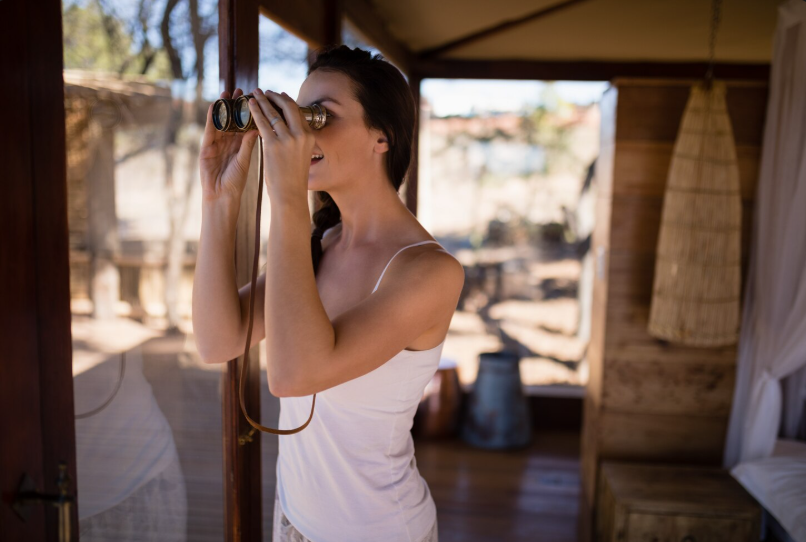
Across Europe, a new wave of experiential travel is reshaping how discerning guests connect with nature. Ultra-luxury safari-style lodges—once primarily associated with Africa—are now appearing in national parks throughout the continent, offering immersive wildlife experiences, expert-led excursions, and high-end hospitality in striking natural settings. These lodges combine the romance and adventure of a classic safari with European conservation values and refined comforts, creating a compelling option for travelers who want intimacy, exclusivity, and meaningful encounters with the wild.
Why Europe Is Embracing the Safari-Style Model
European national parks offer a remarkable diversity of landscapes and species: from the rugged peaks and rewilded valleys of the Pyrenees and the Carpathians to the wetlands and marshes of the Danube Delta and the boreal woodlands of Scandinavia. What unites these destinations is a growing appetite for sustainable luxury that prioritizes small-group experiences, low-impact design, and direct engagement with local conservation initiatives. Safari-style lodges translate well to this context by framing the natural world as the primary attraction while providing the discreet service, culinary excellence, and bespoke programming expected by ultra-luxury clientele.
Design and Architecture: Seamless Indoor–Outdoor Living
Architectural design at these lodges tends to favor low-profile structures that sit lightly on the landscape. Natural materials—stone, timber, and hand-woven textiles—are paired with expansive glazing, private decks, and outdoor bathing areas, creating an aesthetic that is both rustic and sophisticated. Tents and pavilions are often constructed with durable, weather-resistant fabrics and insulated floors to ensure comfort year-round. Interiors prioritize calm, tactile finishes, with bespoke furniture, local crafts, and discreet technology that preserves the sense of escape without sacrificing convenience.
Curated Wildlife and Nature Programs
Central to the safari-style offering are guided outings led by expert naturalists, trackers, and conservationists. Guests can expect early-morning and twilight drives or walks, private boat excursions, birding safaris, and seasonal activities such as mushroom foraging, rewilding tours, or visits to local reintroduction projects. Unlike crowded group tours, these experiences are tailored to personal interests—whether a guest seeks photography-focused fieldwork, immersive tracking lessons, or quiet observation of a particular species. Many lodges also collaborate with research institutions, allowing guests to learn about and sometimes contribute to monitoring and protection efforts.
Gastronomy and Local Sourcing
Culinary programs at ultra-luxury safari-style lodges emphasize provenance and seasonality. Chefs craft contemporary menus centered on regional specialties—wild game, foraged ingredients, artisanal cheeses, and locally smoked fish—paired with carefully selected European and boutique wines. Dining is part of the storytelling: multi-course meals served in open-air pavilions, intimate chef’s-table experiences, or picnic lunches framed by panoramic views. Many lodges offer private dining options, wine cellar visits, and culinary workshops that connect guests directly with local producers and traditional foodways.
Sustainability and Conservation Commitment
Sustainability is foundational to the lodge model. High-end operators invest in renewable energy, water conservation systems, and responsible waste management to minimize environmental footprint. More importantly, they integrate conservation into the guest experience—supporting anti-poaching patrols, habitat restoration, and community-led stewardship programs. For many travelers, staying at a lodge that contributes directly to local conservation funds or employs residents from nearby villages is part of the appeal; it transforms a luxury holiday into a form of impactful travel.
Privacy, Wellness, and Bespoke Services
Privacy is essential for ultra-luxury guests. Lodges typically offer a limited number of suites or tented pavilions, private transfers, and flexible itineraries to ensure exclusivity. Wellness is woven into the stay with spa treatments using local botanicals, guided meditation, and movement sessions that employ the landscape—yoga at sunrise on a bluff, forest bathing walks, or cold-plunge pools fed by mountain streams. Concierge services curate every detail: from customized wildlife photography guides and private chefs to helicopter transfers and bespoke cultural excursions in nearby villages.
Top Destinations and Signature Experiences
Several European regions have become synonymous with the safari-style lodge concept. In the Carpathians, guests can track brown bears and lynx with experienced trackers and support bear conservation programs. In Portugal and Spain, rewilding areas and coastal marshes offer opportunities for rare birdwatching, wild horse encounters, and marine wildlife observation. Scandinavia’s northern reaches provide aurora-viewing retreats where luxury tents and heated decks let guests experience Arctic life comfortably. Each destination offers a unique signature: bear tracking in Romania, stork and crane migrations in the Danube Delta, or wolf-spotting safaris in parts of Iberia.
Practical Considerations for Booking
Timing: Book trips according to seasonal wildlife windows—spring and autumn migrations, breeding seasons, or winter tracking opportunities.
Accessibility: Some lodges are intentionally remote; private transfers, charter flights, or helicopter options are often available but should be arranged in advance.
Group Size: Opt for private or small-group departures if exclusivity is a priority; confirm maximum guest numbers to ensure the intended level of privacy.
Conservation Fees: Verify whether the lodge includes conservation contributions in the rate or charges them separately—this transparency reflects commitment.
Who Will Love This Experience
Ultra-luxury safari-style lodges appeal to travelers who value privacy, meaningful access to wildlife, and refined comfort. They are ideal for families seeking multi-generational adventures, couples on private escapes, photographers, and patrons who wish to combine conservation-minded travel with exceptionally personalized hospitality. Corporate retreats and bespoke incentive trips are also a natural fit, offering team-building in the wild alongside high-end amenities.
Conclusion
Stay Connected for More Travel and Lifestyle Inspiration. For more insights into travel, culture, and lifestyle tips, follow me on Instagram @salvadorordorica. If you’re seeking professional translation and localization services to enhance your global ventures, visit The Spanish Group — your trusted partner in bridging cultures worldwide.
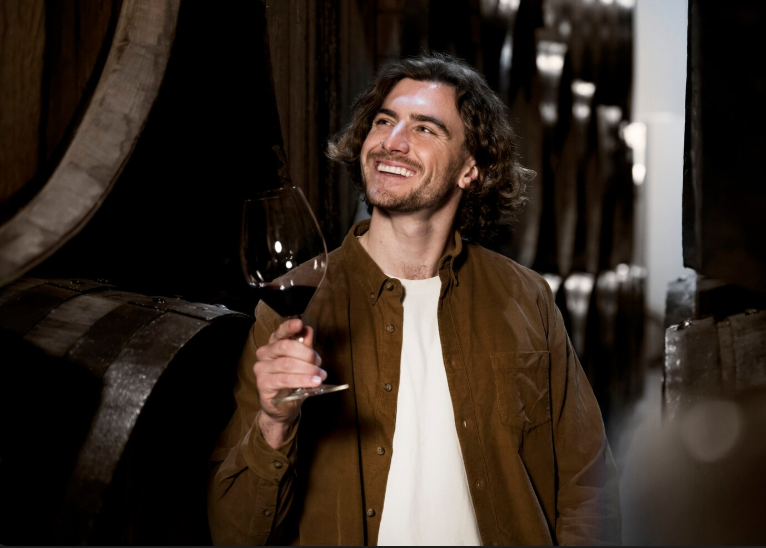
Paris is celebrated worldwide for its iconic landmarks, art, and culinary delights. Yet, beyond the bustling streets and famous wine bars lies a more secretive, intimate side of the city’s wine culture: hidden wine cellars and private tastings. These exclusive experiences allow visitors to explore rare vintages, discover artisanal producers, and savor wine in atmospheric, centuries-old settings.
The Allure of Hidden Wine Cellars
Hidden wine cellars, tucked beneath historic Parisian buildings, offer a unique glimpse into the city’s vinicultural heritage. Many of these cellars have been carefully preserved for centuries, housing collections that range from classic French wines to rare, hard-to-find vintages. The charm lies not only in the wines themselves but in the stories, history, and craftsmanship embedded in these subterranean spaces.
Private Tastings: A Personalized Experience
Unlike public wine bars or large tasting rooms, private wine tastings provide a tailored experience. Guests are guided by sommeliers or cellar owners who offer insights into grape varieties, regions, and winemaking techniques. Whether exploring a boutique collection of Burgundy wines or sampling Champagne from a rare vintage, private tastings elevate wine appreciation through hands-on learning and personalized attention.
Notable Hidden Wine Cellars in Paris
While many of these cellars are off the typical tourist path, several stand out for their history and unique offerings:
La Cave des Papilles: A cozy, intimate cellar in the 14th arrondissement, specializing in natural and organic wines sourced directly from small French producers.
Legrand Filles et Fils: One of the oldest wine cellars in Paris, located near the Palais Royal, offering an extensive collection of fine wines dating back decades.
Ô Château: A wine-tasting venue with hidden cellar spaces, providing thematic tastings, including French classics, natural wines, and sparkling selections.
Exploring French Wine Regions Without Leaving Paris
These private tastings allow travelers to experience France’s diverse wine regions without leaving the city. From Bordeaux and Burgundy to Champagne and the Loire Valley, curated selections bring the terroir to life. Guests can explore different varietals, understand regional differences, and pair wines with gourmet accompaniments like artisanal cheeses, charcuterie, and chocolate.
The Benefits of Going Private
Private wine experiences offer several advantages over public tastings. Small groups or individual guests receive in-depth explanations of each wine, access to rare bottles, and personalized service. Sommeliers can tailor the tasting to specific interests, whether it’s discovering natural wines, exploring regional specialties, or understanding vintage differences. These experiences also often include behind-the-scenes tours of cellars, offering fascinating historical and architectural insights.
Planning Your Hidden Wine Adventure
To make the most of Paris’s hidden wine cellars, consider these tips:
Book tastings in advance, as spaces are limited and exclusive experiences fill quickly.
Share your wine preferences or areas of interest with the host to customize the tasting.
Combine wine tastings with small food pairings for a complete sensory experience.
Explore smaller, lesser-known cellars in addition to famous ones for a truly unique adventure.
Why These Experiences Stand Out
Hidden wine cellars and private tastings allow visitors to step off the beaten path and experience Paris like a local connoisseur. Beyond sipping exceptional wines, guests connect with the rich history, artistry, and culture of French viticulture. Each visit is an immersive experience, combining the pleasures of taste, knowledge, and ambiance into an unforgettable memory.
Conclusion
Stay Connected for More Travel and Lifestyle Inspiration. For more insights into travel, culture, and lifestyle tips, follow me on Instagram @salvadorordorica. If you’re seeking professional translation and localization services to enhance your global ventures, visit The Spanish Group — your trusted partner in bridging cultures worldwide.
Experiencing Royal Banquets: Dining Like Nobility in Europe
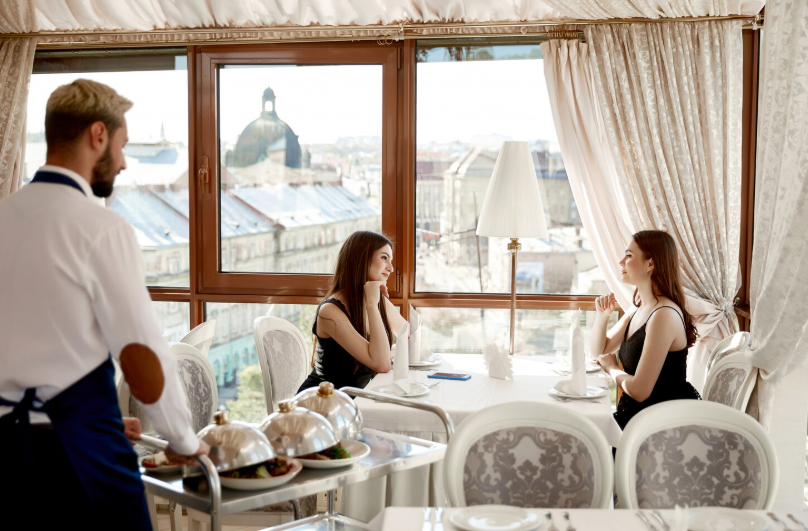
For centuries, royal banquets have symbolized power, prestige, and the finest culinary craftsmanship. Europe, with its rich tapestry of monarchies and aristocratic traditions, offers travelers a unique opportunity to experience dining as royalty once did. From the grand halls of castles to intimate palace dinners, these events combine exquisite cuisine, elegant settings, and a glimpse into history that is unmatched anywhere else in the world.
The Historical Significance of Royal Banquets
Royal banquets were more than mere meals; they were orchestrated displays of wealth, diplomacy, and influence. Every dish, decoration, and seating arrangement was meticulously planned to reflect the social hierarchy and political alliances of the time. Today, these historical banquets have been recreated or preserved in European palaces and heritage hotels, allowing visitors to step into a world of sophistication and ceremony.
Iconic European Venues for Royal Dining
Several European countries offer iconic venues where one can experience royal-style dining:
France: The Château de Versailles is famous not only for its opulent architecture but also for the meticulously recreated banquets held in its grand halls.
United Kingdom: Buckingham Palace and Windsor Castle occasionally open their state rooms for exclusive dining experiences, showcasing the elegance of British culinary tradition.
Austria: Schönbrunn Palace in Vienna hosts themed dinners, allowing guests to enjoy imperial Austrian cuisine in a historical setting.
Italy: Palazzo Pitti in Florence and other Renaissance-era palaces offer private dining experiences, featuring authentic Italian royal recipes from centuries past.
The Culinary Experience
Dining like nobility is about more than ambiance; it’s a journey through flavor and tradition. Royal banquets typically feature multiple courses prepared with the finest ingredients. Guests might encounter delicacies such as truffles, caviar, roasted game, or exotic spices, paired with fine wines and champagnes. The artistry of presentation and the ceremonial serving of dishes heighten the sense of occasion, turning each meal into a performance.
Etiquette and Ceremony
Part of the allure of royal banquets is the etiquette and ceremonial precision that accompanies them. From formal dress codes to seating arrangements dictated by rank and protocol, participating in such a banquet is an immersive cultural experience. Learning about historical customs, such as toasts, hand gestures, and the proper way to use cutlery, adds a layer of authenticity and appreciation for the grandeur of the event.
Modern Adaptations for Travelers
While full-scale royal banquets are rare, many heritage hotels and palaces offer curated experiences for modern travelers. These might include themed dinners, wine-pairing events, and historically inspired menus that capture the essence of noble dining. Booking these experiences in advance often provides exclusive access to areas of the palace that are usually off-limits to the public.
Why Experience a Royal Banquet?
Experiencing a royal banquet is more than just a meal; it is a journey through history, art, and culture. It allows travelers to connect with the opulence of European nobility while savoring culinary traditions that have been perfected over centuries. The combination of exquisite food, historical ambiance, and ceremonial elegance makes this a once-in-a-lifetime experience for those seeking luxury, culture, and unforgettable memories.
Tips for Planning Your Royal Dining Experience
Research and book well in advance, as these experiences are limited and often require reservations months ahead.
Check dress codes and etiquette requirements to ensure an immersive experience.
Opt for guided tours or packages that include a banquet to gain deeper historical insights.
Consider visiting during special events or festivals to witness unique ceremonies and themed dinners.
Conclusion
Stay Connected for More Travel and Lifestyle Inspiration. For more insights into travel, culture, and lifestyle tips, follow me on Instagram @salvadorordorica. If you’re seeking professional translation and localization services to enhance your global ventures, visit The Spanish Group — your trusted partner in bridging cultures worldwide.
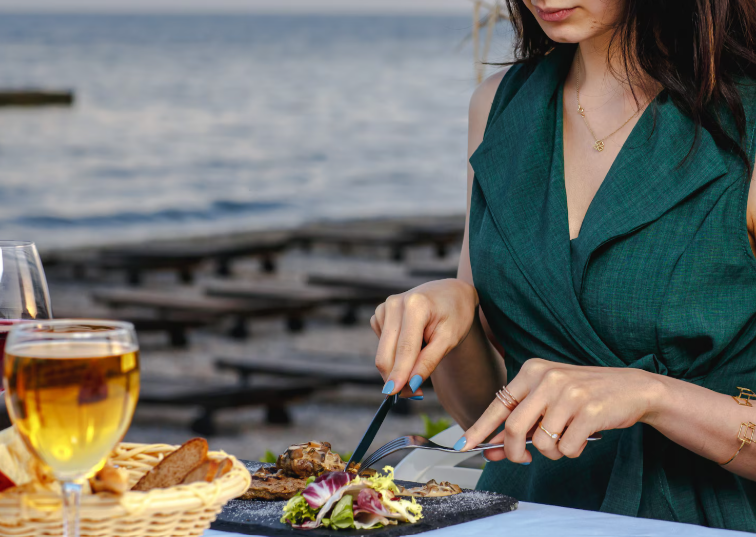
A private Seine River cruise is the quintessential way to experience Paris with discretion, elegance, and culinary excellence. Beyond the postcard views of the Eiffel Tower, Notre-Dame and the Louvre, a bespoke cruise pairs Parisian landmarks with carefully curated menus prepared by professional chefs. For directors, executives, and discerning travellers, these private cruises offer a relaxed yet highly polished environment for entertaining clients, celebrating milestones, or simply enjoying an intimate cultural immersion.
Why Choose a Private Cruise?
Private Seine cruises remove the unpredictability and crowding of public tours and replace them with tailored service, privacy, and flexibility. Whether you require a quiet dinner for two, a corporate reception for thirty, or a multi-course tasting that highlights French terroir, a private charter allows you to choose pace, playlist, lighting and, most importantly, the cuisine. The result is a seamless fusion of sightseeing and gastronomy where every element — from the table setting to the timing of the courses — is orchestrated.
Types of Private Cruise Experiences
Intimate Dinner Cruises
Ideal for romantic evenings or small VIP dinners, intimate cruises typically feature a multi-course tasting menu, an attentive service team, and a small crew. Menus emphasize seasonal produce and classical French techniques adapted for service on board.
Corporate and Event Charters
For corporate entertaining, private riverboats can be configured for presentations, seated banquets, or standing cocktail receptions. Menus become part of the client experience: welcome canapés, plated entrées, and a refined dessert paired with coffee or digestifs help create a memorable impression.
Chef’s Table and Tasting Cruises
Some operators offer a chef’s table format where an onboard chef prepares and explains each course, often using live cooking stations where feasible. These cruises are excellent for food-focused guests and can feature curated wine pairings by a sommelier.
Gourmet Menus: What to Expect
Gourmet menus on the Seine place a premium on freshness, provenance and harmony. Typical features include seasonal vegetables from local markets, sustainably sourced fish and shellfish, and heritage meats prepared with restrained elegance. Chefs often showcase classic techniques—confit, sous-vide, and precise saucing—while keeping plates travel-friendly for cruise service.
Starters and Canapés
Expect refined starters: smoked salmon with dill crème fraîche, goat cheese tartlets with honey and walnuts, or seasonal vegetable consommés. Canapés are crafted to be eaten easily while guests move or mingle and tend to highlight local producers.
Main Courses
Main courses usually balance a protein (such as sea bass, beef tournedos, or duck breast) with light, elegantly seasoned accompaniments. Sauces are served judiciously to preserve presentation during transit. Vegetarian and vegan main courses are readily available and often use grains, legumes and roasted seasonal vegetables for richness and texture.
Desserts and Petit Fours
Desserts typically reflect classic French patisserie—tarte tatin, chocolate fondant, or a light mille-feuille—followed by petit fours and fine chocolate. Coffee service and digestifs complete the dining experience.
Wine and Beverage Pairings
A hallmark of the gourmet cruise is considered wine pairing. Many operators include a sommelier or curated wine list with regional selections: Champagne for toasts, white Burgundies with fish, lighter Bordeaux or Rh ô ne blends with red meats. Non-alcoholic pairings—housemade tonics, craft sodas and artisanal tea selections—are also part of the premium offering.
How Menus Are Created and Sourced
Reputable operators collaborate with established chefs and local suppliers. Freshness is ensured by daily market deliveries and partnerships with artisan bakers, fromageries and fishmongers. Menus are normally seasonal and adaptable for dietary restrictions. For high-profile guests, bespoke dishes or branded plating can be arranged to reflect the client’s brand or event theme.
Planning and Logistics
Planning a private Seine cruise requires coordination across several elements: vessel selection, menu design, timing (daylight versus twilight versus night), guest list, and any AV or presentation needs. Popular time slots—particularly sunset and after-dinner hours—book quickly, so advance scheduling is recommended. Additionally, confirm boarding points, transfer logistics and any municipal requirements for events on the Seine.
Sample Two- or Three-Hour Itinerary
Arrival & Welcome Champagne: Guests board at a private jetty and are welcomed with Champagne and amuse-bouches.
First Course & Sightseeing: As the boat glides past the Louvre and Île de la Cité, a starter course is served.
Main Course & Pairings: The boat reaches the stretch beneath the Eiffel Tower as main courses are presented, paired with selected wines.
Dessert & Coffee: A dessert course is accompanied by petit fours and coffee as the boat completes its loop.
Disembarkation: Guests are assisted from the vessel and, if required, escorted to waiting transport.
Privacy, Service and Discretion
Privacy is often a deciding factor for high-net-worth guests. Private charters provide enclosed salons or VIP cabins, dedicated staff, and strict guest confidentiality policies. For corporate clients, NDAs and private access can be arranged to protect conversations and client data.
Sustainability and Responsible Cruising
Many premium operators are adopting low-emission engines, responsible waste handling and locally sourced menus to minimize environmental impact. When selecting a provider, ask about their sustainability practices and certifications to ensure the cruise aligns with your organization’s corporate responsibility standards.
Tips for Booking
Book early—prime time slots fill fast, especially in spring and autumn.
Confirm guest dietary requirements well in advance.
Discuss weather contingency plans for open-deck options.
Request sample menus and wine lists and ask about chef profiles.
Verify boarding logistics and available parking or transfer services.
Conclusion
Private Seine River cruises with gourmet menus offer a uniquely Parisian combination of culture, cuisine and comfort. They are an exceptional choice for those seeking an elevated experience—whether for business, celebration or personal indulgence. With thoughtful planning and the right partner, a private cruise becomes more than a meal or a tour: it becomes an indelible memory.
Stay Connected for More Travel and Lifestyle Inspiration. For more insights into travel, culture, and lifestyle tips, follow me on Instagram @salvadorordorica. If you’re seeking professional translation and localization services to enhance your global ventu_