Luxury Nightlife Experiences in Europe’s Glamorous Cities
Introduction: The Appeal of Luxury Nightlife
Europe’s great cities have long been synonymous with culture, cuisine, and an elegant after-dark life. For travellers who expect more than a standard night out, luxury nightlife offers elevated experiences: private tables and bottle service, discreet entrances, world-class DJs, bespoke cocktails, and artful design that transforms an evening into a memory. From candlelit members’ clubs in London to rooftop terraces in Barcelona and exclusive river cruises in Paris, the continent’s premium offerings combine impeccable service with a sense of place.
Signature Cities and Their Distinctive Offerings
London — Members’ Clubs and Curated Evenings
London’s luxury nightlife is built on tradition and discretion. Members’ clubs and intimate private rooms are perfect for those who value privacy and curated social encounters. Expect classic cocktail lists, live jazz, and the option to host small, impeccably catered gatherings. For high-profile guests, concierge services coordinate transport and discreet entry to ensure seamless evenings.
Paris — River Cruises, Champagne Bars, and Intimate Cabarets
Paris balances romance with hedonism. Private Seine cruises with champagne service, by-invitation cabaret boxes, and hidden cocktail salons offer an elevated perspective on the city’s nocturnal charms. Many luxury hotels maintain late-night bars that attract a refined crowd, where sommeliers and mixologists collaborate on tailored pairings and bespoke menus.
Barcelona — Rooftops, Beach Clubs, and Mediterranean Vibes
Barcelona’s nights are sun-kissed and stylish. Rooftop terraces with panoramic sea views, exclusive beach clubs with private cabanas, and DJ-driven lounges provide a dynamic mix of relaxation and high energy. For a refined experience, request a private terrace or a table with unobstructed views and personalised service.
Ibiza and the Balearics — Private Villas and Invitation-Only Events
When nightlife demands maximalism, Ibiza delivers. Beyond the famous clubs are secluded villa parties, private yacht gatherings, and invitation-only sets where top-tier DJs perform. Luxury here is defined by exclusivity: guest lists, private transfers, and bespoke hospitality that turns a night into an insider experience.
Monaco and the French Riviera — Glamour, Casinos, and Sunset Soirées
The Riviera’s nightlife is synonymous with glamour. Sunset terraces, Monte Carlo casinos, and yachts anchored offshore form the stage for sophisticated evenings. Many venues offer curated menus and private rooms for high-net-worth clients, and the seasonality of the Riviera makes late-summer nights particularly desirable for those who want to mix glamor with privacy.
How to Access the Best Experiences
Access to top-tier nightlife is rarely accidental. The most effective strategies are relationship-driven and detail-oriented:
Use trusted concierges: Hotel concierges and private lifestyle managers can secure tables, arrange private transfers, and provide introductions to club directors.
Book in advance: Popular venues often require reservations—sometimes weeks ahead—especially for private tables or cabanas.
Leverage memberships and friends-of-venues: Membership clubs, private dining societies, and art-world connections grant entry to curated events and previews.
Communicate preferences: Provide details like dietary restrictions, celebratory occasions, or preferred music, so venues can personalise the experience.
Consider off-hours bookings: Private or after-hours access can be arranged through direct negotiation and is ideal for high-profile guests seeking discretion.
Designing a Memorable Luxury Night
A memorable luxury evening is composed of thoughtful logistics and sensory details. Start with elegant transportation—chauffeured cars, chauffeured yachts, or coordinated transfers—and layer in pre-dinner cocktails at a discrete bar, a refined dining experience, and a curated after-dinner venue. Work with venue managers to arrange welcome amenities, tailored playlists, and dedicated staff. For small groups, reserve private rooms where sound, lighting, and service can be fully controlled.
Safety, Privacy, and Discretion
High-end nightlife requires attention to privacy. Confirm security protocols, plan secure transport routes, and use private entrances when possible. Ensure venues understand confidentiality expectations and review guest lists ahead of time. Reputable venues will help manage press interest and social media exposure if discretion is requested.
Sustainability and Ethical Considerations
Luxury does not need to be wasteful. Increasingly, premium venues prioritise sustainable sourcing, local producers, and energy-conscious operations. When planning events, enquire about sourcing policies, single-use items, and charitable partnerships. Responsible nightlife programming enhances brand reputation and aligns exclusive experiences with modern values.
Budgeting for Luxury Evenings
True luxury spans a range of budgets. Private tables, bottle service, and exclusive rooms command premium pricing—especially in peak season. Work with venue contacts to obtain transparent pricing and to identify cost-saving alternatives, such as weekday bookings, seasonal menus, or curated packages that include transport and security.
Conclusion: Curating Nights That Matter
Luxury nightlife in Europe is about more than spectacle—it’s about curation, service, and purposeful design. Directors and discerning travellers should prioritise relationships, plan logistics meticulously, and articulate preferences clearly. When executed well, a night becomes an expression of taste and an investment in meaningful social connections.
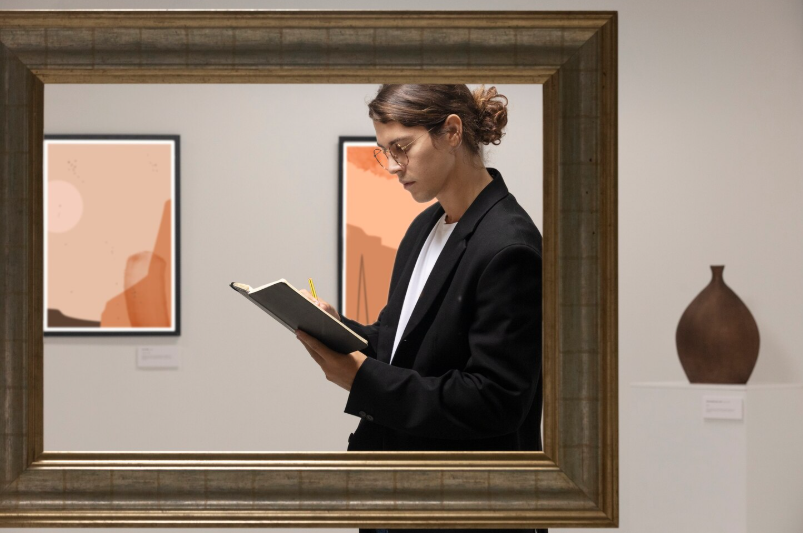
Europe’s art scene blends centuries of tradition with cutting-edge contemporary practice. For collectors, cultural directors, and serious travellers, exclusive galleries offer three things that public museums rarely provide: intimate encounters with exceptional works, direct dialogue with curators and artists, and access to private viewings and limited exhibitions. Whether you are cultivating a private collection, researching acquisitions, or simply looking for thoughtful inspiration, knowing how to approach these spaces—and which ones to prioritise—makes all the difference.
What Defines an “Exclusive” Gallery?
An exclusive gallery is not defined solely by its price tags. It combines a strong curatorial vision, a reputation for representing prominent or highly promising artists, a selective client base, and the ability to organise private appointments or off-hours viewings. Many of these galleries operate internationally with flagship spaces in London, Paris, and Zurich, and they often coordinate closely with major institutions, auction houses, and private collectors.
Top European Galleries to Know
Gagosian (Multiple Cities)
With spaces across Europe, Gagosian is synonymous with major contemporary artists and museum-quality exhibitions. The gallery’s program typically attracts international collectors and institutional loans, and its shows are reliable places to see canonical works in an intimate setting. Appointments and previews are advisable for notable openings.
Hauser & Wirth (Zurich, London)
Hauser & Wirth combines ambitious exhibitions with scholarly catalogues and public programming. Many of its spaces are architecturally impressive, and the galleries often host special events or private viewings for clients and patrons.
White Cube (London)
Known for launching and sustaining important contemporary careers, White Cube operates in a way that balances high visibility with collector services. When visiting, enquire about private tours to gain context from the curatorial team.
Fondation Louis Vuitton & Private Foundations (Paris)
Although technically foundations rather than commercial galleries, privately funded institutions like Fondation Louis Vuitton offer curated, exclusive experiences and often present large-scale shows that attract top-tier collectors and curators. These spaces reward repeat visits and deeper engagement.
David Zwirner & Other International Names
Galleries such as David Zwirner and Lisson are central to the international gallery circuit. They present carefully staged exhibitions and facilitate introductions for clients interested in institutional loans, commissions, or long-term acquisition planning.
How to Gain Access: Practical Strategies
Access is often a matter of relationships and preparation. Here are practical steps to secure meaningful visits and conversations:
Book ahead: Many galleries require appointments—especially for private or off-hour viewings. Contact the gallery directly or work through a curator or advisor.
Leverage introductions: Use professional contacts, art advisors, or institution liaisons to request introductions. A single thoughtful email from a respected peer can open doors.
Attend previews and fairs: Major art fairs and VIP previews are efficient ways to encounter new work and meet gallery directors.
Be specific: When you request a meeting, explain your interest (acquisition, research, commission, loan) so the gallery can prepare relevant works and information.
Consider memberships: Some galleries and foundations offer patron or membership programs that include private viewings, dinners, and curatorial briefings.
What to Expect During a Private Viewing
Private viewings are tailored to your interests. Expect a focused walkthrough, a curator or director ready to discuss provenance and condition, and access to works that may not be on public display. Use this time to ask about conservation histories, exhibition trajectories, and potential loans. Take notes and request high-resolution images or condition reports if you are considering acquisition.
Collecting Intelligence: Research and Due Diligence
Exclusive galleries can facilitate research into an artwork’s exhibition history, provenance, and authenticity. Always request documentation and, if acquiring, secure independent conservation and valuation assessments. Working with a trusted advisor or legal counsel will streamline negotiations and protect your interests in cross-border purchases.
Etiquette and Respectful Conduct
Galleries invest substantial time and resources in their programs. Arrive punctually, dress professionally, and follow any photography or handling policies. If you intend to publish images or reproduce material, request permissions in advance. Maintaining a respectful and collegial relationship with gallery staff ensures smoother interactions in the future.
Conclusion: Curating Your European Art Experience
The value of visiting Europe’s exclusive galleries goes beyond the works you see: it is about building relationships, deepening knowledge, and participating in a living cultural conversation. Whether you are a director shaping institutional programming or a collector refining a private collection, a strategic approach—premeditated visits, thoughtful introductions, and careful due diligence—will enrich your engagement and ensure lasting returns on both intellectual and financial investment.
Post-Election Travel Dilemmas: What American Travelers Need to Know
The intersection of politics and personal travel plans has become increasingly visible in the wake of recent elections. For company directors, travel managers, and expatriates who organize international trips, understanding how political events alter traveler sentiment is essential for planning, risk management, and client reassurance.
What the Data Is Showing
Multiple surveys and industry reports in the months following the election show a measurable shift in American travel behaviour: many U.S. residents are delaying, scaling back, or rethinking international travel due to political concern, uncertainty, or perceived negative reception abroad. These trends are not merely anecdotal — sector surveys and travel industry analyses point to meaningful changes in intent and booking patterns.
Why the Election Changed Minds
The reasons for this travel dilemma are layered. Some Americans report worries about personal safety and how they will be received abroad; others cite economic uncertainty and shifting immigration or visa policies as decisive factors. In parallel, coverage showing foreign travelers avoiding the U.S. for political reasons has created a reciprocal dynamic: if Americans feel unwelcome or fear tense encounters overseas, they’re more likely to postpone international trips.
How This Plays Out Practically
The dilemma appears across several practical decision points. Business travelers are more likely to defer non-critical meetings or convert them to virtual sessions; leisure travelers re-evaluate destinations, often favoring locations perceived as politically neutral or with strong tourism marketing; and families may delay trips until more clarity emerges. Airlines, tour operators, and hotels have reported periodic drops in bookings around election windows and in markets particularly sensitive to political headlines.
Case Examples for Travel Managers
Corporate roadshows: Consider contingency clauses in contracts that allow date changes or virtual participation without penalties.
Incentive travel: Offer flexible cancellation and rebooking policies to increase client confidence.
Expat relocations: Stage onboarding and visits when local sentiment stabilizes; emphasize practical supports (registration, local contacts, emergency plans).
Risk Management and Communication
Clear, proactive communication is the single best tool when the political climate affects travel sentiment. Companies should provide transparent guidance to employees and clients that includes: up-to-date travel advisories, logistic options (virtual alternatives, postponement windows), and reassurance about safety measures on the ground. For executives whose presence is essential, consider advance briefings with local partners, private ground transportation, and vetted accommodation choices that prioritize privacy and security.
Repackaging Travel: How to Keep Bookings Moving
Travel sellers and corporate travel teams can counter hesitation with carefully designed offers that reduce friction and anxiety: short-stay city breaks instead of long multi-stop itineraries, curated “safe” destination lists, and packaged experiences that emphasize private or small-group formats. Promoting destinations where cultural exchange remains strong and demonstrating clear, credible safety and guest-experience measures can convert ambivalent clients into buyers.
The Role of Perception and Media
Perception matters. Media reports and social platforms amplify stories of tense interactions or policy shifts; these narratives spread quickly and shape traveler expectations. Equally, positive storytelling — featuring welcoming local hosts, cultural events, and business-friendly policies — can restore confidence. Travel brands and corporate travel teams should therefore include reputation management and a steady stream of positive, factual updates in their communication plans.
Advice for Company Directors
If you’re responsible for executive travel or corporate trips, adopt a layered approach: (1) perform scenario planning for politically sensitive windows, (2) build flexible contracts and cancellation arrangements into travel bookings, (3) invest in local relationships for on-the-ground intelligence, and (4) communicate frequently with travelers to address concerns and set expectations. This combination protects both people and business objectives while allowing travel to continue where it’s strategically necessary.
Practical Checklist Before You Send a Team Abroad
Confirm up-to-date travel advisories for the destination.
Secure private meeting spaces or vetted partner venues.
Offer virtual participation as an alternative or hybrid option.
Arrange reliable local contacts and emergency protocols.
Communicate transparently about the rationale and contingency plans.
Learning New Languages as an Expat: Strategies for Quick Success
Political concerns may alter where Americans travel, but when they do travel or relocate, language skills remain a powerful leveling tool. For quick progress, combine regular micro-lessons (10–20 minutes daily) with immersive practice: schedule conversational sessions with local tutors, use focused phrase lists tailored to business and travel situations, and practice real-world interactions — at markets, cafes, and with service providers — to accelerate retention. Setting attainable goals like “manage check-ins, negotiate transport, and host a brief client meeting in 60–90 days” turns language learning into measurable business advantages while enhancing cultural confidence.
Europe’s Top Luxury Christmas Markets for Festive Travel
Why Choose a Luxury Christmas Market?
Luxury Christmas markets combine the warmth of local holiday traditions with elevated offerings: think small-batch goods, bespoke gifts, high-end artisanal products, and atmospheric settings often staged in historic squares or palaces. These markets are ideal for executives who value time, exclusivity, and memorable client- or staff-focused experiences. Whether you’re gifting international partners or simply indulging in seasonal travel, visiting premium markets elevates the holiday journey.
1. Vienna, Austria — Christmas at the Schönbrunn Palace
Why it stands out
Vienna’s Christmas markets are legendary, but the Schönbrunn Palace market takes refinement to another level. Set against the baroque backdrop of the palace, this market offers carefully curated artisanal stalls, live classical music performances, and elegant seasonal decorations. The emphasis on handcrafted items—leatherware, hand-blown glass, and fine wooden toys—makes it an excellent setting for selecting distinguished gifts.
Top experiences
Private guided tours of the palace grounds, exclusive tastings of Viennese pastries and mulled wines, and opportunities to commission custom ornaments or limited-edition handcrafted items.
2. Strasbourg, France — The Capital of Christmas, Reimagined
Why it stands out
Strasbourg’s centuries-old market system is steeped in Alsatian tradition, but luxury visitors will find refined boutiques and gourmet stalls interwoven with the historic charm. The city’s approach blends gastronomic excellence with decorative sophistication, featuring premium foie gras, champagne bars, and curated gift pavilions.
Top experiences
Private culinary tours focusing on Alsatian specialties, evening river cruises to view the festive lights, and shopping itineraries that prioritize limited-edition goods from local ateliers.
3. Salzburg, Austria — Intimate Elegance and Musical Heritage
Why it stands out
Salzburg’s market scene plays to the city’s strong musical and cultural identity. Nestled beneath the Hohensalzburg Fortress, the markets offer a sophisticated atmosphere where handcrafted jewelry, designer textiles, and premium confectioners meet classical concerts and intimate candlelit events.
Top experiences
Exclusive concerts, small-group shopping with private appointments in artisan workshops, and curated food pairings that highlight Austrian liqueurs and chocolate.
4. Copenhagen, Denmark — Nordic Minimalism with Festive Flair
Why it stands out
Copenhagen’s holiday markets blend Scandinavian aesthetic restraint with high-quality design. For luxury travelers, this means opportunities to buy iconic Nordic design pieces—ceramics, textiles, and lighting—alongside seasonal culinary experiences that emphasize provenance and craftsmanship.
Top experiences
Private design-focused walking tours, gastronomic tastings highlighting New Nordic cuisine, and bespoke shopping experiences with local designers.
5. Brussels, Belgium — Gourmet Delights and Designer Finds
Why it stands out
Brussels combines a bustling winter market with pockets of refined shopping and high-end chocolate boutiques. Luxury visitors will appreciate curated stands featuring artisanal foods, premium spirits, and boutique fashion—perfect for corporate gifting or refined personal purchases.
Top experiences
Private chocolate-making workshops, tastings with master chocolatiers and brewers, and tailored shopping itineraries that include appointed showrooms and ateliers.
Practical Planning Tips for a Luxury Market Trip
Book early: Premium accommodations and private experiences sell out quickly during the season.
Engage local concierges: Use hotel or local concierge services to secure private visits, workshops, or after-hours shopping when available.
Choose weekday visits: To avoid crowds, schedule market visits for weekdays and early mornings.
Pack smart: Layered cashmere and waterproof soles are essential for standing outdoors while shopping and tasting.
Plan gift logistics: For high-value purchases, ask vendors about secure shipping and export paperwork to simplify customs and transport.
When sourcing gifts for clients or executives, prioritize provenance, quality, and presentation. Select items that tell a story—limited-run handicrafts, signed prints, artisanal food hampers, or bespoke jewelry—and accompany them with professional packaging and a clear note about the origin. For larger programs, consider working with a local supplier to create personalized gift sets tailored to client profiles.
Sustainable Luxury: Ethical Choices for the Modern Traveler
The most forward-thinking markets now highlight sustainable practices: eco-conscious packaging, ethically sourced materials, and transparent supply chains. For company directors with CSR mandates, select gifts and experiences that align with sustainability goals—this offers memorable presents while reinforcing corporate values.
Learning New Languages as an Expat: Strategies for Quick Success
Travel enriches the mind, and for expatriates—whether on extended holiday or relocated for business—learning the local language accelerates cultural integration and deepens your seasonal experiences. To make rapid progress, combine daily micro-practice with immersive interactions: schedule short lessons with professional tutors, use curated language apps for focused drills, and practice conversational phrases with market vendors and local service providers. Set clear, practical goals: be able to handle shopping, dining, and travel logistics in the local language within 60–90 days. Pair this with cultural study—learn local holiday vocabulary, traditions, and etiquette—to turn market visits into meaningful exchanges rather than transactional stops.
Stay Connected for More Travel and Lifestyle Inspiration. For more insights into travel, culture, and lifestyle tips, follow me on Instagram @salvadorordorica. If you’re seeking professional translation and localization services to enhance your global ventures, visit The Spanish Group — your trusted partner in bridging cultures worldwide.
Luxury Horseback Riding Tours in Europe’s Countryside
An executive guide to curated equestrian journeys that combine refined hospitality, authentic landscapes, and expertly managed riding experiences across Europe.
Introduction: Why Choose a Luxury Equestrian Journey?
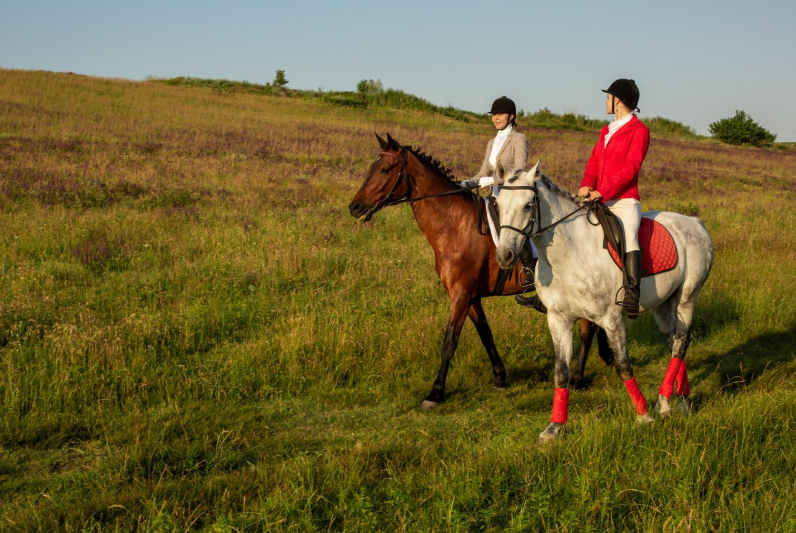
Luxury horseback riding tours are more than a pastime; they are an immersive way to experience a region’s heritage, terrain, and hospitality. For discerning travellers — whether directors planning incentive trips, families seeking multi-generational bonding, or solo adventurers wanting purposeful escape — these curated rides provide access to private estates, seasonal cuisine, and expert guides while maintaining the highest standards of safety and comfort. Unlike mass-market riding experiences, luxury tours place equal emphasis on stables, accommodations, culinary programme, and personalised service.
Signature Regions and What They Offer
Tuscany and the Italian Countryside
Tuscany’s rolling vineyards and olive groves form a cinematic backdrop for horseback exploration. Luxury operators here typically combine gentle trail riding with stays at restored agriturismos or boutique villas. Expect private wine tastings, truffle-hunting excursions, and chef-led farm-to-table dinners that celebrate regional produce. Terrain ranges from flat valley paths to more challenging ridge trails — ideal for riders of mixed ability when experienced guides curate daily routes.
The Andalusian Heartland, Spain
Spain’s Andalusia is synonymous with equestrian culture: classical riding schools, purebred Andalusian horses, and a tradition of horsemanship that dates back centuries. Luxury tours emphasize classical training demonstrations, flamenco evenings on estate grounds, and access to private fincas. Riders can expect high-calibre mounts, personalised tack fitting, and the option to pair riding days with cultural visits to historic towns and private art collections.
The Irish and Scottish Countryside
For those seeking wide open skies and dramatic coastlines, Ireland and Scotland offer estate-based riding through moors, glens, and coastal paths. Luxury properties often include manor-house accommodations, private chefs, and options for fishing, shooting, or golf on request. The focus is on expansive riding days tailored to fitness and skill, coupled with evenings of refined hospitality and intimate storytelling about the land and its stewards.
The French Loire Valley and Provence
France presents a dual appeal: the pastoral charm of the Loire Valley with châteaux routes, and the sun-drenched, lavender-scented tracks of Provence. Luxury tours can integrate château stays, private vineyard visits, and gourmet lunches at Michelin-associated restaurants. Expect meticulous stable management, multilingual guides, and options for private instruction, making these regions excellent for both leisure riders and those improving their technique.
What Defines “Luxury” in an Equestrian Tour?
Luxury here is defined by three pillars: equine quality, personalised service, and curated non-riding experiences. High-end operators use well-bred, well-trained horses matched to guests’ riding ability, and maintain dedicated grooms and farriers to ensure animal welfare. Accommodations are selected for privacy and character — from restored châteaux to boutique country hotels — with on-site spa services, private dining, and concierge-level logistics for transfers and special requests.
Safety, Skill Levels and Logistics
Top-tier tours prioritise safety without sacrificing the sense of adventure. Pre-ride briefings, personalised tack fitting, route maps, and experienced guides are standard. Luxury operators often offer ride options for beginners to advanced riders, with private lessons and supervised hacks for novices. Logistics — including horse transport, luggage transfers, and medically vetted emergency plans — are handled discreetly so guests can focus on the experience rather than the mechanics.
How to Select the Right Provider
Begin by defining objectives: Is the trip primarily about riding, or is it a broader cultural itinerary with riding as its backbone? Request detailed horse bios, guide credentials, daily schedules, and sample menus. Check rider-to-guide ratios and read independent guest reviews that speak to both riding authenticity and service. For corporate or incentive travel, inquire about customizable branding opportunities, private events, and confidentiality measures when hosting high-profile guests.
Sustainable and Ethical Considerations
Luxury need not be at odds with sustainability. Seek operators that maintain transparent animal welfare standards, support local communities through sourcing, and manage land sensitively. Ethical practices include limited group sizes, rotational trail use to prevent overgrazing, and partnerships with local conservation or heritage organisations.
Practical Tips for a Seamless Experience
Pack technical yet refined riding apparel, confirm passport and visa requirements, and communicate dietary and medical needs in advance. Request a pre-trip briefing with the guide to tailor the itinerary and horse assignments. For directors organising group travel, secure travel insurance that covers equestrian activities and include contingency plans for seasonal weather or last-minute substitutions of mounts.
Conclusion: Learning New Languages as an Expat — Strategies for Quick Success
Travel and living abroad extend beyond landscapes and lodgings—language opens doors to deeper connections and smoother logistics. For expats seeking rapid progress, prioritise functional vocabulary relevant to daily life and your interests (hospitality, equestrian terms, transport). Combine focused daily practice with immersive, conversational sessions and local exchanges—ride-side conversations and meals with hosts are excellent practice. Use spaced repetition tools for retention and book regular one-on-one coaching for pronunciation and nuance. Within weeks, functional fluency will enhance your interactions, improve service experiences, and deepen cultural appreciation.