by Dulce Navarro | Jan 6, 2026 | Europe, Experiences, Food, Restaurant
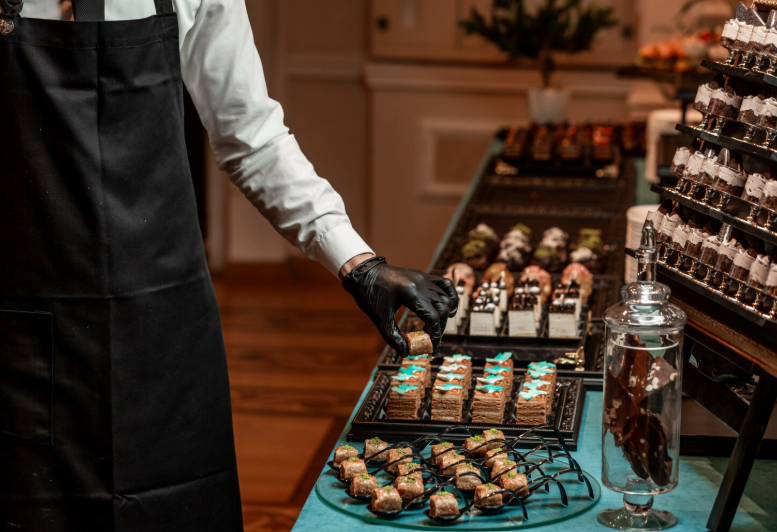
Master Chocolatiers of Europe: Private Workshopping for Gourmet Travelers
Europe has long been regarded as the spiritual home of fine chocolate, where centuries-old traditions meet modern artistry. From the refined salons of Paris to the discreet ateliers of Brussels and the alpine workshops of Switzerland, master chocolatiers continue to elevate chocolate from a confection to an art form. For the discerning gourmet traveler, a new category of luxury experience has emerged: private chocolate workshops led by Europe’s most celebrated chocolatiers.
These intimate, invitation-only sessions offer far more than a tasting. They provide privileged access to creative processes, rare ingredients, and expert techniques typically reserved for apprentices and industry insiders. For travelers seeking depth, authenticity, and exclusivity, private chocolate workshopping represents a refined way to engage with Europe’s culinary heritage.
The Rise of Experiential Gastronomy
Luxury travel has shifted decisively toward experiences that are immersive, educational, and emotionally resonant. Today’s gourmet travelers are not satisfied with merely consuming fine products; they want to understand their origins, craftsmanship, and cultural significance. Chocolate, with its global supply chains and deeply European refinement, offers a compelling narrative.
Private chocolate workshops respond to this demand by blending gastronomy, storytelling, and hands-on learning. Guests may explore the journey from cacao bean to finished bonbon, study regional flavor profiles, or even create bespoke chocolates under the guidance of a master chocolatier. These experiences are often hosted in closed-door ateliers, historic kitchens, or private salons far removed from public retail spaces.
France: Precision, Elegance, and Innovation
France’s chocolatiers are renowned for their technical precision and artistic presentation. In Paris and the surrounding regions, private workshops are often led by Meilleurs Ouvriers de France or chocolatiers who supply royal households and Michelin-starred restaurants.
A private session in France may include tempering techniques, ganache formulation, and the philosophy behind balancing bitterness, sweetness, and texture. Guests are often invited to create personalized flavor combinations using rare spices, single-origin cacao, or locally sourced ingredients such as lavender, hazelnut, or sea salt from the Atlantic coast.
These workshops emphasize discipline and finesse, reflecting France’s broader culinary ethos. They are ideal for travelers who appreciate structure, elegance, and intellectual engagement with gastronomy.
Belgium: Heritage and Depth of Flavor
Belgium’s reputation as a chocolate capital is built on generations of craftsmanship and an unwavering commitment to quality. Private chocolate workshops in Brussels, Bruges, or Antwerp often take place in family-run ateliers that have perfected their techniques over decades.
Here, gourmet travelers gain insight into praline development, filling techniques, and the historical evolution of Belgian chocolate. Workshops frequently highlight the importance of cacao sourcing and roasting profiles, offering tastings that compare beans from different regions of Africa, Latin America, and Southeast Asia.
Belgian workshops tend to be deeply educational, appealing to travelers who value tradition, authenticity, and a strong sense of culinary lineage.
Switzerland: Technical Mastery and Alpine Influence
Switzerland is synonymous with chocolate innovation, particularly in milk chocolate and texture refinement. Private workshops here often combine technical demonstrations with sensory exploration, showcasing how altitude, climate, and dairy quality influence flavor and mouthfeel.
In exclusive alpine settings or discreet urban labs, guests may learn about conching times, fat crystallization, and the science behind smoothness. Swiss chocolatiers are known for their methodical approach, making these workshops particularly appealing to travelers with an interest in food science and precision craftsmanship.
Beyond Chocolate: Cultural Context and Personalization
What truly distinguishes private chocolate workshops is the level of personalization they offer. Sessions are often tailored to the interests of the guests, whether that means focusing on vegan chocolate, sugar reduction, pairing chocolate with wine or spirits, or creating gifts for special occasions.
Many workshops also incorporate cultural storytelling, connecting chocolate to European history, colonial trade routes, and evolving consumer values. This broader context transforms the experience from a culinary activity into a cultural journey.
For corporate leaders, entrepreneurs, and high-net-worth travelers, these workshops provide a refined environment for networking, reflection, and creative inspiration.
Planning a Private Chocolate Workshop Experience
Access to Europe’s top chocolatiers typically requires advance planning and trusted local connections. Many workshops are available by appointment only and may require introductions through luxury travel advisors, concierge services, or culinary networks.
When planning, travelers should consider group size, language preferences, duration, and whether the workshop includes take-home creations or private tastings. Some experiences can be integrated into broader culinary itineraries, pairing chocolate workshops with winery visits, fine dining, or cultural tours.
A Refined Indulgence for the Modern Gourmet Traveler
Private chocolate workshopping in Europe represents a sophisticated evolution of luxury travel—one that values knowledge, craftsmanship, and meaningful engagement. It allows travelers not only to taste exceptional chocolate, but to participate in its creation and understand the artistry behind it.
For those who seek experiences that are both indulgent and intellectually enriching, Europe’s master chocolatiers offer a rare and memorable gateway into one of the continent’s most beloved culinary traditions.
Stay Connected for More Travel and Lifestyle Inspiration.
For more insights into travel, culture, and lifestyle tips, follow me on Instagram @salvadorordorica. If you’re seeking professional translation and localization services to enhance your global ventures, visit The Spanish Group — your trusted partner in bridging cultures worldwide.

by Dulce Navarro | Jan 5, 2026 | Europe, Fashion, Lifestyle, Luxury, Shopping, Travel
Europe’s Hidden Haute Couture Ateliers You Can Visit by Appointment Only
In a world increasingly driven by speed, mass production, and instant access, true luxury has become synonymous with rarity, craftsmanship, and discretion. Nowhere is this more evident than in Europe’s hidden haute couture ateliers — private studios where master artisans create garments by hand, often for a select clientele and strictly by appointment only.
These ateliers represent the pinnacle of fashion artistry. Tucked away in Parisian courtyards, Milanese palazzi, Roman townhouses, and quiet corners of Madrid, they offer an intimate glimpse into a world where time-honored techniques, heritage, and personal relationships remain central to the creative process.
The Meaning of Haute Couture Beyond the Runway
Haute couture is often associated with grand fashion shows and red-carpet moments, but its true essence lies far from the spotlight. In Europe, couture is defined by meticulous craftsmanship, handwork, and garments created exclusively for an individual client.
Unlike ready-to-wear collections, haute couture pieces are developed through multiple fittings and personalized consultations. Every element — from fabric selection to embroidery and silhouette — is tailored to the wearer’s body, lifestyle, and aesthetic. Visiting a couture atelier reveals the extraordinary labor, patience, and expertise required to produce a single garment.
Paris: The Spiritual Home of Haute Couture
Paris remains the undisputed heart of haute couture. Beyond the famous maisons lie discreet ateliers where independent couturiers continue to uphold centuries-old traditions. These spaces are often hidden behind unmarked doors or within historic buildings, accessible only to clients who arrange private appointments.
Inside, visitors may observe artisans hand-stitching embroidery, shaping garments directly on mannequins, or working with rare textiles sourced from heritage mills. A visit to a Parisian couture atelier is not a retail experience — it is a dialogue between designer and client, rooted in trust, artistry, and individuality.
Milan and Rome: Italian Craftsmanship at Its Finest
Italy’s couture ateliers reflect a different sensibility — one deeply connected to architecture, tailoring, and artisanal heritage. In Milan, ateliers emphasize precision, structure, and luxurious materials, often drawing from the city’s strong tailoring tradition.
Rome, by contrast, offers a more romantic approach. Hidden ateliers in historic neighborhoods specialize in draping, fluid silhouettes, and couture gowns inspired by classical art and cinema. Visiting these studios provides insight into Italy’s dedication to handmade excellence and its reverence for beauty and proportion.
Madrid and Barcelona: Quiet Excellence and Cultural Identity
Spain’s couture scene is more discreet but equally compelling. In Madrid and Barcelona, small ateliers preserve regional techniques, embroidery traditions, and artisanal methods passed down through generations.
These studios often work with limited clientele, producing couture pieces that blend modern design with cultural heritage. Appointments are personal and unhurried, allowing clients to understand the creative process while forming a direct relationship with the designer and atelier team.
The Experience of a Private Atelier Visit
Visiting a haute couture atelier by appointment is an immersive experience. Unlike traditional shopping, the process begins with conversation — discussing inspiration, lifestyle needs, and personal style. Sketches may be created on the spot, fabrics presented by hand, and measurements taken with exceptional precision.
Clients often return multiple times for fittings, witnessing their garment evolve from concept to completion. This slow, intentional process reinforces the emotional value of couture, transforming fashion into a personal narrative rather than a transaction.
Why Appointment-Only Access Defines True Luxury
The appointment-only nature of these ateliers is not about exclusivity for its own sake — it is essential to preserving quality. Couture requires focus, privacy, and time. Limiting access ensures that each client receives the attention and craftsmanship their garment deserves.
For travelers, gaining access to these ateliers offers a rare cultural privilege. It allows visitors to engage with Europe’s living fashion heritage, supporting independent artisans while experiencing luxury in its most authentic form.
Couture Tourism: A New Dimension of Experiential Travel
As experiential travel continues to evolve, couture atelier visits are becoming a refined extension of cultural tourism. Fashion enthusiasts, collectors, and executives increasingly seek private, meaningful experiences that go beyond museums and boutiques.
Couture tourism offers exactly that — a behind-the-scenes view of creativity, tradition, and excellence. It also reflects a broader shift toward conscious luxury, where value is measured by craftsmanship, sustainability, and human connection.
Conclusion
Europe’s hidden haute couture ateliers represent a world where fashion remains deeply personal, meticulously crafted, and rooted in heritage. Visiting these studios by appointment only offers more than access to exceptional garments — it provides insight into the values, skills, and artistry that define true luxury.
For those who appreciate discretion, craftsmanship, and cultural depth, these ateliers offer an unforgettable experience at the intersection of travel, fashion, and identity.
Stay Connected for More Travel and Lifestyle Inspiration. For more insights into travel, culture, and lifestyle tips, follow me on Instagram
@salvadorordorica. If you’re seeking professional translation and localization services to enhance your global ventures, visit The Spanish Group — your trusted partner in bridging cultures worldwide.
by Dulce Navarro | Jan 5, 2026 | Countries, Culture, Europe, Experiences, Landscapes, Lifestyle, Travel
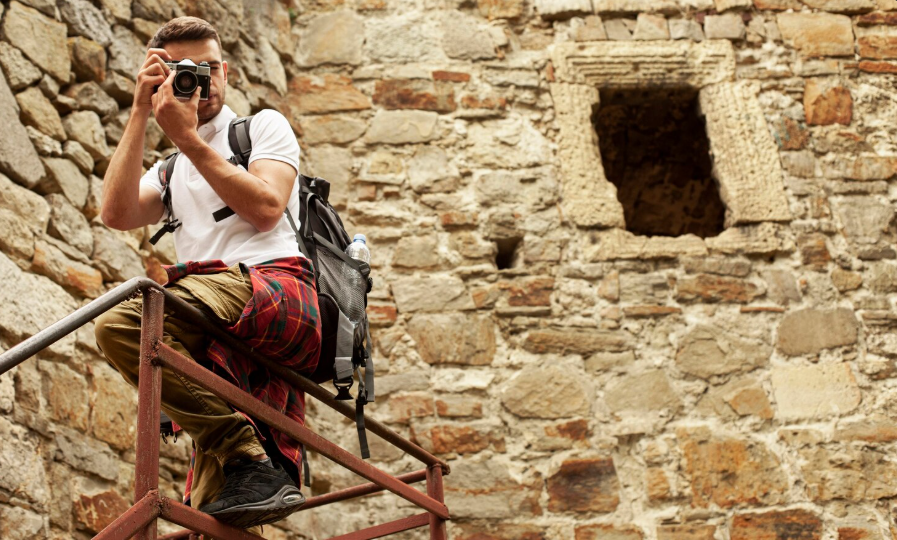
Historic Restoration Tourism: Stay in Properties Being Brought Back to Life
In an era where travelers increasingly seek meaningful, immersive experiences, historic restoration tourism has emerged as one of the most compelling trends in luxury and cultural travel. Rather than staying in modern hotels disconnected from their surroundings, discerning travelers are choosing properties with stories — centuries-old estates, palaces, monasteries, and heritage homes that are being carefully restored and returned to their former glory.
These stays offer more than accommodation. They provide a living connection to the past, allowing guests to inhabit history while enjoying contemporary comforts. Historic restoration tourism is redefining luxury by blending authenticity, sustainability, and craftsmanship, offering travelers a deeper sense of place and purpose.
The Rise of Historic Restoration Tourism
Historic restoration tourism has grown in response to a global shift toward experiential travel. Today’s high-end traveler values originality, cultural depth, and exclusivity — qualities that restored heritage properties naturally provide. From medieval castles in France to Renaissance villas in Italy and colonial haciendas in Latin America, these properties attract guests who want to experience history firsthand.
Governments, private investors, and preservation foundations have also recognized the economic and cultural value of restoring historic buildings. By transforming abandoned or deteriorating landmarks into viable hospitality destinations, restoration tourism creates jobs, revitalizes local economies, and ensures that architectural heritage is preserved for future generations.
What Makes a Restored Historic Property Unique
Staying in a restored historic property is fundamentally different from traditional luxury accommodation. Each space reflects layers of history — original stone walls, hand-carved woodwork, antique frescoes, and architectural details that modern construction cannot replicate.
At the same time, these properties are thoughtfully adapted to meet modern expectations. Climate control, refined lighting, high-quality bedding, and discreet technology are seamlessly integrated to ensure comfort without compromising authenticity. The result is a harmonious balance between past and present.
Guests are often immersed in the story of the property itself. Many restorations include guided tours, archives, or curated storytelling that explain the building’s origins, former inhabitants, and the restoration process — transforming the stay into an educational and emotional experience.
Luxury Meets Preservation
Luxury in historic restoration tourism is not defined by excess, but by craftsmanship, rarity, and intention. These properties often feature locally sourced materials, traditional building techniques, and collaborations with artisans to maintain historical accuracy.
From hand-restored tapestries to custom furniture inspired by original designs, every detail reflects a commitment to preservation. Guests appreciate the authenticity and the knowledge that their stay directly contributes to safeguarding cultural heritage.
Many restored properties also emphasize sustainability. Reusing existing structures significantly reduces environmental impact, while restoration projects often incorporate energy-efficient systems and conservation-focused practices.
Global Destinations Leading the Movement
Europe remains at the forefront of historic restoration tourism. France’s châteaux, Spain’s paradores, and Italy’s converted monasteries exemplify how historic properties can be transformed into refined hospitality experiences without losing their soul.
Beyond Europe, the movement continues to expand. In Mexico, restored haciendas offer insight into colonial history and regional craftsmanship. In Asia, ancient palaces and courtyard homes are being revived as boutique retreats, blending tradition with understated luxury.
Each destination brings its own cultural narrative, allowing travelers to explore history through architecture, cuisine, and local traditions.
The Emotional Value of Staying in History
One of the most powerful aspects of historic restoration tourism is its emotional resonance. Guests are not simply observing history — they are participating in it. Waking up in a centuries-old room, dining in halls once reserved for nobility, or walking grounds shaped by generations before creates a profound sense of continuity.
These experiences foster reflection and appreciation for the craftsmanship, resilience, and cultural legacy that define human history. For many travelers, this emotional depth transforms a trip into a lasting memory.
A New Standard for Meaningful Travel
As travel becomes more intentional, historic restoration tourism represents a new standard for meaningful luxury. It aligns comfort with conscience, indulgence with education, and exclusivity with preservation.
For company directors, entrepreneurs, and global citizens, these properties offer environments conducive to inspiration, reflection, and connection — spaces where history informs modern vision.
Conclusion
Historic restoration tourism is more than a trend; it is a movement redefining how we travel, experience luxury, and engage with the past. By staying in properties being brought back to life, travelers become stewards of heritage while enjoying unparalleled authenticity and refinement.
Stay Connected for More Travel and Lifestyle Inspiration. For more insights into travel, culture, and lifestyle tips, follow me on Instagram
@salvadorordorica. If you’re seeking professional translation and localization services to enhance your global ventures, visit The Spanish Group — your trusted partner in bridging cultures worldwide.

by Dulce Navarro | Jan 2, 2026 | Europe, Experiences, Lifestyle, Travel
Private Grand Prix Weekends: Behind the Scenes with Europe’s Racing Elite
Formula 1 Grand Prix weekends are among the most glamorous and high-energy events in the world.
For most spectators, the experience is limited to grandstand seats and televised coverage.
However, for Europe’s racing elite—team owners, private investors, global executives, and
high-net-worth enthusiasts—the Grand Prix unfolds in an entirely different dimension.
Private Grand Prix weekends offer exclusive access to the inner circle of motorsport, where
luxury hospitality, strategic networking, and behind-the-scenes insight converge. From
private paddock access to curated yacht experiences and invitation-only afterparties,
these weekends are carefully orchestrated to deliver both adrenaline and prestige.
The Anatomy of a Private Grand Prix Experience
A private Grand Prix weekend begins long before race day. Elite guests are typically invited
through team affiliations, luxury hospitality partners, or private members’ clubs.
Travel arrangements are seamless, often involving chartered flights, helicopter transfers,
and VIP ground transportation directly to the circuit.
Accommodations are equally refined. Guests may stay in five-star hotels, private villas, or
superyachts docked near iconic circuits such as Monaco, Silverstone, or Monza.
Every detail is curated to ensure privacy, comfort, and proximity to the action.
Paddock Access and Team-Level Insight
One of the defining elements of a private Grand Prix weekend is access to the paddock—Formula 1’s
most restricted area. Here, guests observe the intricate choreography of race preparation,
from engineering briefings to last-minute adjustments on the grid.
Private hosts often arrange meet-and-greets with drivers, team principals, and engineers,
offering rare insight into race strategy, performance analytics, and the technological innovation
that defines modern motorsport. For business leaders, these conversations often parallel
high-performance principles found in their own industries.
Luxury Hospitality Suites and Trackside Dining
Hospitality during private Grand Prix weekends rivals that of the world’s finest luxury resorts.
Trackside suites provide panoramic views of the circuit, while Michelin-level dining,
premium champagne, and bespoke cocktails elevate the experience.
Many elite guests rotate between hospitality lounges, team suites, and sponsor villas
throughout the weekend. These spaces are not only social hubs but also strategic environments
for networking, deal-making, and strengthening international relationships.
Monaco: The Pinnacle of Private Racing Culture
Nowhere is the private Grand Prix experience more iconic than Monaco. The Principality transforms
into a floating luxury enclave during race weekend, with superyachts lining the harbor and
private terraces overlooking the circuit.
Guests enjoy yacht-side race viewing, exclusive harbor events, and invitation-only soirées hosted
by luxury brands and private collectors. In Monaco, the Grand Prix is as much a social and
cultural event as it is a sporting spectacle.
After-Hours Access: Where Racing Meets Nightlife
When the checkered flag falls, private Grand Prix weekends continue well into the night.
Exclusive afterparties are hosted in historic palaces, private villas, or aboard yachts,
featuring internationally renowned DJs, live performances, and discreet security.
These gatherings are carefully curated, ensuring a balance between celebration and privacy.
For Europe’s elite, these moments offer rare opportunities to connect outside the formal
structure of race day, fostering relationships that often extend far beyond the circuit.
Why Executives Are Drawn to Private Grand Prix Weekends
Beyond luxury and excitement, private Grand Prix weekends appeal to executives for their
alignment with performance, precision, and innovation. Formula 1 embodies strategic thinking,
rapid decision-making, and elite teamwork—values that resonate deeply with business leaders.
Many executives use these weekends as platforms for client entertainment, partnership
development, and global networking. The shared intensity of race weekend creates a powerful
environment for building trust and long-term professional relationships.
The Future of Elite Motorsports Hospitality
As Formula 1 continues to expand globally, private Grand Prix experiences are evolving to meet
rising demand for personalization and exclusivity. Sustainability initiatives, immersive digital
experiences, and enhanced privacy measures are shaping the next generation of elite race weekends.
Europe remains at the heart of this evolution, offering historic circuits, refined hospitality,
and a cultural legacy that few regions can rival. For those seeking unparalleled access to the
world of elite motorsport, private Grand Prix weekends remain the ultimate expression of racing luxury.
Stay Connected for More Travel and Lifestyle Inspiration.
For more insights into travel, culture, and lifestyle tips, follow me on @salvadorordorica. If you’re seeking professional translation and localization services to enhance your global ventures, visit The Spanish Group — your trusted partner in bridging cultures worldwide.

by Dulce Navarro | Jan 2, 2026 | Beauty, Culture, Europe, Healthcare, Landscapes, Lifestyle, Luxury, Travel
Europe’s Best High-Altitude Wellness Retreats for Longevity Seekers
As longevity science continues to reshape how high-performing individuals approach health and wellbeing,
Europe’s high-altitude wellness retreats have emerged as some of the most sought-after destinations for
those seeking sustainable vitality, mental clarity, and long-term health optimization. Nestled in pristine
mountain environments, these retreats combine cutting-edge medical insight with centuries-old healing traditions,
offering a powerful approach to modern wellness.
High-altitude environments naturally encourage physiological adaptation. Reduced oxygen levels stimulate
improved circulation, enhanced mitochondrial efficiency, and metabolic resilience—key components in longevity
science. When paired with medical-grade wellness programs, curated nutrition, and restorative natural settings,
these retreats become transformational sanctuaries for longevity seekers.
The Longevity Benefits of High-Altitude Wellness
Scientific research increasingly supports the benefits of moderate high-altitude exposure. Controlled hypoxia
has been linked to improved cardiovascular efficiency, better oxygen utilization, and reduced inflammation.
Additionally, mountain environments often encourage physical movement, stress reduction, and deeper sleep—essential
factors for healthy aging.
Europe’s elite wellness retreats leverage these natural advantages by integrating altitude therapy with advanced
diagnostics, personalized fitness programs, regenerative treatments, and holistic mental health practices.
The result is a comprehensive approach that supports longevity on both a cellular and psychological level.
Clinique La Prairie – Swiss Alps, Switzerland
Located in Montreux at the foothills of the Swiss Alps, Clinique La Prairie is widely considered the gold standard
in longevity-focused wellness. Renowned for its pioneering work in longevity science, the clinic blends high-altitude
benefits with advanced medical research and luxury hospitality.
Guests undergo extensive medical diagnostics, including genetic profiling, hormonal analysis, and cellular health
assessments. Programs are then tailored to optimize vitality, cognitive performance, and long-term health.
The alpine setting enhances the therapeutic experience, offering clean air, tranquility, and restorative views
that support both physical and emotional renewal.
SHA Wellness Clinic – Sierra Helada Mountains, Spain
Perched above the Mediterranean Sea in the Sierra Helada mountains, SHA Wellness Clinic combines Eastern medical
philosophies with Western scientific innovation. Its altitude and coastal microclimate create an ideal environment
for detoxification, metabolic balance, and stress reduction.
SHA’s longevity programs emphasize preventive medicine, anti-inflammatory nutrition, and personalized fitness
regimens. High-altitude walks, mindful movement, and oxygen-enhancing therapies are paired with advanced diagnostic
testing, making it a premier destination for longevity-focused individuals seeking measurable results.
Lanserhof Tegernsee – Bavarian Alps, Germany
Lanserhof Tegernsee, located in the Bavarian Alps, offers a minimalist yet highly sophisticated approach to longevity.
Its philosophy centers on cellular detoxification, gut health, and metabolic reset—critical pillars of long-term vitality.
The clinic’s alpine location promotes physical activity and deep restorative sleep, while its renowned LANS Med
Concept combines modern diagnostics with naturopathic therapies. Guests benefit from personalized fasting programs,
oxygen therapies, and movement coaching designed to restore balance and resilience at a foundational level.
Palazzo Fiuggi – Apennine Mountains, Italy
Set high in the Apennine Mountains, Palazzo Fiuggi blends Italian elegance with medical-grade wellness programs
focused on longevity and preventive health. The retreat is renowned for its mineral-rich spring water, historically
valued for detoxification and metabolic support.
Palazzo Fiuggi’s longevity programs integrate cardiometabolic assessments, nutritional science, and movement therapy,
all enhanced by the restorative effects of altitude. The serene mountain landscape encourages mindfulness, stress
reduction, and a deeper connection to the body’s natural rhythms.
Why Longevity Seekers Are Choosing Europe’s Mountains
Europe’s high-altitude wellness retreats stand apart due to their integration of medical expertise, cultural heritage,
and natural environments. Unlike conventional wellness resorts, these destinations emphasize measurable outcomes,
preventive strategies, and long-term lifestyle transformation.
For executives, entrepreneurs, and global travelers, these retreats offer more than relaxation—they provide a strategic
investment in health, cognitive performance, and sustainable success. The combination of altitude therapy, personalized
medical insight, and immersive natural surroundings creates an unparalleled framework for longevity.
The Future of Wellness Travel and Longevity
As longevity science continues to advance, high-altitude wellness retreats are expected to play an increasingly
important role in preventive health strategies. Europe’s leadership in medical wellness, combined with its diverse
mountain landscapes, positions the region at the forefront of this evolving industry.
For those seeking not just longer life, but a higher quality of life, Europe’s high-altitude retreats offer a compelling
blueprint—one where science, nature, and luxury converge to support optimal longevity.
Stay Connected for More Travel and Lifestyle Inspiration.
For more insights into travel, culture, and lifestyle tips, follow me on @salvadorordorica. If you’re seeking professional translation and localization services to enhance your global ventures, visit The Spanish Group — your trusted partner in bridging cultures worldwide.
