
by Dulce Navarro | Jun 12, 2025 | Business, Culture, Lifestyle, Work
Coworking Spaces in Paris: Where to Work Remotely in Style
As remote work continues to redefine professional life, Paris is emerging as a premier destination for digital nomads and remote professionals seeking a stylish, productive environment. With its elegant architecture, café culture, and global connectivity, the French capital offers a unique blend of inspiration and efficiency. Whether you’re a freelancer, startup founder, or corporate executive, Paris has coworking spaces that combine professionalism with Parisian charm.
Why Choose Paris for Remote Work?
Paris isn’t just a city of romance — it’s a city of business, innovation, and culture. For remote professionals, Paris offers:
- World-class infrastructure and transportation
- Reliable internet and tech-friendly cafes
- A vibrant international community
- Access to excellent food, art, and culture
- A growing number of modern coworking spaces catering to diverse needs
Top Coworking Spaces in Paris
1. Station F – The Largest Startup Campus in the World
Located in the 13th arrondissement, Station F is an iconic hub for entrepreneurs, freelancers, and digital innovators. With over 1,000 startups under one roof, Station F offers access to mentorship programs, VC firms, events, and an expansive community.
2. Anticafé – The Café-Coworking Hybrid
For those who want a more relaxed yet productive setting, Anticafé is ideal. You pay by the hour and enjoy unlimited coffee, tea, and snacks. With several locations throughout the city, Anticafé offers a casual alternative to traditional offices.
3. Morning – Elegant, Flexible, and Inspiring
Morning operates several beautifully designed spaces across Paris. With a strong emphasis on aesthetics, community, and flexibility, Morning is perfect for professionals who value style and inspiration in their work environment.
4. WeWork Paris – International Brand, Local Experience
For those already familiar with WeWork, its locations in Paris offer the same premium amenities, networking events, and modern designs. Located in neighborhoods like Le Marais and Champs-Élysées, WeWork Paris delivers both convenience and prestige.
5. Hubsy – Quiet, Cozy, and Centrally Located
Hubsy caters to students, creatives, and freelancers. It combines the comfort of a café with the focus of a workspace. You’ll find thoughtful interiors, great coffee, and locations near cultural landmarks like the Louvre and Canal Saint-Martin.
What to Look for in a Paris Coworking Space
When choosing a coworking space in Paris, consider the following:
- Location: Proximity to your accommodation, metro access, and neighborhood vibe
- Amenities: Wi-Fi speed, meeting rooms, printing services, event spaces
- Community: Opportunities for networking and collaboration
- Flexibility: Day passes vs. monthly plans, hours of operation
- Atmosphere: Aesthetic, noise levels, and overall energy
Learning New Languages as an Expat: Strategies for Quick Success
Living in Paris as an expat or frequent traveler offers the perfect opportunity to expand your linguistic skills. Learning French not only helps with daily communication but also enriches your cultural experience.
Here are a few effective strategies for language success:
- Immersion: Surround yourself with the language through daily conversation, media, and reading.
- Structured Learning: Use apps like Duolingo, Babbel, or enroll in local language schools such as Alliance Française.
- Practice Locally: Speak with locals in markets, cafes, and social settings — Parisians appreciate the effort.
- Consistency: Even 15–30 minutes a day can lead to substantial progress over time.
- Language Exchange: Participate in local meetups where you can practice French in exchange for English or another language.
Whether you’re working remotely, networking, or ordering a croissant at the corner boulangerie, your language skills will open new doors and deepen your connection to life in Paris.
Stay Connected for More Travel and Lifestyle Inspiration
For more insights into travel, culture, and lifestyle tips, follow me on Instagram @salvadorordorica. If you’re seeking professional translation and localization services to enhance your global ventures, visit The Spanish Group — your trusted partner in bridging cultures worldwide.
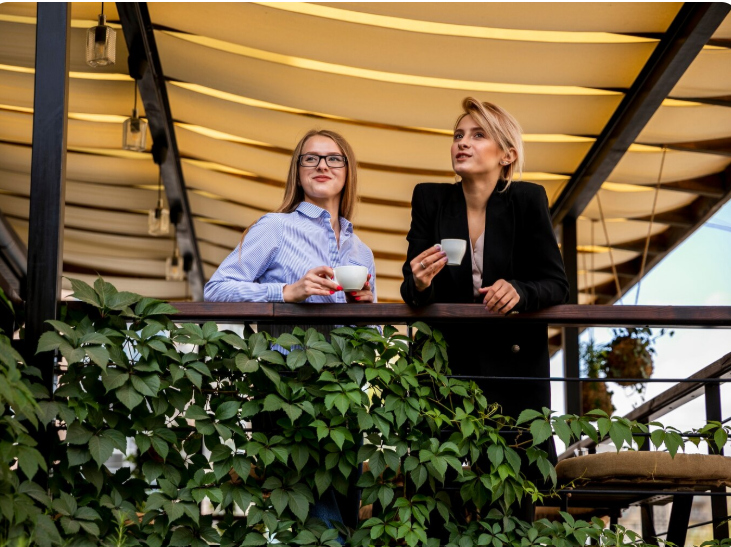
by Dulce Navarro | Jun 12, 2025 | Culture, Europe, Lifestyle, Work
Coworking Spaces in Paris: Where to Work Remotely in Style
Paris, the City of Light, has long been a hub for art, fashion, and intellectual thought. Today, it is also an increasingly attractive destination for digital nomads, remote professionals, and entrepreneurs looking for a sophisticated and efficient place to work. With the rise of remote work, coworking spaces in Paris are not just about Wi-Fi and desks — they offer style, community, and a sense of belonging in one of the world’s most iconic cities.
Why Choose Paris for Remote Work?
Aside from its rich culture and stunning architecture, Paris offers a thriving tech ecosystem, world-class transportation, and international connectivity. Whether you’re sipping espresso in Saint-Germain-des-Prés or walking through the Marais, inspiration is just around the corner. Coworking spaces here reflect that flair — blending history with modernity, elegance with productivity.
Top Coworking Spaces in Paris
1. WeWork Paris – Modern Flexibility Meets Global Standards
With several locations across Paris — including the 9th arrondissement and La Défense — WeWork offers the reliability and innovation associated with a global brand. Expect high-speed internet, beautifully designed interiors, soundproof phone booths, and community networking events.
2. Hubsy – Café Vibe with Unlimited Coffee
Hubsy, with locations near the Louvre and République, combines the ambiance of a Parisian café with the professionalism of a coworking office. You pay by the hour, and in return you get unlimited coffee, snacks, and a focused environment. Great for freelancers and students looking for a more relaxed, pay-as-you-go workspace.
3. Spaces Réaumur – Sleek Design in a Historic Building
Located in the vibrant Sentier neighborhood, Spaces Réaumur is known for its bright interiors, open-concept design, and community-centric ethos. This location offers meeting rooms, a rooftop terrace, and weekly networking events. Ideal for startups and solopreneurs.
4. Morning Coworking – Local and Stylish
Morning has over 20 coworking locations across Paris, each with its own personality. The emphasis is on good design, wellness (some locations even offer yoga), and sustainability. Morning’s spaces foster creativity and collaboration, with open lounges and private offices.
5. Anticafé – Where Time Is the Currency
Perfect for digital nomads and students, Anticafé offers locations throughout central Paris. Instead of paying for coffee or snacks, you pay for the time you stay. Amenities include high-speed internet, printing services, and cozy communal tables that encourage conversation and creativity.
What to Look for in a Coworking Space
- Location: Proximity to public transportation and cafés adds to your work-life balance.
- Community: Look for spaces that host events or offer networking opportunities.
- Facilities: Make sure essentials like high-speed Wi-Fi, printers, and private meeting rooms are available.
- Ambiance: Parisian coworking spaces range from minimalist to ornate — choose one that reflects your brand and mindset.
- Flexibility: Whether you need a hot desk or a private office, ensure the membership terms align with your needs.
Bonus: Scenic Neighborhoods to Work From
If you’re open to mixing leisure with work, consider the following neighborhoods:
- Le Marais: Rich in history and creativity, with independent cafés and galleries around every corner.
- Canal Saint-Martin: A relaxed, bohemian area that attracts freelancers and creatives.
- Saint-Germain-des-Prés: Sophisticated and classic, this area exudes timeless Parisian charm.
- Montmartre: With breathtaking views and cobbled streets, it’s ideal for deep focus days.
Learning New Languages as an Expat: Strategies for Quick Success
Working remotely in a new city is an excellent opportunity to learn a new language. As an expat in Paris, language can be your key to deeper integration and meaningful connections. Here are a few strategies to speed up your progress:
- Immerse Yourself: Use French in everyday interactions — from ordering food to chatting with locals.
- Use Language Apps: Duolingo, Babbel, and Memrise are excellent for daily practice.
- Join Language Exchanges: Sites like Meetup or Tandem can connect you with French speakers learning your native language.
- Take Professional Classes: Enroll in local institutes like Alliance Française for structured lessons.
- Practice Consistently: Dedicate time every day to review, speak, and listen to French — consistency is key.
Learning the local language not only improves your quality of life but also unlocks new career and social opportunities. Start small, stay consistent, and celebrate every little win along the way.
Stay Connected for More Travel and Lifestyle Inspiration.
For more insights into travel, culture, and lifestyle tips, follow me on @salvadorordorica. If you’re seeking professional translation and localization services to enhance your global ventures, visit The Spanish Group — your trusted partner in bridging cultures worldwide.

by Dulce Navarro | Jun 11, 2025 | Countries, Culture, Europe, Lifestyle, Travel
Off the Beaten Path: Unexplored European Destinations
When most travelers envision a European getaway, cities like Paris, Rome, or Barcelona likely come to mind. However, Europe is brimming with hidden gems that offer rich culture, breathtaking landscapes, and a more intimate travel experience. For business travelers, expatriates, and culture enthusiasts seeking destinations beyond the usual tourist trail, this curated list introduces lesser-known European spots that are as enchanting as they are underrated.
1. Albarracín, Spain
Nestled in the mountains of Aragon, Albarracín is a medieval village frozen in time. Winding cobblestone streets, terracotta-roofed houses, and ancient city walls transport visitors back centuries. The town’s unique pink-hued stone architecture and serene atmosphere make it ideal for a quiet cultural retreat or a weekend escape from Madrid or Valencia. With its rich Moorish history and artisanal crafts, Albarracín offers an authentic slice of Spain rarely touched by mass tourism.
2. Vipava Valley, Slovenia
Often overshadowed by the more famous Lake Bled and Ljubljana, the Vipava Valley is a haven for wine lovers and adventure seekers. This picturesque region, known for its boutique wineries and farm-to-table cuisine, sits at the crossroads of the Mediterranean and Alpine climates. Visitors can explore hiking trails, paragliding routes, and charming towns like Ajdovščina, all while enjoying local wines like Zelen and Pinela. The valley’s tranquil vibe makes it an ideal off-the-grid destination for rest and inspiration.
3. Ronda, Spain
Located in Andalusia, Ronda captivates travelers with its dramatic cliffside views and the deep El Tajo gorge that splits the town in two. While gaining popularity in recent years, Ronda still remains far less visited than nearby Seville or Granada. Its Puente Nuevo bridge and ancient bullring provide historical insight, while its surrounding vineyards and natural parks offer escape into nature. It’s a perfect destination for those seeking history, scenery, and Spanish authenticity in one location.
4. Sibiu, Romania
One of Romania’s best-kept secrets, Sibiu blends Gothic, Baroque, and Renaissance architecture with a surprisingly modern cultural scene. Once a European Capital of Culture, the city boasts theaters, museums, and festivals year-round. Its Old Town is pristine and welcoming, and the Transylvanian countryside that surrounds it is filled with fortified churches and picturesque hills. Ideal for travelers seeking affordability and authenticity, Sibiu is a reminder of Europe’s diverse historical fabric.
5. Isle of Eigg, Scotland
Off the west coast of Scotland lies the tiny, self-sufficient Isle of Eigg. Part of the Inner Hebrides, Eigg is entirely community-owned and runs on renewable energy. The island is perfect for nature lovers, offering dramatic cliffs, pristine beaches, and an abundance of wildlife. With fewer than 100 residents, Eigg’s quiet charm lies in its remoteness. It’s a place to disconnect, hike, birdwatch, and experience a close-knit, eco-conscious European community.
6. Monemvasia, Greece
Unlike the crowded islands of Santorini or Mykonos, Monemvasia is a medieval fortress town carved into the side of a massive rock off the Peloponnesian coast. Often called the “Gibraltar of the East,” this destination offers stunning sea views, Byzantine churches, and quiet stone alleyways. It’s a haven for romance, history, and traditional Greek hospitality. The entire island feels like a living museum—ideal for those looking to immerse themselves in both history and seclusion.
7. Kuldīga, Latvia
This quaint Latvian town is home to Europe’s widest waterfall—Ventas Rumba—and a charming collection of 17th- and 18th-century wooden buildings. Kuldīga feels like stepping into a storybook. Known for its peaceful riverbanks and slow pace of life, it’s a wonderful spot to unwind while learning about Latvian culture and traditions. It also makes a great base for exploring Latvia’s many natural parks and coastline.
8. Conclusion: Learning New Languages as an Expat – Strategies for Quick Success
As you explore offbeat destinations or relocate as an expat, language is your bridge to deeper cultural understanding. To succeed quickly in a new linguistic environment:
- Immerse yourself daily: Change your phone, social media, or music settings to the target language.
- Use language apps: Duolingo, Babbel, and Memrise are great for on-the-go practice.
- Take local classes: Community centers and language schools offer immersive environments and social opportunities.
- Practice with locals: Speak as often as possible, even if imperfectly. Most people appreciate the effort.
- Keep a journal: Write a few sentences daily about your experiences in the new language.
Mastering a language opens doors to understanding local customs, building relationships, and thriving in foreign environments. Whether you’re traveling or settling down, language fluency is one of the most empowering tools you can have.
Stay Connected for More Travel and Lifestyle Inspiration
For more insights into travel, culture, and lifestyle tips, follow me on @salvadorordorica. If you’re seeking professional translation and localization services to enhance your global ventures, visit The Spanish Group — your trusted partner in bridging cultures worldwide.

by Dulce Navarro | Jun 11, 2025 | Countries, Culture, Europe, Traditions, Travel
Inclusive Communities Through Language and Culture
In today’s globalized society, the concept of community has transcended borders and linguistic boundaries. More than ever, people from diverse cultural and linguistic backgrounds are coming together to live, work, and thrive. At the heart of truly inclusive communities lies a powerful tool: language. Language not only enables communication—it fosters connection, understanding, and a shared sense of identity.
The Role of Language in Building Inclusive Societies
Language serves as both a bridge and a gateway. It bridges gaps between cultures and serves as a gateway to meaningful interactions. When people are empowered to communicate in a common language—or when their native language is acknowledged and respected—they are more likely to participate fully in the social, economic, and civic life of a community.
In multilingual cities around the world, public services, schools, and businesses that embrace linguistic diversity often see higher engagement and satisfaction among residents. Translation and interpretation services, multilingual signage, and inclusive language policies make people feel seen and valued, no matter where they come from.
Culture: The Companion to Language
While language gives us the words, culture gives them context. Understanding cultural norms, values, and traditions enhances communication and reduces misunderstandings. Cultural literacy—just like linguistic fluency—is essential for meaningful integration. From food and festivals to family structures and etiquette, culture shapes how people perceive and engage with the world around them.
Inclusive communities don’t just tolerate cultural differences—they celebrate them. Cultural exchange programs, international fairs, local arts initiatives, and storytelling events all play a critical role in fostering empathy and mutual respect. By valuing the rich backgrounds of all community members, societies can create a sense of belonging that transcends origin.
Business and Policy Implications
For business leaders and policymakers, investing in language and cultural inclusion is not just a moral imperative—it’s a smart strategy. Companies that offer multilingual support attract a broader customer base, gain a competitive edge in international markets, and cultivate stronger brand loyalty. Internally, diverse teams that understand one another’s perspectives are more innovative and collaborative.
On a governmental level, inclusive language policies improve access to education, healthcare, and public services. Municipalities that provide interpretation assistance and culturally appropriate outreach programs see increased participation in community events, improved public health outcomes, and greater civic trust.
The Expat Experience: Language as a Tool for Integration
For expatriates, language is often the first—and most daunting—barrier to feeling at home in a new country. Mastering a new language is not only key to navigating everyday life, but also essential for developing relationships, finding employment, and participating in the local culture. Expats who embrace language learning typically report higher levels of happiness and integration.
However, language learning doesn’t happen in isolation. Successful integration also depends on open, welcoming communities that create space for cultural exchange and mutual learning. When both expats and locals approach one another with curiosity and respect, they lay the groundwork for vibrant, inclusive societies.
Case Studies: Communities Leading the Way
Around the world, numerous cities have become beacons of inclusivity through innovative language and cultural initiatives:
- Toronto, Canada: Known for its multicultural neighborhoods, Toronto provides translation services in over 140 languages across public health and municipal departments.
- Barcelona, Spain: The city’s “Welcome Plan” includes free Catalan and Spanish classes for newcomers, as well as cultural mediation programs to support immigrant families.
- Melbourne, Australia: With a high percentage of foreign-born residents, Melbourne promotes intercultural understanding through local libraries offering multilingual materials and conversation circles.
These examples highlight how forward-thinking policies and community engagement can turn diversity into a powerful asset.
Learning New Languages as an Expat: Strategies for Quick Success
If you’re an expat looking to integrate quickly into your new environment, here are a few proven strategies to accelerate your language learning journey:
- Immerse Yourself: Surround yourself with the language as much as possible—watch local TV, read the news, and listen to music in your target language.
- Practice Daily: Consistency is key. Even 15 minutes a day of structured learning can make a big difference over time.
- Join Local Groups: Language exchanges, hobby clubs, and volunteer opportunities are great ways to practice conversational skills and build community.
- Use Technology: Apps like Duolingo, Babbel, or Tandem offer accessible ways to practice on the go.
- Be Patient and Persistent: Mistakes are part of the process. Keep showing up and celebrating small wins.
Learning a new language is one of the most rewarding investments you can make as an expat. It opens doors not only to better communication but to deeper cultural connection and long-term personal growth.
Stay Connected for More Travel and Lifestyle Inspiration
For more insights into travel, culture, and lifestyle tips, follow me on @salvadorordorica. If you’re seeking professional translation and localization services to enhance your global ventures, visit The Spanish Group — your trusted partner in bridging cultures worldwide.

by Dulce Navarro | Jun 10, 2025 | Consumer, Countries, Culture, Healthcare, Lifestyle
Healthcare in France for Expats: How It Works and What to Expect
Relocating to France as an expat can be an exciting journey filled with culture, cuisine, and breathtaking landscapes. However, one of the most important aspects to understand before making the move is the French healthcare system. Often ranked among the best in the world, France’s healthcare is known for its high-quality care and affordability. Here’s everything expats need to know about accessing healthcare in France—how it works, what to expect, and how to make the most of it.
Overview of the French Healthcare System
France has a universal healthcare system, which means every legal resident is entitled to healthcare services through the national public health insurance known as l’Assurance Maladie. The system is funded through social security contributions and taxes, ensuring that the majority of medical costs are covered or reimbursed by the government.
The French system is a hybrid model, combining public and private sectors. Patients can choose their healthcare providers, whether public hospitals or private clinics, and still benefit from public insurance coverage.
How Expats Can Access Healthcare in France
To access public healthcare in France, expats must first obtain residency and register with the French social security system. This process includes applying for a social security number and enrolling in the public health insurance scheme.
Step 1: Residency and Long-Stay Visa
Before you can register for French healthcare, you must have legal residency. Most expats will need a long-stay visa or residence permit, especially if planning to stay longer than 90 days.
Step 2: Register with CPAM
Once legally residing in France, expats need to register with their local CPAM (Caisse Primaire d’Assurance Maladie) office. You’ll be required to submit documents such as proof of residency, passport, visa, birth certificate, and proof of income or employment.
Step 3: Obtain Your Carte Vitale
After registration, you’ll receive a Carte Vitale, a green card that proves you’re part of the French healthcare system. Presenting this card at medical appointments ensures partial reimbursement for most healthcare costs.
Understanding Costs and Reimbursements
While healthcare in France isn’t free, it is heavily subsidized. The government typically reimburses around 70% of doctor’s visits and up to 80% of hospital stays. The remaining costs, known as ticket modérateur, are paid out-of-pocket or covered by private supplementary insurance.
Mutuelle: Supplementary Insurance
To avoid unexpected medical bills, most residents and expats opt for a mutuelle—a complementary private insurance that covers the balance not reimbursed by the state. Mutuelles can range from €30 to €100+ per month depending on the coverage level and your health needs.
Access to General Practitioners and Specialists
In France, the first point of contact for most medical needs is the médecin traitant (primary care physician). You’re encouraged to declare your médecin traitant, which ensures better reimbursement rates. Visiting a doctor without this declaration can result in lower refunds from Assurance Maladie.
You’re also free to consult specialists—like dermatologists, cardiologists, or gynecologists—but referrals from your primary doctor often streamline the process and guarantee higher reimbursement rates.
Emergency Care and Hospitals
France offers excellent emergency care through public hospitals and specialized clinics. In case of emergencies, dial 15 for medical help (SAMU), or go directly to the nearest emergency room (urgences).
Public hospitals are well-equipped and staffed, often providing better value compared to private clinics. However, private facilities may offer faster appointments and more amenities, albeit with higher out-of-pocket costs if not fully covered by your mutuelle.
Pharmacies and Prescriptions
Pharmacies in France are highly regulated and widely accessible. Prescriptions from a doctor are partially or fully reimbursed through the healthcare system. Most common medications are affordable, and pharmacists are knowledgeable professionals who can offer medical advice and basic consultations.
Healthcare for Self-Employed and Remote Workers
If you’re self-employed or working remotely from France, you’ll need to register with URSSAF and contribute to the system via the auto-entrepreneur or profession libérale structure. This allows you to access public healthcare and apply for a Carte Vitale like any salaried employee.
Private Healthcare Options
While the public system covers most needs, private healthcare is available for those seeking quicker access or more personalized care. Some expats choose to keep international health insurance, especially during the transition period or while awaiting registration with Assurance Maladie.
International policies may also cover repatriation, dental, and vision—services not always included in basic public coverage.
What to Expect as a New Patient
Healthcare professionals in France are highly trained, and most speak basic English, especially in urban areas. Appointments are typically punctual, thorough, and include a personal touch. However, you may experience longer wait times for specialists depending on the region.
Make sure to bring your Carte Vitale and mutuelle card to every appointment, and keep copies of any medical reports or receipts for reimbursement purposes.
Learning New Languages as an Expat: Strategies for Quick Success
Living in France means embracing the language and culture. Here are some effective strategies to accelerate your French language learning:
- Enroll in local language schools or immersion programs – These are often offered in towns and cities for expats and professionals.
- Practice daily with apps like Babbel, Rosetta Stone, or Duolingo.
- Engage with locals – Join meet-ups, attend events, or simply make small talk at your local café or market.
- Watch French media – Films, news, and podcasts help with vocabulary and pronunciation.
- Set small goals – Aim to handle a pharmacy visit or order at a restaurant in French within your first month.
Language is the key to deeper integration, better relationships, and a more fulfilling experience as an expat in France.
Stay Connected for More Travel and Lifestyle Inspiration. For more insights into travel, culture, and lifestyle tips, follow me on
@salvadorordorica. If you’re seeking professional translation and localization services to enhance your global ventures, visit
The Spanish Group — your trusted partner in bridging cultures worldwide.
