Luxury Vacations in Europe for Food and Wine Lovers
A Company Director’s Playbook for Culinary Travel That Inspires
For executives who measure time in quarters and results, a luxury vacation should deliver more than fine dining and rare vintages—it should renew your perspective, sharpen your palate, and cultivate relationships worth more than any single bottle. Europe offers a constellation of regions where culinary traditions, terroir, and hospitality align to create travel that is both restorative and professionally enriching. This guide outlines how to craft an exceptional itinerary that respects your schedule while elevating every meal into a memorable experience.
Designing an Executive-Grade Culinary Itinerary
Begin by mapping your goals: discovery (new regions and varietals), depth (iconic appellations and vertical tastings), or connection (private chef’s tables and producer access). Build around two daily anchors: a late-morning tasting when cellars open and an evening dining experience. Keep afternoons flexible for countryside drives, art stops, or a restorative spa—luxury is as much about margin as it is about magnificence.
Seasonality first: Late spring and early autumn offer vineyard access, mild weather, and peak produce without high-summer congestion.
Stay fewer places, savor more: Two bases over seven to ten days (max) reduce unpacking fatigue and increase depth.
Plan logistics like a board meeting: Pre-book driver services for tasting days; schedule long transfers after lunch, not before key dinners.
France: Terroir at Its Finest
Bordeaux & the Atlantic Coast
Bordeaux blends grand châteaux hospitality with precision winemaking. Focus tastings by Left Bank and Right Bank styles to understand structure and expression, then pair with seafood-focused lunches along the Atlantic coast. Add a day for the city’s revitalized riverfront and curated wine museums to contextualize the region’s heritage.
Burgundy & Beaujolais
Burgundy rewards patience and curiosity—a masterclass in micro-terroir. Arrange appointments with small domaines for comparative flights that trace vineyard nuance. In nearby Beaujolais, explore elegant, cru-level wines and bistro cooking anchored in charcuterie, seasonal vegetables, and artisan cheeses.
Italy: The Art of the Table
Piedmont: Truffles, Nebbiolo, and Noble Kitchens
In Piedmont, white truffle season and Nebbiolo’s many faces (Barolo, Barbaresco, Alto Piemonte) create a powerful pairing. Balance cellar visits with slow lunches in hilltop villages; the cuisine favors depth—tajarin with butter, braised meats, and hazelnut desserts—designed to showcase the wines’ structure.
Emilia-Romagna: Icons of Craft
A pilgrimage for craft enthusiasts, Emilia-Romagna is home to traditional balsamic vinegar, aged cheeses, and cured meats. Arrange producer visits that demonstrate time-honored methods, then dine in cities where pasta is a fine art. Sparkling wines and regional reds provide a playful counterpoint to rich flavors.
Spain & Portugal: Atlantic Energy and Iberian Warmth
Basque Country & Rioja
The Basque coast pairs cutting-edge gastronomy with a culture of casual excellence—think bustling pintxos bars and seafood grilled over embers. Up the road, Rioja’s cellars combine architectural ambition with approachable tastings. Alternate avant-garde dinners with relaxed, ingredients-first lunches to maintain balance.
Douro Valley & Alentejo
In Portugal, cruise terraced vineyards along the Douro for port traditions and increasingly expressive dry reds. Farther south, Alentejo offers sun-washed estates with contemporary kitchens and generous hospitality. Portugal’s culinary rhythm is unhurried—ideal for deep conversation and reflection.
Greece: Mediterranean Light and Island Precision
Greece marries luminous seafood, pristine olive oils, and mineral-driven whites. On the islands, arrange winery tastings in the morning before coastal lunches. Evenings belong to long-table dinners where grilled fish, mountain herbs, and citrus create a clean, restorative profile—perfect after weeks of boardroom intensity.
Where to Stay: Properties That Understand Executive Needs
Choose hotels or villas with concierge teams skilled at securing last-minute tables, private tastings, and discrete transportation. Prioritize reliable high-speed Wi‑Fi, soundproofed rooms, and wellness amenities. For rural stays, confirm that the property can coordinate driver services and late check-ins after long meals.
Dining Strategy: Make Every Table Count
Treat each reservation as a curated experience. Use lunches for regional classics and dinners for tasting menus or chef’s counters. Request wine pairings that showcase local producers and ask sommeliers for one “curveball” pour—a lesser-known varietal or style—to expand your range. The goal is a balanced itinerary: one Michelin-level evening, one heritage bistro, and one countryside restaurant across any three-day span.
Private Access: The Luxury Multiplier
Private tastings, kitchen tours, and market walks transform a good trip into a formative one. Work with specialists who can arrange off-hours cellar visits, vineyard picnics, or truffle forages. These moments create stories that outlast the itinerary and forge relationships you can build on in future deals—or future dinners.
Wellness & Recovery on the Road
Culinary travel can be intense. Protect sleep and energy with morning light exposure, short workouts, and mindful pacing. Hydration, shared plates at lunch, and a midday walk through a historic center preserve appetite for an evening’s more elaborate experience.
Risk Management for Directors
Confirm cancellation windows and refundable rates during harvest seasons. Use travel insurance that covers high-value tastings or prepaid dining experiences. Maintain a one-page contingency plan—alternative restaurants, backup drivers, and a secondary lodging option—so unexpected events become a minor detour, not a derailment.
Sample 7‑Day Culinary Arc
Day 1: Arrive and reset. Light local dinner and early night.
Day 2: Morning cellar tour; heritage bistro lunch; evening fine dining.
Day 3: Producer visits; countryside tasting lunch; free evening walk.
Day 4: Transfer to second base; art stop; chef’s table dinner.
Day 5: Market tour and cooking session; relaxed coastal lunch.
Day 6: Signature tasting flight; spa; celebratory tasting menu.
Day 7: Leisure morning; farewell lunch; depart.
Learning New Languages as an Expat: Strategies for Quick Success
If your culinary travels evolve into an expat assignment, language fluency becomes a strategic asset. It accelerates vendor negotiations, strengthens team culture, and unlocks richer dining and hospitality experiences. Rapid progress comes from consistency, context, and feedback.
Define a 30‑Day Minimum Viable Fluency (MVF)
Identify 200 essential phrases for restaurants, travel, meetings, and small talk. Practice them aloud daily, then deploy them immediately—ordering at markets, confirming reservations, or thanking a sommelier for a recommendation.
Stack Learning Into Your Routine
Commute drills (10 minutes): Shadow a native clip; record yourself; compare and correct.
Micro‑feedback: Ask colleagues or hosts to correct only one element per interaction—articles, tense, or pronunciation.
Use Professional Support Where It Matters
Combine short, high-frequency tutoring with expert translation and localization for contracts, menus, and marketing assets. Operate confidently in writing while your spoken fluency catches up.
Measure Momentum
Track weekly: minutes of active speaking, real-world interactions, and new phrases retained. Celebrate small wins—a full restaurant booking in the local language or a successful toast at dinner.
Stay Connected for More Travel and Lifestyle Inspiration. For more insights into travel, culture, and lifestyle tips, follow me on Instagram @salvadorordorica. If you’re seeking professional translation and localization services to enhance your global ventures, visit The Spanish Group your trusted partner in bridging cultures worldwide.
By a Company Director — A refined, practical guide to designing an unforgettable, stress-free honeymoon across Europe.
Define Your Tone: What Does ‘Luxury’ Mean to You?
Luxury is personal: for some couples it’s privacy and exclusivity; for others, it’s impeccable service and rare experiences. Begin by agreeing on priorities—seclusion, Michelin dining, historic architecture, wellness, or adventure. This shared brief will guide destination choice, accommodation standards, and the pace of your itinerary.
Choose Destinations That Complement Each Other
Europe’s diversity allows elegant contrasts in a single honeymoon: a few days in a cosmopolitan capital, followed by island time or countryside seclusion. Consider these classic pairings:
Paris & the Loire Valley: urban romance and châteaux retreats.
Amalfi Coast & Tuscany: coastal glamour and rolling vineyard estates.
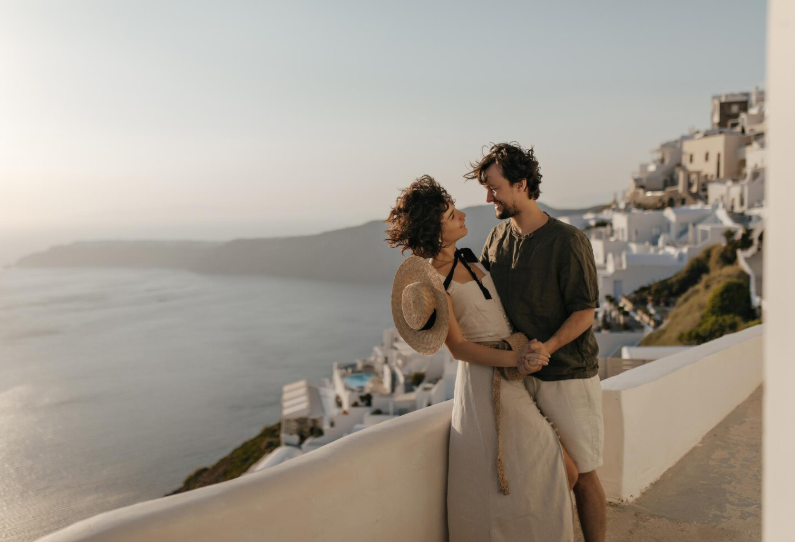
Santorini & Crete: Cycladic sunsets and private villa living.
Barcelona & the Balearics: design-forward city life and Mediterranean beaches.
Limit travel to two or three bases to avoid transit fatigue and to allow immersive experiences in each location.
Schedule with Intention: Balancing Activity and Downtime
Luxury travel values unhurried mornings and curated moments. Build an itinerary with alternating high and low energy days: a private tour and tasting followed by a day reserved for spa, reading, or a slow coastal drive. For multi-city trips, schedule travel in the late afternoon so mornings remain yours for relaxed departures.
Stay in Properties That Add to the Story
Accommodation defines a honeymoon. Opt for boutique hotels, converted palazzi, or private villas with dedicated staff. Key attributes to look for:
Privacy: private entrances, secluded terraces, or estate grounds.
Service: 24-hour concierge, in-room dining with bespoke menus, and access to local insiders.
Unique amenities: private pools, in-villa chefs, or spa suites.
Work with a trusted concierge or luxury travel advisor who can secure upgrades, private transfers, and reservations at in-demand restaurants and cultural venues.
Travel Logistics: Seamless Transitions Matter
Choose premium transfers—private cars or helicopter hops where feasible—to eliminate airport stress. When booking flights, allow generous connection times and consider business-class or premium-economy seats for longer legs. Always keep a physical copy of critical documents and a secure digital folder with passports, reservations, and emergency contacts.
Curate Exceptional Moments
Memorable details make a honeymoon exceptional. Examples of elevated experiences:
Private wine tastings in a historic cellar with the winemaker.
A sunrise hot-air balloon flight above vineyards or the Cappadocian landscape.
A chef-led cooking class followed by a private meal on a rooftop terrace.
A chartered yacht for a day of secluded bays and seafood picnics.
Plan one meaningful surprise for your partner—a custom itinerary item that reflects their interests and signals thoughtfulness.
Pack Light, Pack Smart
For luxury travel, elegance matters, but so does practicality. Build a capsule wardrobe with evening looks, comfortable daywear, and a weather-appropriate outer layer. Include one statement piece for dinners and two sets of shoes—formal and comfortable. A dedicated dopp kit with quality skincare, chargers organized in a cable case, and a small emergency sewing kit will save moments of irritation.
Mindful Budgeting: Invest in What Matters
Allocate your budget toward the moments you’ll remember: accommodation, a few signature experiences, and flawless logistics. Save on transport between close destinations and reinvest in private guides or exclusive access where it elevates the experience. Always confirm cancellation policies and travel insurance that covers medical evacuation and trip interruption.
Sustainability and Local Connection
Responsible luxury is increasingly important. Choose properties that respect local communities and support conservation efforts. Book locally guided experiences, dine at restaurants sourcing regional ingredients, and favor artisans for bespoke keepsakes. These choices enrich your trip and support the places you visit.
Learning New Languages as an Expat: Strategies for Quick Success
Whether you plan extended stays or simply want to connect more deeply while traveling, learning the local language enhances both convenience and cultural exchange. Prioritize conversational phrases, daily practice, and real-world application. Use short tutoring sessions, language apps for repetition, and immerse by switching device languages and reading local menus aloud. Focus on practical vocabulary tied to your itinerary—restaurant phrases, directions, and courteous greetings. Micro-habits—ten minutes a day—compound quickly and transform interactions into meaningful exchanges.
Affordable Business Hotels in Paris That Don’t Compromise on Comfort
Paris is often seen as the epitome of luxury, romance, and cultural richness. But for business travelers, it also represents a vibrant global hub for commerce and innovation. While Paris is home to many world-class five-star properties, not every professional trip requires a suite at The Ritz. For savvy business travelers who value both cost-efficiency and comfort, the city offers a host of well-appointed, affordable hotels that deliver style, convenience, and reliable amenities — all without breaking the bank.
Why Business Travelers Choose Paris
Paris remains one of Europe’s leading business centers, home to numerous international organizations, trade shows, and financial institutions. Whether you’re attending a conference at Paris Expo Porte de Versailles or holding client meetings near La Défense, staying in a conveniently located, budget-friendly hotel can significantly enhance your productivity and travel experience.
Top Affordable Business Hotels in Paris
1. OKKO Hotels Paris Gare de l’Est
Located steps from Gare de l’Est station, OKKO Hotels offers an ideal base for business travelers arriving by train or Eurostar. Rooms are sleek and modern, with a minimalist design, fast Wi-Fi, and quality bedding. Guests have 24/7 access to the “Club” — a chic communal lounge offering free soft drinks, snacks, and workstations. Rates start at around €120 per night, making it an excellent value for central Paris.
2. Hotel Le Six
Nestled in the 6th arrondissement near Montparnasse, Hotel Le Six is a four-star boutique property that blends affordability with elegance. Each room features soundproofing, work desks, and luxurious linens — perfect for professionals who need both rest and focus. There’s also a small fitness center and meeting room on-site. Prices typically range between €150-€180, a great deal for such a prime location.
3. citizenM Paris Gare de Lyon
This hotel is tailor-made for modern business travelers. citizenM offers tech-forward rooms with touchpad controls, super-fast Wi-Fi, and self-check-in kiosks for ultimate efficiency. There’s also a trendy co-working space in the lobby, along with 24-hour food and drink service. Situated just minutes from Gare de Lyon, it’s ideal for those traveling throughout France or Europe. Nightly rates average €110-€130.
4. Hôtel Eiffel Blomet
Just a 15-minute walk from the Eiffel Tower, Hôtel Eiffel Blomet offers quiet sophistication in the heart of Paris. With Art Deco touches, high-speed internet, a wellness center, and an indoor pool, it caters well to travelers who want comfort and productivity. Rooms start at around €130, offering excellent value near one of the city’s most iconic districts.
5. Ibis Styles Paris Bercy
If you’re attending events at Accor Arena or staying in the Bercy business district, Ibis Styles Paris Bercy is a colorful, budget-friendly option. All rooms come with a desk, free Wi-Fi, and breakfast included. The hotel is part of the Accor group, which ensures consistent service standards and loyalty program perks. Rooms usually cost between €90 and €110, depending on the season.
Key Amenities That Matter to Business Travelers
When searching for a hotel in Paris, budget-conscious professionals should prioritize amenities that support their work needs. These typically include:
High-speed Wi-Fi with no extra charges
24-hour check-in or front desk service
In-room desks and ergonomic chairs
On-site meeting rooms or business centers
Proximity to major transport links (metro, train stations, airports)
Additionally, features such as complimentary breakfast, in-room coffee/tea, and noise insulation can make a noticeable difference during a packed schedule.
Best Arrondissements for Business Stays
While Paris is well-connected by metro, staying close to your meeting locations can save valuable time. Here are some recommended districts for business travelers:
8th Arrondissement (Champs-Élysées): Close to corporate headquarters and embassies
9th Arrondissement (Opéra): Home to many banks and tech firms
12th Arrondissement (Bercy): Ideal for conferences and large events
15th Arrondissement (Montparnasse): Great for rail access and mid-range hotels
Bonus Tip: Book Smart
To get the best deals, book early — ideally two to four weeks in advance. Use reputable booking platforms with filters for business amenities, and check if your company has preferred rates or partnerships with specific hotel chains. Consider signing up for hotel loyalty programs that offer upgrades, free nights, or early check-ins.
Learning New Languages as an Expat: Strategies for Quick Success
Relocating or traveling frequently for business often means navigating new cultures and languages. For expatriates living in Paris or conducting long-term business here, learning French can greatly enhance your experience and effectiveness. Here are a few strategies to accelerate your learning:
Take Immersive Language Classes: Choose classes tailored to professionals for practical vocabulary.
Use Language Apps: Duolingo, Babbel, and Memrise are great for daily practice.
Watch French Media: Try French news, shows, and movies with subtitles to build listening skills.
Practice with Locals: Engage in everyday interactions — order your coffee in French, greet your concierge, and try speaking in shops.
Hire a Language Coach: Personalized coaching can speed up conversational fluency and cultural adaptation.
Learning the language not only helps in professional settings but also deepens your connection with the local culture — a valuable asset in both business and personal life.
Stay Connected for More Travel and Lifestyle Inspiration. For more insights into travel, culture, and lifestyle tips, follow me on @salvadorordorica. If you’re seeking professional translation and localization services to enhance your global ventures, visit The Spanish Group — your trusted partner in bridging cultures worldwide.
Spain is one of the world’s premier wine-producing countries, home to centuries-old traditions and a staggering variety of terroirs. From the bold reds of Rioja to the sparkling cavas of Catalonia, Spanish wine regions offer more than just great vintages—they provide unforgettable travel experiences steeped in culture, history, and gastronomy. Whether you’re a seasoned wine connoisseur or a curious traveler, here are the wine regions in Spain that are truly worth exploring.
1. La Rioja: The Flagship of Spanish Wine
La Rioja is Spain’s most famous wine region and the first to receive Denominación de Origen Calificada (DOCa) status. Located in the north of Spain, Rioja is known for producing elegant, oak-aged red wines—primarily from the Tempranillo grape. The region is divided into three subzones: Rioja Alta, Rioja Alavesa, and Rioja Oriental, each offering subtle differences in climate and wine profiles.
Visitors to Rioja can enjoy guided tours of historic bodegas (wineries), many of which offer tastings, wine-pairing meals, and insights into centuries-old winemaking techniques. The capital, Logroño, is also a culinary hub, known for its tapas culture along Calle Laurel.
2. Ribera del Duero: Robust Reds and Striking Landscapes
Located along the Duero River in Castilla y León, Ribera del Duero is a powerful rival to Rioja when it comes to red wine. The region’s high-altitude vineyards and extreme temperatures yield full-bodied wines with rich, concentrated flavors. Tempranillo—locally known as Tinta del País—is the dominant grape.
This region is home to prestigious wineries like Vega Sicilia and Dominio de Pingus, both known internationally for producing world-class reds. Wine tourism is well-developed, with luxurious rural hotels, vineyard visits, and tastings offered throughout the region.
3. Priorat: A Boutique Treasure in Catalonia
Priorat, one of only two DOCa regions in Spain (along with Rioja), is located in the hills of Catalonia. It’s a small but highly respected region producing bold, mineral-rich reds primarily from Garnacha (Grenache) and Cariñena (Carignan) grapes.
The terrain here is dramatic, with steep, terraced vineyards planted on slate soil known as “llicorella.” This unique soil composition contributes to the region’s powerful and age-worthy wines. Due to its boutique nature, wine tourism in Priorat feels exclusive and deeply personal—perfect for travelers looking to explore Spain’s artisanal wine culture.
4. Rías Baixas: Home of the Albariño
In the misty, green region of Galicia in northwestern Spain lies Rías Baixas, famed for its crisp, aromatic white wines made from Albariño. This coastal region produces wines that are fresh, floral, and perfectly suited to accompany seafood—the local specialty.
Wine lovers will enjoy exploring the area’s scenic villages, lush vineyards, and proximity to the Atlantic Ocean. Rías Baixas is ideal for those who prefer white wines and coastal cuisine, and it offers a cooler, more relaxed atmosphere than some of Spain’s hotter inland regions.
5. Penedès: The Sparkling Capital
Just a short drive from Barcelona, Penedès is best known as the heart of Cava production—Spain’s answer to Champagne. The region produces both white and rosé Cava using traditional methods, primarily with indigenous grape varieties like Macabeo, Xarel·lo, and Parellada.
In addition to sparkling wines, Penedès also produces a wide variety of still wines. Touring the region is easy and rewarding, with many wineries offering visits and tastings. The proximity to Barcelona makes it an excellent day trip or weekend escape for wine lovers.
6. Jerez (Sherry Triangle): A Journey Through Tradition
Jerez, located in the Andalusian province of Cádiz, is the birthplace of Sherry. This fortified wine comes in several styles, from the dry and nutty Fino to the rich and sweet Pedro Ximénez. The region’s unique solera aging system sets it apart from other winemaking traditions.
Wine tourism in Jerez is steeped in culture—you can visit ancient bodegas, witness flamenco performances, and enjoy Andalusian cuisine. The nearby towns of Sanlúcar de Barrameda and El Puerto de Santa María form the rest of the “Sherry Triangle,” each offering unique Sherry styles and coastal charm.
7. Valencia: Emerging Excellence
Valencia is rapidly gaining recognition for its innovative winemakers and diverse terroirs. From full-bodied reds to fresh whites and modern blends, the region is experimenting while still honoring local traditions. The climate and landscape allow for sustainable practices and organic production, which many boutique producers are embracing.
With its Mediterranean coastline, historic architecture, and vibrant culinary scene, Valencia offers a full travel experience—not just for wine lovers but for all travelers seeking authenticity and variety.
8. Somontano: Spain’s Hidden Gem
Somontano, located at the foot of the Pyrenees in Aragón, may not be as widely known as Rioja or Ribera, but it has quietly developed a reputation for producing high-quality wines. The name Somontano means “under the mountain,” and the region benefits from a mix of mountain and Mediterranean climates.
This diversity allows for a wide range of grape varieties—Cabernet Sauvignon, Merlot, Gewürztraminer, and local types like Moristel. The area is peaceful, less crowded, and ideal for travelers who want a slower pace and a more intimate connection with winemaking.
Learning New Languages as an Expat: Strategies for Quick Success
Exploring Spain’s wine regions is more than just a tasting experience—it’s an immersion into the culture, history, and language of each area. For expats, learning the local language not only enhances your travel but also helps you integrate and build meaningful relationships.
Here are some strategies for quick language success:
Practice Daily: Use language apps like Duolingo or Babbel to maintain a consistent routine.
Engage Locally: Participate in wine tours, local markets, or cooking classes where you’re exposed to everyday conversations.
Hire a Tutor: One-on-one lessons (in-person or online) can accelerate your fluency.
Label Your Surroundings: Put sticky notes on items in your home with their Spanish names to build vocabulary naturally.
Watch & Listen: Immerse yourself in Spanish-language films, series, and music to strengthen your listening skills and pronunciation.
Language fluency is one of the best investments you can make as an expat—it transforms your ability to engage, connect, and truly experience life abroad.
Stay Connected for More Travel and Lifestyle Inspiration. For more insights into travel, culture, and lifestyle tips, follow me on @salvadorordorica. If you’re seeking professional translation and localization services to enhance your global ventures, visit The Spanish Group — your trusted partner in bridging cultures worldwide.
In today’s rapidly evolving digital economy, remote work has become more than just a trend—it’s a lifestyle embraced by thousands of digital nomads around the globe. With the freedom to live and work anywhere, however, comes the challenge of adapting to different cultural and linguistic environments. One of the most common hurdles faced by digital nomads is navigating language barriers, especially when moving frequently between countries with diverse dialects and communication norms.
Understanding the Impact of Language on Daily Life
Language is more than a tool for communication—it shapes how we think, work, and connect with others. For digital nomads, everyday tasks like grocery shopping, navigating public transportation, or even ordering a coffee can become complex in a country where they don’t speak the local language fluently. More significantly, the inability to communicate effectively can isolate individuals, hinder productivity, and affect one’s ability to form meaningful personal and professional relationships abroad.
Language barriers can also impact digital nomads in their work, particularly when collaborating with local clients, attending networking events, or conducting business in international markets. Clear communication is essential for building trust and maintaining professional relationships—something not always possible with a reliance on translation apps or limited vocabulary.
Leveraging Technology for Real-Time Communication
Fortunately, technology plays a crucial role in helping digital nomads overcome these challenges. Translation apps like Google Translate, DeepL, and Microsoft Translator allow travelers to translate signs, menus, and conversations in real-time. Voice-to-text and camera translation features have greatly improved accessibility and convenience, reducing the anxiety of language miscommunication in daily life.
Additionally, browser-based tools like Grammarly and AI writing assistants can help digital nomads write emails, proposals, and social media posts with greater clarity, particularly in multilingual contexts. Communication platforms like Slack or Zoom now also offer real-time captioning and translation features, allowing smoother collaboration across different languages and time zones.
Immersive Experiences and Language Learning
Technology is only part of the equation. Many digital nomads find success through cultural immersion. By intentionally placing themselves in environments where they must speak the local language—whether through volunteering, joining local meetups, or attending workshops—they accelerate their ability to pick up conversational skills. This experiential approach fosters not only language acquisition but also a deeper appreciation for local customs and traditions.
In cities with large expat communities, it’s common to find coworking spaces, cafés, and networking groups where multilingualism is encouraged. These social environments offer a safe and supportive space for practicing a new language, exchanging tips with fellow nomads, and receiving feedback in real-time.
Hiring Local Help and Using Translation Services
Another valuable strategy is hiring professional help. Whether it’s a local guide, a cultural consultant, or a translation service, having experts assist in bridging the communication gap ensures smoother transitions and more effective interactions with local authorities, landlords, or vendors.
For business owners and entrepreneurs, professional translation and localization services like The Spanish Group can be indispensable. They ensure that documents, websites, contracts, and marketing materials are accurately translated and culturally adapted—maintaining brand integrity while respecting local customs.
Creating a Multilingual Routine
Establishing a daily habit of language learning—such as dedicating 15–30 minutes each day to apps like Duolingo, Babbel, or Rosetta Stone—can make a significant difference over time. Even learning a handful of common phrases like greetings, numbers, or basic directions can greatly enhance a nomad’s confidence and reduce daily stress.
Digital flashcards, language podcasts, and YouTube channels designed for language learners also provide effective, on-the-go resources. The key is consistency—small, daily efforts accumulate into long-term fluency, especially when combined with practical use in real-world situations.
Learning New Languages as an Expat: Strategies for Quick Success
For expats and digital nomads alike, mastering a new language quickly requires a blend of strategy, patience, and engagement. Here are a few proven methods:
Set Realistic Goals: Focus on learning functional vocabulary relevant to your lifestyle and profession.
Practice Daily: Use language-learning apps, flashcards, or audio lessons consistently each day.
Engage Locally: Attend events, markets, or clubs where the language is spoken naturally.
Hire a Tutor: Personalized feedback from a native speaker accelerates fluency and boosts confidence.
Watch Media in the Target Language: Subtitled TV shows, podcasts, and films enhance comprehension and pronunciation.
By combining these methods, digital nomads and expats can transition smoothly into new environments, deepen their cultural experiences, and communicate more effectively—both personally and professionally.
Stay Connected for More Travel and Lifestyle Inspiration. For more insights into travel, culture, and lifestyle tips, follow me on Instagram @salvadorordorica. If you’re seeking professional translation and localization services to enhance your global ventures, visit The Spanish Group — your trusted partner in bridging cultures worldwide.
France is synonymous with wine, and while regions like Bordeaux, Champagne, and Burgundy often steal the spotlight, the country is rich with hidden gems waiting to be explored. For wine enthusiasts and curious travelers alike, France’s lesser-known wine trails offer a deeper, more intimate glimpse into its viticultural heritage. These off-the-beaten-path destinations provide not only exceptional wines but also a genuine taste of local culture, history, and tradition.
1. Jura: The Hidden Jewel of Eastern France
Nestled between Burgundy and Switzerland, the Jura region is known for its distinct wine styles, including the famous Vin Jaune (yellow wine) and Vin de Paille (straw wine). With its chalky limestone soils and alpine breezes, Jura produces unique varietals such as Savagnin and Trousseau. Visitors can follow the Route des Vins du Jura, stopping at small, family-run wineries and medieval villages like Arbois and Château-Chalon.
Jura’s rustic charm and quiet countryside make it a perfect escape from the crowded wine routes of France. Wine cellars are often located beneath centuries-old stone houses, giving tastings an authentic and historic atmosphere.
2. Alsace’s Northern Trail: Beyond the Touristy South
While southern Alsace towns like Colmar and Riquewihr attract crowds, the northern section remains a hidden delight. The lesser-known villages of Wissembourg, Cleebourg, and Andlau are home to rolling vineyards, half-timbered houses, and world-class Rieslings and Gewürztraminers.
The Alsace Wine Route (Route des Vins d’Alsace) winds its way through these sleepy hamlets, offering a more tranquil and authentic experience. You’ll find organic producers, biodynamic vineyards, and local winemakers eager to share their family’s legacy.
3. Gaillac: A Southwestern Secret
One of France’s oldest wine regions, Gaillac in the Tarn department predates even Bordeaux in winemaking history. Despite this, it remains under the radar for most tourists. Gaillac’s winemakers produce a diverse range of styles, including sparkling wines, sweet whites, and robust reds using rare local grapes like Mauzac and Braucol.
In addition to its wines, Gaillac offers a picturesque landscape of sunflower fields, Romanesque abbeys, and charming villages like Cordes-sur-Ciel. Many estates are open to visitors and offer personalized tours and tastings.
4. Savoie: Alpine Wines with a View
Savoie, located near the French Alps, is better known for skiing than winemaking—but that’s part of its charm. Vineyards here cling to steep mountainsides and produce fresh, crisp whites from grapes like Jacquère and Roussette. The wines are ideal for pairing with local alpine dishes such as raclette or tartiflette.
The region’s dramatic landscapes and proximity to natural parks like Chartreuse and Vanoise make it an ideal destination for combining wine tourism with outdoor adventure. Many producers offer guided hikes followed by tastings at the vineyard.
5. The Loir Valley: Loire’s Quiet Cousin
Not to be confused with the more famous Loire Valley, the Loir Valley (with no “e”) is a hidden treasure in northwestern France. This peaceful region boasts a cooler climate and is home to elegant reds and sparkling wines made from Pineau d’Aunis and Chenin Blanc.
The Coteaux du Loir wine trail takes visitors through scenic routes filled with vineyards, châteaux, and caves carved into limestone cliffs. With fewer tourists, you’ll enjoy a relaxed pace and more meaningful interactions with passionate local vintners.
6. Bellet: Nice’s Seaside Wine Secret
High above the city of Nice lies Bellet, one of France’s smallest and most unique AOCs (Appellation d’Origine Contrôlée). Its proximity to the Mediterranean gives the wines a distinctive minerality, and its use of rare grapes like Braquet and Folle Noire sets it apart.
Bellet is perfect for travelers who want to enjoy both the Riviera lifestyle and a wine-tasting experience. Vineyards offer panoramic views of the sea and mountains, and many welcome visitors by appointment for intimate tours and tastings.
Learning New Languages as an Expat: Strategies for Quick Success
As you explore France’s wine regions, especially the lesser-known ones, speaking even basic French can significantly enhance your experience. Locals appreciate the effort, and it often leads to warmer welcomes and deeper connections.
Here are a few quick strategies to help you learn faster:
Start with practical vocabulary—ordering wine, greeting people, asking for directions.
Use apps like Duolingo, Babbel, or Memrise daily for short practice sessions.
Listen to local radio or watch French shows with subtitles to improve comprehension.
Join language exchange meetups or speak with locals during your travels.
Don’t aim for perfection—focus on being understood and improving with use.
Immersing yourself in the culture and using the language in context will accelerate your fluency and deepen your overall experience abroad.
Stay Connected for More Travel and Lifestyle Inspiration.
For more insights into travel, culture, and lifestyle tips, follow me on @salvadorordorica. If you’re seeking professional translation and localization services to enhance your global ventures, visit: The Spanish Group — your trusted partner in bridging cultures worldwide.