
by Dulce Navarro | Apr 14, 2026 | Countries, Culture, Europe, Experiences, Food, Lifestyle, Luxury, Travel
Europe’s Finest Olive Oil Estates Offering Private Tastings
For company directors and discerning travelers, Europe’s culinary landscape offers far more than Michelin-starred restaurants and renowned vineyards. Olive oil—often referred to as “liquid gold”—represents one of the continent’s most refined and culturally significant products. Across Southern Europe, a growing number of prestigious olive oil estates are opening their doors to private tastings, offering immersive experiences that combine gastronomy, heritage, and exclusivity.
These estates provide a rare opportunity to explore centuries-old traditions, engage with expert producers, and enjoy bespoke tastings in some of Europe’s most picturesque settings. For those seeking a sophisticated and authentic experience, private olive oil tastings are becoming a cornerstone of luxury travel.
The Art and Prestige of Olive Oil Tasting
Much like wine, premium olive oil is evaluated through a structured tasting process that considers aroma, flavor, texture, and finish. Private tastings at leading estates are typically guided by master producers or certified sommeliers who provide insight into varietals, harvesting techniques, and production methods.
Guests learn to distinguish between different flavor profiles—from grassy and peppery notes to more delicate, buttery characteristics—while gaining a deeper appreciation for the craftsmanship behind each bottle. These experiences elevate olive oil from a culinary staple to a refined sensory journey.
Italy: Tuscan Elegance and Tradition
Italy remains one of the world’s leading producers of high-quality olive oil, with Tuscany standing out as a premier destination for private tastings. Estates nestled among rolling hills and historic villas offer curated experiences that blend gastronomy with cultural heritage.
Visitors can enjoy guided tours of olive groves, observe traditional and modern pressing techniques, and participate in tastings paired with artisanal bread, cheeses, and wines. Many estates also provide exclusive dining experiences, allowing guests to savor regional cuisine enhanced by estate-produced oils.
The emphasis on quality, authenticity, and hospitality makes Tuscany a cornerstone of luxury olive oil tourism.
Spain: Innovation and Scale in Andalusia
Spain is the world’s largest producer of olive oil, and the Andalusia region leads in both quantity and quality. Here, expansive estates combine cutting-edge technology with centuries-old traditions to produce some of the finest oils available.
Private tastings in Andalusia often include access to state-of-the-art mills, educational sessions on production innovations, and curated tastings that highlight the diversity of Spanish olive oils. Guests may also explore the region’s rich cultural heritage, including historic towns and architectural landmarks.
Andalusia’s blend of scale, innovation, and tradition offers a unique perspective on the global olive oil industry.
Greece: Heritage and Authenticity
Greece’s olive oil tradition dates back thousands of years, making it one of the most historically significant producers in the world. Regions such as Crete and the Peloponnese are particularly renowned for their high-quality oils and immersive tasting experiences.
Private visits to Greek estates often emphasize authenticity and connection to the land. Guests can participate in harvesting (season permitting), learn about traditional production methods, and enjoy tastings in rustic yet elegant settings.
The focus on heritage and simplicity creates a deeply personal and memorable experience for visitors.
Portugal: Emerging Excellence in Alentejo
Portugal’s Alentejo region is gaining recognition for its exceptional olive oils and refined estate experiences. Characterized by rolling plains and modern agricultural practices, the region offers a contemporary approach to olive oil production.
Private tastings in Alentejo often feature sleek, architecturally striking estates that combine innovation with tradition. Guests can explore vineyards and olive groves, enjoy curated tastings, and participate in culinary workshops that highlight the versatility of olive oil.
Alentejo’s understated sophistication makes it an appealing destination for those seeking a fresh perspective on luxury food experiences.
Bespoke Experiences and Personalization
One of the defining characteristics of private olive oil tastings is the level of personalization available. Experiences can be tailored to include private transportation, multilingual guides, and exclusive access to areas not typically open to the public.
Additional elements such as cooking classes, wine pairings, and cultural excursions can be seamlessly integrated into the itinerary. This level of customization ensures that each visit aligns with the traveler’s interests and preferences.
Corporate and Executive Appeal
For company directors, olive oil estate experiences offer unique opportunities for client engagement and corporate hospitality. Hosting a private tasting or curated culinary event provides a sophisticated setting for building relationships and showcasing a commitment to quality and excellence.
These experiences also serve as a platform for team-building activities, fostering collaboration and creativity in an inspiring environment. The combination of education, gastronomy, and exclusivity makes olive oil estates an ideal choice for executive retreats.
Sustainability and Future Growth
Sustainability is increasingly central to olive oil production, with many estates adopting eco-friendly practices such as organic farming, water conservation, and renewable energy use. Private tastings often include insights into these initiatives, providing guests with a deeper understanding of the industry’s environmental impact.
As demand for sustainable luxury experiences continues to grow, olive oil estates are well-positioned to meet these expectations while preserving traditional methods and supporting local communities.
Conclusion
Europe’s finest olive oil estates offer more than exceptional products—they provide immersive experiences that celebrate culture, craftsmanship, and innovation. From the rolling hills of Tuscany to the expansive groves of Andalusia and the historic landscapes of Greece, these destinations deliver unparalleled opportunities for private tastings and cultural exploration.
For discerning travelers and company directors, these experiences represent a refined approach to luxury travel, combining exclusivity with authenticity. As interest in culinary tourism continues to expand, private olive oil tastings are set to remain a defining element of Europe’s high-end travel offerings.
Stay Connected for More Travel and Lifestyle Inspiration. For more insights into travel, culture, and lifestyle tips, follow me on @salvadorordorica. If you’re seeking professional translation and localization services to enhance your global ventures, visit The Spanish Group — your trusted partner in bridging cultures worldwide.
by Dulce Navarro | Apr 8, 2026 | Countries, Culture, Europe, Experiences, Landscapes, Lifestyle, Luxury, Travel
Exclusive Heritage Tours Through Europe’s Royal Cities
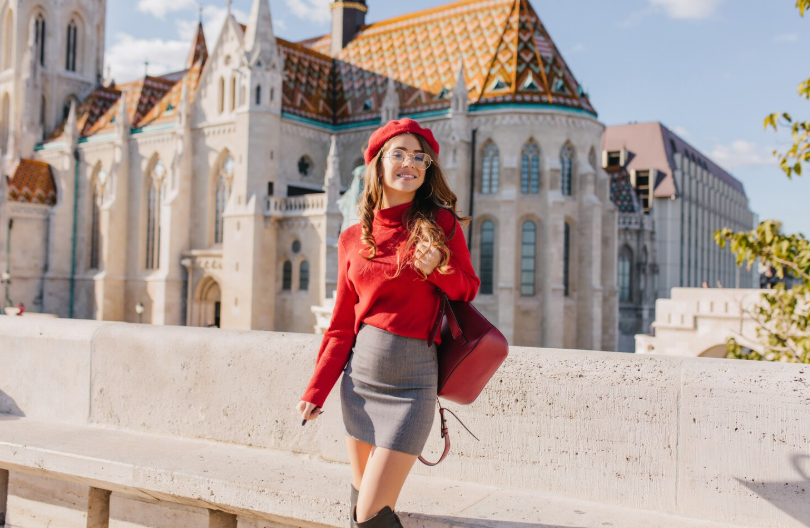
Europe’s royal cities stand as living testaments to centuries of power, culture, and refinement. For today’s discerning traveler, these destinations offer far more than historical landmarks—they provide immersive experiences that connect past grandeur with modern luxury. Exclusive heritage tours across Europe’s royal capitals allow company directors and global professionals to explore the continent through a lens of prestige, access, and cultural depth.
From private palace visits to curator-led museum experiences, these journeys redefine travel by offering privileged insight into Europe’s aristocratic legacy. They are not simply trips—they are curated narratives of history, influence, and timeless elegance.
The Rise of Curated Heritage Travel
Luxury travel has evolved significantly in recent years, shifting from standardized itineraries to highly personalized experiences. Heritage tours, particularly in royal cities, are at the forefront of this transformation. Travelers are seeking deeper connections—access to spaces typically closed to the public, expert-led storytelling, and seamless integration of comfort and exclusivity.
This demand has led to the creation of bespoke itineraries that combine historical exploration with modern amenities, ensuring a balanced and enriching experience.
London: The Epicenter of Royal Tradition
London remains one of the most iconic royal cities in the world. With landmarks such as Buckingham Palace, Windsor Castle, and the Tower of London, the city offers unparalleled access to British royal history.
Exclusive tours may include private viewings of royal collections, behind-the-scenes access to historic estates, and guided experiences led by historians specializing in the British monarchy. Beyond the landmarks, London’s cultural institutions and refined hospitality elevate the overall experience.
Paris: Imperial Grandeur and Cultural Prestige
While often associated with art and romance, Paris also holds a rich royal and imperial history. The Palace of Versailles stands as a symbol of opulence and power, offering an extraordinary glimpse into the lives of French royalty.
Private tours of Versailles, including restricted areas and after-hours access, provide a unique perspective on the grandeur of the French court. Combined with Paris’s world-class dining and cultural scene, the city delivers a sophisticated heritage experience.
Vienna: The Legacy of the Habsburg Empire
Vienna’s imperial past is deeply embedded in its architecture, music, and cultural traditions. The Schönbrunn and Hofburg palaces serve as focal points for understanding the influence of the Habsburg dynasty.
Exclusive experiences in Vienna may include private concerts, guided palace tours, and curated visits to historic cafés that once hosted influential figures. The city’s elegance and organization make it particularly appealing for extended cultural exploration.
Madrid: Royal Heritage with Contemporary Energy
Madrid offers a dynamic blend of royal history and modern vibrancy. The Royal Palace of Madrid, one of the largest in Europe, provides a comprehensive view of Spain’s monarchical legacy.
Heritage tours often include access to private collections, expert-led art tours at the Prado Museum, and exclusive culinary experiences that reflect Spain’s rich traditions. Madrid’s energy adds a contemporary dimension to its historical narrative.
Prague: A Fairytale Royal Setting
Prague’s charm lies in its well-preserved medieval architecture and its historic role as a royal city. Prague Castle, one of the largest castle complexes in the world, serves as a central highlight.
Private tours through the castle, along with guided walks through the Old Town, offer a captivating journey through centuries of history. The city’s atmosphere enhances the sense of stepping into a living fairytale.
Defining Elements of Exclusive Heritage Tours
What distinguishes a truly exceptional heritage tour is the level of access and personalization. Key elements include:
- Private or after-hours access to major landmarks and palaces
- Expert guides with specialized historical knowledge
- Customized itineraries tailored to individual interests
- Luxury accommodations in historically significant properties
- Seamless logistics and concierge-level service
These components ensure that each journey is both informative and indulgent, providing a comprehensive understanding of Europe’s royal heritage.
Strategic Value for Business Leaders
For company directors and executives, heritage tours offer more than cultural enrichment—they provide strategic value. Exposure to historical centers of power and influence can inspire new perspectives on leadership, governance, and innovation.
Additionally, these settings offer unique opportunities for hosting high-level meetings or retreats, combining professional objectives with memorable experiences.
Planning a Seamless Experience
Executing an exclusive heritage tour requires careful planning and expert coordination. Working with specialized travel advisors ensures access to restricted sites, premium accommodations, and tailored experiences.
Considerations such as timing, seasonal events, and personal preferences play a critical role in maximizing the value of the journey.
Final Thoughts
Exclusive heritage tours through Europe’s royal cities represent the pinnacle of cultural travel. By combining historical depth with modern luxury, these experiences offer a refined way to explore the continent’s most iconic destinations.
For those seeking to elevate their travel experiences, these tours provide unparalleled access, insight, and inspiration—transforming each journey into a meaningful exploration of Europe’s enduring legacy.
Stay Connected for More Travel and Lifestyle Inspiration. For more insights into travel, culture, and lifestyle tips, follow me on @salvadorordorica. If you’re seeking professional translation and localization services to enhance your global ventures, visit The Spanish Group — your trusted partner in bridging cultures worldwide.
by Dulce Navarro | Apr 7, 2026 | Countries, Europe, Experiences, Landscapes, Lifestyle, Nature, Travel
Europe’s Most Scenic Peninsula Escapes
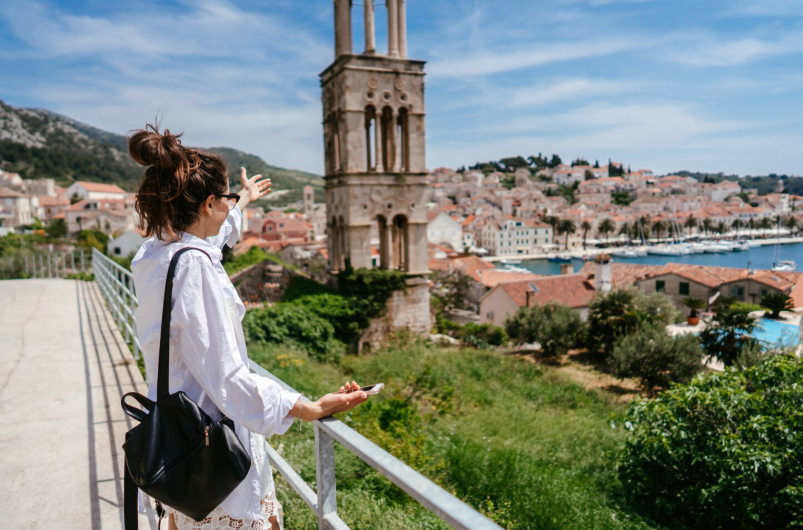
Europe’s geography offers an extraordinary variety of landscapes, and among its most captivating features are its peninsulas—distinct landforms where culture, history, and natural beauty converge. For the discerning traveler, these destinations offer a refined alternative to traditional city-focused itineraries, combining coastal elegance, cultural depth, and a sense of exclusivity that defines modern luxury travel.
From the Mediterranean to the Atlantic, Europe’s peninsulas provide an ideal setting for immersive experiences. Whether for leisure, inspiration, or strategic retreats, these regions deliver a unique blend of tranquility and sophistication.
The Allure of Peninsula Travel
Peninsulas offer a rare combination of accessibility and seclusion. Surrounded by water on most sides, they naturally create environments that feel both expansive and intimate. This geographic advantage translates into stunning panoramic views, diverse microclimates, and a strong connection to maritime culture.
For executives and global travelers, these destinations provide a balanced experience—offering opportunities for relaxation while maintaining access to high-end infrastructure and services.
Amalfi Coast, Italy: Iconic Mediterranean Elegance
The Amalfi Coast stands as one of Europe’s most celebrated peninsula escapes. Known for its dramatic cliffs, vibrant villages, and azure waters, this region exemplifies Italian sophistication.
Visitors can explore charming towns such as Positano and Ravello, enjoy private yacht excursions, and indulge in world-class cuisine. The combination of natural beauty and cultural richness makes the Amalfi Coast a timeless destination.
Cap d’Antibes, France: Riviera Refinement
Located along the French Riviera, Cap d’Antibes offers a more secluded alternative to nearby hotspots. Its lush landscapes, luxury villas, and pristine beaches create an environment of understated elegance.
Travelers can enjoy exclusive beach clubs, coastal walks, and fine dining experiences, all within a setting that prioritizes privacy and refinement.
Sintra-Cascais Peninsula, Portugal: Nature and Heritage
The Sintra-Cascais region combines natural beauty with historical significance. From the fairytale palaces of Sintra to the rugged coastline of Cascais, this peninsula offers a diverse range of experiences.
Luxury travelers can explore UNESCO World Heritage sites, enjoy scenic drives, and experience the region’s unique blend of culture and landscape.
Dingle Peninsula, Ireland: Untamed Beauty
For those seeking a more rugged and authentic experience, the Dingle Peninsula in Ireland provides breathtaking scenery and a deep connection to local traditions. Rolling hills, dramatic cliffs, and vibrant communities define this destination.
Visitors can engage with local culture, enjoy fresh seafood, and explore one of Europe’s most unspoiled coastal regions.
Istrian Peninsula, Croatia: Emerging Luxury Destination
The Istrian Peninsula is gaining recognition as a premier destination for luxury travel. Known for its picturesque towns, culinary excellence, and Adriatic coastline, it offers a sophisticated yet relaxed atmosphere.
Wine tastings, truffle hunting, and coastal exploration are among the highlights, making Istria a compelling choice for those seeking something beyond the mainstream.
What Defines a Refined Peninsula Escape?
While each destination offers its own character, several elements define a truly exceptional peninsula experience:
- Stunning coastal landscapes and panoramic views
- Exclusive accommodations, including villas and boutique hotels
- Access to private maritime experiences such as яхтинг and sailing
- High-quality culinary offerings rooted in local traditions
- Opportunities for cultural immersion and exploration
These features ensure that travelers can enjoy both relaxation and enrichment in a single journey.
Strategic Value for Corporate Travelers
Peninsula destinations are increasingly being selected for corporate retreats and executive getaways. Their unique environments foster creativity, strategic thinking, and meaningful connections.
With access to luxury accommodations and tailored experiences, these regions provide an ideal setting for both professional and personal growth.
Planning the Ideal Peninsula Experience
To fully appreciate Europe’s peninsula escapes, thoughtful planning is essential. Factors such as seasonality, accessibility, and personal preferences should guide the selection process.
Working with experienced travel advisors can help secure exclusive access and ensure a seamless experience, from transportation to curated activities.
Final Thoughts
Europe’s most scenic peninsula escapes offer a compelling blend of natural beauty, cultural richness, and refined luxury. For those seeking destinations that go beyond the ordinary, these regions provide an unparalleled opportunity to experience the continent from a unique perspective.
Whether for leisure or professional purposes, these escapes represent the future of sophisticated travel—where exclusivity, authenticity, and meaningful experiences take center stage.
Stay Connected for More Travel and Lifestyle Inspiration. For more insights into travel, culture, and lifestyle tips, follow me on @salvadorordorica. If you’re seeking professional translation and localization services to enhance your global ventures, visit The Spanish Group — your trusted partner in bridging cultures worldwide.
by Dulce Navarro | Apr 7, 2026 | Countries, Culture, Education, Europe, Experiences, Lifestyle, Travel
The Art of Extended Stays in Europe’s Cultural Centers
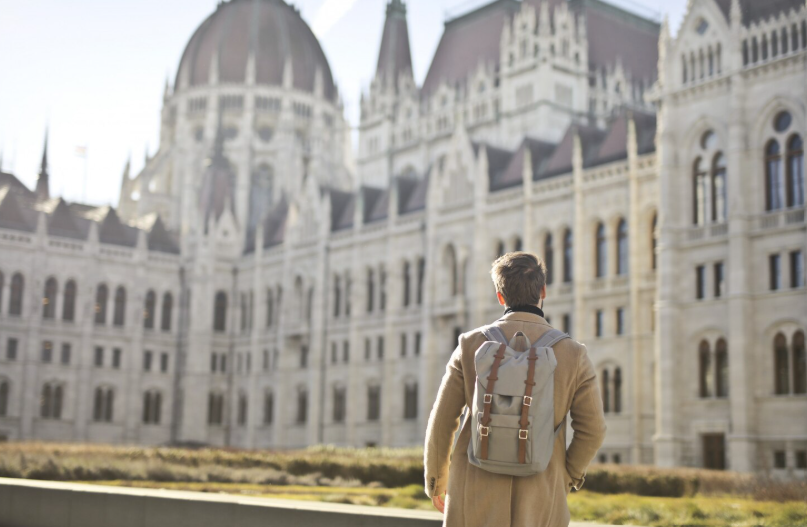
In today’s evolving landscape of luxury travel, extended stays have become a defining trend among global executives, entrepreneurs, and culturally curious travelers. Rather than brief visits, discerning individuals are choosing to immerse themselves in Europe’s most iconic cultural centers for weeks or even months at a time. This approach transforms travel into a more meaningful, enriching, and productive experience.
From Paris and Rome to Vienna and Barcelona, extended stays allow travelers to move beyond surface-level tourism and develop a deeper connection with the cities they visit. For company directors and professionals balancing work and lifestyle, this model offers a unique blend of cultural immersion, comfort, and operational flexibility.
Why Extended Stays Are Redefining Luxury Travel
Luxury is no longer defined solely by opulence—it is increasingly characterized by time, privacy, and personalization. Extended stays provide the opportunity to slow down and experience a destination at a more natural pace. Instead of rushing through landmarks, travelers can explore neighborhoods, build routines, and engage with local communities.
This approach also supports a more balanced lifestyle, allowing individuals to maintain professional responsibilities while enjoying the cultural richness of their surroundings. With the rise of remote work and global business operations, extended stays have become both practical and desirable.
Choosing the Right Cultural Hub
Selecting the ideal destination is essential to a successful extended stay. Europe offers a diverse array of cultural centers, each with its own unique character and advantages.
Paris: Timeless Elegance and Intellectual Energy
Paris remains a top choice for extended stays due to its unparalleled blend of art, history, and lifestyle. The city’s neighborhoods offer distinct atmospheres, from the historic charm of Le Marais to the refined sophistication of Saint-Germain-des-Prés.
Long-term visitors can enjoy daily café culture, access to world-class museums, and a vibrant intellectual scene that fosters creativity and inspiration.
Rome: Living History and Cultural Depth
Rome provides an immersive experience where history is woven into everyday life. Extended stays allow travelers to explore beyond the major landmarks and discover hidden gems, local trattorias, and authentic cultural traditions.
The city’s slower pace encourages reflection and appreciation, making it ideal for those seeking a deeper connection with history and heritage.
Vienna: Structure, Culture, and Quality of Life
Vienna offers a unique combination of cultural sophistication and exceptional quality of life. Known for its music, architecture, and efficient infrastructure, the city is particularly well-suited for professionals who value organization and accessibility.
Extended stays in Vienna provide access to world-class performances, elegant cafés, and a well-balanced urban environment.
Barcelona: Creativity and Coastal Living
Barcelona stands out for its dynamic energy and Mediterranean lifestyle. The city’s blend of art, architecture, and seaside living creates an inspiring environment for extended stays.
Visitors can enjoy a mix of professional productivity and leisure, with opportunities to explore cultural landmarks, beaches, and a thriving culinary scene.
Accommodation: Beyond Traditional Hotels
One of the key elements of a successful extended stay is choosing the right accommodation. While luxury hotels offer exceptional service, many travelers opt for serviced apartments, boutique residences, or private rentals that provide a more residential experience.
These options often include fully equipped kitchens, dedicated workspaces, and additional privacy, making them ideal for longer durations. Personalized services such as housekeeping, concierge support, and security ensure that comfort and convenience are maintained.
Integrating Work and Lifestyle
Extended stays are particularly appealing to professionals who need to balance work commitments with travel. Europe’s cultural centers are well-equipped with modern infrastructure, including high-speed internet, co-working spaces, and business services.
Establishing a routine—such as morning work sessions followed by afternoon exploration—allows travelers to remain productive while fully enjoying their surroundings. This integration of work and lifestyle enhances both efficiency and well-being.
Cultural Immersion and Personal Enrichment
The true value of an extended stay lies in the opportunity for cultural immersion. Language learning, participation in local events, and engagement with community activities all contribute to a deeper understanding of the destination.
Whether attending art exhibitions, enrolling in cooking classes, or simply interacting with locals, these experiences create lasting memories and broaden perspectives.
Practical Considerations for Extended Stays
Successful long-term travel requires careful planning. Key considerations include visa requirements, healthcare access, and financial management. Many European countries offer visa options tailored to extended stays, making it easier for travelers to remain for longer periods.
Working with experienced travel advisors and legal professionals can help navigate these requirements and ensure a seamless experience.
The Strategic Advantage for Business Leaders
For company directors, extended stays offer more than personal enrichment—they provide strategic advantages. Exposure to different markets, cultures, and business environments can inspire innovation and inform decision-making.
Additionally, the ability to host meetings or collaborate internationally while based in a culturally rich environment adds a unique dimension to professional activities.
Final Thoughts
The art of extended stays in Europe’s cultural centers represents a shift toward more intentional and meaningful travel. By combining professional flexibility with cultural immersion, this approach offers a refined way to experience the world.
For those seeking to elevate their travel experiences, extended stays provide an opportunity to connect more deeply with destinations, enhance personal and professional growth, and redefine what it means to travel in luxury.
Stay Connected for More Travel and Lifestyle Inspiration. For more insights into travel, culture, and lifestyle tips, follow me on @salvadorordorica. If you’re seeking professional translation and localization services to enhance your global ventures, visit The Spanish Group — your trusted partner in bridging cultures worldwide.

by Dulce Navarro | Apr 6, 2026 | Countries, Europe, Experiences, Lifestyle, Luxury, Travel
Discreet Luxury Resorts in Europe’s Alpine Regions
In an era where luxury is increasingly defined by privacy, personalization, and authenticity, Europe’s Alpine regions have emerged as premier destinations for discreet high-end travel. Far from the overt glamour of crowded hotspots, these refined mountain retreats offer an understated elegance that appeals to discerning travelers seeking tranquility, exclusivity, and world-class service.
Nestled among snow-capped peaks, pristine forests, and charming alpine villages, these resorts combine natural beauty with exceptional hospitality. For company directors, executives, and global travelers, they provide the perfect balance between relaxation, strategic reflection, and refined lifestyle experiences.
The New Definition of Alpine Luxury
Luxury in the Alps has evolved beyond traditional ski resorts. Today’s most sought-after destinations emphasize discretion, offering private chalets, boutique hotels, and curated experiences that prioritize guest privacy.
These resorts are designed to provide a seamless experience, where every detail—from personalized concierge services to tailored wellness programs—is carefully managed. The focus is on creating a serene environment where guests can disconnect from the demands of daily life while enjoying the highest standards of comfort.
Switzerland: Precision, Privacy, and Prestige
Switzerland remains synonymous with alpine luxury. Destinations such as St. Moritz, Zermatt, and Gstaad are known for their impeccable service, world-class infrastructure, and commitment to discretion.
Many resorts in these areas offer private villas, ski-in/ski-out access, and exclusive amenities such as personal chefs, chauffeurs, and wellness specialists. The combination of natural beauty and meticulous attention to detail ensures an unparalleled experience.
France: Sophisticated Charm in the Alps
The French Alps offer a blend of elegance and cultural richness. Resorts in Courchevel, Megève, and Val d’Isère provide luxurious accommodations alongside gourmet dining and vibrant après-ski scenes.
For those seeking discretion, many properties offer secluded chalets and private services that allow guests to enjoy the region’s offerings without the crowds. Michelin-starred restaurants and curated experiences further enhance the appeal.
Italy: Warmth and Refined Simplicity
Italy’s alpine regions, particularly the Dolomites, are celebrated for their unique combination of natural beauty and understated luxury. Resorts here emphasize warmth, authenticity, and attention to detail.
Guests can enjoy bespoke experiences such as private guided hikes, exclusive wine tastings, and spa treatments that incorporate local traditions. The Italian approach to hospitality ensures a welcoming and memorable stay.
Austria: Tradition Meets Modern Comfort
Austria’s alpine resorts offer a harmonious blend of tradition and modernity. Destinations like Lech and Kitzbühel are known for their charming architecture, exceptional service, and commitment to quality.
Many resorts provide a more intimate atmosphere, with a focus on personalized service and cultural authenticity. This makes Austria an ideal choice for travelers seeking a refined yet approachable luxury experience.
Wellness and Rejuvenation at Altitude
One of the defining features of alpine luxury resorts is their emphasis on wellness. High-altitude environments are naturally conducive to relaxation and rejuvenation, and many properties have developed comprehensive wellness programs to complement this setting.
From state-of-the-art spas and thermal baths to personalized fitness and nutrition plans, these resorts offer holistic experiences designed to restore both body and mind. Private yoga sessions, meditation retreats, and tailored treatments are often available.
Discretion as a Core Luxury Element
For high-profile travelers, discretion is often the most valuable luxury. Alpine resorts excel in this area, offering private entrances, confidential concierge services, and staff trained to maintain the highest levels of privacy.
This focus on discretion allows guests to fully relax and enjoy their surroundings without concern, making these destinations particularly attractive for executives and public figures.
Seasonal Appeal Beyond Winter
While the Alps are traditionally associated with winter sports, they offer equally compelling experiences during the warmer months. Summer brings opportunities for hiking, cycling, and exploring the region’s natural beauty.
Many resorts adapt their offerings to the season, providing year-round luxury experiences that cater to a wide range of interests. This versatility enhances their appeal as destinations for both leisure and corporate retreats.
Ideal for Corporate Retreats and Strategic Escapes
Discreet alpine resorts are increasingly being chosen for corporate retreats and executive gatherings. Their serene environments and exclusive facilities create an ideal setting for strategic discussions, team building, and client engagement.
Customized programs can include private meeting spaces, curated activities, and tailored dining experiences, ensuring that every aspect of the retreat aligns with the organization’s objectives.
Planning a Discreet Alpine Experience
To fully benefit from what these resorts offer, careful planning is essential. Engaging with specialized travel advisors can help secure access to the most exclusive properties and experiences.
Factors such as location, season, and specific preferences should be considered to create a tailored itinerary that meets the highest standards of luxury and discretion.
Final Thoughts
Discreet luxury resorts in Europe’s Alpine regions represent the pinnacle of refined travel. By combining natural beauty, exceptional service, and a commitment to privacy, they offer an experience that is both sophisticated and deeply restorative.
For those seeking a destination that aligns with modern definitions of luxury—where discretion, personalization, and authenticity take precedence—the Alps provide an unparalleled setting.
Stay Connected for More Travel and Lifestyle Inspiration. For more insights into travel, culture, and lifestyle tips, follow me on @salvadorordorica. If you’re seeking professional translation and localization services to enhance your global ventures, visit The Spanish Group — your trusted partner in bridging cultures worldwide.

by Dulce Navarro | Apr 1, 2026 | Countries, Culture, Education, Europe, Experiences, holiday, Lifestyle, Traditions, Travel
Europe’s Most Refined Cultural Festivals Beyond the Mainstream
Europe’s cultural calendar is renowned for its grand, internationally recognized festivals—from Cannes to Oktoberfest. However, beyond these globally celebrated events lies a more discreet and refined layer of cultural experiences. These lesser-known festivals offer a sophisticated blend of heritage, artistry, and authenticity, often set in picturesque locations and attended by discerning audiences.
For those seeking immersive and elevated cultural encounters, Europe’s hidden festivals present an opportunity to engage deeply with local traditions while avoiding the overwhelming crowds associated with mainstream events.
Festival della Valle d’Itria, Italy
Held annually in the charming town of Martina Franca in southern Italy, the Festival della Valle d’Itria is a celebration of opera and classical music with a focus on rare and rediscovered works. Established in 1975, the festival has built a reputation for artistic excellence and innovation, attracting connoisseurs from around the world.
Performances take place in historic venues such as the Palazzo Ducale, offering an intimate and acoustically rich environment. The festival’s commitment to reviving lesser-known operas makes it a unique cultural experience for seasoned enthusiasts.
Ravenna Festival, Italy
The Ravenna Festival is a multidisciplinary celebration encompassing music, dance, and theater. Located in the historic city of Ravenna, known for its Byzantine mosaics, the festival seamlessly blends contemporary performances with centuries-old artistic traditions.
With a program that spans classical concerts, avant-garde productions, and international collaborations, the Ravenna Festival appeals to a diverse yet refined audience. Its emphasis on cultural dialogue and artistic innovation distinguishes it from more commercialized events.
Festival de Pollença, Spain
Set in the serene surroundings of Mallorca, the Festival de Pollença is one of Spain’s most elegant classical music festivals. Hosted in the cloisters of the Santo Domingo monastery, the festival offers a tranquil and intimate setting that enhances the musical experience.
Featuring internationally acclaimed musicians and orchestras, the event attracts a sophisticated audience seeking high-quality performances in a relaxed Mediterranean atmosphere.
Stresa Festival, Italy
Located on the shores of Lake Maggiore, the Stresa Festival is celebrated for its stunning natural backdrop and exceptional musical programming. Since its inception in 1961, the festival has hosted some of the world’s leading orchestras and soloists.
The combination of scenic beauty and artistic excellence creates a uniquely refined ambiance, making it a favored destination for cultural travelers seeking both inspiration and tranquility.
Ljubljana Festival, Slovenia
The Ljubljana Festival is one of Central Europe’s most distinguished yet understated cultural events. Taking place in Slovenia’s capital, the festival features a wide array of performances, including opera, ballet, symphonic music, and theater.
Its open-air venues, such as Congress Square and Ljubljana Castle, provide a magical setting that enhances the overall experience. The festival’s accessibility and high artistic standards make it a hidden gem for international visitors.
Festival Internacional de Santander, Spain
Held in the coastal city of Santander, this festival is a cornerstone of Spain’s classical music scene. The Festival Internacional de Santander presents a rich program of concerts, dance performances, and theatrical productions.
Despite its long history and cultural significance, it remains relatively under the radar, offering attendees a more intimate and refined experience compared to larger European festivals.
Why Choose Refined, Lesser-Known Festivals?
Opting for these more discreet cultural events offers several advantages:
- Exclusive and intimate settings
- High artistic quality without overcrowding
- Authentic engagement with local culture
- Opportunities to discover emerging talent and rare performances
These festivals often prioritize artistic integrity over commercial appeal, resulting in thoughtfully curated programs that resonate with culturally sophisticated audiences.
Final Thoughts
Europe’s most refined cultural festivals beyond the mainstream offer a compelling alternative to widely publicized events. They provide a deeper, more meaningful connection to the continent’s rich artistic heritage while maintaining an atmosphere of elegance and exclusivity.
For the well-traveled individual, these hidden festivals represent an opportunity to experience culture at its finest—where tradition, innovation, and authenticity converge in unforgettable settings.
Stay Connected for More Travel and Lifestyle Inspiration. For more insights into travel, culture, and lifestyle tips, follow me on
@salvadorordorica. If you’re seeking professional translation and localization services to enhance your global ventures, visit
The Spanish Group — your trusted partner in bridging cultures worldwide.
