by Dulce Navarro | Mar 6, 2026 | Culture, Europe, Experiences, Lifestyle, Luxury, Travel
Discreet Island Retreats Across the Mediterranean
The Mediterranean’s Quiet Side of Luxury
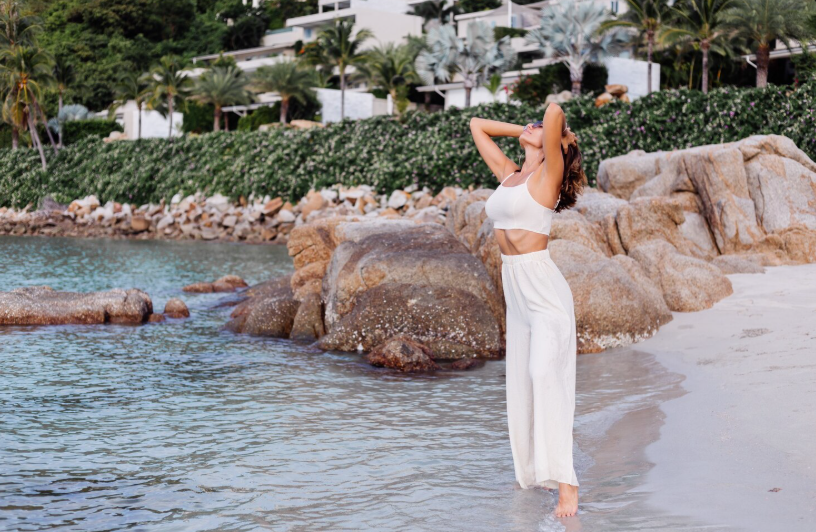
For generations, the Mediterranean has symbolized beauty, culture, and effortless luxury. Yet beyond its famous coastal resorts and bustling beach clubs lies a quieter dimension of travel—one defined by privacy, elegance, and meaningful connection to place. Discreet island retreats across the Mediterranean offer a refined alternative to the more publicized destinations that often dominate travel itineraries.
These islands provide travelers with something increasingly rare: the opportunity to slow down and experience the Mediterranean at a more thoughtful pace. Instead of crowded marinas and busy promenades, visitors encounter tranquil harbors, family-run tavernas, ancient landscapes, and boutique accommodations that prioritize authenticity over spectacle.
For seasoned travelers who value atmosphere and cultural depth, the Mediterranean’s lesser-known islands deliver a uniquely rewarding experience.
Why Discretion Defines True Mediterranean Luxury
Luxury travel has evolved significantly in recent years. While five-star hotels and glamorous destinations remain appealing, many experienced travelers are now seeking something deeper: privacy, authenticity, and immersion in local culture.
Discreet Mediterranean islands offer exactly that. Rather than focusing on display, they emphasize atmosphere, heritage, and understated sophistication. Guests can spend their days wandering historic villages, enjoying long seaside lunches, or sailing between quiet coves without the pressures of crowded tourism.
This shift toward quiet luxury reflects a broader trend in travel. Instead of ticking off landmarks, travelers are curating experiences that prioritize calm environments, meaningful interactions, and memorable landscapes.
Favignana: Sicily’s Elegant Escape
Located just off the western coast of Sicily, Favignana is one of the Mediterranean’s most charming yet understated island retreats. Known for its crystal-clear waters and historic tuna fisheries, the island offers a distinctive blend of maritime heritage and relaxed elegance.
Visitors typically explore Favignana by bicycle, following scenic coastal paths that reveal secluded beaches and turquoise coves. The island’s historic town center features pastel-colored buildings, family-owned restaurants, and lively piazzas where locals gather in the evenings.
Boutique hotels and restored villas provide accommodations that balance comfort with authenticity, allowing guests to experience Sicilian culture in an intimate setting. Dining is naturally centered around seafood, with fresh tuna, grilled fish, and local wines defining the island’s culinary identity.
Hydra: Greece Without the Noise
In Greece, the island of Hydra offers a remarkable example of timeless Mediterranean elegance. Located within easy reach of Athens, Hydra has managed to preserve its historic character while maintaining a distinctly refined atmosphere.
One of Hydra’s defining features is its ban on motor vehicles. Transportation across the island relies on walking, boats, and donkeys, which contributes to its peaceful ambiance. The island’s harbor is lined with beautiful stone mansions that date back to the 18th and 19th centuries, reflecting Hydra’s rich maritime past.
Today, the island attracts artists, writers, and travelers seeking inspiration in its tranquil surroundings. Elegant guesthouses, seaside cafés, and small art galleries contribute to Hydra’s creative spirit while maintaining its reputation as a destination of quiet sophistication.
Formentera: The Refined Side of the Balearic Islands
Often overshadowed by its lively neighbor Ibiza, Formentera represents a different side of the Balearic Islands—one defined by natural beauty and understated charm. With its turquoise waters and pristine beaches, the island offers a relaxed atmosphere that appeals to travelers who appreciate privacy and tranquility.
Formentera’s landscape is characterized by pine forests, sandy dunes, and traditional whitewashed houses that blend seamlessly with the environment. Cycling routes connect small villages and scenic viewpoints, making exploration both easy and enjoyable.
The island’s boutique hotels and beachfront restaurants emphasize sustainability and simplicity. Long lunches overlooking the sea, sunset walks along quiet beaches, and boat excursions to hidden coves define the Formentera experience.
Vis: Croatia’s Understated Adriatic Gem
Croatia’s coastline has become increasingly popular in recent years, but the island of Vis remains one of the Adriatic’s most discreet retreats. Once closed to foreign visitors during the Yugoslav era due to its strategic military importance, Vis has retained a level of authenticity that distinguishes it from more developed destinations.
The island’s charm lies in its simplicity. Stone villages, vineyards, olive groves, and secluded beaches create a landscape that feels both historic and untouched. Visitors often spend their days exploring coastal caves, sailing around the island’s dramatic cliffs, or enjoying fresh seafood in family-run konobas.
Vis also serves as a gateway to the nearby Blue Cave on the island of Biševo, a natural phenomenon where sunlight reflects through the water to illuminate the cave with an otherworldly blue glow.
Pantelleria: Italy’s Secret Volcanic Island
Situated between Sicily and Tunisia, Pantelleria offers one of the Mediterranean’s most distinctive landscapes. Formed by volcanic activity, the island features dramatic cliffs, lava stone terraces, and natural hot springs that have attracted visitors for centuries.
Pantelleria’s traditional dammusi houses—constructed from lava stone with white domed roofs—have been carefully restored into elegant private residences and boutique accommodations. These properties provide remarkable privacy while blending seamlessly with the island’s rugged environment.
The island’s cuisine reflects its unique geographic position, combining Italian and North African influences. Capers, olives, seafood, and locally produced wines create a culinary identity that is both distinctive and memorable.
The Appeal of Slow Mediterranean Travel
One of the greatest advantages of visiting discreet Mediterranean islands is the opportunity to embrace slower travel. Without the pressures of crowded itineraries or busy tourist hubs, visitors can engage more deeply with their surroundings.
Morning swims in secluded coves, leisurely market visits, sunset dinners overlooking the sea, and conversations with local artisans all contribute to a richer travel experience. These moments, though simple, often become the most memorable aspects of a journey.
For travelers seeking balance and inspiration, such environments offer a refreshing contrast to the fast pace of modern life.
Choosing the Right Island Retreat
Selecting the ideal Mediterranean island retreat ultimately depends on personal travel preferences. Some travelers may prioritize cultural history and architecture, while others may seek pristine beaches or culinary experiences.
What unites the Mediterranean’s most discreet islands is their commitment to authenticity. These destinations resist overdevelopment and instead celebrate their natural landscapes, historic traditions, and local communities.
For those who value elegance without excess, these island retreats offer the perfect setting for meaningful exploration and quiet luxury.
Conclusion
Discreet island retreats across the Mediterranean represent a different philosophy of travel—one that prioritizes atmosphere, authenticity, and thoughtful discovery. By stepping away from the region’s most crowded destinations, travelers can uncover islands that remain deeply connected to their heritage and landscapes.
From the volcanic beauty of Pantelleria to the historic harbor of Hydra and the serene beaches of Formentera, these islands demonstrate that true luxury often lies in simplicity and privacy.
For experienced travelers seeking elegance without spectacle, the Mediterranean’s quieter islands continue to offer some of the most rewarding journeys in Europe.
Stay Connected for More Travel and Lifestyle Inspiration
Stay Connected for More Travel and Lifestyle Inspiration. For more insights into travel, culture, and lifestyle tips, follow me on Instagram
@salvadorordorica. If you’re seeking professional translation and localization services to enhance your global ventures, visit
The Spanish Group — your trusted partner in bridging cultures worldwide.
by Dulce Navarro | Mar 6, 2026 | Culture, Europe, Experiences, Lifestyle, Luxury, Travel
Europe’s Finest Boutique Hotels for Design-Conscious Travelers
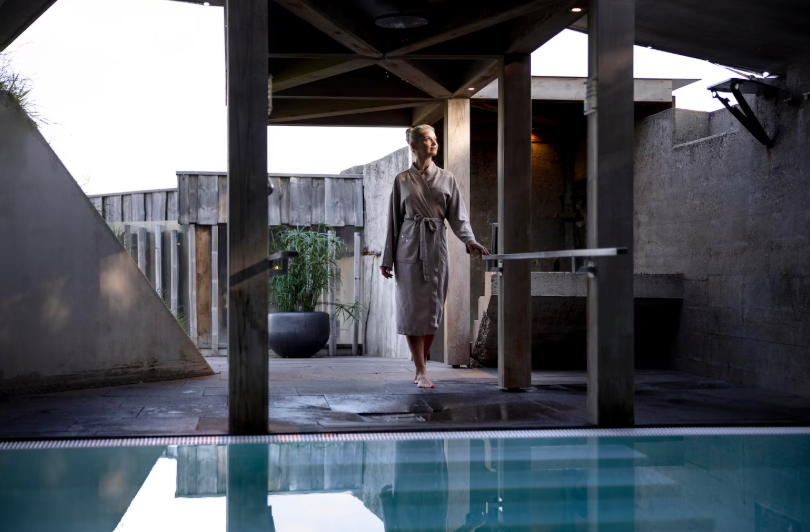
Europe has long been synonymous with elegance, artistry, and architectural brilliance. For travelers who appreciate thoughtful design, intimate atmospheres, and curated aesthetics, boutique hotels provide a unique alternative to traditional luxury accommodations. These smaller, design-forward properties often reflect the culture, history, and creative energy of their locations while offering highly personalized service. From historic palazzos reimagined by renowned architects to avant-garde urban retreats, Europe’s finest boutique hotels offer unforgettable experiences for design-conscious travelers.
The Appeal of Boutique Design Hotels
Boutique hotels distinguish themselves through individuality. Unlike large international chains, these properties typically feature fewer rooms and prioritize distinctive character over standardized layouts. Designers often collaborate with local artisans, architects, and artists to create spaces that feel authentic and immersive. Every detail—from the choice of materials to lighting design and custom furniture—contributes to an atmosphere that blends comfort with aesthetic sophistication.
For modern travelers who value creativity and authenticity, boutique hotels offer more than just a place to sleep. They serve as cultural gateways where design, hospitality, and storytelling intersect. Guests can experience interiors that reflect regional traditions while embracing contemporary innovation.
Architectural Heritage Meets Modern Design
One of the most fascinating aspects of Europe’s boutique hotel scene is the seamless integration of historic architecture with modern design sensibilities. Many of the continent’s most remarkable boutique properties are housed in restored historic buildings such as centuries-old mansions, monasteries, or palaces.
Designers carefully preserve original elements like stone facades, frescoed ceilings, and ornate staircases while introducing contemporary features such as minimalist furniture, sculptural lighting, and modern art installations. The result is a harmonious blend of past and present, where guests can appreciate historical craftsmanship while enjoying modern comfort and functionality.
This balance between heritage and innovation reflects Europe’s broader design philosophy: honoring tradition while continually evolving.
Paris: Where Fashion and Interior Design Converge
Paris remains a global epicenter for art, fashion, and interior design, making it an ideal destination for travelers seeking aesthetically exceptional accommodations. Boutique hotels throughout the city often collaborate with prominent designers and architects to craft visually striking environments.
Many Parisian boutique properties feature elegant Haussmann-style architecture paired with contemporary interiors that showcase custom furnishings, curated art collections, and luxurious textiles. Designers frequently incorporate subtle references to French craftsmanship, including marble bathrooms, brass accents, and handcrafted woodwork.
Staying in a design-focused boutique hotel in Paris offers guests the opportunity to immerse themselves in the city’s sophisticated creative culture while enjoying intimate hospitality and refined comfort.
Milan: A Capital of Contemporary Style
As the global capital of fashion and design, Milan naturally hosts some of Europe’s most visually inspiring boutique hotels. Many properties reflect the city’s innovative design scene, featuring interiors created by renowned Italian architects and designers.
Guests can expect bold geometric patterns, sleek furniture, dramatic lighting installations, and innovative material combinations such as glass, steel, and natural stone. These design elements reflect Milan’s reputation for pushing creative boundaries while maintaining a strong foundation in craftsmanship and quality.
For travelers attending events such as Milan Design Week or exploring the city’s galleries and showrooms, staying in a boutique design hotel provides an immersive extension of the local creative environment.
Barcelona: Artistic Energy and Architectural Influence
Barcelona’s architectural heritage—most famously represented by Antoni Gaudí—continues to inspire designers and hoteliers throughout the city. Boutique hotels in Barcelona frequently embrace bold artistic concepts, vibrant color palettes, and fluid architectural forms.
Many properties integrate local art into their interiors, featuring works by contemporary Catalan artists alongside custom-designed furniture and handcrafted décor. Rooftop terraces, open courtyards, and light-filled spaces further enhance the design experience while highlighting Barcelona’s Mediterranean atmosphere.
The result is an environment that celebrates creativity and cultural identity while offering a welcoming retreat for international travelers.
Scandinavian Minimalism in Northern Europe
For travelers who appreciate simplicity and clean lines, Northern Europe offers boutique hotels that exemplify Scandinavian design principles. Cities such as Copenhagen, Stockholm, and Oslo are known for their minimalist aesthetics, natural materials, and functional elegance.
Scandinavian boutique hotels often feature neutral color palettes, warm wood finishes, large windows that maximize natural light, and carefully selected furnishings that emphasize both comfort and craftsmanship. Sustainability also plays a central role in many Nordic properties, with eco-friendly materials and energy-efficient systems integrated into the overall design philosophy.
This understated elegance creates a calming environment where guests can unwind while appreciating thoughtful design and environmental responsibility.
Immersive Design Experiences
Many of Europe’s most exceptional boutique hotels extend their design philosophy beyond guest rooms. Public spaces such as lounges, libraries, and restaurants are carefully curated to create immersive environments where art, architecture, and hospitality intersect.
Guests might encounter rotating art exhibitions, custom-designed lighting installations, or curated design libraries that showcase local craftsmanship and creative talent. Some properties even collaborate with prominent designers or artists to periodically redesign rooms or create limited-edition suites.
These immersive experiences transform boutique hotels into living galleries where guests can engage with design in meaningful and inspiring ways.
Personalized Service and Intimate Atmosphere
In addition to their visual appeal, boutique hotels are known for providing highly personalized service. With fewer rooms and a more intimate setting, staff can offer tailored recommendations, curated experiences, and attentive hospitality that larger hotels often cannot match.
For design-conscious travelers, this personalized approach enhances the overall stay. Hotel teams often share insights about local design studios, architecture tours, art galleries, and hidden cultural landmarks, helping guests explore the creative essence of each destination.
The combination of thoughtful design and attentive service creates an experience that feels both exclusive and deeply authentic.
Choosing the Perfect Boutique Hotel
When selecting a boutique hotel in Europe, travelers should consider the design philosophy that resonates most with their personal style. Some properties emphasize historic grandeur and classical elegance, while others showcase contemporary minimalism or bold artistic expression.
Researching the architects or interior designers behind a property can provide valuable insight into its aesthetic vision. Travelers may also wish to explore hotels that collaborate with local artists or incorporate regional craftsmanship, ensuring a stay that reflects the cultural identity of the destination.
Ultimately, the finest boutique hotels combine exceptional design with comfort, service, and a strong sense of place.
The Future of Boutique Hospitality in Europe
The boutique hotel sector continues to evolve as travelers increasingly seek meaningful, personalized experiences. Designers and hoteliers are exploring new ways to integrate sustainability, technology, and artistic collaboration into hospitality spaces.
Adaptive reuse of historic buildings, partnerships with contemporary artists, and eco-conscious materials are becoming defining features of the next generation of boutique hotels. These innovations ensure that Europe will remain at the forefront of design-driven hospitality for years to come.
For travelers who appreciate architecture, creativity, and cultural authenticity, Europe’s finest boutique hotels offer far more than luxury accommodations—they provide immersive experiences that celebrate the art of design.
Stay Connected for More Travel and Lifestyle Inspiration. For more insights into travel, culture, and lifestyle tips, follow me on Instagram @salvadorordorica. If you’re seeking professional translation and localization services to enhance your global ventures, visit The Spanish Group — your trusted partner in bridging cultures worldwide.
by Dulce Navarro | Mar 4, 2026 | Culture, Europe, Experiences, Lifestyle, Luxury, Travel
The Most Exclusive Private Villas in Europe for Long-Term Luxury Stays
A New Standard of European Living
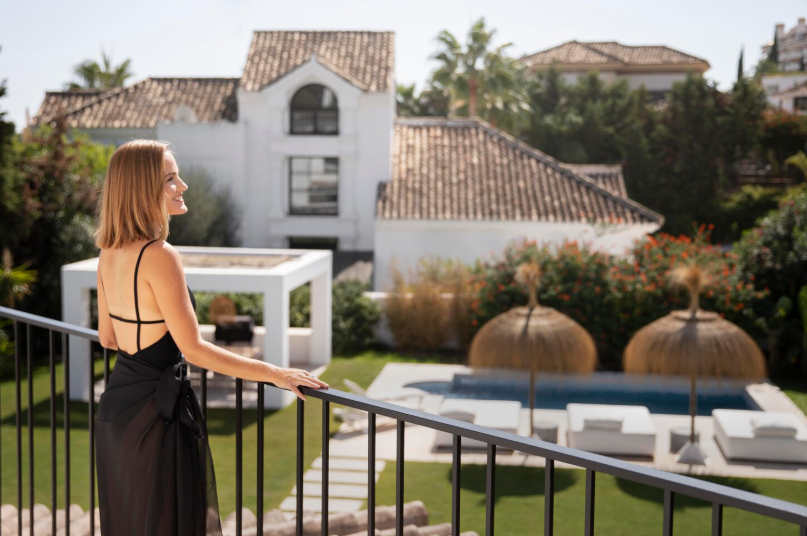
For seasoned travelers and global executives, luxury is no longer defined by fleeting indulgence but by immersion, privacy, and permanence. Across Europe, an increasing number of discerning individuals are choosing long-term stays in exclusive private villas rather than traditional five-star hotels. These estates offer space, discretion, architectural beauty, and a lifestyle that feels less like a visit and more like true European living.
From Mediterranean coastlines to vineyard-covered hills and alpine panoramas, Europe’s private villas provide an unparalleled blend of heritage, comfort, and modern refinement. For those seeking extended stays—whether for a season, a sabbatical, or a lifestyle shift—these properties represent the pinnacle of quiet luxury.
The French Riviera: Secluded Grandeur with Timeless Appeal
The French Riviera has long attracted royalty, artists, and international business leaders. Beyond the iconic hotels of Cannes and Monaco lies a portfolio of discreet private villas tucked into the hills of Cap Ferrat, Mougins, and Èze. These estates offer panoramic sea views, terraced gardens, infinity pools, and private staff quarters designed for seamless long-term residence.
Many villas here are architectural masterpieces—Belle Époque mansions restored with contemporary interiors or sleek modernist compounds blending glass, stone, and Mediterranean light. For long-term tenants, services often include private chefs, security teams, yacht access, and tailored concierge management, creating a fully integrated lifestyle rather than a temporary stay.
Tuscany: Vineyard Estates for Slow, Cultured Living
In Tuscany, exclusivity is expressed through landscape and legacy. Restored farmhouses and noble estates surrounded by olive groves and vineyards provide an entirely different rhythm of luxury. These villas are ideal for long-term stays focused on tranquility, gastronomy, and cultural depth.
Properties often feature original stonework, frescoed ceilings, and expansive grounds, paired with modern wellness amenities such as spa facilities, private gyms, and wine cellars. For professionals seeking a seasonal base, Tuscany offers proximity to Florence’s art and Milan’s business centers while preserving a peaceful countryside setting.
Lake Como: Refined Waterside Elegance
Lake Como represents one of Europe’s most prestigious addresses for extended villa living. Historic waterfront estates with private docks, manicured gardens, and sweeping mountain views create an atmosphere of cinematic serenity.
Long-term residents benefit from privacy, boat access, and proximity to Milan’s international airports and financial district. Interiors often combine neoclassical detailing with contemporary Italian design, resulting in spaces that are both stately and inviting. For those balancing work and leisure, Lake Como offers a rare equilibrium.
The Balearic Islands: Contemporary Privacy in the Mediterranean
Mallorca and Ibiza have evolved beyond seasonal tourism into destinations for sophisticated long-term residents. In the countryside of Mallorca or along Ibiza’s quieter northern coast, minimalist villas emphasize open-plan design, sustainable materials, and indoor-outdoor living.
These properties frequently incorporate solar energy systems, organic gardens, private wellness pavilions, and expansive terraces designed for sunset views. For executives working remotely or dividing time between continents, the Balearics provide both discretion and vibrant cultural life.
The Swiss Alps: Discreet Mountain Retreats
For those who prefer alpine landscapes, Switzerland’s luxury chalets in St. Moritz, Gstaad, and Verbier offer year-round appeal. Designed for long-term occupancy, these residences combine traditional craftsmanship with cutting-edge technology—wine rooms, cinema lounges, spa suites, and ski-in/ski-out access.
Security and privacy are paramount, making alpine villas particularly attractive to high-profile individuals. With exceptional infrastructure, international schools, and financial services nearby, the Swiss Alps present a practical yet indulgent base for extended stays.
Provence and Andalusia: Sun-Drenched Sophistication
Provence offers understated elegance through restored mas farmhouses framed by lavender fields and olive orchards. Interiors highlight natural materials—limestone floors, exposed beams, and neutral palettes—while modern additions ensure comfort for long-term living.
Similarly, southern Spain’s Andalusian estates combine Moorish architectural influences with expansive courtyards and gardens. These villas provide warmth, privacy, and a strong sense of regional identity. For those seeking slower, more contemplative luxury, both regions deliver authenticity alongside refinement.
What Defines a Truly Exclusive Long-Term Villa?
Exclusivity in this market extends beyond price or square footage. The most desirable villas share several defining qualities:
- Architectural Integrity: A balance between historic character and modern comfort.
- Privacy and Security: Gated access, advanced surveillance systems, and secluded locations.
- Full-Service Capability: Dedicated staff accommodations, property managers, and concierge teams.
- Wellness Infrastructure: Private spas, fitness studios, treatment rooms, and outdoor leisure areas.
- Accessibility: Proximity to international airports and major cultural centers.
These elements transform a property from a vacation rental into a residence suitable for months or years of refined European living.
The Strategic Appeal of Long-Term Luxury Stays
For business leaders and global citizens, long-term villa living in Europe is often a strategic decision. It allows families to integrate into local communities, access international schools, and maintain a European presence without permanent relocation.
Additionally, extended stays foster deeper cultural engagement—relationships with local artisans, seasonal market routines, and immersion in regional traditions. Rather than moving rapidly between destinations, residents experience Europe as insiders.
Investing in Experience Over Excess
The appeal of exclusive villas lies not in ostentation but in thoughtful design and meaningful experience. Whether overlooking the Mediterranean, nestled among vineyards, or framed by alpine peaks, these properties offer something increasingly rare: time and space to live deliberately.
As luxury travel continues to evolve, the demand for long-term private villas reflects a broader shift toward intentional living. Europe, with its diversity of landscapes and cultures within short distances, remains uniquely positioned to offer this elevated yet grounded lifestyle.
Conclusion
The most exclusive private villas in Europe are more than prestigious addresses—they are gateways to a refined way of life. For those prepared to move beyond transient travel, long-term luxury stays offer continuity, privacy, and immersion in some of the world’s most captivating environments.
In choosing a European villa for extended residence, one is not simply selecting a property. One is selecting a pace, a perspective, and a deeper connection to place.
Stay Connected for More Travel and Lifestyle Inspiration. For more insights into travel, culture, and lifestyle tips, follow me on Instagram
@salvadorordorica.
If you’re seeking professional translation and localization services to enhance your global ventures, visit
The Spanish Group — your trusted partner in bridging cultures worldwide.

by Dulce Navarro | Mar 3, 2026 | Culture, Europe, Experiences, Lifestyle, Luxury, Travel
Paris for the Experienced Traveler Seeking Refinement
Beyond First Impressions
Paris is often introduced through its most recognizable icons — the Eiffel Tower, the Champs-Élysées, the Louvre. Yet for the experienced traveler, refinement lies beyond first impressions. Paris rewards those who have moved past checklist tourism and now seek nuance, discretion, and depth.
For the seasoned visitor, the city becomes less about monuments and more about atmosphere. It is found in the quiet rhythm of a morning along the Seine, in the understated elegance of a neighborhood café, and in the architectural harmony that makes even the simplest street feel curated.
The Art of Staying Well
Refined travel begins with where one stays. Paris offers an array of distinguished accommodations that prioritize discretion and service over spectacle. Properties such as Hôtel Plaza Athénée, Le Meurice, and La Réserve Paris exemplify the city’s dedication to heritage, privacy, and impeccable hospitality.
These establishments are not merely hotels; they are extensions of Parisian culture. Staff members often anticipate needs before they are voiced. Interiors reflect both historical reverence and contemporary restraint. For the experienced traveler, this level of attentiveness transforms a visit into a residence.
Culinary Excellence Without Excess
Paris remains one of the world’s great culinary capitals, yet refinement today favors subtle mastery rather than ostentation. Michelin-starred institutions such as Guy Savoy or Le Cinq deliver precision and artistry, but equally compelling are smaller bistros where technique is expressed with quiet confidence.
The seasoned traveler understands that the essence of Parisian dining lies not in extravagance, but in execution. A perfectly prepared sole meunière, a thoughtfully curated wine list, or an expertly crafted tarte Tatin can leave a deeper impression than the most elaborate tasting menu.
Private Encounters with Art and Culture
While the Louvre and Musée d’Orsay remain extraordinary, refinement often involves experiencing them differently. Private guided visits before opening hours or curated tours focused on a specific movement — Impressionism, Renaissance sculpture, or modern photography — offer intellectual engagement beyond surface admiration.
Paris also rewards exploration of lesser-known institutions such as Musée Jacquemart-André or Musée Marmottan Monet. These spaces allow for reflection without crowds, where one can study brushstrokes and historical context in peace.
The Elegance of the Neighborhoods
Each arrondissement offers a distinct character, and refinement lies in choosing experiences aligned with one’s sensibilities. The 7th arrondissement embodies classical Parisian dignity, while Saint-Germain-des-Prés blends literary heritage with contemporary sophistication. The Marais offers a dialogue between medieval architecture and modern design.
Walking remains the most refined mode of discovery. Paris unfolds gradually, revealing hidden courtyards, artisan workshops, and architectural details invisible from a passing car. It is a city best absorbed at a deliberate pace.
Discerning Shopping and Craftsmanship
For travelers seeking refinement, shopping in Paris transcends acquisition. It becomes a study of craftsmanship. Beyond flagship boutiques on Avenue Montaigne, one finds independent ateliers specializing in bespoke tailoring, handmade fragrances, and artisanal leather goods.
True luxury lies in dialogue with the maker — understanding materials, techniques, and heritage. Whether commissioning a custom shirt or selecting a rare fragrance, the process itself becomes part of the experience.
Seasonal Paris: A Study in Atmosphere
Paris transforms with the seasons, and each offers its own refinement. Spring introduces subtle blossoms along the Seine and in the Jardin des Tuileries. Summer evenings extend gracefully, ideal for late dinners outdoors. Autumn brings intellectual energy as galleries unveil new exhibitions. Winter, perhaps most refined of all, wraps the city in a contemplative calm.
The experienced traveler chooses timing intentionally, understanding that Paris reveals different facets depending on when and how one arrives.
Language, Etiquette, and Presence
Refinement in Paris is also behavioral. A simple “Bonjour” upon entering a boutique or café sets the tone for respectful interaction. Observing local customs — from dining etiquette to conversational nuance — reflects cultural awareness.
Paris responds positively to those who approach it with consideration. For the experienced traveler, this mutual respect deepens every exchange.
Paris as a Reflection of Leadership
There is a reason Paris continues to attract leaders, creatives, and visionaries. The city embodies balance — between history and innovation, formality and spontaneity, tradition and evolution. These qualities resonate beyond travel.
As a company director, I often view Paris as a metaphor for refined leadership. Success, like the city itself, is not built on speed but on thoughtful structure. It is cultivated through attention to detail, commitment to excellence, and respect for legacy.
Conclusion: The Reward of Discernment
Paris offers many layers. For the inexperienced traveler, it dazzles. For the experienced traveler, it refines. The city becomes less about what is seen and more about how it is experienced — with patience, curiosity, and discernment.
In Paris, refinement is not performative. It is lived. It is found in restraint, in mastery, and in quiet confidence. Those who seek it will find that the city continues to evolve, revealing new dimensions with each return.
Stay Connected for More Travel and Lifestyle Inspiration. For more insights into travel, culture, and lifestyle tips, follow me on Instagram
@salvadorordorica. If you’re seeking professional translation and localization services to enhance your global ventures, visit
The Spanish Group — your trusted partner in bridging cultures worldwide.
by Dulce Navarro | Mar 2, 2026 | Culture, Europe, Experiences, Lifestyle, Luxury, Travel
Italy as an Invitation to Slow, Meaningful Travel
Rediscovering the Art of Traveling Well
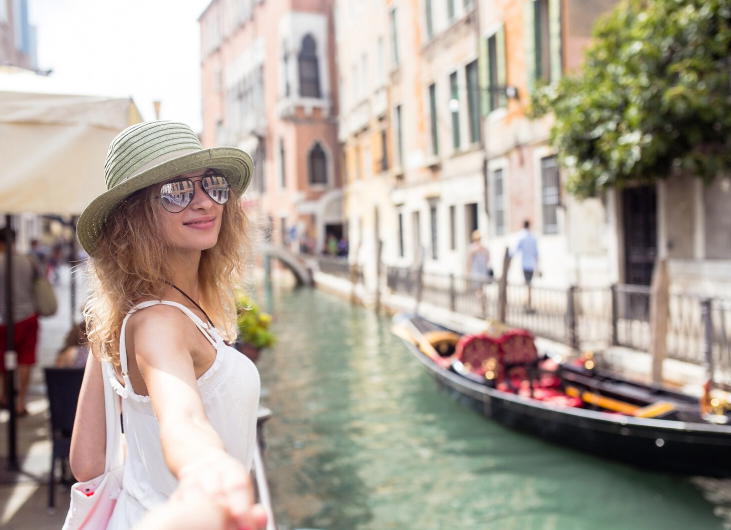
In an era defined by speed, efficiency, and checklist tourism, Italy offers something radically different: an invitation to slow down. Rather than racing from landmark to landmark, Italy rewards those who linger — who sit longer at the café, who take the scenic train instead of the fastest route, who wander side streets without an agenda. Meaningful travel in Italy is not about consumption; it is about immersion.
From the Renaissance streets of Florence to the quiet vineyards of Piedmont, from the cliffside villages of the Amalfi Coast to the rolling countryside of Tuscany, Italy encourages presence. It reminds us that travel is not measured in attractions visited but in moments deeply experienced.
La Dolce Vita: A Philosophy, Not a Slogan
The phrase la dolce vita — the sweet life — is often romanticized, yet in Italy it reflects a practical philosophy. Meals are not rushed. Conversations are not transactional. Even business is conducted with an appreciation for relationship and context. This cultural rhythm invites travelers to align with a slower cadence.
In cities like Rome, where ancient ruins coexist with vibrant daily life, one quickly understands that time is layered. The Colosseum stands as it has for centuries, while locals gather in nearby piazzas as they have for generations. The experience is not about spectacle; it is about continuity. Italy teaches us that beauty is not fleeting when it is integrated into everyday life.
Regional Diversity that Rewards Patience
Italy’s richness lies in its regional identities. Each region possesses its own dialects, culinary traditions, architectural styles, and rhythms of living. To truly appreciate Italy, one must resist the urge to compress it into a single itinerary.
In Emilia-Romagna, one discovers the origins of Parmigiano Reggiano and traditional balsamic vinegar, products that require years — sometimes decades — to perfect. In Sicily, layers of Greek, Arab, and Norman influence unfold through cuisine and architecture. In the lakeside elegance of Lake Como, serenity becomes a central character in the journey.
Meaningful travel means choosing depth over breadth. Spending three days in one Tuscan village may offer more insight than visiting five cities in a week. Italy rewards those who stay.
Culinary Traditions as Cultural Education
Food in Italy is not merely nourishment; it is narrative. Every dish carries geographic, historical, and familial identity. A plate of handmade pasta in Bologna speaks of craftsmanship passed down through generations. A simple margherita pizza in Naples reflects pride in regional ingredients and technique.
Slow travel in Italy often centers around the table. Long lunches, wine tastings at family-run vineyards, and market visits with local chefs become immersive experiences. Rather than sampling superficially, travelers are invited to understand provenance — why olive oil from one region tastes different from another, why certain wines thrive in volcanic soil.
Art and Architecture Beyond the Surface
Italy houses some of the world’s most significant artistic treasures. Yet meaningful engagement requires more than a hurried museum visit. In Vatican City, standing beneath Michelangelo’s Sistine Chapel ceiling becomes transformative when approached with context and reflection. In Venice, understanding the city’s fragile ecosystem deepens appreciation beyond its visual romance.
Italy encourages contemplation. Churches, piazzas, and galleries are not just attractions but spaces of reflection. Travelers who pause — who sit quietly in a Renaissance courtyard or observe daily life unfolding in a small-town square — experience Italy more fully.
The Luxury of Time
True luxury in Italy is not defined solely by five-star accommodations, though they are plentiful. It is defined by time. Time to stroll through cobblestone streets without urgency. Time to converse with artisans in local workshops. Time to watch the sunset over the Mediterranean without distraction.
In regions like Puglia, where whitewashed towns meet crystalline waters, simplicity becomes elevated. In Umbria, often called Italy’s green heart, the absence of crowds creates space for reflection. These destinations remain authentic precisely because they encourage slower exploration.
Human Connection at the Center
Italy’s hospitality is deeply personal. Family-owned hotels, generational trattorias, and local guides bring warmth that cannot be replicated by standardized experiences. Conversations matter. Stories matter. Relationships matter.
When travelers engage with Italy in this way, they move beyond observation into participation. They learn phrases in Italian. They understand customs. They return home not only with photographs but with perspective.
A Model for Intentional Living
Italy ultimately offers more than a destination; it offers a model. It demonstrates that excellence is achieved through patience, that quality requires care, and that enjoyment is not indulgence but appreciation. These principles resonate far beyond travel.
As a company director, I have often reflected on how Italy’s approach to life parallels sustainable leadership. Thoughtful pacing, respect for craftsmanship, and investment in relationships yield enduring results — whether in business or in personal experience. Italy reminds us that the most meaningful outcomes are rarely rushed.
Conclusion: Travel as Transformation
Italy stands as an invitation — to slow down, to savor, to connect. It encourages travelers to trade urgency for awareness and itineraries for intention. In doing so, it transforms travel from a series of transactions into a deeply human experience.
When we approach Italy with patience and openness, we discover that the journey is not about how much we see, but how fully we experience what is before us. That is the essence of slow, meaningful travel.
Stay Connected for More Travel and Lifestyle Inspiration. For more insights into travel, culture, and lifestyle tips, follow me on Instagram @salvadorordorica. If you’re seeking professional translation and localization services to enhance your global ventures, visit The Spanish Group — your trusted partner in bridging cultures worldwide.
by Dulce Navarro | Mar 2, 2026 | Culture, Europe, Experiences, Lifestyle, Luxury, Travel
Europe’s Most Beautiful Destinations That Remain Understated
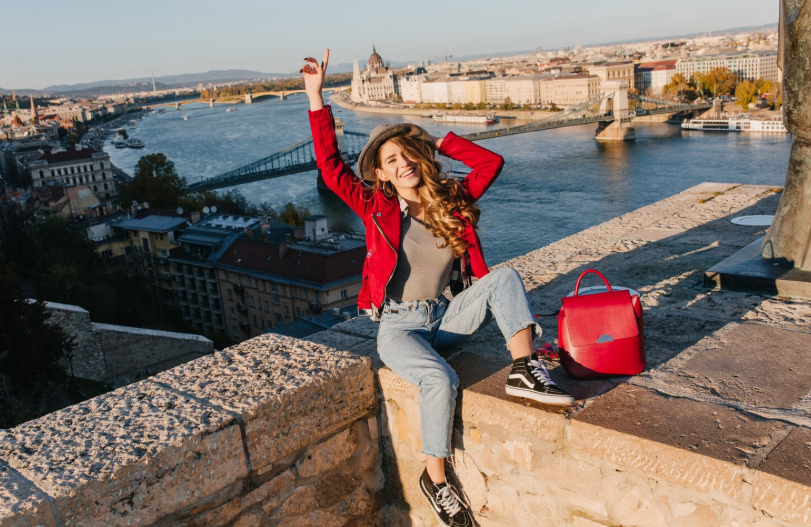
Europe’s most iconic cities—Paris, Rome, London—continue to captivate travelers year after year. Yet beyond these celebrated capitals lies another Europe: one defined not by spectacle, but by quiet beauty, cultural depth, and authenticity. For discerning travelers seeking refinement without excess, Europe offers remarkable destinations that remain understated, where heritage, landscape, and local life take center stage.
These destinations do not rely on grandiosity or crowds to impress. Instead, they offer timeless architecture, preserved traditions, and landscapes that feel personal rather than performative. For business leaders, cultural enthusiasts, and global citizens alike, discovering these hidden gems provides a richer and more meaningful travel experience.
Ljubljana, Slovenia: A Capital of Grace and Sustainability
The charming capital of Slovenia, Ljubljana, embodies understated elegance. Compact and walkable, the city is known for its pedestrian-friendly center, baroque façades, and the serene Ljubljanica River winding through its heart. The city’s architectural character owes much to the visionary work of Jože Plečnik, whose bridges and colonnades lend cohesion and grace.
Beyond aesthetics, Ljubljana stands out as one of Europe’s greenest capitals. Sustainability initiatives, local markets, and a strong café culture create an atmosphere that feels progressive yet intimate. The nearby Lake Bled and Triglav National Park provide easy access to alpine beauty without overwhelming tourism.
Colmar, France: Storybook Alsace Without the Crowds
In northeastern France, Colmar offers half-timbered houses, canals, and a viticultural heritage that rivals more publicized French regions. Often overshadowed by Strasbourg, Colmar feels more personal and tranquil. Its preserved medieval architecture and vibrant façades create a setting that feels cinematic yet authentic.
The Alsace Wine Route nearby allows visitors to explore family-owned vineyards and centuries-old villages. Rather than hurried tastings, the experience here encourages conversation and connection, embodying a slower, more thoughtful approach to travel.
Porto, Portugal: Heritage with Humility
While Lisbon draws increasing global attention, Porto maintains a quieter confidence. Overlooking the Douro River, Porto’s layered rooftops and azulejo-tiled churches reflect centuries of maritime history and craftsmanship. Its Ribeira district, a UNESCO World Heritage site, retains a lived-in authenticity that feels both historic and contemporary.
Port wine cellars across the river in Vila Nova de Gaia offer tastings rooted in tradition rather than spectacle. The city’s culinary scene emphasizes substance over trend, with fresh seafood, regional wines, and family-run establishments anchoring its appeal.
Ghent, Belgium: Medieval Majesty, Modern Energy
Often eclipsed by Bruges, Ghent presents one of Europe’s most impressive yet understated skylines. Gothic spires, guild houses, and the imposing Gravensteen Castle create a sense of medieval grandeur without overwhelming visitor traffic.
At the same time, Ghent thrives as a university city, blending innovation with heritage. Independent boutiques, contemporary art spaces, and a vibrant culinary culture coexist with centuries-old cathedrals. The result is a destination that feels dynamic yet grounded.
Lake Bohinj, Slovenia: Alpine Serenity Redefined
While Lake Bled garners global recognition, nearby Lake Bohinj remains tranquil and expansive. Nestled within Triglav National Park, Bohinj offers pristine waters framed by the Julian Alps. Here, nature is experienced without excess infrastructure or commercialization.
Travelers can hike, kayak, or simply absorb the stillness of the landscape. For executives seeking clarity and reflection, Bohinj offers a restorative environment that feels both elevated and untouched.
Matera, Italy: Ancient Beauty Reimagined
In southern Italy’s Basilicata region lies Matera, one of the world’s oldest continuously inhabited cities. Its ancient cave dwellings, known as the “Sassi,” have been thoughtfully restored into boutique hotels and cultural spaces. Once overlooked, Matera has emerged as a symbol of preservation done right.
Unlike more crowded Italian destinations, Matera invites contemplation. Wandering its stone pathways at dusk reveals a city that feels timeless rather than curated for tourism. It is a powerful example of how heritage can be revitalized without sacrificing authenticity.
Ronda, Spain: Dramatic Landscapes, Quiet Sophistication
Perched above a dramatic gorge in Andalusia, Ronda offers sweeping views and architectural distinction. The Puente Nuevo bridge, spanning the El Tajo gorge, provides one of Spain’s most striking vistas—yet the town retains a measured pace.
Ronda’s historic bullring and whitewashed streets reflect Andalusian tradition without the intensity of larger Spanish cities. Vineyards and olive groves surrounding the region further enhance its understated appeal.
Tallinn, Estonia: Digital Innovation Meets Medieval Charm
In Northern Europe, Tallinn seamlessly combines technological innovation with medieval preservation. Its Old Town, a UNESCO World Heritage site, features cobblestone streets and fortified walls that transport visitors to another era.
Simultaneously, Estonia’s reputation as a digital leader shapes Tallinn’s forward-thinking identity. The blend of historical depth and modern governance creates a distinctive atmosphere—one that appeals to globally minded travelers seeking substance over spectacle.
The Value of Understatement in Modern Travel
In an age where social media often prioritizes visibility over experience, understated destinations offer a refreshing alternative. They encourage presence rather than performance. For leaders and entrepreneurs accustomed to high-pressure environments, these locations provide space to think, reconnect, and observe local culture in its genuine form.
Understated beauty is not about lesser quality—it is about refined selectivity. It favors craftsmanship over hype, intimacy over crowds, and meaning over mass appeal. Europe’s quieter destinations remind us that true sophistication rarely needs to announce itself loudly.
Travel with Intention
As global travel continues to evolve, thoughtful exploration becomes increasingly important. Choosing destinations that value sustainability, cultural preservation, and community engagement supports not only richer personal experiences but also responsible tourism.
Europe’s most beautiful understated destinations offer more than scenic backdrops; they provide perspective. They allow travelers to engage deeply with history, cuisine, architecture, and landscape—without distraction.
Stay Connected for More Travel and Lifestyle Inspiration. For more insights into travel, culture, and lifestyle tips, follow me on Instagram @salvadorordorica. If you’re seeking professional translation and localization services to enhance your global ventures, visit The Spanish Group — your trusted partner in bridging cultures worldwide.
