
by Dulce Navarro | Apr 1, 2026 | Countries, Culture, Education, Europe, Experiences, holiday, Lifestyle, Traditions, Travel
Europe’s Most Refined Cultural Festivals Beyond the Mainstream
Europe’s cultural calendar is renowned for its grand, internationally recognized festivals—from Cannes to Oktoberfest. However, beyond these globally celebrated events lies a more discreet and refined layer of cultural experiences. These lesser-known festivals offer a sophisticated blend of heritage, artistry, and authenticity, often set in picturesque locations and attended by discerning audiences.
For those seeking immersive and elevated cultural encounters, Europe’s hidden festivals present an opportunity to engage deeply with local traditions while avoiding the overwhelming crowds associated with mainstream events.
Festival della Valle d’Itria, Italy
Held annually in the charming town of Martina Franca in southern Italy, the Festival della Valle d’Itria is a celebration of opera and classical music with a focus on rare and rediscovered works. Established in 1975, the festival has built a reputation for artistic excellence and innovation, attracting connoisseurs from around the world.
Performances take place in historic venues such as the Palazzo Ducale, offering an intimate and acoustically rich environment. The festival’s commitment to reviving lesser-known operas makes it a unique cultural experience for seasoned enthusiasts.
Ravenna Festival, Italy
The Ravenna Festival is a multidisciplinary celebration encompassing music, dance, and theater. Located in the historic city of Ravenna, known for its Byzantine mosaics, the festival seamlessly blends contemporary performances with centuries-old artistic traditions.
With a program that spans classical concerts, avant-garde productions, and international collaborations, the Ravenna Festival appeals to a diverse yet refined audience. Its emphasis on cultural dialogue and artistic innovation distinguishes it from more commercialized events.
Festival de Pollença, Spain
Set in the serene surroundings of Mallorca, the Festival de Pollença is one of Spain’s most elegant classical music festivals. Hosted in the cloisters of the Santo Domingo monastery, the festival offers a tranquil and intimate setting that enhances the musical experience.
Featuring internationally acclaimed musicians and orchestras, the event attracts a sophisticated audience seeking high-quality performances in a relaxed Mediterranean atmosphere.
Stresa Festival, Italy
Located on the shores of Lake Maggiore, the Stresa Festival is celebrated for its stunning natural backdrop and exceptional musical programming. Since its inception in 1961, the festival has hosted some of the world’s leading orchestras and soloists.
The combination of scenic beauty and artistic excellence creates a uniquely refined ambiance, making it a favored destination for cultural travelers seeking both inspiration and tranquility.
Ljubljana Festival, Slovenia
The Ljubljana Festival is one of Central Europe’s most distinguished yet understated cultural events. Taking place in Slovenia’s capital, the festival features a wide array of performances, including opera, ballet, symphonic music, and theater.
Its open-air venues, such as Congress Square and Ljubljana Castle, provide a magical setting that enhances the overall experience. The festival’s accessibility and high artistic standards make it a hidden gem for international visitors.
Festival Internacional de Santander, Spain
Held in the coastal city of Santander, this festival is a cornerstone of Spain’s classical music scene. The Festival Internacional de Santander presents a rich program of concerts, dance performances, and theatrical productions.
Despite its long history and cultural significance, it remains relatively under the radar, offering attendees a more intimate and refined experience compared to larger European festivals.
Why Choose Refined, Lesser-Known Festivals?
Opting for these more discreet cultural events offers several advantages:
- Exclusive and intimate settings
- High artistic quality without overcrowding
- Authentic engagement with local culture
- Opportunities to discover emerging talent and rare performances
These festivals often prioritize artistic integrity over commercial appeal, resulting in thoughtfully curated programs that resonate with culturally sophisticated audiences.
Final Thoughts
Europe’s most refined cultural festivals beyond the mainstream offer a compelling alternative to widely publicized events. They provide a deeper, more meaningful connection to the continent’s rich artistic heritage while maintaining an atmosphere of elegance and exclusivity.
For the well-traveled individual, these hidden festivals represent an opportunity to experience culture at its finest—where tradition, innovation, and authenticity converge in unforgettable settings.
Stay Connected for More Travel and Lifestyle Inspiration. For more insights into travel, culture, and lifestyle tips, follow me on
@salvadorordorica. If you’re seeking professional translation and localization services to enhance your global ventures, visit
The Spanish Group — your trusted partner in bridging cultures worldwide.
by Dulce Navarro | Feb 9, 2026 | Culture, Education, Europe, Experiences, Lifestyle, Luxury, Travel
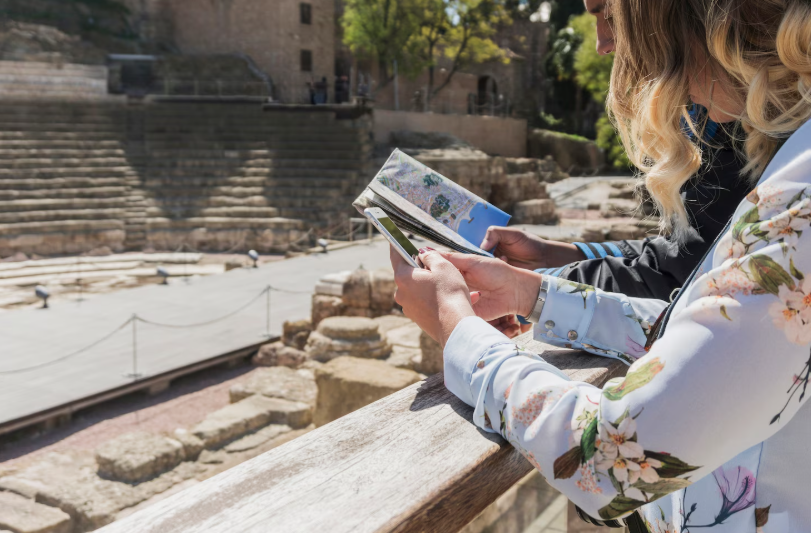
Italy Beyond the Guidebooks: A Study in Timeless Travel
Italy has long occupied a singular place in the imagination of global travelers. It is a country synonymous with art, architecture, gastronomy, and a certain cultivated elegance of living. Yet beyond the familiar imagery of the Colosseum, the canals of Venice, and the rolling hills of Tuscany lies a deeper Italy — one that rewards thoughtful exploration and cultural curiosity.
To travel Italy beyond the guidebooks is to experience it not as a checklist of monuments, but as a living, breathing civilization layered with history, regional nuance, and enduring traditions. It is a study in timeless travel — one that values depth over speed and connection over spectacle.
The Enduring Power of History
Italy’s historical continuity is unparalleled. Few countries offer such visible, tangible access to civilizations spanning millennia. Roman engineering, Renaissance artistry, Baroque grandeur, and modern Italian design coexist seamlessly within daily life. In Rome, ancient ruins are not confined to archaeological parks; they appear unexpectedly beneath apartment buildings and beside busy streets. In Florence, the Renaissance is not merely a historical period but a defining identity.
Yet timeless travel requires more than admiration of landmarks. It involves understanding context. The Roman Forum represents not only architectural achievement but the foundation of Western governance. Venice’s maritime dominance shaped global trade routes for centuries. Sicily reflects layers of Greek, Arab, Norman, and Spanish influence, each leaving an imprint on language, cuisine, and culture. Recognizing these intersections transforms travel into education.
The Art of Slow Exploration
Italy is best experienced slowly. While high-speed trains efficiently connect Milan, Florence, and Naples, the essence of the country often lies in smaller towns and quieter corners. Places like Orvieto, Parma, Lecce, and Bergamo offer architectural beauty and culinary excellence without overwhelming crowds.
Slow exploration allows travelers to observe everyday rhythms: the morning ritual of espresso at a neighborhood bar, the midday pausa when shops close, the evening passeggiata where communities gather for conversation. These moments reveal the Italian philosophy of balance — where productivity coexists with pleasure, and time is measured in experiences rather than efficiency.
Regional Identity: A Country of Distinct Worlds
One of Italy’s most fascinating characteristics is its strong regional identity. Before unification in 1861, Italy consisted of independent states, each with its own governance, dialect, and traditions. This historical fragmentation continues to shape modern Italy.
Northern regions such as Lombardy and Veneto display Central European influences in architecture and cuisine, with risotto and polenta as staples. Central Italy, including Tuscany and Umbria, celebrates olive oil, rustic breads, and bold red wines. Southern regions like Campania and Puglia emphasize Mediterranean flavors — tomatoes, seafood, and sun-ripened produce. Sicily stands apart with its complex cultural heritage and distinct culinary traditions.
Traveling beyond guidebooks means appreciating these differences rather than seeking a single “Italian” experience. Each region offers a microcosm of culture, shaped by geography and history.
Culinary Excellence as Cultural Expression
Italian cuisine is globally recognized, yet its authenticity is best understood locally. True culinary exploration in Italy involves seasonal ingredients, regional specialties, and respect for tradition. Dining is rarely rushed; it is an act of connection.
In Bologna, handmade tagliatelle al ragù reflects centuries of culinary refinement. In Naples, pizza is elevated to artisanal craftsmanship, protected by tradition and strict preparation standards. In Piedmont, truffles and Barolo wines speak to a heritage of agricultural excellence.
Markets offer insight into daily life. Conversations with vendors, sampling regional cheeses, and understanding the origin of ingredients deepen appreciation for Italy’s gastronomic philosophy: simplicity, quality, and provenance.
Architecture and Design: Living Aesthetics
Italy’s aesthetic sensibility extends beyond museums. Design permeates fashion, furniture, automotive engineering, and urban planning. Milan remains a global capital of design innovation, hosting Salone del Mobile and showcasing cutting-edge creativity.
Yet even small towns reflect architectural harmony. From Romanesque churches in Emilia-Romagna to whitewashed trulli houses in Puglia, built environments reveal centuries of adaptation to climate and culture. Italian cities demonstrate a rare continuity — where preservation and contemporary life coexist gracefully.
Faith, Festivals, and Community
Religious and civic festivals continue to shape community life across Italy. From Siena’s Palio horse race to Easter processions in southern villages, traditions are maintained with remarkable dedication. These events are not performances for tourists; they are authentic expressions of local identity.
Participating respectfully in such celebrations provides insight into Italy’s communal values. The emphasis on family, ritual, and continuity fosters a sense of belonging that transcends generations.
Nature’s Quiet Grandeur
Beyond its cities, Italy offers extraordinary natural landscapes. The Dolomites present dramatic alpine scenery ideal for hiking and skiing. The Amalfi Coast combines rugged cliffs with azure waters. Sardinia and Sicily boast pristine beaches and ancient ruins set against Mediterranean horizons.
In regions like Umbria and Basilicata, rural landscapes offer solitude and reflection. These quieter settings underscore the timeless aspect of Italian travel — where nature and history coexist without interruption.
The Value of Cultural Literacy
Italy rewards those who approach it with curiosity and preparation. Learning key phrases in Italian enhances engagement and demonstrates respect. Understanding historical context enriches site visits. Observing social customs — such as greeting shopkeepers or adhering to dining etiquette — reflects cultural sensitivity.
Timeless travel is rooted in cultural literacy. It requires attentiveness, humility, and a willingness to move beyond surface impressions. In return, Italy offers depth, authenticity, and perspective.
Conclusion
Italy beyond the guidebooks is not defined by hidden destinations alone, but by mindset. It is about embracing nuance, honoring regional identity, and engaging thoughtfully with history and community. When approached with patience and curiosity, Italy reveals itself as more than a destination — it becomes a living narrative of resilience, artistry, and enduring beauty.
Such travel leaves a lasting imprint. It cultivates cultural intelligence, deepens global awareness, and reminds us that true luxury lies not in excess, but in understanding.
Stay Connected for More Travel and Lifestyle Inspiration. For more insights into travel, culture, and lifestyle tips, follow me on Instagram @salvadorordorica. If you’re seeking professional translation and localization services to enhance your global ventures, visit The Spanish Group — your trusted partner in bridging cultures worldwide.

by Dulce Navarro | Jan 9, 2026 | Education, Europe, Experiences, Lifestyle
Europe’s Most Elite Invitation-Only Cultural Salons and Intellectual Clubs
Across Europe, beyond the reach of guidebooks and public membership lists, exists a rarefied world of invitation-only cultural salons and intellectual clubs. These discreet institutions are not merely social gatherings, but living continuations of Europe’s long-standing tradition of intellectual exchange, artistic patronage, and elite discourse. From Parisian salons echoing Enlightenment ideals to London clubs shaping political and cultural thought, these private circles continue to influence art, literature, philosophy, and global leadership.
Entry into these spaces is governed not by wealth alone, but by reputation, contribution, and cultural fluency. Membership is often inherited, sponsored, or quietly extended to those whose ideas, creativity, or influence align with the ethos of the institution. What follows is an exploration of Europe’s most prestigious invitation-only salons and clubs—where ideas matter, discretion is paramount, and tradition meets modern influence.
The Legacy of the European Salon
The concept of the cultural salon dates back to 17th- and 18th-century Europe, particularly in France, where private homes became centers of philosophical debate, literary criticism, and political discussion. Salons hosted by influential figures—often women—served as intellectual incubators during the Enlightenment, fostering dialogue between writers, philosophers, scientists, and statesmen.
While today’s salons have evolved beyond candlelit drawing rooms, the underlying purpose remains unchanged: to cultivate meaningful conversation among accomplished individuals in an environment of trust, refinement, and mutual respect.
Paris: The Epicenter of Intellectual Elegance
Le Cercle de l’Union Interalliée
Hidden behind the grand façades near the Champs-Élysées, Le Cercle de l’Union Interalliée is one of Paris’s most exclusive private clubs. Established in the early 20th century, it has long served as a meeting place for diplomats, cultural leaders, and influential thinkers. Membership is strictly by invitation and sponsorship, and discussions often span geopolitics, literature, economics, and fine arts.
Contemporary Private Salons
In modern Paris, a quieter revival of private salons has emerged. These are often hosted in private residences and curated by cultural patrons, gallery owners, or philosophers. Attendance is limited, conversation is intentional, and participants range from authors and academics to collectors and creatives shaping Europe’s cultural narrative.
London: Power, Policy, and Cultural Influence
White’s and Boodle’s
London’s gentlemen’s clubs are legendary for their discretion and influence. White’s, founded in 1693, remains one of the most exclusive clubs in the world. Historically associated with political power and aristocratic lineage, its members have included prime ministers, royalty, and cultural elites.
Boodle’s, equally prestigious, is known for its emphasis on intellectual rigor and traditional values. Conversations here often intersect politics, economics, and global affairs, reflecting Britain’s long-standing role on the world stage.
Modern Intellectual Circles
Beyond heritage clubs, London hosts invitation-only intellectual gatherings focused on philosophy, technology ethics, and cultural criticism. These modern salons attract thinkers shaping public discourse, often blending academia with entrepreneurship and policy.
Italy: Culture, Art, and Aristocratic Heritage
Circolo dell’Unione, Milan
In Milan, the Circolo dell’Unione represents the intersection of culture, business, and aristocratic tradition. Membership is highly selective, drawing leaders from finance, fashion, art, and academia. Conversations often reflect Italy’s dual identity as both a guardian of tradition and a global innovator.
Florentine Cultural Societies
Florence, the birthplace of the Renaissance, continues to host private intellectual societies dedicated to art history, philosophy, and cultural preservation. These salons often include scholars, collectors, and patrons deeply engaged in sustaining Europe’s artistic legacy.
Central and Northern Europe: Thought Leadership and Discretion
Vienna’s Private Philosophical Circles
Vienna’s intellectual salons draw on the city’s rich psychoanalytic, musical, and philosophical traditions. Private gatherings often focus on psychology, classical music, and continental philosophy, continuing the city’s legacy as a hub of deep intellectual inquiry.
Berlin and the New Intellectual Vanguard
Berlin’s invitation-only circles reflect the city’s contemporary identity—experimental, interdisciplinary, and politically engaged. These salons bring together artists, technologists, philosophers, and social critics to explore Europe’s evolving cultural landscape.
The Role of Exclusivity in Cultural Dialogue
While exclusivity may appear antithetical to open intellectual exchange, these salons function precisely because of their privacy. The invitation-only nature fosters trust, candor, and depth of discussion rarely achievable in public forums. Participants are free to challenge ideas, explore nuance, and engage in long-form dialogue without the pressures of public performance.
In an era dominated by digital noise and fleeting attention, these elite circles preserve the art of thoughtful conversation—a luxury in itself.
Conclusion: A Living European Tradition
Europe’s invitation-only cultural salons and intellectual clubs remain powerful yet understated forces shaping cultural and intellectual life. They are spaces where ideas mature quietly before influencing art, policy, literature, and global thought. For those granted access, these salons offer more than prestige—they offer belonging within a lineage of thinkers who value depth, discretion, and cultural responsibility.
As Europe continues to evolve, these private institutions stand as guardians of intellectual tradition while subtly adapting to contemporary realities, ensuring that meaningful dialogue remains at the heart of cultural progress.
Stay Connected for More Travel and Lifestyle Inspiration.
For more insights into travel, culture, and lifestyle tips, follow me on Instagram @salvadorordorica. If you’re seeking professional translation and localization services to enhance your global ventures, visit The Spanish Group — your trusted partner in bridging cultures worldwide.
