by Dulce Navarro | Feb 27, 2026 | Europe, Experiences, Lifestyle, Luxury, Travel
Spain for Travelers Who Prefer Authenticity to Excess
In an era where luxury travel is often equated with exclusivity, high price tags, and curated perfection, Spain offers something far more meaningful: authenticity. For travelers who value culture over spectacle, tradition over trend, and human connection over extravagance, Spain remains one of the most compelling destinations in the world.
As a country deeply rooted in history yet vibrantly alive in the present, Spain rewards those who slow down. It invites you to step beyond the polished façades of five-star resorts and immerse yourself in everyday life — in village plazas, family-run restaurants, centuries-old markets, and coastal towns where time moves with the rhythm of the sea.
A Culture Lived, Not Performed
Authentic travel in Spain begins with understanding that culture here is not staged for visitors — it is lived. In cities like Seville, Valencia, and Bilbao, daily life unfolds in public squares where neighbors gather in the evenings, children play under the watchful eyes of grandparents, and conversations stretch late into the night.
Spain’s festivals are not spectacles designed for tourism; they are deeply rooted expressions of regional identity. Whether it is a local feria, a religious procession, or a harvest celebration, these events reflect centuries of tradition and communal pride. Participating respectfully in these traditions allows travelers to connect with Spain at a far deeper level than any luxury experience could offer.
The Beauty of Regional Diversity
One of Spain’s most extraordinary qualities is its regional diversity. Each autonomous community has its own traditions, dialects, gastronomy, and architectural identity. Traveling authentically means embracing this mosaic rather than limiting oneself to the most internationally famous cities.
In the north, green landscapes stretch across Asturias and Galicia, where seafood is served simply and impeccably fresh. In the south, Andalusia offers whitewashed villages and Moorish architectural influences that tell the story of centuries of cultural exchange. In Catalonia and the Basque Country, innovation and heritage coexist in remarkable harmony.
Choosing smaller towns over major tourist hubs often reveals the Spain that locals cherish most. Places like Ronda, Cadaqués, or Úbeda offer profound beauty without the overwhelming crowds, allowing visitors to appreciate architecture, cuisine, and conversation at an unhurried pace.
Gastronomy Rooted in Simplicity
Spanish cuisine is perhaps one of the clearest reflections of the country’s authenticity. Rather than elaborate presentation, Spanish food celebrates high-quality ingredients prepared with restraint and respect for tradition.
A plate of jamón ibérico carved by hand, fresh tomatoes drizzled with olive oil, grilled sardines by the sea, or a simple tortilla española served in a neighborhood bar embody Spain’s culinary philosophy. Meals are not rushed; they are social rituals. Long lunches, late dinners, and shared tapas reinforce the importance of connection and conversation.
For travelers who prefer substance over spectacle, Spain’s gastronomy offers genuine pleasure without pretense.
Architecture that Tells a Story
Spain’s architectural landscape is a testament to its layered history. Roman aqueducts, Gothic cathedrals, Islamic palaces, and avant-garde contemporary structures coexist across the country. Visiting these sites with curiosity rather than checklist urgency transforms sightseeing into meaningful discovery.
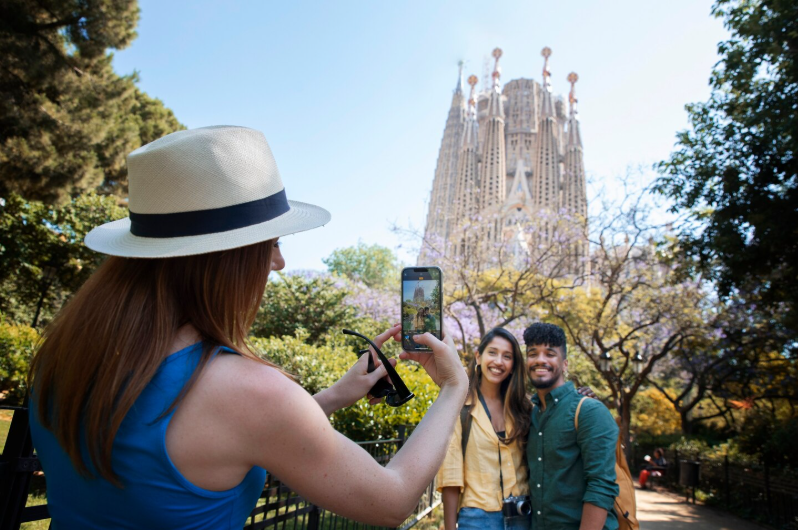
The Alhambra in Granada reflects centuries of Islamic artistry. The Sagrada Família in Barcelona represents visionary ambition and faith. Meanwhile, small village churches and quiet monasteries offer moments of reflection that rival the grandeur of more famous landmarks.
Authentic travel in Spain involves not only observing these spaces but understanding the cultural intersections that shaped them.
The Art of Slow Living
Perhaps Spain’s most valuable lesson for modern travelers is the art of slowing down. The concept of “sobremesa” — lingering at the table after a meal — reflects a broader cultural mindset. Time is not merely scheduled; it is experienced.
Afternoons may include a walk through a local market, a coffee in a shaded plaza, or a conversation with a shopkeeper who has run the same family business for decades. Even in cosmopolitan centers like Madrid and Barcelona, pockets of calm exist for those willing to seek them.
Travelers who approach Spain without rigid itineraries often discover their most memorable experiences in unscripted moments: a recommendation from a taxi driver, an invitation to a neighborhood celebration, or an impromptu flamenco performance in a modest venue.
Sustainable and Meaningful Exploration
Authenticity also aligns with sustainability. Supporting local artisans, dining in family-owned establishments, and staying in boutique accommodations contribute to the preservation of regional character.
Spain’s rural tourism initiatives, vineyard stays, and agritourism experiences allow visitors to engage directly with producers and communities. These experiences not only reduce environmental impact but also create deeper understanding and appreciation.
In an age where overtourism challenges many destinations, choosing lesser-known regions and traveling thoughtfully ensures that Spain’s cultural heritage remains vibrant for future generations.
Connection Over Consumption
Ultimately, Spain for the authenticity-minded traveler is about connection — connection to history, to community, to food, to landscape, and to oneself. It is not about excess or extravagance. It is about richness measured in experience rather than expense.
The warmth of Spanish hospitality, the pride in regional identity, and the daily rituals that shape local life create an environment where visitors feel welcomed rather than processed.
For those who seek travel that resonates beyond social media imagery — travel that educates, grounds, and inspires — Spain remains one of the world’s most rewarding destinations.
Conclusion
Spain offers an alternative to the excess often associated with global travel. It provides depth where others provide display, meaning where others offer momentary spectacle. By embracing regional diversity, savoring simple yet extraordinary cuisine, and engaging with local communities, travelers can experience a Spain that is genuine, enduring, and profoundly enriching.
Stay Connected for More Travel and Lifestyle Inspiration. For more insights into travel, culture, and lifestyle tips, follow me on Instagram @salvadorordorica. If you’re seeking professional translation and localization services to enhance your global ventures, visit The Spanish Group — your trusted partner in bridging cultures worldwide.
by Dulce Navarro | Feb 27, 2026 | Europe, Experiences, Lifestyle, Luxury, Travel
The Luxury of Knowing Where Not to Go in Europe
Luxury travel has evolved. It is no longer defined solely by five-star hotels, private transfers, or coveted reservations. Today, true luxury is discretion. It is space. It is the ability to move through the world without friction, noise, or spectacle. In Europe especially, one of the most refined travel skills is knowing not only where to go — but where not to go.
Europe remains one of the most visited regions on the planet. Cities like Paris, Rome, Barcelona, and Amsterdam attract tens of millions of visitors annually. While their cultural significance is unquestionable, their popularity often transforms what should be intimate experiences into crowded, hurried encounters. For the quietly sophisticated traveler, the ultimate indulgence is not access — it is discernment.
The Hidden Cost of Overexposure
Mass tourism has reshaped many of Europe’s most iconic destinations. Historic centers have become saturated with souvenir shops, short-term rentals, cruise ship groups, and long queues for landmarks. In cities such as Venice and Dubrovnik, local governments have introduced visitor caps and restrictions in response to overtourism.
The consequence is not merely inconvenience. It is dilution. The atmosphere that once defined these places — the rhythm of local life, the authenticity of neighborhood cafés, the subtlety of cultural rituals — becomes harder to access amid the crowds.
Luxury travelers increasingly recognize that avoiding these pressure points is not about elitism; it is about preservation. Choosing alternatives allows for deeper immersion and more meaningful engagement.
Reconsidering the “Must-See” Mentality
There is a pervasive belief that certain European landmarks must be experienced firsthand. The Eiffel Tower at sunset. The Trevi Fountain at dawn. The narrow streets of Santorini in summer. Yet the question sophisticated travelers ask is different: What is the quality of that experience today?
Standing shoulder to shoulder with hundreds of others, waiting for the perfect photograph, rarely embodies the spirit of European refinement. Instead, the luxury lies in selecting destinations and seasons that preserve atmosphere.
For example, instead of peak-season Santorini, consider lesser-visited Greek islands such as Folegandros or Milos. Rather than central Venice in midsummer, explore the Veneto region’s quieter towns or arrive in the off-season when mist settles gently over the canals. Europe rewards those who travel with intention.
The Power of Seasonality
Timing is often more important than geography. Europe’s high season — typically June through August — brings not only warm weather but density. Flights are full, restaurants are overbooked, and historic centers feel compressed.
Traveling in the shoulder seasons — April to early June and September to October — transforms the experience. Light softens. Locals reclaim their spaces. Cultural events continue, but without the overwhelming surge of visitors. In cities such as Florence, Vienna, or Seville, autumn provides a richer sensory experience than midsummer ever could.
Knowing when not to go is an exercise in patience — and patience is one of luxury’s most undervalued traits.
Choosing Depth Over Display
Another dimension of knowing where not to go involves resisting destinations driven primarily by social media visibility. Some locations have become stages rather than places. Travelers arrive not to absorb, but to broadcast.
Refined travel values depth over display. Instead of racing between landmarks, it favors longer stays in fewer places. It prioritizes relationships — with local artisans, chefs, historians, and winemakers — over checklist tourism.
Consider exploring regional France beyond the Riviera’s most photographed stretches, or northern Spain’s quieter coastal villages rather than Barcelona’s busiest corridors. In Italy, towns in Umbria or Le Marche often offer the same architectural splendor as Tuscany, without the density.
The luxury is not in avoiding culture — it is in encountering it without interference.
The Psychological Freedom of Selectivity
Travel fatigue often stems from excess — too many reservations, too many transfers, too many expectations. Curating a European itinerary requires restraint. It means acknowledging that one cannot, and should not, see everything.
When travelers eliminate oversaturated stops, they create space for spontaneity. An afternoon lingers longer. A conversation unfolds without schedule pressure. A museum visit becomes contemplative rather than hurried.
In this sense, knowing where not to go is an act of self-awareness. It aligns travel choices with personal values rather than public narratives.
Preserving Europe’s Cultural Integrity
Responsible luxury also considers impact. Overtourism strains infrastructure, raises housing costs for residents, and alters the fabric of historic neighborhoods. By diverting attention to emerging or secondary destinations, travelers contribute to a more balanced economic ecosystem.
Cities such as Lyon, Bologna, Porto, and Antwerp offer extraordinary culinary and artistic traditions without the intensity of Europe’s most saturated capitals. These places thrive on thoughtful visitation rather than volume.
Discerning travel, therefore, becomes both a personal benefit and a cultural contribution.
The Art of Substitution
The refined traveler understands substitution. If one iconic site is overcrowded, there is often a comparable — and sometimes superior — alternative nearby.
If Lake Como is at peak saturation, explore Lake Orta. If Ibiza’s clubs dominate summer headlines, seek the understated elegance of Menorca. If central Amsterdam feels congested, venture into Utrecht or Haarlem for canal-lined charm with local cadence intact.
Europe’s richness lies in its layers. Its secondary cities and lesser-known regions often reveal more authenticity than headline destinations.
A New Definition of European Luxury
Ultimately, the luxury of knowing where not to go in Europe reflects maturity. It signals a shift from consumption to cultivation. It prioritizes experience over exposure, atmosphere over agenda, and presence over performance.
Europe rewards travelers who listen — to seasonal rhythms, to local guidance, to subtle cultural cues. In doing so, they discover that absence can be as powerful as presence. The destinations they omit create the clarity that defines their journey.
In a continent layered with centuries of history, art, and refinement, discernment becomes the most sophisticated travel accessory. It is not about avoiding beauty — it is about choosing the conditions under which beauty can be truly appreciated.
Stay Connected for More Travel and Lifestyle Inspiration
For more insights into travel, culture, and lifestyle tips, follow me on Instagram @salvadorordorica. If you’re seeking professional translation and localization services to enhance your global ventures, visit The Spanish Group — your trusted partner in bridging cultures worldwide.
by Dulce Navarro | Feb 26, 2026 | Europe, Experiences, Lifestyle, Luxury, Travel
How to Experience Europe with Depth, Not Display
Europe has long been associated with grandeur — iconic landmarks, royal palaces, Michelin-starred dining rooms, and legendary coastlines. Yet for the sophisticated traveler, true luxury in Europe is not defined by spectacle or social visibility. It is defined by depth: meaningful cultural engagement, thoughtful pacing, and an appreciation for heritage that transcends surface impressions.
To experience Europe with depth rather than display requires intention. It means prioritizing immersion over itinerary volume, authenticity over exclusivity for its own sake, and substance over curated performance. For leaders and globally minded professionals, this approach to travel mirrors the principles of strategic thinking — deliberate, informed, and rooted in long-term value.
Slow the Pace to Expand Perspective
One of the most common travel mistakes is attempting to see too much in too little time. While Europe’s geographic proximity makes multi-country trips tempting, depth requires restraint. Staying longer in one city or region allows travelers to observe the rhythms of daily life — morning market routines, neighborhood cafés, and local customs that reveal cultural nuance.
In Florence, for example, depth may mean returning to the same trattoria twice, speaking with artisans in the Oltrarno district, or visiting smaller chapels beyond the Duomo. In Vienna, it might involve attending a chamber music performance rather than only touring imperial palaces. Time, not extravagance, creates intimacy with place.
Engage with Cultural Stewards
Europe’s enduring appeal lies in its custodians — historians, vintners, chefs, architects, and craftspeople who preserve tradition while adapting to modernity. Experiencing Europe deeply means seeking out these individuals.
Private vineyard visits in Burgundy, conversations with olive oil producers in Andalusia, or guided architectural walks in Barcelona provide context that no luxury suite can replicate. These encounters foster understanding of generational knowledge and regional identity. They transform travel from observation into participation.
Choose Heritage Properties with Character
Accommodation plays a significant role in shaping perspective. While contemporary luxury hotels offer comfort and convenience, historic properties often provide a stronger sense of place. Converted monasteries in Portugal, Renaissance palazzos in Italy, or countryside manors in Ireland embody architectural continuity and cultural memory.
Such settings encourage reflection. Courtyards that have stood for centuries and libraries lined with antique volumes subtly remind guests that Europe’s story unfolds across time. Depth in travel is often about inhabiting spaces that carry narrative weight.
Prioritize Regional Exploration Over Capital Cities Alone
Europe’s capitals are undeniably compelling, yet they represent only a fraction of national identity. Regional areas frequently offer more authentic engagement with landscape, cuisine, and tradition.
Instead of limiting a visit to Paris, consider exploring the Loire Valley’s château country. Beyond Madrid, venture into La Rioja’s vineyards. Outside of London, discover the Cotswolds’ pastoral charm. These regions provide opportunities to connect with local culture without the pressures of metropolitan scale.
The result is a more balanced and comprehensive understanding of each country’s character.
Invest in Knowledge Before Arrival
Depth begins before departure. Reading regional history, literature, or biographies of influential figures enhances contextual awareness. Understanding the historical significance of Prague’s Old Town or the maritime heritage of Lisbon enriches on-site experiences.
For executives accustomed to preparation in business contexts, this intellectual investment translates seamlessly into travel. The more informed the traveler, the more nuanced the appreciation of architecture, art, and societal evolution.
Embrace Local Gastronomy as Cultural Expression
European cuisine is not merely consumption; it is cultural expression shaped by geography, climate, and tradition. Depth-oriented travel moves beyond reservation prestige and toward culinary storytelling.
Participating in a cooking workshop in Tuscany, visiting a traditional market in Lyon, or sampling seasonal seafood along Portugal’s Algarve coast connects travelers to regional ecosystems and agricultural heritage. These experiences reveal how food functions as identity and continuity.
Balance Iconic Landmarks with Intimate Discoveries
Iconic landmarks deserve their reputation. However, depth requires balance. For every visit to the Colosseum or the Eiffel Tower, consider exploring lesser-known neighborhoods, independent galleries, or historic cafés frequented by locals.
In Amsterdam, this might mean venturing beyond the main canal belt into residential districts. In Athens, it could involve exploring neighborhood tavernas rather than remaining solely within archaeological sites. The interplay between the celebrated and the understated enriches perspective.
Practice Discretion and Presence
Modern travel culture often emphasizes documentation over experience. Experiencing Europe with depth involves restraint — limiting constant digital sharing in favor of full engagement. Observing architectural details, listening to conversations in cafés, and appreciating natural landscapes without distraction fosters mindfulness.
Discretion also reflects respect for local communities. Travelers who blend into environments rather than dominate them often gain warmer interactions and more authentic exchanges.
Support Cultural Preservation and Sustainability
Depth-oriented travel recognizes responsibility. Supporting locally owned businesses, cultural foundations, and sustainable tourism initiatives contributes to preserving the very qualities that make Europe compelling.
Choosing eco-conscious accommodations, participating in heritage tours that fund conservation, and respecting community guidelines ensure that cultural and environmental assets remain intact for future generations. This approach aligns with long-term strategic thinking — protecting value rather than exploiting it.
Transform Travel into Reflection
Ultimately, experiencing Europe with depth transforms travel into reflection. Landscapes shaped by centuries of craftsmanship and resilience encourage introspection. Cathedrals, vineyards, and coastal villages stand as reminders of patience, dedication, and cultural continuity.
For company directors and global professionals, these lessons resonate beyond leisure. They reinforce the importance of legacy, thoughtful growth, and respect for tradition in business leadership. Travel, approached intentionally, becomes both personal enrichment and professional insight.
Conclusion
Europe offers endless opportunities for refinement and discovery. Yet its most meaningful rewards are reserved for those who move beyond display and embrace immersion. By slowing down, engaging with local expertise, valuing heritage, and practicing discretion, travelers gain access to Europe’s deeper narrative — one defined not by spectacle, but by substance.
In choosing depth over display, one does not diminish luxury; rather, one elevates it. True sophistication lies in understanding, connection, and quiet confidence — qualities that endure long after the journey concludes.
Stay Connected for More Travel and Lifestyle Inspiration
For more insights into travel, culture, and lifestyle tips, follow me on Instagram @salvadorordorica. If you’re seeking professional translation and localization services to enhance your global ventures, visit The Spanish Group — your trusted partner in bridging cultures worldwide.
by Dulce Navarro | Feb 26, 2026 | Europe, Experiences, Lifestyle, Luxury, Travel
France Beyond the Riviera: Graceful Regions with Enduring Charm
For decades, the French Riviera has captivated travelers with its sun-drenched glamour, яхт-lined harbors, and cinematic coastline. Yet France’s true elegance extends far beyond the Mediterranean. Away from the spotlight of Saint-Tropez and Cannes lies a quieter, more enduring sophistication — a tapestry of regions where heritage, gastronomy, architecture, and landscape blend seamlessly into refined experiences.
For the discerning traveler seeking substance over spectacle, France offers remarkable destinations that embody grace without ostentation. From vineyard-covered hills to medieval villages and coastal enclaves shaped by Atlantic winds, these regions reflect a France that is deeply cultured, artfully preserved, and endlessly rewarding.
Provence’s Luberon: Timeless Villages and Poetic Landscapes
While Provence often evokes lavender fields and Riviera beaches, the Luberon region tells a more contemplative story. Hilltop villages such as Gordes, Roussillon, and Ménerbes rise above olive groves and vineyards, their stone facades glowing in the late afternoon sun. Here, life unfolds at a measured pace — morning markets brimming with seasonal produce, long lunches beneath plane trees, and quiet evenings accompanied by local rosé.
The Luberon appeals not to those seeking nightlife, but to those who appreciate authenticity. Restored bastide estates and intimate boutique hotels offer understated luxury rooted in history. Artists and writers have long drawn inspiration from this landscape, and its cultural resonance remains palpable. For travelers who value privacy, craftsmanship, and natural beauty, the Luberon is Provence at its most refined.
Alsace: Where French Elegance Meets German Precision
Nestled along the Rhine River, Alsace blends French artistry with Germanic order in a uniquely harmonious way. Half-timbered houses line the canals of Colmar, while Strasbourg’s Gothic cathedral stands as a testament to centuries of architectural mastery. The region’s wine route winds through storybook villages surrounded by meticulously tended vineyards.
Alsace is particularly appealing to travelers who value cultural depth. Its cuisine — from tarte flambée to choucroute — reflects cross-border influences, and its white wines rank among Europe’s finest. Luxury here is expressed not in grandeur but in detail: impeccably maintained streets, thoughtful hospitality, and culinary traditions passed down with pride. It is a region that rewards curiosity and appreciation for nuance.
Burgundy: The Art of Living Well
Burgundy represents the essence of cultivated simplicity. Its rolling vineyards, Romanesque churches, and stately châteaux create an atmosphere of quiet prestige. Cities like Dijon and Beaune offer architectural charm alongside world-renowned gastronomy.
For connoisseurs of wine and cuisine, Burgundy is unparalleled. Private tastings in centuries-old cellars, Michelin-starred dining experiences rooted in terroir, and intimate countryside estates define the region’s allure. Yet beyond its epicurean reputation, Burgundy invites reflection. Its pastoral landscapes encourage slow travel — cycling through vineyards, exploring abbeys, and engaging with artisans whose craft reflects generations of dedication.
Normandy: Coastal Majesty and Historic Resonance
Normandy’s dramatic cliffs, expansive beaches, and apple orchards create a landscape of both beauty and solemnity. Étretat’s white chalk formations rise boldly from the sea, while Mont-Saint-Michel appears almost otherworldly against shifting tides.
The region’s history — from medieval conquests to World War II — lends gravity to its serene scenery. Yet Normandy is equally defined by its culinary excellence: creamy Camembert, fresh oysters, and refined ciders. Elegant seaside inns and countryside manor houses offer accommodations steeped in character. Normandy speaks to travelers who seek meaning alongside aesthetics — destinations that resonate emotionally as well as visually.
The Loire Valley: Royal Legacy and Garden Grandeur
Often referred to as the “Garden of France,” the Loire Valley enchants visitors with its Renaissance châteaux and manicured landscapes. Castles such as Château de Chambord and Château de Chenonceau stand as monuments to artistic ambition and royal refinement.
Beyond architectural splendor, the Loire Valley offers an atmosphere of cultivated ease. Riverfront cycling paths, private château stays, and wine estates specializing in crisp Sauvignon Blanc create a balanced itinerary of exploration and leisure. It is a region where history feels accessible rather than distant, and where refined hospitality elevates every experience.
Brittany: Rugged Beauty and Cultural Distinction
For those drawn to authenticity and dramatic seascapes, Brittany offers a compelling contrast to the Mediterranean. Its windswept coastline, granite cliffs, and Celtic heritage create a distinctive identity within France.
Fishing villages such as Saint-Malo combine maritime history with understated charm. The region’s gastronomy — particularly buckwheat crêpes and fresh seafood — reflects both land and sea. Luxury in Brittany is elemental and grounding: restored coastal homes, panoramic ocean views, and immersive cultural traditions. It appeals to travelers who value character over convention.
The Dordogne: Storybook France Preserved
The Dordogne region embodies pastoral romance. Medieval towns like Sarlat-la-Canéda boast honey-colored stone buildings and lively market squares. Prehistoric cave art and ancient castles tell stories that span millennia.
This region rewards immersive exploration. Canoeing along tranquil rivers, dining on foie gras and truffles, and staying in renovated farmhouses surrounded by rolling countryside create an atmosphere of authentic retreat. The Dordogne’s appeal lies in its preservation — a sense that tradition remains intact and valued.
Refined Travel Rooted in Intention
Exploring France beyond the Riviera requires intention. These regions do not compete for attention with spectacle; instead, they invite deeper engagement. Their luxury is subtle — found in craftsmanship, culinary heritage, architectural preservation, and landscapes shaped by centuries of stewardship.
For company directors, entrepreneurs, and globally minded travelers, such destinations offer more than relaxation. They provide perspective. France’s graceful regions reflect the importance of patience, tradition, and thoughtful design — qualities that resonate equally in business and in life.
In choosing these understated destinations, travelers embrace a philosophy of quiet sophistication. They prioritize depth over display and heritage over hype. And in doing so, they discover a France that is enduring, elegant, and profoundly inspiring.
Stay Connected for More Travel and Lifestyle Inspiration
For more insights into travel, culture, and lifestyle tips, follow me on Instagram @salvadorordorica. If you’re seeking professional translation and localization services to enhance your global ventures, visit The Spanish Group — your trusted partner in bridging cultures worldwide.
by Dulce Navarro | Feb 25, 2026 | Europe, Experiences, Lifestyle, Luxury, Travel
Italy’s Timeless Appeal for Quietly Sophisticated Travelers
Italy has long captivated the global imagination. Yet beyond the postcard landmarks and high-season crowds lies a more nuanced experience—one that resonates deeply with travelers who value discretion, cultural depth, and refined authenticity. For the quietly sophisticated traveler, Italy is not about spectacle. It is about texture, history, craftsmanship, and atmosphere woven seamlessly into everyday life.
From Renaissance cities to understated coastal villages, Italy offers a timeless elegance that does not demand attention—it simply endures. For those who approach travel as a form of cultural engagement rather than consumption, Italy remains unmatched.
Cities Where History Is Lived, Not Displayed
In cities such as Florence, Rome, and Venice, history is not confined to museums. It is embedded in architecture, daily rituals, and civic identity. A morning espresso taken beneath a centuries-old portico, an evening passeggiata through cobblestone streets, or a quiet visit to a lesser-known chapel reveals a rhythm that transcends tourism.
Florence, for example, rewards those who look beyond its most famous landmarks. Private viewings of artisan workshops in Oltrarno, conversations with conservators restoring Renaissance works, or guided architectural walks at dawn provide context that transforms admiration into understanding. Similarly, in Rome, refined travelers may seek curated experiences that explore lesser-visited districts, revealing layers of antiquity beneath modern life.
The sophistication lies in access to knowledge and perspective—not merely proximity to famous sites.
Lake District Elegance and Northern Refinement
Northern Italy’s lakes—Como, Garda, and Maggiore—have attracted discerning visitors for centuries. Their appeal rests in composure rather than excess. Grand villas are set discreetly within terraced gardens; boutique hotels emphasize privacy and architectural heritage over spectacle.
Time slows here. Private boat excursions across calm waters, afternoons spent reading in lakeside gardens, and intimate dinners overlooking mountain silhouettes offer a form of luxury rooted in tranquility. The region’s craftsmanship, from silk production in Como to fine furniture ateliers, reflects a longstanding commitment to quality and precision.
For executives and cultural leaders accustomed to fast-paced environments, the lakes provide restorative balance without sacrificing refinement.
Tuscany Beyond the Postcard
Tuscany’s landscapes are globally recognizable, yet its deeper appeal lies in authenticity. Quietly sophisticated travelers gravitate toward restored estates that maintain agricultural traditions—olive groves, vineyards, and heritage farming practices—while offering modern comfort.
Rather than simply tasting wine, one might engage in private vineyard tours with estate owners who explain soil composition, climate nuances, and generational philosophy. Cooking classes conducted in historic kitchens become explorations of regional identity, guided by seasonal ingredients and centuries-old recipes.
The luxury here is intellectual as much as sensory. It is found in dialogue, continuity, and immersion.
Southern Italy’s Understated Depth
Regions such as Puglia, Basilicata, and parts of Sicily provide a more discreet yet profoundly authentic experience. Whitewashed masserie in Puglia offer serene courtyards and locally sourced cuisine. In Matera, ancient cave dwellings transformed into refined accommodations illustrate how heritage can be preserved with integrity.
Sicily, with its layered influences—Greek, Arab, Norman—presents a cultural complexity that rewards thoughtful exploration. Private archaeological tours, curated art encounters, and coastal retreats overlooking quiet Mediterranean horizons reveal an Italy that feels both ancient and immediate.
Here, understated elegance is intertwined with resilience and diversity.
Culinary Mastery Without Theatrics
Italian cuisine is celebrated worldwide, yet its highest expression is often found away from fanfare. Family-owned trattorias serving seasonal dishes, small-scale producers crafting aged balsamic vinegar, or artisanal pasta makers maintaining traditional techniques embody a culinary philosophy centered on quality and provenance.
For those seeking elevated experiences, private tastings guided by sommeliers or visits to Parmigiano Reggiano producers provide insight into processes that require patience and discipline. Meals unfold unhurriedly, accompanied by thoughtful conversation and regional wines that reflect terroir.
True gastronomic sophistication in Italy is rooted in respect—for ingredients, for tradition, and for community.
Design, Fashion, and Craftsmanship
Italy’s influence on global design and fashion is profound. In Milan, ateliers and showrooms present collections with quiet confidence. Private appointments with tailors or leather artisans emphasize bespoke craftsmanship over branding. The process itself—selecting fabrics, discussing fit, observing hand-stitching—becomes part of the experience.
Beyond fashion, Italian design excellence extends to furniture, automotive innovation, and architecture. Visits to design studios or heritage workshops offer insight into the disciplined creativity that defines Italian aesthetics: clean lines, functional elegance, and enduring materials.
For business leaders and creatives alike, these interactions provide both inspiration and appreciation for meticulous craft.
Wellness Rooted in Tradition
Italy’s wellness culture reflects its holistic approach to living. Thermal baths in regions such as Tuscany and Veneto have drawn visitors since Roman times. Today, carefully restored spa retreats combine mineral-rich waters with contemporary therapeutic practices.
Rather than spectacle-driven wellness trends, Italy offers restorative experiences grounded in history. Treatments incorporate local botanicals, regional oils, and time-honored techniques. Silence and architectural harmony enhance the sense of renewal.
This measured approach to well-being aligns seamlessly with the values of travelers who prioritize sustainability and depth over novelty.
The Art of Slow Travel
Italy invites contemplation. Traveling by train between cities reveals shifting landscapes—from alpine peaks to rolling vineyards to sunlit coastlines. Stays in smaller towns encourage meaningful interactions with local communities.
Slow travel fosters perspective. It allows space to appreciate details: the craftsmanship of a cathedral façade, the cadence of local dialects, the subtle variations in regional cuisine. For sophisticated travelers, such nuances define the journey more than itineraries packed with highlights.
Why Italy Endures
Italy’s timeless appeal rests in balance. It harmonizes grandeur with intimacy, heritage with innovation, and artistry with practicality. Its culture values conversation, quality, and continuity—principles that resonate strongly with leaders and globally minded professionals.
In an era where many destinations compete for attention through spectacle, Italy remains confident in its identity. It does not rush to reinvent itself; it refines what it has always done well. For those who appreciate subtlety, depth, and enduring excellence, Italy offers an experience that feels both grounding and elevating.
Ultimately, Italy rewards travelers who approach it thoughtfully. The more one engages with its traditions, artisans, and landscapes, the richer the experience becomes. Its elegance is quiet, but unmistakable—and its relevance remains timeless.
Stay Connected for More Travel and Lifestyle Inspiration
For more insights into travel, culture, and lifestyle tips, follow me on Instagram @salvadorordorica. If you’re seeking professional translation and localization services to enhance your global ventures, visit The Spanish Group — your trusted partner in bridging cultures worldwide.

by Dulce Navarro | Feb 25, 2026 | Europe, Experiences, Lifestyle, Luxury, Travel
Europe’s Most Subtle Luxury Experiences Worth Seeking Out
Luxury in Europe has evolved. While grand hotels, Michelin-starred dining, and first-class cabins still define a certain level of prestige, the most discerning travelers increasingly seek something quieter. True luxury today is less about visibility and more about access, authenticity, and atmosphere. It is found in private moments, curated encounters, and deeply rooted traditions that cannot be replicated elsewhere.
For those who value refinement without spectacle, Europe offers some of the world’s most subtle yet extraordinary experiences—each defined not by excess, but by intention.
Private Access to Cultural Heritage
Europe’s cultural institutions are among the most celebrated in the world. Yet beyond the crowds lies a more intimate way to experience them. After-hours access to historic landmarks, curator-led tours of museum collections, and private viewings of archives allow travelers to engage with art and history in a meaningful, uninterrupted way.
Imagine walking through Renaissance galleries in Florence before opening hours, exploring a centuries-old château in France with the estate historian, or viewing restoration workshops in Rome rarely open to the public. These moments transform sightseeing into immersion. The value lies not in exclusivity for its own sake, but in the depth of understanding it allows.
Understated Coastal Retreats
While the Mediterranean is famous for glamorous beach clubs and superyachts, its quieter enclaves offer a more refined appeal. Discreet villas tucked into the cliffs of the Amalfi Coast, restored fincas in Mallorca’s countryside, or minimalist seaside hideaways in Portugal’s Comporta region provide privacy without ostentation.
Here, luxury is defined by space, serenity, and design integrity. Whitewashed walls, locally sourced materials, and panoramic sea views create an atmosphere of calm sophistication. Days unfold slowly—morning swims in crystalline waters, lunches prepared by private chefs using regional ingredients, and evenings spent watching the sun dissolve into the horizon.
Bespoke Culinary Encounters
Europe’s gastronomic prestige is well established, but subtle luxury often lies beyond the reservation list of headline restaurants. Consider private tastings in family-owned vineyards in Burgundy, guided truffle hunts in Piedmont followed by intimate dinners, or behind-the-scenes visits to artisanal cheesemakers in the Basque Country.
These experiences celebrate heritage and craftsmanship. Rather than theatrical presentation, the focus is on provenance, technique, and generational knowledge. Engaging directly with producers and chefs reveals the narrative behind each ingredient and transforms a meal into a cultural dialogue.
Wellness Rooted in Tradition
Europe’s spa culture is centuries old, and its most refined offerings honor that lineage. Thermal baths in Central Europe, alpine wellness lodges in Switzerland and Austria, and holistic retreats in the Spanish countryside provide restorative experiences grounded in history.
Luxury here is measured by discretion and personalization. Treatments are designed around individual needs, often incorporating local minerals, herbs, and therapeutic practices. Silence is respected. Architecture blends into natural landscapes. The result is renewal that feels both sophisticated and authentic.
Artisanal Craftsmanship and Private Workshops
One of Europe’s greatest luxuries is its enduring craftsmanship. In cities such as Milan, Paris, and Madrid, ateliers continue traditions that date back generations. Private appointments with master tailors, leather artisans, or watchmakers offer insight into meticulous processes rarely visible to the public.
Commissioning a bespoke piece—whether a hand-stitched jacket, custom fragrance, or made-to-measure shoes—goes beyond acquisition. It is participation in a living heritage. Clients become collaborators, engaging directly with artisans who value precision over scale.
Slow Travel by Rail and River
Speed is often mistaken for sophistication. Yet some of Europe’s most luxurious journeys are intentionally unhurried. Scenic rail routes through the Swiss Alps or Northern Spain reveal dramatic landscapes without the stress of airports. Private river cruises along the Danube or Rhône offer curated cultural stops in historic towns, paired with refined service onboard.
These modes of travel prioritize comfort, continuity, and connection. Large windows frame changing scenery. Dining reflects regional flavors encountered along the route. The journey itself becomes the destination.
Historic Residences Reimagined
Across Europe, historic estates and palazzos have been thoughtfully restored into boutique accommodations that balance heritage with contemporary comfort. Unlike large luxury chains, these properties often host a limited number of guests, preserving intimacy.
Staying in a restored manor in the English countryside or a Renaissance villa in Tuscany offers more than refined lodging—it offers narrative. Architectural details, antique furnishings, and curated libraries reflect centuries of stories. Modern amenities are seamlessly integrated without overshadowing authenticity.
Access to Nature with Elegance
Europe’s natural beauty is as diverse as its cultures. Private guided hikes in the Dolomites, sailing expeditions through the Greek Isles, or horseback journeys across Andalusia reveal landscapes in their purest form.
Subtle luxury here lies in expertise and preparation. Knowledgeable guides tailor itineraries to personal interests, whether photography, botany, or history. Accommodations along the way maintain high standards without disrupting the surrounding environment. Experiences remain immersive yet comfortable.
Philanthropic and Cultural Engagement
For travelers seeking meaningful impact, Europe offers opportunities to engage with foundations, conservation initiatives, and cultural preservation projects. Private introductions to museum boards, invitations to gallery previews, or participation in heritage restoration programs provide deeper connection.
This form of luxury is intellectual and relational. It reflects a commitment to understanding and supporting the communities visited. Such involvement enriches travel with purpose and long-term perspective.
The Essence of Subtle Luxury
Ultimately, Europe’s most subtle luxury experiences share common traits: discretion, authenticity, and personalization. They prioritize depth over display, craftsmanship over branding, and atmosphere over spectacle.
For the modern global traveler, these elements resonate more profoundly than overt extravagance. They allow for connection—with culture, landscape, and people—while preserving privacy and refinement. Europe remains uniquely positioned to deliver such experiences, thanks to its layered history and enduring traditions.
In seeking subtle luxury, one discovers that the finest experiences are often those that unfold quietly, leaving a lasting impression long after the journey concludes.
Stay Connected for More Travel and Lifestyle Inspiration
For more insights into travel, culture, and lifestyle tips, follow me on Instagram @salvadorordorica. If you’re seeking professional translation and localization services to enhance your global ventures, visit The Spanish Group — your trusted partner in bridging cultures worldwide.
