
by Dulce Navarro | Jul 15, 2025 | Business, Company, Countries, Culture, Europe, Work
Coworking Spaces in Paris: Top Picks for Remote Professionals
Paris isn’t just the City of Lights—it’s rapidly becoming a global hub for digital nomads, freelancers, and remote professionals. With its seamless blend of history, culture, and cutting-edge innovation, Paris offers more than scenic views and croissants—it delivers world-class coworking environments tailored to today’s mobile professionals. Whether you’re in Paris for a few weeks or planning a longer stay, finding the right coworking space can transform your productivity and professional experience.
Why Choose Coworking in Paris?
Coworking in Paris offers a dynamic environment where creativity, community, and commerce intersect. Remote professionals benefit not only from premium workspaces but also from the cultural richness and connectivity that Paris provides. Most coworking spaces in Paris offer high-speed internet, flexible desk options, networking events, and even wellness amenities. The bilingual nature of many facilities makes it easy for expats and international professionals to integrate smoothly.
Top Coworking Spaces for Remote Professionals in Paris
1. WeWork (Multiple Locations)
WeWork has several strategic locations across Paris, including La Fayette, Champs-Élysées, and Saint-Lazare. Known for its consistent quality and vibrant atmosphere, WeWork offers hot desks, private offices, and conference rooms—perfect for solo professionals or teams. Plus, members gain access to a global network of coworking spaces.
2. Spaces Réaumur
Located in the heart of the 2nd arrondissement, Spaces Réaumur combines stylish interiors with a thriving community of startups, entrepreneurs, and creatives. The facility includes breakout areas, meeting rooms, and a rooftop with spectacular city views. The central location makes it easily accessible by metro and bike.
3. Anticafé (Louvre, Beaubourg, and more)
Anticafé offers a unique coworking model—pay by the hour, and everything else is included: coffee, tea, snacks, and fast Wi-Fi. It’s ideal for freelancers and students who want a cozy yet stimulating environment without long-term commitments. With locations near cultural landmarks, it’s perfect for those wanting to combine work with exploration.
4. Wojo (Gare de Lyon and Locations Throughout Paris)
Wojo blends hotel-level service with the practicality of a professional workspace. Their flexible memberships, high-end design, and focus on wellbeing make it a great fit for consultants, digital creatives, and international remote workers. Daily passes are available, and many locations are open 24/7.
5. Hubsy (République, Saint-Lazare)
Hubsy offers the cozy charm of a Parisian café with the professionalism of a modern office. Their pay-as-you-go coworking model includes unlimited drinks and snacks, with a quiet atmosphere that encourages deep work. Perfect for writers, designers, and anyone needing focused time in a warm environment.
Key Considerations When Choosing a Coworking Space
- Location: Proximity to public transport and vibrant neighborhoods can save time and enhance your experience.
- Amenities: Look for offerings such as ergonomic chairs, phone booths, and printing services.
- Community: Spaces with active event calendars and networking opportunities can open professional doors.
- Flexibility: Choose a coworking model that aligns with your work style—daily passes, part-time memberships, or 24/7 access.
Hidden Gems Worth Discovering
La Permanence
With rates starting as low as €1 per hour, La Permanence is an affordable option for budget-conscious remote workers. Open 24/7, it offers a quiet, no-frills environment ideal for intense study or deep work sessions.
Le Laptop
A favorite among UX designers and digital creatives, Le Laptop offers inspiring interiors and curated community events. Located in the 10th arrondissement, it attracts a crowd focused on innovation and collaboration.
Morning Coworking
Morning Coworking offers various spaces across Paris, including in Montorgueil and Saint-Ouen. Their aesthetically designed workspaces feature natural light, plants, and wellness programming to boost productivity and morale.
Learning New Languages as an Expat: Strategies for Quick Success
Moving to a new country involves more than finding the right place to work—language plays a key role in daily integration and professional success. As an expat in Paris, learning French will greatly enhance your experience and open doors to deeper connections and opportunities.
1. Immerse Yourself
Attend local events, shop in local markets, and practice speaking in everyday situations. Immersion accelerates learning naturally.
2. Take Structured Classes
Enroll in language schools like Alliance Française or take private lessons with a certified tutor. Structured lessons help build grammar and vocabulary fast.
3. Use Language Apps
Duolingo, Babbel, and Tandem can be great for practicing on the go. Many offer conversation exchanges with native speakers.
4. Join Language Meetups
Platforms like Meetup.com host regular language exchange events across Paris, giving you a chance to practice French while helping others with English.
5. Be Patient and Consistent
Language learning is a journey. Celebrate small wins, stay consistent, and don’t be afraid to make mistakes—Parisians appreciate the effort.
Stay Connected for More Travel and Lifestyle Inspiration. For more insights into travel, culture, and lifestyle tips, follow me on Instagram
@salvadorordorica. If you’re seeking professional translation and localization services to enhance your global ventures, visit
The Spanish Group — your trusted partner in bridging cultures worldwide.
by Dulce Navarro | Jul 14, 2025 | Countries, Culture, Europe, Lifestyle, Travel
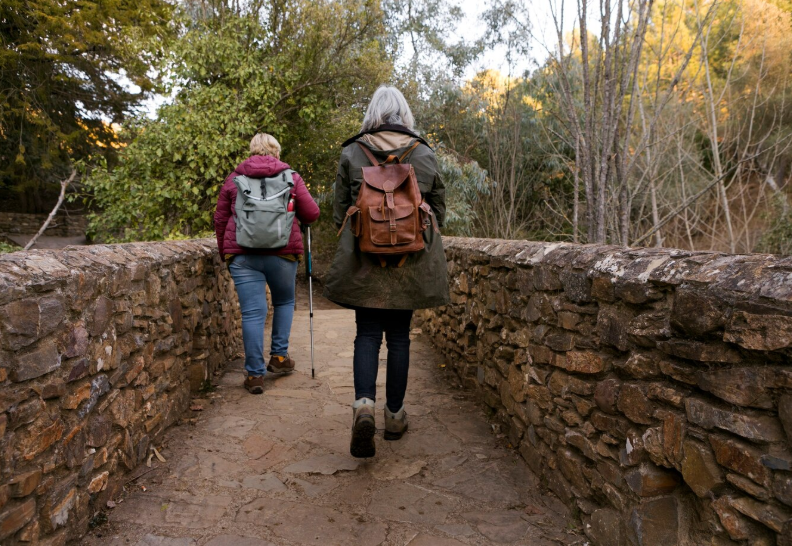
Off the Beaten Path: Unique European Destinations for Adventurous Travelers
When most people think of European travel, destinations like Paris, Rome, and Barcelona instantly come to mind. While these cities are icons in their own right, Europe also boasts a multitude of hidden gems that offer authentic experiences, untouched beauty, and fewer crowds. For the adventurous traveler seeking something beyond the typical tourist trail, these off-the-beaten-path destinations deliver both charm and surprise.
1. Kotor, Montenegro
Nestled along the Adriatic coast, Kotor is a medieval town surrounded by dramatic cliffs and serene waters. Unlike its more famous neighbor, Dubrovnik, Kotor remains relatively undiscovered, offering a peaceful alternative with equally breathtaking views. Wander through the Old Town’s narrow alleys, hike up the ancient city walls to the San Giovanni Fortress, and enjoy a boat ride in the stunning Bay of Kotor.
2. Český Krumlov, Czech Republic
This fairy-tale town in southern Bohemia looks like something out of a storybook. With its well-preserved Baroque architecture, a winding river that loops through town, and a castle perched above, Český Krumlov is a dream come true for travelers seeking history and tranquility. The town’s compact size makes it easy to explore on foot, and its artsy atmosphere attracts creatives from across Europe.
3. Lofoten Islands, Norway
Located above the Arctic Circle, the Lofoten Islands are a remote archipelago offering dramatic landscapes, snow-capped mountains, and pristine fjords. This is a haven for nature lovers, photographers, and hikers. In summer, enjoy the midnight sun and in winter, marvel at the Northern Lights. It’s a destination where adventure meets serenity, perfect for those craving natural beauty far from city lights.
4. Matera, Italy
Often overlooked in favor of Italy’s more famous cities, Matera is one of the oldest continuously inhabited settlements in the world. Its ancient cave dwellings, known as “Sassi,” are carved into limestone cliffs and offer a fascinating glimpse into human history. Now a UNESCO World Heritage site, Matera combines ancient culture with modern hospitality, including boutique hotels set within the caves themselves.
5. Gjirokastër, Albania
Gjirokastër is a hillside town with Ottoman-era charm, cobbled streets, and stone-roofed houses. Its fortress, museums, and warm local hospitality make it one of Albania’s most authentic destinations. With tourism in Albania still emerging, Gjirokastër offers a rare opportunity to experience unspoiled Balkan culture, all at a fraction of the cost of Western Europe.
6. Dinant, Belgium
Set on the banks of the Meuse River, Dinant is one of Belgium’s most picturesque towns. It’s famous for its dramatic cliffside cathedral and as the birthplace of Adolphe Sax, inventor of the saxophone. Whether you’re kayaking along the river, exploring the nearby caves, or riding the cable car to the Citadel, Dinant offers a mix of culture and adventure in a compact, walkable setting.
7. Tbilisi, Georgia
Though technically at the crossroads of Europe and Asia, Tbilisi is a rising star on the adventurous traveler’s map. Its vibrant blend of Eastern and Western influences is visible in its architecture, food, and art. The Old Town, with its colorful balconies and winding alleys, offers endless discoveries. Add to that welcoming locals, excellent wine, and affordability, and Tbilisi is a destination worth exploring now—before the crowds catch on.
8. Mostar, Bosnia and Herzegovina
Famous for its iconic arched bridge, Stari Most, Mostar is a symbol of resilience and beauty. The city has emerged from its war-torn past to become a cultural beacon. Watch locals dive from the historic bridge into the Neretva River, enjoy traditional Bosnian coffee in a riverside café, and stroll through the Old Bazaar filled with handicrafts. It’s a powerful and emotional travel experience you won’t forget.
9. Valletta, Malta
While Malta itself is gaining popularity, its capital, Valletta, still flies under the radar for many travelers. This fortified city offers stunning views of the Mediterranean, impressive Baroque architecture, and a laid-back charm. It’s also a great launching point to explore other parts of Malta, including the Blue Grotto, Mdina, and the neighboring island of Gozo.
10. Sibiu, Romania
Located in Transylvania, Sibiu is a city rich in history, culture, and architecture. Once a European Capital of Culture, it’s known for its pastel-colored buildings, Gothic churches, and lively squares. The surrounding Carpathian Mountains also make it a great base for hiking or skiing. Sibiu blends Old World charm with a modern, artistic energy that appeals to curious travelers.
Learning New Languages as an Expat: Strategies for Quick Success
For adventurous travelers who fall in love with a destination and decide to stay longer, learning the local language becomes essential. Immersing yourself in a new culture is one of the most rewarding aspects of living abroad—and language is the gateway to that experience.
Here are a few strategies for success:
- Practice daily: Use language apps like Babbel, Duolingo, or Memrise to build vocabulary and structure.
- Join local groups: Language exchange meetups or expat communities are great for real-world practice.
- Watch and listen: Consume local media—TV shows, podcasts, and radio stations—to train your ear to the rhythm of the language.
- Don’t be afraid to make mistakes: Confidence is key. Locals appreciate the effort and will often help you improve.
Ultimately, language learning enriches your travel experience, deepens cultural understanding, and opens doors both personally and professionally.
Stay Connected for More Travel and Lifestyle Inspiration
For more insights into travel, culture, and lifestyle tips, follow me on @salvadorordorica. If you’re seeking professional translation and localization services to enhance your global ventures, visit The Spanish Group — your trusted partner in bridging cultures worldwide.

by Dulce Navarro | Jul 14, 2025 | Countries, Europe, Lifestyle, Travel
Budget Travel Through Italy: Smart Itineraries and Tips
Italy is one of the most captivating countries in the world. With its rich history, iconic landmarks, mouthwatering cuisine, and vibrant culture, it’s no wonder that travelers from all over flock to this Mediterranean gem. However, many assume that exploring Italy means spending a fortune. That’s far from the truth. With a bit of planning and some smart strategies, you can travel through Italy on a budget without sacrificing the quality of your experience.
Plan Your Route Wisely
To maximize your budget, focus on building a well-thought-out itinerary. Italy is diverse, and while cities like Rome, Venice, and Florence are must-sees, they also tend to be more expensive. Combine visits to these cities with lesser-known but equally enchanting destinations such as Bologna, Lecce, or Perugia. Not only will you experience authentic Italian charm, but you’ll also spend significantly less on accommodations and meals.
A suggested 10-day budget itinerary:
- Days 1-3: Rome (Explore the Colosseum, Vatican City, and Trastevere)
- Days 4-5: Florence (Visit Uffizi Gallery, Duomo, and enjoy Tuscan cuisine)
- Days 6-7: Bologna (Famous for its food scene and medieval architecture)
- Days 8-10: Naples (Gateway to Pompeii and Amalfi Coast with lower costs)
Travel by Train or Bus
Italy has one of the most efficient and affordable rail systems in Europe. Trenitalia and Italo offer regional and high-speed options. Booking in advance can result in huge savings, especially on intercity routes. Consider regional trains for shorter distances—they are slower but much cheaper.
For even more savings, check out long-distance bus companies like FlixBus or MarinoBus. They often have flash sales and operate between all major Italian cities and smaller towns. If you’re flexible with your travel time, you can snag deals as low as €5 for cross-country routes.
Stay in Budget-Friendly Accommodations
Accommodation can be one of the biggest expenses, but there are ways to cut down costs. Hostels in Italy are clean, safe, and often centrally located. Many offer private rooms, making them great even for travelers seeking more privacy.
Alternatively, check out agriturismos—family-run farms that offer lodging and meals in the countryside. These often include breakfast and dinner, offering fantastic value. Budget hotels and short-term rentals like Airbnb also provide flexible pricing and amenities.
Eat Like a Local
Italian cuisine is one of the highlights of any trip, and you don’t have to dine in upscale restaurants to enjoy it. Head to local trattorias, pizzerias, and street food vendors for delicious, authentic meals at a fraction of the price. A slice of pizza or a hearty panino can cost under €5.
Avoid restaurants near major tourist attractions—they tend to be overpriced. Instead, venture a few blocks away to find hidden gems with better prices and more authentic flavors. Also, look out for “aperitivo” hours in cities like Milan and Turin, where you can enjoy drinks with a buffet of snacks for a set price.
Visit Free Attractions
Italy is full of free or low-cost attractions. Many churches, including St. Peter’s Basilica, are free to enter. Public piazzas, historic neighborhoods, and open-air markets offer immersive cultural experiences without any entry fees.
Some museums and archaeological sites have designated free entry days each month. Plan accordingly to take advantage of these. For example, on the first Sunday of each month, many state museums and archaeological parks offer free entry.
Use City Tourist Cards
Major cities like Rome, Florence, and Venice offer tourist cards that bundle transportation, museum access, and other discounts. The Roma Pass, Firenze Card, and Venezia Unica Card can provide excellent value if you plan to visit multiple attractions.
These cards also often include skip-the-line privileges, helping you save both time and money during your trip.
Pack Smart and Avoid Extra Costs
When flying budget airlines, make sure to read baggage policies carefully. Many charge extra for checked baggage, and even for larger carry-ons. Travel light with a backpack or small suitcase to avoid these fees.
Bring essentials like a reusable water bottle (tap water is safe in Italy), comfortable walking shoes, and plug adapters. Buying these items on the go can quickly add up.
Be Currency Smart
Use credit cards with no foreign transaction fees and withdraw cash from ATMs instead of currency exchange counters, which tend to offer poor exchange rates. Notify your bank before traveling to avoid having your cards frozen due to suspicious activity.
Learning New Languages as an Expat: Strategies for Quick Success
Budget travel can also serve as a stepping stone toward a more permanent lifestyle abroad. If you’re considering living in Italy or anywhere else internationally, learning the local language is key. Immersion is the fastest and most effective way to learn. Start by picking up essential phrases and practicing daily with locals.
Enroll in a local language school, use mobile apps like Duolingo or Babbel, and consider language exchange meetups to reinforce learning. Watching local TV, reading signs, and speaking without fear of making mistakes are all part of the process. Surround yourself with the language and stay consistent.
Ultimately, learning a new language as an expat opens doors to deeper connections, professional opportunities, and a more enriching travel experience overall.
Stay Connected for More Travel and Lifestyle Inspiration
For more insights into travel, culture, and lifestyle tips, follow me on @salvadorordorica. If you’re seeking professional translation and localization services to enhance your global ventures, visit The Spanish Group — your trusted partner in bridging cultures worldwide.

by Dulce Navarro | Jul 11, 2025 | Countries, Europe, Lifestyle, Traditions, Travel
Luxury Travel in Europe: Where Elegance Meets Experience
Europe has long been a magnet for those seeking sophistication, cultural depth, and refined indulgence. From historic cities steeped in charm to pristine coastlines and world-class resorts, the continent offers an abundance of high-end travel experiences tailored to discerning tastes. For company directors and business leaders who value both comfort and culture, luxury travel in Europe is the epitome of elegance meeting experience.
The Art of Curated Experiences
True luxury travel is defined by personalization. In Europe, the hospitality industry has mastered the art of curating experiences that cater to the most refined preferences. Whether it’s a private wine tasting in Bordeaux, a custom art tour of Florence, or a behind-the-scenes experience at a Paris fashion house, exclusivity and access are central themes.
Travelers can work with specialized concierges and travel designers who plan every detail with precision — from private jet charters and luxury chauffeured vehicles to bespoke wellness retreats in the Swiss Alps. These services ensure seamless journeys where the focus remains entirely on experience and enrichment.
Iconic Destinations Redefined
While cities like Paris, Rome, and London are timeless favorites, luxury travel in Europe invites visitors to discover deeper layers of these destinations. For example, staying in a boutique palace hotel tucked in Paris’s 8th arrondissement offers proximity to both glamour and history. In Rome, private after-hours access to the Vatican Museums transforms a typical visit into a spiritual and intimate encounter with centuries of art and tradition.
The French Riviera, with towns like Saint-Tropez and Èze, remains a haven for opulent relaxation. Chartering a yacht along the Côte d’Azur or staying at Château de la Chèvre d’Or provides unforgettable views, world-class cuisine, and a deep connection to coastal elegance. Meanwhile, northern gems like Copenhagen and Amsterdam now rival their southern counterparts with sleek design hotels and Michelin-starred dining experiences.
Unforgettable Accommodations
In Europe, your accommodation often becomes an integral part of the journey. Historic castles in Scotland, renovated monasteries in Spain, and alpine chalets in Austria provide not only luxury but a strong sense of place and heritage.
Hotel brands such as Aman, Belmond, and Six Senses are expanding their presence throughout the continent, offering sanctuaries that combine modern comforts with traditional aesthetics. These spaces often incorporate wellness offerings, fine dining, and cultural immersion all under one roof — allowing guests to fully unplug, recharge, and return inspired.
Culinary Journeys and Wine Escapes
For many luxury travelers, the culinary journey is as important as the destination itself. Europe offers a sensory feast: truffle hunting in Piedmont, private cooking classes in Tuscany, seafood markets in Lisbon, and olive oil tastings in the Peloponnese. Every region brings its own palette of flavors, techniques, and traditions.
Wine lovers can indulge in exclusive tastings at family-owned vineyards in Rioja, Champagne, or the Douro Valley. Pairing fine wine with stunning landscapes and heartfelt storytelling creates an immersive and luxurious experience not easily replicated elsewhere.
Blending Business and Leisure (Bleisure Travel)
As a company director or business traveler, combining corporate engagements with luxurious downtime is now not only possible but encouraged. Many European cities provide excellent infrastructure for high-level meetings and conferences, followed by indulgent experiences that allow for restoration and inspiration.
Cities like Vienna, Zurich, and Milan offer both economic vitality and artistic richness, making them ideal for bleisure travel. Five-star business hotels with executive lounges and spa facilities create a smooth transition from boardroom to leisure, enhancing both productivity and personal well-being.
Learning New Languages as an Expat: Strategies for Quick Success
Living abroad opens the door not just to cultural exploration, but also linguistic growth. For expats navigating European life, learning the local language accelerates integration and enhances daily interactions.
Start by immersing yourself in everyday scenarios — shopping, dining, public transport — and reinforce these with mobile apps like Duolingo, Babbel, or Memrise. Enroll in structured local courses or hire a private tutor for consistent progress. Most importantly, practice speaking as often as possible. Locals appreciate the effort and are often willing to help you improve. Consistency, curiosity, and humility are key to mastering a new language quickly and confidently.
Stay Connected for More Travel and Lifestyle Inspiration.
For more insights into travel, culture, and lifestyle tips, follow me on @salvadorordorica. If you’re seeking professional translation and localization services to enhance your global ventures, visit The Spanish Group — your trusted partner in bridging cultures worldwide.
by Dulce Navarro | Jul 10, 2025 | Countries, Culture, Europe, Lifestyle, Travel
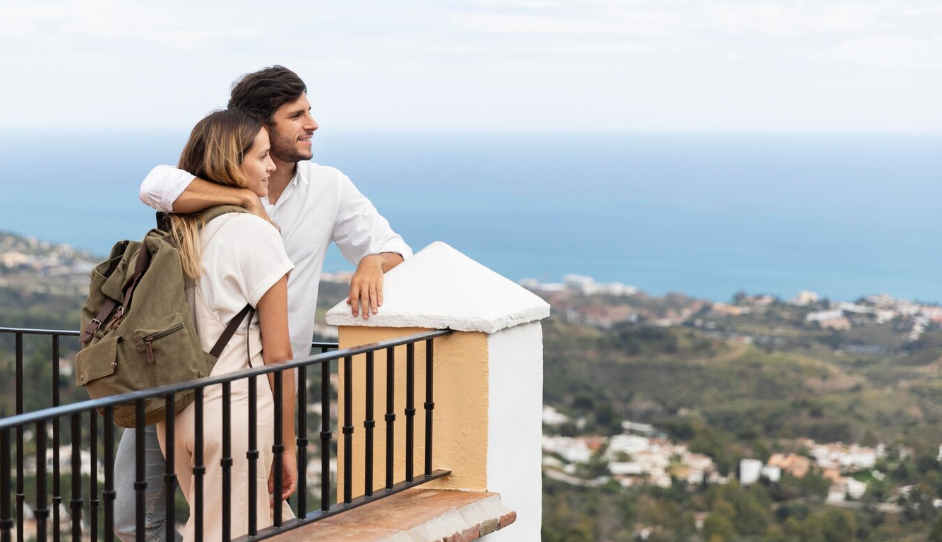
Best Cities in Spain for Expats Seeking Lifestyle & Community
Spain continues to be a top destination for expats from around the globe—and it’s easy to see why. With its warm climate, vibrant culture, world-class cuisine, and affordable cost of living, Spain offers an unmatched quality of life for professionals, retirees, and remote workers alike. For company directors and business travelers considering relocation or extended stays, choosing the right city can dramatically impact both lifestyle and success abroad.
Below, we explore some of the best cities in Spain for expats looking to build community, enjoy a balanced lifestyle, and immerse themselves in Spanish culture.
1. Barcelona: Cosmopolitan Vibe with Coastal Appeal
As Spain’s second-largest city, Barcelona offers the perfect combination of cultural sophistication, business opportunity, and Mediterranean charm. With a robust international community, it’s a favorite for expats working in tech, design, and entrepreneurship.
The city boasts a high quality of life with access to beaches, mountains, and a thriving art scene. The Eixample and Gràcia neighborhoods are particularly popular among professionals for their central location and walkability. English is widely spoken in business settings, though learning Spanish (and even Catalan) will deepen integration.
2. Madrid: Capital City with Global Connections
Madrid offers expats a dynamic, fast-paced urban experience. As the political and financial center of Spain, it’s ideal for directors and professionals engaged in international business or diplomacy.
The city’s extensive metro system, bustling coworking spaces, and rich cultural institutions—from the Prado Museum to countless theaters—make it a rewarding place to live and work. Madrid’s expat community is active and diverse, with numerous networking events and language exchange groups to help new arrivals feel at home.
3. Valencia: A Balanced Blend of City and Sea
For those looking for a quieter alternative to Madrid or Barcelona, Valencia provides an ideal balance. With a lower cost of living and a growing number of international residents, the city is becoming an increasingly popular choice for remote workers and families.
Valencia offers modern infrastructure, green spaces like the Turia Gardens, and easy access to the beach. It also has a reputation for being friendly and welcoming, making it easier for expats to build lasting social connections.
4. Málaga: Sunshine, Startups, and Sophistication
Málaga, located on the Costa del Sol, has transformed from a sleepy coastal city into a buzzing hub for digital nomads, startups, and innovation. With over 300 days of sunshine per year, it’s no surprise that it attracts expats in search of both lifestyle and opportunity.
Málaga TechPark and a growing ecosystem of coworking spaces make it ideal for tech professionals and entrepreneurs. The city’s laid-back atmosphere, friendly locals, and exceptional cuisine further boost its appeal.
5. Seville: Tradition Meets Modern Living
Seville offers expats a more traditional Spanish experience, full of flamenco, festivals, and stunning architecture. While it’s not as international as Madrid or Barcelona, it offers a slower pace of life, ideal for those seeking cultural richness over corporate hustle.
The cost of living is relatively low, and the city is known for its hospitality. Language immersion is almost unavoidable here, which makes Seville a great place for expats committed to learning Spanish and engaging with local customs.
6. Bilbao: Innovation in the Basque Country
Bilbao is the economic powerhouse of northern Spain and offers a unique cultural experience rooted in Basque traditions. The city has undergone significant transformation in recent years, becoming a hub for design, engineering, and research.
Bilbao is ideal for expats working in academia, innovation, or the energy sector. The city offers a mix of old-world charm and modern amenities, along with a well-organized public transport system and excellent quality of life.
7. Palma de Mallorca: Island Living with Urban Perks
If your vision of life in Spain includes sea views and a relaxed pace, Palma de Mallorca is worth considering. The island’s capital is well-connected, with an international airport, reliable internet, and a growing expat community.
Palma offers a unique mix of beach living and urban sophistication, with fine dining, boutique shopping, and historical sites. It’s a particularly good fit for entrepreneurs, creatives, or those in remote leadership roles seeking inspiration and calm.
Learning New Languages as an Expat: Strategies for Quick Success
Moving to a new country comes with the rewarding challenge of language acquisition. Here are a few strategies to accelerate your Spanish learning:
- Enroll in immersive language classes: In-person learning with native speakers will fast-track your fluency.
- Practice daily: Commit to 15–30 minutes of Spanish every day using apps, podcasts, or Spanish-language media.
- Speak with locals: Don’t be afraid to make mistakes. Every interaction is a learning opportunity.
- Join community events: Language exchange meetups and local workshops are excellent for cultural and conversational practice.
- Label your environment: Stick notes around your home to reinforce vocabulary in a visual way.
Adopting a new language opens up deeper cultural integration and confidence in your daily life—whether ordering coffee, networking at business events, or forming friendships that last a lifetime.
Stay Connected for More Travel and Lifestyle Inspiration. For more insights into travel, culture, and lifestyle tips, follow me on @salvadorordorica. If you’re seeking professional translation and localization services to enhance your global ventures, visit The Spanish Group — your trusted partner in bridging cultures worldwide.

by Dulce Navarro | Jul 9, 2025 | Consumer, Countries, Europe, Lifestyle, Travel
Wine Regions in Spain Worth Traveling For
Spain is one of the world’s premier wine-producing countries, home to centuries-old traditions and a staggering variety of terroirs. From the bold reds of Rioja to the sparkling cavas of Catalonia, Spanish wine regions offer more than just great vintages—they provide unforgettable travel experiences steeped in culture, history, and gastronomy. Whether you’re a seasoned wine connoisseur or a curious traveler, here are the wine regions in Spain that are truly worth exploring.
1. La Rioja: The Flagship of Spanish Wine
La Rioja is Spain’s most famous wine region and the first to receive Denominación de Origen Calificada (DOCa) status. Located in the north of Spain, Rioja is known for producing elegant, oak-aged red wines—primarily from the Tempranillo grape. The region is divided into three subzones: Rioja Alta, Rioja Alavesa, and Rioja Oriental, each offering subtle differences in climate and wine profiles.
Visitors to Rioja can enjoy guided tours of historic bodegas (wineries), many of which offer tastings, wine-pairing meals, and insights into centuries-old winemaking techniques. The capital, Logroño, is also a culinary hub, known for its tapas culture along Calle Laurel.
2. Ribera del Duero: Robust Reds and Striking Landscapes
Located along the Duero River in Castilla y León, Ribera del Duero is a powerful rival to Rioja when it comes to red wine. The region’s high-altitude vineyards and extreme temperatures yield full-bodied wines with rich, concentrated flavors. Tempranillo—locally known as Tinta del País—is the dominant grape.
This region is home to prestigious wineries like Vega Sicilia and Dominio de Pingus, both known internationally for producing world-class reds. Wine tourism is well-developed, with luxurious rural hotels, vineyard visits, and tastings offered throughout the region.
3. Priorat: A Boutique Treasure in Catalonia
Priorat, one of only two DOCa regions in Spain (along with Rioja), is located in the hills of Catalonia. It’s a small but highly respected region producing bold, mineral-rich reds primarily from Garnacha (Grenache) and Cariñena (Carignan) grapes.
The terrain here is dramatic, with steep, terraced vineyards planted on slate soil known as “llicorella.” This unique soil composition contributes to the region’s powerful and age-worthy wines. Due to its boutique nature, wine tourism in Priorat feels exclusive and deeply personal—perfect for travelers looking to explore Spain’s artisanal wine culture.
4. Rías Baixas: Home of the Albariño
In the misty, green region of Galicia in northwestern Spain lies Rías Baixas, famed for its crisp, aromatic white wines made from Albariño. This coastal region produces wines that are fresh, floral, and perfectly suited to accompany seafood—the local specialty.
Wine lovers will enjoy exploring the area’s scenic villages, lush vineyards, and proximity to the Atlantic Ocean. Rías Baixas is ideal for those who prefer white wines and coastal cuisine, and it offers a cooler, more relaxed atmosphere than some of Spain’s hotter inland regions.
5. Penedès: The Sparkling Capital
Just a short drive from Barcelona, Penedès is best known as the heart of Cava production—Spain’s answer to Champagne. The region produces both white and rosé Cava using traditional methods, primarily with indigenous grape varieties like Macabeo, Xarel·lo, and Parellada.
In addition to sparkling wines, Penedès also produces a wide variety of still wines. Touring the region is easy and rewarding, with many wineries offering visits and tastings. The proximity to Barcelona makes it an excellent day trip or weekend escape for wine lovers.
6. Jerez (Sherry Triangle): A Journey Through Tradition
Jerez, located in the Andalusian province of Cádiz, is the birthplace of Sherry. This fortified wine comes in several styles, from the dry and nutty Fino to the rich and sweet Pedro Ximénez. The region’s unique solera aging system sets it apart from other winemaking traditions.
Wine tourism in Jerez is steeped in culture—you can visit ancient bodegas, witness flamenco performances, and enjoy Andalusian cuisine. The nearby towns of Sanlúcar de Barrameda and El Puerto de Santa María form the rest of the “Sherry Triangle,” each offering unique Sherry styles and coastal charm.
7. Valencia: Emerging Excellence
Valencia is rapidly gaining recognition for its innovative winemakers and diverse terroirs. From full-bodied reds to fresh whites and modern blends, the region is experimenting while still honoring local traditions. The climate and landscape allow for sustainable practices and organic production, which many boutique producers are embracing.
With its Mediterranean coastline, historic architecture, and vibrant culinary scene, Valencia offers a full travel experience—not just for wine lovers but for all travelers seeking authenticity and variety.
8. Somontano: Spain’s Hidden Gem
Somontano, located at the foot of the Pyrenees in Aragón, may not be as widely known as Rioja or Ribera, but it has quietly developed a reputation for producing high-quality wines. The name Somontano means “under the mountain,” and the region benefits from a mix of mountain and Mediterranean climates.
This diversity allows for a wide range of grape varieties—Cabernet Sauvignon, Merlot, Gewürztraminer, and local types like Moristel. The area is peaceful, less crowded, and ideal for travelers who want a slower pace and a more intimate connection with winemaking.
Learning New Languages as an Expat: Strategies for Quick Success
Exploring Spain’s wine regions is more than just a tasting experience—it’s an immersion into the culture, history, and language of each area. For expats, learning the local language not only enhances your travel but also helps you integrate and build meaningful relationships.
Here are some strategies for quick language success:
- Practice Daily: Use language apps like Duolingo or Babbel to maintain a consistent routine.
- Engage Locally: Participate in wine tours, local markets, or cooking classes where you’re exposed to everyday conversations.
- Hire a Tutor: One-on-one lessons (in-person or online) can accelerate your fluency.
- Label Your Surroundings: Put sticky notes on items in your home with their Spanish names to build vocabulary naturally.
- Watch & Listen: Immerse yourself in Spanish-language films, series, and music to strengthen your listening skills and pronunciation.
Language fluency is one of the best investments you can make as an expat—it transforms your ability to engage, connect, and truly experience life abroad.
Stay Connected for More Travel and Lifestyle Inspiration. For more insights into travel, culture, and lifestyle tips, follow me on @salvadorordorica. If you’re seeking professional translation and localization services to enhance your global ventures, visit The Spanish Group — your trusted partner in bridging cultures worldwide.
