
by Dulce Navarro | Jun 30, 2025 | Countries, Europe, Lifestyle, Travel, Work
Digital Nomads in Italy: Coastal Towns with Great Wi-Fi
As remote work becomes a permanent fixture in many industries, digital nomads are exploring new corners of the world to live and work from. Italy, long celebrated for its art, food, and history, is increasingly becoming a hotspot for remote workers — especially its picturesque coastal towns. While Italy offers charm in every region, coastal areas with reliable Wi-Fi are becoming particularly attractive for digital nomads looking to balance productivity with la dolce vita.
Why Coastal Italy is a Digital Nomad’s Dream
Italy’s coastline spans over 7,600 kilometers, offering everything from rugged cliffs and quiet fishing villages to glamorous beach towns. For remote workers, this means access to inspiring views, fresh Mediterranean air, and an unmatched work-life balance. With improved infrastructure and an increasing number of co-working spaces and digital-friendly cafés, many coastal towns in Italy now offer strong internet connectivity—an essential for any digital nomad.
Top Coastal Towns in Italy with Excellent Wi-Fi
1. Trieste, Friuli Venezia Giulia
Located in the northeastern corner of Italy, Trieste is a cosmopolitan port city with Austro-Hungarian influences. It boasts a growing tech-savvy community and several high-speed internet options, including public Wi-Fi in many city squares and cafés. Trieste offers affordable living, charming seaside views, and quick train access to Slovenia and Croatia.
2. Sorrento, Campania
Sorrento, perched on cliffs overlooking the Bay of Naples, is a tranquil yet lively town known for its lemon groves and scenic views. It’s a favorite among digital nomads for its reliable internet, excellent expat community, and proximity to other destinations like Naples, Capri, and the Amalfi Coast. Several co-working spaces and modern cafés cater to remote workers seeking both aesthetics and speed.
3. Palermo, Sicily
As the capital of Sicily, Palermo blends vibrant culture, history, and Mediterranean beaches. Recent improvements in digital infrastructure have made Palermo a viable destination for remote work. Coworking spaces such as MoltiVolti and Impact Hub provide comfortable environments with fast internet, networking events, and a strong sense of community.
4. Bari, Puglia
Bari, a bustling port city on the Adriatic Sea, is often overlooked by tourists — which makes it perfect for nomads seeking authenticity. With high-speed internet widely available, Bari also offers affordable housing and easy access to stunning coastal towns like Polignano a Mare and Monopoli. Digital nomads enjoy its young university atmosphere and access to traditional southern Italian culture.
5. Santa Teresa Gallura, Sardinia
Located in northern Sardinia, Santa Teresa Gallura offers turquoise beaches and a slower pace of life. Despite its small size, the town has invested in reliable internet options and has become increasingly popular with seasonal remote workers and creatives. This location is ideal for those who prioritize nature, silence, and inspiration over urban hustle.
Key Factors to Consider When Choosing Your Coastal Base
- Internet Speed: Always check upload/download speeds before committing to a long-term stay. Websites like Speedtest or local coworking reviews can help.
- Co-Working and Networking Opportunities: Consider towns with dedicated workspaces or expat-friendly communities for collaboration and connection.
- Cost of Living: Towns like Bari or Palermo offer more affordable living compared to high-end destinations like Positano or Portofino.
- Access to Transportation: Proximity to train stations or airports can make regional travel much easier.
- Community and Lifestyle: Choose based on your personality — whether you prefer lively nightlife or serene beaches.
The Italian Digital Nomad Visa (Nomadi Digitali)
Italy recently introduced a digital nomad visa aimed at non-EU citizens working remotely. This visa allows stays of up to one year (renewable) for professionals who can prove remote employment and meet a minimum income requirement. While bureaucratic steps may be slow at times, having the proper documentation opens up new, long-term opportunities for digital living in Italy.
Tips for Staying Productive While Living on the Coast
- Stick to a Routine: Coastal beauty can be distracting—set dedicated work hours to remain productive.
- Choose the Right Tools: Use mobile hotspots, VPNs, and cloud-based storage to ensure seamless work no matter where you are.
- Balance Work and Leisure: Explore local sites during lunch breaks or weekends to stay energized and inspired.
- Engage with the Local Community: It’s easier to settle in when you make local connections — attend events or workshops.
Learning New Languages as an Expat: Strategies for Quick Success
Living in a foreign country offers the perfect opportunity to immerse yourself in a new language. For digital nomads in Italy, learning Italian can enhance everything from day-to-day interactions to professional networking. Here are a few strategies for success:
- Immerse Yourself: Spend time in local cafés, markets, and events. Listening and speaking daily accelerates comprehension.
- Use Language Apps: Duolingo, Babbel, and Tandem can support your grammar and vocabulary skills on the go.
- Hire a Tutor: Personalized instruction accelerates progress and helps with pronunciation and cultural nuance.
- Practice with Locals: Don’t fear mistakes. Italians appreciate the effort and will often help correct or encourage you.
- Label Your Environment: Place sticky notes with Italian words around your home to reinforce learning through daily exposure.
Language learning not only makes life easier in Italy but also builds deeper connections with the culture and its people — a priceless reward for any expat.
Stay Connected for More Travel and Lifestyle Inspiration. For more insights into travel, culture, and lifestyle tips, follow me on
@salvadorordorica. If you’re seeking professional translation and localization services to enhance your global ventures, visit
The Spanish Group — your trusted partner in bridging cultures worldwide.

by Dulce Navarro | Jun 27, 2025 | Countries, Culture, Europe, Lifestyle, Traditions, Travel
The Rise of Inclusive Travel Experiences Across Europe
Europe has long been a top destination for global travelers — known for its history, culture, and rich diversity. But in recent years, the continent has seen a marked shift in how tourism is being approached. Today’s travelers aren’t just looking for iconic landmarks; they’re seeking experiences that reflect their identities, values, and needs. From accessible accommodations to LGBTQ+-friendly tours and culturally sensitive experiences, inclusive travel is reshaping the European tourism landscape.
What Is Inclusive Travel?
Inclusive travel refers to tourism services and experiences that accommodate all people — regardless of physical ability, age, gender identity, sexual orientation, religion, ethnicity, or socioeconomic status. The goal is to ensure that every traveler feels safe, respected, and welcome wherever they go. It’s more than accessibility; it’s about empathy and representation throughout the entire travel experience.
Why Inclusive Travel Is Gaining Momentum
The rise of inclusive travel is no accident — it reflects a broader cultural evolution. Social movements advocating for equity, visibility, and human rights have translated into economic influence. According to various reports, travelers from marginalized communities are spending billions annually, prompting destinations and service providers to adapt.
Additionally, millennials and Gen Z — who now make up a large portion of the travel market — tend to prioritize ethical and inclusive brands. Businesses that fail to acknowledge this shift risk becoming obsolete in the eyes of modern travelers.
Europe Leading the Way in Inclusivity
Many European cities are taking significant strides to make their tourism infrastructure more inclusive. From legislation to local initiatives, here are a few ways this shift is unfolding:
- Accessible Public Transport: Cities like Amsterdam, Berlin, and Barcelona have upgraded public transportation systems with elevators, low-floor trams, and tactile guidance paths for the visually impaired.
- LGBTQ+-Friendly Destinations: Cities like Madrid, Copenhagen, and Lisbon are celebrated for their open-mindedness and thriving LGBTQ+ communities. They offer pride festivals, inclusive nightlife, and welcoming accommodations.
- Cultural Representation: Museums and galleries across Europe are increasingly showcasing diverse histories and artists from underrepresented communities, fostering a more accurate and inclusive narrative.
- Language Services: More tourist centers and attractions are providing multilingual support, signage, and translation services to ensure non-native speakers can navigate and enjoy their visit with ease.
Tour Operators Embracing Inclusivity
Tour operators are responding to demand with tailored experiences. Some offer disability-friendly tours with specialized guides and transportation, while others create curated trips for BIPOC travelers to connect with local cultures and diasporic communities. These efforts not only promote inclusivity but also foster meaningful connections that go beyond surface-level sightseeing.
For example, platforms like Wheel the World and Travel For All cater specifically to travelers with disabilities, while others like Contiki and Intrepid Travel now offer LGBTQ+-focused group travel with trained staff and safe spaces.
Accommodations That Welcome Everyone
Hotels and vacation rentals across Europe are recognizing the importance of inclusive hospitality. More properties are obtaining accessibility certifications, offering gender-neutral restrooms, and training staff in diversity and sensitivity practices. Online platforms are also evolving, allowing travelers to filter for LGBTQ+-friendly listings or properties that are wheelchair-accessible.
Challenges Still Remain
Despite progress, the journey toward truly inclusive travel is ongoing. Inconsistent standards between countries, lack of awareness among providers, and limited representation in marketing continue to be challenges. Many travelers still face microaggressions or feel unsafe in unfamiliar regions due to their identity or background.
To overcome this, it’s essential for the travel industry to invest in education, training, and authentic partnerships with underrepresented communities. Listening to traveler feedback and being transparent about efforts toward inclusivity is no longer optional — it’s expected.
How Translation Services Support Inclusive Travel
Language is one of the biggest barriers in travel, and inclusive tourism cannot exist without clear, accessible communication. Professional translation and localization services play a critical role in this transformation by ensuring that travel guides, safety information, booking platforms, and cultural content are accessible to everyone, regardless of their native tongue.
Companies that prioritize multilingual support demonstrate a deep respect for their guests’ experiences. Whether it’s through translated signage, accessible websites, or multilingual tour guides, bridging the language gap enhances comfort and empowers travelers to fully enjoy their journey.
Learning New Languages as an Expat: Strategies for Quick Success
While inclusive services make travel easier, learning the local language as an expat offers immeasurable benefits — both personally and professionally. Here are a few quick strategies to fast-track your language learning journey:
- Immerse Yourself: Surround yourself with the language — listen to local radio, watch TV, and read signs and menus.
- Use Technology: Leverage language apps like Duolingo, Tandem, or HelloTalk to build vocabulary and practice pronunciation.
- Take Local Classes: Enroll in group or one-on-one language classes taught by native speakers in your community.
- Practice Daily: Make it a habit to learn and use new words every day. Repetition and consistency are key.
- Engage with Locals: Don’t be afraid to speak, even if you make mistakes. Locals often appreciate the effort and will help you improve.
Learning the language opens doors to deeper relationships, career opportunities, and a greater sense of belonging in your new home.
Stay Connected for More Travel and Lifestyle Inspiration. For more insights into travel, culture, and lifestyle tips, follow me on @salvadorordorica. If you’re seeking professional translation and localization services to enhance your global ventures, visit The Spanish Group — your trusted partner in bridging cultures worldwide.

by Dulce Navarro | Jun 26, 2025 | Countries, Culture, Europe, Lifestyle, Traditions, Travel
Cultural Adaptation Guide for Expats in Europe
Moving to Europe as an expat offers exciting opportunities—but it also comes with its fair share of challenges. Navigating cultural nuances, establishing a new routine, and integrating into unfamiliar social norms can be overwhelming without the right guidance. This comprehensive guide will walk you through everything you need to know to adapt smoothly to European life, wherever your journey takes you.
1. Understanding the Diversity of European Cultures
Europe is not a monolith. Every country—and often, every region—has its own unique traditions, languages, and social expectations. Northern countries like Sweden and Denmark tend to value punctuality and privacy, while Southern nations such as Italy or Spain are known for their warmth and relaxed pace of life.
As an expat, research your destination in depth. Understanding a culture’s values—whether it’s Germany’s efficiency, France’s appreciation for formality, or Portugal’s love for community—will help you better anticipate and respect local norms.
2. Mastering Social Etiquette and Daily Norms
Small cultural missteps can lead to misunderstandings. Greeting customs vary widely: in France, cheek kissing may be common among friends, while in the UK, a handshake often suffices. Learn how to properly greet people, express gratitude, and behave in public spaces.
Also be aware of meal customs, tipping etiquette, and general personal space boundaries. In some countries, arriving late to a dinner invitation might be acceptable, while in others it’s frowned upon. A little cultural sensitivity goes a long way.
3. Navigating Bureaucracy and Paperwork
Administrative procedures in Europe can be notoriously complex. Be prepared for paperwork-heavy processes when applying for visas, registering with local authorities, or securing housing.
To make this transition smoother, work with a relocation consultant or expat advisor when possible. Understanding local laws, taxation, and insurance requirements is crucial—especially if you plan to work, start a business, or purchase property.
4. Building a Local Network
Isolation is one of the most common challenges expats face. Forming meaningful relationships is essential to adapting culturally and emotionally. Start by joining expat groups, local clubs, or international meetups. Many European cities have vibrant communities of foreigners who share similar experiences.
Learning the local language—even at a basic level—can significantly boost your ability to connect with locals and participate in the community. Don’t be afraid to make mistakes; the effort is almost always appreciated.
5. Embracing Local Lifestyle and Traditions
True cultural adaptation requires more than just surface-level interaction. Attend cultural festivals, sample regional cuisine, and take part in national holidays. These moments allow you to understand the soul of a country and experience it from the inside out.
Whether it’s celebrating Bastille Day in France, enjoying aperitivo in Italy, or dancing in Spain’s local fiestas, being present and involved helps foster a genuine sense of belonging.
6. Handling Culture Shock and Emotional Transitions
Even the most well-prepared expats experience culture shock. This can manifest as frustration, homesickness, or even resentment toward local customs. It’s important to acknowledge these feelings and know that they’re part of the adaptation process.
Maintain a healthy routine, stay active, and create a comfortable living environment that blends familiarity with your new surroundings. Journaling or speaking to a counselor who specializes in expat transitions can also be incredibly helpful.
7. Family and Education Considerations
If you’re relocating with family, research schooling options early. Europe offers a range of public, private, and international schools. Understanding the academic system, curriculum, and language of instruction will help ensure a smoother transition for your children.
Involving your spouse and children in cultural activities is also key. When every family member feels engaged and included, cultural adaptation becomes a shared journey rather than a solo burden.
8. Financial and Career Adjustments
Cost of living, salary expectations, and work culture vary dramatically across Europe. Understanding your host country’s labor laws, average wages, and social benefits can help you negotiate better and plan financially.
Some countries encourage freelance work or offer residency to digital nomads. If you’re employed by a European company, learn the unwritten rules of workplace hierarchy, communication, and punctuality to integrate more seamlessly.
Learning New Languages as an Expat: Strategies for Quick Success
Language is one of the most powerful tools for integration. Start with essential phrases and practical vocabulary that you’ll use daily—shopping, transportation, greetings, and small talk. Apps like Duolingo, Babbel, or language exchange platforms can jumpstart your learning.
Consider enrolling in in-person language classes, which also double as opportunities for social interaction. Set realistic goals: aim for functional fluency first, then work toward deeper comprehension. Most importantly, stay consistent and don’t be discouraged by mistakes. Persistence is key.
Watching local TV shows, reading children’s books in the local language, and speaking with native speakers all accelerate learning. Embrace the awkwardness—it’s a sign you’re growing.
Stay Connected for More Travel and Lifestyle Inspiration.
For more insights into travel, culture, and lifestyle tips, follow me on @salvadorordorica. If you’re seeking professional translation and localization services to enhance your global ventures, visit The Spanish Group — your trusted partner in bridging cultures worldwide.

by Dulce Navarro | Jun 25, 2025 | Countries, Culture, Europe, Lifestyle, Residency, Work
Remote Work from Spain: Setting Up for Long-Term Success
As remote work continues to redefine global employment, Spain has emerged as a top destination for professionals seeking balance, culture, and lifestyle. With its reliable infrastructure, mild climate, and relaxed pace of life, Spain offers remote workers a unique opportunity for long-term success. However, thriving in a remote setup here requires more than just a laptop and a plane ticket—it demands planning, adaptability, and cultural awareness.
Understanding Visa Requirements and Legal Status
For non-EU citizens, Spain’s Digital Nomad Visa provides a legal framework for living and working remotely from the country. Launched in 2023, this visa allows foreign professionals to live in Spain while working for non-Spanish companies. Applicants must show proof of consistent income, valid health insurance, and a clean criminal record. EU citizens can move and work more freely but still need to register locally if they stay beyond 90 days.
Picking the Right Region
Spain’s regions vary dramatically in lifestyle, language, and cost. While Barcelona and Madrid attract those who thrive in international hubs with co-working scenes, cities like Valencia, Málaga, and Seville offer a quieter pace with equally good internet infrastructure. Coastal towns and rural villages are gaining attention due to government initiatives aimed at repopulating lesser-known areas with remote workers.
Internet and Workspace Essentials
Reliable internet is key to successful remote work. In Spain, most urban and suburban areas are connected to fiber-optic broadband. If you’re renting, always confirm internet speed and reliability in advance. Many choose to work from home, but coworking spaces—especially in larger cities—offer excellent alternatives with fast connections, meeting rooms, and networking opportunities.
Balancing Time Zones and Company Culture
Working for a company based in North America, Asia, or other parts of Europe requires adjustment. Spain is in the CET/CEST time zone, which can result in early mornings or late nights depending on your team’s location. Use tools like shared calendars, clear communication protocols, and productivity apps to stay aligned. Embrace asynchronous workflows and make expectations crystal clear.
Financial and Tax Planning
Spain’s tax system can be complex. If you spend more than 183 days in the country, you may be considered a tax resident. In that case, you must declare your global income and pay taxes accordingly. Spain has tax treaties to avoid double taxation with many countries. Also, inquire about the “Beckham Law,” which offers reduced tax rates for some foreign professionals. Consulting a Spanish accountant is strongly recommended.
Cost of Living and Budgeting
Compared to other Western European countries, Spain’s cost of living is generally affordable. Rent varies significantly—central Madrid or Barcelona may be expensive, while small towns and mid-sized cities offer great value. Public transportation is reliable and budget-friendly. Dining out, fresh produce, and cultural activities are relatively inexpensive, allowing remote workers to enjoy a high quality of life without overspending.
Healthcare and Insurance
Spain boasts one of the best public healthcare systems in Europe. For long-term remote workers, obtaining private health insurance is often a visa requirement, at least initially. Once you’re a resident and properly registered, you may gain access to public healthcare. Private insurance is also widely available, with comprehensive plans at competitive rates.
Building a Support Network
Remote work can feel isolating without a solid community. Fortunately, Spain’s warm culture makes it easier to form personal and professional connections. Attend local meetups, coworking events, or expat gatherings. Consider joining Facebook or Meetup groups for digital nomads or industry-specific professionals. The more you engage locally, the more fulfilling your experience will be.
Adapting to the Spanish Lifestyle
Understanding and respecting Spanish customs will enhance your stay. Spaniards typically eat late, value long midday meals, and embrace a slower, more deliberate pace of life. Public holidays, local festivals, and regional traditions shape the rhythm of daily life. Embrace these cultural nuances—they’re part of what makes Spain so enriching for expats.
Learning New Languages as an Expat: Strategies for Quick Success
Although English is spoken in many professional settings, learning Spanish (or the regional language, like Catalan or Basque) will significantly boost your integration. Here are key strategies to accelerate your language acquisition:
- Immerse Yourself: Switch your phone and social media to Spanish. Listen to Spanish radio or podcasts while working or commuting.
- Enroll in a Local Course: Language schools offer group and private classes tailored to expats and professionals.
- Practice with Locals: Daily interactions at cafes, markets, and shops provide real-life practice and build confidence.
- Join Language Exchange Meetups: These are great for practicing conversation while making friends.
- Be Consistent: Set small goals like 15 minutes of practice per day to build steady progress.
Becoming conversational—even at a basic level—can dramatically enhance your experience in Spain and deepen your connection to the local community.
Stay Connected for More Travel and Lifestyle Inspiration.
For more insights into travel, culture, and lifestyle tips, follow me on @salvadorordorica. If you’re seeking professional translation and localization services to enhance your global ventures, visit The Spanish Group — your trusted partner in bridging cultures worldwide.
by Dulce Navarro | Jun 25, 2025 | Countries, Culture, Europe, Lifestyle, Travel
Travel Tips for Spain: Avoid Tourist Traps and See the Real Country
Spain is one of the most visited countries in the world — and for good reason. With its rich culture, diverse landscapes, and world-class cuisine, it offers something for everyone. However, like many popular destinations, it’s also full of tourist traps that can take away from an authentic experience. In this post, we’ll walk you through how to avoid these pitfalls and explore the real Spain — the one locals live and breathe every day.
1. Skip the Overhyped Attractions
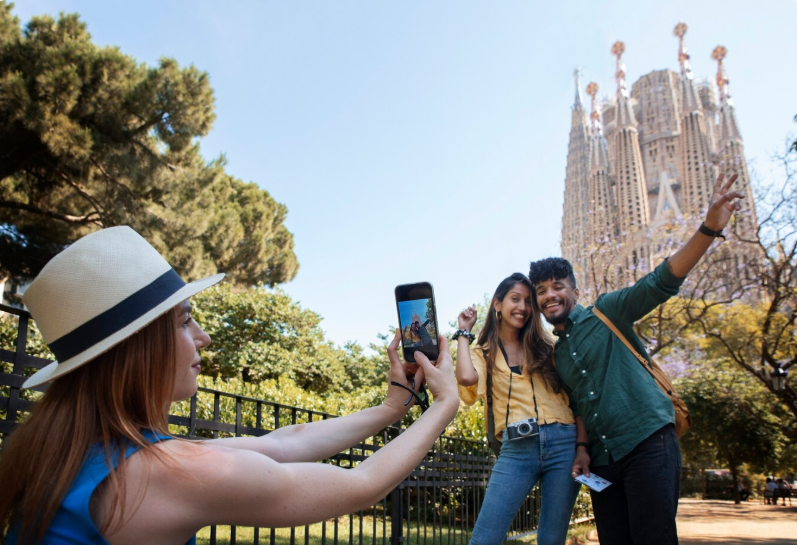
While the Sagrada Familia and Park Güell are must-sees, be mindful of overcrowded sites that offer little value beyond photo ops. Instead, venture into lesser-known neighborhoods like Gràcia in Barcelona or Lavapiés in Madrid. These areas are filled with local charm, independent shops, and authentic eateries without the inflated prices.
2. Choose Local Eateries Over Tourist Menus
Restaurants with menus in five languages and greeters at the door are clear signs of a tourist trap. To enjoy real Spanish cuisine, look for places filled with locals. Tapas bars in Seville or family-owned bodegas in the north often provide better quality and value. Ask locals where they eat — they’ll usually be happy to share.
3. Visit During Shoulder Seasons
Spain is beautiful year-round, but visiting during spring (April–June) or fall (September–October) will help you avoid the tourist crowds and scorching heat. Prices are often lower, and you’ll have a better chance to connect with locals and enjoy a more relaxed pace.
4. Use Public Transportation
Renting a car may sound ideal, but Spain’s public transport system is efficient and far less stressful. Trains like the AVE connect major cities quickly and comfortably. In towns, buses and metros are affordable and easy to navigate.
5. Learn Basic Spanish Phrases
Even a few words of Spanish can go a long way in establishing trust and warmth with locals. Simple greetings or ordering food in Spanish can open doors to friendlier service and better experiences. It also shows respect for the culture and people.
6. Explore Rural Spain
Spain’s heart lies in its countryside. Regions like Extremadura, La Rioja, and Asturias are often overlooked but offer stunning natural beauty, historical sites, and a slower, more immersive experience. Rent a bike, hike through a national park, or stay at a rural guesthouse (casa rural) to feel connected to the land and people.
7. Participate in Local Festivals
Spain has hundreds of local festivals throughout the year, many of which are unknown to tourists. From small village celebrations to traditional fairs, these events offer insight into regional customs and community life. Do some research ahead of time or ask locals for recommendations.
8. Be Mindful of Tourist Etiquette
Many tourist-heavy areas are struggling with overtourism. Respect local customs, avoid disruptive behavior, and stay in accommodations that contribute to the local economy. Supporting small businesses, avoiding illegal rentals, and being a thoughtful visitor ensures Spain remains welcoming for future travelers.
Learning New Languages as an Expat: Strategies for Quick Success
Living in Spain as an expat can be one of the most rewarding experiences of your life — especially if you embrace the language. Here are some quick strategies for mastering Spanish:
- Immerse yourself daily: Set your phone to Spanish, watch Spanish TV shows, and read local news.
- Practice with locals: Join language exchanges or take part in community activities.
- Use apps and online tools: Duolingo, Babbel, and italki can help you improve vocabulary and pronunciation.
- Be consistent: Practice a little every day — even 10–15 minutes can lead to big improvements over time.
The more effort you make to learn the language, the more deeply you’ll connect with the country and its people.
Stay Connected for More Travel and Lifestyle Inspiration. For more insights into travel, culture, and lifestyle tips, follow me on @salvadorordorica. If you’re seeking professional translation and localization services to enhance your global ventures, visit The Spanish Group — your trusted partner in bridging cultures worldwide.

by Dulce Navarro | Jun 23, 2025 | Culture, Europe, Lifestyle, Traditions, Travel, Work
Wine and Work: Exploring Spain’s Vineyards as a Remote Worker
As remote work reshapes the global lifestyle, professionals are increasingly seeking destinations that blend productivity with leisure and inspiration. Spain, with its warm climate, vibrant culture, and renowned wine regions, offers an enticing environment for digital nomads. Imagine sending emails in the morning, touring vineyards in the afternoon, and enjoying local wines by sunset. For remote workers who crave balance, beauty, and great wine, Spain’s vineyards offer a uniquely enriching work-life experience.
Why Spain is a Top Destination for Remote Workers
Spain has become one of Europe’s most remote work–friendly countries, thanks to its quality of life, robust internet infrastructure, affordable cost of living, and growing community of digital professionals. With the introduction of the new digital nomad visa, it’s now easier than ever for non-EU citizens to live and work remotely from Spain.
What makes Spain stand out is not just its sunny beaches or bustling cities—it’s the slower pace of life in its countryside, especially in its wine-producing regions. Areas like La Rioja, Ribera del Duero, and Penedès provide the perfect setting to decompress, stay inspired, and maintain focus while working remotely.
Top Wine Regions to Explore While Working Remotely
1. La Rioja
La Rioja is Spain’s most iconic wine region. Known for its bold reds and centuries-old winemaking traditions, this region is also a haven of scenic villages, rolling vineyards, and boutique hotels. Many estates offer wine tastings, guided tours, and even coworking lounges. Towns like Haro and Logroño provide a charming base with access to cafés, restaurants, and nature—making it easy to blend work and discovery.
2. Ribera del Duero
Located along the Duero River, this region is famed for its full-bodied Tempranillo wines and historical wine cellars carved into hillsides. Remote workers will appreciate the serene setting and rich cultural heritage. Valladolid and Peñafiel are good bases, offering strong internet, accommodations, and a peaceful rhythm ideal for deep focus.
3. Penedès (Catalonia)
Just a short train ride from Barcelona, Penedès is a great choice for those who want vineyard life with access to city resources. Known for producing Cava (Spain’s sparkling wine), this region combines Catalan charm with a progressive atmosphere. You’ll find coworking spaces, eco-retreats, and wineries that welcome digital nomads looking to work and relax in harmony.
4. Priorat
For remote workers who prefer quiet luxury and dramatic landscapes, Priorat is an excellent option. The steep, slate-covered hills produce some of Spain’s most prestigious wines. It’s less touristy, making it a peaceful location for reflection, creative thinking, and productivity.
Work-Life Balance Among the Vines
Remote workers often struggle to separate work from rest. Spain’s wine regions offer a natural solution. The rural environment promotes mindfulness and reduced stress, while the daily rhythm—late breakfasts, midday siestas, evening strolls—aligns with healthier living.
Many boutique vineyards now cater to remote professionals, offering packages that include Wi-Fi-equipped rooms, meal plans, and even yoga or vineyard walks between meetings. This growing trend allows you to recharge while maintaining your work commitments. And after hours, there’s no shortage of tasting rooms, sunset views, or local dishes to enjoy.
Practical Tips for Working Remotely from Spain’s Wine Country
- Check Connectivity: Always confirm internet speed with your accommodation before booking, especially in more rural areas.
- Plan Around Tastings: Many wineries offer mid-afternoon or evening tours—perfect for after work. Make room in your schedule to take advantage.
- Use Local Resources: Tap into regional coworking spaces or digital nomad groups to meet others and find reliable work setups.
- Balance Work and Exploration: Don’t overbook yourself. Leave room for unplanned discoveries—whether a hidden vineyard or a traditional village festival.
Enhancing Your Experience Through Language
While English is widely spoken in major cities and tourist-heavy regions, rural wine areas often rely on Spanish—or even regional languages like Catalan. Learning basic phrases can go a long way in building rapport, showing respect, and immersing in the local lifestyle. Plus, it adds depth to your travel and wine-tasting experience when you can read labels or chat with winemakers directly.
Learning New Languages as an Expat: Strategies for Quick Success
Settling into a new country can be both exciting and overwhelming. Learning the local language is one of the most rewarding ways to feel at home faster. Here are a few strategies to help:
- Start with Apps: Use tools like Duolingo, Babbel, or Rosetta Stone to build a base in vocabulary and grammar.
- Practice Daily: Set a consistent time to study and reinforce learning with real-life practice.
- Join Local Language Exchanges: Look for language meetups or one-on-one exchanges to improve conversation skills.
- Label Your Environment: Post sticky notes around your living space to associate words with everyday items.
- Be Patient and Consistent: Fluency takes time. Celebrate small wins and stay consistent with your learning efforts.
The more you engage with the language, the more fulfilling your experience becomes—personally, professionally, and socially.
Stay Connected for More Travel and Lifestyle Inspiration.
For more insights into travel, culture, and lifestyle tips, follow me on @salvadorordorica. If you’re seeking professional translation and localization services to enhance your global ventures, visit The Spanish Group — your trusted partner in bridging cultures worldwide.
