
by Dulce Navarro | Feb 12, 2025 | Countries, Culture, Europe, Lifestyle, Travel, Worldwide
Italy is one of the most captivating destinations in Europe, offering a rich history, stunning architecture, world-renowned cuisine, and vibrant culture. While Italy is often associated with luxury, it is entirely possible to experience the country on a budget, making it an ideal destination for digital nomads seeking affordability, adventure, and a strong remote work infrastructure. This guide will help you navigate Italy efficiently while keeping costs low, ensuring you make the most of your time as a digital nomad.
Why Italy is Ideal for Digital Nomads
- A wide selection of coworking spaces and cafes with high-speed internet.
- Affordable regional travel, allowing easy access to different cities and landscapes.
- A thriving international community that makes networking and socializing easier.
- A relatively low cost of living compared to other Western European nations, especially outside major tourist hotspots.
- Delicious, affordable food options that make dining on a budget a pleasure.
Choosing the Best Cities for Budget Travel
Bologna
Bologna is known for its rich culinary heritage and is a major university city, making it a vibrant and youthful place to live. Accommodations and dining are more budget-friendly compared to Rome or Milan. The city also has excellent train connections to the rest of Italy.
Palermo
Located in Sicily, Palermo offers a warm Mediterranean climate, breathtaking coastal views, and a lower cost of living. Street food is abundant and cheap, making it easy to experience authentic Italian flavors without overspending.
Bari
A hidden gem in the Puglia region, Bari provides beautiful seaside views, affordable housing, and a relaxed lifestyle. It is a great base for exploring southern Italy while enjoying lower living costs.
Turin
Often overlooked, Turin is a great option for digital nomads looking for a mix of culture, history, and affordability. It has a thriving cafe scene, making it an excellent place for remote work.
Florence (If You Know Where to Look)
Although Florence is generally more expensive, it is possible to live on a budget by staying outside the city center and taking advantage of the many free museums and public events.
Affordable Accommodation Options
Coliving Spaces
Coliving spaces, such as Outsite or Selina, provide affordable accommodations designed for digital nomads. They often include coworking areas and networking events, making them a great option for remote workers looking to connect with like-minded individuals.
Airbnb and Short-Term Rentals
Platforms like Airbnb and Spotahome allow you to find budget-friendly apartments, particularly if you book for longer stays.
Hostels and Budget Hotels
Italy has a variety of high-quality budget hostels that cater to remote workers. Many have communal workspaces and private rooms at a fraction of the cost of hotels.
Cost-Effective Transportation
Trains
Italy has an extensive rail network, making train travel an affordable and efficient way to get around. Opt for regional trains instead of high-speed options to save money.
Budget Airlines
Low-cost airlines such as Ryanair and EasyJet offer inexpensive flights within Italy and across Europe, making it easy to explore other destinations affordably.
Public Transport
Public buses and trams are widely available in most cities. Consider getting a multi-day or monthly pass for added savings.
Biking and Walking
Many Italian cities are highly walkable, and bike rentals are an inexpensive way to explore while reducing transportation costs.
Working Remotely in Italy
Best Coworking Spaces
Coworking spaces are an excellent solution for digital nomads looking for a reliable work environment.
Eating Well on a Budget
Enjoy Street Food
Italy has an incredible selection of affordable street food, including Pizza al Taglio, Arancini, and Panini.
Shop at Local Markets
Instead of dining out for every meal, shopping at local markets allows you to enjoy fresh produce at lower prices.
Take Advantage of Aperitivo
Many bars in Italy offer an aperitivo (happy hour) where a drink purchase comes with free appetizers or a buffet.
Final Thoughts
Italy is a dream destination for digital nomads, offering an exceptional quality of life, breathtaking scenery, and a strong remote work infrastructure—all while remaining budget-friendly with the right strategies.
Stay Connected for More Travel and Lifestyle Inspiration. For more insights into travel, culture, and lifestyle tips, follow me on Instagram @salvadorordorica. If you’re seeking professional translation and localization services to enhance your global ventures, visit The Spanish Group — your trusted partner in bridging cultures worldwide.
by Dulce Navarro | Feb 10, 2025 | Countries, Europe, Lifestyle, Travel, Work
Iconic Landmarks in Paris
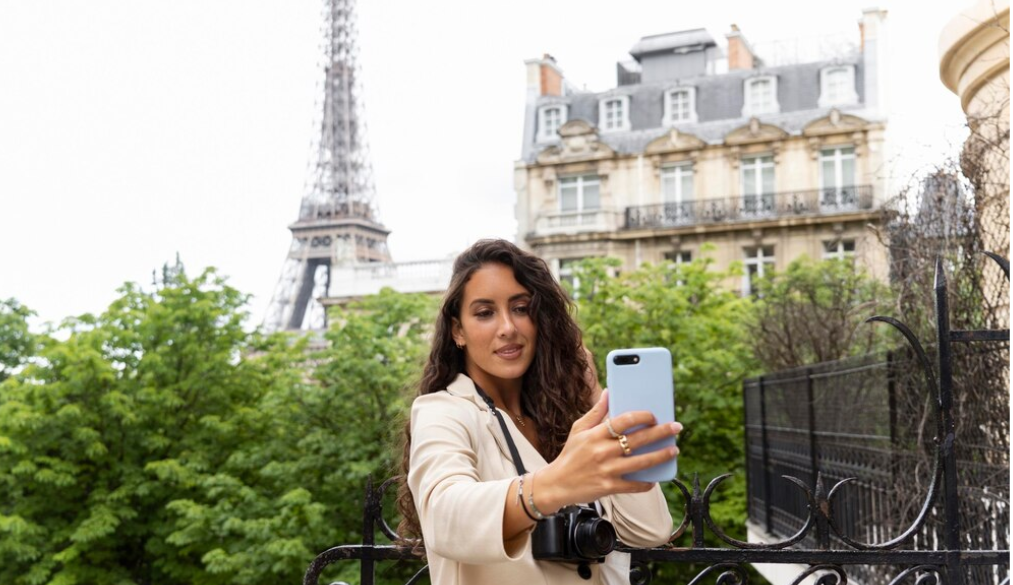
Eiffel Tower
No visit to Paris is complete without seeing the Eiffel Tower. This towering masterpiece, designed by Gustave Eiffel and unveiled in 1889, is the city’s most recognizable symbol. Visitors can ascend to one of its viewing platforms for breathtaking panoramic views of Paris. For an unforgettable experience, visit at night when the tower sparkles with thousands of lights.
Louvre Museum
Home to the world-famous Mona Lisa, the Louvre is the largest and most visited museum on the planet. This former royal palace houses an extraordinary collection of art spanning centuries, from ancient civilizations to Renaissance masterpieces. Even if you don’t venture inside, the glass pyramid entrance and stunning courtyard are worth a visit.
Notre-Dame Cathedral
An architectural gem, Notre-Dame Cathedral showcases French Gothic design with its intricate sculptures and magnificent stained-glass windows. Though the 2019 fire caused significant damage, restoration efforts are underway, and the cathedral remains a symbol of Parisian resilience.
Champs-Élysées & Arc de Triomphe
Stroll down the famous Champs-Élysées, a bustling avenue lined with luxury boutiques, cafes, and theaters. At the end stands the majestic Arc de Triomphe, commissioned by Napoleon to honor his army. Climb to the top for a spectacular view of the city’s grand boulevards.
Sacré-Cœur Basilica
Perched atop Montmartre, the highest point in Paris, Sacré-Cœur offers one of the best panoramic views of the city. The basilica’s white domes, stunning mosaics, and peaceful interior provide a serene contrast to the lively streets of Montmartre, known for its artistic history.
Local Favorites & Hidden Gems
Le Marais
This historic district is a charming mix of medieval architecture, trendy boutiques, and cozy cafes. Le Marais is also home to the Picasso Museum and the vibrant Jewish Quarter, where you can find the best falafel in Paris.
Canal Saint-Martin
Away from the tourist crowds, Canal Saint-Martin is a picturesque area lined with trendy bars, local eateries, and scenic walking paths. It’s a perfect spot for a relaxing afternoon picnic or a boat cruise along the water.
Sainte-Chapelle
Often overshadowed by Notre-Dame, Sainte-Chapelle is a hidden treasure known for its breathtaking stained-glass windows. This Gothic masterpiece was built in the 13th century and remains one of the most visually stunning sights in Paris.
Rue Cler
For a taste of authentic Parisian life, visit Rue Cler, a charming market street near the Eiffel Tower. Here, locals shop for fresh produce, artisanal cheeses, and fine wines. It’s an excellent place to experience Parisian gastronomy without the crowds.
The Catacombs of Paris
For a more eerie yet fascinating experience, venture underground to explore the Catacombs of Paris. These tunnels hold the remains of over six million Parisians and offer a unique perspective on the city’s history.
Parks & Gardens for a Relaxing Escape
Jardin du Luxembourg
A favorite among both locals and visitors, Jardin du Luxembourg is a beautifully landscaped park perfect for a leisurely stroll. The park features fountains, sculptures, and even sailboat rentals for children.
Parc des Buttes-Chaumont
This lesser-known park offers stunning views, waterfalls, and even a suspension bridge. It’s a peaceful retreat for those looking to escape the city’s hustle and bustle.
Culinary Delights: Where to Eat in Paris
Café de Flore & Les Deux Magots
These iconic cafes in Saint-Germain-des-Prés have been frequented by literary and artistic legends like Hemingway and Picasso. They offer a quintessential Parisian experience with classic French cuisine.
Marché des Enfants Rouges
One of Paris’s oldest markets, this hidden gem in Le Marais is perfect for food lovers. From fresh pastries to international street food, the market offers a variety of delicious options.
La Maison Rose
Nestled in the artistic quarter of Montmartre, La Maison Rose is a picture-perfect pink café with a rich history. It’s a great spot to enjoy traditional French dishes while soaking in the neighborhood’s bohemian charm.
Experience Paris Like a Local
To truly embrace the Parisian lifestyle, take time to explore the city beyond its famous attractions. Enjoy a morning croissant at a neighborhood bakery, browse books at Shakespeare & Company, or sip wine along the Seine at sunset.
Paris is a city that continually reveals new wonders, whether you’re admiring its iconic landmarks or discovering its hidden corners. With a mix of history, culture, and culinary excellence, every visit offers a unique experience.
Stay Connected for More Travel and Lifestyle Inspiration
For more insights into travel, culture, and lifestyle tips, follow me on Instagram @salvadorordorica. If you’re seeking professional translation and localization services to enhance your global ventures, visit The Spanish Group — your trusted partner in bridging cultures worldwide.

by Dulce Navarro | Feb 6, 2025 | Business, Europe, Lifestyle, Travel, Worldwide
Introduction
Adjusting to a new culture while balancing work and personal life can be challenging for expats. Spain, known for its relaxed lifestyle and strong emphasis on family and leisure, provides a unique work-life balance experience. In this guide, we explore strategies to navigate and embrace this balance effectively.
Understanding Spain’s Work Culture
Spain’s professional environment differs significantly from other countries. The traditional siesta, late working hours, and a strong emphasis on social interactions all influence the workplace. Understanding these cultural aspects can help expats integrate smoothly into the Spanish work environment.
Flexible Working Hours and Remote Work
Many companies in Spain are adapting to modern work structures, offering flexible hours and remote work opportunities. Expats should explore these options to create a schedule that aligns with their personal and professional goals.
Embracing the Spanish Lifestyle
Spaniards prioritize personal time, socializing, and outdoor activities. Adopting a similar approach can enhance work-life balance. Engaging in cultural experiences, enjoying local cuisine, and participating in community events contribute to a fulfilling expat life.
Health and Well-being
Spain offers excellent healthcare services and promotes a healthy lifestyle. From Mediterranean cuisine to outdoor sports, expats can maintain a balanced lifestyle by embracing these health-conscious habits.
Practical Tips for Achieving Work-Life Balance
- Set clear work boundaries and avoid overworking.
- Take advantage of Spain’s generous vacation policies.
- Engage in local networking groups to build both professional and personal relationships.
- Prioritize leisure activities that align with your interests.
Conclusion
Finding a balance between work and personal life in Spain is achievable by understanding the cultural norms and adapting to the local lifestyle. Expats who embrace flexibility, social interactions, and wellness habits can enjoy a fulfilling experience.
Stay Connected for More Travel and Lifestyle Inspiration
For more insights into travel, culture, and lifestyle tips, follow me on Instagram @salvadorordorica. If you’re seeking professional translation and localization services to enhance your global ventures, visit The Spanish Group — your trusted partner in bridging cultures worldwide.
by Dulce Navarro | Feb 5, 2025 | Europe, Lifestyle, Travel, Uncategorized
1. Saint-Tropez: Glamour and Mediterranean Charm
Once a quiet fishing village, Saint-Tropez has evolved into a world-renowned destination known for its luxury yachts, upscale boutiques, and lively nightlife. Located along the French Riviera, this coastal gem boasts golden beaches like Pampelonne and breathtaking Mediterranean views. Visitors can explore the Vieux Port, lined with pastel-colored buildings, or take a stroll through the historic La Ponche district to experience Saint-Tropez’s authentic charm.
2. Honfleur: Normandy’s Artistic Harbor
Honfleur, nestled along the Seine estuary in Normandy, is a picturesque town celebrated for its enchanting harbor, timber-framed houses, and artistic heritage. The old port, Vieux Bassin, has inspired painters like Monet and Boudin, making it a haven for art lovers. With its cozy cafés, seafood restaurants, and cobblestone streets, Honfleur is perfect for those looking to soak in authentic French charm.
3. Étretat: Cliffs and Natural Beauty
A nature lover’s paradise, Étretat is famous for its dramatic white chalk cliffs and natural rock arches. Located in Normandy, this seaside town offers breathtaking coastal hikes and panoramic views of the Atlantic. The gardens of Étretat provide a unique artistic landscape, while the beaches are perfect for a peaceful escape. The stunning scenery has been immortalized in works by Impressionist painters, making it an ideal destination for photography and inspiration.
4. Cassis: Provence’s Hidden Jewel
Nestled between Marseille and La Ciotat, Cassis is a charming coastal town known for its turquoise waters, limestone cliffs, and world-class vineyards. Visitors can embark on boat tours to explore the Calanques, a series of dramatic fjord-like inlets offering spectacular views. Cassis’ vibrant market squares and fresh seafood restaurants add to its quaint and inviting atmosphere.
5. La Rochelle: A Maritime Masterpiece
With its impressive maritime history, La Rochelle on France’s west coast is a captivating destination. The town’s Vieux Port, guarded by medieval towers, is a perfect spot for strolling along the waterfront and watching the sailboats. La Rochelle’s historic center boasts arcaded streets, charming cafés, and lively markets. The Île de Ré, just off the coast, provides an idyllic retreat with its pristine beaches and cycling paths.
6. Biarritz: Surfing and Seaside Elegance
A blend of sophistication and surf culture, Biarritz is one of France’s most popular coastal destinations. Located in the Basque Country, it features grand Belle Époque architecture, golden beaches, and world-class waves that attract surfers from around the globe. The Rocher de la Vierge, a scenic rock formation accessible by footbridge, offers panoramic views of the Bay of Biscay.
7. Dinard: Brittany’s Seaside Resort
Dinard, located in Brittany, is a charming coastal town known for its Belle Époque villas, pristine beaches, and scenic coastal paths. A favorite among British visitors, this elegant seaside resort features a mild climate and beautiful promenades. The annual British Film Festival held in Dinard adds to its cultural appeal, making it a must-visit destination in northern France.
8. Collioure: A Mediterranean Treasure
Tucked away in the Pyrénées-Orientales region near the Spanish border, Collioure is a picturesque fishing village with vibrant Catalan influences. The town’s pastel-colored houses, medieval Château Royal, and sparkling blue waters make it a haven for artists and travelers alike. The fresh seafood and locally-produced wines add to the culinary delight of visiting Collioure.
9. Saint-Malo: A Historic Coastal Fortress
Saint-Malo, with its imposing stone ramparts and deep maritime history, is one of Brittany’s most fascinating coastal towns. Visitors can explore the walled city, enjoy the vast sandy beaches, and learn about the town’s storied past as a haven for corsairs (privateers). Nearby, the island of Mont Saint-Michel provides an unforgettable excursion.
10. Antibes: Riviera Charm with a Cultural Twist
Located between Nice and Cannes, Antibes is a delightful blend of sandy beaches, historic sites, and a thriving arts scene. The town’s Picasso Museum, housed in the Château Grimaldi, showcases some of the artist’s works inspired by the region. Stroll along the Port Vauban, one of the largest marinas in the Mediterranean, to admire luxurious yachts and enjoy the coastal breeze.
Final Thoughts
From the chic shores of Saint-Tropez to the rugged beauty of Étretat, France’s coastal towns offer an array of stunning landscapes and cultural experiences. Whether you seek adventure, relaxation, or a deep dive into history, these destinations provide something for every traveler.
Stay Connected for More Travel and Lifestyle Inspiration
For more insights into travel, culture, and lifestyle tips, follow me on Instagram @salvadorordorica. If you’re seeking professional translation and localization services to enhance your global ventures, visit The Spanish Group — your trusted partner in bridging cultures worldwide.
by Dulce Navarro | Feb 4, 2025 | Europe, Lifestyle, Travel, Work
1. Understanding the Spanish Business Landscape
Spain has a dynamic economy that welcomes foreign investment. With a strong tourism sector, growing tech industry, and diverse markets, Spain is an appealing destination for startups and established businesses alike. However, before diving in, it’s essential to understand the business culture, economic climate, and market trends.
- Business Culture: Spanish business culture values personal relationships and trust. Networking and establishing strong local connections can be key to success.
- Market Trends: Industries such as tourism, real estate, renewable energy, and technology continue to experience growth and present opportunities for new businesses.
- Legal Considerations: Spain has strict labor laws and tax regulations, so understanding these rules is crucial to ensure compliance.
2. Choosing the Right Business Structure
Selecting the appropriate business structure is one of the first major decisions you will need to make. The most common options include:
- Autónomo (Freelancer/Sole Proprietor): Ideal for small business owners and freelancers. This option comes with simplified tax procedures but requires personal liability for business debts.
- Sociedad Limitada (SL – Limited Liability Company): One of the most popular choices for small and medium enterprises. It offers limited liability and tax benefits but requires a minimum capital investment of €3,000.
- Sociedad Anónima (SA – Public Limited Company): Suitable for larger businesses that plan to attract investors. This structure requires a minimum capital investment of €60,000.
- Branch of a Foreign Company: If you already own a business abroad and want to expand into Spain, setting up a branch office might be a suitable option.
3. Registering Your Business in Spain
Once you’ve chosen a business structure, the next step is to register your company. Here’s a step-by-step guide:
- Obtain an NIE (Número de Identificación de Extranjero): Foreign entrepreneurs must acquire an NIE, which is essential for legal and financial transactions in Spain.
- Choose a Business Name: Check and reserve your company name through the Central Commercial Registry (Registro Mercantil Central).
- Open a Business Bank Account: You’ll need to deposit the required capital investment into a Spanish bank account.
- Draft the Articles of Association (Escritura de Constitución): This legal document outlines the company’s purpose, structure, and key details.
- Notary Public Registration: Sign the company formation documents in front of a notary public.
- Obtain a Tax Identification Number (CIF/NIF): This is required for tax purposes and business transactions.
- Register with the Tax Authorities and Social Security: Your company must be registered with the Agencia Tributaria (Spanish Tax Agency) and the Social Security system.
- Register at the Commercial Registry: Finalize your company’s registration to obtain legal status.
4. Understanding Taxation and Legal Obligations
Taxation is a crucial aspect of setting up a business in Spain. The main tax requirements include:
- Corporate Tax (Impuesto de Sociedades): The standard corporate tax rate is 25%, though startups may benefit from lower rates.
- Value Added Tax (VAT/IVA): Depending on your business activity, VAT rates range from 4% to 21%.
- Income Tax (IRPF): If you’re an autónomo, you will pay personal income tax instead of corporate tax.
- Social Security Contributions: Employers must register their employees with social security and make monthly contributions.
- Accounting and Compliance: Hiring an accountant or gestor is highly recommended to ensure compliance with Spanish tax laws.
5. Hiring Employees and Understanding Labor Laws
Spain has strong labor protections, so it’s vital to understand employment laws before hiring staff. Key considerations include:
- Employment Contracts: Spain requires written contracts for most employment types.
- Minimum Wage and Working Hours: Spain has a national minimum wage and a standard 40-hour workweek.
- Severance Pay and Employee Rights: Employees have strong protections against unfair dismissal.
6. Business Networking and Growth Opportunities
Building a strong professional network is crucial for business success in Spain. Some ways to connect with other entrepreneurs include:
- Join Business Associations: Organizations like the Spanish Chamber of Commerce provide networking opportunities.
- Attend Trade Fairs and Conferences: Spain hosts numerous industry events.
- Leverage Digital Marketing: Establishing an online presence through social media is vital.
Conclusion
Setting up a business in Spain as an expat entrepreneur requires careful planning, legal compliance, and strategic networking. By understanding the business landscape, navigating the bureaucratic processes, and leveraging local connections, you can successfully establish and grow your venture in Spain.
Stay Connected for More Travel and Lifestyle Inspiration
For more insights into travel, culture, and lifestyle tips, follow me on Instagram @salvadorordorica. If you’re seeking professional translation and localization services to enhance your global ventures, visit The Spanish Group — your trusted partner in bridging cultures worldwide.

by Dominique Gomez | Jan 23, 2025 | Countries, Europe, Travel, Work
The rise of remote work has revolutionized the way we live and work. For digital nomads, the world has become a playground filled with possibilities, with Europe standing out as a hub of opportunity and charm. Its diverse cultures, vibrant cities, and excellent infrastructure make it a haven for those seeking to combine work with travel. If you’re looking for the perfect blend of lifestyle and productivity, here are the top five digital nomad-friendly cities in Europe.
1. Lisbon, Portugal
Lisbon has rapidly gained a reputation as a digital nomad hotspot, and for good reason. The Portuguese capital offers an irresistible mix of affordability, pleasant weather, and a thriving expat community. The city boasts an extensive network of coworking spaces, including Second Home and Heden, where you can work alongside like-minded professionals.
The cost of living in Lisbon is relatively low compared to other Western European capitals, making it accessible for freelancers and entrepreneurs. Fast internet, excellent public transport, and proximity to stunning beaches like Cascais and Costa da Caparica make Lisbon even more appealing. In your downtime, explore the city’s historic neighborhoods like Alfama or enjoy a pastel de nata by the scenic Tagus River.
2. Berlin, Germany
Berlin’s dynamic energy and creative atmosphere attract digital nomads from around the world. As Germany’s capital, it is a hub for innovation, startups, and technology, providing ample opportunities for networking and collaboration. Coworking spaces such as Factory Berlin and Betahaus offer state-of-the-art facilities and regular events to connect with fellow professionals.
While Berlin is not the cheapest city in Europe, its relatively affordable rent compared to cities like London or Paris makes it a viable choice for remote workers. The city’s rich history, eclectic neighborhoods, and diverse cultural scene ensure that you’ll never run out of things to do. Plus, with Germany’s reliable infrastructure and high-speed internet, staying productive is never a challenge.
3. Barcelona, Spain
Barcelona is a dream destination for digital nomads seeking a balance of work and leisure. The city combines stunning architecture, Mediterranean beaches, and a buzzing social scene, creating the perfect backdrop for a remote working lifestyle. Popular coworking spaces like Aticco and Cloudworks cater to professionals with amenities designed to boost productivity.
Barcelona’s warm climate and vibrant culture make it an enticing choice year-round. The city’s affordable cost of living—particularly for food and transportation—means you can enjoy tapas at a local bar or a weekend trip to the Costa Brava without breaking the bank. Additionally, the city’s international vibe ensures you’ll feel at home, no matter where you’re from.
4. Tallinn, Estonia
Known as Europe’s digital powerhouse, Tallinn has emerged as a favorite for tech-savvy nomads. Estonia is a pioneer in digital infrastructure, offering e-Residency programs that make it easy for remote workers to manage businesses from anywhere. The city itself is a charming mix of medieval history and modern innovation, providing a unique atmosphere for digital professionals.
Tallinn is home to coworking spaces like Lift99 and Spring Hub, which are designed to foster creativity and collaboration. The city’s cost of living is relatively low, and its compact size makes it easy to navigate on foot or by bike. With a growing community of digital nomads and a supportive environment for entrepreneurs, Tallinn is an excellent choice for those looking to thrive in the digital age.
5. Prague, Czech Republic
Prague’s fairy-tale charm and affordable lifestyle make it a top contender for digital nomads in Europe. The city is renowned for its stunning architecture, from Gothic cathedrals to baroque palaces, offering a visually inspiring setting for work and leisure. Coworking spaces like Impact Hub and Opero cater to the needs of remote workers, providing excellent facilities and networking opportunities.
The cost of living in Prague is significantly lower than in Western European cities, with affordable housing, dining, and entertainment options. The city’s efficient public transportation and widespread availability of high-speed internet make it easy to stay connected and productive. Whether you’re strolling along the Charles Bridge or enjoying a traditional Czech meal, Prague offers an unforgettable experience for digital nomads.
What Makes These Cities Stand Out?
Each of these cities offers a unique blend of qualities that cater to the needs of digital nomads:
- Affordability: Reasonable living costs allow nomads to stretch their budgets while enjoying a high quality of life.
- Connectivity: High-speed internet and excellent transportation networks ensure seamless productivity.
- Community: Thriving expat and nomad communities create opportunities for networking, collaboration, and socializing.
- Culture and Lifestyle: Rich histories, vibrant arts scenes, and unique local experiences provide a well-rounded lifestyle.
Tips for Digital Nomads
- Research Visas: Some countries, like Estonia and Portugal, offer special visas for digital nomads. Ensure you meet the requirements before planning your stay.
- Choose the Right Accommodation: Whether you prefer Airbnb, long-term rentals, or coliving spaces, find accommodations that suit your lifestyle and budget.
- Join Local Communities: Platforms like Meetup and Facebook groups can help you connect with other nomads and locals.
- Stay Organized: Use productivity tools and apps to manage your work and travel plans effectively.
- Embrace Flexibility: Part of the digital nomad lifestyle is adaptability, so embrace new experiences and challenges.
Conclusion
Europe’s digital nomad-friendly cities offer a perfect blend of work, culture, and adventure. Whether you’re drawn to the sun-soaked streets of Lisbon, the artistic energy of Berlin, or the medieval charm of Tallinn, there’s a city that fits your lifestyle and aspirations. With the right preparation, you can make the most of your remote working journey while exploring the best of what Europe has to offer.
Stay Connected for More Travel and Lifestyle Inspiration.
For more insights into travel, culture, and lifestyle tips, follow me on Instagram @salvadorordorica. If you’re seeking professional translation and localization services to enhance your global ventures, visit The Spanish Group — your trusted partner in bridging cultures worldwide.
