
by Dulce Navarro | Sep 19, 2025 | Consumer, Europe, Food, Lifestyle, Luxury, Travel
Private Wine Cellar Tastings in Europe’s Oldest Estates
Introduction
For the discerning traveller and company director, private wine cellar tastings in Europe’s oldest estates are more than a leisurely afternoon—they are immersive encounters with centuries of craft, culture, and continuity. These experiences combine rare bottles, intimate access to historical cellars, and the focused attention of expert sommeliers and vintners. Whether you are entertaining clients, rewarding executives, or seeking a restorative moment between meetings, a private cellar tasting offers an elegant environment to connect, reflect and discover.
Why Choose a Private Cellar Tasting?
Private cellar tastings elevate the standard wine-tour offering in three key ways:
- Exclusive access: Visit portions of the estate closed to the public—anthology cellars, barrel rooms and historical archives rarely seen by casual visitors.
- Curated selection: Taste library vintages, limited releases and estate-only bottlings, often presented in a sequence chosen to reveal the evolution of terroir and technique.
- Personalized service: Enjoy bespoke commentary from the winemaker or head sommelier, plus tailored food pairings to accompany the tasting flight.
Notable Estates and Regions to Consider
Bordeaux, France
Bordeaux’s historic châteaux offer some of the most prestigious cellar tastings in Europe. Many estates—some with documented vinicultural histories spanning centuries—provide private tours of subterranean cellars, presentations of classified growths, and vertical tastings that trace a single wine across decades. These sessions are ideal for executives who appreciate technical depth and provenance.
Tuscany, Italy
Rustic grandeur meets refined hospitality in Tuscany. Family-run estates in Chianti Classico and Montalcino often invite guests into cool, vaulted cellars to taste aged Brunellos and handcrafted super Tuscans. The emphasis here is on storytelling: lineage, soil, and the hands that shaped each vintage.
Ribera del Duero & Rioja, Spain
Spain’s historic estates combine bold, age-worthy wines with dramatic architectural cellars. Private tastings can include access to historic barrels and rare reservas, paired with regional produce. For visitors seeking intensity and age, these cellars deliver character and authenticity.
Champagne, France
In Champagne, private tastings often take place beneath stately houses, where magnums and library cuvées rest in long galleries. Beyond the bubbles, expect deep dives into ageing on lees, disgorgement dates and the nuances that distinguish grower Champagne from grandes maisons.
Designing the Perfect Private Tasting
To create a meaningful and efficient cellar tasting for a director-level guest list, follow these planning priorities:
- Define the objective: Is the tasting for entertainment, client cultivation, team reward or education? The goal shapes the selection and pacing.
- Limit group size: Keep the experience intimate—six to twelve guests preserves conversation and ensures each bottle receives attention.
- Sequence strategically: Build a tasting flight that moves from lighter to fuller-bodied wines, and from younger to older vintages when showcasing verticals.
- Include a local narrative: Add context about the estate’s history, vineyard management and winemaking philosophy—these stories create memorable takeaways.
Food Pairings and Hospitality
Exceptional cellar tastings pair wines with small, composed dishes that enhance aromas and textures without overwhelming the palate. Many estates will prepare a grazing menu using estate-grown produce, artisanal cheeses and charcuterie. For corporate tastings, consider service logistics—timing, dietary restrictions and a discreet staff presence to maintain a focused yet relaxed atmosphere.
Etiquette and Professional Considerations
When hosting or attending a private cellar tasting as a company director, a few professional conventions matter:
- Punctuality: Respect the estate’s schedule; cellars are climate-controlled and tastings are often tightly timed.
- Presentation: Business-casual attire is usually appropriate—elegant but comfortable for underground humidity and cooler cellar temperatures.
- Confidentiality: Some tastings include unreleased wines; observe any requests about sharing specifics and bottle provenance publicly.
Logistics & Sustainability
Prioritize estates that demonstrate responsible practices—sustainable viticulture, reduced chemical inputs and energy-efficient cellar operations. Many top estates now combine heritage with modern environmental stewardship. From a logistical standpoint, secure private transfers, coordinate arrival windows with estate staff, and verify payment or invoicing procedures in advance to ensure a seamless experience.
Business Benefits of Private Tastings
Private cellar tastings are effective soft-power tools for leaders. They build trust in informal settings, provide a narrative-rich backdrop for negotiations, and create lasting impressions that generic hospitality cannot match. Investing in a well-run tasting demonstrates attention to detail and a commitment to quality—values that resonate with high-caliber partners and clients.
How to Book and What to Expect on the Day
Engage the estate in advance—outline objectives, guest numbers, and any special requests. Expect a confirmation of the tasting itinerary, a list of wines to be included (where possible), and practical guidance on arrival. On the day, allow time for arrival, a short estate tour and a relaxed tasting pace; many estates curate an after-tasting pause for conversation and to finalise any purchases.
Conclusion
Private wine cellar tastings in Europe’s oldest estates combine historical depth with modern hospitality to create experiences that are intimate, educational, and eminently suitable for company directors and senior leaders. Whether your aim is to strengthen relationships, reward performance, or simply enjoy exceptional wine in a singular setting, these tastings deliver nuance, atmosphere, and memorable storytelling that align with executive values.
Stay Connected for More Travel and Lifestyle Inspiration. For more insights into travel, culture, and lifestyle tips, follow me on Instagram @salvadorordorica. If you’re seeking professional translation and localization services to enhance your global ventures, visit The Spanish Group — your trusted partner in bridging cultures worldwide.
by Dulce Navarro | Aug 25, 2025 | Europe, Food, Lifestyle, Restaurant, Travel
Michelin-Star Dining Journeys Across Europe
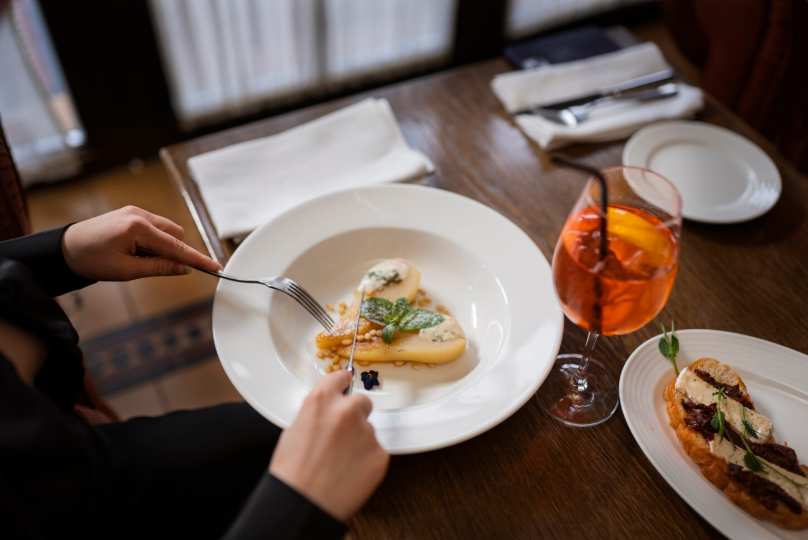
For company directors, a Michelin-star journey across Europe is more than a culinary indulgence—it’s a strategic instrument for deepening client relationships, rewarding top performers, and signaling brand values through impeccable taste and attention to detail. From Parisian temples of haute cuisine to boundary-pushing Nordic kitchens and Mediterranean terroir-driven menus, this guide shows how to curate dining experiences that are both unforgettable and operationally efficient.
Why Michelin Matters for Executive Relationship Building
Michelin stars function as a global quality shorthand that transcends language and industry. Hosting at a starred venue conveys seriousness, discernment, and respect for your guests’ time. Yet the real value is not the prestige alone: it is the orchestration—the way you match cuisine, setting, and service cadence to the business purpose at hand.
Consider the three classic objectives. For new-business courtship, a one-star or two-star dining room with a relaxed pacing can create space for conversation and rapport. For major milestones—a signed deal, a merger announcement—a celebrated three-star with a choreographed tasting menu can frame the occasion with ceremony. For team alignment, a chef’s counter or private kitchen table enables interactive storytelling that bonds participants around craft and curiosity.
Michelin’s evaluation pillars—product quality, technique, personality of the chef, value for money, and consistency—parallel what clients expect from a high-performing partner. When you expose stakeholders to a dining room where these elements are executed flawlessly, you subtly reinforce your own brand narrative: excellence, rigor, and a human touch. The key is intentionality. Choose restaurants for a reason—culinary identity aligned with your message, acoustics conducive to discussion, and service choreography that anticipates needs without intruding on flow.
Finally, remember inclusivity. The European Michelin ecosystem now spans bistros, contemporary kitchens with plant-forward tasting menus, and Bib Gourmand venues that deliver exceptional value without formality. Thoughtful accommodation of dietary preferences and cultural norms—e.g., halal, kosher-friendly options, or alcohol-free pairings—signals respect and expands the circle of participation.
Itinerary Design: From Culinary Capitals to Coastal Icons
A productive itinerary balances headline destinations with logistical sanity and narrative arc. The following regional circuit is designed for a five-to-seven-day leadership program or a set of client engagements spaced across a quarter.
- Paris & Île-de-France: Anchor the journey with modern French cuisine that foregrounds product and precision. Choose a two-star lunch for clearer calendars and lighter pricing, then a one-star bistro for dinner to encourage conversation.
- Basque Country (San Sebastián / Biarritz): Alternate between a three-star destination menu and pintxos crawls led by a local insider. This pairing keeps energy high while showcasing regional terroir from land and sea.
- Northern Italy (Milan or Lake District): Opt for Lombard kitchens with impeccable risotti, contemporary vegetable courses, and benchmark wine service. Schedule an afternoon private visit with a sommelier to refresh palates and deepen knowledge.
- Copenhagen: End with New Nordic inventiveness—fermentation, foraging, and clean design. Choose a venue where the chef’s narrative can be shared tableside to spark creative discussions about sustainability and craft.
Keep transfers under two hours whenever possible and use midday rail segments to preserve morning work blocks and evening dining. A clear through-line—craftsmanship, sustainability, or heritage—will make the journey feel curated rather than opportunistic.
Reservation Tactics, Budgets, and Private Rooms
Availability fluctuates, but directors can de-risk access with disciplined planning and flexible formats:
- Book early and stage holds: Place parallel holds three to four weeks out for different party sizes; confirm 7–10 days prior.
- Leverage lunches: Midday services are easier to secure, quieter, and often priced more attractively for multi-course menus.
- Favor private rooms for outcomes: For sensitive negotiations or product previews, reserve salons that control sound and sight lines.
- Design pairing choices: Offer wine, low-ABV, and alcohol-free pairings to align with wellness and inclusivity goals.
- Budget transparently: For Europe’s top rooms, plan €180–€420 per person for tasting menus, exclusive of pairings and room fees. Communicate caps and approvals in advance.
- Mind the cadence: Aim for 2.5–3 hours max; coordinate with the maître d’ if speeches or product demos are planned.
Tip: share guest preferences (allergies, seating, handshake/no-contact norms) 48 hours before service; it enables gracious, invisible accommodation.
Wine Programs, Etiquette Signals, and Sustainability
Europe’s best dining rooms treat wine as an educational journey. Brief your head of delegation to request a concise pairing narrative—two minutes per flight—to keep focus on conversation. If your guests span experience levels, ask the sommelier for a “split track”: benchmark classics for some, exploratory bottles for others, all within the same price frame. This respects individual curiosity without fragmenting the table.
Etiquette is strategy in disguise. Arrive five minutes early to greet guests at the door and relieve the staff from announcing names. Keep phones off the linen; if photos are welcome, designate one attendee to capture a handful of moments post-dessert. When offering a toast, thank the team—kitchen and front of house—by name if possible. These gestures build goodwill and can be the difference between a good service and a transcendent one.
Sustainability is no longer optional. Many European kitchens privilege local fisheries, regenerative farms, and reduced-waste practices. If ESG is part of your corporate narrative, ask in advance about the restaurant’s sourcing and carbon approach, and weave that into your dinner remarks. Guests appreciate knowing that luxury and stewardship can coexist—and that your company invests in both.
Turning Dining Moments into Business Momentum
Even the finest dinner is only as impactful as the follow-through. Before the meal, clarify a simple objective—relationship, insight, or decision—and tailor seating accordingly. Mix seats halfway through a longer tasting menu to create new conversational pairings without disrupting service. Provide the maître d’ with a subtle table map and timing notes so courses land smoothly around your agenda.
Afterward, send a same-day note to guests with a sincere highlight (“the langoustine course and your point on market entry stuck with me”) and a concrete next step. Within 72 hours, share a short summary and, if appropriate, a photo of the team with the chef—with permission. Archive key details (preferences, birthdays, dietary notes) in your CRM to guide future invites. In this way, a Michelin-star evening becomes a chapter in an ongoing narrative of thoughtful leadership.
Learning New Languages as an Expat: Strategies for Quick Success
If your role places you in Europe for extended periods, rapid language gains deliver outsized returns: smoother meetings, warmer hospitality, and cultural fluency at the table. Start with the high-frequency core—industry verbs, numbers, time, and polite structures—and drill them with spaced-repetition flashcards. Layer micro-immersion: switch your phone and calendar to the local language, follow local news briefs, and run daily five-minute “stand-ups” with a tutor. Build a meeting script bank for greetings, small talk, and agenda transitions; mastery of these bridges 80% of social moments. Finally, embrace polite imperfection. Use the language early, ask for corrections, and celebrate small wins. Fluency is a compounding asset—especially when shared over a remarkable meal.
Stay Connected for More Travel and Lifestyle Inspiration
For more insights into travel, culture, and lifestyle tips, follow me on Instagram @salvadorordorica. If you’re seeking professional translation and localization services to enhance your global ventures, visit The Spanish Group — your trusted partner in bridging cultures worldwide.
