
by Dulce Navarro | Jan 27, 2026 | Countries, Europe, Experiences, Landscapes, Lifestyle, Travel
Where to Travel in Europe When You’ve Already Been Everywhere
For seasoned travelers, Europe can begin to feel familiar. Paris, Rome, London, and Barcelona have been admired,
photographed, and revisited. The museums are known by heart, the neighborhoods feel navigable, and the sense of
discovery that once defined travel can feel elusive. Yet Europe remains endlessly layered. Beyond the well-trodden
capitals lies a quieter, more nuanced continent — one that rewards curiosity, patience, and a willingness to look
past the obvious.
For those who feel they have “already been everywhere,” the next chapter of European travel is not about ticking
boxes, but about depth, texture, and refinement. These destinations offer cultural richness, understated luxury,
and the pleasure of discovery without spectacle.
The Lofoten Islands, Norway
Rising dramatically from the Arctic Circle, the Lofoten Islands feel almost unreal. Sharp mountain peaks plunge
directly into icy fjords, fishing villages sit quietly on stilts above the water, and the light shifts constantly,
painting the landscape in soft blues and silvers.
This is a destination for travelers who appreciate nature as an experience rather than an activity checklist.
Stay in a restored rorbu (traditional fisherman’s cabin), explore coastal roads at a leisurely pace, and savor
local seafood prepared with restraint and precision. In winter, the Northern Lights offer a private spectacle;
in summer, the midnight sun creates endless, golden evenings.
Matera, Italy
While Italy is one of Europe’s most visited countries, Matera remains surprisingly underexplored. Known for its
ancient cave dwellings, or Sassi, Matera is one of the oldest continuously inhabited cities in the world.
Its architecture feels carved rather than constructed, blending seamlessly into the surrounding rock.
Today, the city balances history with quiet sophistication. Boutique hotels built into caves offer refined comfort,
while candlelit restaurants reinterpret southern Italian cuisine with elegance. Walking through Matera at dusk,
when the city glows softly against the stone, feels like stepping into another era.
Asturias, Spain
For travelers who know Spain well, Asturias offers a refreshing alternative to Andalusia or the Balearic Islands.
Located along Spain’s northern coast, this region combines rugged mountains, green valleys, and dramatic Atlantic
cliffs.
Asturias is defined by authenticity. Sidrerías serve local cider poured with theatrical flair, fishing villages
remain refreshingly unpolished, and hiking trails lead from forested hills to empty beaches. The cuisine is hearty
yet refined, and the pace of life encourages long meals and unhurried exploration.
The Azores, Portugal
Floating in the middle of the Atlantic, the Azores feel worlds away from mainland Europe. Volcanic lakes, thermal
pools, and lush landscapes define this archipelago, offering a sense of isolation that is increasingly rare.
São Miguel, the largest island, is an ideal starting point. Enjoy natural hot springs, tea plantations, and
crater lakes, all within short drives. Luxury here is understated — defined by space, silence, and immersion in
nature rather than excess.
Gdańsk, Poland
Gdańsk surprises even experienced European travelers. With its colorful facades, maritime history, and resilient
spirit, the city offers both beauty and substance. Rebuilt meticulously after World War II, its Old Town is a
testament to preservation and pride.
Beyond architecture, Gdańsk is culturally rich and intellectually engaging. Museums, galleries, and waterfront
promenades invite reflection, while nearby beaches and forests provide balance. It is a destination that feels
thoughtful rather than performative.
Comporta, Portugal
For those drawn to discreet luxury, Comporta has become a quiet favorite. Located south of Lisbon, this coastal
region is defined by rice fields, pine forests, and unspoiled beaches.
Architecture here is minimalist and intentional, blending into the landscape. Days are spent barefoot, moving
between beach, café, and private villa. Comporta attracts creatives and travelers who value privacy, simplicity,
and natural beauty over spectacle.
Reimagining European Travel
Traveling Europe when you have already “seen it all” requires a shift in mindset. The most rewarding destinations
are often those that do not demand attention, but earn it slowly. They reveal themselves through detail, rhythm,
and atmosphere rather than landmarks.
These places remind us that travel is not about novelty alone, but about connection — to history, landscape, and
ways of life that resist haste. Europe remains endlessly compelling for those willing to look beyond the obvious.
Conclusion
Even for the most experienced traveler, Europe still holds quiet corners waiting to be explored. By choosing
destinations that prioritize authenticity, elegance, and depth, travel becomes less about repetition and more
about renewal.
Stay Connected for More Travel and Lifestyle Inspiration.
For more insights into travel, culture, and lifestyle tips, follow me on Instagram @salvadorordorica. If you’re seeking professional translation and localization services to enhance your global ventures, visit The Spanish Group — your trusted partner in bridging cultures worldwide.
by Dulce Navarro | Jan 26, 2026 | Countries, Europe, Experiences, Landscapes, Lifestyle, Luxury, Travel
The Luxury of Silence: Europe’s Most Peaceful Destinations
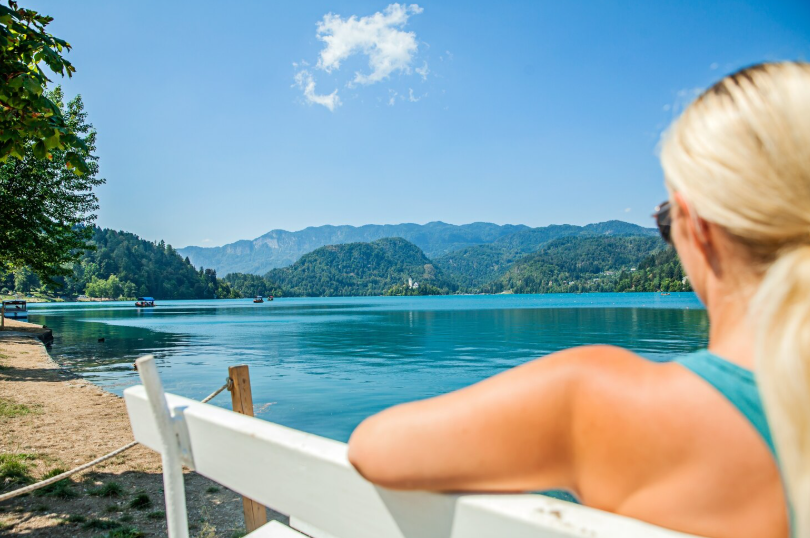
Modern life is defined by constant motion, noise, and digital interruption. As a result, silence has become one of the most coveted luxuries in contemporary travel. For discerning travelers, true refinement is no longer measured by how much one sees or does, but by the quality of space, stillness, and clarity a journey provides.
Across Europe, beyond the crowded capitals and overexposed resorts, there are destinations where tranquility is woven into daily life. These places offer not escape, but recalibration — environments that encourage reflection, meaningful connection, and a deeper appreciation of culture and landscape.
The Swiss Engadin Valley: Precision, Nature, and Quiet Excellence
The Engadin Valley in eastern Switzerland exemplifies silence shaped by order and nature. High-altitude lakes, pine forests, and expansive alpine skies create an atmosphere of calm that feels intentional rather than remote.
Luxury in the Engadin is expressed through discretion and balance. Historic grand hotels coexist with minimalist wellness retreats, offering refined service without intrusion. Days unfold through gentle walks, thermal baths, and uninterrupted views, allowing travelers to slow their internal rhythm.
This region appeals to those who value precision, wellness, and intellectual quiet.
Alentejo, Portugal: Where Space Creates Stillness
Alentejo remains one of Europe’s least populated regions, defined by vast plains, cork oak forests, and whitewashed villages set against endless horizons. The sense of space alone creates silence — a rare luxury in itself.
Accommodations are often restored estates and understated rural retreats that prioritize authenticity over spectacle. Meals are unhurried, rooted in local tradition, and conversations stretch easily into the evening. In Alentejo, silence becomes a natural companion to daily life.
This destination rewards travelers seeking emotional calm and cultural depth.
Lapland, Finland: Silence as a Way of Life
In Finnish Lapland, silence is not a novelty but a cultural value. Vast snow-covered landscapes, forests, and frozen lakes absorb sound, creating a profound sense of stillness.
Luxury here is experiential and elemental. Glass-roofed lodges, private saunas, and guided nature experiences allow guests to observe rather than consume the environment. Whether under the midnight sun or the northern lights, the quiet feels expansive and grounding.
Lapland appeals to travelers seeking clarity, introspection, and a connection to nature at its purest.
The Cyclades Beyond Mykonos: Greece in Its Quietest Form
While some Greek islands are synonymous with nightlife and crowds, others remain dedicated to simplicity and calm. Islands such as Folegandros, Amorgos, and Serifos offer a slower, more contemplative version of Mediterranean life.
Here, luxury is defined by light, air, and restraint. Whitewashed architecture, modest boutique hotels, and long seaside meals shape days that feel unstructured yet deeply satisfying. The absence of noise allows the landscape and culture to take center stage.
These islands attract travelers who appreciate beauty without excess.
The French Jura: An Undiscovered Sanctuary
Nestled between Burgundy and Switzerland, the Jura Mountains remain largely untouched by mass tourism. Forests, lakes, and vineyards create a serene environment shaped by tradition and self-sufficiency.
The region’s luxury lies in its authenticity. Small inns, refined countryside hotels, and a culinary culture centered on craftsmanship foster a sense of belonging rather than display. Silence here is gentle, punctuated only by nature and conversation.
Jura is ideal for travelers who value discretion and discovery.
Why Silence Has Become the Ultimate Expression of Luxury
In an age of overstimulation, silence offers something increasingly rare: mental space. Peaceful destinations allow travelers to engage more fully with their surroundings, their companions, and themselves.
Luxury is no longer about abundance, but about intention — choosing environments that support well-being, clarity, and meaningful experience. Europe’s most tranquil destinations embody this evolution.
Conclusion
The luxury of silence is not an absence of life, but a return to what matters. Europe’s most peaceful destinations offer an opportunity to travel with awareness, depth, and grace.
For those willing to slow down, silence becomes not only restorative, but transformative.
Stay Connected for More Travel and Lifestyle Inspiration.
For more insights into travel, culture, and lifestyle tips, follow me on Instagram @salvadorordorica. If you’re seeking professional translation and localization services to enhance your global ventures, visit The Spanish Group — your trusted partner in bridging cultures worldwide.
by Dulce Navarro | Jan 26, 2026 | Europe, Experiences, Landscapes, Lifestyle, Travel
Traveling Europe Well: A Guide to Taste, Timing, and Tranquility
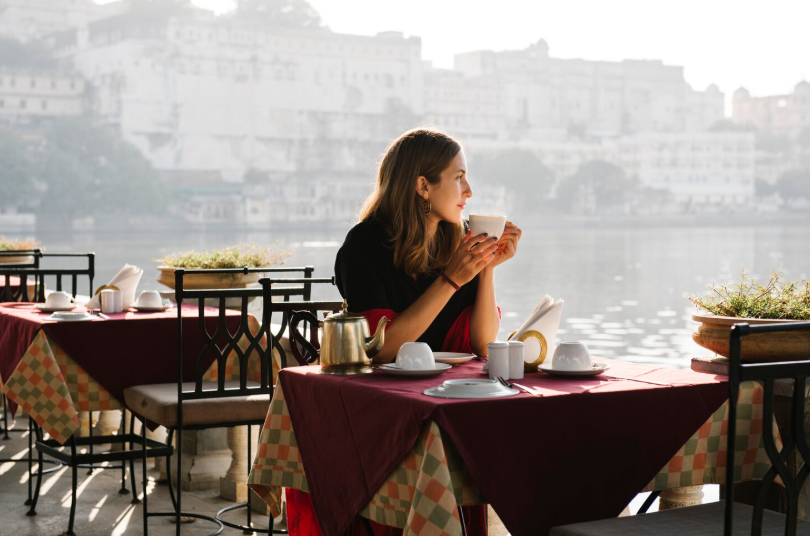
Europe has long been synonymous with culture, history, and refinement. Yet traveling Europe well — truly well — requires more than simply moving between iconic cities or checking landmarks off a list. For the modern, discerning traveler, the greatest rewards come from thoughtful planning, cultural sensitivity, and an appreciation for timing and pace.
Traveling with taste, timing, and tranquility allows Europe to unfold in a more meaningful way. It transforms travel from consumption into experience, offering deeper connections to place, people, and tradition.
Taste: Cultivating Cultural and Culinary Awareness
Taste in European travel extends far beyond fine dining, though cuisine certainly plays a central role. True taste is reflected in how one engages with local customs, supports regional craftsmanship, and seeks authenticity over spectacle.
Europe’s culinary traditions are deeply regional. From northern Italy’s emphasis on simplicity and seasonal ingredients to Spain’s social dining culture and France’s reverence for technique, food offers insight into local values and history. Dining well often means eating where locals do, respecting meal times, and understanding that quality often outweighs novelty.
Cultural taste also means dressing appropriately, learning basic language courtesies, and approaching traditions with humility and curiosity. These small gestures foster genuine interactions and open doors to richer experiences.
Timing: When You Travel Matters as Much as Where
One of the most overlooked elements of successful European travel is timing. Europe’s most celebrated destinations change dramatically depending on the season, the day of the week, and even the time of day.
Shoulder seasons — late spring and early autumn — often provide the ideal balance of favorable weather, cultural vibrancy, and reduced crowds. Cities like Paris, Rome, and Barcelona reveal a calmer, more livable side outside peak summer months, while countryside regions come alive with harvests, festivals, and local traditions.
Timing also applies on a micro level. Visiting museums early in the morning, dining later in the evening, and planning quieter afternoons can dramatically enhance the travel experience. Allowing time for spontaneity rather than overscheduling creates space for discovery.
Tranquility: Redefining Luxury Through Pace
In a world increasingly driven by speed and efficiency, tranquility has become one of the most valuable forms of luxury. Traveling Europe well means resisting the urge to see everything and instead allowing places to be experienced fully.
Tranquility can be found in smaller cities, rural regions, and neighborhoods away from tourist centers. Staying longer in one place, choosing accommodations that emphasize comfort and character, and prioritizing well-being over constant movement all contribute to a more rewarding journey.
Whether it is a slow morning in a Viennese café, a countryside walk in Provence, or an unhurried afternoon along the Amalfi Coast, these moments often become the most memorable.
Choosing Destinations with Intention
Europe’s diversity allows travelers to tailor experiences to their personal interests. Art lovers may gravitate toward Florence or Vienna, while nature enthusiasts may prefer the Alps, the Scottish Highlands, or the coastlines of Portugal and Croatia.
Traveling well involves selecting destinations that align with one’s values and travel goals. It also means recognizing that lesser-known regions often provide more authentic, less crowded experiences without compromising on quality or comfort.
Intentional travel encourages curiosity and respect — qualities that deepen cultural understanding and elevate the overall experience.
The Role of Preparation and Communication
Preparation is essential to traveling Europe well. Understanding cultural norms, transportation systems, and local expectations helps avoid unnecessary stress and fosters smoother interactions.
Effective communication — whether through language skills, professional translation services, or cultural awareness — enhances both business and leisure travel. It allows travelers to navigate unfamiliar environments confidently and respectfully, particularly in multilingual settings.
In an increasingly interconnected world, cultural fluency is no longer optional; it is a hallmark of sophisticated global engagement.
Travel as a Reflection of Values
How we travel often reflects what we value. Traveling Europe well prioritizes sustainability, respect for local communities, and meaningful experiences over excess and haste.
This approach not only enriches the traveler but also contributes positively to the destinations visited. By supporting local businesses, honoring traditions, and traveling mindfully, one participates in a more responsible and rewarding form of tourism.
Conclusion
Traveling Europe well is not about doing more — it is about doing better. By focusing on taste, timing, and tranquility, travelers unlock a deeper, more elegant experience of the continent.
Europe offers endless possibilities, but its true beauty reveals itself to those willing to slow down, observe, and engage with intention.
Stay Connected for More Travel and Lifestyle Inspiration.
For more insights into travel, culture, and lifestyle tips, follow me on Instagram @salvadorordorica. If you’re seeking professional translation and localization services to enhance your global ventures, visit The Spanish Group — your trusted partner in bridging cultures worldwide.

by Dulce Navarro | Jan 21, 2026 | Europe, Experiences, Landscapes, Lifestyle, Luxury, Travel
Europe’s Most Tasteful Luxury Destinations You Rarely See Online
In an era where luxury travel is increasingly defined by social media algorithms, many of Europe’s most refined destinations remain quietly untouched by online hype. These are places where elegance is expressed through discretion rather than spectacle—where impeccable service, architectural heritage, and a deep sense of place matter more than visibility. For discerning travelers, these destinations offer something far more valuable than popularity: authenticity, privacy, and timeless sophistication.
Europe still rewards those who look beyond trending lists and viral itineraries. From understated coastal enclaves to cultural capitals that whisper rather than shout, the continent’s most tasteful luxury experiences are often the least advertised. What follows is a curated exploration of Europe’s refined destinations that rarely dominate online feeds—yet consistently deliver the highest caliber of travel.
Comporta, Portugal: Effortless Elegance on the Atlantic
Just south of Lisbon, Comporta has quietly become a sanctuary for those seeking natural beauty paired with discreet luxury. Unlike flashier Mediterranean counterparts, Comporta’s appeal lies in its restraint. Vast rice fields, unspoiled beaches, and minimalist architecture define the landscape, while boutique hotels and private villas blend seamlessly into their surroundings.
Dining is rooted in local ingredients and simple excellence—fresh seafood, regional wines, and barefoot sophistication. Luxury here is not announced; it is felt. Comporta attracts artists, designers, and seasoned travelers who value calm, space, and an unpretentious yet elevated way of life.
Gstaad, Switzerland: Alpine Luxury Without Excess
Gstaad has long been synonymous with refined alpine living, yet it remains surprisingly absent from mainstream luxury travel narratives. This Swiss village balances tradition with modern comfort, offering world-class hospitality without compromising its authentic character.
Grand chalets, private ski access, and understated five-star service define the experience. Gstaad’s social scene is discreet, its luxury measured rather than ostentatious. Whether visiting for winter sports or summer mountain retreats, travelers are drawn by its commitment to privacy, excellence, and enduring style.
Paros, Greece: The Sophisticated Side of the Cyclades
While Mykonos and Santorini dominate headlines, Paros offers a more refined Cycladic experience. Whitewashed villages, quiet beaches, and elegant boutique properties create an atmosphere of relaxed luxury that feels genuine rather than performative.
Paros appeals to travelers who appreciate craftsmanship, thoughtful design, and local culture. Days unfold slowly—long lunches by the sea, sailing between neighboring islands, and evenings defined by soft light and unhurried conversation. It is luxury that prioritizes rhythm and authenticity.
San Sebastián, Spain: Culinary Excellence Meets Coastal Grace
Nestled in Spain’s Basque Country, San Sebastián remains one of Europe’s most sophisticated yet understated destinations. Known globally among culinary circles, it boasts one of the highest concentrations of Michelin-starred restaurants per capita—yet the city itself retains a graceful, approachable charm.
Belle Époque architecture, refined seaside promenades, and a deep respect for gastronomy define the experience. Luxury in San Sebastián is intellectual and sensory rather than flashy, attracting travelers who value culture, food, and refined urban living.
Lucca, Italy: Tuscan Refinement Beyond the Crowds
While Florence and Siena draw the majority of attention, Lucca offers a quieter, more cultivated version of Tuscan life. Encircled by Renaissance walls, the city unfolds at a human pace, with tree-lined streets, historic villas, and a strong sense of continuity.
Boutique hotels housed in restored palazzos, private wine tastings in nearby vineyards, and evenings spent cycling atop ancient walls define Lucca’s understated appeal. This is a destination for travelers who prefer depth over spectacle and elegance over excess.
Deauville, France: Classic Coastal Sophistication
Often overshadowed by the French Riviera, Deauville has long been a retreat for Parisian elites seeking refined seaside elegance. Located in Normandy, the town is known for its grand hotels, striped beach umbrellas, thoroughbred racing culture, and understated glamour.
Deauville’s luxury is rooted in heritage and discretion. From historic boardwalks to refined dining and cultural festivals, the destination maintains a timeless allure that appeals to travelers who value tradition, privacy, and impeccable taste.
Why These Destinations Matter
What unites these places is not exclusivity for its own sake, but a shared commitment to quality, culture, and authenticity. In an age of overexposure, true luxury increasingly lies in what remains unbroadcasted. These destinations reward curiosity, discernment, and a desire to experience Europe at its most refined.
For company directors, entrepreneurs, and global citizens, travel is not merely leisure—it is perspective. These destinations offer environments conducive to reflection, creativity, and meaningful connection, far removed from the noise of trends.
Conclusion
Europe’s most tasteful luxury destinations are not defined by visibility but by substance. They thrive quietly, offering exceptional experiences to those willing to look beyond the obvious. Whether coastal, alpine, or cultural, these places represent a more enduring vision of luxury—one grounded in heritage, discretion, and a deep respect for place.
Choosing where to go is ultimately a reflection of how one chooses to live: thoughtfully, intentionally, and with an appreciation for what truly endures.
Stay Connected for More Travel and Lifestyle Inspiration. For more insights into travel, culture, and lifestyle tips, follow me on Instagram
@salvadorordorica. If you’re seeking professional translation and localization services to enhance your global ventures, visit The Spanish Group — your trusted partner in bridging cultures worldwide.

by Dulce Navarro | Jan 14, 2026 | Countries, Europe, Experiences, Landscapes, Lifestyle, Luxury, Nature, Travel
The New French Riviera: Refined Coastal Escapes Without the Crowds
The French Riviera has long represented glamour, elegance, and Mediterranean allure. From Cannes to Saint-Tropez, its coastline has been immortalized through cinema, art, and high society. Yet as global travel evolves, so too does the definition of luxury. Today’s discerning travelers seek privacy, authenticity, and refinement without spectacle. In response, a quieter, more sophisticated Riviera has emerged — one defined by understated destinations that preserve beauty while avoiding the crowds.
This new French Riviera is not a departure from tradition, but a return to its essence. It favors discreet coastal towns, intimate harbors, and experiences shaped by culture rather than visibility. For travelers who value calm, quality, and discretion, these refined escapes offer a new way to experience the Mediterranean.
Redefining Riviera Luxury
Luxury on the modern Riviera is no longer measured by exclusivity through access alone, but by the ability to disconnect while remaining immersed in elegance. Refined travelers are increasingly drawn to destinations that allow for genuine experiences — places where life unfolds naturally, unhurried by mass tourism.
These destinations attract artists, entrepreneurs, and seasoned travelers who value subtlety over display. They offer high standards of hospitality without excess, emphasizing space, privacy, and a strong sense of place.
Cap d’Ail: Elegance on the Edge of Monaco
Situated just west of Monaco, Cap d’Ail offers Riviera sophistication without the intensity of its famous neighbor. Belle Époque villas cling to the cliffs, overlooking turquoise waters and secluded coves. The coastal path, Sentier du Littoral, provides breathtaking views while remaining largely untouched by crowds.
Cap d’Ail appeals to travelers who appreciate proximity to Monaco’s conveniences while preferring discretion, tranquility, and architectural charm.
Beaulieu-sur-Mer: Timeless and Understated
Beaulieu-sur-Mer embodies a Riviera that feels preserved rather than reinvented. Its palm-lined promenade, small marina, and historic residences reflect a bygone era of refined travel. The town moves at a gentler pace, attracting visitors who value routine, familiarity, and calm.
Here, luxury is expressed through continuity — mornings at quiet cafés, afternoons by the sea, and evenings defined by intimate dining rather than nightlife.
Èze-sur-Mer: Coastal Beauty Without the Crowds
While the hilltop village of Èze is widely known, Èze-sur-Mer remains remarkably discreet. Nestled between Nice and Monaco, it offers direct access to the sea alongside a sense of privacy often absent from the region’s more publicized beaches.
Small hotels, private residences, and uncrowded shorelines make it an ideal base for travelers seeking Riviera beauty without constant activity.
Saint-Aygulf: Nature Meets the Mediterranean
Located near the mouth of the Argens River, Saint-Aygulf offers a different Riviera experience — one rooted in nature. Its protected lagoons, expansive beaches, and walking paths provide space and serenity rarely associated with the Côte d’Azur.
This destination appeals to travelers who appreciate balance: proximity to the sea, access to nature, and distance from high-traffic resorts.
Discreet Dining and Local Gastronomy
Along this quieter Riviera, dining becomes a personal experience rather than a performance. Family-run restaurants, local markets, and chef-owned establishments emphasize seasonal ingredients and regional tradition. Reservations are often recommended by locals rather than publicity.
These dining experiences favor consistency and intimacy, offering travelers a deeper connection to Provençal and Mediterranean cuisine.
Where to Stay: Boutique Over Branded
Accommodation plays a defining role in refined travel. The new Riviera favors boutique hotels, restored villas, and small-scale properties that prioritize privacy and personal service. Many are quietly luxurious, known more for their atmosphere than their marketing.
These spaces foster a sense of belonging, allowing guests to experience the Riviera as residents rather than visitors.
A Riviera for the Discerning Traveler
The new French Riviera is not about avoiding the region’s legacy, but about experiencing it differently. It invites travelers to slow down, observe, and engage with places that retain their integrity. For those who value discretion, elegance, and authenticity, these coastal escapes represent the future of Riviera travel.
In choosing refinement over recognition, travelers discover a Riviera that feels both timeless and personal.
Stay Connected for More Travel and Lifestyle Inspiration
For more insights into travel, culture, and lifestyle tips, follow me on Instagram @salvadorordorica. If you’re seeking professional translation and localization services to enhance your global ventures, visit The Spanish Group — your trusted partner in bridging cultures worldwide.

by Dulce Navarro | Jan 8, 2026 | Countries, Europe, Experiences, Landscapes, Lifestyle, Luxury, Nature, Travel
Exclusive Multi-Country Chauffeur Routes Through Europe’s Scenic Regions
In an age where luxury travel is increasingly defined by personalization, privacy, and immersive experiences, multi-country chauffeur journeys through Europe have emerged as one of the most refined ways to explore the continent. Far removed from rigid itineraries and crowded transport hubs, chauffeur-driven routes offer travelers the freedom to move seamlessly across borders while enjoying Europe’s most breathtaking landscapes at an unhurried pace.
For executives, families, and culturally curious travelers, these bespoke journeys transform travel time into an experience of comfort, discretion, and discovery. From vineyard-lined valleys to dramatic alpine passes, Europe’s scenic regions unfold effortlessly when explored from the back seat of a luxury vehicle.
The Rise of Chauffeur-Driven Luxury Travel
Chauffeur travel has long been associated with prestige and convenience, but in recent years it has evolved into a highly curated form of experiential tourism. Travelers are no longer seeking simple point-to-point transfers; they are looking for meaningful journeys that connect multiple destinations while maintaining consistency in service, comfort, and quality.
Multi-country chauffeur routes allow guests to avoid the inefficiencies of short-haul flights and train transfers, replacing them with a seamless door-to-door experience. With a professional driver handling logistics, borders, and timing, travelers are free to focus entirely on the journey itself.
The Alpine Corridor: France, Switzerland, and Italy
One of Europe’s most iconic chauffeur routes runs through the heart of the Alps, connecting France, Switzerland, and Italy. Beginning in Geneva or Milan, travelers can journey through Mont Blanc, Lake Geneva, and the Swiss Alps, enjoying panoramic mountain views and pristine alpine villages.
Stops often include Chamonix, Zermatt, and St. Moritz, where luxury hotels, Michelin-starred dining, and world-class wellness retreats await. This route is particularly popular among travelers seeking natural beauty combined with refined hospitality and effortless border crossings.
The Romance Route: Italy, France, and Monaco
For those drawn to elegance and coastal glamour, a chauffeur journey through Italy, southern France, and Monaco offers an unforgettable experience. Beginning in Florence or Milan, the route winds through Tuscany’s rolling hills before continuing along the Italian Riviera and into the French Côte d’Azur.
Travelers can explore destinations such as Portofino, Nice, Cannes, and Monte Carlo, enjoying seaside views, historic towns, and iconic luxury destinations. Chauffeur travel allows for spontaneous stops at vineyards, coastal viewpoints, and cultural landmarks that traditional itineraries often miss.
The Grand Central Europe Route: Austria, Germany, and the Czech Republic
Central Europe offers a rich blend of imperial history, architecture, and scenic countryside. A multi-country chauffeur route through Austria, Germany, and the Czech Republic connects cities such as Vienna, Salzburg, Munich, and Prague with ease.
Along the way, travelers experience baroque palaces, alpine lakes, and medieval towns. This route is ideal for culture-focused travelers who appreciate history, classical music, and refined urban experiences paired with picturesque rural landscapes.
The Iberian Experience: Spain and Portugal
The Iberian Peninsula provides a striking contrast of landscapes, from Spain’s dramatic mountain ranges to Portugal’s sun-drenched coastline. Chauffeur routes often begin in Madrid or Barcelona and continue through Andalusia before crossing into Portugal.
Stops may include Seville, Granada, Lisbon, and Porto, with opportunities to explore UNESCO World Heritage sites, renowned culinary regions, and historic wine estates. The flexibility of chauffeur travel allows guests to experience both major cities and hidden rural gems at their own pace.
What Defines an Exceptional Chauffeur Journey?
An exclusive chauffeur experience is defined by more than just luxury vehicles. Professional drivers with deep regional knowledge, multilingual capabilities, and cultural awareness play a critical role in elevating the journey.
Vehicles are typically high-end sedans, SUVs, or executive vans equipped with premium interiors, climate control, and onboard amenities. Routes are meticulously planned but remain flexible, allowing adjustments based on weather, personal interests, or spontaneous discoveries.
Privacy, Comfort, and Time Efficiency
One of the greatest advantages of chauffeur-driven travel is privacy. Unlike public transport or group tours, chauffeur journeys offer a controlled, discreet environment ideal for high-profile individuals and business travelers.
Time efficiency is equally important. Chauffeur services optimize routes, manage border crossings, and coordinate hotel arrivals, ensuring that each day unfolds smoothly. This level of precision is particularly valuable when traveling across multiple countries in a limited timeframe.
Sustainable and Thoughtful Travel
While luxury and sustainability are often seen as opposing concepts, modern chauffeur services increasingly incorporate eco-conscious practices. Many fleets now include hybrid or electric vehicles, and routes are designed to reduce unnecessary mileage while maximizing experiential value.
By traveling overland rather than relying on multiple short flights, chauffeur journeys offer a more environmentally responsible way to explore Europe without sacrificing comfort or sophistication.
Conclusion: Europe, Experienced Without Boundaries
Exclusive multi-country chauffeur routes redefine what it means to travel through Europe. By combining personalized service, scenic immersion, and seamless logistics, these journeys allow travelers to experience the continent without boundaries or interruptions.
For those who value comfort, discretion, and cultural depth, chauffeur-driven travel offers a timeless and elegant approach to discovering Europe — where the road itself becomes an integral part of the destination.
Stay Connected for More Travel and Lifestyle Inspiration.
For more insights into travel, culture, and lifestyle tips, follow me on @salvadorordorica. If you’re seeking professional translation and localization services to enhance your global ventures, visit The Spanish Group — your trusted partner in bridging cultures worldwide.
