
by Dulce Navarro | Feb 23, 2026 | Europe, Experiences, Lifestyle, Luxury, Travel
A Discreet Guide to Europe’s Most Beautiful Regions
Europe’s beauty is often celebrated through iconic landmarks and well-known capitals, yet its true luxury lies in regions that reward discretion, curiosity, and cultural sensitivity. For discerning travelers and global executives alike, the most meaningful experiences are often found beyond the predictable routes. These destinations offer privacy, heritage, refinement, and authenticity — qualities that align with a sophisticated lifestyle and an appreciation for culture.
This guide highlights some of Europe’s most beautiful regions, not simply for their visual splendor, but for the depth of experience they offer to those who seek elegance without spectacle.
Lake Como, Italy – Timeless Elegance Framed by Nature
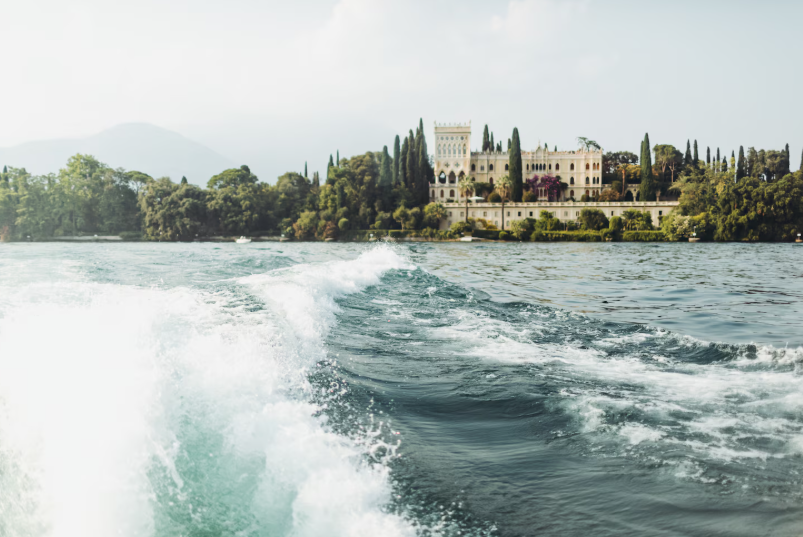
Nestled in Northern Italy at the foothills of the Alps, Lake Como has long attracted artists, diplomats, and global leaders seeking tranquility and understated luxury. Unlike more crowded Mediterranean destinations, Lake Como offers refinement without excess.
The region’s neoclassical villas, manicured gardens, and dramatic alpine backdrop create an atmosphere of quiet grandeur. Towns such as Bellagio, Varenna, and Tremezzo maintain historic charm while offering world-class hospitality.
Beyond the aesthetic appeal, Lake Como represents a balance between nature and cultivated living. Private boat excursions, discreet five-star accommodations, and intimate lakeside dining provide an environment suited for reflection and strategic thinking. It is a region where privacy is respected and beauty unfolds gradually.
Provence, France – Light, Landscape, and Legacy
Provence is often romanticized, yet its true luxury lies in its rhythm. Rolling lavender fields, olive groves, and limestone villages define the landscape, but it is the region’s cultural depth that makes it exceptional.
From Aix-en-Provence’s classical architecture to the vineyards of Châteauneuf-du-Pape, Provence offers a refined immersion into French heritage. The Mediterranean light that inspired Cézanne and Van Gogh continues to define the region’s atmosphere — soft, deliberate, and evocative.
For those who value discretion, Provence offers secluded estates, private wine tastings, and curated culinary experiences. It is a destination where conversations linger over long lunches and business ideas develop organically amid historic surroundings.
The Swiss Alps – Precision Meets Natural Majesty
The Swiss Alps are synonymous with pristine landscapes and disciplined elegance. While destinations like Zermatt and St. Moritz are well known, the broader alpine region offers expansive valleys, glacial lakes, and architectural harmony.
Switzerland’s reputation for precision extends to its hospitality. Whether in a boutique chalet or a luxury alpine resort, service is thoughtful and unobtrusive. The region’s infrastructure ensures seamless travel, while its scenery provides unmatched serenity.
For leaders balancing demanding schedules, the Swiss Alps offer restoration. Hiking in summer, skiing in winter, and spa retreats year-round make this region a sanctuary of physical and mental recalibration.
Andalusia, Spain – Cultural Grandeur and Architectural Mastery
Southern Spain’s Andalusia region embodies centuries of layered history. Moorish palaces, whitewashed villages, and flamenco traditions reflect a confluence of cultures that shaped Europe’s southern frontier.
Granada’s Alhambra, Seville’s cathedral, and Córdoba’s Mezquita represent architectural achievements of global significance. Yet beyond these landmarks, Andalusia offers discreet countryside estates, private equestrian experiences, and culinary excellence rooted in regional identity.
Andalusia’s warmth is both climatic and cultural. The region encourages engagement — with history, with artistry, and with community — while maintaining opportunities for privacy and exclusivity.
The Scottish Highlands – Remote Beauty and Heritage
The Highlands of Scotland present a different kind of European luxury: remoteness. Sweeping moors, mist-covered mountains, and centuries-old castles create an environment of introspection and authenticity.
This is a region for those who value space — both literal and intellectual. Private lodges, heritage estates, and curated whisky tastings offer immersive experiences grounded in tradition.
The Highlands encourage a slower pace. Strategic planning, creative reflection, and meaningful dialogue often thrive in environments removed from urban distraction.
The Dalmatian Coast, Croatia – Adriatic Refinement
Croatia’s Dalmatian Coast has evolved into one of Europe’s most compelling coastal regions. With its crystalline Adriatic waters, historic stone towns, and yacht-friendly harbors, it offers Mediterranean beauty without overwhelming density.
Dubrovnik’s fortified walls, Split’s Roman heritage, and the islands of Hvar and Korčula provide a diverse yet cohesive cultural landscape. Boutique hotels and private villas allow for exclusivity while maintaining access to vibrant local traditions.
The Dalmatian Coast is particularly appealing for those seeking a blend of leisure and cultural enrichment, where history is preserved and modern hospitality is thoughtfully integrated.
Salzburg and the Austrian Lakes – Classical Harmony
Austria’s Salzkammergut region, including Salzburg and its surrounding lakes, is characterized by pastoral beauty and musical heritage. Alpine peaks mirror themselves in glass-like waters, while Baroque architecture anchors the region in historical continuity.
Salzburg’s connection to Mozart underscores a broader cultural narrative rooted in artistic excellence. The region’s understated luxury lies in lakeside retreats, private concerts, and culinary traditions that reflect Central European refinement.
For executives and cultural enthusiasts alike, this region offers a harmonious balance between intellectual stimulation and natural calm.
The Douro Valley, Portugal – Terraced Tranquility
Portugal’s Douro Valley is one of Europe’s oldest demarcated wine regions and a UNESCO World Heritage landscape. Terraced vineyards cascade along the Douro River, creating a visual tapestry that changes with the seasons.
Private wine estates, river cruises, and boutique accommodations offer intimate access to Portugal’s winemaking heritage. The Douro’s understated elegance appeals to those who value authenticity over spectacle.
It is a region defined by craftsmanship, patience, and respect for tradition — qualities that resonate deeply in both travel and leadership.
Travel with Intention and Discretion
In today’s hyperconnected world, true luxury is often synonymous with privacy, authenticity, and cultural depth. Europe’s most beautiful regions are not defined solely by Instagram-worthy vistas, but by the experiences they cultivate.
For business leaders, entrepreneurs, and global citizens, these destinations offer more than leisure. They provide perspective. Strategic clarity often emerges when one steps into environments shaped by history, artistry, and disciplined craftsmanship.
Discreet travel is not about exclusivity for its own sake; it is about intention. Choosing regions that value heritage, sustainability, and cultural continuity allows travelers to engage meaningfully while preserving the integrity of the places they visit.
Conclusion
Europe’s beauty extends far beyond its famous capitals. From the serene waters of Lake Como to the terraced vineyards of the Douro Valley, the continent’s most refined regions offer depth, discretion, and enduring inspiration. For those who travel with purpose, these landscapes provide both restoration and insight — qualities essential for thoughtful leadership and global engagement.
Stay Connected for More Travel and Lifestyle Inspiration. For more insights into travel, culture, and lifestyle tips, follow me on Instagram @salvadorordorica. If you’re seeking professional translation and localization services to enhance your global ventures, visit The Spanish Group — your trusted partner in bridging cultures worldwide.
by Dulce Navarro | Feb 23, 2026 | Europe, Experiences, Landscapes, Lifestyle, Luxury, Nature, Travel
Italy’s Most Authentic Luxury Landscapes
Italy has long been synonymous with luxury — from couture fashion houses to Michelin-starred cuisine. Yet the country’s most profound expression of luxury lies not in material indulgence, but in landscape. True Italian luxury is experienced through slow mornings overlooking vineyard-covered hills, private boat rides across crystalline lakes, and golden sunsets illuminating centuries-old coastal villages. It is understated, deeply rooted in culture, and inseparable from nature.
In a world that increasingly equates luxury with excess, Italy reminds us that authenticity, heritage, and place are the ultimate markers of refinement. Below are some of Italy’s most authentic luxury landscapes — destinations where natural beauty and cultural legacy converge in unforgettable ways.
Tuscany: Timeless Elegance in Rolling Hills
No region captures the poetic essence of Italy quite like Tuscany. The gentle curves of the Val d’Orcia, lined with cypress trees and medieval villages, create a setting that feels almost cinematic. Here, luxury is found in restored 15th-century villas, organic vineyards producing Brunello di Montalcino, and private tastings hosted by multi-generational winemakers.
Staying in a countryside estate near Siena or Florence offers a rare blend of privacy and immersion. Guests wake to panoramic views of olive groves, dine on seasonal truffle dishes, and explore UNESCO-protected towns rich in Renaissance art and architecture. Tuscany’s luxury is not performative; it is cultivated through centuries of craftsmanship and reverence for land.
Lake Como: Alpine Grandeur Meets Refined Sophistication
Framed by the Italian Alps, Lake Como is one of Europe’s most breathtaking bodies of water. Its dramatic mountains descend into deep blue waters, while neoclassical villas dot the shoreline. For centuries, aristocrats and global tastemakers have been drawn to its serene beauty.
The most authentic experience here lies beyond celebrity allure — in private boat excursions at sunrise, garden tours through historic villas, and leisurely afternoons in lakeside towns such as Bellagio and Varenna. The atmosphere is tranquil yet refined, where tailored service and natural splendor coexist seamlessly.
The Amalfi Coast: Dramatic Beauty Along the Mediterranean
Carved into rugged cliffs overlooking the Tyrrhenian Sea, the Amalfi Coast represents Mediterranean luxury at its most iconic. Pastel-colored villages cascade down dramatic hillsides, lemon groves perfume the air, and the sea glistens under the southern sun.
Authentic luxury here means chartering a traditional wooden boat to explore hidden coves, dining al fresco in family-owned trattorias, and retreating to boutique hotels carved into cliff faces. Towns such as Ravello and Positano offer a refined yet relaxed ambiance, where music festivals, artisan ceramics, and generational hospitality create a deeply personal experience.
The Dolomites: Elevated Serenity in Northern Italy
For those who equate luxury with tranquility and space, the Dolomites offer an extraordinary alternative to Italy’s coastal glamour. These jagged limestone peaks, part of a UNESCO World Heritage site, provide year-round natural spectacle — from snow-dusted winter landscapes to vibrant alpine meadows in summer.
Luxury in the Dolomites is defined by wellness retreats, architectural mountain lodges, and world-class culinary experiences that blend Italian and Austrian influences. Guests may begin the day hiking scenic trails, unwind in panoramic spas, and conclude with tasting menus prepared by award-winning chefs. It is an environment where sophistication meets untouched wilderness.
Puglia: Southern Charm and Understated Exclusivity
In recent years, Puglia has emerged as a discreet haven for travelers seeking authenticity without crowds. Located in Italy’s southern “heel,” the region offers pristine beaches, ancient olive trees, and whitewashed villages that radiate simplicity and elegance.
Luxury in Puglia is found in meticulously restored masserie — fortified farmhouses transformed into boutique retreats. These properties emphasize farm-to-table dining, local wines, and handcrafted design. The rhythm of life is slower, encouraging visitors to reconnect with landscape and tradition.
Sardinia: Untouched Waters and Refined Seclusion
Sardinia’s Costa Smeralda may be internationally recognized for its yachts and glamorous summer scene, but the island’s true luxury extends beyond its ports. Turquoise waters rival those of the Caribbean, while inland villages preserve ancient traditions and artisanal crafts.
Authentic luxury here involves private access to secluded beaches, bespoke sailing itineraries, and curated culinary journeys centered on local seafood and Cannonau wine. Sardinia offers a balance of exclusivity and heritage, appealing to travelers who value privacy as much as beauty.
Umbria: Italy’s Quiet Masterpiece
Often overshadowed by its Tuscan neighbor, Umbria remains one of Italy’s most authentic landscapes. Rolling hills, medieval hilltop towns, and sacred pilgrimage routes define this region. Assisi and Perugia embody spiritual and artistic depth, while countryside estates provide intimate accommodations.
Luxury in Umbria feels deeply personal — private olive oil tastings, truffle hunting with local experts, and candlelit dinners in stone farmhouses. It is ideal for discerning travelers seeking understated refinement away from high-profile destinations.
The Italian Riviera: Coastal Heritage and Timeless Glamour
Stretching along the Ligurian coast, the Italian Riviera blends pastel harbors with lush hillsides and crystalline waters. Portofino and the Cinque Terre reflect maritime heritage and architectural charm. The landscape invites leisurely exploration by foot or boat.
Here, authentic luxury lies in boutique hotels overlooking the sea, guided culinary tours highlighting Ligurian pesto and fresh seafood, and sunset cruises through quiet coves. The Riviera maintains a balance between sophistication and tradition, offering elegance without excess.
The Philosophy of Authentic Italian Luxury
What unites these diverse landscapes is a shared philosophy: luxury rooted in authenticity. Italy’s most compelling destinations do not rely solely on opulence; they emphasize heritage, craftsmanship, and a profound respect for place. From vineyard estates to alpine lodges, the finest experiences prioritize sustainability, cultural preservation, and meaningful connection.
For company directors, entrepreneurs, and global travelers, these destinations offer more than leisure. They provide perspective — an opportunity to slow down, reconnect with nature, and appreciate excellence shaped by history. In Italy, luxury is not hurried. It is savored.
Conclusion
Italy’s most authentic luxury landscapes remind us that refinement is inseparable from culture and environment. Whether overlooking Tuscan hills, sailing along the Amalfi Coast, or hiking through the Dolomites, the experience is both sensory and soulful. It is the kind of luxury that endures long after departure — grounded in memory, craftsmanship, and place.
Stay Connected for More Travel and Lifestyle Inspiration. For more insights into travel, culture, and lifestyle tips, follow me on Instagram @salvadorordorica. If you’re seeking professional translation and localization services to enhance your global ventures, visit The Spanish Group — your trusted partner in bridging cultures worldwide.

by Dulce Navarro | Feb 20, 2026 | Europe, Experiences, Lifestyle, Luxury, Travel
Traveling Europe Without Rushing the Experience
Modern travel often rewards speed. Multi-city itineraries, tightly scheduled tours, and social media checklists encourage visitors to see more in less time. Yet Europe, with its centuries of layered history and deeply rooted cultural traditions, is not a continent that reveals itself fully at high velocity. For discerning travelers and global professionals, the most meaningful journeys are those approached with patience and intention.
Traveling Europe without rushing the experience is not about seeing less — it is about seeing better. It is about trading quantity for depth, observation for immersion, and movement for mindfulness.
The Case for Slow Travel
Slow travel is not a trend; it is a philosophy. It prioritizes extended stays, fewer destinations, and a willingness to engage with daily rhythms. In Europe, where towns and cities often evolved over centuries, nuance matters. Architecture reflects political change, cuisine reflects geography, and language reflects identity. These subtleties require time to appreciate.
By staying longer in one destination, travelers begin to notice patterns — how markets operate in the morning, how neighborhoods shift from day to evening, how locals interact in cafés and public squares. This awareness transforms travel from observation into participation.
Choosing Depth Over Density
A common mistake among first-time visitors is attempting to visit multiple countries within a single week. While efficient transportation makes this feasible, it often results in fatigue and superficial engagement. Instead, consider selecting one region and exploring it thoroughly.
For example, rather than dividing time between Paris, Rome, and Barcelona, one might focus solely on Tuscany or Provence. Within a single region, travelers can visit smaller towns, meet artisans, and develop a sense of continuity that is impossible to achieve through rapid transit.
Embracing Local Rhythms
Europe operates at varied paces depending on the region. Southern destinations often observe extended midday breaks, while northern cities maintain structured schedules. Respecting these rhythms enhances the travel experience.
In Spain, for instance, late dinners and evening strolls are integral to social life. In Austria, coffeehouse culture encourages long conversations and reflection. By aligning with local customs rather than imposing external expectations, travelers gain insight into cultural priorities and values.
Staying in Thoughtfully Chosen Accommodations
Accommodation plays a significant role in shaping experience. Boutique hotels, restored historic residences, and family-run inns often provide more meaningful engagement than large, anonymous chains. Hosts can offer recommendations rooted in personal knowledge, directing guests to hidden courtyards, independent galleries, or neighborhood restaurants rarely listed in guidebooks.
Such environments foster connection and authenticity. The setting becomes part of the narrative rather than a neutral backdrop.
Prioritizing Meaningful Experiences
Rushed travel tends to emphasize landmarks. Slower travel prioritizes context. Instead of standing briefly before a famous painting, consider arranging a guided tour that explores the historical and artistic significance behind it. Rather than photographing a cathedral exterior, spend time understanding its architectural evolution and symbolic elements.
Cooking classes, vineyard visits, literary tours, and artisan workshops provide experiential insight. These interactions encourage dialogue and cultural exchange, deepening understanding far beyond surface impressions.
The Role of Transportation
Europe’s rail network supports unhurried exploration. Trains connect cities and countryside efficiently while allowing travelers to observe changing landscapes. Traveling by rail rather than air reduces logistical stress and environmental impact, reinforcing the philosophy of intentional movement.
Scenic routes — whether through the Swiss Alps or along the Italian coast — become experiences in themselves. Time spent in transit can be reflective rather than hurried.
Allowing for Unscripted Moments
Some of the most memorable travel experiences occur spontaneously: a conversation with a shopkeeper, a local festival discovered unexpectedly, or an invitation to explore a lesser-known neighborhood. Overscheduling eliminates these possibilities.
Building flexibility into an itinerary creates space for serendipity. A free afternoon may lead to discovering a small museum or a quiet park that becomes the highlight of the trip.
Travel as Professional Enrichment
For executives and entrepreneurs, slow travel offers professional benefits as well. Immersion in different cultural environments enhances adaptability, empathy, and strategic thinking. Observing how European regions balance tradition with innovation can inspire new perspectives in business leadership.
Time spent in reflection — whether during a countryside walk or over a thoughtfully prepared meal — encourages clarity. In an increasingly fast-paced global economy, intentional pauses can foster more effective decision-making.
Managing Expectations
Traveling without rushing requires adjusting expectations. It means accepting that not every landmark will be visited and that some experiences are better savored than documented. It involves prioritizing presence over performance.
Technology can support this approach. Limiting screen time and social media engagement allows travelers to engage more fully with their surroundings. Photography remains valuable, but it should complement rather than replace lived experience.
Environmental and Cultural Responsibility
Slow travel also aligns with sustainability. Extended stays reduce frequent transit emissions and support local economies more meaningfully. Choosing independent businesses and participating in cultural traditions respectfully fosters positive impact.
Europe’s heritage sites and historic districts depend on responsible tourism. Visitors who approach travel thoughtfully contribute to preservation rather than strain.
Conclusion
Traveling Europe without rushing the experience transforms a trip into a journey of depth and discovery. By prioritizing fewer destinations, embracing local rhythms, and engaging meaningfully with culture, travelers cultivate memories grounded in understanding rather than accumulation.
Europe rewards patience. Its villages, cities, and landscapes reveal their richness gradually — through conversation, craftsmanship, cuisine, and quiet observation. In choosing to slow down, travelers not only enhance their personal experiences but also gain perspectives that resonate long after returning home.
Stay Connected for More Travel and Lifestyle Inspiration. For more insights into travel, culture, and lifestyle tips, follow me on Instagram @salvadorordorica. If you’re seeking professional translation and localization services to enhance your global ventures, visit The Spanish Group — your trusted partner in bridging cultures worldwide.

by Dulce Navarro | Feb 20, 2026 | Europe, Experiences, Lifestyle, Luxury, Travel
Europe’s Most Elegant Alternatives to Overt Luxury
Luxury in Europe has long been associated with grand palaces, couture labels, and five-star excess. Yet for a growing number of global travelers and executives, true refinement is no longer defined by spectacle. Instead, it is measured by discretion, craftsmanship, cultural depth, and intentional design. The most meaningful experiences are often found not in overt displays of wealth, but in destinations that embody quiet confidence and enduring quality.
Europe offers a wealth of such alternatives — places where elegance is subtle, service is intuitive, and beauty unfolds gradually. For discerning travelers who value authenticity over extravagance, these destinations provide a sophisticated approach to travel that resonates long after departure.
Ljubljana, Slovenia: Sustainable Sophistication
Often overlooked in favor of larger European capitals, Ljubljana presents a masterclass in understated charm. The Slovenian capital combines pedestrian-friendly design, Art Nouveau architecture, and a strong commitment to sustainability. Its compact size fosters intimacy, while its cultural institutions reflect a vibrant intellectual life.
Boutique hotels emphasize local materials and thoughtful service rather than opulence. Farm-to-table restaurants highlight regional produce and innovative chefs. Ljubljana proves that elegance can coexist with environmental responsibility — a modern interpretation of luxury rooted in care.
Turin, Italy: Aristocratic Restraint
While Milan and Rome attract global attention, Turin remains one of Italy’s most refined yet understated cities. Once the seat of the House of Savoy, its wide boulevards and baroque palaces reflect aristocratic heritage without theatricality.
Turin’s café culture, historic libraries, and world-class museums create an atmosphere of intellectual sophistication. Culinary traditions — from artisanal chocolate to structured Piedmontese wines — embody discipline and heritage. The city appeals to travelers who appreciate history presented with composure rather than spectacle.
San Sebastián, Spain: Gastronomy as Art
San Sebastián demonstrates that culinary excellence can surpass material excess. Located in Spain’s Basque region, this coastal city has one of the highest concentrations of Michelin-starred restaurants per capita in the world. Yet the experience remains intimate and rooted in community.
Beyond haute cuisine, the tradition of pintxos encourages exploration and conversation. Dining becomes a cultural ritual rather than a performance. San Sebastián offers a refined alternative to flashy resort destinations — where depth of flavor and culinary innovation define the experience.
Annecy, France: Alpine Grace
Annecy’s canals and lakeside setting evoke romance, yet the town maintains a composed and measured elegance. The surrounding Alps provide natural grandeur, while the historic center offers boutique accommodations and artisan shops.
Rather than extravagant resorts, visitors find carefully restored inns and refined restaurants focused on seasonal ingredients. Annecy appeals to travelers who seek serenity and natural beauty framed by thoughtful hospitality.
Bruges, Belgium: Timeless Craftsmanship
Bruges is often described as a medieval jewel, but its enduring appeal lies in preservation and precision. Cobblestone streets, Flemish architecture, and quiet canals create a setting that feels curated rather than commercialized.
Artisans continue traditions in lace-making and chocolate production, emphasizing detail and heritage. Boutique hotels occupy historic townhouses restored with respect for original design. Bruges offers a contemplative experience — one that celebrates craftsmanship over conspicuous display.
Lucerne, Switzerland: Precision and Peace
Switzerland is frequently associated with financial stability and alpine luxury, yet Lucerne represents a more nuanced interpretation. Set beside a pristine lake and framed by mountains, the city blends natural beauty with architectural harmony.
Hospitality here prioritizes efficiency and discretion. Cultural offerings — from classical concerts to museums — are thoughtfully curated. Lucerne’s elegance is rooted in precision, mirroring the Swiss ethos of reliability and quality.
Porto, Portugal: Heritage with Humility
Porto combines historic character with creative renewal. Its tiled façades, riverside promenades, and centuries-old wine cellars reflect a layered identity shaped by trade and tradition.
Luxury accommodations often occupy renovated historic buildings, preserving architectural authenticity. Culinary experiences emphasize regional wines and seafood prepared with care. Porto’s appeal lies in its humility — a city that honors its past while embracing modern refinement.
Edinburgh, Scotland: Literary Refinement
Edinburgh’s dramatic skyline and Enlightenment heritage position it as a city of ideas. Rather than extravagant glamour, it offers intellectual depth and architectural coherence.
Private literary tours, intimate whisky tastings, and boutique stays within Georgian townhouses create a sense of cultivated privacy. Edinburgh demonstrates that elegance can emerge from scholarship and storytelling rather than material display.
The Philosophy of Quiet Luxury
Across these destinations, a common philosophy emerges: authenticity defines modern sophistication. Quiet luxury values quality materials, personalized service, and cultural immersion over logos and excess. It prioritizes sustainability, community engagement, and craftsmanship.
For global professionals, these experiences resonate deeply. Exposure to diverse cultural frameworks enhances empathy and creativity. Observing how European regions preserve heritage while innovating responsibly provides valuable insights into leadership and long-term thinking.
Traveling with Intention
Choosing elegant alternatives to overt luxury requires intention. It means selecting destinations that align with personal values — authenticity, sustainability, and cultural engagement. It involves slowing down, engaging with local traditions, and appreciating subtle details.
Whether attending a chamber music concert in Lucerne, exploring artisan workshops in Bruges, or savoring pintxos in San Sebastián, travelers cultivate experiences grounded in meaning rather than magnitude.
Conclusion
Europe’s most elegant alternatives to overt luxury remind us that refinement is rarely loud. It is expressed in thoughtful design, culinary mastery, preserved architecture, and attentive hospitality. These destinations offer a sophisticated approach to travel — one defined by depth, discretion, and enduring value.
In an era where spectacle often dominates, choosing subtle elegance reflects discernment. It signals an appreciation for heritage, quality, and intentional living. Europe continues to lead in this quiet revolution, offering travelers experiences that elevate perspective and enrich understanding.
Stay Connected for More Travel and Lifestyle Inspiration. For more insights into travel, culture, and lifestyle tips, follow me on Instagram @salvadorordorica. If you’re seeking professional translation and localization services to enhance your global ventures, visit The Spanish Group — your trusted partner in bridging cultures worldwide.

by Dulce Navarro | Feb 19, 2026 | Europe, Experiences, Lifestyle, Luxury, Travel
France’s Refined Getaways for Discerning Guests
France has long been synonymous with sophistication. From gastronomy and fashion to art and architecture, the country represents a global benchmark for refinement. Yet beyond the iconic landmarks and celebrated boulevards lies a collection of destinations that cater to travelers seeking depth, discretion, and cultural richness rather than spectacle.
For discerning guests — those who value craftsmanship, heritage, and thoughtful service — France offers retreats that balance elegance with authenticity. These destinations are not about excess; they are about precision, atmosphere, and meaningful experiences that endure long after departure.
Provence: Understated Luxury in the South
Provence embodies quiet elegance. Rolling vineyards, olive groves, and stone villages create a landscape that feels both cultivated and timeless. The region’s charm lies not in grandiosity, but in balance — carefully restored bastides, family-run wineries, and open-air markets that reflect centuries of tradition.
Discerning travelers appreciate Provence for its measured pace. Mornings might begin with a private tour of a vineyard, followed by a long lunch centered on seasonal ingredients. Afternoons invite exploration of Roman ruins or small galleries tucked into hilltop towns. The luxury here is experiential: attentive hospitality, authentic cuisine, and a connection to place that feels deeply rooted.
Bordeaux: Heritage and Innovation in Harmony
Bordeaux represents refinement through discipline. Its neoclassical architecture and meticulously organized vineyards reflect a commitment to excellence that spans generations. While the region is globally recognized for wine production, its cultural sophistication extends far beyond the glass.
Private tastings with vintners, visits to contemporary art installations, and architectural tours of the city center reveal a dialogue between history and innovation. Bordeaux appeals to travelers who appreciate structured elegance — where tradition is respected, yet continuously refined.
Annecy: Alpine Serenity with Cultural Depth
Nestled between lake and mountains, Annecy offers tranquility shaped by natural beauty. Its canals and pastel façades create an atmosphere reminiscent of a storybook, yet the town’s true allure lies in its composure.
Discerning guests value Annecy for its understated sophistication. Boutique hotels prioritize personalized service over scale. Outdoor experiences — from guided alpine hikes to lakeside dining — emphasize quality and calm. The region’s proximity to Switzerland further enhances its cross-cultural character, blending French art de vivre with alpine precision.
Normandy: History with Dignity
Normandy provides a reflective escape grounded in history and natural grandeur. The region’s coastline, pastoral countryside, and Gothic cathedrals evoke both resilience and reverence.
For thoughtful travelers, Normandy offers opportunities for meaningful engagement: guided visits to historic sites, exploration of Impressionist heritage in towns like Honfleur, and culinary experiences centered on regional cheeses and cider. The appeal lies in authenticity and depth — a destination that invites contemplation rather than performance.
The Loire Valley: Architectural Poetry
The Loire Valley is often described as the “Garden of France,” and with reason. Its châteaux, manicured gardens, and meandering riverbanks present a landscape of cultivated beauty. Yet beyond the visual splendor lies an enduring commitment to preservation and artistry.
Private tours of historic estates reveal architectural precision and interior craftsmanship that reflect centuries of French design philosophy. Wine estates in the region further showcase agricultural mastery. For discerning guests, the Loire Valley offers immersion into a living narrative of refinement and continuity.
Biarritz: Coastal Sophistication
On France’s southwestern coast, Biarritz blends oceanic drama with polished elegance. Historically favored by European aristocracy, the town retains a sense of exclusivity without ostentation.
Visitors can enjoy refined seaside hotels, Basque culinary traditions, and a relaxed yet cultured social scene. Surf culture coexists seamlessly with haute cuisine, illustrating France’s ability to balance tradition with modernity. Biarritz appeals to travelers who value privacy, quality, and a sense of cultivated ease.
Alsace: A Fusion of Cultures
Alsace offers a distinctive blend of French and German influences, reflected in its architecture, cuisine, and wine. Half-timbered houses line cobblestone streets, while vineyards stretch across gentle hills.
Discerning guests are drawn to Alsace for its layered identity. Michelin-recognized restaurants reinterpret regional classics, and boutique hotels occupy historic buildings restored with care. The region exemplifies cultural nuance — a reminder that refinement often emerges from dialogue between traditions.
Paris Beyond the Obvious
No discussion of refined French getaways would be complete without acknowledging Paris — yet not the Paris of hurried sightseeing. Instead, consider a slower approach: private museum tours before opening hours, curated gallery visits in Saint-Germain, and intimate dinners in discreet Michelin-starred establishments.
Paris rewards those who seek depth over density. Its literary cafés, independent bookshops, and ateliers reveal a city constantly reinventing itself while honoring its past. For the discerning traveler, Paris is not a checklist but a study in atmosphere and cultural continuity.
The Essence of French Refinement
What unites these destinations is not extravagance, but intention. French hospitality is rooted in attentiveness — an understanding that detail shapes experience. Whether in a countryside inn or a grand château, service is calibrated to feel personal rather than performative.
Cuisine remains central to this refinement. Seasonal ingredients, regional specialties, and thoughtful presentation transform meals into expressions of heritage. Similarly, architecture and design reflect a commitment to proportion, craftsmanship, and harmony.
Why Discerning Travel Matters
In today’s global landscape, meaningful travel enhances perspective. For business leaders and professionals, exposure to diverse cultural frameworks fosters adaptability and empathy. France’s refined destinations offer more than relaxation; they provide insight into systems of quality, preservation, and innovation.
Traveling thoughtfully encourages patience and observation — qualities that translate directly into leadership and strategic decision-making. By choosing depth over distraction, discerning guests cultivate experiences that inform both personal growth and professional excellence.
Conclusion
France’s refined getaways remind us that true luxury lies in subtlety. From the vineyards of Bordeaux to the shores of Biarritz, the country offers destinations where elegance is lived rather than displayed. These retreats invite travelers to slow down, engage deeply, and appreciate the enduring value of craftsmanship and culture.
For those who seek more than surface impressions, France delivers experiences defined by balance, history, and grace. It is a nation that understands refinement not as excess, but as care — a philosophy that continues to resonate across generations.
Stay Connected for More Travel and Lifestyle Inspiration. For more insights into travel, culture, and lifestyle tips, follow me on Instagram @salvadorordorica. If you’re seeking professional translation and localization services to enhance your global ventures, visit The Spanish Group — your trusted partner in bridging cultures worldwide.

by Dulce Navarro | Feb 19, 2026 | Europe, Experiences, Lifestyle, Luxury, Travel
Italy for Those Who Appreciate Detail Over Drama
Italy has long captivated the world with its grand monuments, cinematic coastlines, and operatic energy. Yet beyond the spectacle lies a quieter, more refined experience — one that rewards those who notice craftsmanship, nuance, and continuity. For discerning travelers and global professionals, Italy offers something deeper than postcard moments. It offers mastery in detail.
This is a country where excellence is not loud. It is embedded in tailoring, architecture, cuisine, conversation, and the subtle art of living well. For those who value precision over performance and substance over show, Italy reveals itself slowly — and memorably.
Milan: Precision as a Way of Life
Milan is often misunderstood as purely industrial or fashion-driven. In truth, it represents disciplined elegance. The city operates with intention — from its architectural restoration projects to its meticulous retail design.
In the Quadrilatero della Moda, craftsmanship is not trend-based; it is generational. Italian tailoring houses still emphasize cut, fabric weight, and hand-finishing techniques that reflect decades of refinement. The same ethos applies to furniture design and product engineering. Brands emerging from Milan rarely rely on excess. Instead, they prioritize proportion, material integrity, and longevity.
For business leaders, Milan offers a case study in how precision and restraint build enduring global influence.
Florence: The Power of Craft
Florence is frequently celebrated for its Renaissance masterpieces, yet its deeper appeal lies in continuity. Workshops across the city still produce marbled paper, leather goods, gold leaf frames, and bespoke shoes using centuries-old techniques.
What makes Florence remarkable is not just its artistic past, but its preservation of process. Attention to detail is considered an ethical obligation. Artisans understand that small imperfections define authenticity, while care defines excellence.
Travelers who step inside these studios witness a philosophy rarely visible in fast-paced economies: mastery takes time, and detail is a responsibility.
Lake Como: Elegance Without Excess
Lake Como has become synonymous with luxury, yet its most refined quality is serenity. The villas that line its shores are architectural studies in balance — restrained facades, symmetrical gardens, carefully curated interiors.
Here, design supports atmosphere rather than competes with it. The interplay of water, mountain, and stone creates a setting where minimalism feels natural. Visitors quickly learn that true Italian luxury is not flamboyant. It is quiet confidence expressed through proportion and placement.
Time spent on Lake Como encourages observation: the way light shifts across the water, the symmetry of cypress trees, the sound of distant church bells. It is a masterclass in how environment shapes mindset.
Bologna: Culinary Detail as Cultural Identity
Italy’s cuisine is often dramatized abroad, but in Bologna, food is treated as scholarship. The city’s culinary culture is rooted in precision — exact folding techniques for tortellini, careful aging of Parmigiano-Reggiano, strict standards for traditional ragù.
In Bologna, recipes are not improvisations. They are inherited frameworks refined over generations. The emphasis on ingredient sourcing and preparation reflects a broader Italian principle: quality emerges from respect for detail.
For professionals accustomed to metrics and performance standards, Bologna’s culinary discipline feels familiar — excellence is achieved through consistency, not spectacle.
Turin: Understated Sophistication
Turin embodies intellectual refinement. Often overshadowed by Rome or Venice, it offers grand boulevards, neoclassical architecture, and a deep association with literature and philosophy.
The city’s historic cafés once hosted thinkers and political leaders, fostering dialogue that shaped modern Italy. Even today, Turin maintains a composed, almost introspective atmosphere. Its museums and galleries are thoughtfully curated rather than theatrically staged.
For those who appreciate discretion, Turin represents Italy at its most contemplative.
Venice Beyond the Postcard
Venice is frequently reduced to gondolas and carnival masks, yet its true magic lies in its craftsmanship and engineering. The city’s survival depends on careful maintenance, architectural restoration, and intricate glassmaking traditions on Murano.
When explored thoughtfully — early in the morning or during quieter seasons — Venice reveals a study in resilience. Its palazzos display subtle color variations, weathered stone details, and layered histories that reward patient observation.
To understand Venice is to appreciate how preservation requires vigilance and precision.
Rome: The Architecture of Continuity
Rome is dramatic by nature, yet its enduring influence stems from structural genius. The Pantheon’s dome, Roman aqueducts, and urban grid systems reflect engineering brilliance rooted in mathematical precision.
Modern Rome continues this dialogue between antiquity and contemporary life. Restoration projects balance authenticity with innovation. Each stone tells a story of endurance — not spectacle.
For thoughtful travelers, Rome becomes less about crowds and more about systems: how civilizations design for longevity.
The Italian Philosophy of Detail
Across regions, a consistent thread emerges: Italy values process. Whether tailoring a jacket, preparing espresso, restoring a fresco, or designing a hotel suite, attention to detail is treated as non-negotiable.
This philosophy extends beyond aesthetics. It influences conversation, hospitality, and even daily rituals. Meals are unhurried. Greetings are deliberate. Spaces are curated rather than cluttered. Italy teaches that refinement is cumulative — built from countless small decisions made well.
Lessons for Global Professionals
For executives and entrepreneurs, Italy offers more than cultural enrichment. It provides a framework for leadership rooted in craftsmanship and intentionality. Detail-oriented thinking improves product development, client relationships, and brand longevity.
In business, as in Italian design, the smallest overlooked element can compromise the whole. Conversely, careful refinement builds trust and distinction.
Traveling through Italy with a focus on nuance rather than noise encourages mindfulness — a valuable asset in complex global environments.
Traveling Slowly, Seeing Clearly
To appreciate Italy fully, one must resist the urge to compress it into highlights. Choose fewer destinations and stay longer. Visit local markets. Observe how shopkeepers arrange displays. Notice the stitching on leather goods. Listen to the rhythm of conversation.
Italy rewards curiosity and patience. It invites travelers to exchange urgency for awareness.
Conclusion
Italy for those who appreciate detail over drama is not about avoiding its iconic landmarks; it is about seeing beyond them. It is about understanding the craftsmanship behind the cathedral, the engineering behind the fountain, the heritage behind the recipe.
In a world increasingly defined by speed and spectacle, Italy stands as a reminder that true excellence lies in precision, restraint, and care. For thoughtful travelers, it offers more than beauty — it offers perspective.
Stay Connected for More Travel and Lifestyle Inspiration. For more insights into travel, culture, and lifestyle tips, follow me on Instagram @salvadorordorica. If you’re seeking professional translation and localization services to enhance your global ventures, visit The Spanish Group — your trusted partner in bridging cultures worldwide.
