
by Dulce Navarro | Jun 26, 2025 | Company, Consumer, Lifestyle, Traditions, Travel, Work
Exploring France’s Lesser-Known Wine Trails
France is synonymous with wine, and while regions like Bordeaux, Champagne, and Burgundy often steal the spotlight, the country is rich with hidden gems waiting to be explored. For wine enthusiasts and curious travelers alike, France’s lesser-known wine trails offer a deeper, more intimate glimpse into its viticultural heritage. These off-the-beaten-path destinations provide not only exceptional wines but also a genuine taste of local culture, history, and tradition.
1. Jura: The Hidden Jewel of Eastern France
Nestled between Burgundy and Switzerland, the Jura region is known for its distinct wine styles, including the famous Vin Jaune (yellow wine) and Vin de Paille (straw wine). With its chalky limestone soils and alpine breezes, Jura produces unique varietals such as Savagnin and Trousseau. Visitors can follow the Route des Vins du Jura, stopping at small, family-run wineries and medieval villages like Arbois and Château-Chalon.
Jura’s rustic charm and quiet countryside make it a perfect escape from the crowded wine routes of France. Wine cellars are often located beneath centuries-old stone houses, giving tastings an authentic and historic atmosphere.
2. Alsace’s Northern Trail: Beyond the Touristy South
While southern Alsace towns like Colmar and Riquewihr attract crowds, the northern section remains a hidden delight. The lesser-known villages of Wissembourg, Cleebourg, and Andlau are home to rolling vineyards, half-timbered houses, and world-class Rieslings and Gewürztraminers.
The Alsace Wine Route (Route des Vins d’Alsace) winds its way through these sleepy hamlets, offering a more tranquil and authentic experience. You’ll find organic producers, biodynamic vineyards, and local winemakers eager to share their family’s legacy.
3. Gaillac: A Southwestern Secret
One of France’s oldest wine regions, Gaillac in the Tarn department predates even Bordeaux in winemaking history. Despite this, it remains under the radar for most tourists. Gaillac’s winemakers produce a diverse range of styles, including sparkling wines, sweet whites, and robust reds using rare local grapes like Mauzac and Braucol.
In addition to its wines, Gaillac offers a picturesque landscape of sunflower fields, Romanesque abbeys, and charming villages like Cordes-sur-Ciel. Many estates are open to visitors and offer personalized tours and tastings.
4. Savoie: Alpine Wines with a View
Savoie, located near the French Alps, is better known for skiing than winemaking—but that’s part of its charm. Vineyards here cling to steep mountainsides and produce fresh, crisp whites from grapes like Jacquère and Roussette. The wines are ideal for pairing with local alpine dishes such as raclette or tartiflette.
The region’s dramatic landscapes and proximity to natural parks like Chartreuse and Vanoise make it an ideal destination for combining wine tourism with outdoor adventure. Many producers offer guided hikes followed by tastings at the vineyard.
5. The Loir Valley: Loire’s Quiet Cousin
Not to be confused with the more famous Loire Valley, the Loir Valley (with no “e”) is a hidden treasure in northwestern France. This peaceful region boasts a cooler climate and is home to elegant reds and sparkling wines made from Pineau d’Aunis and Chenin Blanc.
The Coteaux du Loir wine trail takes visitors through scenic routes filled with vineyards, châteaux, and caves carved into limestone cliffs. With fewer tourists, you’ll enjoy a relaxed pace and more meaningful interactions with passionate local vintners.
6. Bellet: Nice’s Seaside Wine Secret
High above the city of Nice lies Bellet, one of France’s smallest and most unique AOCs (Appellation d’Origine Contrôlée). Its proximity to the Mediterranean gives the wines a distinctive minerality, and its use of rare grapes like Braquet and Folle Noire sets it apart.
Bellet is perfect for travelers who want to enjoy both the Riviera lifestyle and a wine-tasting experience. Vineyards offer panoramic views of the sea and mountains, and many welcome visitors by appointment for intimate tours and tastings.
Learning New Languages as an Expat: Strategies for Quick Success
As you explore France’s wine regions, especially the lesser-known ones, speaking even basic French can significantly enhance your experience. Locals appreciate the effort, and it often leads to warmer welcomes and deeper connections.
Here are a few quick strategies to help you learn faster:
- Start with practical vocabulary—ordering wine, greeting people, asking for directions.
- Use apps like Duolingo, Babbel, or Memrise daily for short practice sessions.
- Listen to local radio or watch French shows with subtitles to improve comprehension.
- Join language exchange meetups or speak with locals during your travels.
- Don’t aim for perfection—focus on being understood and improving with use.
Immersing yourself in the culture and using the language in context will accelerate your fluency and deepen your overall experience abroad.
Stay Connected for More Travel and Lifestyle Inspiration.
For more insights into travel, culture, and lifestyle tips, follow me on @salvadorordorica. If you’re seeking professional translation and localization services to enhance your global ventures, visit: The Spanish Group — your trusted partner in bridging cultures worldwide.

by Dulce Navarro | Jun 26, 2025 | Countries, Culture, Europe, Lifestyle, Traditions, Travel
Cultural Adaptation Guide for Expats in Europe
Moving to Europe as an expat offers exciting opportunities—but it also comes with its fair share of challenges. Navigating cultural nuances, establishing a new routine, and integrating into unfamiliar social norms can be overwhelming without the right guidance. This comprehensive guide will walk you through everything you need to know to adapt smoothly to European life, wherever your journey takes you.
1. Understanding the Diversity of European Cultures
Europe is not a monolith. Every country—and often, every region—has its own unique traditions, languages, and social expectations. Northern countries like Sweden and Denmark tend to value punctuality and privacy, while Southern nations such as Italy or Spain are known for their warmth and relaxed pace of life.
As an expat, research your destination in depth. Understanding a culture’s values—whether it’s Germany’s efficiency, France’s appreciation for formality, or Portugal’s love for community—will help you better anticipate and respect local norms.
2. Mastering Social Etiquette and Daily Norms
Small cultural missteps can lead to misunderstandings. Greeting customs vary widely: in France, cheek kissing may be common among friends, while in the UK, a handshake often suffices. Learn how to properly greet people, express gratitude, and behave in public spaces.
Also be aware of meal customs, tipping etiquette, and general personal space boundaries. In some countries, arriving late to a dinner invitation might be acceptable, while in others it’s frowned upon. A little cultural sensitivity goes a long way.
3. Navigating Bureaucracy and Paperwork
Administrative procedures in Europe can be notoriously complex. Be prepared for paperwork-heavy processes when applying for visas, registering with local authorities, or securing housing.
To make this transition smoother, work with a relocation consultant or expat advisor when possible. Understanding local laws, taxation, and insurance requirements is crucial—especially if you plan to work, start a business, or purchase property.
4. Building a Local Network
Isolation is one of the most common challenges expats face. Forming meaningful relationships is essential to adapting culturally and emotionally. Start by joining expat groups, local clubs, or international meetups. Many European cities have vibrant communities of foreigners who share similar experiences.
Learning the local language—even at a basic level—can significantly boost your ability to connect with locals and participate in the community. Don’t be afraid to make mistakes; the effort is almost always appreciated.
5. Embracing Local Lifestyle and Traditions
True cultural adaptation requires more than just surface-level interaction. Attend cultural festivals, sample regional cuisine, and take part in national holidays. These moments allow you to understand the soul of a country and experience it from the inside out.
Whether it’s celebrating Bastille Day in France, enjoying aperitivo in Italy, or dancing in Spain’s local fiestas, being present and involved helps foster a genuine sense of belonging.
6. Handling Culture Shock and Emotional Transitions
Even the most well-prepared expats experience culture shock. This can manifest as frustration, homesickness, or even resentment toward local customs. It’s important to acknowledge these feelings and know that they’re part of the adaptation process.
Maintain a healthy routine, stay active, and create a comfortable living environment that blends familiarity with your new surroundings. Journaling or speaking to a counselor who specializes in expat transitions can also be incredibly helpful.
7. Family and Education Considerations
If you’re relocating with family, research schooling options early. Europe offers a range of public, private, and international schools. Understanding the academic system, curriculum, and language of instruction will help ensure a smoother transition for your children.
Involving your spouse and children in cultural activities is also key. When every family member feels engaged and included, cultural adaptation becomes a shared journey rather than a solo burden.
8. Financial and Career Adjustments
Cost of living, salary expectations, and work culture vary dramatically across Europe. Understanding your host country’s labor laws, average wages, and social benefits can help you negotiate better and plan financially.
Some countries encourage freelance work or offer residency to digital nomads. If you’re employed by a European company, learn the unwritten rules of workplace hierarchy, communication, and punctuality to integrate more seamlessly.
Learning New Languages as an Expat: Strategies for Quick Success
Language is one of the most powerful tools for integration. Start with essential phrases and practical vocabulary that you’ll use daily—shopping, transportation, greetings, and small talk. Apps like Duolingo, Babbel, or language exchange platforms can jumpstart your learning.
Consider enrolling in in-person language classes, which also double as opportunities for social interaction. Set realistic goals: aim for functional fluency first, then work toward deeper comprehension. Most importantly, stay consistent and don’t be discouraged by mistakes. Persistence is key.
Watching local TV shows, reading children’s books in the local language, and speaking with native speakers all accelerate learning. Embrace the awkwardness—it’s a sign you’re growing.
Stay Connected for More Travel and Lifestyle Inspiration.
For more insights into travel, culture, and lifestyle tips, follow me on @salvadorordorica. If you’re seeking professional translation and localization services to enhance your global ventures, visit The Spanish Group — your trusted partner in bridging cultures worldwide.

by Dulce Navarro | Jun 25, 2025 | Countries, Culture, Europe, Lifestyle, Residency, Work
Remote Work from Spain: Setting Up for Long-Term Success
As remote work continues to redefine global employment, Spain has emerged as a top destination for professionals seeking balance, culture, and lifestyle. With its reliable infrastructure, mild climate, and relaxed pace of life, Spain offers remote workers a unique opportunity for long-term success. However, thriving in a remote setup here requires more than just a laptop and a plane ticket—it demands planning, adaptability, and cultural awareness.
Understanding Visa Requirements and Legal Status
For non-EU citizens, Spain’s Digital Nomad Visa provides a legal framework for living and working remotely from the country. Launched in 2023, this visa allows foreign professionals to live in Spain while working for non-Spanish companies. Applicants must show proof of consistent income, valid health insurance, and a clean criminal record. EU citizens can move and work more freely but still need to register locally if they stay beyond 90 days.
Picking the Right Region
Spain’s regions vary dramatically in lifestyle, language, and cost. While Barcelona and Madrid attract those who thrive in international hubs with co-working scenes, cities like Valencia, Málaga, and Seville offer a quieter pace with equally good internet infrastructure. Coastal towns and rural villages are gaining attention due to government initiatives aimed at repopulating lesser-known areas with remote workers.
Internet and Workspace Essentials
Reliable internet is key to successful remote work. In Spain, most urban and suburban areas are connected to fiber-optic broadband. If you’re renting, always confirm internet speed and reliability in advance. Many choose to work from home, but coworking spaces—especially in larger cities—offer excellent alternatives with fast connections, meeting rooms, and networking opportunities.
Balancing Time Zones and Company Culture
Working for a company based in North America, Asia, or other parts of Europe requires adjustment. Spain is in the CET/CEST time zone, which can result in early mornings or late nights depending on your team’s location. Use tools like shared calendars, clear communication protocols, and productivity apps to stay aligned. Embrace asynchronous workflows and make expectations crystal clear.
Financial and Tax Planning
Spain’s tax system can be complex. If you spend more than 183 days in the country, you may be considered a tax resident. In that case, you must declare your global income and pay taxes accordingly. Spain has tax treaties to avoid double taxation with many countries. Also, inquire about the “Beckham Law,” which offers reduced tax rates for some foreign professionals. Consulting a Spanish accountant is strongly recommended.
Cost of Living and Budgeting
Compared to other Western European countries, Spain’s cost of living is generally affordable. Rent varies significantly—central Madrid or Barcelona may be expensive, while small towns and mid-sized cities offer great value. Public transportation is reliable and budget-friendly. Dining out, fresh produce, and cultural activities are relatively inexpensive, allowing remote workers to enjoy a high quality of life without overspending.
Healthcare and Insurance
Spain boasts one of the best public healthcare systems in Europe. For long-term remote workers, obtaining private health insurance is often a visa requirement, at least initially. Once you’re a resident and properly registered, you may gain access to public healthcare. Private insurance is also widely available, with comprehensive plans at competitive rates.
Building a Support Network
Remote work can feel isolating without a solid community. Fortunately, Spain’s warm culture makes it easier to form personal and professional connections. Attend local meetups, coworking events, or expat gatherings. Consider joining Facebook or Meetup groups for digital nomads or industry-specific professionals. The more you engage locally, the more fulfilling your experience will be.
Adapting to the Spanish Lifestyle
Understanding and respecting Spanish customs will enhance your stay. Spaniards typically eat late, value long midday meals, and embrace a slower, more deliberate pace of life. Public holidays, local festivals, and regional traditions shape the rhythm of daily life. Embrace these cultural nuances—they’re part of what makes Spain so enriching for expats.
Learning New Languages as an Expat: Strategies for Quick Success
Although English is spoken in many professional settings, learning Spanish (or the regional language, like Catalan or Basque) will significantly boost your integration. Here are key strategies to accelerate your language acquisition:
- Immerse Yourself: Switch your phone and social media to Spanish. Listen to Spanish radio or podcasts while working or commuting.
- Enroll in a Local Course: Language schools offer group and private classes tailored to expats and professionals.
- Practice with Locals: Daily interactions at cafes, markets, and shops provide real-life practice and build confidence.
- Join Language Exchange Meetups: These are great for practicing conversation while making friends.
- Be Consistent: Set small goals like 15 minutes of practice per day to build steady progress.
Becoming conversational—even at a basic level—can dramatically enhance your experience in Spain and deepen your connection to the local community.
Stay Connected for More Travel and Lifestyle Inspiration.
For more insights into travel, culture, and lifestyle tips, follow me on @salvadorordorica. If you’re seeking professional translation and localization services to enhance your global ventures, visit The Spanish Group — your trusted partner in bridging cultures worldwide.
by Dulce Navarro | Jun 25, 2025 | Countries, Culture, Europe, Lifestyle, Travel
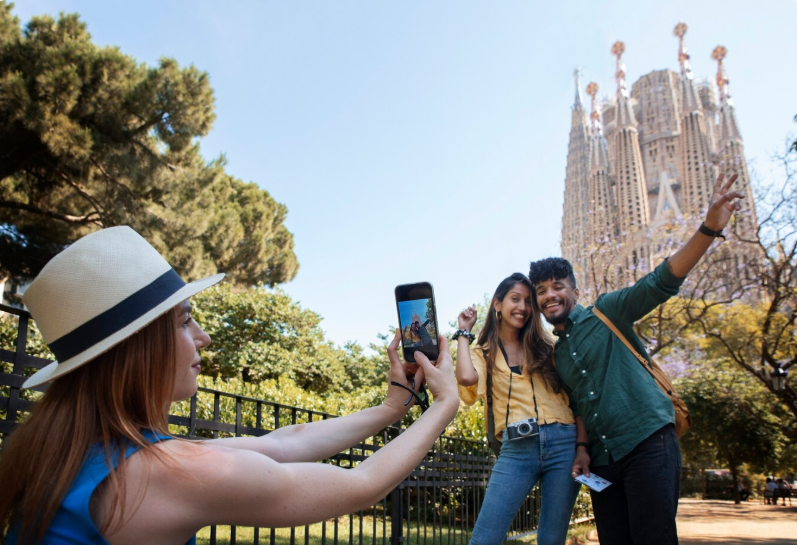
Travel Tips for Spain: Avoid Tourist Traps and See the Real Country
Spain is one of the most visited countries in the world — and for good reason. With its rich culture, diverse landscapes, and world-class cuisine, it offers something for everyone. However, like many popular destinations, it’s also full of tourist traps that can take away from an authentic experience. In this post, we’ll walk you through how to avoid these pitfalls and explore the real Spain — the one locals live and breathe every day.
1. Skip the Overhyped Attractions
While the Sagrada Familia and Park Güell are must-sees, be mindful of overcrowded sites that offer little value beyond photo ops. Instead, venture into lesser-known neighborhoods like Gràcia in Barcelona or Lavapiés in Madrid. These areas are filled with local charm, independent shops, and authentic eateries without the inflated prices.
2. Choose Local Eateries Over Tourist Menus
Restaurants with menus in five languages and greeters at the door are clear signs of a tourist trap. To enjoy real Spanish cuisine, look for places filled with locals. Tapas bars in Seville or family-owned bodegas in the north often provide better quality and value. Ask locals where they eat — they’ll usually be happy to share.
3. Visit During Shoulder Seasons
Spain is beautiful year-round, but visiting during spring (April–June) or fall (September–October) will help you avoid the tourist crowds and scorching heat. Prices are often lower, and you’ll have a better chance to connect with locals and enjoy a more relaxed pace.
4. Use Public Transportation
Renting a car may sound ideal, but Spain’s public transport system is efficient and far less stressful. Trains like the AVE connect major cities quickly and comfortably. In towns, buses and metros are affordable and easy to navigate.
5. Learn Basic Spanish Phrases
Even a few words of Spanish can go a long way in establishing trust and warmth with locals. Simple greetings or ordering food in Spanish can open doors to friendlier service and better experiences. It also shows respect for the culture and people.
6. Explore Rural Spain
Spain’s heart lies in its countryside. Regions like Extremadura, La Rioja, and Asturias are often overlooked but offer stunning natural beauty, historical sites, and a slower, more immersive experience. Rent a bike, hike through a national park, or stay at a rural guesthouse (casa rural) to feel connected to the land and people.
7. Participate in Local Festivals
Spain has hundreds of local festivals throughout the year, many of which are unknown to tourists. From small village celebrations to traditional fairs, these events offer insight into regional customs and community life. Do some research ahead of time or ask locals for recommendations.
8. Be Mindful of Tourist Etiquette
Many tourist-heavy areas are struggling with overtourism. Respect local customs, avoid disruptive behavior, and stay in accommodations that contribute to the local economy. Supporting small businesses, avoiding illegal rentals, and being a thoughtful visitor ensures Spain remains welcoming for future travelers.
Learning New Languages as an Expat: Strategies for Quick Success
Living in Spain as an expat can be one of the most rewarding experiences of your life — especially if you embrace the language. Here are some quick strategies for mastering Spanish:
- Immerse yourself daily: Set your phone to Spanish, watch Spanish TV shows, and read local news.
- Practice with locals: Join language exchanges or take part in community activities.
- Use apps and online tools: Duolingo, Babbel, and italki can help you improve vocabulary and pronunciation.
- Be consistent: Practice a little every day — even 10–15 minutes can lead to big improvements over time.
The more effort you make to learn the language, the more deeply you’ll connect with the country and its people.
Stay Connected for More Travel and Lifestyle Inspiration. For more insights into travel, culture, and lifestyle tips, follow me on @salvadorordorica. If you’re seeking professional translation and localization services to enhance your global ventures, visit The Spanish Group — your trusted partner in bridging cultures worldwide.

by Dulce Navarro | Jun 23, 2025 | Culture, Europe, Lifestyle, Traditions, Travel, Work
Wine and Work: Exploring Spain’s Vineyards as a Remote Worker
As remote work reshapes the global lifestyle, professionals are increasingly seeking destinations that blend productivity with leisure and inspiration. Spain, with its warm climate, vibrant culture, and renowned wine regions, offers an enticing environment for digital nomads. Imagine sending emails in the morning, touring vineyards in the afternoon, and enjoying local wines by sunset. For remote workers who crave balance, beauty, and great wine, Spain’s vineyards offer a uniquely enriching work-life experience.
Why Spain is a Top Destination for Remote Workers
Spain has become one of Europe’s most remote work–friendly countries, thanks to its quality of life, robust internet infrastructure, affordable cost of living, and growing community of digital professionals. With the introduction of the new digital nomad visa, it’s now easier than ever for non-EU citizens to live and work remotely from Spain.
What makes Spain stand out is not just its sunny beaches or bustling cities—it’s the slower pace of life in its countryside, especially in its wine-producing regions. Areas like La Rioja, Ribera del Duero, and Penedès provide the perfect setting to decompress, stay inspired, and maintain focus while working remotely.
Top Wine Regions to Explore While Working Remotely
1. La Rioja
La Rioja is Spain’s most iconic wine region. Known for its bold reds and centuries-old winemaking traditions, this region is also a haven of scenic villages, rolling vineyards, and boutique hotels. Many estates offer wine tastings, guided tours, and even coworking lounges. Towns like Haro and Logroño provide a charming base with access to cafés, restaurants, and nature—making it easy to blend work and discovery.
2. Ribera del Duero
Located along the Duero River, this region is famed for its full-bodied Tempranillo wines and historical wine cellars carved into hillsides. Remote workers will appreciate the serene setting and rich cultural heritage. Valladolid and Peñafiel are good bases, offering strong internet, accommodations, and a peaceful rhythm ideal for deep focus.
3. Penedès (Catalonia)
Just a short train ride from Barcelona, Penedès is a great choice for those who want vineyard life with access to city resources. Known for producing Cava (Spain’s sparkling wine), this region combines Catalan charm with a progressive atmosphere. You’ll find coworking spaces, eco-retreats, and wineries that welcome digital nomads looking to work and relax in harmony.
4. Priorat
For remote workers who prefer quiet luxury and dramatic landscapes, Priorat is an excellent option. The steep, slate-covered hills produce some of Spain’s most prestigious wines. It’s less touristy, making it a peaceful location for reflection, creative thinking, and productivity.
Work-Life Balance Among the Vines
Remote workers often struggle to separate work from rest. Spain’s wine regions offer a natural solution. The rural environment promotes mindfulness and reduced stress, while the daily rhythm—late breakfasts, midday siestas, evening strolls—aligns with healthier living.
Many boutique vineyards now cater to remote professionals, offering packages that include Wi-Fi-equipped rooms, meal plans, and even yoga or vineyard walks between meetings. This growing trend allows you to recharge while maintaining your work commitments. And after hours, there’s no shortage of tasting rooms, sunset views, or local dishes to enjoy.
Practical Tips for Working Remotely from Spain’s Wine Country
- Check Connectivity: Always confirm internet speed with your accommodation before booking, especially in more rural areas.
- Plan Around Tastings: Many wineries offer mid-afternoon or evening tours—perfect for after work. Make room in your schedule to take advantage.
- Use Local Resources: Tap into regional coworking spaces or digital nomad groups to meet others and find reliable work setups.
- Balance Work and Exploration: Don’t overbook yourself. Leave room for unplanned discoveries—whether a hidden vineyard or a traditional village festival.
Enhancing Your Experience Through Language
While English is widely spoken in major cities and tourist-heavy regions, rural wine areas often rely on Spanish—or even regional languages like Catalan. Learning basic phrases can go a long way in building rapport, showing respect, and immersing in the local lifestyle. Plus, it adds depth to your travel and wine-tasting experience when you can read labels or chat with winemakers directly.
Learning New Languages as an Expat: Strategies for Quick Success
Settling into a new country can be both exciting and overwhelming. Learning the local language is one of the most rewarding ways to feel at home faster. Here are a few strategies to help:
- Start with Apps: Use tools like Duolingo, Babbel, or Rosetta Stone to build a base in vocabulary and grammar.
- Practice Daily: Set a consistent time to study and reinforce learning with real-life practice.
- Join Local Language Exchanges: Look for language meetups or one-on-one exchanges to improve conversation skills.
- Label Your Environment: Post sticky notes around your living space to associate words with everyday items.
- Be Patient and Consistent: Fluency takes time. Celebrate small wins and stay consistent with your learning efforts.
The more you engage with the language, the more fulfilling your experience becomes—personally, professionally, and socially.
Stay Connected for More Travel and Lifestyle Inspiration.
For more insights into travel, culture, and lifestyle tips, follow me on @salvadorordorica. If you’re seeking professional translation and localization services to enhance your global ventures, visit The Spanish Group — your trusted partner in bridging cultures worldwide.

by Dulce Navarro | Jun 20, 2025 | Countries, Culture, Europe, Lifestyle, Residency, Travel, Work
Networking in Italy: Business Culture and Etiquette
Italy, known for its rich history, world-class cuisine, and exquisite design, also has a deeply rooted business culture shaped by tradition, family values, and strong interpersonal relationships. For professionals and entrepreneurs hoping to build successful connections in Italy, understanding the nuances of Italian business etiquette is essential.
The Importance of Personal Relationships
In Italian business culture, trust and personal rapport are paramount. Business dealings often begin only after a relationship has been established. Italians prefer to do business with people they know and trust, and this relationship-building process can take time. Expect multiple meetings and social engagements before any formal agreements are made.
Networking is seen not just as a professional necessity, but as a cultural norm. Family ties, friendships, and personal recommendations often play a large role in opening business doors. Therefore, building a wide and authentic network is crucial to success in Italy.
First Impressions Matter
Appearance and presentation carry significant weight in Italian business circles. Dress is typically formal and stylish, with an emphasis on well-fitted clothing and quality accessories. A polished appearance signals professionalism and respect.
When meeting someone for the first time, a firm handshake with eye contact is appropriate. Address people using their formal titles (e.g., Dottore, Avvocato, or Signore/Signora) until invited to use their first name. Small talk about art, travel, food, or culture is common and appreciated before diving into business topics.
Understanding the Hierarchical Structure
Italian companies often have hierarchical organizational structures. Senior executives and business owners typically make the final decisions. It’s important to identify and engage with key decision-makers when trying to establish a professional relationship or negotiate a deal.
While middle management may handle day-to-day operations, strategic conversations and major decisions generally rest with upper leadership. Demonstrating respect for rank and authority goes a long way in building credibility and gaining influence within a company.
Effective Communication in Italian Business
Italians are known for their expressive and passionate communication style. Non-verbal cues, hand gestures, and tone all play a role in conveying messages. While verbal communication may appear informal or animated, it should not be mistaken for a lack of professionalism.
Be prepared for lively debates and interruptions—these are seen as a sign of interest and engagement. However, maintaining politeness and avoiding confrontation is key. Written communication, particularly emails and proposals, should be formal, structured, and meticulously proofread.
Networking Events and Opportunities
Italy offers a variety of professional events, trade shows, and industry-specific conferences that serve as excellent platforms for networking. Attending local chambers of commerce events, cultural festivals, or even university lectures can also open doors to meaningful connections.
When attending events, it’s helpful to come prepared with business cards (preferably with Italian on one side) and a few well-rehearsed lines about your background or company. Always follow up after meetings or networking encounters with a polite email or message to reinforce the connection.
Dining as a Business Ritual
Meals are a significant part of Italian culture and often double as informal business meetings. A lunch or dinner invitation is not just about food—it’s an opportunity to strengthen trust and deepen relationships.
If invited to a business meal, arrive on time, wait for the host to begin, and avoid discussing business until after the meal unless the host initiates it. Always express appreciation and follow up with a thank-you message afterward. If you’re the host, choosing a reputable restaurant and handling the bill discreetly reflects well on your professionalism.
Challenges and Considerations for Foreign Professionals
Language barriers and cultural misunderstandings can occasionally pose challenges for foreign professionals. While many Italians in major cities and international businesses speak English, making an effort to learn and use basic Italian phrases shows respect and initiative.
Patience is also important. Timelines in Italy may not always align with those in faster-paced markets. Expect delays and understand that personal relationships may take time to develop before they lead to concrete business results.
Learning New Languages as an Expat: Strategies for Quick Success
Mastering the local language can significantly enhance your professional experience in Italy. Here are a few effective strategies for learning Italian quickly:
- Immerse Yourself: Surround yourself with the language by watching Italian TV shows, listening to local radio, or reading newspapers.
- Take a Course: Enroll in a structured language course—either in-person or online—to build a strong foundation in grammar and vocabulary.
- Practice Daily: Dedicate 20–30 minutes a day to speaking, listening, and reviewing new words and expressions.
- Use Language Apps: Tools like Duolingo, Babbel, or Tandem make it easy to practice on the go and connect with native speakers.
- Engage Locally: Practice with colleagues, attend local events, or join language exchange groups in your area.
With consistency and motivation, you’ll find yourself communicating more confidently and forming deeper connections—both personally and professionally—in your new Italian environment.
Stay Connected for More Travel and Lifestyle Inspiration.
For more insights into travel, culture, and lifestyle tips, follow me on @salvadorordorica. If you’re seeking professional translation and localization services to enhance your global ventures, visit The Spanish Group — your trusted partner in bridging cultures worldwide.
