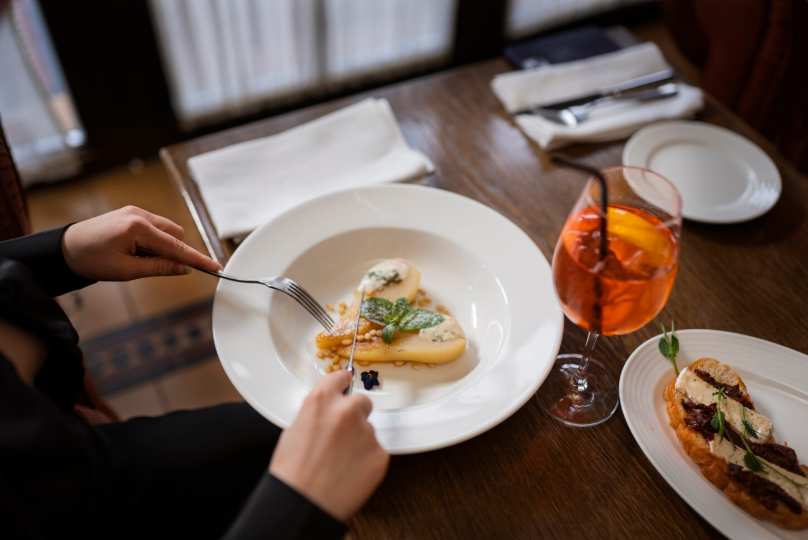
For company directors, a Michelin-star journey across Europe is more than a culinary indulgence—it’s a strategic instrument for deepening client relationships, rewarding top performers, and signaling brand values through impeccable taste and attention to detail. From Parisian temples of haute cuisine to boundary-pushing Nordic kitchens and Mediterranean terroir-driven menus, this guide shows how to curate dining experiences that are both unforgettable and operationally efficient.
Why Michelin Matters for Executive Relationship Building
Michelin stars function as a global quality shorthand that transcends language and industry. Hosting at a starred venue conveys seriousness, discernment, and respect for your guests’ time. Yet the real value is not the prestige alone: it is the orchestration—the way you match cuisine, setting, and service cadence to the business purpose at hand.
Consider the three classic objectives. For new-business courtship, a one-star or two-star dining room with a relaxed pacing can create space for conversation and rapport. For major milestones—a signed deal, a merger announcement—a celebrated three-star with a choreographed tasting menu can frame the occasion with ceremony. For team alignment, a chef’s counter or private kitchen table enables interactive storytelling that bonds participants around craft and curiosity.
Michelin’s evaluation pillars—product quality, technique, personality of the chef, value for money, and consistency—parallel what clients expect from a high-performing partner. When you expose stakeholders to a dining room where these elements are executed flawlessly, you subtly reinforce your own brand narrative: excellence, rigor, and a human touch. The key is intentionality. Choose restaurants for a reason—culinary identity aligned with your message, acoustics conducive to discussion, and service choreography that anticipates needs without intruding on flow.
Finally, remember inclusivity. The European Michelin ecosystem now spans bistros, contemporary kitchens with plant-forward tasting menus, and Bib Gourmand venues that deliver exceptional value without formality. Thoughtful accommodation of dietary preferences and cultural norms—e.g., halal, kosher-friendly options, or alcohol-free pairings—signals respect and expands the circle of participation.
Itinerary Design: From Culinary Capitals to Coastal Icons
A productive itinerary balances headline destinations with logistical sanity and narrative arc. The following regional circuit is designed for a five-to-seven-day leadership program or a set of client engagements spaced across a quarter.
Paris & Île-de-France: Anchor the journey with modern French cuisine that foregrounds product and precision. Choose a two-star lunch for clearer calendars and lighter pricing, then a one-star bistro for dinner to encourage conversation.
Basque Country (San Sebastián / Biarritz): Alternate between a three-star destination menu and pintxos crawls led by a local insider. This pairing keeps energy high while showcasing regional terroir from land and sea.
Northern Italy (Milan or Lake District): Opt for Lombard kitchens with impeccable risotti, contemporary vegetable courses, and benchmark wine service. Schedule an afternoon private visit with a sommelier to refresh palates and deepen knowledge.
Copenhagen: End with New Nordic inventiveness—fermentation, foraging, and clean design. Choose a venue where the chef’s narrative can be shared tableside to spark creative discussions about sustainability and craft.
Keep transfers under two hours whenever possible and use midday rail segments to preserve morning work blocks and evening dining. A clear through-line—craftsmanship, sustainability, or heritage—will make the journey feel curated rather than opportunistic.
Reservation Tactics, Budgets, and Private Rooms
Availability fluctuates, but directors can de-risk access with disciplined planning and flexible formats:
Book early and stage holds: Place parallel holds three to four weeks out for different party sizes; confirm 7–10 days prior.
Leverage lunches: Midday services are easier to secure, quieter, and often priced more attractively for multi-course menus.
Favor private rooms for outcomes: For sensitive negotiations or product previews, reserve salons that control sound and sight lines.
Design pairing choices: Offer wine, low-ABV, and alcohol-free pairings to align with wellness and inclusivity goals.
Budget transparently: For Europe’s top rooms, plan €180–€420 per person for tasting menus, exclusive of pairings and room fees. Communicate caps and approvals in advance.
Mind the cadence: Aim for 2.5–3 hours max; coordinate with the maître d’ if speeches or product demos are planned.
Tip: share guest preferences (allergies, seating, handshake/no-contact norms) 48 hours before service; it enables gracious, invisible accommodation.
Wine Programs, Etiquette Signals, and Sustainability
Europe’s best dining rooms treat wine as an educational journey. Brief your head of delegation to request a concise pairing narrative—two minutes per flight—to keep focus on conversation. If your guests span experience levels, ask the sommelier for a “split track”: benchmark classics for some, exploratory bottles for others, all within the same price frame. This respects individual curiosity without fragmenting the table.
Etiquette is strategy in disguise. Arrive five minutes early to greet guests at the door and relieve the staff from announcing names. Keep phones off the linen; if photos are welcome, designate one attendee to capture a handful of moments post-dessert. When offering a toast, thank the team—kitchen and front of house—by name if possible. These gestures build goodwill and can be the difference between a good service and a transcendent one.
Sustainability is no longer optional. Many European kitchens privilege local fisheries, regenerative farms, and reduced-waste practices. If ESG is part of your corporate narrative, ask in advance about the restaurant’s sourcing and carbon approach, and weave that into your dinner remarks. Guests appreciate knowing that luxury and stewardship can coexist—and that your company invests in both.
Turning Dining Moments into Business Momentum
Even the finest dinner is only as impactful as the follow-through. Before the meal, clarify a simple objective—relationship, insight, or decision—and tailor seating accordingly. Mix seats halfway through a longer tasting menu to create new conversational pairings without disrupting service. Provide the maître d’ with a subtle table map and timing notes so courses land smoothly around your agenda.
Afterward, send a same-day note to guests with a sincere highlight (“the langoustine course and your point on market entry stuck with me”) and a concrete next step. Within 72 hours, share a short summary and, if appropriate, a photo of the team with the chef—with permission. Archive key details (preferences, birthdays, dietary notes) in your CRM to guide future invites. In this way, a Michelin-star evening becomes a chapter in an ongoing narrative of thoughtful leadership.
Learning New Languages as an Expat: Strategies for Quick Success
If your role places you in Europe for extended periods, rapid language gains deliver outsized returns: smoother meetings, warmer hospitality, and cultural fluency at the table. Start with the high-frequency core—industry verbs, numbers, time, and polite structures—and drill them with spaced-repetition flashcards. Layer micro-immersion: switch your phone and calendar to the local language, follow local news briefs, and run daily five-minute “stand-ups” with a tutor. Build a meeting script bank for greetings, small talk, and agenda transitions; mastery of these bridges 80% of social moments. Finally, embrace polite imperfection. Use the language early, ask for corrections, and celebrate small wins. Fluency is a compounding asset—especially when shared over a remarkable meal.
Stay Connected for More Travel and Lifestyle Inspiration
For more insights into travel, culture, and lifestyle tips, follow me on Instagram @salvadorordorica. If you’re seeking professional translation and localization services to enhance your global ventures, visit The Spanish Group — your trusted partner in bridging cultures worldwide.
For company directors and senior leaders, Europe’s most exclusive private islands represent more than idyllic escapes—they’re strategic assets. Whether your objective is executive off-sites that truly reset thinking, ultra-high-touch client hospitality, or a discreet base for creative work, the right island blends privacy, access, and operational control. This guide distills what matters when evaluating opportunities across the Mediterranean and North Atlantic, and how to turn an island experience into a differentiated advantage for your brand.
What Makes an Island “Exclusive” in a European Context?
Exclusivity in Europe is a function of access, ownership, governance, and guest management. Few islands are entirely off limits to the public; many are privately owned or privately managed with controlled access. The question for a leadership team is not only, “How beautiful is this place?” but “How reliably can we control the experience end-to-end without friction?”
First, consider access. Seasonal airlift and maritime conditions vary widely. In the Balearics or the Ionian Sea, private aviation pairs with short tender transfers, while in the Hebrides or Inner Seas off Scotland, weather windows and daylight matter. Helicopter pads, sheltered moorings, and proximity to Category II/III airports shift the risk profile from “picturesque” to “practical.”
Second, evaluate ownership and governance. Some islands are fully private freehold; others are long-term concessions or estates within protected zones. Understand the permitting environment for renovations, docks, helipads, and sustainability systems (water, waste, energy). Directors should request a clear permitting timeline, environmental impact baseline, and a compliance roadmap aligned with EU, national, and local regulation.
Third, scrutinize the operational model. Truly exclusive stays require integrated logistics: provisioning, crew rotation, technical maintenance, cybersecurity, and medical contingency. For off-sites, define how you’ll safeguard IP during workshops, secure connectivity (redundant satellite + 5G boosters), and maintain brand standards under varying conditions.
Finally, consider narrative fit. The right island becomes a signature setting—an extension of your leadership story. Whether your organization values heritage craftsmanship, avant-garde design, or regenerative stewardship, choose a place whose history and ecology reinforce your message. When destination and strategy sync, the experience feels intentional rather than indulgent.
Five Noteworthy Islands: Profiles, Strengths, and Use Cases
Europe offers a mosaic of private or privately managed islands—each with distinct advantages. The examples below illustrate common profiles and how directors often deploy them. Availability and access protocols change seasonally; treat these as archetypes to guide due diligence.
Skorpios, Ionian Sea (Greece)
Once owned by the Onassis family and now privately held and redeveloped with strict access controls, Skorpios is synonymous with discretion. Its sheltered coves, wooded interior, and proximity to Preveza and Aktion Airport make it attractive for ultra-private gatherings. Use case: marque product councils, board retreats, and philanthropic summits where confidentiality is paramount.
Tagomago, Ibiza (Spain)
A small island just east of Ibiza, Tagomago’s draw is logistical simplicity: quick helicopter hops or short sea transfers from a major Mediterranean hub. The vibe is Balearic—sun-washed, design-driven, and service-forward. Use case: client entertainment, leadership sprints, and media launches that benefit from “private yet near the action.”
Île de Cavallo, Lavezzi Archipelago (France)
Cavallo sits between Corsica and Sardinia, a car-free island with crystalline waters and a cultivated, low-profile community. Access is by boat, with Porto-Vecchio and Bonifacio nearby. Use case: executive wellness programs, intimate investor dialogues, and artisanal brand immersions where pace and sensory quality matter.
Eilean Shona, Loch Moidart (Scotland)
A privately owned island off Scotland’s west coast, Eilean Shona is wild, walkable, and cinematic. Weather is part of the experience; so is silence. Use case: deep work retreats for creative teams, scenario planning, and leadership renewal; the North Atlantic mood prompts reflective, long-horizon thinking.
San Clemente, Venetian Lagoon (Italy)
While not “private” in the freehold sense, San Clemente is an island dominated by a single luxury property, creating an effectively controlled environment minutes from Venice by water taxi. Use case: Europe-centric client forums and cultural partnerships that pair privacy with world-class art and heritage access.
Director’s Due Diligence Checklist
Before you commit budget or brand equity to an island program, align on the following:
Legal & Environmental: Ownership structure; easements and riparian rights; Natura 2000 or national-park constraints; waste-water and desalination approvals.
Technology: Redundant internet; AV for hybrid meetings; protected storage for sensitive materials; cybersecurity for guest devices.
Operations: Power mix (grid, solar, gensets); cold-chain and provisioning; crew accommodation; vendor SLAs; insurance coverage.
Experience Design: Carrying capacity; acoustic zoning; programming (wellness, culinary, cultural); measurable outcomes for your meeting or activation.
Tip: appoint a single accountable owner (internal or external) for compliance, with authority to halt programming if environmental or safety thresholds are breached.
Building Signature Experiences Without the Friction
Exclusive doesn’t have to mean complicated. The most successful directors shape experiences that are high-impact for guests and low-drag for teams. Start with a one-page intent: what do you want guests to think, feel, and do after this island stay? Use that page to guide choices on pacing, activities, and communications.
For executive off-sites, pair focused working blocks with high-quality recovery—cold-water swims, guided hikes, or chef-led produce tastings. For client hospitality, emphasize authentic local culture: host a string quartet in a stone chapel, arrange a small-boat geology tour, or curate a makers’ market showcasing island artisans. Keep guest groups small and itineraries spacious; scarcity and space are the true luxuries.
On operations, design for redundancy. Hold critical sessions indoors with outdoor alternatives ready, maintain over-staffed safety cover for water activities, and pre-issue guest briefings that normalize flexibility (“Plan A is perfect; Plan B is prepared.”). Finally, capture the experience with consented, minimal-footprint content (one photographer, clear shot list) that can be reused across investor updates, employer branding, and client development—extending ROI beyond the trip itself.
From Island to Initiative: Turning Moments into Momentum
The island is a stage; the strategy is the script. To turn a rarefied setting into measurable outcomes, tie each element to a broader initiative. If your priority is innovation, run founder-style product ateliers with external provocateurs. If it’s culture, host listening circles that surface what your people need next. For client growth, choreograph encounter design so senior principals spend unhurried time with the right counterparts.
Post-event, move fast. Within a week, issue a concise action memo recapping decisions, owners, and dates. Within a month, ship a micro-deliverable (prototype, pilot, or policy draft) that proves momentum. Within a quarter, communicate outcomes to stakeholders with a short film or photo essay from the island—demonstrating stewardship, not extravagance. When an island experience is framed as a disciplined initiative, directors earn credibility while delivering inspiration.
Learning New Languages as an Expat: Strategies for Quick Success
Many directors and senior leaders spend extended periods in Europe. Rapid language acquisition is both a personal advantage and a professional signal of respect. Start with high-frequency frameworks (the 500 most common words and phrases for your sector), then layer micro-immersion: conduct daily stand-ups in the local language, rotate a “language buddy,” and schedule a weekly 30-minute lesson focused solely on your upcoming meetings. Structure your devices to help you—switch phone language settings, curate local news alerts, and maintain a spaced-repetition deck. Finally, practice polite imperfection: use the language early and often, even if you make mistakes. Fluency grows from momentum, not perfection.
Stay Connected for More Travel and Lifestyle Inspiration
For more insights into travel, culture, and lifestyle tips, follow me on Instagram @salvadorordorica. If you’re seeking professional translation and localization services to enhance your global ventures, visit The Spanish Group— your trusted partner in bridging cultures worldwide.
Luxury Redefined: Premium Travel Moments That Money Can Buy
For today’s executive traveler, luxury is no longer just a matter of thread count, brand names, or square footage. True premium travel is defined by time saved, access unlocked, and experiences tailored to your priorities. It’s the private museum viewing arranged before sunrise, the chef’s table conversation that becomes a partnership, and the seamless, secure itinerary that lets you focus on strategy instead of logistics. Below is a practical, director-level guide to the evolving landscape of luxury travel—and how to curate moments that deliver both delight and measurable value.
Private Access That Creates Strategic Advantage
Executives increasingly prize access over opulence. Think private previews at leading galleries, out-of-hours tours at heritage landmarks, or closed-door tastings at storied vineyards. These experiences aren’t only memorable; they create high-quality space for relationship-building. When a key client experiences the Louvre’s masterpieces without crowds, or walks the floor of a historic atelier with its creative director, the conversation naturally elevates—often leading to faster trust and more meaningful outcomes.
Time as the Ultimate Luxury: Private Air, Rail, and Road
Premium travel begins with control over your schedule. Private aviation allows point-to-point routing, optimized departure windows, and confidential onboard meetings. On select routes in Europe, first-class high-speed rail can rival air for door-to-door efficiency—especially when stations are centrally located. For intra-city mobility, vetted chauffeur services and pre-cleared airport protocols reduce friction significantly. The goal is not extravagance; it’s reliability, productivity, and energy conservation for high-stakes meetings.
Signature Stays: Villas, Residences, and Low-Profile Hotels
While five-star hotels remain pillars of service, many leaders opt for branded residences or well-managed private villas that provide discreet security, full kitchens, and dedicated staff. Look for properties that offer enterprise-grade Wi-Fi, separate work zones, and flexible meeting spaces. A residence with a butler, in-villa dining, and on-call driver can operate like a mobile headquarters—quietly delivering the comfort and efficiency of home with the polish of a luxury hotel.
Culinary Capital as a Business Asset
Destination dining has become a powerful lever for executive engagement. Beyond Michelin-star rooms, consider chef collaborations, market-to-table immersions, and kitchen-side briefings that explore provenance, sustainability, and regional innovation. These curated experiences create shared stories and transform routine dinners into strategic touchpoints. When curating an itinerary, balance star power with rising talents—tomorrow’s culinary leaders often offer the most personal and flexible experiences today.
Wellness That Actually Works on the Road
Luxury wellness is moving from indulgence to performance. Look for programs that combine evidence-based modalities—sleep optimization, circadian lighting, recovery tools, and guided mobility—with stress-aware nutrition plans. Properties that offer in-room fitness options, private spa hours, and on-call practitioners help executives sustain peak performance across time zones. The litmus test: do you land ready to lead, or spend the first 48 hours recovering?
Designing for Privacy, Safety, and Continuity
Premium itineraries build resilience into every leg of the journey. This includes discreet arrivals, secure communications, contingency routing, and medical access plans. The most valuable luxury partner is often an expert travel concierge who proactively monitors risk, anticipates disruptions, and orchestrates quiet solutions. With the right infrastructure, a delayed flight becomes a remote board session—complete with a backup venue, AV, and catering—rather than a lost day.
Purposeful Luxury: Sustainability with Substance
Directors increasingly expect luxury to align with corporate values. Prioritize operators that publish clear sustainability metrics, invest locally, and minimize environmental impact without sacrificing service. Options include modern aircraft with lower emissions profiles, rail where feasible, certified eco-lodges, and suppliers who measure and report on their footprint. This approach strengthens brand reputation, satisfies stakeholder expectations, and often unlocks deeper, more authentic destination access.
Bespoke Experiences that Reflect Your Narrative
The most resonant luxury moments are deeply personal. Whether it’s a masterclass with a perfumer in Grasse, a private rehearsal with a chamber ensemble in Vienna, or a behind-the-scenes restoration visit at a historic château, tailor experiences to your story and goals. Share preferences with your travel advisor early—interests, dietary needs, security considerations, and cultural priorities—so each element feels intentional rather than generic.
Art, Culture, and Philanthropy as Connective Tissue
Curated cultural programming can transform a routine trip into a platform for influence. Consider patron-level memberships, studio visits with artists, or philanthropic site tours that align with your organization’s CSR commitments. These moments not only deepen ties with hosts and clients; they also offer compelling narratives for internal communications and board reporting, demonstrating stewardship alongside business development.
Working with the Right Partners
Premium outcomes depend on premium partners. Seek travel advisors who specialize in executive profiles, maintain global relationships, and can secure scarce inventory—private appointments, limited-issue experiences, and high-demand reservations. Vet partners for data security, 24/7 responsiveness, and transparent pricing. The benchmark: when plans change, do they already have a better option waiting?
Measuring ROI on Luxury Travel
To justify premium spend, quantify outcomes. Track client engagement metrics, deal acceleration, talent retention, and media or partnership wins attributable to travel experiences. Pair qualitative feedback—“best client interaction of the year”—with concrete results. Over time, your organization will identify the specific experience types that consistently deliver both delight and returns, letting you invest with confidence.
Practical Checklist for Directors
Objective First: Define the business outcome for each trip—relationship building, brand elevation, market insight.
Time Control: Optimize air/rail/road for reliability, not just speed; build buffers where stakes are high.
Access Strategy: Prioritize private or after-hours experiences that enable focused, high-quality interaction.
Wellness Plan: Lock in sleep, nutrition, movement, and recovery support before departure.
Risk & Continuity: Ensure security, medical, and comms contingencies; test them.
ESG Alignment: Choose partners with measurable sustainability practices.
Track ROI: Tie experiences to outcomes and iterate your playbook.
Learning New Languages as an Expat: Strategies for Quick Success
High-value travel often leads to longer assignments abroad. Accelerate integration—and elevate every premium moment—by learning the local language quickly and pragmatically. Set a 90-day outcome (e.g., “conduct a full client dinner in the target language”), then reverse-engineer your plan. Combine daily micro-lessons (app-based drills and spaced repetition) with high-impact speaking time: two to three 45-minute sessions weekly with a tutor who understands your industry vocabulary. Convert passive time—drivers, lounges, flights—into active listening with curated podcasts and meeting-relevant phrases. Finally, create low-risk immersion: order in the local language, conduct intros in meetings, and summarize decisions bilingually. Competence grows fast when language is tied to real business contexts, and the dividends—in rapport, insight, and opportunity—compound with every interaction.
Stay Connected for More Travel and Lifestyle Inspiration. For more insights into travel, culture, and lifestyle tips, follow me on @salvadorordorica.
If you’re seeking professional translation and localization services to enhance your global ventures, visit The Spanish Group — your trusted partner in bridging cultures worldwide.
How to Stay Productive During a Long-Term Business Stay in Paris
Paris is often described as the City of Light, a destination admired for its beauty, elegance, and cultural richness. For business travelers, however, the city represents something more: opportunity. A long-term business stay in Paris can be exciting, but it also presents unique challenges. Staying productive while balancing the allure of Paris with professional obligations requires strategy, discipline, and planning. Below, we’ll explore actionable ways to maximize productivity during an extended business assignment in the French capital.
1. Choosing the Right Accommodation
Your productivity in Paris begins with where you choose to stay. While short-term rentals or luxury hotels may seem appealing, it’s important to consider how your living space supports efficiency. Serviced apartments or extended-stay hotels often provide amenities such as dedicated workspaces, high-speed internet, and kitchen facilities. These features help establish a routine similar to your home environment, allowing you to seamlessly transition from personal to professional tasks.
Location is equally vital. Proximity to business districts, coworking spaces, and efficient transportation hubs can significantly reduce commuting time. Neighborhoods like La Défense, the Marais, or areas near Gare Saint-Lazare offer both professional access and lifestyle benefits.
2. Establishing a Structured Routine
Without a routine, it’s easy to lose momentum in a city as captivating as Paris. Structure your days around core business priorities and personal well-being. Begin by setting regular working hours to align with your home office time zone, if necessary. Balance these hours with planned breaks to recharge, such as a walk along the Seine or a visit to a local café.
Consider using productivity tools and digital calendars to schedule meetings, deliverables, and personal activities. A consistent routine not only prevents burnout but also ensures that you make the most of your time in Paris, both professionally and personally.
3. Leveraging Coworking Spaces
Coworking spaces in Paris are among the most sophisticated in Europe, catering to both locals and international professionals. Spaces such as WeWork La Fayette, Anticafé, or Morning Coworking offer modern infrastructure, networking opportunities, and inspiring atmospheres. Choosing a coworking space can provide structure, reduce distractions, and expose you to valuable professional connections across industries.
4. Mastering Work-Life Balance
Maintaining productivity isn’t about working endlessly—it’s about working efficiently while also nurturing balance. Paris offers countless opportunities for cultural enrichment that can serve as inspiration and motivation. Plan evenings or weekends to explore landmarks like the Louvre, Musée d’Orsay, or Versailles. Enjoying local culture enhances your experience and reduces stress, ultimately making you more effective during work hours.
Physical activity is also crucial. Many long-term business travelers overlook exercise, yet Paris has countless gyms, yoga studios, and scenic jogging paths along the Seine. Integrating physical well-being into your routine sharpens focus and improves overall productivity.
5. Staying Digitally Connected
Reliable digital connectivity is essential for business efficiency. While many accommodations offer Wi-Fi, ensure it meets professional standards. Investing in a local SIM card or portable hotspot can prevent disruptions during video calls or while working remotely across the city.
Additionally, leverage communication tools such as Slack, Zoom, or Microsoft Teams to stay in touch with your colleagues. A strong digital infrastructure minimizes downtime and ensures that your team back home sees no dip in your performance, regardless of geography.
6. Embracing the Local Culture for Professional Growth
Productivity during a long-term stay isn’t only about ticking off tasks—it’s about personal and professional growth. By embracing Parisian culture, you gain insights that enrich business relationships. Attend local networking events, industry conferences, or professional meetups. The city hosts world-renowned exhibitions and forums across industries, making it an ideal platform for expanding your global connections.
Even informal cultural immersion, such as enjoying a neighborhood market or conversing with locals at a café, broadens your perspective and sharpens interpersonal skills that are invaluable in international business.
7. Managing Time Zones and International Collaboration
When working with teams across multiple time zones, managing availability can be challenging. Identify overlapping hours where you and your colleagues can connect in real time, and dedicate other periods of the day to independent tasks. Tools like World Time Buddy or Google Calendar integrations can simplify scheduling, ensuring you remain responsive without overextending your workday.
8. Investing in Self-Development
A long-term stay provides a rare opportunity to focus on personal growth. Consider enrolling in executive courses, leadership training, or workshops offered by local universities and institutes. Paris is home to some of the world’s most prestigious academic institutions, such as HEC Paris and Sciences Po, which regularly host programs designed for professionals.
Expanding your skills during your assignment ensures that you return not only with completed business goals but also with enhanced personal expertise that benefits your career trajectory.
Learning New Languages as an Expat: Strategies for Quick Success
One of the most effective ways to adapt and thrive during your Paris assignment is by learning the local language. Language acquisition not only improves your professional communication but also deepens your cultural integration. Start with focused strategies such as daily vocabulary practice, language-learning apps, or conversational exchanges with native speakers. Immersion is key—make an effort to use French in daily interactions, whether ordering at a restaurant or attending a networking event.
Committing to language learning accelerates your adjustment to life in Paris and fosters stronger professional and social relationships. It transforms your long-term business stay into an enriching experience that extends beyond the workplace.
Stay Connected for More Travel and Lifestyle Inspiration. For more insights into travel, culture, and lifestyle tips, follow me on @salvadorordorica. If you’re seeking professional translation and localization services to enhance your global ventures, visit The Spanish Group — your trusted partner in bridging cultures worldwide.
The Most Exclusive Spa Retreats in Europe for a Rejuvenating Escape
A curated, executive‑level guide to restorative properties where health, privacy, and high‑touch service meet.
Between boardroom commitments and transcontinental flights, recovery is strategy. Europe’s premier spa retreats blend medical‑grade treatments with holistic wellness, offering C‑suite privacy, rigorous standards, and the kind of reset that compounds into performance gains. Below is a director’s short list—destinations known for discretion, excellence, and programs that fit demanding schedules.
Clinique‑Style Precision in the Swiss Alps
Swiss Mountain Medical & Thermal Sanctuaries
Switzerland is synonymous with medical rigor and Alpine stillness. Exclusive clinics and thermal resorts pair physician‑led diagnostics with bespoke nutrition, high‑altitude training plans, and oxygen‑assisted recovery. Expect panoramic suites, concierge testing (from sleep analyses to stress biomarkers), and itineraries designed around executive calls and confidentiality.
Why it stands out: Hospital‑grade protocols in a resort setting, seamless privacy, and multilingual clinical teams.
Don’t miss: Cryotherapy, lymphatic drainage, altitude‑adapted cardio sessions, and micronutrient panels with actionable insights.
Thermal Heritage Meets Modern Luxury in Italy
Historic Springs and Contemporary Longevity Programs
Italy’s ancient thermal towns have evolved into sophisticated wellness hubs. Beyond mineral‑rich pools, look for integrated longevity experiences—combining hydrotherapy, mindful movement, and Mediterranean nutrition that supports metabolic health without sacrificing pleasure.
Why it stands out: Time‑honored balneotherapy enhanced by modern recovery tech and chef‑led, anti‑inflammatory menus.
Don’t miss: Contrast bathing circuits, apitherapy facials, and guided vineyard walks that double as gentle conditioning.
Nordic Minimalism and Biohacking in Scandinavia
Forest, Fjord, and Science‑Backed Rituals
Across Sweden, Norway, and Finland, spa culture embraces nature’s extremes. Expect design‑forward retreats that center on cold‑water immersion, sauna cycles, and functional fitness. Many properties now include HRV tracking and sleep coaching, letting leaders quantify recovery and adjust workloads with data.
Why it stands out: Evidence‑based protocols, immaculate design, and frictionless routines that slide into a workday.
Don’t miss: Lake plunges at dawn, timber saunas with aromatic steam, and guided breathwork for nervous‑system downshifting.
Treat‑and‑Train on the Iberian Peninsula
Sun, Sea, and Performance Programs
Spain and Portugal deliver abundant light and Atlantic air—ideal conditions for combining musculoskeletal therapy with outdoor conditioning. You’ll find programs tailored to jet‑lagged executives: morning mobility with a physiotherapist, midday ocean swims, and late‑afternoon sports massage before evening calls.
Why it stands out: Year‑round mild climate, chef‑curated mediterranean cuisine, and discreet villas for team offsites.
From Brittany’s thalassotherapy coastlines to countryside châteaux, French retreats weave medical expertise into refined hospitality. Programs often include marine‑based treatments, personalized facials, and posture therapy, complemented by sommelier‑guided, low‑intervention wines—balanced indulgence without compromising goals.
Why it stands out: Culinary excellence paired with disciplined wellness design and impeccable service culture.
Historic spa towns across Central Europe offer structured “cures” updated for modern life. Multi‑day programs address circulation, digestive balance, and stress load, with physician consults bookending your stay. Many properties feature grand architecture, orchestral evenings, and leafy promenades ideal for reflective walks.
Why it stands out: Time‑tested therapeutic regimens delivered with renewed clinical oversight.
Don’t miss: Mineral bath series, mud packs, and posture labs for ergonomic recalibration.
How to Choose the Right Retreat for High‑Performing Teams
Select based on objectives: recovery from travel, strategic planning, or leadership offsites. Use the checklist below to align expectations and outcomes.
Clinical depth: Access to diagnostics (sleep, bloodwork, mobility screening) and credentialed practitioners.
Program design: Custom schedules with protected work blocks and strong Wi‑Fi.
Privacy & security: Discreet staff, private transfer options, and NDA‑friendly policies.
Nutrition & recovery: Anti‑inflammatory menus, hydration plans, and alcohol‑aware pairings.
Environment: Nature access, quiet rooms, and light‑optimized suites for circadian alignment.
Director’s tip: Book shoulder seasons (late spring/early autumn) for calmer facilities and fuller access to specialists. Request pre‑arrival questionnaires so practitioners tailor protocols from day one.
48‑Hour Executive Reset: A Sample Itinerary
Day 1
Arrival, light lunch, and mobility assessment (30 minutes).
Hydrotherapy circuit: warm pool, cold plunge, and sauna (60 minutes).
Deep‑tissue massage targeted to travel‑tight areas (50–80 minutes).
Early dinner with lean proteins and complex carbs; blue‑light limits after 9 p.m.
Day 2
Sunlight exposure + espresso walk, then guided breathwork (15 minutes).
Therapeutic strength session focusing on posterior chain and core.
Clinical facial or lymphatic drainage to reduce inflammation.
Strategy block: 90 minutes of focused work in a quiet lounge.
Evening contrast therapy and sleep protocol with magnesium and stretching.
Learning New Languages as an Expat: Strategies for Quick Success
Relocating within Europe amplifies your personal and professional reach—especially if you accelerate language acquisition. Here’s a compact framework you can run alongside full‑time leadership duties.
Build a 30‑minute daily loop: Ten minutes of listening + shadowing, ten of spaced‑repetition flashcards, ten of speaking drills.
Define live outcomes: “Schedule a car service,” “confirm a dinner reservation,” or “negotiate a delivery window” in the local language each week.
Translate your tools: Localize email templates, calendar invites, and slide openers to reduce friction during meetings.
Leverage micro‑tutoring: Two 25‑minute sessions weekly focused on your upcoming interactions—introductions, agenda‑setting, and follow‑ups.
Join low‑stakes speaking spaces: Language meetups, running clubs, or cooking classes—social repetition builds confidence faster than solo study.
Track signals that matter: Minutes of conversation held without switching languages, number of successful service transactions, and comprehension of news headlines.
Protect momentum: On intense weeks, shift to maintenance mode—five minutes of reading + five minutes of flashcards. Never miss a day.
Top Services and Amenities to Look for During a Business Stay in Paris
A practical guide for executives and teams optimizing productivity in the City of Light.
Paris blends world‑class culture with a mature business ecosystem—home to global headquarters, major trade fairs, and financial services hubs. To keep your schedule smooth and outcomes measurable, choosing the right services and amenities is essential. Below is a director-level checklist to help you vet hotels, serviced apartments, and executive residences for a high‑performance stay.
Location & Connectivity
Begin with the map. Commute time is the hidden tax on productivity, so prioritize properties with quick access to the Métro, RER, and airport links. If meetings cluster in La Défense, Saint‑Lazare, or Bercy, select accommodations within a 10–15 minute ride. For cross‑city travel, proximity to major stations—Gare du Nord, Saint‑Lazare, Montparnasse, or Lyon—reduces friction and makes regional day trips feasible.
Transit adjacency: Steps from a major Métro interchange or RER line.
Airport access: Reliable routes to CDG and ORY with predictable travel times.
Walkability: Cafés, pharmacies, and printing shops within five minutes on foot.
Accommodation Essentials for Business Travelers
Comfort is a performance variable. After long flights and longer meetings, small details compound into better focus and energy the next day.
Soundproofing & blackout curtains: Core for early calls and jet-lag recovery.
Champs‑Élysées & 8th: Executive‑level properties and convenient access to embassies and luxury retail.
Bercy & 12th: Event‑friendly with easy access to Gare de Lyon for regional connections.
Transportation, Check‑In & Corporate Support
Small conveniences add up to hours saved over a multi‑day itinerary.
Early check‑in / late check‑out options: Particularly valuable after overnight flights.
Reliable airport transfers: Pre‑arranged drivers who understand corporate billing and receipts.
Contactless processes: Mobile keys, digital registration, and e‑invoices simplify admin.
Group support: Room blocks, centralized payment, and named account managers for teams.
Loyalty, Sustainability & Brand Alignment
Directors often balance traveler satisfaction with corporate policies. Choose partners aligned with your company’s values and reporting needs.
Loyalty reciprocity: Status matches and benefits that extend to colleagues on the same booking.
Sustainability metrics: Clear reporting on energy, water, and waste; refillable amenities and local sourcing.
Transparent pricing: All‑in corporate rates that include Wi‑Fi, breakfast, and access fees to prevent month‑end surprises.
Learning New Languages as an Expat: Strategies for Quick Success
Relocation accelerates your growth—especially when you can switch contexts fluently. Here’s a focused plan to gain momentum fast in French (and any new language) while working full‑time.
Design a micro‑routine: Ten minutes in the morning (listening + shadowing), ten at lunch (flashcards), and ten in the evening (chat practice). Consistency beats intensity.
Set outcome‑based goals: For example, “Order lunch, confirm the receipt, and ask for an invoice in French by Friday.” Tie goals to real tasks.
Use smart input: Rotate between business podcasts, subtitles on French news, and transcripts. Read out loud to train rhythm and confidence.
Create speaking reps: Schedule two 25‑minute tutor sessions weekly. Keep topics work‑specific—introductions, agenda setting, and negotiation language.
Leverage cognates & templates: Build a bank of recurring phrases (“Pourrions‑nous…”, “Merci de votre retour”, “Je vous envoie…”) and adapt them.
Make it social: Join an expat language meetup or sports club. Low‑stakes conversations are the best confidence engine.
Document your wins: Keep a running note of phrases you successfully used with clients, concierges, and drivers. Review before meetings.
Translate your toolkit: Localize your email signature, calendar templates, and slide openers. Familiar artifacts reduce cognitive load in live settings.
Protect momentum: When busy, switch to maintenance mode: five minutes of reading headlines and five minutes of flashcards. Never miss a day.