
by Dulce Navarro | Feb 2, 2026 | Art, Europe, Experiences, Lifestyle, Luxury, Travel
Traveling Through Europe with a Collector’s Mindset
Travel, at its highest level, is not merely about movement—it is about acquisition. Not acquisition in the material sense alone, but in the cultivation of perspective, discernment, and meaning. To travel through Europe with a collector’s mindset is to approach each destination with intention, curiosity, and an appreciation for rarity. It is a philosophy rooted in refinement, where experiences are gathered as carefully as fine art, vintage timepieces, or first-edition manuscripts.
Europe, with its layered civilizations, artistic legacies, and enduring craftsmanship, offers an unparalleled landscape for this approach. From private gallery viewings in Florence to intimate wine tastings in Burgundy, the continent rewards those who seek depth over speed and quality over volume.
Understanding the Collector’s Mindset
A collector does not accumulate randomly. Each acquisition reflects research, patience, and a clear sense of value. Similarly, traveling with a collector’s mindset means curating itineraries thoughtfully rather than chasing trends. It involves identifying experiences that resonate personally and culturally, creating a portfolio of memories defined by significance rather than quantity.
This approach requires discernment. Instead of visiting every landmark, the traveler selects moments of true impact: a private architectural tour of Gaudí’s lesser-known works in Barcelona, a behind-the-scenes atelier visit in Paris, or a guided exploration of Renaissance workshops in Venice.
The emphasis shifts from “seeing it all” to understanding what truly matters.
Collecting Art and Cultural Heritage
Europe’s museums and galleries form the foundation of global art history. For the culturally attuned traveler, private or after-hours tours of institutions such as the Uffizi Gallery in Florence or the Prado Museum in Madrid transform passive viewing into intellectual engagement.
Beyond major institutions, Europe’s smaller galleries and artist studios provide opportunities to connect directly with contemporary creators. Berlin’s dynamic art scene, Lisbon’s emerging galleries, and Copenhagen’s design studios offer access to evolving creative movements.
Collecting in this context does not necessarily mean purchasing artwork; it may involve building knowledge, relationships, and insight into artistic processes. The true acquisition is cultural fluency.
The Pursuit of Craftsmanship
Europe remains a global epicenter of craftsmanship. Italy’s leather artisans, Switzerland’s watchmakers, France’s haute couture ateliers, and England’s bespoke tailors represent centuries of refinement.
Traveling with intention allows for immersive experiences within these traditions. A private appointment at a Florentine leather workshop reveals generational techniques passed down with precision. Visiting a watch manufacture in Geneva offers insight into mechanical mastery and innovation. In Paris, observing haute couture fittings demonstrates the meticulous artistry that defines French fashion.
Each encounter deepens appreciation for quality, patience, and heritage—core values shared by collectors and discerning travelers alike.
Wine, Gastronomy, and the Art of Taste
Europe’s culinary landscape provides another dimension of curated exploration. Wine regions such as Bordeaux, Burgundy, Piedmont, and Rioja reward those willing to engage beyond surface-level tastings. Private vineyard tours, vertical tastings of rare vintages, and conversations with winemakers transform consumption into education.
Similarly, gastronomy becomes a collectible experience when approached thoughtfully. Securing reservations at Michelin-starred establishments is one avenue, but equally compelling are private cooking sessions with regional chefs or visits to historic markets guided by local experts.
Developing a refined palate mirrors the development of an art collection: it requires exposure, comparison, and critical reflection.
Architectural Appreciation and Design Literacy
Architecture serves as a tangible record of Europe’s evolution. From Gothic cathedrals in Chartres to minimalist Scandinavian residences, each structure reflects cultural values and technological progress.
Engaging architectural historians for private tours or exploring lesser-known landmarks enhances understanding. The Bauhaus legacy in Germany, Antoni Gaudí’s visionary works in Spain, and the harmonious proportions of Palladian villas in Italy reveal distinct philosophies of design.
Travelers who approach architecture with a collector’s eye begin to recognize patterns, influences, and innovations across borders, building a mental archive of aesthetic knowledge.
Investing in Relationships and Access
Collectors often rely on trusted advisors—curators, dealers, historians—to guide acquisitions. Similarly, cultivating relationships with knowledgeable local guides, concierges, and cultural institutions enriches travel experiences.
Europe’s heritage properties, private members’ clubs, and invitation-only cultural events offer access to exclusive environments. Attending a classical performance in a Viennese palace or participating in a private literary salon in London fosters meaningful connections.
Access, when earned through respect and engagement, becomes one of the most valuable elements of travel.
Mindful Acquisition Over Material Accumulation
While tangible acquisitions—antique books, limited-edition prints, rare wines—can complement travel, the collector’s mindset prioritizes authenticity over impulse. Provenance, craftsmanship, and ethical sourcing matter. Understanding the story behind an object enhances its significance.
In many cases, the most valuable acquisitions are intangible: perspective gained from historical context, inspiration drawn from design innovation, or insight gathered through dialogue with artisans and scholars.
Europe’s layered history invites reflection on continuity and change, offering lessons relevant to leadership, entrepreneurship, and global citizenship.
Travel as a Curated Portfolio
Over time, traveling with a collector’s mindset results in a curated portfolio of experiences. Each city, region, and interaction contributes to a broader narrative. Patterns emerge—preferences for certain design movements, culinary traditions, or artistic eras.
This portfolio shapes personal identity and professional outlook. Exposure to Europe’s cultural depth enhances strategic thinking, creativity, and cross-cultural understanding—qualities essential in an interconnected world.
Conclusion
Traveling through Europe with a collector’s mindset transforms journeys into intentional pursuits of excellence. It replaces haste with discernment and spectacle with substance. Whether engaging with master artisans, exploring architectural heritage, or cultivating refined taste in gastronomy and wine, the experience becomes both enriching and enduring.
In embracing this philosophy, travelers move beyond tourism toward thoughtful curation—building a lifetime collection of insight, relationships, and inspiration shaped by Europe’s unparalleled cultural legacy.
Stay Connected for More Travel and Lifestyle Inspiration. For more insights into travel, culture, and lifestyle tips, follow me on Instagram @salvadorordorica. If you’re seeking professional translation and localization services to enhance your global ventures, visit The Spanish Group — your trusted partner in bridging cultures worldwide.
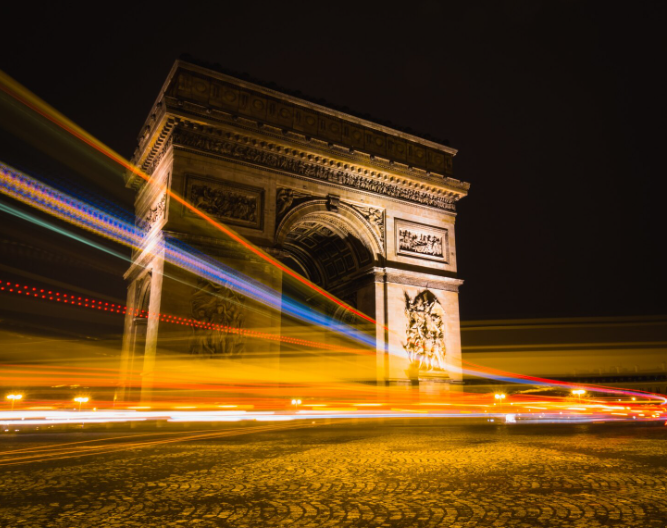
by Dulce Navarro | Feb 2, 2026 | Europe, Experiences, Landscapes, Lifestyle, Luxury, Travel
France’s Most Graceful Destinations Outside the Spotlight
France has long captivated the world with iconic destinations such as Paris, the Côte d’Azur, and Provence. Yet beyond these celebrated regions lies a quieter, equally compelling France—one defined by understated elegance, cultural richness, and timeless charm. For the discerning traveler seeking authenticity over attention and serenity over spectacle, the country offers remarkable destinations that remain gracefully outside the global spotlight.
These lesser-known locales embody the refinement, history, and artistry that define French heritage. They provide immersive experiences rooted in landscape, gastronomy, architecture, and tradition—without the crowds. For leaders and global citizens who value discretion and depth, these destinations reveal France at its most genuine and captivating.
Annecy: Alpine Elegance Without Excess
Nestled near the Swiss border, Annecy is often referred to as the “Venice of the Alps,” yet it retains an intimate atmosphere rarely found in major European destinations. Its pastel-colored facades, winding canals, and crystalline lake create a setting of remarkable tranquility.
Lake Annecy, one of the cleanest in Europe, offers opportunities for sailing, paddleboarding, and lakeside cycling against a dramatic mountain backdrop. The town’s historic center, with its arcaded streets and the Palais de l’Isle, reflects centuries of Savoyard heritage. Fine dining here is defined by regional precision—freshwater fish, alpine cheeses, and wines from nearby Savoie—served in refined yet unpretentious establishments.
Annecy’s grace lies in its balance: natural splendor paired with architectural harmony and a lifestyle centered on well-being.
Uzès: Southern Sophistication
In the Occitanie region, Uzès exemplifies southern French refinement without the international attention drawn by neighboring Provence. Its golden stone buildings, shaded squares, and elegant arcades evoke a slower, more contemplative rhythm of life.
The town is home to the Duché d’Uzès, one of France’s oldest duchies, and its weekly market remains among the most authentic in the country. Artisans sell olive oils, truffles, handmade ceramics, and regional wines, reinforcing a culture deeply connected to craftsmanship and terroir.
Nearby, the Pont du Gard—a remarkably preserved Roman aqueduct—stands as a testament to France’s layered history. Yet unlike more frequented historical landmarks, the experience here feels personal and immersive rather than performative.
Colmar: Storybook Refinement in Alsace
While Strasbourg attracts considerable attention, Colmar offers a more intimate gateway to the Alsace region. With its half-timbered houses, flower-lined canals, and meticulously preserved medieval architecture, the town exudes storybook charm balanced by cultural sophistication.
Colmar is deeply rooted in both French and Germanic traditions, reflected in its gastronomy and viticulture. The Alsace Wine Route begins here, leading to family-owned vineyards producing Riesling, Gewürztraminer, and Pinot Gris. Private tastings and curated cellar tours allow travelers to engage directly with winemakers, emphasizing heritage and precision over commercial spectacle.
The Unterlinden Museum, home to the renowned Isenheim Altarpiece, further underscores Colmar’s artistic significance, offering profound cultural enrichment in an unhurried setting.
Île de Ré: Coastal Discretion
Off the Atlantic coast near La Rochelle, Île de Ré represents coastal France at its most understated. Whitewashed houses with green shutters, salt marshes, and quiet cycling paths define the island’s aesthetic. Unlike more glamorous seaside destinations, Île de Ré prioritizes simplicity and environmental harmony.
The island’s appeal lies in its restrained elegance. Fresh oysters, locally harvested sea salt, and market produce anchor the culinary experience. Long beach walks and sailing excursions replace nightlife and spectacle. For those seeking restoration and privacy, Île de Ré offers a refined escape aligned with the principles of quiet luxury.
Pézenas: Artistic Heritage in Languedoc
Pézenas, a historic town in the Languedoc region, remains one of southern France’s most cultured yet overlooked destinations. Known for its association with playwright Molière, the town preserves a vibrant artistic identity.
Its meticulously restored hôtels particuliers, artisan workshops, and antique galleries create an atmosphere of cultivated elegance. The surrounding vineyards of Languedoc-Roussillon produce increasingly acclaimed wines, many crafted by small, innovative producers focused on sustainability and regional expression.
Pézenas embodies intellectual and artistic refinement without fanfare, making it particularly appealing to culturally curious travelers.
Troyes: Champagne’s Historic Counterpart
Often overshadowed by Reims and Épernay, Troyes offers a compelling blend of medieval architecture and proximity to the Champagne region. Its remarkably preserved old town features colorful timber-framed houses and Gothic churches with extraordinary stained glass collections.
Travelers can explore boutique Champagne houses nearby, enjoying private tastings that emphasize craftsmanship and heritage. Troyes itself maintains an atmosphere of authenticity, where local bistros and independent shops create a genuine sense of place.
The destination reflects a refined alternative to more commercialized wine tourism experiences.
The Enduring Appeal of France Beyond the Spotlight
What distinguishes these destinations is not only their beauty but their discretion. They offer immersive cultural engagement, exceptional gastronomy, and architectural richness without the pressures of overt tourism. In doing so, they reflect a broader shift in modern travel preferences—toward authenticity, sustainability, and meaningful exploration.
France’s lesser-known regions reveal the nation’s multidimensional character. They highlight agricultural traditions, artisanal excellence, and historical continuity that remain central to French identity. For executives, entrepreneurs, and global travelers seeking depth over display, these places provide restorative experiences aligned with thoughtful living.
Traveling with Intention and Cultural Sensitivity
Exploring France beyond its most publicized destinations also invites greater cultural sensitivity and engagement. Supporting local businesses, respecting regional traditions, and embracing slower travel practices contribute to sustainable tourism development.
As global mobility increases, thoughtful travel becomes an essential responsibility. Choosing destinations outside the spotlight not only enhances personal enrichment but also fosters balanced economic support across regions.
Conclusion
France’s most graceful destinations outside the spotlight reveal the nation at its most authentic and refined. From alpine serenity in Annecy to the coastal discretion of Île de Ré and the artistic heritage of Pézenas, these locales embody understated sophistication and cultural depth.
For those who appreciate elegance without excess, France offers far more than its celebrated icons. Beyond the spotlight lies a quieter, equally compelling landscape—one defined by heritage, craftsmanship, and the enduring art of living well.
Stay Connected for More Travel and Lifestyle Inspiration. For more insights into travel, culture, and lifestyle tips, follow me on Instagram @salvadorordorica. If you’re seeking professional translation and localization services to enhance your global ventures, visit The Spanish Group — your trusted partner in bridging cultures worldwide.
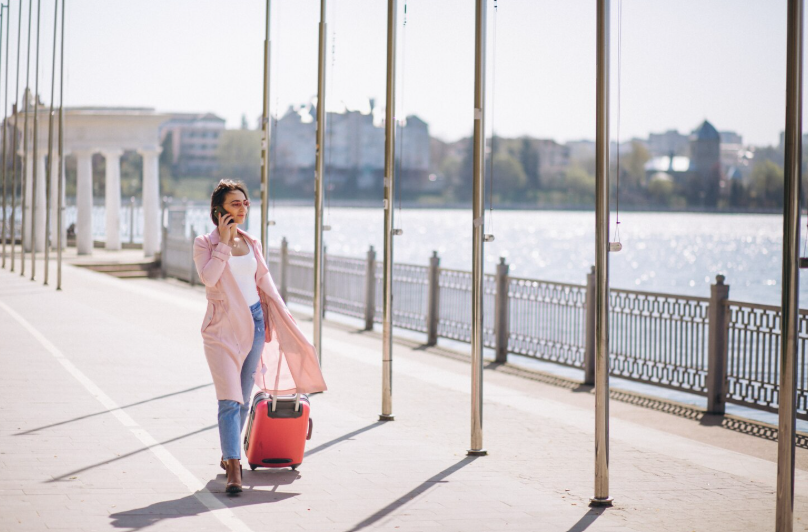
by Dulce Navarro | Feb 2, 2026 | Europe, Experiences, Lifestyle, Luxury, Travel
The Rise of Quiet Luxury Travel Across Europe
In recent years, a distinct shift has taken place in the world of high-end travel. The emphasis is no longer on extravagance for the sake of visibility, but on refinement, discretion, and meaningful experiences. This evolution—often described as “quiet luxury”—has rapidly gained momentum across Europe. Discerning travelers are moving away from overt displays of wealth and toward understated elegance, privacy, cultural authenticity, and intentional living.
Europe, with its layered history, diverse cultures, and refined hospitality traditions, has become the epicenter of this movement. From secluded countryside estates in Tuscany to discreet boutique hotels in Paris and serene Nordic retreats, quiet luxury travel is redefining what it means to experience the continent in style.
Defining Quiet Luxury in Travel
Quiet luxury in travel is characterized by subtle sophistication rather than conspicuous consumption. It prioritizes quality over quantity, craftsmanship over branding, and experience over spectacle. The traveler who embraces quiet luxury does not seek attention; instead, they seek immersion, privacy, and meaningful connection.
This philosophy aligns with a broader cultural trend. Consumers across industries—from fashion to real estate—are gravitating toward timeless design, muted aesthetics, and heritage craftsmanship. In travel, this translates to intimate properties with fewer rooms, curated local experiences, and personalized service that anticipates needs without intrusion.
The Shift Toward Privacy and Personalization
One of the most significant drivers behind the rise of quiet luxury travel is the desire for privacy. High-profile individuals, entrepreneurs, and global executives increasingly value spaces that allow them to disconnect from visibility and reconnect with themselves or their families.
Private villas along the Amalfi Coast, exclusive-use castles in Scotland, and members-only alpine chalets in Switzerland exemplify this trend. These destinations offer tailored experiences—private chefs, curated cultural excursions, wellness programming—without the ostentation often associated with traditional luxury resorts.
Technology has further enhanced personalization. Advanced concierge services, AI-powered guest profiling, and seamless digital communication enable hospitality providers to deliver hyper-customized stays while maintaining discretion and elegance.
Europe’s Timeless Appeal
Europe’s enduring appeal lies in its ability to blend heritage with modern sophistication. The continent’s architectural treasures, culinary excellence, and artisanal traditions create an environment where quiet luxury naturally flourishes.
Italy: Heritage and Slow Living
Italy has become synonymous with refined, slow-paced indulgence. Restored masserias in Puglia, vineyard estates in Piedmont, and discreet palazzos in Florence offer immersive experiences rooted in craftsmanship and regional authenticity. Guests partake in private wine tastings, truffle hunts, and bespoke tailoring sessions—luxuries that are experiential rather than extravagant.
France: Discreet Elegance
In France, understated luxury has long been part of the cultural fabric. Boutique hôtels particuliers in Paris, secluded Provençal estates, and intimate chalets in Megève reflect a tradition of elegance without excess. Culinary experiences emphasize seasonality and terroir, while design focuses on quiet refinement and impeccable detail.
Scandinavia: Minimalism and Nature
The Nordic countries exemplify quiet luxury through minimalism and harmony with nature. Remote lodges in Norway, glass cabins under the Finnish northern lights, and coastal retreats in Sweden emphasize simplicity, sustainability, and design integrity. Here, luxury is defined by tranquility, clean lines, and access to pristine landscapes.
Sustainability as a Core Value
Quiet luxury travel across Europe is deeply intertwined with sustainability. Today’s sophisticated traveler seeks not only comfort but responsibility. Eco-conscious design, locally sourced cuisine, renewable energy integration, and community engagement have become essential elements of premium hospitality.
Historic estates are being restored with environmental sensitivity, while luxury tour operators curate low-impact itineraries that support regional economies. This alignment of values—refinement combined with responsibility—enhances the appeal of understated travel experiences.
The Rise of Experiential Enrichment
Modern luxury travelers increasingly prioritize enrichment over indulgence. Private museum tours after hours in Madrid, intimate concerts in Viennese palaces, and guided archaeological explorations in Greece offer depth and exclusivity without spectacle.
Wellness also plays a central role. From thermal spa rituals in Budapest to holistic retreats in the Swiss Alps, travelers are investing in physical and mental restoration. These experiences emphasize longevity, mindfulness, and balance—hallmarks of the quiet luxury philosophy.
Why Quiet Luxury Resonates Now
In a hyper-connected world dominated by social media visibility, quiet luxury offers a counterbalance. It reflects confidence—an assurance that true quality does not require broadcast. For global leaders and entrepreneurs, travel has become less about showcasing status and more about cultivating perspective, well-being, and meaningful memories.
Europe provides the perfect stage for this transformation. Its blend of tradition, artistry, and innovation allows travelers to experience sophistication in its most authentic form. Whether wandering through centuries-old villages, dining in Michelin-starred establishments focused on local produce, or retreating to secluded coastal sanctuaries, quiet luxury represents a refined evolution of modern travel.
The Future of Luxury Travel in Europe
As the demand for discretion, sustainability, and personalization continues to grow, quiet luxury is poised to define the future of high-end travel across Europe. Hospitality brands are investing in smaller, more intimate properties. Designers are focusing on timeless aesthetics rather than trends. Experiences are becoming increasingly bespoke and culturally immersive.
For the discerning traveler, quiet luxury is not a fleeting trend but a mindset. It is about intentional choices, curated environments, and meaningful engagement with the world’s most inspiring destinations. Europe, with its unparalleled heritage and capacity for innovation, remains at the forefront of this elegant transformation.
Conclusion
Quiet luxury travel across Europe represents a sophisticated redefinition of indulgence. It celebrates discretion, authenticity, and thoughtful living. As travelers seek deeper connections and refined experiences, the continent continues to offer unparalleled opportunities for immersion in culture, craftsmanship, and natural beauty—without the need for excess.
Stay Connected for More Travel and Lifestyle Inspiration. For more insights into travel, culture, and lifestyle tips, follow me on Instagram @salvadorordorica. If you’re seeking professional translation and localization services to enhance your global ventures, visit The Spanish Group — your trusted partner in bridging cultures worldwide.

by Dulce Navarro | Jan 29, 2026 | Culture, Europe, Experiences, Lifestyle, Luxury, Travel
Europe’s Understated Luxury Capitals Worth Discovering
When luxury travel is discussed, the conversation often gravitates toward Europe’s most famous cities — Paris, London, Milan. While these destinations undeniably embody sophistication, a quieter form of luxury exists beyond the spotlight. Across Europe, several capitals offer refinement without excess, elegance without spectacle, and cultural depth without crowds.
These understated luxury capitals appeal to travelers who value authenticity, architectural harmony, thoughtful design, and a slower, more intentional pace of life. Rather than flashy displays, they offer experiences rooted in history, craftsmanship, gastronomy, and timeless aesthetics. Below are some of Europe’s most compelling yet often overlooked luxury capitals worth discovering.
Vienna: Classical Elegance and Cultural Prestige
Vienna is a masterclass in restrained luxury. The former heart of the Habsburg Empire, the city exudes imperial grandeur balanced by calm sophistication. Its wide boulevards, historic coffee houses, and meticulously preserved architecture create an atmosphere of quiet confidence rather than showmanship.
Luxury in Vienna reveals itself through world-class classical music, refined culinary traditions, and discreet high-end hotels housed in historic buildings. From private concerts to elegant museums and timeless cafés, Vienna offers an experience that is cultured, polished, and deeply rooted in tradition.
Copenhagen: Minimalist Design and Conscious Living
Copenhagen represents a modern interpretation of luxury — one defined by design, sustainability, and quality of life. The Danish capital has become synonymous with refined minimalism, where clean lines, thoughtful spaces, and craftsmanship take precedence over opulence.
From Michelin-starred restaurants to architecturally striking hotels and waterfront neighborhoods, Copenhagen’s elegance lies in its balance. The city effortlessly blends innovation with heritage, making it an ideal destination for travelers who appreciate contemporary luxury guided by intention and restraint.
Lisbon: Timeless Charm and Coastal Sophistication
Lisbon’s luxury is subtle, sunlit, and soulful. Built across seven hills overlooking the Atlantic, the Portuguese capital offers a romantic blend of faded grandeur, historic neighborhoods, and a growing contemporary design scene.
Boutique hotels in restored palaces, intimate wine bars, and exceptional seafood define Lisbon’s refined appeal. Rather than overt extravagance, the city offers warmth, authenticity, and elegance shaped by centuries of maritime history and cultural exchange.
Stockholm: Nordic Grace and Architectural Harmony
Spread across an archipelago of islands, Stockholm combines natural beauty with sophisticated urban design. The Swedish capital is a model of balance — between old and new, nature and city life, simplicity and refinement.
Luxury in Stockholm is quiet and purposeful. High-quality materials, understated interiors, and an emphasis on wellness define the city’s premium experiences. Whether staying in a waterfront hotel or dining in a softly lit restaurant, Stockholm offers elegance rooted in clarity and calm.
Bern: Discretion, Precision, and Heritage
Often overshadowed by Zurich or Geneva, Bern is one of Europe’s most discreet capitals. Its UNESCO-listed old town, medieval arcades, and pristine streets reflect Swiss values of precision, quality, and continuity.
Bern’s understated luxury appears in its immaculate urban planning, artisanal traditions, and exceptional quality of life. It is a city for travelers who appreciate subtlety, history, and an environment where excellence is expected rather than advertised.
Brussels: Refined Layers Beyond the Surface
Brussels is frequently misunderstood, yet beneath its political reputation lies a city of refined pleasures. Elegant townhouses, prestigious art collections, and a strong gastronomic culture define Belgium’s capital.
From haute chocolatiers and fine dining to Art Nouveau architecture and discreet luxury hotels, Brussels offers a layered experience. Its luxury is intellectual and culinary, appealing to those who enjoy discovery over display.
Helsinki: Quiet Design and Natural Sophistication
Helsinki’s elegance is calm, architectural, and deeply connected to nature. The Finnish capital embraces space, light, and functionality, creating an atmosphere of clarity and well-being.
Design-driven hotels, serene waterfront saunas, and refined Nordic cuisine shape Helsinki’s luxury identity. The city appeals to travelers who seek simplicity executed at the highest level, where every detail serves a purpose.
Why Understated Luxury Is the New Standard
Across Europe, luxury is increasingly defined not by excess, but by experience, intention, and authenticity. These understated capitals offer a richer connection to local culture, a sense of calm, and an appreciation for quality that goes beyond appearances.
Discovering these cities allows travelers to experience Europe through a more refined lens — one where elegance is woven into daily life, not performed for attention. It is a return to timeless values: craftsmanship, culture, and quiet confidence.
Stay Connected for More Travel and Lifestyle Inspiration. For more insights into travel, culture, and lifestyle tips, follow me on Instagram
@salvadorordorica. If you’re seeking professional translation and localization services to enhance your global ventures, visit The Spanish Group — your trusted partner in bridging cultures worldwide.
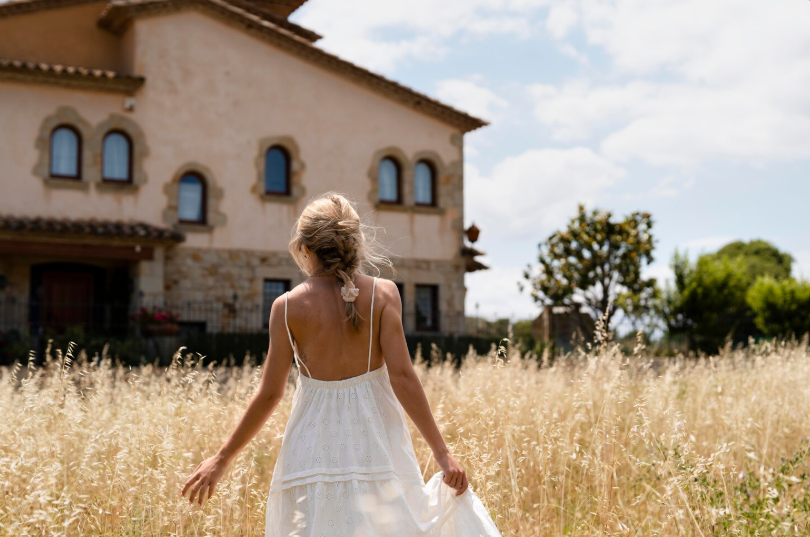
by Dulce Navarro | Jan 29, 2026 | Europe, Experiences, Landscapes, Lifestyle, Luxury, Nature, Travel
Italy’s Most Elegant Countryside Escapes
Italy’s countryside has long been synonymous with elegance, history, and a slower, more intentional way of life. Beyond its iconic cities, the rural heart of Italy offers refined escapes where natural beauty, cultural heritage, and understated luxury converge. From rolling vineyards and medieval villages to serene lakes and sun-drenched hills, Italy’s countryside provides an unparalleled backdrop for travelers seeking sophistication without excess.
These destinations are not defined by spectacle, but by atmosphere — places where time seems to soften, meals are unhurried, and every detail reflects centuries of craftsmanship and tradition. Below are some of Italy’s most elegant countryside escapes, each offering a distinct expression of rural refinement.
Tuscany: Timeless Beauty and Cultivated Luxury
Tuscany remains the gold standard of Italian countryside elegance. Its landscape of cypress-lined roads, golden hills, and historic estates feels almost painterly, shaped by centuries of agricultural and artistic heritage. Towns such as Pienza, Montepulciano, and San Gimignano offer architectural harmony, refined cuisine, and a sense of continuity with the past.
Luxury in Tuscany is rarely ostentatious. Instead, it appears in restored farmhouses turned boutique hotels, private vineyards producing world-renowned wines, and kitchens that elevate simple, seasonal ingredients into unforgettable meals. Whether staying in a countryside villa or exploring Renaissance-era towns, Tuscany embodies effortless sophistication rooted in tradition.
Umbria: The Quiet Elegance of the Green Heart
Often overshadowed by its famous neighbor, Umbria offers a more intimate and tranquil countryside experience. Known as the “Green Heart of Italy,” Umbria is characterized by forested hills, olive groves, and stone villages perched above fertile valleys.
Towns such as Spoleto, Assisi, and Todi provide a refined yet understated atmosphere, where spirituality, art, and nature coexist. The region’s elegance lies in its authenticity — slow meals featuring truffles and local olive oil, family-run estates, and panoramic views unmarred by crowds. For travelers seeking serenity with cultural depth, Umbria offers an exceptional escape.
Piedmont: Refined Landscapes and Culinary Prestige
In northern Italy, Piedmont presents a countryside defined by sophistication and gastronomic excellence. The rolling Langhe and Roero hills are home to prestigious vineyards, producing some of Italy’s most celebrated wines, including Barolo and Barbaresco.
Elegant villages such as Alba and La Morra blend historic charm with a contemporary appreciation for fine living. Piedmont’s countryside is ideal for travelers who value discretion, culinary mastery, and cultural richness. Autumn truffle season, in particular, transforms the region into a destination for connoisseurs from around the world.
Lake Como Hinterlands: Grace Beyond the Shore
While Lake Como itself is internationally renowned, the surrounding countryside offers an equally refined but quieter alternative. Gentle hills, forested paths, and historic villas extend beyond the lake’s edge, creating a peaceful setting that feels exclusive and timeless.
The elegance here is architectural and natural — neoclassical estates, manicured gardens, and small villages that retain a discreet charm. The region attracts those who appreciate privacy, beauty, and proximity to both nature and culture, making it an ideal countryside retreat with cosmopolitan access.
Puglia: Rustic Sophistication in Southern Italy
In southern Italy, Puglia offers a unique form of countryside elegance rooted in simplicity and light. Whitewashed towns, centuries-old olive trees, and open landscapes define the region’s aesthetic. Traditional trulli houses and masserie (fortified farmhouses) have been thoughtfully restored into refined accommodations.
Puglia’s countryside luxury is deeply connected to the land — sun-ripened produce, fresh seafood, and a slower rhythm of life. Towns like Martina Franca and Ostuni blend architectural beauty with authentic local culture, offering a graceful yet relaxed escape from more formal destinations.
Veneto’s Countryside: Villas, Vineyards, and Cultural Heritage
Beyond Venice lies a countryside shaped by Palladian villas, orderly vineyards, and historic estates. The Veneto region offers a refined rural experience where art, architecture, and agriculture intersect.
Areas such as Valpolicella and the Prosecco Hills combine scenic beauty with cultural depth. The elegance of Veneto’s countryside is structured and harmonious, reflecting centuries of thoughtful design and cultivation. It is a destination that appeals to travelers who value balance, history, and quiet sophistication.
The Enduring Appeal of Italy’s Countryside
What unites Italy’s most elegant countryside escapes is not luxury defined by excess, but by intention. These regions invite travelers to slow down, engage with local traditions, and appreciate beauty in its most natural form. From architectural details to culinary rituals, every element reflects a respect for heritage and craftsmanship.
Whether nestled among vineyards, overlooking rolling hills, or hidden within ancient stone villages, Italy’s countryside continues to offer an unparalleled blend of refinement and authenticity. It is an invitation to experience elegance as a way of life — unhurried, thoughtful, and deeply rooted in place.
Stay Connected for More Travel and Lifestyle Inspiration. For more insights into travel, culture, and lifestyle tips, follow me on Instagram
@salvadorordorica. If you’re seeking professional translation and localization services to enhance your global ventures, visit The Spanish Group — your trusted partner in bridging cultures worldwide.
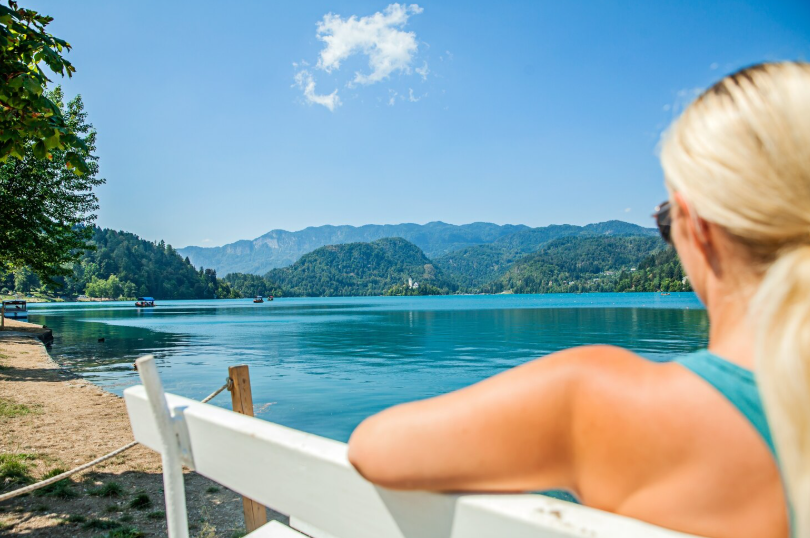
by Dulce Navarro | Jan 26, 2026 | Countries, Europe, Experiences, Landscapes, Lifestyle, Luxury, Travel
The Luxury of Silence: Europe’s Most Peaceful Destinations
Modern life is defined by constant motion, noise, and digital interruption. As a result, silence has become one of the most coveted luxuries in contemporary travel. For discerning travelers, true refinement is no longer measured by how much one sees or does, but by the quality of space, stillness, and clarity a journey provides.
Across Europe, beyond the crowded capitals and overexposed resorts, there are destinations where tranquility is woven into daily life. These places offer not escape, but recalibration — environments that encourage reflection, meaningful connection, and a deeper appreciation of culture and landscape.
The Swiss Engadin Valley: Precision, Nature, and Quiet Excellence
The Engadin Valley in eastern Switzerland exemplifies silence shaped by order and nature. High-altitude lakes, pine forests, and expansive alpine skies create an atmosphere of calm that feels intentional rather than remote.
Luxury in the Engadin is expressed through discretion and balance. Historic grand hotels coexist with minimalist wellness retreats, offering refined service without intrusion. Days unfold through gentle walks, thermal baths, and uninterrupted views, allowing travelers to slow their internal rhythm.
This region appeals to those who value precision, wellness, and intellectual quiet.
Alentejo, Portugal: Where Space Creates Stillness
Alentejo remains one of Europe’s least populated regions, defined by vast plains, cork oak forests, and whitewashed villages set against endless horizons. The sense of space alone creates silence — a rare luxury in itself.
Accommodations are often restored estates and understated rural retreats that prioritize authenticity over spectacle. Meals are unhurried, rooted in local tradition, and conversations stretch easily into the evening. In Alentejo, silence becomes a natural companion to daily life.
This destination rewards travelers seeking emotional calm and cultural depth.
Lapland, Finland: Silence as a Way of Life
In Finnish Lapland, silence is not a novelty but a cultural value. Vast snow-covered landscapes, forests, and frozen lakes absorb sound, creating a profound sense of stillness.
Luxury here is experiential and elemental. Glass-roofed lodges, private saunas, and guided nature experiences allow guests to observe rather than consume the environment. Whether under the midnight sun or the northern lights, the quiet feels expansive and grounding.
Lapland appeals to travelers seeking clarity, introspection, and a connection to nature at its purest.
The Cyclades Beyond Mykonos: Greece in Its Quietest Form
While some Greek islands are synonymous with nightlife and crowds, others remain dedicated to simplicity and calm. Islands such as Folegandros, Amorgos, and Serifos offer a slower, more contemplative version of Mediterranean life.
Here, luxury is defined by light, air, and restraint. Whitewashed architecture, modest boutique hotels, and long seaside meals shape days that feel unstructured yet deeply satisfying. The absence of noise allows the landscape and culture to take center stage.
These islands attract travelers who appreciate beauty without excess.
The French Jura: An Undiscovered Sanctuary
Nestled between Burgundy and Switzerland, the Jura Mountains remain largely untouched by mass tourism. Forests, lakes, and vineyards create a serene environment shaped by tradition and self-sufficiency.
The region’s luxury lies in its authenticity. Small inns, refined countryside hotels, and a culinary culture centered on craftsmanship foster a sense of belonging rather than display. Silence here is gentle, punctuated only by nature and conversation.
Jura is ideal for travelers who value discretion and discovery.
Why Silence Has Become the Ultimate Expression of Luxury
In an age of overstimulation, silence offers something increasingly rare: mental space. Peaceful destinations allow travelers to engage more fully with their surroundings, their companions, and themselves.
Luxury is no longer about abundance, but about intention — choosing environments that support well-being, clarity, and meaningful experience. Europe’s most tranquil destinations embody this evolution.
Conclusion
The luxury of silence is not an absence of life, but a return to what matters. Europe’s most peaceful destinations offer an opportunity to travel with awareness, depth, and grace.
For those willing to slow down, silence becomes not only restorative, but transformative.
Stay Connected for More Travel and Lifestyle Inspiration.
For more insights into travel, culture, and lifestyle tips, follow me on Instagram @salvadorordorica. If you’re seeking professional translation and localization services to enhance your global ventures, visit The Spanish Group — your trusted partner in bridging cultures worldwide.
