by Dulce Navarro | Jan 29, 2026 | Europe, Experiences, Landscapes, Lifestyle, Luxury, Nature, Travel
Italy’s Most Elegant Countryside Escapes
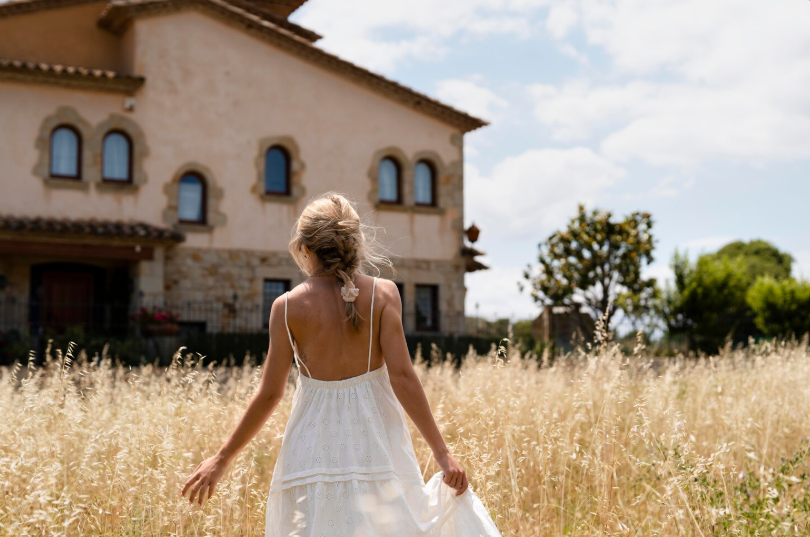
Italy’s countryside has long been synonymous with elegance, history, and a slower, more intentional way of life. Beyond its iconic cities, the rural heart of Italy offers refined escapes where natural beauty, cultural heritage, and understated luxury converge. From rolling vineyards and medieval villages to serene lakes and sun-drenched hills, Italy’s countryside provides an unparalleled backdrop for travelers seeking sophistication without excess.
These destinations are not defined by spectacle, but by atmosphere — places where time seems to soften, meals are unhurried, and every detail reflects centuries of craftsmanship and tradition. Below are some of Italy’s most elegant countryside escapes, each offering a distinct expression of rural refinement.
Tuscany: Timeless Beauty and Cultivated Luxury
Tuscany remains the gold standard of Italian countryside elegance. Its landscape of cypress-lined roads, golden hills, and historic estates feels almost painterly, shaped by centuries of agricultural and artistic heritage. Towns such as Pienza, Montepulciano, and San Gimignano offer architectural harmony, refined cuisine, and a sense of continuity with the past.
Luxury in Tuscany is rarely ostentatious. Instead, it appears in restored farmhouses turned boutique hotels, private vineyards producing world-renowned wines, and kitchens that elevate simple, seasonal ingredients into unforgettable meals. Whether staying in a countryside villa or exploring Renaissance-era towns, Tuscany embodies effortless sophistication rooted in tradition.
Umbria: The Quiet Elegance of the Green Heart
Often overshadowed by its famous neighbor, Umbria offers a more intimate and tranquil countryside experience. Known as the “Green Heart of Italy,” Umbria is characterized by forested hills, olive groves, and stone villages perched above fertile valleys.
Towns such as Spoleto, Assisi, and Todi provide a refined yet understated atmosphere, where spirituality, art, and nature coexist. The region’s elegance lies in its authenticity — slow meals featuring truffles and local olive oil, family-run estates, and panoramic views unmarred by crowds. For travelers seeking serenity with cultural depth, Umbria offers an exceptional escape.
Piedmont: Refined Landscapes and Culinary Prestige
In northern Italy, Piedmont presents a countryside defined by sophistication and gastronomic excellence. The rolling Langhe and Roero hills are home to prestigious vineyards, producing some of Italy’s most celebrated wines, including Barolo and Barbaresco.
Elegant villages such as Alba and La Morra blend historic charm with a contemporary appreciation for fine living. Piedmont’s countryside is ideal for travelers who value discretion, culinary mastery, and cultural richness. Autumn truffle season, in particular, transforms the region into a destination for connoisseurs from around the world.
Lake Como Hinterlands: Grace Beyond the Shore
While Lake Como itself is internationally renowned, the surrounding countryside offers an equally refined but quieter alternative. Gentle hills, forested paths, and historic villas extend beyond the lake’s edge, creating a peaceful setting that feels exclusive and timeless.
The elegance here is architectural and natural — neoclassical estates, manicured gardens, and small villages that retain a discreet charm. The region attracts those who appreciate privacy, beauty, and proximity to both nature and culture, making it an ideal countryside retreat with cosmopolitan access.
Puglia: Rustic Sophistication in Southern Italy
In southern Italy, Puglia offers a unique form of countryside elegance rooted in simplicity and light. Whitewashed towns, centuries-old olive trees, and open landscapes define the region’s aesthetic. Traditional trulli houses and masserie (fortified farmhouses) have been thoughtfully restored into refined accommodations.
Puglia’s countryside luxury is deeply connected to the land — sun-ripened produce, fresh seafood, and a slower rhythm of life. Towns like Martina Franca and Ostuni blend architectural beauty with authentic local culture, offering a graceful yet relaxed escape from more formal destinations.
Veneto’s Countryside: Villas, Vineyards, and Cultural Heritage
Beyond Venice lies a countryside shaped by Palladian villas, orderly vineyards, and historic estates. The Veneto region offers a refined rural experience where art, architecture, and agriculture intersect.
Areas such as Valpolicella and the Prosecco Hills combine scenic beauty with cultural depth. The elegance of Veneto’s countryside is structured and harmonious, reflecting centuries of thoughtful design and cultivation. It is a destination that appeals to travelers who value balance, history, and quiet sophistication.
The Enduring Appeal of Italy’s Countryside
What unites Italy’s most elegant countryside escapes is not luxury defined by excess, but by intention. These regions invite travelers to slow down, engage with local traditions, and appreciate beauty in its most natural form. From architectural details to culinary rituals, every element reflects a respect for heritage and craftsmanship.
Whether nestled among vineyards, overlooking rolling hills, or hidden within ancient stone villages, Italy’s countryside continues to offer an unparalleled blend of refinement and authenticity. It is an invitation to experience elegance as a way of life — unhurried, thoughtful, and deeply rooted in place.
Stay Connected for More Travel and Lifestyle Inspiration. For more insights into travel, culture, and lifestyle tips, follow me on Instagram
@salvadorordorica. If you’re seeking professional translation and localization services to enhance your global ventures, visit The Spanish Group — your trusted partner in bridging cultures worldwide.

by Dulce Navarro | Jan 14, 2026 | Countries, Europe, Experiences, Landscapes, Lifestyle, Luxury, Nature, Travel
The New French Riviera: Refined Coastal Escapes Without the Crowds
The French Riviera has long represented glamour, elegance, and Mediterranean allure. From Cannes to Saint-Tropez, its coastline has been immortalized through cinema, art, and high society. Yet as global travel evolves, so too does the definition of luxury. Today’s discerning travelers seek privacy, authenticity, and refinement without spectacle. In response, a quieter, more sophisticated Riviera has emerged — one defined by understated destinations that preserve beauty while avoiding the crowds.
This new French Riviera is not a departure from tradition, but a return to its essence. It favors discreet coastal towns, intimate harbors, and experiences shaped by culture rather than visibility. For travelers who value calm, quality, and discretion, these refined escapes offer a new way to experience the Mediterranean.
Redefining Riviera Luxury
Luxury on the modern Riviera is no longer measured by exclusivity through access alone, but by the ability to disconnect while remaining immersed in elegance. Refined travelers are increasingly drawn to destinations that allow for genuine experiences — places where life unfolds naturally, unhurried by mass tourism.
These destinations attract artists, entrepreneurs, and seasoned travelers who value subtlety over display. They offer high standards of hospitality without excess, emphasizing space, privacy, and a strong sense of place.
Cap d’Ail: Elegance on the Edge of Monaco
Situated just west of Monaco, Cap d’Ail offers Riviera sophistication without the intensity of its famous neighbor. Belle Époque villas cling to the cliffs, overlooking turquoise waters and secluded coves. The coastal path, Sentier du Littoral, provides breathtaking views while remaining largely untouched by crowds.
Cap d’Ail appeals to travelers who appreciate proximity to Monaco’s conveniences while preferring discretion, tranquility, and architectural charm.
Beaulieu-sur-Mer: Timeless and Understated
Beaulieu-sur-Mer embodies a Riviera that feels preserved rather than reinvented. Its palm-lined promenade, small marina, and historic residences reflect a bygone era of refined travel. The town moves at a gentler pace, attracting visitors who value routine, familiarity, and calm.
Here, luxury is expressed through continuity — mornings at quiet cafés, afternoons by the sea, and evenings defined by intimate dining rather than nightlife.
Èze-sur-Mer: Coastal Beauty Without the Crowds
While the hilltop village of Èze is widely known, Èze-sur-Mer remains remarkably discreet. Nestled between Nice and Monaco, it offers direct access to the sea alongside a sense of privacy often absent from the region’s more publicized beaches.
Small hotels, private residences, and uncrowded shorelines make it an ideal base for travelers seeking Riviera beauty without constant activity.
Saint-Aygulf: Nature Meets the Mediterranean
Located near the mouth of the Argens River, Saint-Aygulf offers a different Riviera experience — one rooted in nature. Its protected lagoons, expansive beaches, and walking paths provide space and serenity rarely associated with the Côte d’Azur.
This destination appeals to travelers who appreciate balance: proximity to the sea, access to nature, and distance from high-traffic resorts.
Discreet Dining and Local Gastronomy
Along this quieter Riviera, dining becomes a personal experience rather than a performance. Family-run restaurants, local markets, and chef-owned establishments emphasize seasonal ingredients and regional tradition. Reservations are often recommended by locals rather than publicity.
These dining experiences favor consistency and intimacy, offering travelers a deeper connection to Provençal and Mediterranean cuisine.
Where to Stay: Boutique Over Branded
Accommodation plays a defining role in refined travel. The new Riviera favors boutique hotels, restored villas, and small-scale properties that prioritize privacy and personal service. Many are quietly luxurious, known more for their atmosphere than their marketing.
These spaces foster a sense of belonging, allowing guests to experience the Riviera as residents rather than visitors.
A Riviera for the Discerning Traveler
The new French Riviera is not about avoiding the region’s legacy, but about experiencing it differently. It invites travelers to slow down, observe, and engage with places that retain their integrity. For those who value discretion, elegance, and authenticity, these coastal escapes represent the future of Riviera travel.
In choosing refinement over recognition, travelers discover a Riviera that feels both timeless and personal.
Stay Connected for More Travel and Lifestyle Inspiration
For more insights into travel, culture, and lifestyle tips, follow me on Instagram @salvadorordorica. If you’re seeking professional translation and localization services to enhance your global ventures, visit The Spanish Group — your trusted partner in bridging cultures worldwide.

by Dulce Navarro | Jan 8, 2026 | Countries, Europe, Experiences, Landscapes, Lifestyle, Luxury, Nature, Travel
Exclusive Multi-Country Chauffeur Routes Through Europe’s Scenic Regions
In an age where luxury travel is increasingly defined by personalization, privacy, and immersive experiences, multi-country chauffeur journeys through Europe have emerged as one of the most refined ways to explore the continent. Far removed from rigid itineraries and crowded transport hubs, chauffeur-driven routes offer travelers the freedom to move seamlessly across borders while enjoying Europe’s most breathtaking landscapes at an unhurried pace.
For executives, families, and culturally curious travelers, these bespoke journeys transform travel time into an experience of comfort, discretion, and discovery. From vineyard-lined valleys to dramatic alpine passes, Europe’s scenic regions unfold effortlessly when explored from the back seat of a luxury vehicle.
The Rise of Chauffeur-Driven Luxury Travel
Chauffeur travel has long been associated with prestige and convenience, but in recent years it has evolved into a highly curated form of experiential tourism. Travelers are no longer seeking simple point-to-point transfers; they are looking for meaningful journeys that connect multiple destinations while maintaining consistency in service, comfort, and quality.
Multi-country chauffeur routes allow guests to avoid the inefficiencies of short-haul flights and train transfers, replacing them with a seamless door-to-door experience. With a professional driver handling logistics, borders, and timing, travelers are free to focus entirely on the journey itself.
The Alpine Corridor: France, Switzerland, and Italy
One of Europe’s most iconic chauffeur routes runs through the heart of the Alps, connecting France, Switzerland, and Italy. Beginning in Geneva or Milan, travelers can journey through Mont Blanc, Lake Geneva, and the Swiss Alps, enjoying panoramic mountain views and pristine alpine villages.
Stops often include Chamonix, Zermatt, and St. Moritz, where luxury hotels, Michelin-starred dining, and world-class wellness retreats await. This route is particularly popular among travelers seeking natural beauty combined with refined hospitality and effortless border crossings.
The Romance Route: Italy, France, and Monaco
For those drawn to elegance and coastal glamour, a chauffeur journey through Italy, southern France, and Monaco offers an unforgettable experience. Beginning in Florence or Milan, the route winds through Tuscany’s rolling hills before continuing along the Italian Riviera and into the French Côte d’Azur.
Travelers can explore destinations such as Portofino, Nice, Cannes, and Monte Carlo, enjoying seaside views, historic towns, and iconic luxury destinations. Chauffeur travel allows for spontaneous stops at vineyards, coastal viewpoints, and cultural landmarks that traditional itineraries often miss.
The Grand Central Europe Route: Austria, Germany, and the Czech Republic
Central Europe offers a rich blend of imperial history, architecture, and scenic countryside. A multi-country chauffeur route through Austria, Germany, and the Czech Republic connects cities such as Vienna, Salzburg, Munich, and Prague with ease.
Along the way, travelers experience baroque palaces, alpine lakes, and medieval towns. This route is ideal for culture-focused travelers who appreciate history, classical music, and refined urban experiences paired with picturesque rural landscapes.
The Iberian Experience: Spain and Portugal
The Iberian Peninsula provides a striking contrast of landscapes, from Spain’s dramatic mountain ranges to Portugal’s sun-drenched coastline. Chauffeur routes often begin in Madrid or Barcelona and continue through Andalusia before crossing into Portugal.
Stops may include Seville, Granada, Lisbon, and Porto, with opportunities to explore UNESCO World Heritage sites, renowned culinary regions, and historic wine estates. The flexibility of chauffeur travel allows guests to experience both major cities and hidden rural gems at their own pace.
What Defines an Exceptional Chauffeur Journey?
An exclusive chauffeur experience is defined by more than just luxury vehicles. Professional drivers with deep regional knowledge, multilingual capabilities, and cultural awareness play a critical role in elevating the journey.
Vehicles are typically high-end sedans, SUVs, or executive vans equipped with premium interiors, climate control, and onboard amenities. Routes are meticulously planned but remain flexible, allowing adjustments based on weather, personal interests, or spontaneous discoveries.
Privacy, Comfort, and Time Efficiency
One of the greatest advantages of chauffeur-driven travel is privacy. Unlike public transport or group tours, chauffeur journeys offer a controlled, discreet environment ideal for high-profile individuals and business travelers.
Time efficiency is equally important. Chauffeur services optimize routes, manage border crossings, and coordinate hotel arrivals, ensuring that each day unfolds smoothly. This level of precision is particularly valuable when traveling across multiple countries in a limited timeframe.
Sustainable and Thoughtful Travel
While luxury and sustainability are often seen as opposing concepts, modern chauffeur services increasingly incorporate eco-conscious practices. Many fleets now include hybrid or electric vehicles, and routes are designed to reduce unnecessary mileage while maximizing experiential value.
By traveling overland rather than relying on multiple short flights, chauffeur journeys offer a more environmentally responsible way to explore Europe without sacrificing comfort or sophistication.
Conclusion: Europe, Experienced Without Boundaries
Exclusive multi-country chauffeur routes redefine what it means to travel through Europe. By combining personalized service, scenic immersion, and seamless logistics, these journeys allow travelers to experience the continent without boundaries or interruptions.
For those who value comfort, discretion, and cultural depth, chauffeur-driven travel offers a timeless and elegant approach to discovering Europe — where the road itself becomes an integral part of the destination.
Stay Connected for More Travel and Lifestyle Inspiration.
For more insights into travel, culture, and lifestyle tips, follow me on @salvadorordorica. If you’re seeking professional translation and localization services to enhance your global ventures, visit The Spanish Group — your trusted partner in bridging cultures worldwide.

by Dulce Navarro | Jan 7, 2026 | Europe, Experiences, Landscapes, Lifestyle, Luxury, Nature
Private Botanical Experiences in Europe’s Oldest Royal Gardens
Across Europe, royal gardens have long served as living symbols of power, intellect, and aesthetic refinement. Originally designed for monarchs and nobility, these botanical masterpieces were not merely ornamental; they were laboratories of science, diplomacy, and cultural exchange. Today, a select number of these historic gardens offer private botanical experiences that allow discerning travelers rare access to centuries-old landscapes, expert horticultural insight, and the quiet luxury of exclusivity.
From dawn tours through dew-covered parterres to guided explorations with royal gardeners and botanists, these experiences offer a deeper connection to Europe’s botanical heritage—one rooted in history, preservation, and cultivated beauty.
The Legacy of Royal Gardens in Europe
European royal gardens date back to the Renaissance and Baroque periods, when rulers commissioned elaborate landscapes to reflect their authority and taste. Influenced by Italian geometry, French symmetry, and later English naturalism, these gardens were carefully curated statements of prestige.
Beyond aesthetics, many royal gardens functioned as early botanical collections. Exotic plant species gathered through colonial trade routes and diplomatic exchanges were cultivated, studied, and showcased. These gardens became centers of botanical innovation long before public institutions existed.
Private Access: A New Form of Cultural Luxury
While many historic gardens are open to the public, private botanical experiences elevate the visit into something far more intimate and educational. These curated encounters often take place outside public hours and are led by head gardeners, historians, or botanists who possess generational knowledge of the grounds.
Guests may gain access to restricted greenhouses, archival planting records, or rarely opened sections of the gardens. The experience emphasizes quiet immersion rather than spectacle—appealing to travelers who value depth, authenticity, and refinement.
Versailles: Botanical Precision Behind Royal Grandeur
The Gardens of Versailles, designed by André Le Nôtre in the 17th century, represent the pinnacle of formal French garden design. While millions visit annually, private botanical tours reveal a lesser-known narrative behind the symmetry and scale.
Exclusive experiences may include early-morning walks through the parterres before public access, discussions on seasonal planting strategies, and insights into the restoration of centuries-old orange trees housed in the Orangerie. These trees—some over 300 years old—are living artifacts of royal horticulture.
Kew Gardens: Royal Science and Global Discovery
Founded as a royal garden in the 18th century, London’s Kew Gardens stands at the intersection of monarchy and modern botanical science. While now a UNESCO World Heritage Site, its royal origins remain evident in its design and mission.
Private botanical experiences at Kew may include behind-the-scenes access to conservation laboratories, private greenhouse tours, and expert-led discussions on plant preservation and climate research. These encounters highlight how royal patronage helped shape global botanical knowledge.
Schönbrunn Palace Gardens: Imperial Elegance in Vienna
The gardens of Schönbrunn Palace reflect the refined tastes of the Habsburg dynasty. Designed in the Baroque style, the grounds incorporate formal geometry, ornamental fountains, and one of Europe’s oldest zoological gardens.
Private tours often focus on the botanical symbolism embedded within the garden’s design, from medicinal plants cultivated for the imperial court to rare species collected during diplomatic missions. Guests gain insight into how botany supported both health and statecraft.
Italy’s Medici Gardens: Renaissance Botanical Innovation
The Medici family played a critical role in advancing botanical science during the Renaissance. Their gardens in Florence, including the Boboli Gardens, served as experimental spaces where exotic plants were studied and acclimated.
Private botanical experiences here emphasize the intellectual legacy of Renaissance horticulture. Guided tours may explore medicinal gardens, sculptural symbolism, and the Medici family’s influence on modern botanical classification.
What Makes These Experiences Truly Exceptional
Private botanical experiences distinguish themselves through personalization, scholarship, and access. Unlike standard tours, these visits are tailored to the interests of the guest—whether historical, scientific, or aesthetic.
Many experiences include curated refreshments, private transportation within expansive estates, and opportunities to engage directly with the custodians responsible for preserving these landscapes. The result is a refined journey that blends education with quiet luxury.
The Growing Appeal of Botanical Travel
As travelers increasingly seek meaningful and sustainable experiences, botanical tourism has emerged as a sophisticated alternative to traditional sightseeing. Royal gardens offer a sense of continuity, preservation, and calm—qualities especially valued in today’s fast-paced world.
Private access reinforces this appeal, allowing guests to experience these historic landscapes as they were originally intended: serene, contemplative, and exclusive.
Conclusion: Cultivating Cultural Connection Through Nature
Europe’s oldest royal gardens are far more than scenic backdrops; they are living chronicles of history, science, and artistry. Private botanical experiences offer an unparalleled way to engage with these spaces—honoring their past while supporting their future.
For those who value heritage, expertise, and refined travel, these gardens provide a rare opportunity to connect deeply with Europe’s cultural and botanical legacy.
Stay Connected for More Travel and Lifestyle Inspiration. For more insights into travel, culture, and lifestyle tips, follow me on Instagram
@salvadorordorica. If you’re seeking professional translation and localization services to enhance your global ventures, visit The Spanish Group — your trusted partner in bridging cultures worldwide.
