
by Dulce Navarro | Apr 1, 2025 | Countries, Culture, Europe, Lifestyle, Residency, Work
The Ultimate Expat Guide to Living in France
Introduction
Moving to France is an exciting adventure filled with cultural experiences, exquisite cuisine, and breathtaking landscapes. Whether you’re relocating for work, study, or retirement, navigating life as an expat in France requires some preparation and understanding of the country’s way of life.
Why Choose France?
France is a top destination for expats due to its high quality of life, excellent healthcare system, and rich history. The country offers a mix of bustling cities, charming countryside, and stunning coastlines, making it an ideal place for any lifestyle.
Visa and Residency Requirements
Types of Visas
Depending on your purpose for moving to France, you may need a short-term visa, long-term visa, or a specific visa such as a talent passport for professionals.
Applying for Residency
After entering France, long-term visa holders may need to apply for a residence permit at their local prefecture.
Cost of Living
France can be an expensive place to live, especially in major cities like Paris. However, costs vary significantly by region. It’s essential to budget for rent, groceries, transportation, and healthcare.
Finding Accommodation
From apartments in the city to countryside homes, France offers various housing options. Websites like SeLoger and PAP can help you find rentals.
Healthcare System
France has one of the best healthcare systems in the world. Expats can access public healthcare after registering with the French social security system or opt for private health insurance.
Working in France
If you plan to work in France, understanding the job market and work culture is crucial. Speaking French can greatly improve your employment opportunities.
Learning the Language
French is the official language, and while some people speak English, learning French will help you integrate better into society.
French Culture and Etiquette
French culture places importance on politeness, food, and art. Greeting people properly and respecting traditions will help you blend in.
Conclusion
Living in France as an expat is an enriching experience, but preparation is key. Understanding the legal, financial, and cultural aspects of French life will help ensure a smooth transition.
Stay Connected for More Travel and Lifestyle Inspiration. For more insights into travel, culture, and lifestyle tips, follow me on Instagram @salvadorordorica. If you’re seeking professional translation and localization services to enhance your global ventures, visit The Spanish Group — your trusted partner in bridging cultures worldwide.
by Dulce Navarro | Mar 31, 2025 | Countries, Culture, Europe, Lifestyle, Residency, Travel
Best Cities for Expats in Spain: Where to Live and Thrive
Introduction
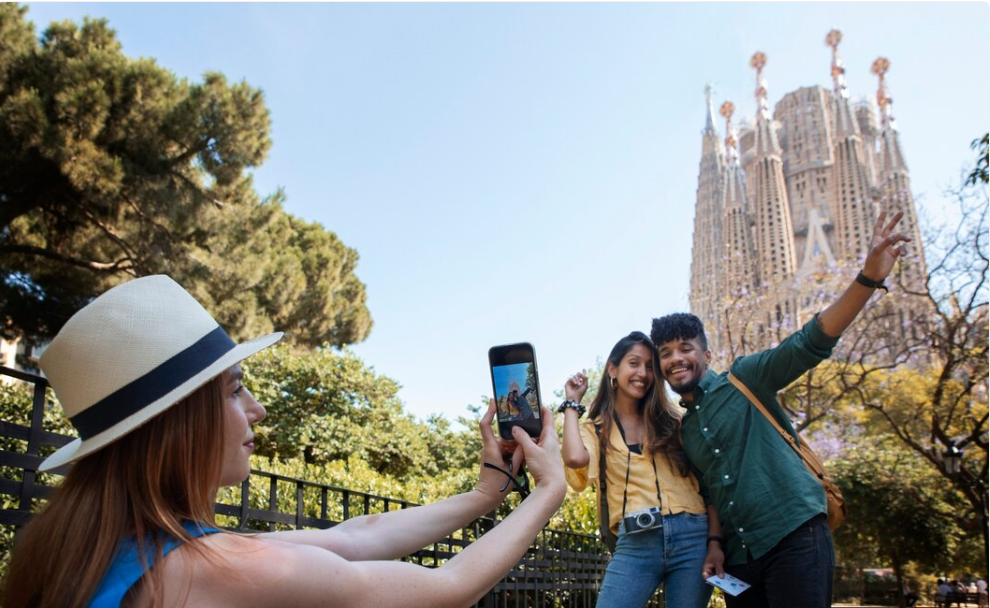
Spain is a top destination for expats seeking a vibrant culture, excellent quality of life, and affordability. Whether you’re looking for bustling city life, coastal tranquility, or a rich historical atmosphere, Spain has a city that suits every lifestyle.
1. Barcelona: A Cosmopolitan Hub
Barcelona is a favorite among expats due to its dynamic cultural scene, international community, and stunning Mediterranean coastline. The city offers excellent public transport, world-class dining, and diverse neighborhoods.
2. Madrid: Spain’s Thriving Capital
Madrid, the heart of Spain, is known for its energetic lifestyle, job opportunities, and rich cultural heritage. With an excellent metro system and an array of museums, parks, and restaurants, Madrid is perfect for expats who enjoy a lively atmosphere.
3. Valencia: The Perfect Balance
Valencia offers a more relaxed pace compared to Barcelona and Madrid while still providing modern amenities. Its affordability, pleasant weather, and beautiful beaches make it an attractive option for expats.
4. Seville: A Cultural Gem
For those who appreciate tradition, Seville is the ultimate choice. With its stunning Moorish architecture, flamenco performances, and delicious cuisine, this city is a great place to experience authentic Spanish culture.
5. Malaga: Coastal Comfort
Malaga is an ideal destination for expats who want to enjoy a coastal lifestyle without sacrificing city conveniences. It boasts a warm climate, friendly locals, and a lower cost of living compared to larger cities.
6. Bilbao: A Northern Retreat
Bilbao, located in Spain’s Basque Country, offers a unique cultural experience with its green landscapes, art scene, and world-renowned cuisine. It is a fantastic choice for those who prefer a cooler climate and a slower pace of life.
7. Alicante: A Budget-Friendly Option
Alicante provides an affordable cost of living, stunning beaches, and a welcoming expat community. The city’s relaxed atmosphere and excellent healthcare services make it a great option for retirees and digital nomads alike.
Conclusion
Spain offers a variety of cities that cater to different lifestyles, whether you’re seeking adventure, culture, or relaxation. No matter which city you choose, Spain’s welcoming atmosphere and high quality of life make it an excellent destination for expats.
Stay Connected for More Travel and Lifestyle Inspiration. For more insights into travel, culture, and lifestyle tips, follow me on Instagram @salvadorordorica. If you’re seeking professional translation and localization services to enhance your global ventures, visit The Spanish Group — your trusted partner in bridging cultures worldwide.

by Dulce Navarro | Mar 28, 2025 | Business, Countries, Europe, Lifestyle, Residency, Work
The Most Affordable Cities in Europe for Digital Nomads
Introduction
Europe is a dream destination for digital nomads, offering a mix of rich history, diverse cultures, and modern conveniences. However, not all cities are budget-friendly. This guide explores some of the most affordable cities in Europe where digital nomads can live and work comfortably without breaking the bank.
1. Lisbon, Portugal
Lisbon has become a digital nomad hotspot due to its mild climate, affordable cost of living, and vibrant coworking spaces. Rent is relatively low compared to other Western European capitals, and there are plenty of cafes with reliable Wi-Fi.
2. Budapest, Hungary
With its stunning architecture, affordable rents, and lively expat community, Budapest is an ideal city for remote workers. Public transportation is efficient, and there are numerous coworking spaces available at reasonable prices.
3. Krakow, Poland
Krakow is one of Poland’s most charming cities and a great option for digital nomads on a budget. Food, transportation, and rent are all affordable, and the city offers a unique blend of history and modernity.
4. Valencia, Spain
Valencia provides a perfect mix of city life and beach relaxation. It has a lower cost of living than Madrid and Barcelona while still offering excellent infrastructure, coworking spaces, and delicious cuisine.
5. Sofia, Bulgaria
Sofia is one of the most affordable European capitals, boasting a low cost of living and a growing digital nomad community. The city has fast internet, affordable housing, and a great cafe culture.
6. Belgrade, Serbia
Belgrade is known for its vibrant nightlife, friendly locals, and affordable living costs. With plenty of coworking spaces and an emerging startup scene, it’s a hidden gem for digital nomads.
7. Prague, Czech Republic
Prague offers a relatively low cost of living compared to other Western European cities. It’s a city filled with culture, history, and strong infrastructure for remote workers.
Conclusion
Finding an affordable city in Europe as a digital nomad is possible with careful planning and research. Whether you prefer the beaches of Valencia or the charm of Krakow, there’s a perfect spot for every budget-conscious remote worker.
Stay Connected for More Travel and Lifestyle Inspiration
For more insights into travel, culture, and lifestyle tips, follow me on Instagram @salvadorordorica. If you’re seeking professional translation and localization services to enhance your global ventures, visit The Spanish Group — your trusted partner in bridging cultures worldwide.

by Dulce Navarro | Mar 27, 2025 | Culture, Europe, Languages, Residency
Building Inclusive Communities Through Language and Communication
Introduction
In an increasingly interconnected world, effective communication is at the heart of inclusive communities. Language serves as a bridge, fostering understanding, empathy, and collaboration across cultures. However, linguistic barriers can also be a source of exclusion, limiting opportunities for individuals and communities to fully participate in society. This article explores the importance of language in building inclusive communities and offers strategies to enhance communication across diverse populations.
The Role of Language in Inclusion
Language is more than just a tool for communication—it is a key aspect of identity, culture, and social connection. When people feel heard and understood, they are more likely to engage with their communities, access essential services, and contribute to economic and social development.
Challenges in Multilingual Communities
While multilingualism enriches societies, it also presents challenges, including:
- Limited access to information: Individuals who do not speak the dominant language may struggle to access healthcare, education, and government services.
- Employment barriers: Language proficiency often determines job opportunities and career advancement.
- Social isolation: Language differences can hinder social integration and a sense of belonging.
Strategies for Building Inclusive Communities Through Language
1. Promoting Multilingual Education
Investing in language education from an early age fosters bilingualism and cross-cultural understanding. Schools and institutions should offer language programs that cater to diverse linguistic backgrounds.
2. Enhancing Translation and Interpretation Services
Providing professional translation and interpretation services ensures that non-native speakers can access critical information and services. Businesses, healthcare providers, and government agencies should prioritize language accessibility.
3. Encouraging Cross-Cultural Communication
Organizing language exchange programs, cultural festivals, and community dialogues can strengthen relationships between different linguistic groups.
4. Leveraging Technology for Language Accessibility
AI-driven translation tools, multilingual websites, and voice recognition software can help break down language barriers and enhance communication.
5. Promoting Workplace Inclusivity
Businesses should implement policies that support linguistic diversity, such as multilingual onboarding materials, language training programs, and inclusive hiring practices.
Conclusion
Building inclusive communities through language and communication requires a collective effort from individuals, organizations, and policymakers. By prioritizing language accessibility and fostering cross-cultural dialogue, we can create a more inclusive and equitable world.
Stay Connected for More Travel and Lifestyle Inspiration. For more insights into travel, culture, and lifestyle tips, follow me on Instagram @salvadorordorica. If you’re seeking professional translation and localization services to enhance your global ventures, visit The Spanish Group — your trusted partner in bridging cultures worldwide.

by Dulce Navarro | Mar 27, 2025 | Culture, Europe, Lifestyle, Residency, Work
The Digital Nomad’s Guide to Living and Working in Europe
Introduction
In recent years, Europe has become one of the most attractive destinations for digital nomads. With its diverse cultures, efficient infrastructure, and welcoming visa policies, the continent offers numerous opportunities for remote workers looking to live and work abroad.
Choosing the Right Country
Each European country has its own benefits for digital nomads. Portugal, Spain, Germany, and Estonia, for example, offer friendly visa options, excellent internet, and thriving coworking spaces.
Visa and Legal Considerations
Many European countries now offer digital nomad visas that allow remote workers to stay for extended periods. Some of the best options include:
- Estonia’s Digital Nomad Visa
- Portugal’s D7 Visa
- Spain’s Non-Lucrative Visa
Cost of Living
While Western Europe can be expensive, countries like Portugal, Hungary, and Greece offer affordable living costs while maintaining a high quality of life.
Best Cities for Digital Nomads
Some of the top cities include:
- Lisbon, Portugal – Great weather and strong nomad community.
- Barcelona, Spain – Vibrant lifestyle and coworking spaces.
- Berlin, Germany – A tech hub with a creative scene.
- Tallinn, Estonia – Digital-friendly with an e-Residency program.
Internet Connectivity and Workspaces
Europe boasts excellent internet speeds and a variety of coworking spaces, such as WeWork, Impact Hub, and smaller independent hubs.
Accommodation Options
From Airbnb rentals to coliving spaces, digital nomads have various accommodation choices, including:
- Coliving spaces like Outsite and Selina.
- Short-term rentals through Airbnb.
- Long-term stays via rental platforms.
Networking and Community
Europe is home to numerous networking events, digital nomad meetups, and conferences such as Web Summit in Portugal and Tech Open Air in Berlin.
Financial Considerations
Managing finances in Europe involves using multi-currency accounts like Wise or Revolut and understanding local taxation rules.
Conclusion
Living as a digital nomad in Europe offers countless opportunities for professional growth and personal enrichment. By choosing the right location, visa, and accommodation, remote workers can thrive in this dynamic and diverse continent.
Stay Connected for More Travel and Lifestyle Inspiration.
For more insights into travel, culture, and lifestyle tips, follow me on Instagram @salvadorordorica.
If you’re seeking professional translation and localization services to enhance your global ventures, visit The Spanish Group — your trusted partner in bridging cultures worldwide.

by Dulce Navarro | Mar 24, 2025 | Countries, Culture, Europe, Lifestyle, Residency, Travel, Work
Top Coworking Spaces in Paris for Productivity and Networking
Paris, the city of light, creativity, and endless inspiration, is not just a dream destination for tourists but also a thriving hub for professionals, entrepreneurs, and digital nomads. The city’s dynamic coworking spaces provide more than just a desk and Wi-Fi—they offer opportunities for productivity, collaboration, and networking with like-minded individuals. If you are looking to work in a professional yet vibrant environment in Paris, here are some of the top coworking spaces where productivity and networking go hand-in-hand.
1. WeWork Paris
WeWork has become synonymous with coworking globally, and its presence in Paris is no different. With multiple locations scattered across the city, including La Fayette, Champs-Élysées, and Rue La Boétie, WeWork offers premium amenities, flexible plans, and beautifully designed workspaces. The spaces are designed to spark creativity with open areas, private offices, and community events that foster meaningful connections. Whether you’re a startup founder, freelancer, or part of a larger team, WeWork’s Paris locations provide access to a global network and professional resources.
2. Morning Coworking
With more than 20 locations across Paris, Morning Coworking stands out for its focus on community and well-being. The spaces are designed with natural light, green plants, and comfortable furniture to boost productivity and comfort. Beyond the stylish design, Morning Coworking organizes frequent workshops, breakfasts, and networking events that help professionals connect and learn from each other. Their flexible membership options, from hot desks to private offices, make it a versatile option for businesses of all sizes.
3. Station F
Station F is not just a coworking space—it’s the world’s largest startup campus. Located in the 13th arrondissement, Station F houses more than 1,000 startups and offers everything an entrepreneur could need, from meeting rooms and event spaces to on-site restaurants and investor connections. It’s a place where innovation thrives, and the networking opportunities are endless. For startups and tech enthusiasts, this iconic space is a must-consider for both productivity and exposure.
4. Hubsy Café & Coworking
Hubsy offers a unique concept that blends the atmosphere of a cozy café with the practicality of a coworking space. With multiple locations including near République and Gare Saint-Lazare, Hubsy provides a pay-per-hour system, making it ideal for those needing a productive environment for a few hours without long-term commitments. The spaces are equipped with high-speed Wi-Fi, delicious coffee, snacks, and comfortable seating. It’s a relaxed yet professional setting perfect for freelancers and students.
5. Kwerk
Kwerk takes coworking to an artistic level. Their spaces are known for their stunning design that combines architecture, art, and wellness. Located in prestigious areas like Madeleine and La Défense, Kwerk provides top-tier amenities including yoga sessions, wellness programs, and beautifully curated workspaces that inspire creativity and focus. Their emphasis on well-being, coupled with opportunities for professional networking, makes Kwerk a premium choice for executives and creatives alike.
6. Spaces Paris
Spaces offers a vibrant and flexible coworking experience with locations in major Parisian districts like Les Halles and République. Their spaces are designed to encourage collaboration and productivity, with open-plan work areas, private meeting rooms, and event spaces. Monthly networking events and professional workshops allow members to expand their skills and make valuable business connections.
7. La Permanence
For professionals looking for affordability without compromising quality, La Permanence is an excellent option. Open 24/7 and located in the heart of Paris, it offers unlimited coffee, high-speed internet, and a quiet environment conducive to deep work. Its simple yet effective setup is perfect for students, freelancers, and remote workers seeking flexibility and focus.
8. Anticafé
Anticafé operates on a unique pricing model—you pay for the time you spend, and everything else (coffee, snacks, Wi-Fi, and printers) is included. With several locations across Paris, it attracts a creative crowd of freelancers, designers, and students. The spaces are colorful, lively, and perfect for casual networking or brainstorming sessions.
9. Deskopolitan
Deskopolitan offers two stunning locations in Paris, with spaces that cater to productivity, collaboration, and lifestyle. Beyond the standard coworking features, Deskopolitan includes fitness rooms, rooftop terraces, and in-house restaurants. Their carefully designed spaces and frequent networking events make it an excellent choice for professionals seeking an inspiring work environment.
10. Wojo
With several locations across Paris, Wojo is known for its vibrant community and diverse membership plans. Their spaces are modern, functional, and equipped with all the essentials for productive workdays. From freelancers to corporate teams, Wojo fosters a dynamic environment with regular community events, networking breakfasts, and professional development workshops.
Why Choose Coworking in Paris?
Coworking spaces in Paris are more than just places to work—they are environments that inspire, connect, and foster growth. Whether you’re an entrepreneur, a freelancer, or part of an international team, the city’s coworking spaces offer:
- Access to professional amenities
- Opportunities for networking with global professionals
- Flexibility in working arrangements
- Inspiring and creative environments
- Events and workshops for continuous learning
Final Thoughts
Paris remains one of the world’s top destinations for business and creativity. Choosing the right coworking space can significantly enhance your productivity and help you build valuable connections in one of the world’s most vibrant cities.
Stay Connected for More Travel and Lifestyle Inspiration. For more insights into travel, culture, and lifestyle tips, follow me on Instagram @salvadorordorica. If you’re seeking professional translation and localization services to enhance your global ventures, visit The Spanish Group — your trusted partner in bridging cultures worldwide.
