by Dulce Navarro | Jan 5, 2026 | Europe, Fashion, Lifestyle, Luxury, Shopping, Travel
Europe’s Hidden Haute Couture Ateliers You Can Visit by Appointment Only
In a world increasingly driven by speed, mass production, and instant access, true luxury has become synonymous with rarity, craftsmanship, and discretion. Nowhere is this more evident than in Europe’s hidden haute couture ateliers — private studios where master artisans create garments by hand, often for a select clientele and strictly by appointment only.
These ateliers represent the pinnacle of fashion artistry. Tucked away in Parisian courtyards, Milanese palazzi, Roman townhouses, and quiet corners of Madrid, they offer an intimate glimpse into a world where time-honored techniques, heritage, and personal relationships remain central to the creative process.
The Meaning of Haute Couture Beyond the Runway
Haute couture is often associated with grand fashion shows and red-carpet moments, but its true essence lies far from the spotlight. In Europe, couture is defined by meticulous craftsmanship, handwork, and garments created exclusively for an individual client.
Unlike ready-to-wear collections, haute couture pieces are developed through multiple fittings and personalized consultations. Every element — from fabric selection to embroidery and silhouette — is tailored to the wearer’s body, lifestyle, and aesthetic. Visiting a couture atelier reveals the extraordinary labor, patience, and expertise required to produce a single garment.
Paris: The Spiritual Home of Haute Couture
Paris remains the undisputed heart of haute couture. Beyond the famous maisons lie discreet ateliers where independent couturiers continue to uphold centuries-old traditions. These spaces are often hidden behind unmarked doors or within historic buildings, accessible only to clients who arrange private appointments.
Inside, visitors may observe artisans hand-stitching embroidery, shaping garments directly on mannequins, or working with rare textiles sourced from heritage mills. A visit to a Parisian couture atelier is not a retail experience — it is a dialogue between designer and client, rooted in trust, artistry, and individuality.
Milan and Rome: Italian Craftsmanship at Its Finest
Italy’s couture ateliers reflect a different sensibility — one deeply connected to architecture, tailoring, and artisanal heritage. In Milan, ateliers emphasize precision, structure, and luxurious materials, often drawing from the city’s strong tailoring tradition.
Rome, by contrast, offers a more romantic approach. Hidden ateliers in historic neighborhoods specialize in draping, fluid silhouettes, and couture gowns inspired by classical art and cinema. Visiting these studios provides insight into Italy’s dedication to handmade excellence and its reverence for beauty and proportion.
Madrid and Barcelona: Quiet Excellence and Cultural Identity
Spain’s couture scene is more discreet but equally compelling. In Madrid and Barcelona, small ateliers preserve regional techniques, embroidery traditions, and artisanal methods passed down through generations.
These studios often work with limited clientele, producing couture pieces that blend modern design with cultural heritage. Appointments are personal and unhurried, allowing clients to understand the creative process while forming a direct relationship with the designer and atelier team.
The Experience of a Private Atelier Visit
Visiting a haute couture atelier by appointment is an immersive experience. Unlike traditional shopping, the process begins with conversation — discussing inspiration, lifestyle needs, and personal style. Sketches may be created on the spot, fabrics presented by hand, and measurements taken with exceptional precision.
Clients often return multiple times for fittings, witnessing their garment evolve from concept to completion. This slow, intentional process reinforces the emotional value of couture, transforming fashion into a personal narrative rather than a transaction.
Why Appointment-Only Access Defines True Luxury
The appointment-only nature of these ateliers is not about exclusivity for its own sake — it is essential to preserving quality. Couture requires focus, privacy, and time. Limiting access ensures that each client receives the attention and craftsmanship their garment deserves.
For travelers, gaining access to these ateliers offers a rare cultural privilege. It allows visitors to engage with Europe’s living fashion heritage, supporting independent artisans while experiencing luxury in its most authentic form.
Couture Tourism: A New Dimension of Experiential Travel
As experiential travel continues to evolve, couture atelier visits are becoming a refined extension of cultural tourism. Fashion enthusiasts, collectors, and executives increasingly seek private, meaningful experiences that go beyond museums and boutiques.
Couture tourism offers exactly that — a behind-the-scenes view of creativity, tradition, and excellence. It also reflects a broader shift toward conscious luxury, where value is measured by craftsmanship, sustainability, and human connection.
Conclusion
Europe’s hidden haute couture ateliers represent a world where fashion remains deeply personal, meticulously crafted, and rooted in heritage. Visiting these studios by appointment only offers more than access to exceptional garments — it provides insight into the values, skills, and artistry that define true luxury.
For those who appreciate discretion, craftsmanship, and cultural depth, these ateliers offer an unforgettable experience at the intersection of travel, fashion, and identity.
Stay Connected for More Travel and Lifestyle Inspiration. For more insights into travel, culture, and lifestyle tips, follow me on Instagram
@salvadorordorica. If you’re seeking professional translation and localization services to enhance your global ventures, visit The Spanish Group — your trusted partner in bridging cultures worldwide.

by Dulce Navarro | Oct 30, 2025 | Europe, Experiences, Lifestyle, Luxury, Shopping, Travel
Luxury Shopping Streets of Europe’s Fashion Capitals
Introduction: Where Craftsmanship Meets Curated Experience
Europe’s fashion capitals have long cultivated streets that are not merely thoroughfares but curated stages where craftsmanship, heritage, and modern luxury meet. For the company director and seasoned traveler alike, these avenues offer more than high-end retail — they provide cultural context, a window into local design philosophies, and a strategic playground for brand positioning. From Paris’s storied boulevards to Milan’s elegant arcades, luxury shopping streets are essential stops for anyone interested in the intersection of commerce, culture, and style.
Paris: Avenue Montaigne and Rue du Faubourg Saint-Honoré — Timeless Elegance
Paris remains the benchmark for luxury retail, where house ateliers and haute couture salons line avenues steeped in history. Avenue Montaigne, bordering the Champs-Élysées, is synonymous with couture houses and bespoke ateliers — a place where shoppers expect to find craftsmanship, made-to-measure services, and a discreet concierge-level experience. Nearby Rue du Faubourg Saint-Honoré complements this with a mix of heritage maisons and cutting-edge designer boutiques, often favored by international buyers and fashion editors seeking both classic and avant-garde collections. These streets are not only retail destinations but also stages for seasonal shows, private appointments, and editorial shoots that amplify brand narratives.
Milan: Via Montenapoleone and the Quadrilatero d’Oro — The Business of Style
Milan’s Via Montenapoleone anchors the city’s Quadrilatero della Moda (the “Golden Rectangle”), a compact district where Italian tailoring and global luxury converge. The shopping experience here is characterized by precision: sharp merchandising, polished showrooms, and a retail environment designed to showcase product quality and lineage. Milanese boutiques frequently emphasize craftsmanship, leather goods, and made-in-Italy provenance — elements that resonate strongly with clients who prioritize material integrity and investment pieces. For directors and brand strategists, Milan demonstrates how a focused district can elevate an entire national design identity.
London: Bond Street and Sloane Street — Tradition and Contemporary Luxury
London’s luxury streets balance tradition with contemporary dynamism. Bond Street is a global synonym for long-established jewelers and bespoke tailors, while Sloane Street connects Knightsbridge’s refined shopper base with modern luxury houses. What sets these streets apart is the diversity of clientele and the depth of services — private viewings, after-hours appointments, and multilingual staff are commonplace. Additionally, London’s retail scene often experiments with experiential activations, pop-ups, and cross-category collaborations, making it a laboratory for brands testing new service models and limited-edition releases.
Madrid: Calle Serrano — Spanish Flair and Discerning Taste
Madrid’s Calle Serrano is the city’s premier luxury artery, distinguished by Spanish design houses, international flagships, and a clientele that values both heritage and contemporary design. The street’s atmosphere is less tourist-driven and more locally integrated, offering a perspective on how national luxury scenes can thrive with a strong domestic customer base. For international brands, presence on Calle Serrano signals a commitment to the Spanish market and an appreciation of local taste, from refined tailoring to artisanal accessories.
Barcelona: Passeig de Gràcia — Architecture and Boutiques in Harmony
Passeig de Gràcia in Barcelona pairs modernist architecture with distinctive boutiques. The street’s aesthetic — lined with works by Gaudí and other Modernisme masters — creates a sense of place that luxury brands can leverage to enhance storytelling. Here, the shopping experience is as much about the surroundings as the product: architecture, gastronomy, and carefully curated store interiors together create an immersive luxury moment that appeals to culturally curious consumers.
Florence: Via de’ Tornabuoni — Renaissance Roots and Artisanal Excellence
Florence’s Via de’ Tornabuoni is a concentration of leatherworking expertise, goldsmith ateliers, and luxury showrooms rooted in Renaissance tradition. The city’s boutique model frequently emphasizes artisanal production and family-run houses that have preserved techniques across generations. Travelers seeking heirloom-quality pieces and brands interested in provenance will find Florence rewarding because of the emphasis on craft, heritage, and transparent production practices.
Practical Tips for Visiting and Curating Luxury Experiences
When visiting these luxury streets, consider a few practical strategies to maximize value and experience. Schedule private appointments or trunk shows for high-value purchases; request detailed provenance documentation for artisanal goods; and engage store staff with specific questions about materials, production, and maintenance. Directors and buyers should also coordinate with local PR or concierge services to plan appointments outside peak hours and to arrange complementary experiences such as atelier tours or bespoke fittings. The careful curation of time and place often transforms a transaction into a lasting brand relationship.
Opportunities for Brands and Translators Alike
For brands expanding internationally, these streets are more than points of sale — they are cultural touchstones that require localized narrative strategies, multilingual customer service, and careful brand stewardship. Translation and localization play a crucial role in conveying brand heritage, product stories, and customer care guidelines in ways that resonate across markets. Whether you are opening a boutique or tailoring marketing for local audiences, a deep appreciation for cultural nuance and accurate translation can make the difference between a translated label and a compelling local experience.
Conclusion: Invest in Place, Story, and Service
The luxury shopping streets of Europe’s fashion capitals offer a composite lesson: successful luxury retail combines place-making, strong product narratives, and exceptional service. For directors and brand leaders, these avenues are living case studies in how heritage and innovation can coexist — and how cultural sensitivity and localization elevate every step of the customer journey. Visit with intention, partner with local experts, and treat each boutique as a chapter in a brand’s global story.
Stay Connected
Stay Connected for More Travel and Lifestyle Inspiration. For more insights into travel, culture, and lifestyle tips, follow me on Instagram @salvadorordorica. If you’re seeking professional translation and localization services to enhance your global ventures, visit The Spanish Group — your trusted partner in bridging cultures worldwide.

by Dulce Navarro | Oct 21, 2025 | Consumer, Europe, Experiences, Lifestyle, Luxury, Shopping, Travel
Bespoke Jewelry Shopping with Parisian Designers
Paris has long been synonymous with refinement, craftsmanship, and an eye for the uncommon — qualities that come into full bloom in the city’s bespoke jewelry ateliers. For collectors, gift-givers, or anyone seeking a singular piece that tells a story, working directly with a Parisian designer offers an intimate, creative experience: one that blends artistic vision, technical mastery, and personalized service. This guide outlines what to expect, how to prepare, and how to get the most out of a bespoke jewelry commission in Paris.
Why choose a Parisian bespoke jeweler?
Parisian designers combine centuries of European craftsmanship with contemporary design sensibilities. Whether their roots are in the classic haute joaillerie houses of Place Vendôme or in discreet, modern ateliers tucked into the Marais, these designers are skilled at balancing tradition and innovation. Bespoke work in Paris tends to emphasize material quality, narrative, and wearable elegance — attributes that translate into heirloom pieces with emotional and financial value.
Types of bespoke services offered
Ateliers vary, but most Parisian designers provide a spectrum of services tailored to client needs. These typically include:
- Fully bespoke commissions: From concept sketches to final setting, the piece is created from scratch based on the client’s brief.
- Custom modifications: Redesigning family heirlooms or updating a vintage piece by reusing stones and reinterpreting settings.
- Limited-edition collaborations: Small runs where designers reinterpret a theme or motif for a select group of clients.
- Private viewings and trunk shows: Exclusive presentations of new collections or prototypes.
How to prepare before your appointment
Preparation ensures a productive creative session. Begin by gathering visual references: images from magazines, screenshots, sketches, or photographs that capture the aesthetic you want. Bring any physical elements you want incorporated — stones, heirloom settings, or metal fragments. Define a loose budget range before you meet (atelier designers will often provide options across price points). Finally, consider practicalities such as ring size, preferred metal (yellow gold, rose gold, white gold, platinum), and any timeline constraints, particularly if the piece is for a milestone occasion.
What happens during the consultation
Consultations in Paris are typically unhurried and collaborative. After an initial conversation about inspiration and lifestyle, the designer will discuss technical possibilities — for example, the feasibility of an openwork design, the structural needs of large stones, or the best setting to secure a delicate gem. Expect to see preliminary sketches or 3D renderings and to talk through material choices, gemstone sourcing, and ethical considerations. Many reputable ateliers will provide an estimated timeline and a clear payment schedule, often with a deposit required to begin work.
Gemstone sourcing and ethical considerations
Parisian ateliers take gemstone sourcing seriously. Good designers will be transparent about the origin and certification of stones — whether ethically mined sapphires, responsibly sourced diamonds with accompanying documentation, or lab-grown options. Discuss your preferences for traceability and certification up front. For high-value gemstones, request paperwork that confirms authenticity and provenance, and ask about the atelier’s commitments to sustainable or ethical practices.
Pricing, timelines, and payment
Bespoke pricing depends on materials, complexity, and the atelier’s level of expertise. Simple customizations may be delivered within a few weeks, while fully bespoke high-jewelry commissions can take several months, sometimes longer if rare stones must be sourced. Most ateliers require a non-refundable deposit to secure materials and workshop time, with the balance due on delivery. Always request a written contract that outlines scope, milestones, total costs, and procedures for modifications or cancellations.
Viewing, fittings, and final adjustments
Expect at least one fitting in the studio where adjustments are fine-tuned. This step ensures comfort, proportion, and finish. If the piece is being made with individual stones sourced to order, the atelier may invite you to approve the stones before final setting. For international clients, ateliers often coordinate secure shipping and can provide aftercare instructions and repair services; some also offer worldwide warranties or complimentary cleanings for a defined period.
Practical tips for shopping in Paris
- Book appointments in advance: Many ateliers work by appointment only; high-end designers may require weeks or months of lead time.
- Bring documentation: If you’re redesigning an heirloom, bring any documentation about the piece’s materials or appraisal values.
- Language and translation: While many designers speak English, having a translator or using precise written notes can prevent misunderstandings; this is also where professional localization (if you need marketing or legal translation for a purchase or commission) can be invaluable.
- Compare ateliers: Visit two or three studios to compare design philosophies, materials, and personalities before committing.
Making the experience memorable
The most rewarding commissions are those where storytelling and craft meet. Consider commissioning a piece that reflects a personal narrative — a place, date, or family motif — and invite the designer to contribute interpretive elements. Many clients discover that the collaborative process — the sketches, the visits to the workshop, the moment of reveal — becomes as meaningful as the finished object itself.
Conclusion
Shopping for bespoke jewelry with Parisian designers is an investment in artistry, craftsmanship, and timeless style. By preparing thoughtfully, asking the right questions, and choosing an atelier whose aesthetic aligns with yours, you will emerge with a piece that is not only beautifully made but singularly yours — an heirloom in the truest sense.
Stay Connected for More Travel and Lifestyle Inspiration. For more insights into travel, culture, and lifestyle tips, follow me on Instagram @salvadorordorica. If you’re seeking professional translation and localization services to enhance your global ventures, visit The Spanish Group — your trusted partner in bridging cultures worldwide: The Spanish Group.
by Dulce Navarro | Oct 13, 2025 | Consumer, Culture, Europe, Lifestyle, Luxury, Shopping
Private Vintage Market Shopping with a Parisian Expert
Introduction
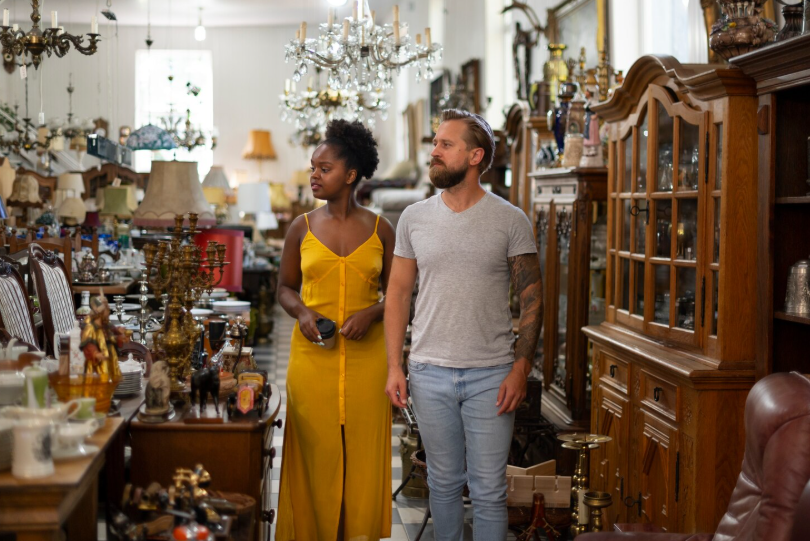
Paris has long been a global hub of fashion, art, and culture. For travelers seeking unique, high-quality pieces, exploring vintage markets with a Parisian expert offers a rare opportunity to uncover hidden gems. From designer clothing to rare accessories, these curated excursions provide a blend of history, style, and personalized guidance that transforms a shopping trip into a memorable cultural experience.
The Allure of Parisian Vintage Markets
Vintage markets in Paris are more than just places to shop—they are living museums of fashion history. Many markets, such as Marché aux Puces de Saint-Ouen or Marché Vintage Rétro, host vendors who specialize in meticulously preserved pieces spanning decades. The appeal lies not only in the quality and uniqueness of the items but also in the stories behind them: each garment or accessory carries a slice of Parisian style history.
Why a Parisian Expert Makes a Difference
Navigating the maze of stalls and shops in large vintage markets can be overwhelming, especially for first-time visitors. A Parisian expert brings:
- Local Knowledge: An expert knows which vendors consistently offer authentic and high-quality pieces.
- Insider Access: Some items or collections are only available through trusted contacts or private stalls.
- Authenticity Verification: Experts can distinguish genuine designer items from replicas, saving time and ensuring confidence in your purchases.
- Personalized Guidance: From sizing and styling to historical context, the expert provides insights that enhance the shopping experience.
Planning Your Private Vintage Shopping Experience
Organizing a private vintage shopping tour requires thoughtful planning to maximize the experience:
- Scheduling: Booking a private guide in advance ensures that you receive dedicated attention and a customized route through the market.
- Priorities: Identify the types of items you are most interested in—designer handbags, vintage clothing, jewelry, or rare accessories—so your guide can focus on relevant vendors.
- Budgeting: While vintage finds can be surprisingly affordable, setting a budget helps prioritize must-have items without overspending.
- Time Allocation: A guided shopping session may last several hours; plan enough time to explore, try on items, and enjoy the full experience.
Top Parisian Vintage Markets to Explore
Several markets stand out for their exceptional selection and accessibility:
- Marché aux Puces de Saint-Ouen: Often referred to as the world’s largest antique market, it hosts hundreds of vendors offering everything from mid-century fashion to rare designer pieces.
- Marché Vintage Rétro: Focused on clothing and accessories from the 20th century, this market attracts collectors and fashion enthusiasts seeking curated selections.
- Le Marché Paul Bert: Known for luxury vintage items, this section of Saint-Ouen offers designer finds in excellent condition, perfect for those seeking investment pieces.
- Marché aux Puces de Vanves: Smaller but equally charming, Vanves provides a more intimate atmosphere and hidden treasures off the beaten path.
Maximizing Your Experience
To get the most from your private vintage shopping excursion:
- Engage with Vendors: Ask about the history of items and vendor expertise; it enhances both knowledge and rapport.
- Try Before You Buy: Sizing can vary significantly, so personal fittings are essential when selecting clothing.
- Consider Preservation: Seek advice on caring for delicate fabrics, vintage leather, or antique jewelry to maintain your acquisitions for years.
- Mix Discovery with Leisure: Pair the shopping tour with café breaks or cultural visits nearby for a holistic Parisian experience.
The Benefits of Private Guidance
Working with a Parisian expert transforms a typical shopping outing into an educational and memorable journey:
- Efficiency: Avoid wandering aimlessly through extensive markets; the expert leads you directly to the most relevant stalls.
- Curated Selections: Gain access to the best items that match your taste and style preferences.
- Insider Tips: Receive guidance on pricing, negotiation, and the market’s rhythm, which is invaluable for first-time visitors.
- Enhanced Enjoyment: Beyond the items themselves, enjoy stories, history, and insight that bring each piece to life.
Combining Vintage Shopping with Parisian Culture
Vintage shopping in Paris is an immersive cultural activity. Each market visit introduces travelers to the rhythm of Parisian life, the artistry of fashion, and the city’s layered history. Guided tours often include anecdotes about designers, fashion trends, and hidden gems that elevate the shopping experience beyond commerce.
For those who appreciate storytelling, history, and style, this combination provides a richer, more meaningful connection with the city.
Conclusion
A private vintage market shopping experience with a Parisian expert offers travelers a rare chance to combine luxury, history, and insider knowledge. From identifying authentic designer pieces to enjoying an enriched cultural experience, this approach transforms shopping into an artful exploration of Paris itself. Whether seeking statement pieces, investment items, or simply a memorable adventure, guided vintage shopping ensures a curated, rewarding journey through the city’s fashion heritage.
Stay Connected for More Travel and Lifestyle Inspiration. For more insights into travel, culture, and lifestyle tips, follow me on Instagram
@salvadorordorica. If you’re seeking professional translation and localization services to enhance your global ventures, visit
The Spanish Group — your trusted partner in bridging cultures worldwide.