
by Dulce Navarro | Mar 10, 2026 | Europe, Experiences, Hotels, Landscapes, Lifestyle, Luxury, Traditions, Travel
Luxury Travel Planning for Multi-Generational European Trips
Multi-generational travel has become one of the most meaningful ways for families to explore the world together. In particular, Europe offers an exceptional setting for these experiences, blending rich history, diverse cultures, world-renowned cuisine, and luxurious accommodations. Planning a multi-generational European trip, however, requires thoughtful coordination to ensure that travelers of all ages—from young children to grandparents—can enjoy a comfortable, enriching, and memorable journey.
Luxury travel planning plays a key role in making these complex trips seamless. With the right approach, families can create an itinerary that balances cultural discovery, relaxation, and personalized experiences while maintaining the comfort and convenience that high-end travel provides.
Why Europe Is Ideal for Multi-Generational Travel
Europe’s diversity makes it uniquely suited for family groups with varying interests and energy levels. Within relatively short distances, travelers can experience historic cities, coastal retreats, mountain landscapes, and charming countryside villages. Efficient transportation networks, high-quality healthcare systems, and a long-standing tradition of hospitality further enhance Europe’s appeal for family travel.
Destinations such as Italy, France, Spain, Switzerland, and Austria offer activities that appeal to every generation. Younger travelers may enjoy interactive museum experiences and outdoor adventures, while older family members often appreciate historic landmarks, culinary experiences, and scenic cultural tours.
Luxury accommodations across the continent—from historic estates to five-star city hotels—provide spacious suites, private villas, and attentive service that make traveling with a large family group comfortable and enjoyable.
Choosing the Right Destinations
One of the most important steps in planning a successful multi-generational trip is selecting destinations that offer broad appeal. Cities such as Paris, Rome, Barcelona, and Vienna provide a balance of history, culture, and family-friendly attractions. These locations offer iconic landmarks, world-class museums, and exceptional dining experiences while maintaining accessibility for travelers of all ages.
Beyond major cities, Europe’s countryside and coastal regions provide opportunities for relaxation and bonding. The vineyards of Tuscany, the French Riviera, the Austrian Alps, and the Spanish countryside offer tranquil settings where families can slow down and enjoy time together.
Combining urban and rural destinations within a single itinerary allows travelers to experience both the cultural highlights and the natural beauty that define Europe.
Luxury Accommodations for Family Comfort
Selecting the right accommodations is critical when traveling with multiple generations. Luxury hotels and private villas offer flexibility that standard accommodations may not provide. Spacious suites, connecting rooms, and private residences allow families to spend time together while maintaining personal space.
Many luxury properties also offer services tailored to families, including concierge planning, childcare options, and curated local experiences. Private chefs, guided tours, and wellness amenities such as spas and fitness facilities ensure that every family member can enjoy the trip according to their preferences.
For longer stays, renting historic villas or countryside estates can create an especially memorable experience. These properties often feature gardens, pools, and expansive living spaces ideal for family gatherings and shared meals.
Curating Experiences for Every Generation
A well-designed itinerary balances structured activities with free time. Guided tours can provide valuable context and storytelling when visiting historical landmarks, while more relaxed activities allow family members to explore at their own pace.
For younger travelers, interactive experiences such as cooking classes, cycling tours, and outdoor excursions can make cultural exploration more engaging. Grandparents may prefer scenic river cruises, art museums, or wine tastings that offer a slower pace.
Private experiences are often the best way to accommodate diverse interests within a family group. A private guide can adjust the pace of a tour, customize routes, and ensure that everyone remains comfortable throughout the day.
The Importance of Seamless Transportation
Transportation logistics become more complex when traveling with a large group. Luxury travel planning often includes private transfers, premium train services, or chartered transportation to ensure smooth transitions between destinations.
Europe’s high-speed rail network is particularly well-suited for family travel, connecting major cities efficiently while allowing passengers to enjoy scenic landscapes along the way. For longer distances, business or first-class flights within Europe can provide additional comfort and convenience.
Private drivers are also a valuable option for countryside exploration, allowing families to travel comfortably while stopping at villages, vineyards, and scenic viewpoints along the route.
Dining as a Shared Cultural Experience
Food plays a central role in European culture and is often one of the highlights of a family trip. Multi-generational travelers can enjoy everything from Michelin-starred restaurants to traditional family-run establishments serving regional specialties.
Shared meals provide an opportunity for storytelling, connection, and cultural discovery. In many regions, culinary experiences such as market tours, cooking workshops, and vineyard visits allow families to learn about local traditions while enjoying exceptional cuisine.
For special occasions, private dining experiences or chef-prepared meals at a villa can create unforgettable moments that bring the entire family together.
Balancing Activity and Relaxation
When planning travel for multiple generations, pacing is essential. Overly ambitious itineraries can lead to fatigue, particularly for older travelers and young children. Incorporating rest days, spa visits, or leisurely afternoons at cafes and parks allows everyone to recharge.
Luxury travel planning often includes built-in flexibility so that family members can choose how they spend their time. Some may prefer sightseeing tours, while others might enjoy shopping, relaxation, or independent exploration.
This balance ensures that the trip remains enjoyable and stress-free for every member of the group.
Creating Lasting Family Memories
Beyond the destinations and experiences themselves, the true value of multi-generational travel lies in the memories created together. Exploring historic cities, sharing meals, and discovering new cultures as a family strengthens relationships and creates stories that will be cherished for years to come.
Europe’s timeless beauty and cultural richness provide the perfect setting for these shared experiences. With thoughtful planning and attention to detail, families can design journeys that celebrate connection, curiosity, and discovery across generations.
Conclusion
Luxury travel planning for multi-generational European trips requires careful coordination, but the rewards are extraordinary. By selecting destinations that appeal to a wide range of interests, choosing accommodations that provide comfort and space, and curating experiences that engage every traveler, families can create journeys that are both seamless and deeply meaningful.
Europe offers a remarkable variety of landscapes, cultures, and traditions, making it one of the most rewarding regions in the world for family exploration. With the right planning and support, a multi-generational European trip can become a once-in-a-lifetime experience that brings families closer together while discovering the beauty and heritage of the continent.
Stay Connected for More Travel and Lifestyle Inspiration
Stay Connected for More Travel and Lifestyle Inspiration. For more insights into travel, culture, and lifestyle tips, follow me on Instagram @salvadorordorica. If you’re seeking professional translation and localization services to enhance your global ventures, visit The Spanish Group — your trusted partner in bridging cultures worldwide.
by Dulce Navarro | Mar 10, 2026 | Europe, Experiences, Lifestyle, Luxury, Travel
Cultural Immersion Journeys Through Europe’s Heritage Villages
Europe’s great capitals often capture the attention of international travelers, yet some of the continent’s most meaningful cultural experiences can be found far beyond the major cities. Across Europe, heritage villages preserve centuries-old traditions, architecture, cuisine, and ways of life that offer travelers an authentic connection to the region’s past and present. For those seeking deeper cultural immersion, these villages provide an opportunity to experience Europe in a way that is intimate, enriching, and unforgettable.
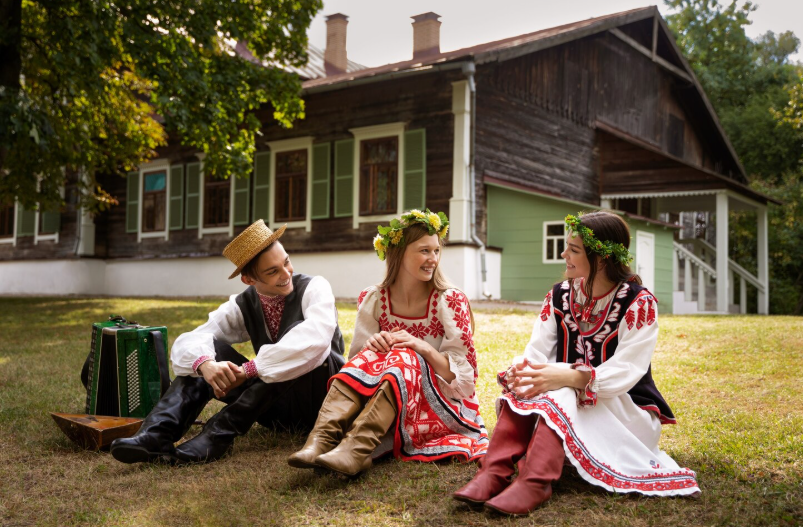
From stone-built communities tucked into the Italian countryside to medieval hill towns in Spain and storybook villages in France, Europe’s heritage villages invite visitors to slow down and engage with local culture. These destinations offer a distinctive travel experience where history, craftsmanship, and community life remain vibrantly alive.
The Value of Cultural Immersion in Travel
Modern travelers increasingly seek experiences that go beyond sightseeing. Cultural immersion allows visitors to engage with the traditions, daily routines, and social fabric of a destination. Heritage villages provide the perfect environment for this type of travel because they retain strong cultural identities shaped by generations of local inhabitants.
In many villages across Europe, traditional crafts, culinary practices, and festivals continue to play an essential role in community life. Visitors may witness artisans producing handmade goods using techniques passed down for centuries or participate in seasonal celebrations that reflect local customs and history. These experiences foster a deeper appreciation for the diversity and richness of European cultures.
France: Timeless Villages and Artistic Traditions
France is home to some of Europe’s most picturesque villages, many of which are recognized for their historical significance and architectural beauty. Regions such as Provence, Alsace, and the Dordogne feature charming communities where cobblestone streets, stone houses, and centuries-old churches create an atmosphere of timeless elegance.
Travelers exploring these villages often discover thriving markets filled with regional products, including artisanal cheeses, locally produced wines, and handcrafted goods. Cultural immersion in French villages frequently includes culinary experiences such as cooking classes, wine tastings, and farm-to-table dining that highlight regional gastronomy.
In addition to culinary traditions, many French villages maintain strong artistic identities. Small galleries, workshops, and cultural festivals celebrate painting, sculpture, and traditional crafts, offering visitors opportunities to engage directly with local artists.
Italy: Living History in Hilltop Towns
Italy’s heritage villages are renowned for their historic charm and vibrant cultural traditions. Hilltop towns scattered across Tuscany, Umbria, and other regions provide breathtaking views alongside rich historical narratives that date back to the medieval and Renaissance periods.
Walking through these villages often feels like stepping into an open-air museum. Stone towers, ancient city walls, and narrow streets reveal layers of history shaped by centuries of trade, art, and political influence. Local residents continue to maintain time-honored traditions, from pasta-making and olive oil production to religious festivals and historical reenactments.
Visitors who spend time in these villages often find that the pace of life encourages deeper connections with local culture. Conversations with shop owners, farmers, and artisans reveal stories that bring the region’s history to life.
Spain: Tradition, Festivals, and Community Life
Spain’s heritage villages offer a vibrant blend of cultural traditions influenced by centuries of Roman, Moorish, and Christian history. In regions such as Andalusia and Castilla-La Mancha, whitewashed villages perched on hillsides create striking landscapes that reflect the country’s architectural heritage.
Cultural immersion in Spanish villages often centers around festivals and communal gatherings. Events celebrating patron saints, harvest seasons, and historical milestones bring entire communities together in lively displays of music, dance, and traditional cuisine.
Visitors who participate in these celebrations gain valuable insight into the strong sense of community that defines village life in Spain. Local markets, tapas bars, and family-run restaurants further contribute to the welcoming atmosphere that makes these villages such memorable destinations.
Germany and Austria: Alpine Heritage and Craftsmanship
The alpine villages of Germany and Austria offer another dimension of Europe’s cultural heritage. Surrounded by dramatic mountain landscapes, these communities are known for their preserved architecture, traditional clothing, and skilled craftsmanship.
Woodcarving, textile production, and traditional baking are just a few of the crafts that continue to flourish in these regions. Visitors often have the opportunity to observe artisans at work or purchase handcrafted items that reflect centuries-old techniques.
Seasonal markets and cultural events, particularly during the winter holidays, further highlight the region’s traditions. These gatherings bring together residents and travelers in festive environments that celebrate local heritage.
Authentic Experiences Beyond Tourism
One of the most rewarding aspects of visiting heritage villages is the opportunity to experience authentic daily life. Unlike larger cities that are heavily influenced by international tourism, many villages maintain a strong sense of local identity.
Travelers may stay in family-owned guesthouses, dine in restaurants operated by generations of the same family, or participate in workshops that teach traditional skills. These interactions foster meaningful connections between visitors and local communities while supporting sustainable tourism practices.
Responsible Travel and Cultural Preservation
As interest in heritage villages grows, responsible travel becomes increasingly important. Supporting local businesses, respecting cultural traditions, and preserving historic environments are essential to ensuring that these communities continue to thrive.
Many European villages actively promote sustainable tourism initiatives designed to protect their cultural and natural heritage. Travelers who approach these destinations with curiosity and respect contribute to preserving the traditions that make these villages so special.
Planning a Cultural Immersion Journey
Planning a journey through Europe’s heritage villages requires thoughtful preparation. Travelers should consider the timing of local festivals, seasonal activities, and regional culinary traditions when designing their itineraries.
Working with experienced travel advisors or local guides can enhance the experience by providing access to authentic cultural encounters that might otherwise remain hidden. These professionals often arrange private tours, artisan workshops, and culinary experiences that bring travelers closer to the heart of village life.
By prioritizing immersive experiences rather than rushing through destinations, travelers can develop a deeper appreciation for Europe’s diverse cultural landscape.
Conclusion
Cultural immersion journeys through Europe’s heritage villages offer a unique opportunity to experience the continent’s traditions in their most authentic form. These communities preserve centuries of history, craftsmanship, and cultural identity while welcoming travelers who seek meaningful and enriching experiences.
Whether exploring the artistic villages of France, the hilltop towns of Italy, the vibrant communities of Spain, or the alpine traditions of Central Europe, visitors will discover that Europe’s heritage villages provide far more than picturesque scenery. They offer a window into the enduring traditions that continue to shape the continent’s cultural legacy.
Stay Connected for More Travel and Lifestyle Inspiration
For more insights into travel, culture, and lifestyle tips, follow me on Instagram @salvadorordorica. If you’re seeking professional translation and localization services to enhance your global ventures, visit The Spanish Group — your trusted partner in bridging cultures worldwide.

by Dulce Navarro | Mar 9, 2026 | Europe, Experiences, Landscapes, Lifestyle, Luxury, Nature, Travel
Europe’s Most Refined Winter Sun Destinations
When winter settles across much of Europe, many travelers begin searching for destinations that offer warmth, light, and relaxation without sacrificing elegance or cultural depth. While the continent is famous for its snowy alpine resorts, it is equally home to several refined winter sun destinations where mild temperatures, stunning coastlines, and luxurious accommodations create the perfect seasonal escape.
From the Mediterranean islands to the Atlantic coastlines, Europe’s winter sun destinations combine beautiful landscapes with sophisticated hospitality. These locations attract discerning travelers who seek more than just sunshine—they offer culinary excellence, cultural richness, and a relaxed pace of life during the cooler months.
The Appeal of Winter Sun Travel in Europe
Traveling within Europe during the winter offers unique advantages. Popular summer destinations become quieter, allowing visitors to experience iconic places with fewer crowds. Luxury hotels and boutique resorts often provide exceptional service and seasonal offers, making winter travel both comfortable and rewarding.
Equally important is the climate. Certain southern regions of Europe maintain pleasant temperatures ranging from 60°F to 75°F (15°C to 24°C) throughout the winter months. This makes it possible to enjoy outdoor dining, coastal walks, golf, and sailing while much of the continent experiences colder weather.
For executives and professionals seeking restorative travel, winter sun destinations provide the ideal balance between relaxation and inspiration. The tranquil atmosphere, combined with scenic surroundings, allows visitors to recharge while remaining connected to Europe’s cultural heritage.
Madeira, Portugal
Often referred to as the “Island of Eternal Spring,” Madeira is one of Europe’s most elegant winter escapes. Located in the Atlantic Ocean off the northwest coast of Africa, the island enjoys a remarkably mild climate year-round. Temperatures rarely drop below comfortable levels, making it a favorite destination for winter travelers seeking warmth without leaving Europe.
Madeira is celebrated for its dramatic volcanic landscapes, lush botanical gardens, and refined hospitality. The island’s capital, Funchal, offers luxury hotels overlooking the Atlantic, exceptional seafood restaurants, and vibrant cultural events. Visitors can explore scenic hiking trails known as levadas, enjoy wine tastings featuring the island’s famous Madeira wine, or simply relax along the coastline.
Tenerife, Canary Islands
The Canary Islands are widely recognized as Europe’s premier winter sun destination, and Tenerife stands out as one of the most refined choices. Located off the coast of West Africa, the island benefits from consistent sunshine and warm temperatures throughout the year.
Tenerife offers a remarkable variety of landscapes, from golden beaches to volcanic mountains dominated by Mount Teide, Spain’s highest peak. Luxury travelers can stay in exclusive resorts along the Costa Adeje coastline, where private villas, oceanfront spas, and gourmet restaurants create an atmosphere of effortless sophistication.
Beyond its beaches, Tenerife offers world-class golf courses, scenic coastal villages, and fine dining experiences that celebrate the flavors of Spanish and Canary Island cuisine.
The Algarve, Portugal
Portugal’s Algarve region is another outstanding destination for winter sun seekers. While it is famous during the summer months, winter reveals a quieter and more refined side of this southern coastline.
With dramatic cliffs, golden beaches, and charming towns such as Lagos and Tavira, the Algarve offers exceptional scenery combined with mild winter temperatures. Golf enthusiasts particularly appreciate the region’s world-class courses, which remain open and enjoyable throughout the winter season.
Luxury resorts and boutique hotels in the Algarve emphasize comfort and privacy, making them ideal for travelers seeking a peaceful retreat. Local cuisine, featuring fresh seafood and regional wines, adds to the region’s reputation as a refined culinary destination.
Malta
For travelers interested in history and culture alongside warm weather, Malta provides an extraordinary winter escape. Situated in the heart of the Mediterranean, this island nation boasts a fascinating blend of European, North African, and Middle Eastern influences.
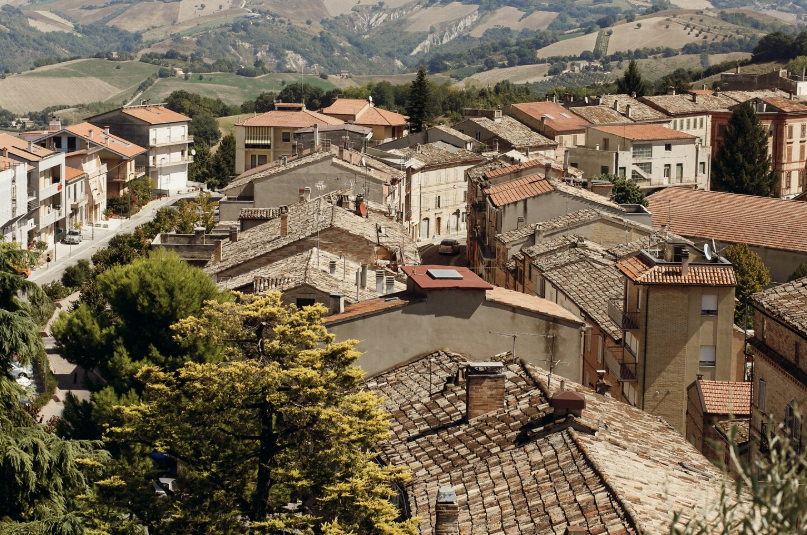
Malta’s historic cities, including the UNESCO-listed capital Valletta, feature elegant Baroque architecture, grand palaces, and centuries-old fortifications. During the winter months, the island’s mild climate allows visitors to explore ancient temples, coastal cliffs, and charming harbor towns without the intense summer heat.
Upscale boutique hotels and restored historic residences offer luxurious accommodations, while Malta’s thriving culinary scene blends Mediterranean traditions with contemporary innovation.
Sicily, Italy
Sicily offers one of the most culturally rich winter sun experiences in Europe. As the Mediterranean’s largest island, it combines beautiful coastlines with a remarkable history shaped by Greek, Roman, Arab, and Norman civilizations.
Winter in Sicily brings mild temperatures, fewer tourists, and a relaxed atmosphere perfect for exploring historic towns such as Taormina, Palermo, and Syracuse. Visitors can admire ancient ruins, stroll through vibrant markets, and enjoy panoramic views of Mount Etna, Europe’s most active volcano.
Sicilian cuisine is another highlight. The island’s culinary traditions reflect centuries of cultural exchange, resulting in dishes that feature fresh seafood, citrus fruits, olive oil, and locally produced wines. Dining in Sicily during the winter months offers an intimate and authentic experience.
Crete, Greece
Crete, Greece’s largest island, provides an appealing combination of warm winter weather, historical landmarks, and natural beauty. While many Greek islands quiet down during the colder months, Crete remains lively and welcoming.
Visitors can explore ancient Minoan ruins such as the Palace of Knossos, wander through picturesque Venetian harbors, and hike scenic mountain trails. The island’s culinary traditions are widely regarded as some of the healthiest in the Mediterranean, emphasizing fresh vegetables, olive oil, seafood, and local cheeses.
Luxury resorts and boutique guesthouses offer comfortable winter accommodations, making Crete an excellent destination for travelers seeking both relaxation and cultural discovery.
Planning the Perfect Winter Escape
Selecting the right winter sun destination depends on personal preferences and travel priorities. Some travelers may prioritize coastal relaxation and luxury resorts, while others seek cultural exploration or outdoor activities.
Fortunately, Europe’s southern regions provide diverse options that cater to every style of travel. Whether enjoying a seaside retreat in the Canary Islands, exploring historic cities in Malta, or discovering the natural beauty of Madeira, travelers can find destinations that combine warmth, elegance, and memorable experiences.
Planning ahead allows visitors to secure the most desirable accommodations and curated experiences, including private tours, culinary events, and wellness retreats. Working with experienced travel advisors can further enhance the journey by providing insider knowledge and seamless logistics.
Conclusion
Europe’s refined winter sun destinations offer the perfect alternative to traditional winter travel. With their mild climates, luxurious accommodations, and rich cultural experiences, these locations allow travelers to enjoy sunshine and relaxation while remaining immersed in the continent’s heritage and sophistication.
From the volcanic landscapes of Tenerife to the historic streets of Malta and the dramatic coastline of the Algarve, each destination presents its own unique character. For those seeking warmth, inspiration, and refined hospitality during the colder months, Europe’s winter sun destinations provide unforgettable opportunities to explore the continent from a different perspective.
Stay Connected for More Travel and Lifestyle Inspiration
For more insights into travel, culture, and lifestyle tips, follow me on Instagram @salvadorordorica. If you’re seeking professional translation and localization services to enhance your global ventures, visit The Spanish Group — your trusted partner in bridging cultures worldwide.
by Dulce Navarro | Mar 9, 2026 | Europe, Experiences, Lifestyle, Luxury, Travel
Private Historical Estate Rentals Across Central Europe
Central Europe is home to some of the most captivating historical estates in the world. From grand aristocratic castles to elegant countryside manors surrounded by centuries-old forests and vineyards, the region offers travelers a unique opportunity to experience history firsthand. In recent years, private historical estate rentals have become increasingly popular among discerning travelers seeking privacy, cultural immersion, and an authentic connection to Europe’s rich heritage.
Unlike traditional luxury hotels, renting a historical estate provides guests with an exclusive environment that combines historic charm with modern comforts. These properties often feature beautifully preserved architecture, expansive gardens, antique furnishings, and personal services that elevate the travel experience. For executives, entrepreneurs, and cultural enthusiasts, private estate rentals across Central Europe offer the perfect balance of privacy, sophistication, and historical discovery.
The Appeal of Staying in a Historical Estate
What makes historical estates particularly appealing is their ability to transport guests into a different era. Many estates date back hundreds of years and have been carefully restored to maintain their architectural integrity while incorporating modern amenities such as high-speed internet, contemporary kitchens, spa facilities, and luxury bedrooms. The result is a seamless blend of old-world elegance and modern convenience.
For travelers seeking a deeper connection to their destination, these estates offer an experience that hotels simply cannot replicate. Guests are able to explore original libraries, private chapels, art collections, and manicured gardens that have been preserved across generations. Some estates even offer guided historical tours led by knowledgeable hosts or local historians who share fascinating stories about the property’s past.
Top Destinations for Historical Estate Rentals
Central Europe encompasses a diverse range of countries with extraordinary architectural heritage. Several destinations stand out as particularly attractive for travelers interested in renting private estates.
Austria
Austria is renowned for its imperial history and breathtaking alpine landscapes. Private estates and castles located near Salzburg, Vienna, and the Austrian countryside provide guests with access to refined cultural experiences such as classical concerts, world-class museums, and traditional Austrian cuisine. Many estates feature panoramic views of mountains, vineyards, and picturesque villages.
Czech Republic
The Czech Republic offers an exceptional collection of Renaissance and Baroque castles available for private rental. Many estates are located within short driving distance of Prague, allowing guests to enjoy the capital’s vibrant cultural scene while retreating to peaceful countryside surroundings. These properties often feature expansive parks, historical ballrooms, and architectural details that date back to the 16th and 17th centuries.
Hungary
Hungary’s countryside is home to elegant noble estates surrounded by rolling hills and vineyards. Regions such as Tokaj and Lake Balaton are particularly popular among travelers seeking tranquility and scenic beauty. Guests can enjoy wine tastings, thermal spas, and culinary experiences that highlight Hungary’s rich gastronomic traditions.
Poland
Poland’s historic manor houses and restored palaces offer a distinctive blend of heritage and hospitality. Many estates are located in regions known for their natural beauty, including forests, lakes, and national parks. Guests can experience traditional Polish culture while staying in properties that reflect centuries of aristocratic history.
Luxury Amenities and Personalized Experiences
One of the defining features of private historical estate rentals is the level of personalized service available to guests. Many estates offer dedicated staff, including private chefs, housekeepers, and concierge services who help organize bespoke experiences tailored to individual preferences.
Guests can arrange private wine tastings, horseback riding excursions, historical tours, cooking classes, or even intimate concerts performed within the estate itself. These personalized experiences allow travelers to enjoy the region’s culture in a highly curated and exclusive manner.
Additionally, estates often provide luxurious amenities such as heated pools, spa facilities, private cinemas, libraries, and expansive outdoor spaces ideal for relaxation or entertaining guests. For business leaders who value privacy and comfort while traveling, these estates provide an ideal setting for both leisure and reflection.
A Perfect Setting for Private Gatherings
Historical estates also serve as exceptional venues for private gatherings. Whether hosting family celebrations, executive retreats, or intimate cultural events, these properties provide a unique and inspiring atmosphere that encourages meaningful connections.
Many estates feature large reception halls, landscaped gardens, and terraces suitable for dinners, meetings, and celebrations. The exclusivity of the setting ensures that guests can enjoy complete privacy while surrounded by extraordinary architectural beauty.
Preserving Cultural Heritage Through Tourism
Renting historical estates also contributes to the preservation of Europe’s cultural heritage. Many of these properties require significant resources to maintain and restore. Responsible tourism helps support ongoing conservation efforts while allowing visitors to appreciate these remarkable landmarks.
Estate owners and preservation organizations often collaborate to ensure that renovations maintain historical authenticity while making the properties accessible for modern guests. By choosing to stay in a historical estate, travelers actively participate in preserving the stories, craftsmanship, and traditions that define Central Europe’s architectural legacy.
Planning Your Estate Experience
When planning a stay in a private historical estate, travelers should consider factors such as location, accessibility, group size, and desired amenities. Some estates are ideal for quiet retreats, while others are designed to host larger gatherings or cultural events.
Working with experienced travel advisors or estate managers can help ensure a seamless experience from arrival to departure. Many estates also provide curated itineraries that include local excursions, cultural activities, and culinary experiences tailored to guests’ interests.
Conclusion
Private historical estate rentals across Central Europe offer an extraordinary travel experience that combines luxury, history, and cultural immersion. For travelers seeking more than a conventional hotel stay, these estates provide a rare opportunity to live within centuries of architectural beauty while enjoying modern comforts and personalized services.
Whether exploring the castles of Austria, the manor houses of Poland, the vineyards of Hungary, or the historic palaces of the Czech Republic, guests will discover that each estate tells a unique story. These remarkable properties invite visitors to step into history while creating unforgettable memories in some of Europe’s most enchanting landscapes.
Stay Connected for More Travel and Lifestyle Inspiration
For more insights into travel, culture, and lifestyle tips, follow me on Instagram @salvadorordorica. If you’re seeking professional translation and localization services to enhance your global ventures, visit The Spanish Group — your trusted partner in bridging cultures worldwide.
by Dulce Navarro | Mar 6, 2026 | Europe, Experiences, Lifestyle, Luxury, Travel
Luxury Road Trips Through Europe’s Most Scenic Countryside Routes
The Art of Exploring Europe by Road
Europe has long been associated with grand cities, historic landmarks, and iconic cultural destinations. Yet beyond the capitals and major tourist hubs lies a quieter and equally compelling side of the continent: its extraordinary countryside. For travelers who value freedom, beauty, and a deeper connection to the landscape, luxury road trips through Europe’s most scenic countryside routes offer an unforgettable way to explore.
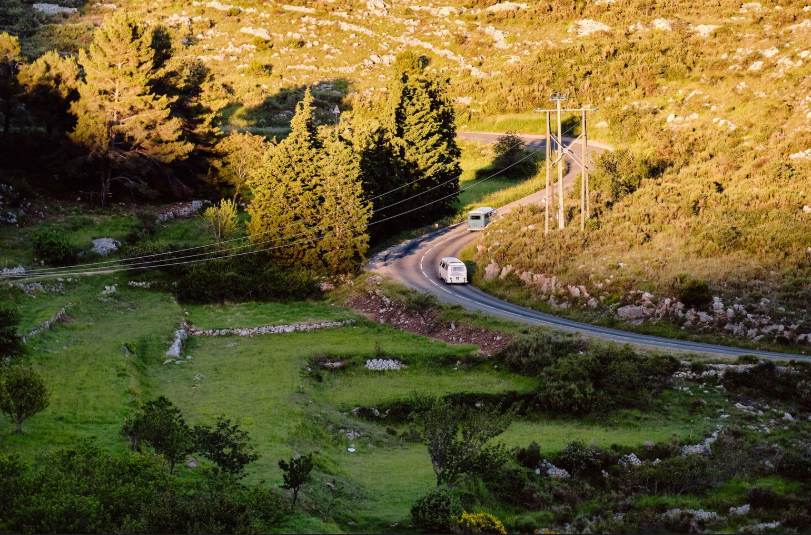
Driving through Europe allows travelers to move at their own pace, discovering charming villages, rolling vineyards, and historic estates that are often overlooked by traditional itineraries. A well-planned road journey transforms travel from a simple destination-focused experience into an elegant and immersive exploration of culture, geography, and regional character.
With excellent infrastructure, short distances between regions, and a wealth of scenic routes, Europe remains one of the world’s most rewarding places for sophisticated road travel.
Why Road Travel Defines Modern Luxury
Luxury travel today is increasingly defined by personalization and flexibility. While private jets and five-star resorts continue to appeal to many travelers, road trips offer a unique form of independence that cannot easily be replicated by other forms of transportation.
Driving through Europe’s countryside allows travelers to pause whenever something captures their attention—whether it is a centuries-old winery, a quiet lakeside café, or a scenic overlook that reveals an extraordinary landscape. This spontaneity creates moments that often become the most memorable parts of a journey.
Modern luxury road trips also combine comfort with style. Premium vehicles, private chauffeurs, and carefully curated accommodations ensure that travelers enjoy both convenience and refinement throughout their journey.
The Amalfi Coast Drive, Italy
Few roads in the world rival the dramatic beauty of the Amalfi Coast. Stretching along southern Italy’s coastline, the SS163 highway offers breathtaking views of cliffs that plunge into the Mediterranean Sea, pastel-colored villages perched above the water, and terraced lemon groves that define the region’s character.
Travelers often begin their journey in Sorrento before winding through iconic towns such as Positano, Praiano, and Ravello. Each destination offers a unique atmosphere, from Positano’s glamorous beach scene to Ravello’s serene hilltop gardens and historic villas.
Luxury travelers frequently combine the drive with stays in elegant boutique hotels and historic estates overlooking the coastline. Along the way, long seaside lunches, visits to artisanal limoncello producers, and private boat excursions enhance the overall experience.
The Romantic Road, Germany
Germany’s Romantic Road provides a completely different yet equally captivating countryside journey. Stretching approximately 350 kilometers from Würzburg to Füssen, this historic route passes through medieval towns, rolling farmland, and fairy-tale castles that appear almost untouched by time.
Travelers exploring the Romantic Road encounter charming destinations such as Rothenburg ob der Tauber, one of Europe’s most beautifully preserved medieval towns. Cobblestone streets, half-timbered houses, and historic city walls create an atmosphere that feels remarkably authentic.
The route concludes near the Bavarian Alps at Neuschwanstein Castle, a structure that has inspired countless works of art and architecture. The surrounding alpine scenery provides a dramatic and memorable finale to the journey.
Provence’s Lavender and Wine Routes, France
For travelers seeking elegance and tranquility, Provence offers one of Europe’s most enchanting road trip experiences. During the summer months, the region’s lavender fields transform the countryside into vibrant shades of purple, creating landscapes that are both visually stunning and deeply relaxing.
Driving through Provence reveals picturesque villages such as Gordes, Roussillon, and Bonnieux, where historic stone houses and narrow streets overlook sweeping valley views. Local markets showcase regional specialties including olive oil, truffles, artisanal cheeses, and rosé wines produced in nearby vineyards.
Luxury travelers often stay in restored countryside estates or boutique vineyard hotels that combine refined hospitality with the region’s relaxed atmosphere. These properties serve as ideal bases for exploring the surrounding countryside at a leisurely pace.
The Scottish Highlands’ North Coast 500
In northern Scotland, the North Coast 500 offers one of Europe’s most dramatic and adventurous scenic drives. Often compared to America’s Route 66, this 500-mile circular route winds through rugged mountains, coastal cliffs, and remote highland villages.
The landscape changes constantly throughout the journey, from windswept beaches and lochs to ancient castles and quiet fishing harbors. Wildlife sightings—including red deer, seals, and sea birds—are common in this pristine environment.
Luxury lodges, historic manor houses, and boutique country hotels provide comfortable accommodations while preserving the Highlands’ distinctive character. For travelers seeking nature and solitude, the North Coast 500 offers a truly extraordinary road trip.
Tuscany’s Wine Country Drives
Few regions embody the romance of European countryside travel quite like Tuscany. Rolling hills dotted with cypress trees, medieval hill towns, and historic vineyards create one of the continent’s most iconic landscapes.
Driving between Florence, Siena, and the Chianti wine region allows travelers to experience Tuscany’s rich cultural heritage while enjoying exceptional cuisine and world-renowned wines. Stops along the way might include historic wineries, Renaissance villas, and charming village trattorias where local recipes have been passed down for generations.
Luxury travelers often choose countryside estates or converted villas as their accommodations, providing privacy and panoramic views of the Tuscan landscape.
Planning the Perfect European Road Journey
A successful luxury road trip requires thoughtful planning. While Europe’s road network is extensive and well maintained, selecting the right route, timing, and accommodations can significantly enhance the experience.
Travelers should allow ample time for exploration, as some of the most memorable moments occur when one deviates slightly from the planned itinerary. Scenic detours, spontaneous vineyard visits, and quiet village discoveries often define the spirit of countryside travel.
Working with experienced travel planners or local experts can also help travelers gain access to unique experiences, such as private tastings, guided cultural tours, or reservations at highly sought-after restaurants.
The Enduring Appeal of Countryside Travel
In an era where travel can sometimes feel rushed or overly structured, luxury road trips offer a refreshing alternative. The ability to travel slowly, observe changing landscapes, and engage with local culture creates a richer and more fulfilling journey.
Europe’s countryside routes reveal a side of the continent that is both timeless and deeply authentic. From lavender fields in Provence to dramatic coastal cliffs in Italy and the rugged beauty of the Scottish Highlands, these landscapes remind travelers that some of the most extraordinary experiences are found away from crowded destinations.
For those who appreciate elegance, independence, and discovery, a luxury road trip through Europe remains one of the most rewarding ways to explore the continent.
Stay Connected for More Travel and Lifestyle Inspiration
Stay Connected for More Travel and Lifestyle Inspiration. For more insights into travel, culture, and lifestyle tips, follow me on Instagram
@salvadorordorica. If you’re seeking professional translation and localization services to enhance your global ventures, visit
The Spanish Group — your trusted partner in bridging cultures worldwide.

by Dulce Navarro | Mar 6, 2026 | Culture, Europe, Experiences, Lifestyle, Luxury, Travel
Discreet Island Retreats Across the Mediterranean
The Mediterranean’s Quiet Side of Luxury
For generations, the Mediterranean has symbolized beauty, culture, and effortless luxury. Yet beyond its famous coastal resorts and bustling beach clubs lies a quieter dimension of travel—one defined by privacy, elegance, and meaningful connection to place. Discreet island retreats across the Mediterranean offer a refined alternative to the more publicized destinations that often dominate travel itineraries.
These islands provide travelers with something increasingly rare: the opportunity to slow down and experience the Mediterranean at a more thoughtful pace. Instead of crowded marinas and busy promenades, visitors encounter tranquil harbors, family-run tavernas, ancient landscapes, and boutique accommodations that prioritize authenticity over spectacle.
For seasoned travelers who value atmosphere and cultural depth, the Mediterranean’s lesser-known islands deliver a uniquely rewarding experience.
Why Discretion Defines True Mediterranean Luxury
Luxury travel has evolved significantly in recent years. While five-star hotels and glamorous destinations remain appealing, many experienced travelers are now seeking something deeper: privacy, authenticity, and immersion in local culture.
Discreet Mediterranean islands offer exactly that. Rather than focusing on display, they emphasize atmosphere, heritage, and understated sophistication. Guests can spend their days wandering historic villages, enjoying long seaside lunches, or sailing between quiet coves without the pressures of crowded tourism.
This shift toward quiet luxury reflects a broader trend in travel. Instead of ticking off landmarks, travelers are curating experiences that prioritize calm environments, meaningful interactions, and memorable landscapes.
Favignana: Sicily’s Elegant Escape
Located just off the western coast of Sicily, Favignana is one of the Mediterranean’s most charming yet understated island retreats. Known for its crystal-clear waters and historic tuna fisheries, the island offers a distinctive blend of maritime heritage and relaxed elegance.
Visitors typically explore Favignana by bicycle, following scenic coastal paths that reveal secluded beaches and turquoise coves. The island’s historic town center features pastel-colored buildings, family-owned restaurants, and lively piazzas where locals gather in the evenings.
Boutique hotels and restored villas provide accommodations that balance comfort with authenticity, allowing guests to experience Sicilian culture in an intimate setting. Dining is naturally centered around seafood, with fresh tuna, grilled fish, and local wines defining the island’s culinary identity.
Hydra: Greece Without the Noise
In Greece, the island of Hydra offers a remarkable example of timeless Mediterranean elegance. Located within easy reach of Athens, Hydra has managed to preserve its historic character while maintaining a distinctly refined atmosphere.
One of Hydra’s defining features is its ban on motor vehicles. Transportation across the island relies on walking, boats, and donkeys, which contributes to its peaceful ambiance. The island’s harbor is lined with beautiful stone mansions that date back to the 18th and 19th centuries, reflecting Hydra’s rich maritime past.
Today, the island attracts artists, writers, and travelers seeking inspiration in its tranquil surroundings. Elegant guesthouses, seaside cafés, and small art galleries contribute to Hydra’s creative spirit while maintaining its reputation as a destination of quiet sophistication.
Formentera: The Refined Side of the Balearic Islands
Often overshadowed by its lively neighbor Ibiza, Formentera represents a different side of the Balearic Islands—one defined by natural beauty and understated charm. With its turquoise waters and pristine beaches, the island offers a relaxed atmosphere that appeals to travelers who appreciate privacy and tranquility.
Formentera’s landscape is characterized by pine forests, sandy dunes, and traditional whitewashed houses that blend seamlessly with the environment. Cycling routes connect small villages and scenic viewpoints, making exploration both easy and enjoyable.
The island’s boutique hotels and beachfront restaurants emphasize sustainability and simplicity. Long lunches overlooking the sea, sunset walks along quiet beaches, and boat excursions to hidden coves define the Formentera experience.
Vis: Croatia’s Understated Adriatic Gem
Croatia’s coastline has become increasingly popular in recent years, but the island of Vis remains one of the Adriatic’s most discreet retreats. Once closed to foreign visitors during the Yugoslav era due to its strategic military importance, Vis has retained a level of authenticity that distinguishes it from more developed destinations.
The island’s charm lies in its simplicity. Stone villages, vineyards, olive groves, and secluded beaches create a landscape that feels both historic and untouched. Visitors often spend their days exploring coastal caves, sailing around the island’s dramatic cliffs, or enjoying fresh seafood in family-run konobas.
Vis also serves as a gateway to the nearby Blue Cave on the island of Biševo, a natural phenomenon where sunlight reflects through the water to illuminate the cave with an otherworldly blue glow.
Pantelleria: Italy’s Secret Volcanic Island
Situated between Sicily and Tunisia, Pantelleria offers one of the Mediterranean’s most distinctive landscapes. Formed by volcanic activity, the island features dramatic cliffs, lava stone terraces, and natural hot springs that have attracted visitors for centuries.
Pantelleria’s traditional dammusi houses—constructed from lava stone with white domed roofs—have been carefully restored into elegant private residences and boutique accommodations. These properties provide remarkable privacy while blending seamlessly with the island’s rugged environment.
The island’s cuisine reflects its unique geographic position, combining Italian and North African influences. Capers, olives, seafood, and locally produced wines create a culinary identity that is both distinctive and memorable.
The Appeal of Slow Mediterranean Travel
One of the greatest advantages of visiting discreet Mediterranean islands is the opportunity to embrace slower travel. Without the pressures of crowded itineraries or busy tourist hubs, visitors can engage more deeply with their surroundings.
Morning swims in secluded coves, leisurely market visits, sunset dinners overlooking the sea, and conversations with local artisans all contribute to a richer travel experience. These moments, though simple, often become the most memorable aspects of a journey.
For travelers seeking balance and inspiration, such environments offer a refreshing contrast to the fast pace of modern life.
Choosing the Right Island Retreat
Selecting the ideal Mediterranean island retreat ultimately depends on personal travel preferences. Some travelers may prioritize cultural history and architecture, while others may seek pristine beaches or culinary experiences.
What unites the Mediterranean’s most discreet islands is their commitment to authenticity. These destinations resist overdevelopment and instead celebrate their natural landscapes, historic traditions, and local communities.
For those who value elegance without excess, these island retreats offer the perfect setting for meaningful exploration and quiet luxury.
Conclusion
Discreet island retreats across the Mediterranean represent a different philosophy of travel—one that prioritizes atmosphere, authenticity, and thoughtful discovery. By stepping away from the region’s most crowded destinations, travelers can uncover islands that remain deeply connected to their heritage and landscapes.
From the volcanic beauty of Pantelleria to the historic harbor of Hydra and the serene beaches of Formentera, these islands demonstrate that true luxury often lies in simplicity and privacy.
For experienced travelers seeking elegance without spectacle, the Mediterranean’s quieter islands continue to offer some of the most rewarding journeys in Europe.
Stay Connected for More Travel and Lifestyle Inspiration
Stay Connected for More Travel and Lifestyle Inspiration. For more insights into travel, culture, and lifestyle tips, follow me on Instagram
@salvadorordorica. If you’re seeking professional translation and localization services to enhance your global ventures, visit
The Spanish Group — your trusted partner in bridging cultures worldwide.
