by Dulce Navarro | Feb 26, 2026 | Europe, Experiences, Lifestyle, Luxury, Travel
France Beyond the Riviera: Graceful Regions with Enduring Charm
For decades, the French Riviera has captivated travelers with its sun-drenched glamour, яхт-lined harbors, and cinematic coastline. Yet France’s true elegance extends far beyond the Mediterranean. Away from the spotlight of Saint-Tropez and Cannes lies a quieter, more enduring sophistication — a tapestry of regions where heritage, gastronomy, architecture, and landscape blend seamlessly into refined experiences.
For the discerning traveler seeking substance over spectacle, France offers remarkable destinations that embody grace without ostentation. From vineyard-covered hills to medieval villages and coastal enclaves shaped by Atlantic winds, these regions reflect a France that is deeply cultured, artfully preserved, and endlessly rewarding.
Provence’s Luberon: Timeless Villages and Poetic Landscapes
While Provence often evokes lavender fields and Riviera beaches, the Luberon region tells a more contemplative story. Hilltop villages such as Gordes, Roussillon, and Ménerbes rise above olive groves and vineyards, their stone facades glowing in the late afternoon sun. Here, life unfolds at a measured pace — morning markets brimming with seasonal produce, long lunches beneath plane trees, and quiet evenings accompanied by local rosé.
The Luberon appeals not to those seeking nightlife, but to those who appreciate authenticity. Restored bastide estates and intimate boutique hotels offer understated luxury rooted in history. Artists and writers have long drawn inspiration from this landscape, and its cultural resonance remains palpable. For travelers who value privacy, craftsmanship, and natural beauty, the Luberon is Provence at its most refined.
Alsace: Where French Elegance Meets German Precision
Nestled along the Rhine River, Alsace blends French artistry with Germanic order in a uniquely harmonious way. Half-timbered houses line the canals of Colmar, while Strasbourg’s Gothic cathedral stands as a testament to centuries of architectural mastery. The region’s wine route winds through storybook villages surrounded by meticulously tended vineyards.
Alsace is particularly appealing to travelers who value cultural depth. Its cuisine — from tarte flambée to choucroute — reflects cross-border influences, and its white wines rank among Europe’s finest. Luxury here is expressed not in grandeur but in detail: impeccably maintained streets, thoughtful hospitality, and culinary traditions passed down with pride. It is a region that rewards curiosity and appreciation for nuance.
Burgundy: The Art of Living Well
Burgundy represents the essence of cultivated simplicity. Its rolling vineyards, Romanesque churches, and stately châteaux create an atmosphere of quiet prestige. Cities like Dijon and Beaune offer architectural charm alongside world-renowned gastronomy.
For connoisseurs of wine and cuisine, Burgundy is unparalleled. Private tastings in centuries-old cellars, Michelin-starred dining experiences rooted in terroir, and intimate countryside estates define the region’s allure. Yet beyond its epicurean reputation, Burgundy invites reflection. Its pastoral landscapes encourage slow travel — cycling through vineyards, exploring abbeys, and engaging with artisans whose craft reflects generations of dedication.
Normandy: Coastal Majesty and Historic Resonance
Normandy’s dramatic cliffs, expansive beaches, and apple orchards create a landscape of both beauty and solemnity. Étretat’s white chalk formations rise boldly from the sea, while Mont-Saint-Michel appears almost otherworldly against shifting tides.
The region’s history — from medieval conquests to World War II — lends gravity to its serene scenery. Yet Normandy is equally defined by its culinary excellence: creamy Camembert, fresh oysters, and refined ciders. Elegant seaside inns and countryside manor houses offer accommodations steeped in character. Normandy speaks to travelers who seek meaning alongside aesthetics — destinations that resonate emotionally as well as visually.
The Loire Valley: Royal Legacy and Garden Grandeur
Often referred to as the “Garden of France,” the Loire Valley enchants visitors with its Renaissance châteaux and manicured landscapes. Castles such as Château de Chambord and Château de Chenonceau stand as monuments to artistic ambition and royal refinement.
Beyond architectural splendor, the Loire Valley offers an atmosphere of cultivated ease. Riverfront cycling paths, private château stays, and wine estates specializing in crisp Sauvignon Blanc create a balanced itinerary of exploration and leisure. It is a region where history feels accessible rather than distant, and where refined hospitality elevates every experience.
Brittany: Rugged Beauty and Cultural Distinction
For those drawn to authenticity and dramatic seascapes, Brittany offers a compelling contrast to the Mediterranean. Its windswept coastline, granite cliffs, and Celtic heritage create a distinctive identity within France.
Fishing villages such as Saint-Malo combine maritime history with understated charm. The region’s gastronomy — particularly buckwheat crêpes and fresh seafood — reflects both land and sea. Luxury in Brittany is elemental and grounding: restored coastal homes, panoramic ocean views, and immersive cultural traditions. It appeals to travelers who value character over convention.
The Dordogne: Storybook France Preserved
The Dordogne region embodies pastoral romance. Medieval towns like Sarlat-la-Canéda boast honey-colored stone buildings and lively market squares. Prehistoric cave art and ancient castles tell stories that span millennia.
This region rewards immersive exploration. Canoeing along tranquil rivers, dining on foie gras and truffles, and staying in renovated farmhouses surrounded by rolling countryside create an atmosphere of authentic retreat. The Dordogne’s appeal lies in its preservation — a sense that tradition remains intact and valued.
Refined Travel Rooted in Intention
Exploring France beyond the Riviera requires intention. These regions do not compete for attention with spectacle; instead, they invite deeper engagement. Their luxury is subtle — found in craftsmanship, culinary heritage, architectural preservation, and landscapes shaped by centuries of stewardship.
For company directors, entrepreneurs, and globally minded travelers, such destinations offer more than relaxation. They provide perspective. France’s graceful regions reflect the importance of patience, tradition, and thoughtful design — qualities that resonate equally in business and in life.
In choosing these understated destinations, travelers embrace a philosophy of quiet sophistication. They prioritize depth over display and heritage over hype. And in doing so, they discover a France that is enduring, elegant, and profoundly inspiring.
Stay Connected for More Travel and Lifestyle Inspiration
For more insights into travel, culture, and lifestyle tips, follow me on Instagram @salvadorordorica. If you’re seeking professional translation and localization services to enhance your global ventures, visit The Spanish Group — your trusted partner in bridging cultures worldwide.
by Dulce Navarro | Feb 25, 2026 | Europe, Experiences, Lifestyle, Luxury, Travel
Italy’s Timeless Appeal for Quietly Sophisticated Travelers
Italy has long captivated the global imagination. Yet beyond the postcard landmarks and high-season crowds lies a more nuanced experience—one that resonates deeply with travelers who value discretion, cultural depth, and refined authenticity. For the quietly sophisticated traveler, Italy is not about spectacle. It is about texture, history, craftsmanship, and atmosphere woven seamlessly into everyday life.
From Renaissance cities to understated coastal villages, Italy offers a timeless elegance that does not demand attention—it simply endures. For those who approach travel as a form of cultural engagement rather than consumption, Italy remains unmatched.
Cities Where History Is Lived, Not Displayed
In cities such as Florence, Rome, and Venice, history is not confined to museums. It is embedded in architecture, daily rituals, and civic identity. A morning espresso taken beneath a centuries-old portico, an evening passeggiata through cobblestone streets, or a quiet visit to a lesser-known chapel reveals a rhythm that transcends tourism.
Florence, for example, rewards those who look beyond its most famous landmarks. Private viewings of artisan workshops in Oltrarno, conversations with conservators restoring Renaissance works, or guided architectural walks at dawn provide context that transforms admiration into understanding. Similarly, in Rome, refined travelers may seek curated experiences that explore lesser-visited districts, revealing layers of antiquity beneath modern life.
The sophistication lies in access to knowledge and perspective—not merely proximity to famous sites.
Lake District Elegance and Northern Refinement
Northern Italy’s lakes—Como, Garda, and Maggiore—have attracted discerning visitors for centuries. Their appeal rests in composure rather than excess. Grand villas are set discreetly within terraced gardens; boutique hotels emphasize privacy and architectural heritage over spectacle.
Time slows here. Private boat excursions across calm waters, afternoons spent reading in lakeside gardens, and intimate dinners overlooking mountain silhouettes offer a form of luxury rooted in tranquility. The region’s craftsmanship, from silk production in Como to fine furniture ateliers, reflects a longstanding commitment to quality and precision.
For executives and cultural leaders accustomed to fast-paced environments, the lakes provide restorative balance without sacrificing refinement.
Tuscany Beyond the Postcard
Tuscany’s landscapes are globally recognizable, yet its deeper appeal lies in authenticity. Quietly sophisticated travelers gravitate toward restored estates that maintain agricultural traditions—olive groves, vineyards, and heritage farming practices—while offering modern comfort.
Rather than simply tasting wine, one might engage in private vineyard tours with estate owners who explain soil composition, climate nuances, and generational philosophy. Cooking classes conducted in historic kitchens become explorations of regional identity, guided by seasonal ingredients and centuries-old recipes.
The luxury here is intellectual as much as sensory. It is found in dialogue, continuity, and immersion.
Southern Italy’s Understated Depth
Regions such as Puglia, Basilicata, and parts of Sicily provide a more discreet yet profoundly authentic experience. Whitewashed masserie in Puglia offer serene courtyards and locally sourced cuisine. In Matera, ancient cave dwellings transformed into refined accommodations illustrate how heritage can be preserved with integrity.
Sicily, with its layered influences—Greek, Arab, Norman—presents a cultural complexity that rewards thoughtful exploration. Private archaeological tours, curated art encounters, and coastal retreats overlooking quiet Mediterranean horizons reveal an Italy that feels both ancient and immediate.
Here, understated elegance is intertwined with resilience and diversity.
Culinary Mastery Without Theatrics
Italian cuisine is celebrated worldwide, yet its highest expression is often found away from fanfare. Family-owned trattorias serving seasonal dishes, small-scale producers crafting aged balsamic vinegar, or artisanal pasta makers maintaining traditional techniques embody a culinary philosophy centered on quality and provenance.
For those seeking elevated experiences, private tastings guided by sommeliers or visits to Parmigiano Reggiano producers provide insight into processes that require patience and discipline. Meals unfold unhurriedly, accompanied by thoughtful conversation and regional wines that reflect terroir.
True gastronomic sophistication in Italy is rooted in respect—for ingredients, for tradition, and for community.
Design, Fashion, and Craftsmanship
Italy’s influence on global design and fashion is profound. In Milan, ateliers and showrooms present collections with quiet confidence. Private appointments with tailors or leather artisans emphasize bespoke craftsmanship over branding. The process itself—selecting fabrics, discussing fit, observing hand-stitching—becomes part of the experience.
Beyond fashion, Italian design excellence extends to furniture, automotive innovation, and architecture. Visits to design studios or heritage workshops offer insight into the disciplined creativity that defines Italian aesthetics: clean lines, functional elegance, and enduring materials.
For business leaders and creatives alike, these interactions provide both inspiration and appreciation for meticulous craft.
Wellness Rooted in Tradition
Italy’s wellness culture reflects its holistic approach to living. Thermal baths in regions such as Tuscany and Veneto have drawn visitors since Roman times. Today, carefully restored spa retreats combine mineral-rich waters with contemporary therapeutic practices.
Rather than spectacle-driven wellness trends, Italy offers restorative experiences grounded in history. Treatments incorporate local botanicals, regional oils, and time-honored techniques. Silence and architectural harmony enhance the sense of renewal.
This measured approach to well-being aligns seamlessly with the values of travelers who prioritize sustainability and depth over novelty.
The Art of Slow Travel
Italy invites contemplation. Traveling by train between cities reveals shifting landscapes—from alpine peaks to rolling vineyards to sunlit coastlines. Stays in smaller towns encourage meaningful interactions with local communities.
Slow travel fosters perspective. It allows space to appreciate details: the craftsmanship of a cathedral façade, the cadence of local dialects, the subtle variations in regional cuisine. For sophisticated travelers, such nuances define the journey more than itineraries packed with highlights.
Why Italy Endures
Italy’s timeless appeal rests in balance. It harmonizes grandeur with intimacy, heritage with innovation, and artistry with practicality. Its culture values conversation, quality, and continuity—principles that resonate strongly with leaders and globally minded professionals.
In an era where many destinations compete for attention through spectacle, Italy remains confident in its identity. It does not rush to reinvent itself; it refines what it has always done well. For those who appreciate subtlety, depth, and enduring excellence, Italy offers an experience that feels both grounding and elevating.
Ultimately, Italy rewards travelers who approach it thoughtfully. The more one engages with its traditions, artisans, and landscapes, the richer the experience becomes. Its elegance is quiet, but unmistakable—and its relevance remains timeless.
Stay Connected for More Travel and Lifestyle Inspiration
For more insights into travel, culture, and lifestyle tips, follow me on Instagram @salvadorordorica. If you’re seeking professional translation and localization services to enhance your global ventures, visit The Spanish Group — your trusted partner in bridging cultures worldwide.
by Dulce Navarro | Feb 25, 2026 | Europe, Experiences, Lifestyle, Luxury, Travel
Europe’s Most Subtle Luxury Experiences Worth Seeking Out
Luxury in Europe has evolved. While grand hotels, Michelin-starred dining, and first-class cabins still define a certain level of prestige, the most discerning travelers increasingly seek something quieter. True luxury today is less about visibility and more about access, authenticity, and atmosphere. It is found in private moments, curated encounters, and deeply rooted traditions that cannot be replicated elsewhere.
For those who value refinement without spectacle, Europe offers some of the world’s most subtle yet extraordinary experiences—each defined not by excess, but by intention.
Private Access to Cultural Heritage
Europe’s cultural institutions are among the most celebrated in the world. Yet beyond the crowds lies a more intimate way to experience them. After-hours access to historic landmarks, curator-led tours of museum collections, and private viewings of archives allow travelers to engage with art and history in a meaningful, uninterrupted way.
Imagine walking through Renaissance galleries in Florence before opening hours, exploring a centuries-old château in France with the estate historian, or viewing restoration workshops in Rome rarely open to the public. These moments transform sightseeing into immersion. The value lies not in exclusivity for its own sake, but in the depth of understanding it allows.
Understated Coastal Retreats
While the Mediterranean is famous for glamorous beach clubs and superyachts, its quieter enclaves offer a more refined appeal. Discreet villas tucked into the cliffs of the Amalfi Coast, restored fincas in Mallorca’s countryside, or minimalist seaside hideaways in Portugal’s Comporta region provide privacy without ostentation.
Here, luxury is defined by space, serenity, and design integrity. Whitewashed walls, locally sourced materials, and panoramic sea views create an atmosphere of calm sophistication. Days unfold slowly—morning swims in crystalline waters, lunches prepared by private chefs using regional ingredients, and evenings spent watching the sun dissolve into the horizon.
Bespoke Culinary Encounters
Europe’s gastronomic prestige is well established, but subtle luxury often lies beyond the reservation list of headline restaurants. Consider private tastings in family-owned vineyards in Burgundy, guided truffle hunts in Piedmont followed by intimate dinners, or behind-the-scenes visits to artisanal cheesemakers in the Basque Country.
These experiences celebrate heritage and craftsmanship. Rather than theatrical presentation, the focus is on provenance, technique, and generational knowledge. Engaging directly with producers and chefs reveals the narrative behind each ingredient and transforms a meal into a cultural dialogue.
Wellness Rooted in Tradition
Europe’s spa culture is centuries old, and its most refined offerings honor that lineage. Thermal baths in Central Europe, alpine wellness lodges in Switzerland and Austria, and holistic retreats in the Spanish countryside provide restorative experiences grounded in history.
Luxury here is measured by discretion and personalization. Treatments are designed around individual needs, often incorporating local minerals, herbs, and therapeutic practices. Silence is respected. Architecture blends into natural landscapes. The result is renewal that feels both sophisticated and authentic.
Artisanal Craftsmanship and Private Workshops
One of Europe’s greatest luxuries is its enduring craftsmanship. In cities such as Milan, Paris, and Madrid, ateliers continue traditions that date back generations. Private appointments with master tailors, leather artisans, or watchmakers offer insight into meticulous processes rarely visible to the public.
Commissioning a bespoke piece—whether a hand-stitched jacket, custom fragrance, or made-to-measure shoes—goes beyond acquisition. It is participation in a living heritage. Clients become collaborators, engaging directly with artisans who value precision over scale.
Slow Travel by Rail and River
Speed is often mistaken for sophistication. Yet some of Europe’s most luxurious journeys are intentionally unhurried. Scenic rail routes through the Swiss Alps or Northern Spain reveal dramatic landscapes without the stress of airports. Private river cruises along the Danube or Rhône offer curated cultural stops in historic towns, paired with refined service onboard.
These modes of travel prioritize comfort, continuity, and connection. Large windows frame changing scenery. Dining reflects regional flavors encountered along the route. The journey itself becomes the destination.
Historic Residences Reimagined
Across Europe, historic estates and palazzos have been thoughtfully restored into boutique accommodations that balance heritage with contemporary comfort. Unlike large luxury chains, these properties often host a limited number of guests, preserving intimacy.
Staying in a restored manor in the English countryside or a Renaissance villa in Tuscany offers more than refined lodging—it offers narrative. Architectural details, antique furnishings, and curated libraries reflect centuries of stories. Modern amenities are seamlessly integrated without overshadowing authenticity.
Access to Nature with Elegance
Europe’s natural beauty is as diverse as its cultures. Private guided hikes in the Dolomites, sailing expeditions through the Greek Isles, or horseback journeys across Andalusia reveal landscapes in their purest form.
Subtle luxury here lies in expertise and preparation. Knowledgeable guides tailor itineraries to personal interests, whether photography, botany, or history. Accommodations along the way maintain high standards without disrupting the surrounding environment. Experiences remain immersive yet comfortable.
Philanthropic and Cultural Engagement
For travelers seeking meaningful impact, Europe offers opportunities to engage with foundations, conservation initiatives, and cultural preservation projects. Private introductions to museum boards, invitations to gallery previews, or participation in heritage restoration programs provide deeper connection.
This form of luxury is intellectual and relational. It reflects a commitment to understanding and supporting the communities visited. Such involvement enriches travel with purpose and long-term perspective.
The Essence of Subtle Luxury
Ultimately, Europe’s most subtle luxury experiences share common traits: discretion, authenticity, and personalization. They prioritize depth over display, craftsmanship over branding, and atmosphere over spectacle.
For the modern global traveler, these elements resonate more profoundly than overt extravagance. They allow for connection—with culture, landscape, and people—while preserving privacy and refinement. Europe remains uniquely positioned to deliver such experiences, thanks to its layered history and enduring traditions.
In seeking subtle luxury, one discovers that the finest experiences are often those that unfold quietly, leaving a lasting impression long after the journey concludes.
Stay Connected for More Travel and Lifestyle Inspiration
For more insights into travel, culture, and lifestyle tips, follow me on Instagram @salvadorordorica. If you’re seeking professional translation and localization services to enhance your global ventures, visit The Spanish Group — your trusted partner in bridging cultures worldwide.
by Dulce Navarro | Feb 24, 2026 | Europe, Experiences, Lifestyle, Luxury, Travel
Spain’s Most Graceful Destinations for Cultural Immersion
Spain is often celebrated for its vibrant festivals, world-renowned cuisine, and sun-drenched coastlines. Yet beyond the postcards and popular itineraries lies a deeper, more refined experience — one rooted in cultural immersion. For leaders, entrepreneurs, and global executives seeking destinations that inspire perspective and broaden cultural intelligence, Spain offers a remarkable balance of history, artistry, and living tradition.
Cultural immersion is not about checking monuments off a list. It is about understanding the rhythm of a place — its language, architecture, rituals, and values. Spain’s most graceful destinations invite precisely this kind of engagement.
Seville: The Art of Living Tradition
Seville embodies the elegance of Andalusian heritage. Here, cultural immersion unfolds through daily life rather than staged performances. The city’s Moorish influences, Catholic heritage, and flamenco legacy coexist seamlessly.
Wandering through the Santa Cruz district reveals narrow cobblestone streets, whitewashed façades, and flower-draped balconies. The Royal Alcázar stands as a testament to centuries of architectural dialogue between Islamic and Christian artistry. Yet Seville’s true grace lies in its atmosphere — the measured pace of afternoon strolls, the sound of guitar drifting from an open doorway, the quiet reverence inside centuries-old churches.
For company directors accustomed to rapid decision-making, Seville offers a powerful lesson in continuity. Tradition here is not preserved in isolation; it is integrated into modern life.
Granada: Where Civilizations Converge
Granada presents one of Spain’s most profound examples of cultural layering. The Alhambra, overlooking the city from its hilltop perch, symbolizes the refined sophistication of Al-Andalus. Intricate geometric designs, tranquil courtyards, and flowing fountains create a sensory experience grounded in harmony and proportion.
Beyond the Alhambra, the Albaicín district invites immersive exploration. Its winding streets reflect centuries of coexistence and exchange. Cultural immersion in Granada means recognizing how multiple civilizations shaped a shared identity.
For global leaders, Granada offers a tangible reminder that innovation often emerges from intersection — from the meeting of ideas, traditions, and worldviews.
Salamanca: Intellectual Refinement
Home to one of Europe’s oldest universities, Salamanca radiates intellectual elegance. The golden sandstone buildings glow at sunset, reinforcing the city’s reputation as “La Dorada.”
Unlike larger metropolitan centers, Salamanca’s scale allows for thoughtful engagement. Conversations in academic courtyards, independent bookshops, and quiet plazas encourage reflection. Cultural immersion here revolves around dialogue — an exchange of ideas shaped by centuries of scholarship.
For executives navigating global markets, exposure to environments rooted in academic rigor sharpens analytical perspective and reinforces the value of informed leadership.
San Sebastián: Culinary Culture as Identity
In San Sebastián, culture is expressed through cuisine. Located in Spain’s Basque Country, this coastal city elevates gastronomy into an art form. Pintxos bars line the Old Town, offering small, meticulously crafted dishes that reflect local ingredients and culinary innovation.
Dining here is not hurried. It is participatory and communal. Cultural immersion in San Sebastián involves understanding the pride behind regional identity — language, culinary tradition, and a strong sense of autonomy.
For directors managing diverse teams, observing how local identity strengthens cohesion can offer valuable organizational insights.
Córdoba: Architectural Harmony
Córdoba’s Mezquita-Catedral stands as one of the most extraordinary architectural achievements in Europe. Its forest of arches illustrates centuries of transformation — a mosque converted into a cathedral without erasing its original form.
The city’s patios, adorned with vibrant flowers, reflect a commitment to beauty in daily life. Córdoba demonstrates how historical complexity can be preserved without sacrificing elegance.
Immersing oneself in Córdoba is an exercise in nuance. It teaches that legacy, when respected, enhances rather than restricts progress.
Barcelona: Creative Energy and Catalan Identity
Barcelona blends Mediterranean ease with bold artistic expression. The architectural masterpieces of Antoni Gaudí — including the Sagrada Família and Park Güell — challenge conventional design while honoring organic forms.
Beyond architecture, the city’s strong Catalan identity shapes language, governance, and cultural norms. Immersion here means recognizing regional distinction within national unity.
For internationally minded professionals, Barcelona underscores the importance of respecting regional context when expanding operations or partnerships.
Toledo: A Living Museum of Coexistence
Often referred to as the “City of Three Cultures,” Toledo reflects centuries of Christian, Muslim, and Jewish influence. Its medieval streets wind past synagogues, churches, and mosques that remain within walking distance of one another.
Cultural immersion in Toledo is contemplative. It encourages visitors to consider how coexistence shaped artistic and intellectual development. The city’s craftsmanship — particularly in metalwork and artisan traditions — reflects a heritage of precision and pride.
Leaders can draw inspiration from Toledo’s example: diversity, when approached with respect, strengthens collective achievement.
The Importance of Language in Cultural Immersion
No immersion experience is complete without engaging with language. Even basic conversational Spanish enhances connection and demonstrates respect. Language carries nuance — humor, formality, emotion — that cannot be fully captured through translation alone.
For business leaders expanding into Spanish-speaking markets, linguistic accuracy and cultural sensitivity are essential. Professional translation and localization ensure that communication aligns with regional expectations and legal standards.
Effective cross-cultural communication is not optional; it is strategic.
Travel as Leadership Development
Cultural immersion in Spain offers more than aesthetic appreciation. It cultivates empathy, adaptability, and perspective — qualities indispensable to modern leadership.
Observing how Spaniards balance work, family, and community challenges conventional productivity models. Participating in local customs encourages flexibility. Engaging with historical narratives broadens strategic thinking.
Graceful destinations provide space to reflect on personal and professional priorities. They remind us that growth often occurs outside familiar environments.
Conclusion
Spain’s most graceful destinations do not overwhelm with spectacle; they invite engagement. From Seville’s living traditions to Granada’s layered history, from Salamanca’s intellectual poise to San Sebastián’s culinary artistry, each region offers a pathway to deeper cultural understanding.
For company directors and global professionals, immersion travel strengthens cultural fluency and sharpens perspective. It transforms leisure into leadership development and observation into insight.
In a globalized world, success increasingly depends on the ability to navigate cultural nuance. Spain, with its rich tapestry of identities and traditions, provides an exceptional setting to cultivate that capability — gracefully and authentically.
Stay Connected for More Travel and Lifestyle Inspiration. For more insights into travel, culture, and lifestyle tips, follow me on Instagram @salvadorordorica. If you’re seeking professional translation and localization services to enhance your global ventures, visit The Spanish Group — your trusted partner in bridging cultures worldwide.
by Dulce Navarro | Feb 24, 2026 | Europe, Experiences, Lifestyle, Luxury, Travel
Paris for Travelers Who Value Atmosphere Over Attraction
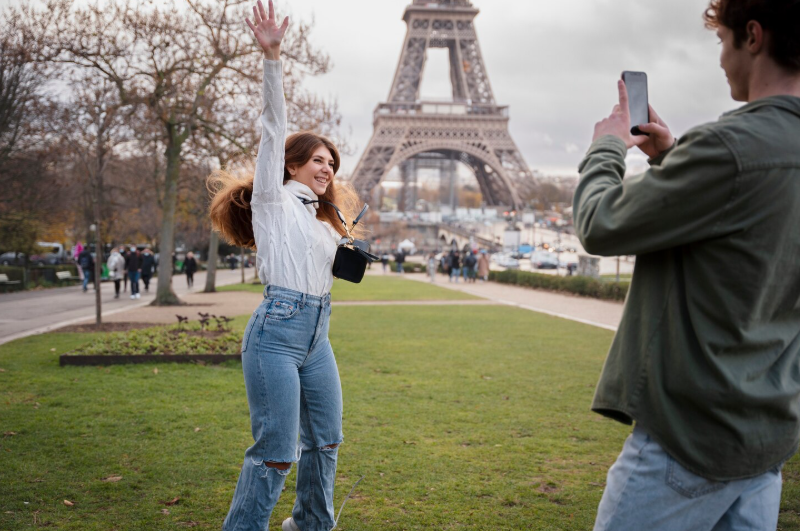
In an age of checklist tourism, where destinations are reduced to photo stops and timed reservations, Paris offers something far more meaningful: atmosphere. For the discerning traveler, the true luxury of Paris is not found in rushing between monuments, but in experiencing the rhythm, texture, and emotional undercurrent of the city itself.
As a company director accustomed to structured schedules and performance metrics, I have come to appreciate destinations that invite reflection rather than consumption. Paris remains unparalleled for those who value ambiance over agenda, depth over display, and experience over exhibition.
Beyond the Landmarks
Yes, the Eiffel Tower is iconic. The Louvre is extraordinary. Notre-Dame stands as a testament to history and resilience. But Paris reveals its true character in the spaces between these landmarks.
Atmosphere in Paris lives in:
- The early morning hush along the Seine before the city fully awakens.
- The golden light reflecting off Haussmann façades at dusk.
- The quiet clink of porcelain cups in a neighborhood café.
- The unspoken elegance of a well-dressed Parisian walking with intention.
Travelers who prioritize atmosphere understand that presence is more valuable than proof. Paris rewards those who slow down.
The Power of Neighborhoods
Each arrondissement feels like its own curated world. Rather than chasing attractions, choose a neighborhood and inhabit it fully.
Le Marais
Historic yet vibrant, Le Marais blends aristocratic architecture with contemporary creativity. Hidden courtyards, independent boutiques, and understated galleries offer depth without spectacle.
Saint-Germain-des-Prés
Long associated with intellectual life, this district invites long conversations over coffee and contemplative walks past art bookstores and discreet antique shops.
The 7th Arrondissement
Refined and residential, this area provides proximity to major landmarks without sacrificing tranquility. Mornings here feel composed, almost ceremonial.
To experience Paris atmospherically is to select one area and allow it to unfold organically.
Cafés as Cultural Anchors
In many cities, cafés serve caffeine. In Paris, they serve continuity. They are stages for daily ritual and social choreography.
Rather than hopping from site to site, consider dedicating an hour — or three — to observing life from a café terrace. Notice:
- The cadence of conversation.
- The fashion details that communicate identity.
- The balance between leisure and efficiency.
- The subtle codes of etiquette.
Atmosphere is built from these micro-experiences. Paris offers them abundantly.
Design, Texture, and Sensory Memory
Paris is a city best understood through the senses. The scent of fresh bread drifting from a boulangerie at sunrise. The echo of footsteps in a stone passageway. The texture of linen napkins in a historic brasserie.
For leaders and entrepreneurs, sensory awareness in travel cultivates creativity. Exposure to refined environments enhances perception — and perception informs decision-making.
Architectural harmony, cohesive urban planning, and restrained elegance define Parisian design. Even modern additions respect proportion and legacy. This balance between innovation and preservation is instructive for any global executive.
The Luxury of Unstructured Time
One of the most underestimated luxuries in travel is unscheduled time. Paris excels when approached without urgency.
Consider building your itinerary around open space rather than fixed appointments:
- Morning walk without destination.
- Lunch selected spontaneously.
- Afternoon dedicated to wandering a single street.
- Evening defined by ambiance rather than reservation status.
This style of travel encourages intuition. It allows for serendipity — an increasingly rare commodity in highly optimized lives.
Atmosphere as a Strategic Reset
For directors and decision-makers, atmosphere-driven travel is not indulgence; it is recalibration. Paris provides psychological distance from operational pressures while maintaining intellectual stimulation.
Exposure to art, language, and layered history stimulates perspective. Conversations overheard in multiple languages reinforce global awareness. Observing how Parisians integrate leisure into productivity challenges the binary thinking common in corporate culture.
Atmosphere invites reflection. Reflection strengthens leadership.
Dining as Experience, Not Event
In Paris, dining is less about spectacle and more about continuity. Meals unfold gradually. Service is attentive yet unobtrusive. Presentation is refined without theatrics.
Choose establishments for ambiance rather than acclaim. The understated bistro on a quiet street often delivers greater satisfaction than the heavily publicized venue.
Notice how Parisians treat dinner as conversation rather than transaction. This approach reinforces connection — a principle equally relevant in business negotiations.
Language as Atmosphere
Even without fluency, the French language contributes to the city’s emotional tone. Its rhythm softens exchanges. Its formality conveys respect.
For global leaders, understanding the importance of language — and accurate communication — is essential. Whether negotiating abroad or expanding internationally, clarity and cultural nuance determine outcomes.
Professional translation and localization services ensure that business communications carry the intended tone and credibility across borders. Precision in language reflects precision in leadership.
Choosing Depth Over Documentation
Modern travel often emphasizes documentation — capturing images to validate experience. Paris invites the opposite. It asks travelers to internalize rather than broadcast.
Those who value atmosphere understand that memory outlasts metrics. The most meaningful moments in Paris often occur unplanned: a violinist under an archway, rain on cobblestones, a quiet exchange in a bookstore.
These impressions cannot be scheduled, only noticed.
Conclusion
Paris remains one of the world’s most photographed cities, yet its true distinction lies beyond the frame. For travelers who value atmosphere over attraction, it offers immersion rather than itinerary, presence rather than performance.
To experience Paris this way is to engage with it as one would a sophisticated conversation: patiently, attentively, and without haste. The reward is not a checklist completed, but a perspective expanded.
In both travel and business, depth creates lasting impact. Paris, when approached with intention, becomes more than a destination. It becomes a reset — a reminder that refinement, rhythm, and reflection are not luxuries, but essentials.
Stay Connected for More Travel and Lifestyle Inspiration. For more insights into travel, culture, and lifestyle tips, follow me on Instagram @salvadorordorica. If you’re seeking professional translation and localization services to enhance your global ventures, visit The Spanish Group — your trusted partner in bridging cultures worldwide.

by Dulce Navarro | Feb 23, 2026 | Europe, Experiences, Lifestyle, Luxury, Travel
A Discreet Guide to Europe’s Most Beautiful Regions
Europe’s beauty is often celebrated through iconic landmarks and well-known capitals, yet its true luxury lies in regions that reward discretion, curiosity, and cultural sensitivity. For discerning travelers and global executives alike, the most meaningful experiences are often found beyond the predictable routes. These destinations offer privacy, heritage, refinement, and authenticity — qualities that align with a sophisticated lifestyle and an appreciation for culture.
This guide highlights some of Europe’s most beautiful regions, not simply for their visual splendor, but for the depth of experience they offer to those who seek elegance without spectacle.
Lake Como, Italy – Timeless Elegance Framed by Nature
Nestled in Northern Italy at the foothills of the Alps, Lake Como has long attracted artists, diplomats, and global leaders seeking tranquility and understated luxury. Unlike more crowded Mediterranean destinations, Lake Como offers refinement without excess.
The region’s neoclassical villas, manicured gardens, and dramatic alpine backdrop create an atmosphere of quiet grandeur. Towns such as Bellagio, Varenna, and Tremezzo maintain historic charm while offering world-class hospitality.
Beyond the aesthetic appeal, Lake Como represents a balance between nature and cultivated living. Private boat excursions, discreet five-star accommodations, and intimate lakeside dining provide an environment suited for reflection and strategic thinking. It is a region where privacy is respected and beauty unfolds gradually.
Provence, France – Light, Landscape, and Legacy
Provence is often romanticized, yet its true luxury lies in its rhythm. Rolling lavender fields, olive groves, and limestone villages define the landscape, but it is the region’s cultural depth that makes it exceptional.
From Aix-en-Provence’s classical architecture to the vineyards of Châteauneuf-du-Pape, Provence offers a refined immersion into French heritage. The Mediterranean light that inspired Cézanne and Van Gogh continues to define the region’s atmosphere — soft, deliberate, and evocative.
For those who value discretion, Provence offers secluded estates, private wine tastings, and curated culinary experiences. It is a destination where conversations linger over long lunches and business ideas develop organically amid historic surroundings.
The Swiss Alps – Precision Meets Natural Majesty
The Swiss Alps are synonymous with pristine landscapes and disciplined elegance. While destinations like Zermatt and St. Moritz are well known, the broader alpine region offers expansive valleys, glacial lakes, and architectural harmony.
Switzerland’s reputation for precision extends to its hospitality. Whether in a boutique chalet or a luxury alpine resort, service is thoughtful and unobtrusive. The region’s infrastructure ensures seamless travel, while its scenery provides unmatched serenity.
For leaders balancing demanding schedules, the Swiss Alps offer restoration. Hiking in summer, skiing in winter, and spa retreats year-round make this region a sanctuary of physical and mental recalibration.
Andalusia, Spain – Cultural Grandeur and Architectural Mastery
Southern Spain’s Andalusia region embodies centuries of layered history. Moorish palaces, whitewashed villages, and flamenco traditions reflect a confluence of cultures that shaped Europe’s southern frontier.
Granada’s Alhambra, Seville’s cathedral, and Córdoba’s Mezquita represent architectural achievements of global significance. Yet beyond these landmarks, Andalusia offers discreet countryside estates, private equestrian experiences, and culinary excellence rooted in regional identity.
Andalusia’s warmth is both climatic and cultural. The region encourages engagement — with history, with artistry, and with community — while maintaining opportunities for privacy and exclusivity.
The Scottish Highlands – Remote Beauty and Heritage
The Highlands of Scotland present a different kind of European luxury: remoteness. Sweeping moors, mist-covered mountains, and centuries-old castles create an environment of introspection and authenticity.
This is a region for those who value space — both literal and intellectual. Private lodges, heritage estates, and curated whisky tastings offer immersive experiences grounded in tradition.
The Highlands encourage a slower pace. Strategic planning, creative reflection, and meaningful dialogue often thrive in environments removed from urban distraction.
The Dalmatian Coast, Croatia – Adriatic Refinement
Croatia’s Dalmatian Coast has evolved into one of Europe’s most compelling coastal regions. With its crystalline Adriatic waters, historic stone towns, and yacht-friendly harbors, it offers Mediterranean beauty without overwhelming density.
Dubrovnik’s fortified walls, Split’s Roman heritage, and the islands of Hvar and Korčula provide a diverse yet cohesive cultural landscape. Boutique hotels and private villas allow for exclusivity while maintaining access to vibrant local traditions.
The Dalmatian Coast is particularly appealing for those seeking a blend of leisure and cultural enrichment, where history is preserved and modern hospitality is thoughtfully integrated.
Salzburg and the Austrian Lakes – Classical Harmony
Austria’s Salzkammergut region, including Salzburg and its surrounding lakes, is characterized by pastoral beauty and musical heritage. Alpine peaks mirror themselves in glass-like waters, while Baroque architecture anchors the region in historical continuity.
Salzburg’s connection to Mozart underscores a broader cultural narrative rooted in artistic excellence. The region’s understated luxury lies in lakeside retreats, private concerts, and culinary traditions that reflect Central European refinement.
For executives and cultural enthusiasts alike, this region offers a harmonious balance between intellectual stimulation and natural calm.
The Douro Valley, Portugal – Terraced Tranquility
Portugal’s Douro Valley is one of Europe’s oldest demarcated wine regions and a UNESCO World Heritage landscape. Terraced vineyards cascade along the Douro River, creating a visual tapestry that changes with the seasons.
Private wine estates, river cruises, and boutique accommodations offer intimate access to Portugal’s winemaking heritage. The Douro’s understated elegance appeals to those who value authenticity over spectacle.
It is a region defined by craftsmanship, patience, and respect for tradition — qualities that resonate deeply in both travel and leadership.
Travel with Intention and Discretion
In today’s hyperconnected world, true luxury is often synonymous with privacy, authenticity, and cultural depth. Europe’s most beautiful regions are not defined solely by Instagram-worthy vistas, but by the experiences they cultivate.
For business leaders, entrepreneurs, and global citizens, these destinations offer more than leisure. They provide perspective. Strategic clarity often emerges when one steps into environments shaped by history, artistry, and disciplined craftsmanship.
Discreet travel is not about exclusivity for its own sake; it is about intention. Choosing regions that value heritage, sustainability, and cultural continuity allows travelers to engage meaningfully while preserving the integrity of the places they visit.
Conclusion
Europe’s beauty extends far beyond its famous capitals. From the serene waters of Lake Como to the terraced vineyards of the Douro Valley, the continent’s most refined regions offer depth, discretion, and enduring inspiration. For those who travel with purpose, these landscapes provide both restoration and insight — qualities essential for thoughtful leadership and global engagement.
Stay Connected for More Travel and Lifestyle Inspiration. For more insights into travel, culture, and lifestyle tips, follow me on Instagram @salvadorordorica. If you’re seeking professional translation and localization services to enhance your global ventures, visit The Spanish Group — your trusted partner in bridging cultures worldwide.
