
by Dulce Navarro | Apr 22, 2025 | Business, Company, Culture, Europe, Lifestyle, Travel, Work, Worldwide
Cultural Localization in European Business: A Key to Success
In an increasingly interconnected world, businesses are no longer confined by borders. As companies expand into new markets, especially across Europe, cultural localization becomes not just a valuable strategy, but an essential element for success. Europe, with its diverse tapestry of languages, traditions, and business practices, demands more than simple translation — it requires an in-depth understanding of local customs and cultural nuances to build trust and long-term relationships.
Understanding Cultural Localization
Cultural localization is the process of adapting content, branding, and business strategies to align with the local culture of a target market. It goes far beyond translating text into another language. True localization takes into account idioms, humor, values, etiquette, design preferences, and even local regulations. In Europe, where countries are geographically close but culturally distinct, failing to localize can alienate customers and limit market penetration.
The European Mosaic: One Continent, Many Cultures
Europe is home to over 40 countries and more than 200 languages and dialects. From the reserved formalities in German corporate settings to the more expressive and interpersonal business culture in Italy, the differences can be stark. A one-size-fits-all approach to marketing or customer communication often falls flat. Cultural localization enables companies to resonate with each audience segment, showing respect and fostering genuine connections.
Why Localization Matters in European Business
- Enhanced Customer Experience: Localized content creates a sense of familiarity and comfort, making customers feel understood and valued.
- Higher Conversion Rates: Consumers are more likely to engage with and purchase from brands that communicate in their language and tone.
- Improved Brand Reputation: Demonstrating cultural awareness signals respect and builds a brand’s credibility in the local market.
- Legal Compliance: Many EU countries have specific laws regarding product labeling, contracts, and consumer rights, all of which require accurate localization.
Examples of Effective Localization Strategies
Global giants like Coca-Cola, Airbnb, and Netflix have successfully entered European markets by embracing cultural localization. Netflix, for instance, produces region-specific content in local languages with culturally relevant themes. Airbnb adapts its platform interface and communication style to align with regional hospitality norms, ensuring comfort and trust in every booking.
Even SMEs (small and medium enterprises) are leveraging localization by hiring native-speaking customer service agents, customizing social media content, and working with local influencers. These steps significantly boost user engagement and brand loyalty.
Steps to Implement Cultural Localization
- Market Research: Start with in-depth research into your target market’s cultural values, language, consumer behavior, and competitors.
- Hire Local Experts: Collaborate with local translators, marketers, and cultural consultants who can ensure your messaging is appropriate and effective.
- Adapt Visuals and UX: Tailor website design, color schemes, imagery, and navigation to local aesthetic preferences and usability expectations.
- Localize Content and Messaging: Customize everything from slogans and advertisements to social media posts and product descriptions.
- Test and Iterate: Use A/B testing and collect feedback from local users to refine your approach continuously.
Challenges to Consider
While localization is highly rewarding, it comes with challenges. Missteps in cultural interpretation can lead to offense or misunderstanding. It also requires time, resources, and a commitment to continuous adaptation as cultures and consumer preferences evolve. However, these challenges can be mitigated by investing in professional localization services and maintaining open communication with local teams.
The Role of Translation and Localization Services
Partnering with experienced translation and localization providers like The Spanish Group ensures high-quality, culturally sensitive communication. These services are instrumental in navigating the complex landscape of European business, offering tailored solutions that bridge language and culture seamlessly.
Conclusion
In today’s globalized economy, cultural localization is no longer optional — it’s the cornerstone of successful international business, particularly in Europe. Companies that invest in understanding and respecting local cultures gain a competitive advantage and build lasting relationships with customers. Whether you’re a multinational corporation or an emerging entrepreneur, embracing localization will pave the way for sustainable growth and meaningful connections.
Stay Connected for More Travel and Lifestyle Inspiration. For more insights into travel, culture, and lifestyle tips, follow me on Instagram @salvadorordorica. If you’re seeking professional translation and localization services to enhance your global ventures, visit The Spanish Group — your trusted partner in bridging cultures worldwide.

by Dulce Navarro | Apr 21, 2025 | Business, Company, Languages, Lifestyle, Travel, Work
Overcoming Language Barriers During Business Travel in Europe
For company directors and business leaders, navigating the multilingual landscape of Europe can be both exciting and challenging. The continent’s cultural diversity is a major asset in global commerce, but it can also present significant communication obstacles. Successfully managing these language differences is key to forging strong business relationships, maintaining professionalism, and ensuring seamless operations across borders.
Why Language Barriers Matter
When traveling for business, even minor misunderstandings can result in lost opportunities, damaged relationships, or contractual errors. Miscommunication may arise during meetings, negotiations, or even informal gatherings. In regions where English is not widely spoken or where local dialects are predominant, these risks are even greater. Hence, addressing language barriers is not merely a matter of convenience—it’s a strategic priority.
Strategies for Overcoming Language Barriers
1. Utilize Professional Translation Services
Whether it’s translating business contracts, presentations, or emails, professional translation services are invaluable. Services like The Spanish Group specialize in certified and business-critical translations that ensure accuracy and cultural appropriateness. This is especially crucial when dealing with legal or financial documents.
2. Invest in Real-Time Interpretation
When attending meetings or conferences, consider hiring an interpreter to facilitate real-time communication. This not only enhances understanding but also conveys respect for the local language and culture. Many interpretation services now offer virtual solutions that can be accessed remotely, making them more accessible than ever.
3. Learn Basic Local Phrases
Making an effort to learn common greetings, thank-yous, and phrases related to your business can go a long way. It demonstrates cultural sensitivity and often earns goodwill from your international counterparts. Apps like Duolingo or Babbel can help you get started quickly.
4. Use Multilingual Business Cards and Materials
When traveling in non-English-speaking countries, it’s wise to have bilingual business cards and brochures. This ensures that your materials are accessible and shows your preparedness and professionalism.
5. Leverage Technology
Modern technology provides an array of tools for overcoming language challenges. Apps like Google Translate, iTranslate, and SayHi can be helpful in informal settings or emergencies. For more formal settings, AI-powered meeting transcription and translation tools like Otter.ai or Microsoft Translator can support communication.
Popular Destinations and Their Linguistic Challenges
France
Business culture in France values formality and precision in communication. While many professionals speak English, it’s often appreciated when visitors make an effort to communicate in French. Hiring a translator for official meetings is a good practice.
Germany
Germans are typically multilingual, especially in major business hubs like Frankfurt or Berlin. However, official documentation is often in German, and formal negotiations may benefit from translation support to avoid misunderstandings.
Spain
Spain’s regional diversity includes languages such as Catalan, Basque, and Galician. While Spanish is the national language, understanding regional nuances can enhance local connections. Translation services help ensure clarity across dialects.
Italy
In Italy, personal relationships are key to business success. English is spoken in larger cities, but using Italian in meetings or materials adds a personal touch and often opens doors more easily.
Building a Multilingual Team
As your business expands across Europe, consider building a team with multilingual capabilities. Hiring local talent not only bridges language gaps but also brings regional insights that can shape marketing, customer service, and operations strategies.
Working with Local Partners
Partnering with local firms—whether for legal, logistics, or consulting purposes—ensures that you benefit from native fluency and cultural expertise. These partnerships often make navigating bureaucratic and linguistic hurdles far smoother.
Final Thoughts
Language should never be a barrier to success. With the right preparation, tools, and support, you can confidently conduct business across Europe while respecting and embracing its rich linguistic diversity. Prioritize communication strategies that bridge gaps and foster connection—it will set you apart as a thoughtful and adaptable leader in the international arena.
Stay Connected for More Travel and Lifestyle Inspiration
For more insights into travel, culture, and lifestyle tips, follow me on Instagram @salvadorordorica. If you’re seeking professional translation and localization services to enhance your global ventures, visit The Spanish Group — your trusted partner in bridging cultures worldwide.

by Dulce Navarro | Apr 17, 2025 | Culture, Europe, Languages, Lifestyle, Residency, Travel, Work
How to Overcome Language Barriers as a Digital Nomad
In today’s globally connected world, digital nomads are redefining what it means to live and work abroad. However, one of the most common challenges they face is navigating language barriers. Communication is central to both professional success and cultural integration, and a lack of fluency can lead to missed opportunities and unnecessary frustrations. For company directors who frequently travel or manage international teams, understanding how to effectively overcome these barriers is key to thriving in a foreign environment.
Embrace the Basics Before You Travel
Before arriving in a new country, it’s beneficial to learn the basic phrases of the local language. Greetings, directions, numbers, and polite expressions go a long way in establishing rapport. Numerous language apps like Duolingo, Babbel, or Rosetta Stone offer quick-start lessons tailored for travelers. These tools help build confidence and reduce dependence on English in everyday scenarios.
Use Translation Tools Wisely
While not a substitute for language learning, digital translation tools can be lifesavers in many situations. Apps such as Google Translate and DeepL allow users to translate text, voice, or even images in real time. Carrying a phrasebook app or a mobile dictionary can also help in offline situations. For business settings, consider using professional translation services for documents and legal materials to ensure accuracy and professionalism.
Leverage Local Language Classes
Immersing yourself in the local language through formal classes is one of the most effective ways to gain fluency. Many cities popular among digital nomads—like Barcelona, Paris, or Bali—offer short-term or intensive language courses tailored for foreigners. This not only enhances your language skills but also provides social opportunities and cultural insight.
Build Relationships with Locals
Building genuine relationships with locals is an invaluable step in overcoming language barriers. Engaging in conversations, asking questions, and expressing interest in their culture encourages reciprocal communication. Even if your grammar isn’t perfect, the effort is often appreciated and can lead to faster learning and deeper community integration.
Work with Bilingual Professionals
When possible, collaborate with bilingual partners or hire interpreters for critical meetings. In business environments, this ensures that both parties clearly understand each other, reducing the risk of miscommunication. It’s especially important in legal, medical, or financial contexts, where accuracy is paramount.
Use Visual Communication
When words fail, visuals succeed. Gestures, diagrams, maps, and pictograms are excellent tools for communicating basic concepts. Even in professional settings, using slides, infographics, or diagrams during presentations can help bridge language gaps and clarify your message.
Adapt Your Communication Style
Speaking slowly, avoiding idioms, and using simple vocabulary can drastically improve understanding. Digital nomads should be mindful of cultural communication differences as well—what may be considered polite or normal in one culture may be misinterpreted in another. It’s often helpful to confirm understanding by summarizing key points and asking open-ended questions.
Stay Patient and Open-Minded
Learning a language and integrating into a new culture is a process that takes time. Frustrations are normal, but staying patient and maintaining a sense of humor can ease the transition. Celebrate small wins, such as ordering food successfully or having a casual chat with a neighbor, as milestones in your journey.
Professional Translation and Localization Services
For digital nomads who run international businesses or manage global teams, partnering with a professional translation agency can streamline operations. Services like The Spanish Group offer certified translations, website localization, and multilingual marketing materials that help businesses communicate effectively across borders.
Conclusion
Overcoming language barriers is not just about fluency—it’s about connection, adaptability, and respect for local cultures. By embracing tools, strategies, and local experiences, digital nomads can transform language challenges into meaningful opportunities for growth and collaboration.
Stay Connected for More Travel and Lifestyle Inspiration. For more insights into travel, culture, and lifestyle tips, follow me on Instagram @salvadorordorica. If you’re seeking professional translation and localization services to enhance your global ventures, visit The Spanish Group — your trusted partner in bridging cultures worldwide.
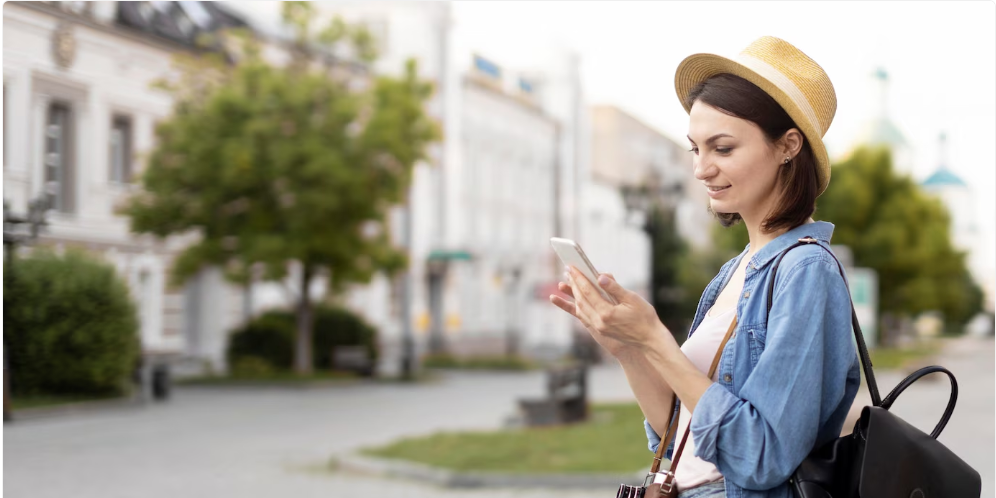
by Dulce Navarro | Apr 16, 2025 | Countries, Culture, Europe, Lifestyle, Residency, Travel, Work
Everything You Need to Know About Digital Nomad Visas in France
France has long captivated travelers with its art, culture, and lifestyle. But now, the country is becoming increasingly attractive to digital nomads and remote workers seeking a temporary yet immersive European base. With changing work environments and the rise of remote professions, digital nomad visas are gaining popularity — and France is no exception. If you’re a professional looking to live and work in France legally while maintaining employment elsewhere, this guide is for you.
What is a Digital Nomad Visa?
A digital nomad visa allows remote workers, freelancers, and self-employed professionals to live in a foreign country while working for clients or companies based outside that country. Unlike a tourist visa, which usually limits your stay to 90 days, a digital nomad visa often provides longer and renewable residency options, allowing you to enjoy life abroad without legal complications.
Is There a Digital Nomad Visa for France?
While France does not have a dedicated “digital nomad visa” by name, it offers several visa options that digital nomads can take advantage of, including:
- Long-Stay Visa (Visa de Long Séjour): Ideal for freelancers or self-employed individuals. This visa allows you to stay in France for more than 90 days and can be renewed.
- Profession Libérale Visa: Designed for those who want to work as a freelancer or operate a business in France.
- Talent Passport: Suitable for highly skilled professionals, especially in tech, science, and business sectors.
Eligibility Criteria
The exact requirements vary depending on the type of visa you apply for, but common eligibility criteria include:
- Proof of sufficient income or financial resources
- Valid health insurance covering your stay in France
- A clean criminal background check
- Documentation supporting your professional activity (contracts, client lists, portfolios)
How to Apply
The application process typically involves several steps:
- Determine the best visa option for your situation
- Gather the required documentation
- Apply through your local French consulate or embassy
- Attend a visa interview if necessary
- Wait for visa approval and travel to France
Benefits of Living in France as a Digital Nomad
Choosing France as your base offers a wealth of benefits:
- Access to high-speed internet and coworking spaces in major cities
- Excellent healthcare system
- Rich cultural experiences and scenic travel opportunities
- Proximity to other European countries for easy weekend getaways
- A strong expat community to connect and network with
Challenges to Be Aware Of
Living in France as a digital nomad isn’t without its challenges. Consider the following:
- Language barriers, especially in rural areas
- Complex administrative processes and paperwork
- Cost of living in cities like Paris can be high
- Strict tax regulations for those staying long-term
Tips for a Smooth Transition
- Take French language classes before and during your stay
- Work with a relocation specialist or visa consultant
- Use expat forums and local networks to get insider advice
- Keep all documents well-organized and digitized
Future Outlook
France is actively working to attract international talent and entrepreneurs. While there’s no official digital nomad visa yet, discussions continue within policy circles. The current visa options provide a solid foundation for professionals seeking a semi-permanent European lifestyle.
Conclusion
Living and working in France as a digital nomad is entirely feasible with the right visa and preparation. From world-class infrastructure to an enriching lifestyle, France remains a top choice for professionals looking to blend productivity with cultural exploration.
Stay Connected for More Travel and Lifestyle Inspiration. For more insights into travel, culture, and lifestyle tips, follow me on Instagram @salvadorordorica. If you’re seeking professional translation and localization services to enhance your global ventures, visit The Spanish Group — your trusted partner in bridging cultures worldwide.
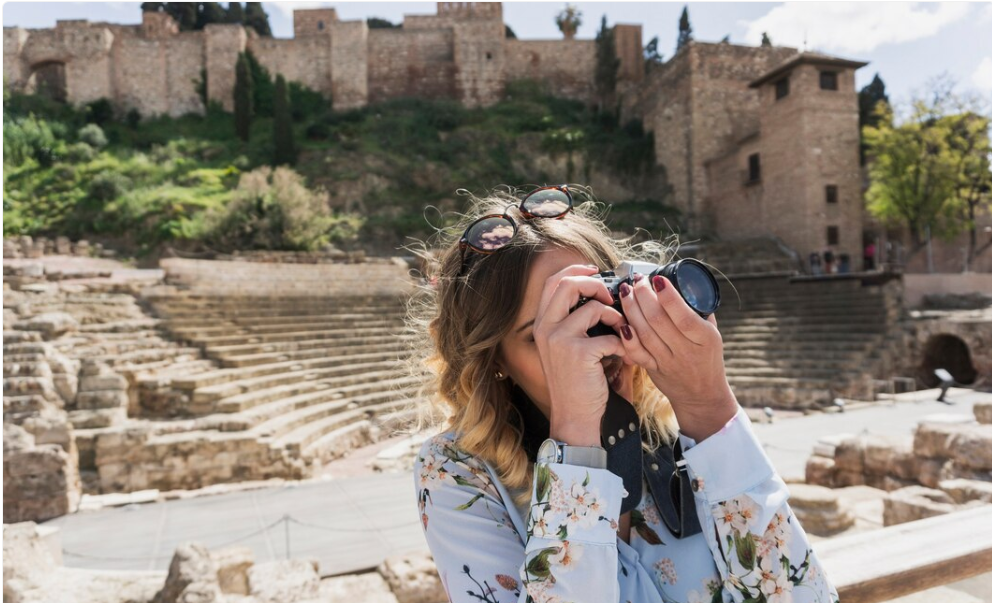
by Dulce Navarro | Apr 15, 2025 | Business, Company, Countries, Europe, Lifestyle, Travel, Work
Discover Italy as a Digital Nomad: Best Cities and Tips
Italy, with its enchanting landscapes, rich culture, and exceptional cuisine, has increasingly become a hotspot for digital nomads. For professionals seeking a perfect balance between work and adventure, Italy offers an inspiring backdrop, stable internet infrastructure, and a quality lifestyle. Whether you’re working remotely for a company or building your own enterprise, navigating Italy as a digital nomad is a fulfilling experience—if done right. Here’s everything you need to know.
Why Italy Appeals to Digital Nomads
Italy blends the charm of old-world cities with modern amenities, making it a unique destination for remote workers. Beyond the food, art, and architecture, the country offers excellent public transportation, co-working spaces, and a growing community of like-minded digital nomads. Add to that the diversity of cities, from the fashion capital Milan to the coastal tranquility of Bari, and it’s easy to see why Italy remains a favorite among remote professionals.
Top Cities in Italy for Digital Nomads
1. Milan
Milan is the business and financial hub of Italy. It offers a dynamic work environment, excellent connectivity, and plenty of co-working spaces. The city’s international atmosphere and events like Milan Design Week make it a vibrant place for networking and inspiration.
2. Rome
The capital city combines historical grandeur with a bustling digital landscape. Rome is ideal for digital nomads who want access to major services and enjoy cultural landmarks during their off-hours. Just be prepared for slightly higher costs compared to other regions.
3. Florence
Florence attracts creative professionals with its artistic heritage and beautiful surroundings. While smaller than Rome or Milan, it has a relaxed vibe and a growing tech and start-up community. Co-working options are increasing, and living costs are more manageable.
4. Bologna
Home to one of the oldest universities in the world, Bologna is a lively student town with a youthful energy. The city is walkable, affordable, and filled with digital talent, making it a great base for remote workers in tech and education sectors.
5. Bari
If you’re looking for a more peaceful experience, Bari on the Adriatic coast offers Mediterranean charm with lower living costs. It’s becoming a hidden gem among digital nomads, especially for those focused on writing, design, and consultancy work.
Essential Tips for Digital Nomads in Italy
1. Get a Local SIM Card
Reliable internet is crucial. Consider getting a local SIM card from providers like TIM, Vodafone, or WINDTRE. They offer prepaid plans with generous data, perfect for remote work.
2. Use Co-Working Spaces
Italy has a thriving co-working culture. Spaces like Talent Garden, Impact Hub, and WeWork are available in major cities and provide a professional environment with networking opportunities.
3. Learn Basic Italian
While many Italians speak English, knowing basic Italian helps in everyday situations and enriches your overall experience. Apps like Duolingo or Babbel can be great starters.
4. Understand Visa Requirements
EU citizens have unrestricted access, but non-EU nationals should look into long-stay visas or Italy’s Self-Employment Visa. Make sure to consult with immigration professionals or official sources.
5. Embrace the Culture
Italy operates on its own time. Enjoy long lunches, afternoon espressos, and regional customs. Immersing yourself in the Italian lifestyle will not only improve your stay but also your productivity and well-being.
Costs of Living
The cost of living varies greatly across the country. While Milan and Rome can be pricey, cities like Palermo, Bari, and Naples offer affordable rents and amenities. On average, expect to spend around €1,200–€2,000 per month depending on your lifestyle and location.
Building a Community
Networking is key. Platforms like Meetup, Internations, and Facebook groups are great ways to meet fellow digital nomads. Many cities also host events, language exchanges, and tech meetups. Don’t hesitate to get involved—it makes a huge difference.
Final Thoughts
Italy is not just a beautiful country—it’s a dynamic place to work, live, and explore. From its lively cities to its picturesque coastal towns, it offers a multitude of opportunities for digital nomads to thrive. With the right preparation, an open mind, and a willingness to embrace a new way of life, your Italian adventure can be both personally enriching and professionally rewarding.
Stay Connected for More Travel and Lifestyle Inspiration.
For more insights into travel, culture, and lifestyle tips, follow me on
Instagram @salvadorordorica.
If you’re seeking professional translation and localization services to enhance your global ventures, visit
The Spanish Group — your trusted partner in bridging cultures worldwide.

by Dulce Navarro | Apr 14, 2025 | Culture, Europe, Lifestyle, Traditions, Work
Mastering Business Etiquette in France: What Every Professional Should Know
Doing business in France can be an enriching experience, but it also requires an understanding of local etiquette and professional culture. For executives, entrepreneurs, or professionals looking to succeed in French business environments, mastering cultural nuances is essential. This guide explores key etiquette tips and insights for navigating business in France with confidence and respect.
The Importance of Formality
French business culture places high value on formality and professionalism. From dress code to communication style, formality is often perceived as a sign of respect and competence. When meeting French professionals for the first time, address them by their title and last name unless invited to do otherwise. Business attire should be conservative and elegant—men often wear suits, and women are expected to dress in a polished, understated manner.
Mastering the French Greeting
In business settings, a firm handshake is the standard greeting. Make eye contact and keep the handshake brief yet confident. It is important to avoid overly enthusiastic gestures or prolonged contact. While the famous “la bise” (cheek kissing) is a common greeting in social contexts, it is generally not used in professional environments unless there is a strong pre-existing relationship.
Communication Style
French professionals are known for their articulate and intellectual communication. Meetings may begin with small talk, but business discussions typically focus on logic, structure, and reasoning. Expect detailed arguments and critical questions—these are not signs of disagreement but a way to assess ideas thoroughly. Speaking French, even if just a few phrases, shows effort and respect, though many professionals also speak English fluently, especially in international industries.
Punctuality and Scheduling
Being on time is important, though there is a slight tolerance for delays in certain industries. However, punctuality is still considered a mark of professionalism. Business meetings are often scheduled well in advance, and it’s customary to confirm appointments via email. Avoid scheduling meetings during July and August, as many professionals take extended summer holidays.
Business Meals and Hospitality
Business meals are a key part of relationship-building in France. Lunches can be long and may not always involve business discussions until later in the meal. Table manners are crucial: keep your hands visible (resting wrists on the table), avoid placing elbows on the table, and never start eating until the host gives the signal. If you’re invited to someone’s home or a formal event, bring a small gift such as flowers or wine (but avoid chrysanthemums, as they are associated with funerals).
Decision-Making and Hierarchy
French companies often have a hierarchical structure. Decisions are typically made at the top and may take longer than expected. Respect for hierarchy is important, and it’s customary to follow formal lines of communication. It’s essential to be patient and to show respect for the process and those in decision-making positions.
Written Communication
Business emails and written correspondence in France follow a more formal structure than in some other countries. Start with a formal greeting, such as “Monsieur” or “Madame,” followed by the person’s last name. The content should be clear, concise, and polite, with a formal closing line like “Je vous prie d’agréer, Madame, Monsieur, l’expression de mes salutations distinguées.” Keep your language professional, and avoid using first names or casual expressions unless the relationship has become more personal over time.
Understanding Work-Life Balance
Work-life balance is highly valued in France. The 35-hour work week, extensive vacation time, and protected employee rights reflect a strong commitment to personal time. When scheduling meetings or sending messages, be mindful of evenings, weekends, and public holidays. Demonstrating respect for your colleagues’ time outside of work helps build mutual respect and cooperation.
Adapting to French Corporate Culture
Each industry and company may have its own cultural variations, but in general, the French take pride in their intellectual heritage, value thoughtful dialogue, and maintain a sense of decorum in professional settings. By adapting to these cultural norms, professionals can build trust, avoid miscommunication, and create lasting business relationships in France.
Final Thoughts
Mastering business etiquette in France requires cultural awareness, patience, and attention to detail. It’s not just about rules—it’s about demonstrating respect for a country’s traditions and business practices. By doing so, you enhance your professional image and increase your chances of success in one of Europe’s most influential business landscapes.
Stay Connected for More Travel and Lifestyle Inspiration
For more insights into travel, culture, and lifestyle tips, follow me on Instagram @salvadorordorica. If you’re seeking professional translation and localization services to enhance your global ventures, visit The Spanish Group — your trusted partner in bridging cultures worldwide.
