How to Build a Productive Work Routine While Traveling
In today’s fast-paced world, the concept of “work” has evolved. With the rise of digital technology, many professionals have the opportunity to work remotely, including while traveling. Whether you are a business director, entrepreneur, or freelancer, balancing work and travel can be challenging. However, with a little preparation and strategy, it is possible to establish a productive routine that allows you to thrive in both areas. In this post, we will explore effective ways to build a productive work routine while traveling.
1. Establish a Flexible Schedule
The key to managing work and travel is flexibility. Traveling can bring unexpected changes, such as flight delays, timezone shifts, or new environments that require adjustment. Rather than sticking rigidly to a 9-5 routine, consider adjusting your schedule to fit your travel itinerary and personal preferences.
Start by determining your most productive hours. Some people work best in the morning, while others are more productive in the evening. Once you have identified your peak performance time, build your work schedule around it. For example, if you’re traveling to a new city with a significant timezone difference, try waking up a little earlier or staying up a bit later to align with the time zone you are working with. Flexibility is key, so be prepared to adapt when needed.
2. Prioritize Important Tasks
When you’re on the move, you may not have the luxury of a traditional workspace or unlimited time to work. To stay productive, prioritize your tasks. Begin by identifying your most important projects and focus on them first. Consider using a task management system like Trello, Asana, or even a simple to-do list to keep track of tasks and deadlines.
Make sure to break down larger projects into smaller, manageable tasks that can be completed during the available hours. By focusing on high-priority tasks, you ensure that the most crucial aspects of your work are accomplished while traveling.
3. Set Up a Dedicated Workspace
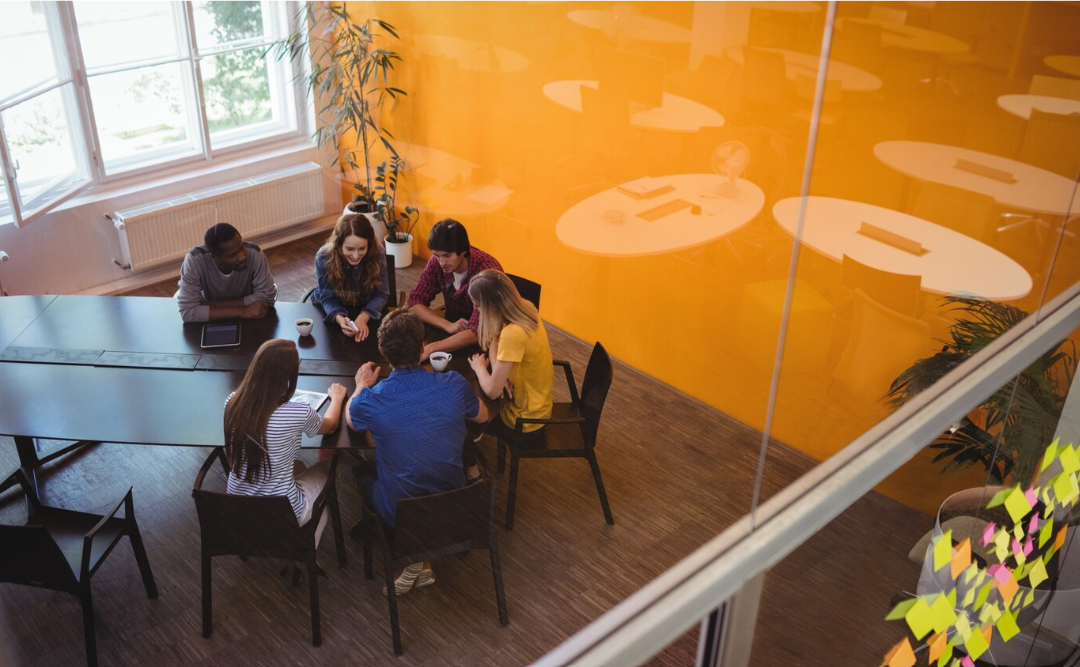
While it may be tempting to work from your hotel bed or a cafe with a beautiful view, creating a dedicated workspace can significantly enhance your productivity. If possible, choose accommodations with a separate work area, such as a desk or a quiet corner. A comfortable and distraction-free environment allows you to concentrate and get into a productive mindset more easily.
If you’re staying in a location that doesn’t have a designated workspace, consider setting up a portable workstation. Many travelers swear by noise-canceling headphones, portable laptop stands, and ergonomic travel keyboards, which can help create a better work environment, even in less-than-ideal locations. Look for co-working spaces in the area or nearby cafes with reliable Wi-Fi for a productive workspace outside of your hotel room.
4. Plan Ahead for Wi-Fi and Connectivity
Reliable internet access is essential for maintaining productivity while traveling. Before heading to your destination, research internet options in the area. Check whether your hotel or accommodation offers reliable Wi-Fi, or whether you’ll need to find an alternative solution, such as a nearby co-working space or café with strong Wi-Fi.
If you’re traveling internationally, consider purchasing a local SIM card with data or an international hotspot device to ensure that you have access to the internet even when you’re away from traditional Wi-Fi networks. Tools like mobile hotspot devices can provide a secure and consistent internet connection wherever you are, keeping you productive even in remote areas.
5. Manage Time Zones Efficiently
Traveling across time zones can create challenges when coordinating meetings, managing deadlines, or staying connected with colleagues. To avoid confusion, use time zone conversion apps or websites to ensure you are scheduling meetings at convenient times for all participants. Tools like Google Calendar automatically adjust to different time zones, making it easy to keep track of appointments.
Before leaving for your trip, inform clients, team members, and business partners about your travel schedule and any potential delays or changes in availability. This transparency will help manage expectations and ensure that everyone is on the same page.
6. Take Advantage of Travel Time
Travel time, such as long flights, train rides, or layovers, can be a golden opportunity to get work done. Use this time to complete less demanding tasks, such as reviewing emails, catching up on reading, or organizing files. If you’re flying, offline tools like Google Docs, Evernote, or Microsoft OneNote can be used to work on projects without requiring an internet connection.
Travel time can also be a great opportunity for reflection. Consider using the time to brainstorm ideas, plan your next business strategies, or simply think through any challenges you’re currently facing in your work. Creative thinking often happens when you’re not actively working, so take advantage of these moments to recharge and find new solutions.
7. Take Regular Breaks to Avoid Burnout
While it’s essential to be productive while traveling, it’s equally important to avoid burnout. The key to sustaining productivity is balance. Be sure to incorporate regular breaks into your schedule. Whether it’s a walk around a new city, a short nap, or simply taking time to enjoy the local culture, breaks can rejuvenate your mind and body.
Schedule “off” times where you disconnect from work entirely, allowing yourself to relax and enjoy your travel experience. A well-rested and mentally refreshed individual will perform better than someone who pushes themselves too hard without taking time to recharge.
8. Embrace Digital Tools and Automation
Technology is your best friend when working while traveling. Embrace the tools that help you automate tasks, collaborate seamlessly with your team, and stay organized. Cloud-based platforms like Google Drive, Dropbox, and OneDrive ensure that your documents are accessible from anywhere, enabling you to collaborate on projects with colleagues without geographic restrictions.
For meetings and communications, use platforms like Zoom, Microsoft Teams, or Slack to stay in touch with your team and clients in real-time. These tools enable you to participate in video calls, manage tasks, and stay updated on ongoing projects, regardless of where you are.
9. Stay Healthy and Active
Traveling and working can be physically demanding. To maintain your productivity, it’s essential to prioritize your physical health. Exercise regularly to boost your energy levels, combat jet lag, and maintain your focus. Many hotels have fitness centers, and even if they don’t, you can go for a run or try simple bodyweight exercises in your room.
Additionally, focus on eating well, staying hydrated, and getting enough sleep to ensure that your mind remains sharp during work hours. Managing your physical health will directly impact your ability to stay productive and focused during your travels.
Conclusion
Building a productive work routine while traveling requires careful planning, adaptability, and the right tools. By establishing a flexible schedule, prioritizing important tasks, creating a dedicated workspace, managing time zones, and embracing technology, you can seamlessly integrate work and travel. Remember to stay mindful of your health and take breaks when necessary to recharge.
Stay Connected for More Travel and Lifestyle Inspiration. For more insights into travel, culture, and lifestyle tips, follow me on Instagram @salvadorordorica. If you’re seeking professional translation and localization services to enhance your global ventures, visit The Spanish Group — your trusted partner in bridging cultures worldwide.
Best Coworking Spaces in Paris for Digital Nomads: Unlocking Productivity and Inspiration in the City of Lights
As the global digital nomad movement grows, Paris has become one of the most desirable destinations for remote workers. Known for its unparalleled blend of history, culture, and cutting-edge innovation, the French capital offers a wide range of coworking spaces perfect for those who work on the go. Whether you’re a freelancer, entrepreneur, or digital professional looking to escape the monotony of home offices or crowded cafes, Paris offers coworking spaces that combine productivity, inspiration, and the occasional croissant.
Here’s a roundup of some of the best coworking spaces in Paris tailored to digital nomads who want to work efficiently while immersing themselves in one of the world’s most iconic cities.
1. WeWork – Various Locations
WeWork is a global giant when it comes to coworking spaces, and Paris is no exception. With multiple locations around the city, it’s an ideal choice for digital nomads who prefer a consistent, high-quality experience regardless of where they’re working. The spaces are equipped with everything you need: fast internet, meeting rooms, private offices, and a range of flexible membership plans.
But beyond the basics, WeWork’s Paris locations stand out for their vibrant communities, allowing you to network and collaborate with like-minded professionals from various fields. If you’re a digital nomad seeking a dynamic and professional environment, WeWork should definitely be on your radar.
2. The Bureau – Le Marais
Located in the trendy Le Marais district, The Bureau is an intimate and beautifully designed coworking space that offers a more personalized experience. With its creative decor and a variety of private offices and hot desks, The Bureau caters to freelancers, small businesses, and entrepreneurs who want a quieter, more community-driven work environment.
The space provides high-speed internet, free coffee, and regular events to foster networking. The location itself is a major perk, as Le Marais is one of the best neighborhoods in Paris, known for its art galleries, museums, and vibrant cafes.
3. Spaces – Batignolles
Spaces offers a quirky and stylish alternative to the more corporate coworking environments. Located in the Batignolles area, this coworking space stands out with its eclectic interior design, flexible workspace options, and unique meeting rooms. It’s a perfect space for digital nomads who value creativity and need an inspiring atmosphere to fuel their work.
Members enjoy access to high-speed internet, phone booths for private calls, and a variety of networking events. What makes Spaces especially appealing is its balance of productivity and creativity, making it ideal for those working in the fields of design, marketing, or tech.
4. La Cantine – Paris Tech Hub
Situated in the heart of the digital innovation district of Paris, La Cantine is a tech-focused coworking space that offers the perfect blend of functionality and inspiration. As one of the first coworking spaces in Paris, it’s become a hub for entrepreneurs, startups, and digital nomads working in the tech industry.
La Cantine offers a range of memberships, from flexible hot desks to private offices. It provides all the necessary amenities, such as high-speed internet, meeting rooms, and an event space. Additionally, its proximity to major tech events and networking opportunities makes it a great choice for those looking to connect with like-minded professionals.
5. Le Loft – Canal Saint-Martin
If you prefer a laid-back yet professional atmosphere, Le Loft in the Canal Saint-Martin area is the perfect fit. This cozy and stylish coworking space features open-plan workstations and private offices, making it ideal for those who prefer a quieter, more relaxed working environment.
Le Loft prides itself on fostering a strong community where collaboration is key. The space is well-equipped with fast internet, printing facilities, and kitchen amenities. Located near one of Paris’ most picturesque neighborhoods, Le Loft offers a great work-life balance for digital nomads who also want to enjoy the charm of the city during their downtime.
6. Station F – 13th Arrondissement
For the tech-savvy and startup-focused digital nomads, Station F is a must-visit coworking space. It’s the largest startup campus in the world, providing an incubator for thousands of entrepreneurs, investors, and innovators from around the globe. With its massive scale, Station F offers everything from shared desks to fully equipped private offices, meeting rooms, and even a gym.
This coworking space is ideal for those who want to be part of the cutting-edge tech scene in Paris. The campus frequently hosts workshops, hackathons, and networking events, providing countless opportunities for professional development and connections.
7. Co-Working Popincourt
For digital nomads who want to work in an environment that feels more like a home than an office, Co-Working Popincourt is a top choice. This coworking space offers a friendly, community-focused vibe with cozy workstations, kitchen areas, and plenty of opportunities for networking.
Located in the 11th arrondissement, it’s in a lively area surrounded by cafes and small shops, making it perfect for those who enjoy a vibrant local atmosphere. Whether you’re a solo worker or part of a team, Co-Working Popincourt offers a flexible environment that encourages collaboration and social interaction.
8. Kwerk – Various Locations
Kwerk is all about luxury and design. With locations in several prime areas of Paris, Kwerk combines coworking with wellness, offering an elegant work environment designed to enhance productivity and well-being. Its spaces feature high-end furniture, natural lighting, and even in-house fitness facilities, making it an excellent choice for digital nomads who want to maintain a healthy work-life balance.
Kwerk’s membership includes access to private offices, meeting rooms, event spaces, and various community-building activities. It’s ideal for those who prefer to work in a sophisticated, yet comfortable, setting while enjoying Paris’ beauty and culture.
9. BlueFactory – Belleville
BlueFactory is an exceptional coworking space located in the vibrant Belleville district of Paris. Known for its relaxed yet highly productive atmosphere, BlueFactory offers a collaborative environment that attracts digital nomads working in a variety of fields, including design, media, and tech.
The space is equipped with high-speed internet, meeting rooms, and an open-plan layout that encourages creativity and interaction. The location itself is perfect for those who want to escape the hustle and bustle of central Paris while still being close to everything the city has to offer.
10. Hubsy – Central Paris
Hubsy offers a more intimate and focused coworking experience. Located in central Paris, it provides digital nomads with a calm, distraction-free environment perfect for focused work. The minimalist design, combined with comfortable workstations and high-speed internet, allows you to settle into a productive routine.
Hubsy is known for its emphasis on work-life balance and the provision of various amenities such as printing services, kitchen access, and flexible membership options. It’s a great option for digital nomads who want to get work done without the buzz of a larger coworking space.
Conclusion
Paris is undeniably one of the most exciting cities for digital nomads looking to combine work and travel. With its variety of coworking spaces catering to different needs and preferences, you’re sure to find a place that fits your lifestyle. Whether you’re working in tech, design, or just need a quiet space to focus, these coworking spaces will help you stay productive while enjoying the magic of Paris.
Stay Connected for More Travel and Lifestyle Inspiration. For more insights into travel, culture, and lifestyle tips, follow me on Instagram @salvadorordorica. If you’re seeking professional translation and localization services to enhance your global ventures, visit The Spanish Group — your trusted partner in bridging cultures worldwide.
The rise of remote work has allowed professionals worldwide to explore new destinations while maintaining their careers. France, known for its rich culture, exquisite cuisine, and scenic landscapes, has become an attractive destination for digital nomads. If you’re considering working remotely from France, you’ll need to apply for a Digital Nomad Visa. This guide will walk you through the application process, eligibility requirements, and tips to ensure a smooth transition.
What Is the Digital Nomad Visa?
A Digital Nomad Visa allows remote workers to live and work in France while being employed by a company outside the country or operating their own business. France does not have a specific “Digital Nomad Visa,” but remote workers can apply for the Long-Stay Visa (VLS-TS) for Independent Professionals or Self-Employed Persons.
Eligibility Requirements
To apply for this visa, you must meet the following criteria:
Proof of Remote Work – You must demonstrate that you work remotely for a company based outside France or run an independent business that serves international clients.
Sufficient Financial Means – You need to prove financial stability. The minimum income requirement is typically €1,540 per month (subject to change).
Valid Passport – Your passport must be valid for at least six months beyond your planned stay in France.
Health Insurance – Comprehensive health coverage is required for your stay in France.
No Criminal Record – Applicants must provide proof of a clean criminal record.
Accommodation Proof – You need to show evidence of a place to stay, such as a rental agreement or a letter from a host.
Step-by-Step Application Process
Step 1: Determine Your Visa Type
Since France does not offer a specific Digital Nomad Visa, you will apply for the Long-Stay Visa for self-employed individuals, freelancers, or business owners.
Step 2: Gather the Required Documents
Prepare the following documents before starting your application:
A valid passport
Visa application form (completed and signed)
Recent passport-sized photos
Proof of sufficient funds
Proof of remote work or business ownership
Health insurance covering your stay in France
Criminal record certificate
Accommodation proof (rental lease, hotel booking, or host invitation letter)
A motivation letter explaining why you want to live in France as a remote worker
Step 3: Apply at a French Consulate or Online
Submit your application through the official France-Visas website or at your local French consulate.
Step 4: Pay the Visa Fee
The visa fee is approximately €99, though this may vary depending on your nationality.
Step 5: Attend a Visa Appointment
Schedule an appointment at your nearest French consulate or visa application center. You may be required to provide biometric data (fingerprints and photos).
Step 6: Wait for Approval
Visa processing times vary but typically range from 3 to 8 weeks. You may receive an interview request for further clarification.
Step 7: Travel to France and Validate Your Visa
Once approved, you must validate your VLS-TS visa within three months of arriving in France. This is done through the French Office of Immigration and Integration (OFII).
Advantages of Living in France as a Digital Nomad
1. High-Quality Lifestyle
France offers an exceptional quality of life, from world-class healthcare to vibrant cultural experiences.
2. Strong Digital Infrastructure
With reliable internet and coworking spaces in major cities like Paris, Lyon, and Nice, remote work is highly accessible.
3. Travel Opportunities
Being in France means easy access to other European countries, allowing you to explore diverse destinations while maintaining your remote job.
4. Culinary Delights
France is home to some of the world’s best food and wine, making it a dream location for digital nomads who appreciate fine dining.
Challenges and How to Overcome Them
1. Language Barrier
While many people in major cities speak English, learning basic French can enhance your experience. Consider taking language courses or using translation services like The Spanish Group.
2. Bureaucracy
French bureaucracy can be complex, so ensure you have all required documents and seek professional guidance if needed.
3. Cost of Living
France can be expensive, particularly in cities like Paris. Budget wisely and explore cost-effective areas like Montpellier, Nantes, or Toulouse.
Final Thoughts
Applying for a Digital Nomad Visa in France requires thorough planning and adherence to the country’s visa regulations. By following this guide, you can navigate the process smoothly and begin your journey in one of the most beautiful and culturally rich countries in the world.
Stay Connected for More Travel and Lifestyle Inspiration. For more insights into travel, culture, and lifestyle tips, follow me on Instagram @salvadorordorica. If you’re seeking professional translation and localization services to enhance your global ventures, visit The Spanish Group — your trusted partner in bridging cultures worldwide.
Cultural Immersion Travel: Learning Through Language and Experience
Introduction
Traveling is more than just sightseeing; it is an opportunity to immerse yourself in new cultures, learn different languages, and experience life from another perspective. Cultural immersion travel allows you to gain a deeper understanding of a destination by engaging with its people, traditions, and customs.
The Importance of Language in Cultural Immersion
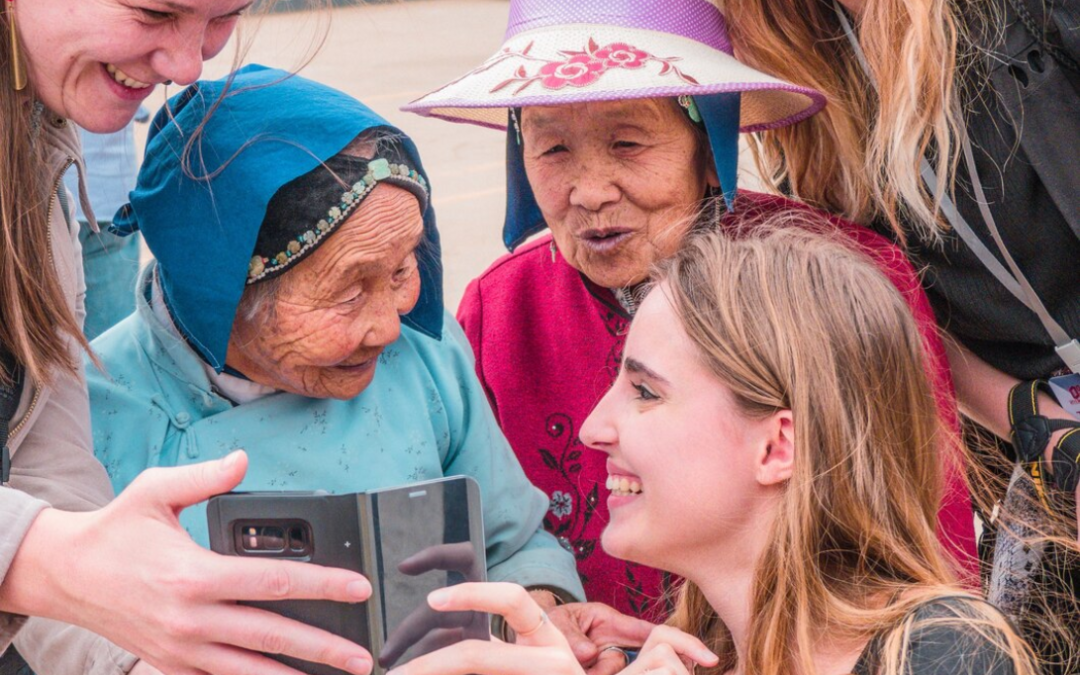
Language is a fundamental part of any culture. Learning even a few basic phrases in the local language can enhance your travel experience, making it easier to connect with locals and understand their way of life. Whether through formal language courses, language exchange programs, or simply conversing with native speakers, engaging in the local language can create meaningful interactions.
Experiencing Culture Through Local Traditions
One of the best ways to immerse yourself in a new culture is by participating in local traditions and festivals. From celebrating Holi in India to joining a traditional tea ceremony in Japan, experiencing these customs firsthand allows you to appreciate the richness and diversity of the world.
Staying with Locals for a Deeper Connection
Opting for homestays instead of hotels or resorts can provide a more authentic experience. Living with a local family gives you insight into their daily lives, home-cooked meals, and customs, which can be invaluable in understanding a culture more deeply.
Trying Traditional Cuisine
Food is an integral part of any culture. Exploring street markets, taking cooking classes, or dining at family-owned restaurants can introduce you to new flavors and culinary traditions. Each dish tells a story about the history and lifestyle of a place.
Exploring Off-the-Beaten-Path Destinations
Avoiding tourist-heavy attractions and seeking out lesser-known locations can provide a more immersive experience. Engaging with locals in small villages, attending community events, and exploring hidden gems allow for a deeper cultural connection.
Learning Through Cultural Workshops
Participating in workshops like pottery making in Greece, tango dancing in Argentina, or calligraphy in China can enrich your travel experience. These hands-on activities allow you to appreciate and understand the cultural heritage of a destination.
Responsible and Respectful Cultural Engagement
While immersing yourself in a new culture, it’s essential to be respectful of local customs and traditions. Understanding cultural norms, dressing appropriately, and being mindful of etiquette can ensure positive and meaningful interactions with locals.
Conclusion
Traveling with the intent of cultural immersion opens doors to incredible experiences and lifelong memories. By learning the language, engaging with traditions, and interacting with locals, you gain a deeper appreciation for the diversity of the world.
Stay Connected for More Travel and Lifestyle Inspiration
For more insights into travel, culture, and lifestyle tips, follow me on Instagram @salvadorordorica. If you’re seeking professional translation and localization services to enhance your global ventures, visit The Spanish Group — your trusted partner in bridging cultures worldwide.
Most Affordable Cities in Europe for Digital Nomads
Introduction
Europe has long been a favorite destination for digital nomads due to its rich culture, diverse landscapes, and efficient infrastructure. However, some cities can be quite expensive. Fortunately, there are still many affordable European destinations that offer an excellent quality of life for remote workers. Below, we explore some of the best budget-friendly cities in Europe for digital nomads.
1. Lisbon, Portugal
Lisbon is a top choice for digital nomads due to its affordability, warm climate, and vibrant culture. The cost of living is reasonable, with affordable rent, great public transportation, and a strong co-working scene.
2. Budapest, Hungary
Budapest offers an excellent balance between affordability and quality of life. The city is known for its low-cost accommodations, fast internet, and lively digital nomad community. Plus, the thermal baths and stunning architecture make it an exciting place to live.
3. Krakow, Poland
Krakow is another fantastic budget-friendly destination. The city boasts a rich history, excellent food, and a low cost of living. There are plenty of coworking spaces, and the city’s nightlife is also a great attraction for young professionals.
4. Valencia, Spain
Valencia is a great alternative to Barcelona or Madrid for digital nomads looking for affordability. The city’s cost of living is significantly lower, with access to beautiful beaches, delicious cuisine, and a relaxed Mediterranean lifestyle.
5. Prague, Czech Republic
Prague remains an attractive option for digital nomads due to its relatively low cost of living, excellent public transport, and a dynamic coworking community. The city’s history, culture, and cafe scene make it an inspiring place to work remotely.
Conclusion
For digital nomads seeking an affordable yet enriching European experience, these cities provide the perfect balance of cost, lifestyle, and work-friendly environments. Whether you prefer coastal cities or historic capitals, there is a budget-friendly European city that suits your needs.
How to Experience Paris Like a Local: Insider Tips & Hidden Spots
Introduction
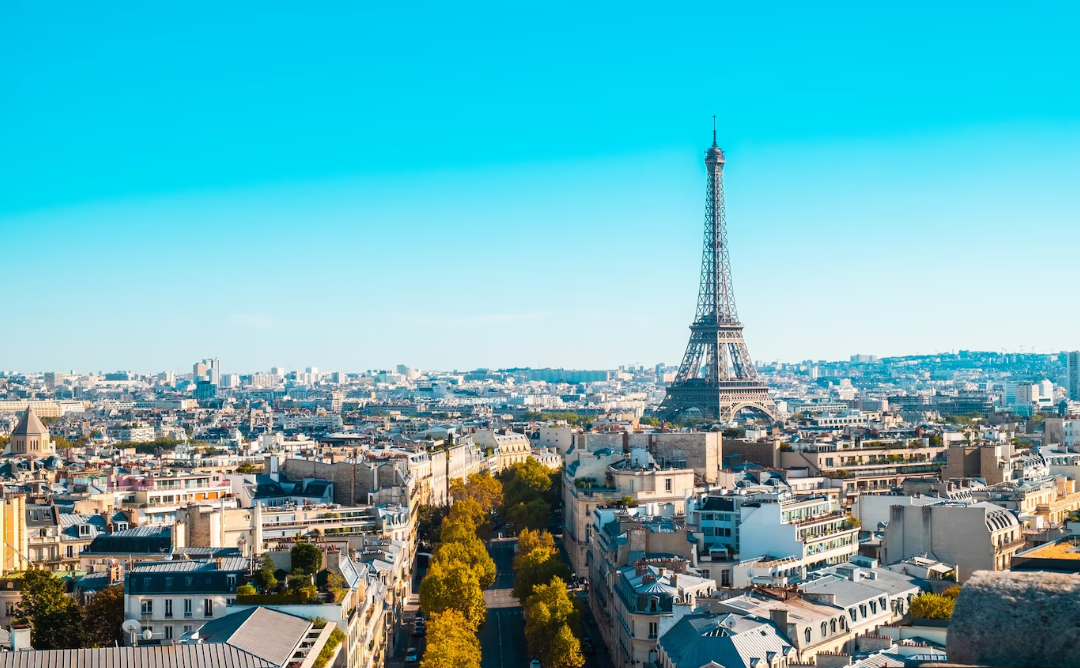
Paris is a dream destination for many, but beyond the famous landmarks like the Eiffel Tower and the Louvre, there lies a vibrant local culture waiting to be explored. If you want to experience Paris like a true local, this guide will introduce you to hidden gems, lesser-known cafés, and authentic Parisian experiences.
Explore Local Neighborhoods
Le Marais
Le Marais is one of Paris’s most charming districts, full of narrow cobblestone streets, boutique shops, and quaint cafés. Take a leisurely stroll and discover historical sites, art galleries, and hidden courtyards.
Canal Saint-Martin
This trendy area is a local favorite for picnics and relaxed afternoons by the water. Grab some cheese and wine from a nearby market and enjoy the Parisian lifestyle along the canal.
Eat Like a Local
Traditional Bistros
Avoid touristy restaurants and instead opt for traditional bistros like Le Comptoir du Relais or Chez Janou, where you can enjoy classic French cuisine in an authentic atmosphere.
Hidden Bakeries
Skip the mainstream chains and look for small, family-owned boulangeries for the best croissants and baguettes. Du Pain et des Idées is a must-visit for exceptional pastries.
Experience Parisian Culture
Attend a Local Market
Visit Marché des Enfants Rouges, the oldest covered market in Paris, to sample fresh produce, artisanal cheeses, and gourmet dishes from around the world.
Enjoy Hidden Parks
While many tourists visit Jardin du Luxembourg, locals prefer the tranquility of Parc des Buttes-Chaumont, a scenic spot with waterfalls, caves, and picturesque views.
Insider Tips for Getting Around
Walk as much as possible to soak in the Parisian charm, but when needed, use the city’s efficient metro system. Renting a bike or an electric scooter is another great way to explore the city.
Conclusion
Paris is more than its famous landmarks. By exploring local neighborhoods, dining at hidden gems, and immersing yourself in Parisian culture, you can experience the city in a way most tourists never do.
Stay Connected
Stay Connected for More Travel and Lifestyle Inspiration. For more insights into travel, culture, and lifestyle tips, follow me on Instagram @salvadorordorica. If you’re seeking professional translation and localization services to enhance your global ventures, visit The Spanish Group — your trusted partner in bridging cultures worldwide.