
by Dulce Navarro | Jun 18, 2025 | Countries, Culture, Europe, Travel, Work
Affordable Cities in Europe for Digital Nomads
The digital nomad lifestyle is more popular than ever, offering remote professionals the chance to explore the world while maintaining their careers. Europe, with its cultural richness, infrastructure, and diversity, is a dream destination for many. However, not all European cities are created equal when it comes to affordability and quality of life. For company directors and remote entrepreneurs looking to balance cost, productivity, and experience, choosing the right city is essential. Below are some of the most affordable and attractive European cities for digital nomads in 2025.
1. Lisbon, Portugal
Lisbon consistently ranks as one of the top cities for digital nomads. With its sunny weather, laid-back lifestyle, and growing tech scene, it’s an ideal hub for remote work. Coworking spaces are abundant, internet connectivity is reliable, and the cost of living remains relatively low compared to other Western European capitals.
A one-bedroom apartment in Lisbon’s city center typically costs between €900 and €1,200 per month, while meals and transportation are affordably priced. English is widely spoken, and Portugal’s D7 visa makes it easier for non-EU citizens to live and work in the country legally.
2. Tbilisi, Georgia
Tbilisi is a hidden gem in the digital nomad world. Georgia offers a visa-free entry for up to one year for citizens of over 90 countries, and the local government actively supports remote workers through the “Remotely from Georgia” program.
The cost of living is among the lowest in Europe. A centrally located apartment can cost as little as €400–€600 per month. The city offers a mix of modern amenities and charming old-world architecture, all with a vibrant expat and creative community. Plus, the Georgian tax environment is highly favorable for freelancers and entrepreneurs.
3. Budapest, Hungary
Budapest combines affordability, architectural beauty, and high-speed internet, making it a favorite among nomads. The city’s coffee shop culture and extensive coworking options provide excellent working conditions. A comfortable apartment in the center can range from €600 to €900 per month.
Hungary also offers a “White Card” digital nomad visa designed for non-EU remote workers, making it easier to stay long-term. From thermal baths to nightlife, Budapest provides a great work-life balance without breaking the bank.
4. Sofia, Bulgaria
Sofia offers one of the lowest costs of living in the European Union, combined with solid infrastructure and a rapidly growing tech sector. Monthly rent for a city-center apartment ranges from €400 to €700. Food, public transport, and entertainment are also very affordable.
Bulgaria has a flat income tax rate of 10%, which is one of the lowest in Europe — a major draw for entrepreneurs and freelancers. Additionally, English proficiency is on the rise, especially among the younger population and professionals.
5. Kraków, Poland
Kraków is an increasingly popular destination for digital nomads thanks to its historical charm, modern amenities, and affordable cost of living. With plenty of coworking spaces and a robust cultural scene, it’s a city that nurtures both productivity and inspiration.
Expect to pay between €500 and €800 for a well-located apartment. Poland’s infrastructure is excellent, and the country’s central location in Europe makes it easy to travel to other nearby destinations.
6. Valencia, Spain
While Madrid and Barcelona often steal the spotlight, Valencia is a more affordable yet equally vibrant option for digital nomads. The city offers great weather, stunning beaches, a relaxed lifestyle, and a thriving digital community.
The monthly cost of living in Valencia is around €1,000–€1,300, depending on your lifestyle. Spain’s new digital nomad visa under the Startup Law offers long-term stay options and tax incentives for remote professionals.
7. Porto, Portugal
Another Portuguese gem, Porto is smaller than Lisbon but equally beautiful — and even more affordable. It boasts a rich cultural heritage, delicious cuisine, and a welcoming atmosphere.
With rents for city-center apartments starting around €700, and coworking spaces like Porto i/o and Selina offering flexible plans, Porto is an excellent base for digital nomads seeking affordability without sacrificing quality of life.
8. Tallinn, Estonia
Estonia has pioneered e-residency and digital governance, making Tallinn a highly digital-nomad-friendly city. With excellent Wi-Fi, a tech-savvy population, and a startup ecosystem, it’s especially appealing for entrepreneurs and tech workers.
Estonia offers a specific digital nomad visa, and the cost of living is moderate, with central apartments starting around €700–€900 per month. English is widely spoken, especially in business circles, and the city blends medieval charm with modern innovation.
Learning New Languages as an Expat: Strategies for Quick Success
Moving to a new country offers more than just professional opportunities — it opens the door to new languages and cultures. While learning a language can seem daunting, especially as a busy professional, there are proven strategies that can accelerate your progress:
- Immersive Environments: Live with locals or join local community events to practice daily conversations.
- Language Apps: Use tools like Duolingo, Babbel, or Rosetta Stone during your downtime.
- Private Tutors: Hire native speakers for tailored lessons that focus on your specific needs and schedule.
- Routine Practice: Set aside 15–30 minutes daily for structured study — consistency is key.
- Integrate Language into Daily Life: Change your phone’s language settings, watch local TV, and read news in your target language.
As a digital nomad or expat, language acquisition isn’t just a personal achievement — it’s a professional asset. Building fluency opens doors to deeper relationships, cultural insights, and greater business success in your new environment.
Stay Connected for More Travel and Lifestyle Inspiration
For more insights into travel, culture, and lifestyle tips, follow me on @salvadorordorica. If you’re seeking professional translation and localization services to enhance your global ventures, visit The Spanish Group — your trusted partner in bridging cultures worldwide.

by Dulce Navarro | Jun 16, 2025 | Culture, Europe, Lifestyle, Residency, Travel, Work
Digital Nomad Relocation to Italy: How to Make the Move
Italy’s charm extends far beyond its rich history and cuisine—it’s also becoming a hot destination for digital nomads. If you’re looking to move your remote work lifestyle to a country of cobblestone streets, Renaissance art, and Mediterranean vibes, this guide is for you.
Why Italy for Digital Nomads?
Italy offers an irresistible mix of lifestyle benefits:
- Cultural immersion: Art, architecture, and centuries of tradition at your fingertips
- Geographical diversity: From the Alps to Sicily, it has it all
- Delicious cuisine: Every region boasts its own flavors and specialties
- Work-life balance: Italians value their downtime, encouraging a more relaxed pace
The Digital Nomad Visa in Italy
As of 2022, Italy introduced a digital nomad visa for non-EU citizens. This visa allows remote workers to legally reside in the country while continuing to work for foreign companies or clients.
To be eligible, you generally need to:
- Prove steady income (typically above €2,500/month)
- Show proof of remote work or self-employment
- Provide valid health insurance
- Have a clean criminal record
The application is made at an Italian consulate in your home country, and approvals can take several weeks.
Best Cities for Remote Work in Italy
While cities like Rome, Milan, and Florence are obvious choices, smaller towns offer great perks too:
- Bologna: A lively student city with an international vibe
- Turin: Less touristy, with a growing tech scene
- Lecce: Affordable and full of southern charm
- Trento: Ideal for nature lovers and mountain views
Each city has co-working spaces, high-speed internet, and a community of fellow expats and freelancers.
Cost of Living and Practical Tips
Italy offers a more affordable lifestyle compared to many major cities in the U.S. or Northern Europe, especially if you avoid high-traffic tourist areas.
- Monthly rent: €600–€1,200 depending on the city
- Groceries: €200–€300/month
- Public transport: €35–€50/month
Tip: Use sites like Idealista or Immobiliare.it for apartment searches, and Facebook groups for short-term housing and nomad advice.
Taxes and Residency
If you spend more than 183 days a year in Italy, you may be considered a tax resident. Italy has signed tax treaties with many countries to avoid double taxation, but it’s essential to speak to a local accountant.
Some benefits include:
- Flat tax regimes for high-net-worth individuals
- Incentives for foreign workers relocating to southern Italy
Plan ahead by consulting with a tax advisor experienced in expat and remote work issues.
Learning New Languages as an Expat: Strategies for Quick Success
Living in Italy is much easier when you speak the language, even at a basic level. Here’s how to fast-track your learning:
- Enroll in local classes: Schools like Scuola Leonardo da Vinci offer intensive programs
- Use apps: Duolingo, Babbel, and Memrise are great for daily practice
- Language exchanges: Tandem and HelloTalk connect you with native speakers
- Immerse yourself: Watch Italian TV shows, read newspapers, and talk to locals daily
Don’t aim for perfection—aim for communication. The more you use the language, the faster you’ll progress.
Stay Connected for More Travel and Lifestyle Inspiration. For more insights into travel, culture, and lifestyle tips, follow me on Instagram @salvadorordorica. If you’re seeking professional translation and localization services to enhance your global ventures, visit The Spanish Group — your trusted partner in bridging cultures worldwide.

by Dulce Navarro | Jun 12, 2025 | Business, Culture, Lifestyle, Work
Coworking Spaces in Paris: Where to Work Remotely in Style
As remote work continues to redefine professional life, Paris is emerging as a premier destination for digital nomads and remote professionals seeking a stylish, productive environment. With its elegant architecture, café culture, and global connectivity, the French capital offers a unique blend of inspiration and efficiency. Whether you’re a freelancer, startup founder, or corporate executive, Paris has coworking spaces that combine professionalism with Parisian charm.
Why Choose Paris for Remote Work?
Paris isn’t just a city of romance — it’s a city of business, innovation, and culture. For remote professionals, Paris offers:
- World-class infrastructure and transportation
- Reliable internet and tech-friendly cafes
- A vibrant international community
- Access to excellent food, art, and culture
- A growing number of modern coworking spaces catering to diverse needs
Top Coworking Spaces in Paris
1. Station F – The Largest Startup Campus in the World
Located in the 13th arrondissement, Station F is an iconic hub for entrepreneurs, freelancers, and digital innovators. With over 1,000 startups under one roof, Station F offers access to mentorship programs, VC firms, events, and an expansive community.
2. Anticafé – The Café-Coworking Hybrid
For those who want a more relaxed yet productive setting, Anticafé is ideal. You pay by the hour and enjoy unlimited coffee, tea, and snacks. With several locations throughout the city, Anticafé offers a casual alternative to traditional offices.
3. Morning – Elegant, Flexible, and Inspiring
Morning operates several beautifully designed spaces across Paris. With a strong emphasis on aesthetics, community, and flexibility, Morning is perfect for professionals who value style and inspiration in their work environment.
4. WeWork Paris – International Brand, Local Experience
For those already familiar with WeWork, its locations in Paris offer the same premium amenities, networking events, and modern designs. Located in neighborhoods like Le Marais and Champs-Élysées, WeWork Paris delivers both convenience and prestige.
5. Hubsy – Quiet, Cozy, and Centrally Located
Hubsy caters to students, creatives, and freelancers. It combines the comfort of a café with the focus of a workspace. You’ll find thoughtful interiors, great coffee, and locations near cultural landmarks like the Louvre and Canal Saint-Martin.
What to Look for in a Paris Coworking Space
When choosing a coworking space in Paris, consider the following:
- Location: Proximity to your accommodation, metro access, and neighborhood vibe
- Amenities: Wi-Fi speed, meeting rooms, printing services, event spaces
- Community: Opportunities for networking and collaboration
- Flexibility: Day passes vs. monthly plans, hours of operation
- Atmosphere: Aesthetic, noise levels, and overall energy
Learning New Languages as an Expat: Strategies for Quick Success
Living in Paris as an expat or frequent traveler offers the perfect opportunity to expand your linguistic skills. Learning French not only helps with daily communication but also enriches your cultural experience.
Here are a few effective strategies for language success:
- Immersion: Surround yourself with the language through daily conversation, media, and reading.
- Structured Learning: Use apps like Duolingo, Babbel, or enroll in local language schools such as Alliance Française.
- Practice Locally: Speak with locals in markets, cafes, and social settings — Parisians appreciate the effort.
- Consistency: Even 15–30 minutes a day can lead to substantial progress over time.
- Language Exchange: Participate in local meetups where you can practice French in exchange for English or another language.
Whether you’re working remotely, networking, or ordering a croissant at the corner boulangerie, your language skills will open new doors and deepen your connection to life in Paris.
Stay Connected for More Travel and Lifestyle Inspiration
For more insights into travel, culture, and lifestyle tips, follow me on Instagram @salvadorordorica. If you’re seeking professional translation and localization services to enhance your global ventures, visit The Spanish Group — your trusted partner in bridging cultures worldwide.
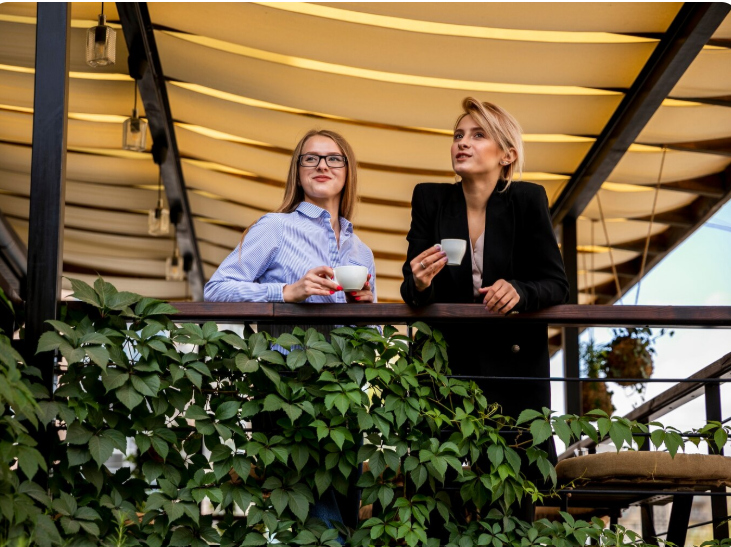
by Dulce Navarro | Jun 12, 2025 | Culture, Europe, Lifestyle, Work
Coworking Spaces in Paris: Where to Work Remotely in Style
Paris, the City of Light, has long been a hub for art, fashion, and intellectual thought. Today, it is also an increasingly attractive destination for digital nomads, remote professionals, and entrepreneurs looking for a sophisticated and efficient place to work. With the rise of remote work, coworking spaces in Paris are not just about Wi-Fi and desks — they offer style, community, and a sense of belonging in one of the world’s most iconic cities.
Why Choose Paris for Remote Work?
Aside from its rich culture and stunning architecture, Paris offers a thriving tech ecosystem, world-class transportation, and international connectivity. Whether you’re sipping espresso in Saint-Germain-des-Prés or walking through the Marais, inspiration is just around the corner. Coworking spaces here reflect that flair — blending history with modernity, elegance with productivity.
Top Coworking Spaces in Paris
1. WeWork Paris – Modern Flexibility Meets Global Standards
With several locations across Paris — including the 9th arrondissement and La Défense — WeWork offers the reliability and innovation associated with a global brand. Expect high-speed internet, beautifully designed interiors, soundproof phone booths, and community networking events.
2. Hubsy – Café Vibe with Unlimited Coffee
Hubsy, with locations near the Louvre and République, combines the ambiance of a Parisian café with the professionalism of a coworking office. You pay by the hour, and in return you get unlimited coffee, snacks, and a focused environment. Great for freelancers and students looking for a more relaxed, pay-as-you-go workspace.
3. Spaces Réaumur – Sleek Design in a Historic Building
Located in the vibrant Sentier neighborhood, Spaces Réaumur is known for its bright interiors, open-concept design, and community-centric ethos. This location offers meeting rooms, a rooftop terrace, and weekly networking events. Ideal for startups and solopreneurs.
4. Morning Coworking – Local and Stylish
Morning has over 20 coworking locations across Paris, each with its own personality. The emphasis is on good design, wellness (some locations even offer yoga), and sustainability. Morning’s spaces foster creativity and collaboration, with open lounges and private offices.
5. Anticafé – Where Time Is the Currency
Perfect for digital nomads and students, Anticafé offers locations throughout central Paris. Instead of paying for coffee or snacks, you pay for the time you stay. Amenities include high-speed internet, printing services, and cozy communal tables that encourage conversation and creativity.
What to Look for in a Coworking Space
- Location: Proximity to public transportation and cafés adds to your work-life balance.
- Community: Look for spaces that host events or offer networking opportunities.
- Facilities: Make sure essentials like high-speed Wi-Fi, printers, and private meeting rooms are available.
- Ambiance: Parisian coworking spaces range from minimalist to ornate — choose one that reflects your brand and mindset.
- Flexibility: Whether you need a hot desk or a private office, ensure the membership terms align with your needs.
Bonus: Scenic Neighborhoods to Work From
If you’re open to mixing leisure with work, consider the following neighborhoods:
- Le Marais: Rich in history and creativity, with independent cafés and galleries around every corner.
- Canal Saint-Martin: A relaxed, bohemian area that attracts freelancers and creatives.
- Saint-Germain-des-Prés: Sophisticated and classic, this area exudes timeless Parisian charm.
- Montmartre: With breathtaking views and cobbled streets, it’s ideal for deep focus days.
Learning New Languages as an Expat: Strategies for Quick Success
Working remotely in a new city is an excellent opportunity to learn a new language. As an expat in Paris, language can be your key to deeper integration and meaningful connections. Here are a few strategies to speed up your progress:
- Immerse Yourself: Use French in everyday interactions — from ordering food to chatting with locals.
- Use Language Apps: Duolingo, Babbel, and Memrise are excellent for daily practice.
- Join Language Exchanges: Sites like Meetup or Tandem can connect you with French speakers learning your native language.
- Take Professional Classes: Enroll in local institutes like Alliance Française for structured lessons.
- Practice Consistently: Dedicate time every day to review, speak, and listen to French — consistency is key.
Learning the local language not only improves your quality of life but also unlocks new career and social opportunities. Start small, stay consistent, and celebrate every little win along the way.
Stay Connected for More Travel and Lifestyle Inspiration.
For more insights into travel, culture, and lifestyle tips, follow me on @salvadorordorica. If you’re seeking professional translation and localization services to enhance your global ventures, visit The Spanish Group — your trusted partner in bridging cultures worldwide.

by Dulce Navarro | Jun 5, 2025 | Business, Company, Europe, Work
Business Meetings in Spain: Tips for Making the Right Impression
Spain has long been an influential player in the global business landscape, known for its dynamic industries, strategic geographic location, and rich cultural heritage. Whether you’re a seasoned executive or an entrepreneur entering the Spanish market for the first time, understanding local business etiquette and customs can make a significant difference in how you’re perceived—and ultimately, how successful your venture becomes.
1. Understand the Value of Personal Relationships
In Spain, building trust and personal relationships is crucial in business. Spaniards prefer to do business with people they know and trust, and this means that meetings are not only about the numbers and proposals but also about understanding who you are as a person. Take time to build rapport and don’t rush straight into business talk. A friendly tone and genuine interest in your counterparts can go a long way.
2. Respect Time… Within Reason
While punctuality is appreciated, Spanish business culture can be more flexible with time compared to other countries like Germany or the U.K. It’s still best to arrive on time or even a few minutes early, but don’t be surprised if your Spanish counterparts are a bit late. Always confirm meetings the day before, and remain patient—relationship building often trumps strict scheduling.
3. Dress to Impress
Appearance holds significant weight in Spain’s professional environment. Business attire is generally formal, especially in traditional sectors like finance, law, and government. Men typically wear dark suits and ties, while women should opt for elegant dresses or suits. A polished appearance demonstrates respect for the meeting and the people involved.
4. Know the Structure of a Meeting
Business meetings in Spain tend to follow a hierarchical structure. Decisions are often made at the top, so it’s essential to know who the key decision-makers are. Your presentation should be well-prepared and persuasive but not overly aggressive. Allow time for questions and be open to discussing ideas casually after the formal meeting ends—sometimes the most critical conversations happen over lunch or coffee.
5. Be Prepared for a Two-Hour Lunch
Lunch in Spain is a cultural institution, and business lunches can last two hours or more. Use this time wisely to deepen relationships and discuss projects informally. Avoid jumping straight into business; instead, engage in friendly conversation before easing into more professional topics. Wine or beer is often served, but moderation is key.
6. Language Matters
Although English is commonly used in international business settings, speaking even a few words of Spanish can leave a positive impression. Many Spanish professionals appreciate the effort and may open up more easily. For formal documents or presentations, it’s advisable to have a professional translation to avoid any misunderstandings and to demonstrate your commitment to clear and effective communication.
7. Understand Regional Differences
Spain is a diverse country with strong regional identities. Business practices can differ slightly depending on whether you’re in Madrid, Barcelona, Valencia, or Seville. Catalonia, for example, has a strong culture of autonomy, and acknowledging regional customs and even languages can show respect and cultural awareness.
8. Business Cards and Follow-Up
Exchanging business cards is customary and should be done with both hands or a respectful gesture. It’s courteous to have one side of the card printed in Spanish. After the meeting, always follow up with an email thanking them for their time and summarizing the key points discussed. A prompt and polite follow-up sets the tone for ongoing collaboration.
9. Don’t Underestimate Formalities
Politeness and formalities are appreciated in the Spanish business world. Use titles like “Señor” or “Señora” followed by the surname unless invited to use first names. A firm but not overpowering handshake is customary, and eye contact should be confident yet respectful. Taking the time to understand and apply these nuances will leave a lasting, positive impression.
Learning New Languages as an Expat: Strategies for Quick Success
For expats conducting business in Spain, learning Spanish—or even Catalan or Basque, depending on your region—can transform your experience. Here are some quick strategies:
- Immerse Yourself: Engage in local activities, watch Spanish-language media, and practice with native speakers.
- Use Language Apps: Tools like Duolingo, Babbel, or Rosetta Stone can help build vocabulary and grammar.
- Hire a Tutor: Personalized instruction accelerates learning and focuses on your unique business needs.
- Practice Daily: Consistency is key—aim for at least 15-30 minutes of practice each day.
- Be Patient: Fluency takes time, but even basic communication will significantly improve your relationships and opportunities.
Mastering the local language not only enhances your business efficiency but also deepens your integration into the culture—opening doors both personally and professionally.
Stay Connected for More Travel and Lifestyle Inspiration. For more insights into travel, culture, and lifestyle tips, follow me on Instagram @salvadorordorica. If you’re seeking professional translation and localization services to enhance your global ventures, visit The Spanish Group — your trusted partner in bridging cultures worldwide.

by Dulce Navarro | Jun 4, 2025 | Business, Company, Europe, Languages, Work
Language Barriers in Business Travel: Solutions for Global Teams
In today’s globalized economy, cross-border business travel is essential for companies expanding into international markets. While travel facilitates face-to-face collaboration and cross-cultural connections, language barriers remain a significant challenge for teams operating across different linguistic landscapes. Misunderstandings during meetings, unclear written communication, and even casual social exchanges can lead to lost opportunities, fractured relationships, and costly mistakes.
For company directors and team leaders overseeing international operations, addressing language barriers is not a luxury—it’s a strategic necessity. Let’s explore the key obstacles and actionable solutions that can help global teams communicate effectively and thrive in any market.
The High Cost of Miscommunication
According to recent studies, businesses lose hundreds of millions of dollars annually due to communication breakdowns. In a global context, language plays a central role in this disruption. Whether it’s a delayed project due to misinterpreted instructions or a missed business deal because of cultural misalignment, the impact is measurable and often long-lasting.
Miscommunication also affects employee morale and productivity. When international team members struggle to communicate clearly, collaboration becomes fragmented and inefficient. Employees may feel isolated, underutilized, or overlooked, especially in high-stakes travel scenarios like conferences, negotiations, or on-site evaluations.
Key Solutions for Overcoming Language Barriers
1. Invest in Professional Translation and Localization Services
Before stepping foot on foreign soil, ensure that essential documents—contracts, presentations, product materials—are professionally translated and localized. Localization goes beyond language conversion to adapt tone, cultural references, and industry-specific jargon for the target market. This increases clarity, demonstrates respect for local customs, and boosts credibility with international partners.
The Spanish Group offers certified translation and localization services in over 90 languages, ensuring global teams are always prepared and professional in every interaction.
2. Encourage Multilingual Team Development
Building a multilingual workforce is one of the most effective long-term strategies. Encourage employees to learn new languages relevant to your company’s operational markets. This can be supported through language-learning stipends, app subscriptions, or in-house classes. Even basic conversational skills can go a long way in fostering goodwill and improving communication abroad.
3. Use Interpretation Tools During Travel
Real-time interpretation tools, from mobile apps like Google Translate to professional interpreters, are indispensable during meetings and site visits. While tech solutions are useful for informal conversations or directions, sensitive discussions—like legal contracts or strategic planning—should be handled with a human interpreter to ensure nuance and accuracy.
4. Pre-Travel Cultural Briefings
Language barriers aren’t just about words; they’re deeply tied to cultural norms. A phrase that sounds harmless in one language may be offensive in another. Conducting pre-travel briefings that cover cultural etiquette, business customs, and communication styles can prevent unintentional misunderstandings and foster mutual respect.
5. Centralized Communication Platforms
Leverage digital tools like Slack, Microsoft Teams, or Notion to streamline internal communications. These platforms often have built-in translation features and encourage written communication, which tends to be more precise than verbal exchanges for non-native speakers. Establishing shared vocabulary guidelines or multilingual glossaries also ensures consistency across teams.
Case Study: How One Company Improved Global Operations
A U.S.-based tech company expanded into Southeast Asia and struggled with communication during business travel to their new regional offices. After several project delays, the leadership team partnered with a professional translation provider to ensure all technical manuals and proposals were localized. They also implemented mandatory language training and hired a cultural consultant for team briefings.
Within three months, project timelines improved, customer satisfaction increased, and internal team collaboration became smoother. The key? A proactive investment in overcoming language barriers that made employees feel empowered and respected across all regions.
Learning New Languages as an Expat: Strategies for Quick Success
For professionals relocating abroad, becoming conversational in the local language is not just practical—it’s empowering. It helps you integrate more quickly, build personal and professional relationships, and gain cultural insight that enhances your overall quality of life.
Here are a few strategies for fast-tracking your language learning:
- Immerse Yourself: Surround yourself with the language daily through local media, signage, music, and conversations. Full immersion accelerates comprehension and builds natural fluency.
- Use Smart Apps: Tools like Duolingo, Babbel, and Memrise make daily practice engaging. Combine them with spaced repetition software (SRS) for memorizing vocabulary.
- Join Local Language Groups: Meetup groups or language exchanges give you live practice with native speakers. These also offer a social outlet and community support.
- Set Practical Goals: Focus on functional vocabulary related to your daily life and job. Being able to navigate a menu, give directions, or introduce yourself in meetings provides confidence and motivation.
- Be Patient and Consistent: Progress may be slow at first, but daily practice yields long-term results. Celebrate small wins and stay committed.
Whether you’re managing international teams or starting your expat journey, effective communication is the cornerstone of success. By breaking down language barriers and embracing multilingual solutions, businesses and individuals alike can thrive in a truly global environment.
Stay Connected for More Travel and Lifestyle Inspiration. For more insights into travel, culture, and lifestyle tips, follow me on @salvadorordorica. If you’re seeking professional translation and localization services to enhance your global ventures, visitThe Spanish Group — your trusted partner in bridging cultures worldwide.
