
Cultural Immersion Journeys Through Europe’s Heritage Villages
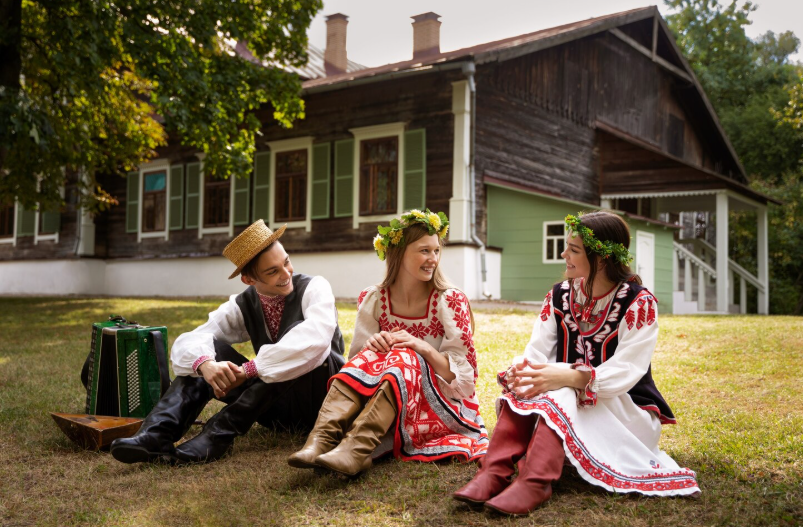
Europe’s great capitals often capture the attention of international travelers, yet some of the continent’s most meaningful cultural experiences can be found far beyond the major cities. Across Europe, heritage villages preserve centuries-old traditions, architecture, cuisine, and ways of life that offer travelers an authentic connection to the region’s past and present. For those seeking deeper cultural immersion, these villages provide an opportunity to experience Europe in a way that is intimate, enriching, and unforgettable.
From stone-built communities tucked into the Italian countryside to medieval hill towns in Spain and storybook villages in France, Europe’s heritage villages invite visitors to slow down and engage with local culture. These destinations offer a distinctive travel experience where history, craftsmanship, and community life remain vibrantly alive.
The Value of Cultural Immersion in Travel
Modern travelers increasingly seek experiences that go beyond sightseeing. Cultural immersion allows visitors to engage with the traditions, daily routines, and social fabric of a destination. Heritage villages provide the perfect environment for this type of travel because they retain strong cultural identities shaped by generations of local inhabitants.


The Spanish Group
If you’re seeking professional translation and localization services to enhance your global ventures, visit The Spanish Group — your trusted partner in bridging cultures worldwide.
LEARN MOREIn many villages across Europe, traditional crafts, culinary practices, and festivals continue to play an essential role in community life. Visitors may witness artisans producing handmade goods using techniques passed down for centuries or participate in seasonal celebrations that reflect local customs and history. These experiences foster a deeper appreciation for the diversity and richness of European cultures.
France: Timeless Villages and Artistic Traditions
France is home to some of Europe’s most picturesque villages, many of which are recognized for their historical significance and architectural beauty. Regions such as Provence, Alsace, and the Dordogne feature charming communities where cobblestone streets, stone houses, and centuries-old churches create an atmosphere of timeless elegance.
Travelers exploring these villages often discover thriving markets filled with regional products, including artisanal cheeses, locally produced wines, and handcrafted goods. Cultural immersion in French villages frequently includes culinary experiences such as cooking classes, wine tastings, and farm-to-table dining that highlight regional gastronomy.
In addition to culinary traditions, many French villages maintain strong artistic identities. Small galleries, workshops, and cultural festivals celebrate painting, sculpture, and traditional crafts, offering visitors opportunities to engage directly with local artists.
Italy: Living History in Hilltop Towns
Italy’s heritage villages are renowned for their historic charm and vibrant cultural traditions. Hilltop towns scattered across Tuscany, Umbria, and other regions provide breathtaking views alongside rich historical narratives that date back to the medieval and Renaissance periods.
Walking through these villages often feels like stepping into an open-air museum. Stone towers, ancient city walls, and narrow streets reveal layers of history shaped by centuries of trade, art, and political influence. Local residents continue to maintain time-honored traditions, from pasta-making and olive oil production to religious festivals and historical reenactments.
Visitors who spend time in these villages often find that the pace of life encourages deeper connections with local culture. Conversations with shop owners, farmers, and artisans reveal stories that bring the region’s history to life.
Spain: Tradition, Festivals, and Community Life
Spain’s heritage villages offer a vibrant blend of cultural traditions influenced by centuries of Roman, Moorish, and Christian history. In regions such as Andalusia and Castilla-La Mancha, whitewashed villages perched on hillsides create striking landscapes that reflect the country’s architectural heritage.
Cultural immersion in Spanish villages often centers around festivals and communal gatherings. Events celebrating patron saints, harvest seasons, and historical milestones bring entire communities together in lively displays of music, dance, and traditional cuisine.
Visitors who participate in these celebrations gain valuable insight into the strong sense of community that defines village life in Spain. Local markets, tapas bars, and family-run restaurants further contribute to the welcoming atmosphere that makes these villages such memorable destinations.
Germany and Austria: Alpine Heritage and Craftsmanship
The alpine villages of Germany and Austria offer another dimension of Europe’s cultural heritage. Surrounded by dramatic mountain landscapes, these communities are known for their preserved architecture, traditional clothing, and skilled craftsmanship.
Woodcarving, textile production, and traditional baking are just a few of the crafts that continue to flourish in these regions. Visitors often have the opportunity to observe artisans at work or purchase handcrafted items that reflect centuries-old techniques.
Seasonal markets and cultural events, particularly during the winter holidays, further highlight the region’s traditions. These gatherings bring together residents and travelers in festive environments that celebrate local heritage.
Authentic Experiences Beyond Tourism
One of the most rewarding aspects of visiting heritage villages is the opportunity to experience authentic daily life. Unlike larger cities that are heavily influenced by international tourism, many villages maintain a strong sense of local identity.
Travelers may stay in family-owned guesthouses, dine in restaurants operated by generations of the same family, or participate in workshops that teach traditional skills. These interactions foster meaningful connections between visitors and local communities while supporting sustainable tourism practices.
Responsible Travel and Cultural Preservation
As interest in heritage villages grows, responsible travel becomes increasingly important. Supporting local businesses, respecting cultural traditions, and preserving historic environments are essential to ensuring that these communities continue to thrive.
Many European villages actively promote sustainable tourism initiatives designed to protect their cultural and natural heritage. Travelers who approach these destinations with curiosity and respect contribute to preserving the traditions that make these villages so special.
Planning a Cultural Immersion Journey
Planning a journey through Europe’s heritage villages requires thoughtful preparation. Travelers should consider the timing of local festivals, seasonal activities, and regional culinary traditions when designing their itineraries.
Working with experienced travel advisors or local guides can enhance the experience by providing access to authentic cultural encounters that might otherwise remain hidden. These professionals often arrange private tours, artisan workshops, and culinary experiences that bring travelers closer to the heart of village life.
By prioritizing immersive experiences rather than rushing through destinations, travelers can develop a deeper appreciation for Europe’s diverse cultural landscape.
Conclusion
Cultural immersion journeys through Europe’s heritage villages offer a unique opportunity to experience the continent’s traditions in their most authentic form. These communities preserve centuries of history, craftsmanship, and cultural identity while welcoming travelers who seek meaningful and enriching experiences.
Whether exploring the artistic villages of France, the hilltop towns of Italy, the vibrant communities of Spain, or the alpine traditions of Central Europe, visitors will discover that Europe’s heritage villages provide far more than picturesque scenery. They offer a window into the enduring traditions that continue to shape the continent’s cultural legacy.
Stay Connected for More Travel and Lifestyle Inspiration
For more insights into travel, culture, and lifestyle tips, follow me on Instagram @salvadorordorica. If you’re seeking professional translation and localization services to enhance your global ventures, visit The Spanish Group — your trusted partner in bridging cultures worldwide.
The Spanish Group
If you’re seeking professional translation and localization services to enhance your global ventures, visit The Spanish Group — your trusted partner in bridging cultures worldwide.
LEARN MORE