
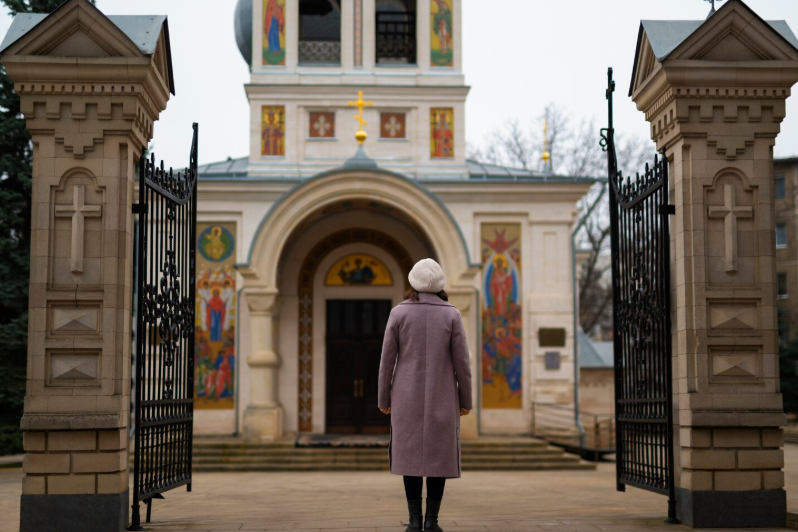
Europe’s Hidden Architectural Masterpieces Open to Visitors
For company directors and sophisticated travelers, Europe offers far more than its globally recognized landmarks. Beyond the Eiffel Tower, Colosseum, and Sagrada Familia lies a curated world of lesser-known architectural masterpieces—spaces that embody innovation, heritage, and exclusivity. These hidden gems provide not only visual and cultural enrichment but also a more intimate and refined travel experience.
Exploring these architectural treasures allows travelers to engage with Europe’s design legacy in a meaningful way, often with fewer crowds and enhanced access. From private residences and historic estates to avant-garde structures and restored landmarks, these destinations reveal the continent’s depth and diversity.
Villa Farnese, Italy: Renaissance Precision and Symmetry
Located in Caprarola, just outside Rome, Villa Farnese is a striking example of Renaissance architecture. Designed with a unique pentagonal layout, the villa combines geometric precision with elaborate frescoes and grand interiors.
Unlike many of Italy’s more crowded attractions, Villa Farnese offers a quieter and more immersive experience. Visitors can explore its expansive gardens, intricate staircases, and richly decorated rooms at a relaxed pace, gaining a deeper appreciation for Renaissance design principles.


The Spanish Group
If you’re seeking professional translation and localization services to enhance your global ventures, visit The Spanish Group — your trusted partner in bridging cultures worldwide.
LEARN MOREPalácio de Monserrate, Portugal: Romanticism Reimagined
Nestled in the hills of Sintra, the Palácio de Monserrate is a masterpiece of 19th-century Romantic architecture. Its design blends Gothic, Moorish, and Indian influences, creating a structure that is both exotic and harmonious.
The surrounding gardens, featuring rare plant species from around the world, enhance the overall experience. With fewer visitors than Sintra’s more famous palaces, Monserrate provides a tranquil and visually captivating setting.
Hundertwasserhaus, Austria: Organic Modernism
In Vienna, the Hundertwasserhaus stands as a testament to creative freedom and environmental consciousness. Designed by artist Friedensreich Hundertwasser, the building rejects conventional architectural norms in favor of organic shapes, vibrant colors, and integrated greenery.
While primarily a residential building, portions of the site are accessible to visitors, offering insight into a unique design philosophy that prioritizes individuality and harmony with nature.
Casa Vicens, Spain: Gaudí’s Early Vision
Before the global recognition of Antoni Gaudí’s later works, Casa Vicens marked the beginning of his architectural journey. Located in Barcelona, this residence showcases a fusion of Moorish and Catalan influences, characterized by intricate tilework and bold design elements.
Now open to the public, Casa Vicens provides a more intimate perspective on Gaudí’s evolving style, away from the crowds typically associated with his more famous projects.
Stoclet Palace, Belgium: Art Nouveau Excellence
Though not always accessible to the public, Stoclet Palace in Brussels occasionally opens for special visits and events. Designed by Josef Hoffmann, it represents one of the most complete examples of Art Nouveau architecture.
The palace’s interiors, featuring works by renowned artists such as Gustav Klimt, highlight the integration of art and architecture—a defining characteristic of the movement.
Château de Vaux-le-Vicomte, France: Baroque Grandeur Without the Crowds
Often overshadowed by Versailles, Château de Vaux-le-Vicomte offers a similarly grand yet more intimate experience. Located just outside Paris, this 17th-century estate is a masterpiece of Baroque architecture and landscape design.
Visitors can explore the château’s opulent interiors, expansive gardens, and candlelit evening events, which recreate the ambiance of its historical era.
Therme Vals, Switzerland: Minimalist Luxury
Designed by architect Peter Zumthor, Therme Vals is a contemporary architectural masterpiece that seamlessly integrates with its natural surroundings. The spa complex is constructed using locally sourced quartzite, creating a harmonious relationship between structure and environment.
This destination offers not only visual appeal but also a sensory experience, combining design excellence with wellness and relaxation.
Kolumba Museum, Germany: Layers of History
In Cologne, the Kolumba Museum stands as a testament to thoughtful architectural integration. Designed by Peter Zumthor, the museum incorporates the ruins of a Gothic church into its modern structure.
The result is a space that bridges past and present, offering visitors a contemplative environment that highlights both historical preservation and contemporary design.
Why These Hidden Masterpieces Matter
These lesser-known architectural sites provide a deeper understanding of Europe’s cultural and artistic evolution. They offer opportunities for reflection, inspiration, and discovery that are often difficult to achieve in more crowded settings.
For company directors and high-level professionals, these destinations also present opportunities to engage with design thinking, innovation, and heritage—concepts that can translate into broader business and creative insights.
Planning a Refined Architectural Journey
To fully appreciate these hidden masterpieces, careful planning is essential. Many of these sites require advance reservations or offer limited access, making it important to coordinate visits strategically.
Working with experienced travel advisors or concierge services can enhance the experience, providing access to private tours, expert guides, and tailored itineraries that align with personal interests and schedules.
Conclusion
Europe’s hidden architectural masterpieces represent a compelling alternative to traditional travel itineraries. By exploring these refined and often overlooked destinations, travelers can experience the continent’s design heritage in a more meaningful and exclusive way.
From Renaissance villas and Romantic palaces to modernist icons and contemporary spaces, these sites offer a rich and diverse perspective on architecture. For those seeking depth, inspiration, and sophistication, they provide an unparalleled journey through Europe’s creative legacy.
Stay Connected for More Travel and Lifestyle Inspiration. For more insights into travel, culture, and lifestyle tips, follow me on @salvadorordorica. If you’re seeking professional translation and localization services to enhance your global ventures, visit The Spanish Group — your trusted partner in bridging cultures worldwide.
The Spanish Group
If you’re seeking professional translation and localization services to enhance your global ventures, visit The Spanish Group — your trusted partner in bridging cultures worldwide.
LEARN MORE