
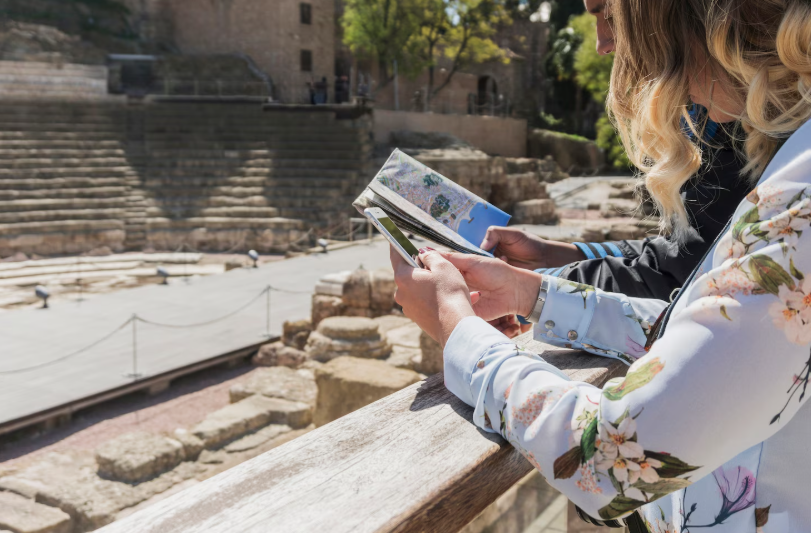
Italy Beyond the Guidebooks: A Study in Timeless Travel
Italy has long occupied a singular place in the imagination of global travelers. It is a country synonymous with art, architecture, gastronomy, and a certain cultivated elegance of living. Yet beyond the familiar imagery of the Colosseum, the canals of Venice, and the rolling hills of Tuscany lies a deeper Italy — one that rewards thoughtful exploration and cultural curiosity.
To travel Italy beyond the guidebooks is to experience it not as a checklist of monuments, but as a living, breathing civilization layered with history, regional nuance, and enduring traditions. It is a study in timeless travel — one that values depth over speed and connection over spectacle.
The Enduring Power of History
Italy’s historical continuity is unparalleled. Few countries offer such visible, tangible access to civilizations spanning millennia. Roman engineering, Renaissance artistry, Baroque grandeur, and modern Italian design coexist seamlessly within daily life. In Rome, ancient ruins are not confined to archaeological parks; they appear unexpectedly beneath apartment buildings and beside busy streets. In Florence, the Renaissance is not merely a historical period but a defining identity.
Yet timeless travel requires more than admiration of landmarks. It involves understanding context. The Roman Forum represents not only architectural achievement but the foundation of Western governance. Venice’s maritime dominance shaped global trade routes for centuries. Sicily reflects layers of Greek, Arab, Norman, and Spanish influence, each leaving an imprint on language, cuisine, and culture. Recognizing these intersections transforms travel into education.


The Spanish Group
If you’re seeking professional translation and localization services to enhance your global ventures, visit The Spanish Group — your trusted partner in bridging cultures worldwide.
LEARN MOREThe Art of Slow Exploration
Italy is best experienced slowly. While high-speed trains efficiently connect Milan, Florence, and Naples, the essence of the country often lies in smaller towns and quieter corners. Places like Orvieto, Parma, Lecce, and Bergamo offer architectural beauty and culinary excellence without overwhelming crowds.
Slow exploration allows travelers to observe everyday rhythms: the morning ritual of espresso at a neighborhood bar, the midday pausa when shops close, the evening passeggiata where communities gather for conversation. These moments reveal the Italian philosophy of balance — where productivity coexists with pleasure, and time is measured in experiences rather than efficiency.
Regional Identity: A Country of Distinct Worlds
One of Italy’s most fascinating characteristics is its strong regional identity. Before unification in 1861, Italy consisted of independent states, each with its own governance, dialect, and traditions. This historical fragmentation continues to shape modern Italy.
Northern regions such as Lombardy and Veneto display Central European influences in architecture and cuisine, with risotto and polenta as staples. Central Italy, including Tuscany and Umbria, celebrates olive oil, rustic breads, and bold red wines. Southern regions like Campania and Puglia emphasize Mediterranean flavors — tomatoes, seafood, and sun-ripened produce. Sicily stands apart with its complex cultural heritage and distinct culinary traditions.
Traveling beyond guidebooks means appreciating these differences rather than seeking a single “Italian” experience. Each region offers a microcosm of culture, shaped by geography and history.
Culinary Excellence as Cultural Expression
Italian cuisine is globally recognized, yet its authenticity is best understood locally. True culinary exploration in Italy involves seasonal ingredients, regional specialties, and respect for tradition. Dining is rarely rushed; it is an act of connection.
In Bologna, handmade tagliatelle al ragù reflects centuries of culinary refinement. In Naples, pizza is elevated to artisanal craftsmanship, protected by tradition and strict preparation standards. In Piedmont, truffles and Barolo wines speak to a heritage of agricultural excellence.
Markets offer insight into daily life. Conversations with vendors, sampling regional cheeses, and understanding the origin of ingredients deepen appreciation for Italy’s gastronomic philosophy: simplicity, quality, and provenance.
Architecture and Design: Living Aesthetics
Italy’s aesthetic sensibility extends beyond museums. Design permeates fashion, furniture, automotive engineering, and urban planning. Milan remains a global capital of design innovation, hosting Salone del Mobile and showcasing cutting-edge creativity.
Yet even small towns reflect architectural harmony. From Romanesque churches in Emilia-Romagna to whitewashed trulli houses in Puglia, built environments reveal centuries of adaptation to climate and culture. Italian cities demonstrate a rare continuity — where preservation and contemporary life coexist gracefully.
Faith, Festivals, and Community
Religious and civic festivals continue to shape community life across Italy. From Siena’s Palio horse race to Easter processions in southern villages, traditions are maintained with remarkable dedication. These events are not performances for tourists; they are authentic expressions of local identity.
Participating respectfully in such celebrations provides insight into Italy’s communal values. The emphasis on family, ritual, and continuity fosters a sense of belonging that transcends generations.
Nature’s Quiet Grandeur
Beyond its cities, Italy offers extraordinary natural landscapes. The Dolomites present dramatic alpine scenery ideal for hiking and skiing. The Amalfi Coast combines rugged cliffs with azure waters. Sardinia and Sicily boast pristine beaches and ancient ruins set against Mediterranean horizons.
In regions like Umbria and Basilicata, rural landscapes offer solitude and reflection. These quieter settings underscore the timeless aspect of Italian travel — where nature and history coexist without interruption.
The Value of Cultural Literacy
Italy rewards those who approach it with curiosity and preparation. Learning key phrases in Italian enhances engagement and demonstrates respect. Understanding historical context enriches site visits. Observing social customs — such as greeting shopkeepers or adhering to dining etiquette — reflects cultural sensitivity.
Timeless travel is rooted in cultural literacy. It requires attentiveness, humility, and a willingness to move beyond surface impressions. In return, Italy offers depth, authenticity, and perspective.
Conclusion
Italy beyond the guidebooks is not defined by hidden destinations alone, but by mindset. It is about embracing nuance, honoring regional identity, and engaging thoughtfully with history and community. When approached with patience and curiosity, Italy reveals itself as more than a destination — it becomes a living narrative of resilience, artistry, and enduring beauty.
Such travel leaves a lasting imprint. It cultivates cultural intelligence, deepens global awareness, and reminds us that true luxury lies not in excess, but in understanding.
Stay Connected for More Travel and Lifestyle Inspiration. For more insights into travel, culture, and lifestyle tips, follow me on Instagram @salvadorordorica. If you’re seeking professional translation and localization services to enhance your global ventures, visit The Spanish Group — your trusted partner in bridging cultures worldwide.
The Spanish Group
If you’re seeking professional translation and localization services to enhance your global ventures, visit The Spanish Group — your trusted partner in bridging cultures worldwide.
LEARN MORE