
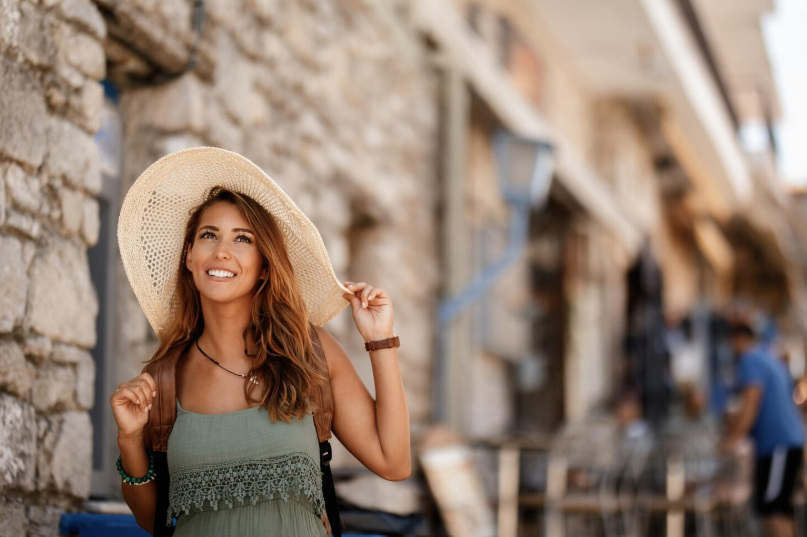
Italy for the Cultured Traveler: Beauty Without Excess
Italy has long stood as a global symbol of art, history, design, and gastronomy. Yet beyond its postcard-perfect landmarks and internationally recognized luxury lies a quieter, more refined experience—one rooted in depth, authenticity, and cultural continuity. For the cultured traveler, Italy offers beauty without excess: a philosophy of elegance defined not by spectacle, but by substance.
From Renaissance cities to understated coastal villages, Italy rewards those who approach it with curiosity and discernment. It is a country best experienced not through hurried itineraries, but through thoughtful immersion in its artistic heritage, regional traditions, and enduring craftsmanship.
Florence: The Intellectual Heart of the Renaissance
Florence remains one of Europe’s most culturally significant cities, yet its true richness reveals itself beyond the well-trodden routes. While the Duomo and Michelangelo’s David are essential, the cultured traveler seeks deeper engagement—private viewings at the Uffizi Gallery, guided explorations of artisan workshops in Oltrarno, and conversations with historians who illuminate the Medici legacy.
The city’s architecture reflects mathematical harmony and philosophical ambition. Brunelleschi’s dome, Vasari’s corridors, and the symmetry of Renaissance palazzi embody a period that redefined Western thought. Experiencing Florence thoughtfully allows visitors to understand not only its aesthetic brilliance, but its intellectual influence on modern Europe.


The Spanish Group
If you’re seeking professional translation and localization services to enhance your global ventures, visit The Spanish Group — your trusted partner in bridging cultures worldwide.
LEARN MOREBologna: Gastronomy and Scholarship
Often overshadowed by Rome and Venice, Bologna exemplifies Italy’s cultivated character. Home to the oldest university in the Western world, founded in 1088, the city exudes academic gravitas and culinary excellence.
Bologna’s gastronomy is grounded in tradition: handmade tagliatelle al ragù, tortellini in brodo, and aged Parmigiano Reggiano sourced from nearby producers. Visiting local markets and family-run trattorias offers insight into generational techniques that prioritize quality over display.
Architecturally, the city’s extensive porticoes—recently recognized as a UNESCO World Heritage site—create a rhythm of movement and protection, symbolizing civic unity and thoughtful urban design.
Piedmont: Understated Sophistication
In northern Italy, Piedmont offers refined experiences free from overt tourism. Turin, once the capital of the Kingdom of Sardinia, boasts baroque architecture, grand cafés, and a quiet elegance reminiscent of Paris. Its museums, including the Egyptian Museum (Museo Egizio), house world-class collections in an atmosphere of calm scholarship.
The Langhe region, renowned for Barolo and Barbaresco wines, provides immersive vineyard visits, truffle hunts, and conversations with winemakers committed to terroir-driven excellence. Here, luxury is measured in patience—barrels aging in cellars, recipes perfected over decades, and landscapes shaped by careful cultivation.
Umbria: Spiritual and Natural Harmony
Often referred to as “the green heart of Italy,” Umbria offers serenity and introspection. Towns such as Assisi, Perugia, and Spoleto combine Romanesque architecture, medieval streets, and sweeping countryside views.
Assisi, birthplace of Saint Francis, invites reflection through its basilicas adorned with Giotto’s frescoes. Unlike more crowded regions, Umbria allows visitors to absorb its spiritual and artistic heritage in relative quiet. Olive groves, vineyards, and family-owned agriturismi reinforce a lifestyle centered on balance and connection to the land.
Venice Beyond the Crowds
While Venice is undeniably iconic, experiencing it with intention transforms it from spectacle to sanctuary. Early morning walks through Dorsoduro, private visits to artisan glassmakers in Murano, and attendance at classical concerts in intimate palazzi reveal a more contemplative side of the city.
The Venetian Republic’s history as a maritime power is evident in its architecture and art. The Doge’s Palace and Basilica di San Marco reflect centuries of cultural exchange between East and West. Understanding this history deepens appreciation for Venice’s aesthetic richness and geopolitical significance.
Craftsmanship as Cultural Continuity
Italy’s enduring appeal lies in its craftsmanship. From bespoke tailoring in Naples to leather ateliers in Florence and ceramic studios in Deruta, artisanal traditions remain integral to local economies and identities.
For the cultured traveler, visiting these workshops offers more than retail opportunity—it provides context. Observing techniques passed down through generations underscores Italy’s commitment to excellence without ostentation. Quality materials, meticulous construction, and respect for heritage define these creations.
Design, Architecture, and Modern Innovation
Italy’s cultural relevance extends beyond its historical achievements. Milan stands at the forefront of contemporary design and fashion, hosting internationally recognized events such as Salone del Mobile. The city’s clean lines, innovative materials, and architectural experimentation demonstrate Italy’s ability to balance tradition with progress.
Modern Italian design emphasizes function, proportion, and restraint—principles aligned with the philosophy of beauty without excess. Whether in furniture, automotive engineering, or interior architecture, Italian innovation continues to influence global aesthetics.
The Art of Living Well
Perhaps Italy’s greatest lesson for the cultured traveler is its approach to daily life. The concept of “la dolce vita” is not rooted in extravagance, but in presence. Long meals shared with family, evening passeggiatas through historic squares, and an appreciation for seasonal ingredients reflect intentional living.
This lifestyle encourages balance: ambition tempered by enjoyment, productivity enriched by beauty. In a rapidly accelerating world, Italy offers a reminder that refinement lies in simplicity executed exceptionally well.
Conclusion
Italy for the cultured traveler is not defined by extravagance, but by depth. Its cities and regions offer layered histories, artistic mastery, and enduring craftsmanship that reward thoughtful exploration. Beauty here is neither loud nor excessive—it is embedded in architecture, cuisine, landscape, and human connection.
By approaching Italy with curiosity and discernment, travelers gain more than memorable photographs. They acquire insight into a civilization that has shaped global culture for centuries and continues to inspire through its quiet confidence and unwavering commitment to excellence.
Stay Connected for More Travel and Lifestyle Inspiration. For more insights into travel, culture, and lifestyle tips, follow me on Instagram @salvadorordorica. If you’re seeking professional translation and localization services to enhance your global ventures, visit The Spanish Group — your trusted partner in bridging cultures worldwide.
The Spanish Group
If you’re seeking professional translation and localization services to enhance your global ventures, visit The Spanish Group — your trusted partner in bridging cultures worldwide.
LEARN MORE