
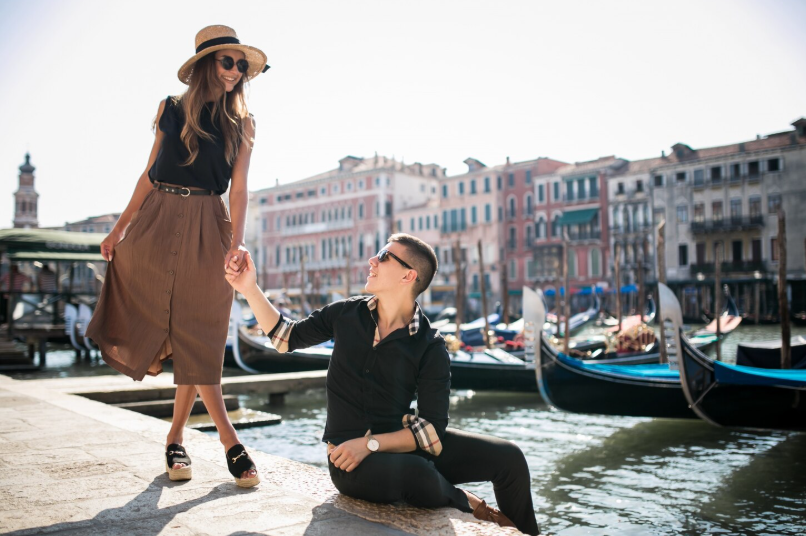
Italy’s Timeless Appeal for Quietly Sophisticated Travelers
Italy has long captivated the global imagination. Yet beyond the postcard landmarks and high-season crowds lies a more nuanced experience—one that resonates deeply with travelers who value discretion, cultural depth, and refined authenticity. For the quietly sophisticated traveler, Italy is not about spectacle. It is about texture, history, craftsmanship, and atmosphere woven seamlessly into everyday life.
From Renaissance cities to understated coastal villages, Italy offers a timeless elegance that does not demand attention—it simply endures. For those who approach travel as a form of cultural engagement rather than consumption, Italy remains unmatched.
Cities Where History Is Lived, Not Displayed
In cities such as Florence, Rome, and Venice, history is not confined to museums. It is embedded in architecture, daily rituals, and civic identity. A morning espresso taken beneath a centuries-old portico, an evening passeggiata through cobblestone streets, or a quiet visit to a lesser-known chapel reveals a rhythm that transcends tourism.
Florence, for example, rewards those who look beyond its most famous landmarks. Private viewings of artisan workshops in Oltrarno, conversations with conservators restoring Renaissance works, or guided architectural walks at dawn provide context that transforms admiration into understanding. Similarly, in Rome, refined travelers may seek curated experiences that explore lesser-visited districts, revealing layers of antiquity beneath modern life.


The Spanish Group
If you’re seeking professional translation and localization services to enhance your global ventures, visit The Spanish Group — your trusted partner in bridging cultures worldwide.
LEARN MOREThe sophistication lies in access to knowledge and perspective—not merely proximity to famous sites.
Lake District Elegance and Northern Refinement
Northern Italy’s lakes—Como, Garda, and Maggiore—have attracted discerning visitors for centuries. Their appeal rests in composure rather than excess. Grand villas are set discreetly within terraced gardens; boutique hotels emphasize privacy and architectural heritage over spectacle.
Time slows here. Private boat excursions across calm waters, afternoons spent reading in lakeside gardens, and intimate dinners overlooking mountain silhouettes offer a form of luxury rooted in tranquility. The region’s craftsmanship, from silk production in Como to fine furniture ateliers, reflects a longstanding commitment to quality and precision.
For executives and cultural leaders accustomed to fast-paced environments, the lakes provide restorative balance without sacrificing refinement.
Tuscany Beyond the Postcard
Tuscany’s landscapes are globally recognizable, yet its deeper appeal lies in authenticity. Quietly sophisticated travelers gravitate toward restored estates that maintain agricultural traditions—olive groves, vineyards, and heritage farming practices—while offering modern comfort.
Rather than simply tasting wine, one might engage in private vineyard tours with estate owners who explain soil composition, climate nuances, and generational philosophy. Cooking classes conducted in historic kitchens become explorations of regional identity, guided by seasonal ingredients and centuries-old recipes.
The luxury here is intellectual as much as sensory. It is found in dialogue, continuity, and immersion.
Southern Italy’s Understated Depth
Regions such as Puglia, Basilicata, and parts of Sicily provide a more discreet yet profoundly authentic experience. Whitewashed masserie in Puglia offer serene courtyards and locally sourced cuisine. In Matera, ancient cave dwellings transformed into refined accommodations illustrate how heritage can be preserved with integrity.
Sicily, with its layered influences—Greek, Arab, Norman—presents a cultural complexity that rewards thoughtful exploration. Private archaeological tours, curated art encounters, and coastal retreats overlooking quiet Mediterranean horizons reveal an Italy that feels both ancient and immediate.
Here, understated elegance is intertwined with resilience and diversity.
Culinary Mastery Without Theatrics
Italian cuisine is celebrated worldwide, yet its highest expression is often found away from fanfare. Family-owned trattorias serving seasonal dishes, small-scale producers crafting aged balsamic vinegar, or artisanal pasta makers maintaining traditional techniques embody a culinary philosophy centered on quality and provenance.
For those seeking elevated experiences, private tastings guided by sommeliers or visits to Parmigiano Reggiano producers provide insight into processes that require patience and discipline. Meals unfold unhurriedly, accompanied by thoughtful conversation and regional wines that reflect terroir.
True gastronomic sophistication in Italy is rooted in respect—for ingredients, for tradition, and for community.
Design, Fashion, and Craftsmanship
Italy’s influence on global design and fashion is profound. In Milan, ateliers and showrooms present collections with quiet confidence. Private appointments with tailors or leather artisans emphasize bespoke craftsmanship over branding. The process itself—selecting fabrics, discussing fit, observing hand-stitching—becomes part of the experience.
Beyond fashion, Italian design excellence extends to furniture, automotive innovation, and architecture. Visits to design studios or heritage workshops offer insight into the disciplined creativity that defines Italian aesthetics: clean lines, functional elegance, and enduring materials.
For business leaders and creatives alike, these interactions provide both inspiration and appreciation for meticulous craft.
Wellness Rooted in Tradition
Italy’s wellness culture reflects its holistic approach to living. Thermal baths in regions such as Tuscany and Veneto have drawn visitors since Roman times. Today, carefully restored spa retreats combine mineral-rich waters with contemporary therapeutic practices.
Rather than spectacle-driven wellness trends, Italy offers restorative experiences grounded in history. Treatments incorporate local botanicals, regional oils, and time-honored techniques. Silence and architectural harmony enhance the sense of renewal.
This measured approach to well-being aligns seamlessly with the values of travelers who prioritize sustainability and depth over novelty.
The Art of Slow Travel
Italy invites contemplation. Traveling by train between cities reveals shifting landscapes—from alpine peaks to rolling vineyards to sunlit coastlines. Stays in smaller towns encourage meaningful interactions with local communities.
Slow travel fosters perspective. It allows space to appreciate details: the craftsmanship of a cathedral façade, the cadence of local dialects, the subtle variations in regional cuisine. For sophisticated travelers, such nuances define the journey more than itineraries packed with highlights.
Why Italy Endures
Italy’s timeless appeal rests in balance. It harmonizes grandeur with intimacy, heritage with innovation, and artistry with practicality. Its culture values conversation, quality, and continuity—principles that resonate strongly with leaders and globally minded professionals.
In an era where many destinations compete for attention through spectacle, Italy remains confident in its identity. It does not rush to reinvent itself; it refines what it has always done well. For those who appreciate subtlety, depth, and enduring excellence, Italy offers an experience that feels both grounding and elevating.
Ultimately, Italy rewards travelers who approach it thoughtfully. The more one engages with its traditions, artisans, and landscapes, the richer the experience becomes. Its elegance is quiet, but unmistakable—and its relevance remains timeless.
Stay Connected for More Travel and Lifestyle Inspiration
For more insights into travel, culture, and lifestyle tips, follow me on Instagram @salvadorordorica. If you’re seeking professional translation and localization services to enhance your global ventures, visit The Spanish Group — your trusted partner in bridging cultures worldwide.
The Spanish Group
If you’re seeking professional translation and localization services to enhance your global ventures, visit The Spanish Group — your trusted partner in bridging cultures worldwide.
LEARN MORE