
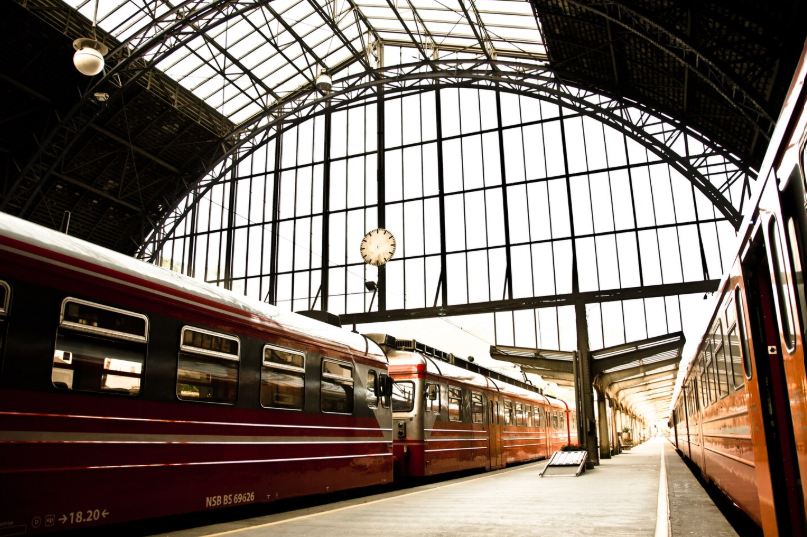
The Ultra-Luxury Resurgence of Old-World Train Stations into Hotels
Across Europe and beyond, a remarkable transformation is taking place. Grand train stations—once the beating hearts of industrial-era travel—are being reborn as some of the world’s most exclusive luxury hotels. These architectural icons, defined by soaring ceilings, ornate stonework, and monumental façades, are experiencing a renaissance that blends historical preservation with contemporary indulgence.
For discerning travelers and cultural connoisseurs, the conversion of old-world railway stations into ultra-luxury hotels represents far more than adaptive reuse. It reflects a deeper desire for immersive experiences rooted in heritage, craftsmanship, and narrative-driven design. These properties invite guests not only to stay overnight, but to inhabit history.
From Gateways of Progress to Destinations of Leisure
In the 19th and early 20th centuries, train stations symbolized progress, mobility, and national pride. They were designed as monumental civic spaces, often rivaling cathedrals in scale and detail. As travel patterns evolved and many historic stations became obsolete or underutilized, cities were faced with a critical question: preserve or replace?
The answer, increasingly, has been reinvention. Developers and heritage architects have recognized that these structures possess irreplaceable character—an authenticity impossible to replicate in new construction. By transforming stations into hotels, cities preserve their architectural legacy while creating economically and culturally vibrant destinations.


The Spanish Group
If you’re seeking professional translation and localization services to enhance your global ventures, visit The Spanish Group — your trusted partner in bridging cultures worldwide.
LEARN MOREArchitectural Grandeur Meets Contemporary Luxury
The defining challenge of station-to-hotel conversions lies in balancing preservation with modern comfort. Vast concourses become dramatic lobbies, original clock towers are restored as signature design elements, and former platforms are reimagined as restaurants, gardens, or wellness spaces.
Ultra-luxury brands approach these projects with a philosophy of reverence rather than reinvention. Original materials—stone, iron, marble, and stained glass—are meticulously restored, while modern interventions are intentionally understated. The result is an atmosphere that feels timeless, where historical integrity enhances rather than limits contemporary hospitality.
Europe’s Leading Examples of Station-to-Hotel Transformations
Europe has emerged as the epicenter of this architectural revival. In Paris, London, Madrid, and Milan, former railway landmarks have been reborn as five-star and ultra-luxury properties that attract global travelers.
These hotels often feature grand suites overlooking former track areas, fine-dining restaurants housed in vaulted halls, and spas integrated into spaces once designed for transit. Guests are offered an experience that is both theatrical and intimate—sleeping within walls that once welcomed royalty, artists, and heads of state.
The Emotional Appeal of Travel Nostalgia
The resurgence of railway hotels speaks to a broader emotional shift in luxury travel. Modern travelers increasingly seek experiences that evoke nostalgia, romance, and a sense of continuity with the past. Train stations, long associated with departures, reunions, and the poetry of travel, carry a unique emotional resonance.
Staying in a former station allows guests to participate in this narrative. The echo of footsteps beneath vaulted ceilings and the presence of historic clocks subtly connect visitors to a slower, more intentional era of travel—one defined by elegance rather than urgency.
Luxury Hospitality as Cultural Stewardship
These conversions also represent a new model of cultural stewardship. Rather than isolating heritage buildings as museums, developers are integrating them into daily life through hospitality. Guests engage with history not as passive observers, but as participants.
Many properties collaborate with local historians, artisans, and cultural institutions to ensure authenticity. From curated exhibitions in former waiting rooms to bespoke tours exploring the building’s original function, these hotels serve as living archives of urban history.
A New Benchmark for Sustainable Luxury
Repurposing existing structures aligns seamlessly with the growing emphasis on sustainability in luxury travel. Adaptive reuse significantly reduces the environmental impact associated with new construction while preserving cultural capital.
Leading station hotels incorporate energy-efficient systems, sustainable materials, and local sourcing, demonstrating that environmental responsibility and ultra-luxury are not mutually exclusive. For modern travelers, this combination adds meaningful value to the experience.
The Future of Historic Travel Infrastructure
As cities continue to reassess their historic infrastructure, the transformation of train stations into hotels is likely to accelerate. These projects require significant investment and vision, but the rewards—architectural preservation, tourism growth, and cultural enrichment—are substantial.
For travelers, these hotels offer a rare opportunity to experience history through comfort, design, and service. They redefine luxury not as excess, but as depth, context, and connection.
Where History Becomes the Ultimate Luxury
The ultra-luxury resurgence of old-world train stations into hotels reflects a broader evolution in how we travel and why we travel. It is a celebration of craftsmanship, memory, and place—an invitation to slow down and appreciate the artistry of both past and present.
In these grand halls reborn, history does not stand still. It welcomes guests, pours champagne beneath restored arches, and reminds us that the most meaningful luxury experiences are those rooted in story and soul.
Stay Connected for More Travel and Lifestyle Inspiration.
For more insights into travel, culture, and lifestyle tips, follow me on Instagram @salvadorordorica. If you’re seeking professional translation and localization services to enhance your global ventures, visit The Spanish Group — your trusted partner in bridging cultures worldwide.
The Spanish Group
If you’re seeking professional translation and localization services to enhance your global ventures, visit The Spanish Group — your trusted partner in bridging cultures worldwide.
LEARN MORE