
Traveling Europe Well: A Guide to Taste, Timing, and Tranquility
Europe has long been synonymous with culture, history, and refinement. Yet traveling Europe well — truly well — requires more than simply moving between iconic cities or checking landmarks off a list. For the modern, discerning traveler, the greatest rewards come from thoughtful planning, cultural sensitivity, and an appreciation for timing and pace.
Traveling with taste, timing, and tranquility allows Europe to unfold in a more meaningful way. It transforms travel from consumption into experience, offering deeper connections to place, people, and tradition.
Taste: Cultivating Cultural and Culinary Awareness
Taste in European travel extends far beyond fine dining, though cuisine certainly plays a central role. True taste is reflected in how one engages with local customs, supports regional craftsmanship, and seeks authenticity over spectacle.
Europe’s culinary traditions are deeply regional. From northern Italy’s emphasis on simplicity and seasonal ingredients to Spain’s social dining culture and France’s reverence for technique, food offers insight into local values and history. Dining well often means eating where locals do, respecting meal times, and understanding that quality often outweighs novelty.


The Spanish Group
If you’re seeking professional translation and localization services to enhance your global ventures, visit The Spanish Group — your trusted partner in bridging cultures worldwide.
LEARN MORECultural taste also means dressing appropriately, learning basic language courtesies, and approaching traditions with humility and curiosity. These small gestures foster genuine interactions and open doors to richer experiences.
Timing: When You Travel Matters as Much as Where
One of the most overlooked elements of successful European travel is timing. Europe’s most celebrated destinations change dramatically depending on the season, the day of the week, and even the time of day.
Shoulder seasons — late spring and early autumn — often provide the ideal balance of favorable weather, cultural vibrancy, and reduced crowds. Cities like Paris, Rome, and Barcelona reveal a calmer, more livable side outside peak summer months, while countryside regions come alive with harvests, festivals, and local traditions.
Timing also applies on a micro level. Visiting museums early in the morning, dining later in the evening, and planning quieter afternoons can dramatically enhance the travel experience. Allowing time for spontaneity rather than overscheduling creates space for discovery.
Tranquility: Redefining Luxury Through Pace
In a world increasingly driven by speed and efficiency, tranquility has become one of the most valuable forms of luxury. Traveling Europe well means resisting the urge to see everything and instead allowing places to be experienced fully.
Tranquility can be found in smaller cities, rural regions, and neighborhoods away from tourist centers. Staying longer in one place, choosing accommodations that emphasize comfort and character, and prioritizing well-being over constant movement all contribute to a more rewarding journey.
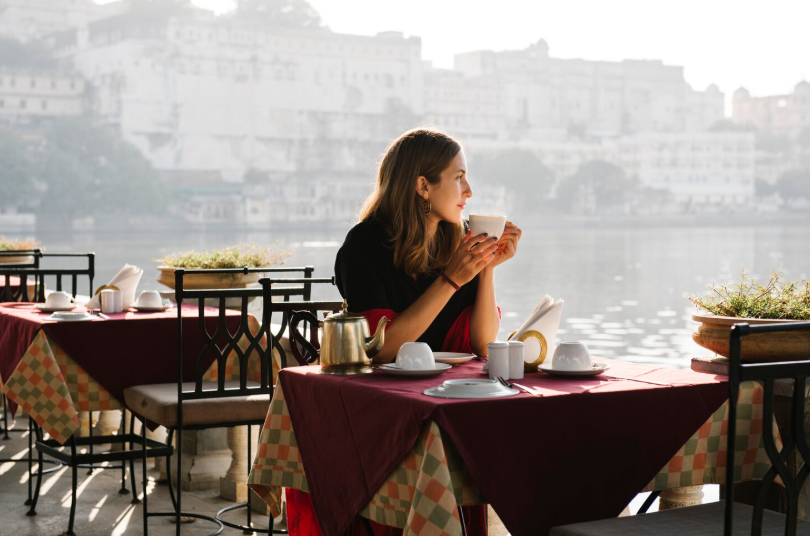
Whether it is a slow morning in a Viennese café, a countryside walk in Provence, or an unhurried afternoon along the Amalfi Coast, these moments often become the most memorable.
Choosing Destinations with Intention
Europe’s diversity allows travelers to tailor experiences to their personal interests. Art lovers may gravitate toward Florence or Vienna, while nature enthusiasts may prefer the Alps, the Scottish Highlands, or the coastlines of Portugal and Croatia.
Traveling well involves selecting destinations that align with one’s values and travel goals. It also means recognizing that lesser-known regions often provide more authentic, less crowded experiences without compromising on quality or comfort.
Intentional travel encourages curiosity and respect — qualities that deepen cultural understanding and elevate the overall experience.
The Role of Preparation and Communication
Preparation is essential to traveling Europe well. Understanding cultural norms, transportation systems, and local expectations helps avoid unnecessary stress and fosters smoother interactions.
Effective communication — whether through language skills, professional translation services, or cultural awareness — enhances both business and leisure travel. It allows travelers to navigate unfamiliar environments confidently and respectfully, particularly in multilingual settings.
In an increasingly interconnected world, cultural fluency is no longer optional; it is a hallmark of sophisticated global engagement.
Travel as a Reflection of Values
How we travel often reflects what we value. Traveling Europe well prioritizes sustainability, respect for local communities, and meaningful experiences over excess and haste.
This approach not only enriches the traveler but also contributes positively to the destinations visited. By supporting local businesses, honoring traditions, and traveling mindfully, one participates in a more responsible and rewarding form of tourism.
Conclusion
Traveling Europe well is not about doing more — it is about doing better. By focusing on taste, timing, and tranquility, travelers unlock a deeper, more elegant experience of the continent.
Europe offers endless possibilities, but its true beauty reveals itself to those willing to slow down, observe, and engage with intention.
Stay Connected for More Travel and Lifestyle Inspiration.
For more insights into travel, culture, and lifestyle tips, follow me on Instagram @salvadorordorica. If you’re seeking professional translation and localization services to enhance your global ventures, visit The Spanish Group — your trusted partner in bridging cultures worldwide.
The Spanish Group
If you’re seeking professional translation and localization services to enhance your global ventures, visit The Spanish Group — your trusted partner in bridging cultures worldwide.
LEARN MORE