
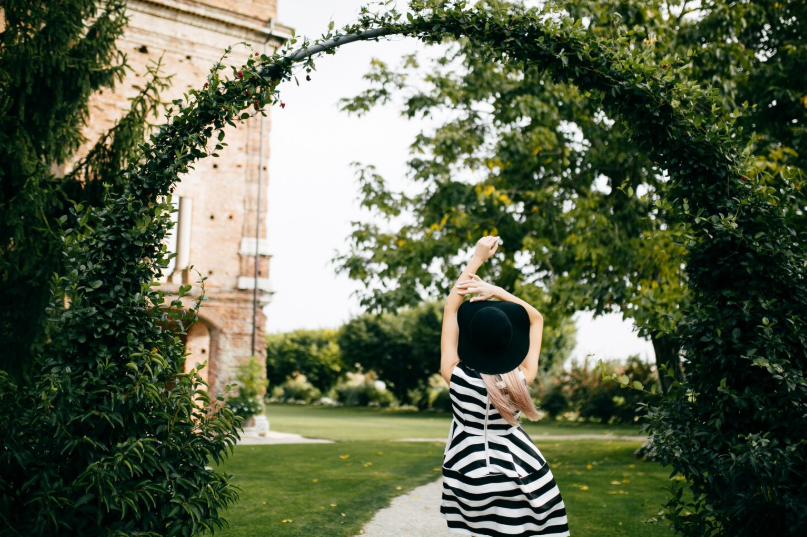
Secret Garden Hotels: Europe’s Most Beautiful Floral Retreats
Hidden behind ivy-covered walls, historic gates, and discreet façades, Europe’s secret garden hotels offer travelers
a rare combination of privacy, beauty, and immersion in nature. These properties are not simply places to stay;
they are curated floral sanctuaries where landscape design, architecture, and heritage converge. For discerning
travelers seeking tranquility without sacrificing sophistication, garden hotels represent one of Europe’s most
refined hospitality experiences.
The Enduring Appeal of Garden-Centered Hospitality
Gardens have long played a central role in European culture, symbolizing harmony, craftsmanship, and a deep
connection to the land. From Renaissance estates in Italy to formal French gardens and romantic English landscapes,
outdoor spaces were designed as extensions of the home—places for reflection, conversation, and renewal.
Today’s garden hotels draw directly from this tradition. Rather than treating greenery as decorative, these
properties place gardens at the heart of the guest experience. Rooms open onto courtyards filled with climbing
roses, breakfast is served beneath citrus trees, and evening walks unfold along paths designed centuries ago.
France: Romantic Courtyards and Hidden Urban Oases
In France, secret garden hotels often exist in the most unexpected settings. Tucked away within Parisian
neighborhoods or historic provincial towns, these properties offer a striking contrast to the energy of their
surroundings. Behind unassuming entrances, guests discover manicured courtyards, fountains, and fragrant flower
beds that evoke another era.


The Spanish Group
If you’re seeking professional translation and localization services to enhance your global ventures, visit The Spanish Group — your trusted partner in bridging cultures worldwide.
LEARN MOREMany of these hotels occupy former private residences or hôtels particuliers, where gardens were originally
designed for aristocratic families. Today, they provide a rare sense of calm in urban environments, allowing
guests to retreat into nature without leaving the city.
Italy: Botanical Heritage and Timeless Elegance
Italy’s garden hotels are deeply influenced by the country’s botanical and architectural legacy. From the rolling
hills of Tuscany to the shores of Lake Como and the Amalfi Coast, gardens are carefully integrated into the
landscape, emphasizing natural beauty rather than strict formality.
These properties often feature terraced gardens with olive trees, lavender, and citrus groves, designed to frame
sweeping views of the countryside or sea. Many gardens date back hundreds of years, meticulously preserved and
adapted to modern hospitality while retaining their original character.
The United Kingdom: Romantic Landscapes and Literary Inspiration
In the United Kingdom, garden hotels draw inspiration from the romantic movement and the tradition of landscaped
estates. Rather than symmetry, these gardens favor winding paths, native flora, and carefully framed vistas that
feel both natural and intentional.
Guests staying at these properties often find themselves surrounded by walled gardens, arboretums, and meadows
that change dramatically with the seasons. Spring blossoms, summer roses, autumn foliage, and winter evergreens
ensure that each visit offers a distinct sensory experience.
Spain and Portugal: Courtyards, Climate, and Color
In Southern Europe, garden hotels are shaped by climate and tradition. Spanish and Portuguese properties frequently
center around interior courtyards filled with orange trees, jasmine, and bougainvillea. These spaces serve both
aesthetic and practical purposes, providing shade, cooling airflow, and a communal gathering point.
Many of these gardens reflect Moorish design principles, emphasizing water features, geometric layouts, and
aromatic plants. The result is an atmosphere that feels both intimate and immersive, deeply connected to regional
history.
Wellness, Privacy, and the Modern Traveler
The appeal of secret garden hotels has grown significantly as travelers increasingly prioritize wellness, privacy,
and meaningful experiences. Gardens offer a natural antidote to the pace of modern life, encouraging slow travel
and mindful exploration.
Many properties now integrate wellness offerings directly into their garden spaces, including outdoor yoga,
meditation areas, spa treatments surrounded by greenery, and farm-to-table dining sourced from on-site gardens.
This holistic approach enhances both physical and emotional well-being.
Preservation and Sustainability
Maintaining historic gardens requires expertise, patience, and long-term vision. Many secret garden hotels invest
heavily in preservation, working with landscape historians and horticultural specialists to protect rare plant
species and original layouts.
Sustainability also plays a growing role. Native planting, water conservation, and organic gardening practices
help ensure that these landscapes remain viable for future generations while reducing environmental impact.
Conclusion
Europe’s secret garden hotels offer far more than beautiful surroundings. They provide access to a slower, more
intentional way of traveling—one rooted in history, nature, and refined hospitality. These floral retreats invite
guests to step away from the ordinary and reconnect with beauty in its most enduring form.
Whether hidden in a bustling city or nestled within the countryside, garden hotels stand as quiet reminders that
true luxury often lies in serenity, craftsmanship, and thoughtful preservation.
Stay Connected for More Travel and Lifestyle Inspiration. For more insights into travel, culture, and lifestyle tips, follow me on Instagram @salvadorordorica. If you’re seeking professional translation and localization services to enhance your global ventures, visit The Spanish Group — your trusted partner in bridging cultures worldwide.
The Spanish Group
If you’re seeking professional translation and localization services to enhance your global ventures, visit The Spanish Group — your trusted partner in bridging cultures worldwide.
LEARN MORE