
by Dulce Navarro | May 5, 2026 | Business, Countries, Europe, Experiences, Hotels, Lifestyle, Luxury, Travel
The Best Business Hotels in Paris for International Executives
Paris has long been a global hub for business, diplomacy, and culture. For international executives, the city offers not only access to key European markets but also an unmatched level of sophistication and efficiency. Choosing the right business hotel in Paris is essential for ensuring productivity, comfort, and seamless logistics throughout a stay. Today’s top-tier business hotels go beyond luxury—they provide tailored services, advanced technology, and strategic locations designed to meet the demands of modern professionals.
What Defines a Great Business Hotel in Paris?
A business hotel must strike a balance between functionality and comfort. Executives require reliable high-speed internet, dedicated workspaces, meeting facilities, and efficient concierge services. At the same time, they expect refined design, privacy, and access to wellness amenities to maintain balance during demanding schedules.
Location is equally important. Proximity to financial districts, embassies, and major transportation hubs—such as Gare du Nord or Charles de Gaulle Airport—can significantly enhance efficiency. The best hotels also offer multilingual staff and services, ensuring smooth communication for international guests.
Top Business Hotels in Paris
1. Four Seasons Hotel George V
Located just off the Champs-Élysées, the Four Seasons Hotel George V is a benchmark for luxury and service. For executives, it offers exceptional meeting rooms, private dining options, and discreet concierge services. The hotel’s business center is fully equipped, and its central location allows easy access to key corporate and diplomatic areas.
Beyond business, the hotel’s Michelin-starred restaurants and world-class spa provide an ideal setting for unwinding after a long day.
2. Le Bristol Paris
Le Bristol is synonymous with elegance and efficiency. Situated on Rue du Faubourg Saint-Honoré, it is perfectly positioned near luxury boutiques and major business offices. The hotel offers refined meeting spaces, personalized service, and a calm atmosphere that supports focus and productivity.
Its spacious rooms and suites are designed for comfort, with dedicated work areas and exceptional soundproofing—an essential feature for executives managing international calls.
3. Hôtel Plaza Athénée
Known for its iconic façade and prime location on Avenue Montaigne, Hôtel Plaza Athénée is a favorite among global leaders and executives. The hotel combines classic Parisian style with modern business amenities, including high-tech meeting rooms and private event spaces.
Its proximity to major corporate offices and luxury retail makes it an excellent choice for those balancing business with client engagement.
4. Shangri-La Paris
Set in a former royal residence, Shangri-La Paris offers a unique blend of history and modern sophistication. Its meeting facilities are among the most elegant in the city, making it ideal for high-level discussions and presentations.
The hotel’s commitment to personalized service ensures that every detail—from transportation to dining—is handled with precision.
5. Mandarin Oriental, Paris
Located on Rue Saint-Honoré, the Mandarin Oriental is a contemporary luxury hotel designed with the modern executive in mind. It offers cutting-edge business facilities, flexible meeting spaces, and seamless digital connectivity.
The hotel’s minimalist design and tranquil environment create a productive atmosphere, while its central location provides easy access to key business districts.
6. Hôtel Lutetia
On the Left Bank, Hôtel Lutetia offers a more understated yet equally luxurious experience. Its Art Deco design, combined with modern business amenities, makes it a preferred choice for executives seeking a quieter environment.
The hotel’s meeting rooms and event spaces are equipped with advanced technology, and its location provides convenient access to cultural and academic institutions.
Business Amenities That Matter
The best business hotels in Paris understand that efficiency is paramount. Features such as 24-hour business centers, private meeting rooms, and executive lounges are standard at top properties. Many hotels also offer translation and interpretation services, which are invaluable for international meetings and negotiations.
In addition, concierge teams play a critical role in managing logistics, from arranging transportation to coordinating last-minute reservations. This level of support allows executives to focus on their objectives without distraction.
The Importance of Language and Communication
In a global city like Paris, language can be both a bridge and a barrier. While many professionals speak English, conducting business in French—or accommodating multiple languages—can significantly enhance relationships and outcomes.
This is where professional translation and localization services become essential. They ensure that communication is accurate, culturally appropriate, and effective, whether in meetings, contracts, or presentations.
Balancing Work and Lifestyle
One of the advantages of staying in a luxury business hotel in Paris is the ability to seamlessly integrate work and lifestyle. Many hotels offer wellness centers, spas, and fine dining experiences that allow executives to recharge and maintain peak performance.
Paris itself provides endless opportunities for cultural enrichment, from world-class museums to historic landmarks. Taking time to explore the city can enhance creativity and provide valuable perspective.
Choosing the Right Hotel for Your Needs
Selecting the right business hotel depends on individual priorities. For some, proximity to specific offices or venues is key. For others, privacy and exclusivity may take precedence. Budget, while less of a constraint for luxury travelers, also plays a role in decision-making.
Regardless of the choice, the goal is to create an environment that supports productivity, comfort, and efficiency. Paris offers a wide range of options, ensuring that every executive can find a hotel that meets their specific needs.
Conclusion
The best business hotels in Paris provide more than just accommodation—they serve as strategic hubs for international executives. With their combination of luxury, functionality, and personalized service, these properties enable professionals to perform at their highest level while enjoying the unique charm of one of the world’s most iconic cities.
By prioritizing location, amenities, and communication support, executives can ensure a seamless and productive stay in Paris. As global business continues to evolve, the role of exceptional hospitality in supporting success has never been more important.
Stay Connected for More Travel and Lifestyle Inspiration. For more insights into travel, culture, and lifestyle tips, follow me on Instagram
@salvadorordorica. If you’re seeking professional translation and localization services to enhance your global ventures, visit The Spanish Group — your trusted partner in bridging cultures worldwide.

by Dulce Navarro | Apr 30, 2026 | Business, Europe, Experiences, Hotels, Lifestyle, Luxury, Travel
Paris Business Hotels: A Luxury Traveler’s Perspective
Paris has long been recognized as one of the world’s most influential cities for business, culture, and global connectivity. As a hub for international commerce, fashion, finance, and diplomacy, the city attracts executives and entrepreneurs from around the world. For the modern business traveler, accommodations in Paris must go beyond comfort—they must deliver efficiency, discretion, and a refined experience that supports both productivity and well-being.
From iconic five-star establishments to boutique luxury properties, Paris offers a diverse range of business hotels designed to meet the needs of today’s global traveler. This article explores Paris business hotels from a luxury perspective, highlighting what distinguishes the best properties and how they enhance the overall travel experience.
Location: The Foundation of Efficiency
In a city as dynamic as Paris, location is critical. Business travelers often prioritize proximity to key districts such as La Défense, the Champs-Élysées, Saint-Honoré, and the central arrondissements where major offices, embassies, and corporate headquarters are located.
Hotels situated near transportation hubs, including Charles de Gaulle Airport connections and major train stations like Gare de Lyon and Gare du Nord, offer added convenience. Easy access to metro lines and private transportation services ensures that travelers can move efficiently between meetings, events, and leisure activities.
A well-located hotel not only saves time but also enhances the overall experience by placing guests within reach of Paris’s cultural and culinary highlights.
Luxury Meets Functionality
The best business hotels in Paris strike a careful balance between luxury and functionality. While elegant design and refined interiors are essential, practical features such as high-speed internet, dedicated workspaces, and business services are equally important.
Spacious rooms with ergonomic work areas, soundproofing, and seamless technology integration allow travelers to maintain productivity without sacrificing comfort. Many properties also offer executive lounges, private meeting rooms, and concierge services tailored to business needs.
This combination of luxury and efficiency ensures that guests can transition effortlessly between work and relaxation.
Personalized Service and Discretion
Discretion and personalized service are hallmarks of luxury hospitality in Paris. Business travelers often require a level of privacy and attention that goes beyond standard service offerings.
Leading hotels provide dedicated concierge teams who understand the nuances of business travel. Whether arranging last-minute transportation, securing reservations at exclusive restaurants, or coordinating private meeting spaces, these professionals ensure that every detail is handled with precision.
Personalization extends to in-room amenities, tailored dining experiences, and flexible check-in and check-out options, allowing guests to adapt their stay to demanding schedules.
Meeting Spaces and Corporate Facilities
For many travelers, the ability to host meetings and events within the hotel is a key consideration. Paris’s top business hotels offer state-of-the-art conference facilities equipped with advanced audiovisual technology, high-speed connectivity, and professional support staff.
From intimate boardrooms to large conference halls, these spaces are designed to accommodate a range of corporate needs. The integration of technology and design ensures a seamless experience for both hosts and attendees.
Additionally, many hotels offer hybrid meeting capabilities, allowing participants to join remotely and facilitating global collaboration.
Culinary Excellence and Networking Opportunities
Dining plays an important role in business travel, serving as both a necessity and an opportunity for networking. Paris business hotels are renowned for their culinary offerings, often featuring Michelin-starred restaurants, refined lounges, and private dining options.
These spaces provide an ideal setting for informal meetings, client dinners, and professional gatherings. High-quality cuisine, attentive service, and elegant ambiance contribute to a memorable experience that reflects positively on both host and guest.
In addition to fine dining, many hotels offer in-room dining and flexible meal options to accommodate busy schedules.
Wellness and Work-Life Balance
As the demands of business travel continue to evolve, wellness has become an essential component of the luxury hotel experience. Paris’s leading properties offer comprehensive wellness facilities, including fitness centers, spas, and relaxation areas.
These amenities allow travelers to maintain their routines and recharge after a busy day. Whether it is a morning workout, a spa treatment, or a quiet moment in a wellness lounge, these experiences contribute to overall well-being and performance.
The integration of wellness into the business travel experience reflects a broader understanding of the importance of balance and sustainability.
The Role of Language in Business Travel
Effective communication is a cornerstone of successful business travel. In a multilingual environment like Paris, language can influence every aspect of the experience, from negotiations to daily interactions.
Professional translation and localization services are essential for ensuring clarity and accuracy. The Spanish Group is a renowned translation company offering services in over 90 languages. No matter the subject or document type, their experts are trained and certified to deliver the highest quality translations.
By facilitating seamless communication, these services support both travelers and businesses in achieving their objectives and building strong relationships.
The Future of Business Hotels in Paris
The future of business hotels in Paris is being shaped by innovation, personalization, and sustainability. As technology continues to advance, hotels are integrating digital solutions that enhance convenience and efficiency, from mobile check-in to smart room controls.
At the same time, there is a growing emphasis on sustainability and responsible practices. Eco-friendly design, energy efficiency, and community engagement are becoming integral to the luxury hospitality experience.
Personalization remains a key driver, with hotels leveraging data and insights to deliver tailored experiences that meet the evolving needs of their guests.
Conclusion
Paris business hotels offer a unique blend of luxury, functionality, and cultural sophistication. For the modern traveler, these properties provide more than a place to stay—they serve as a strategic base for productivity, networking, and exploration.
By prioritizing location, service, technology, and wellness, Paris’s leading hotels set the standard for excellence in business travel. As the industry continues to evolve, the city remains a premier destination for those seeking a seamless and refined experience.
Stay Connected for More Travel and Lifestyle Inspiration. For more insights into travel, culture, and lifestyle tips, follow me on Instagram
@salvadorordorica. If you’re seeking professional translation and localization services to enhance your global ventures, visit The Spanish Group — your trusted partner in bridging cultures worldwide.
by Dulce Navarro | Apr 2, 2026 | Culture, Europe, Experiences, Hotels, Lifestyle, Luxury, Nature, Travel
Luxury Countryside Estates for Corporate Retreats in Europe
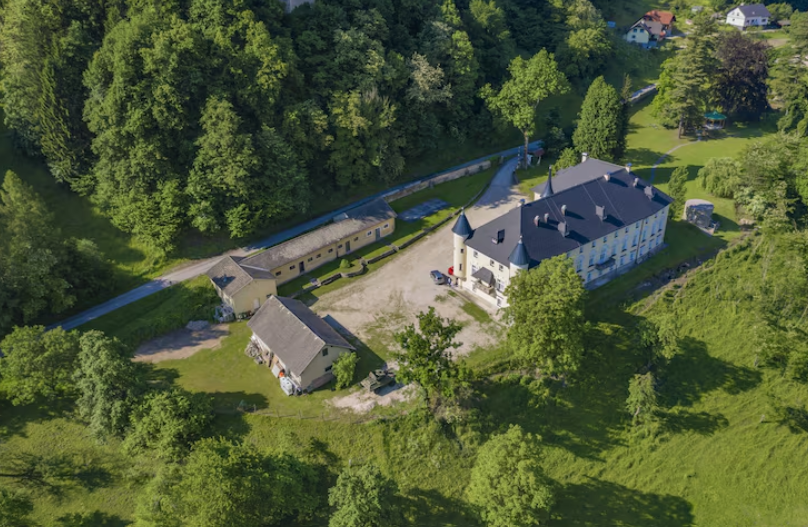
In today’s fast-paced corporate environment, leadership teams are increasingly seeking meaningful ways to disconnect from daily operations and reconnect with strategic vision. One of the most effective approaches is hosting corporate retreats in serene, inspiring settings. Across Europe, luxury countryside estates offer the perfect balance of privacy, sophistication, and functionality—creating ideal environments for high-level collaboration, innovation, and team cohesion.
From historic châteaux in France to elegant villas in Italy and refined manor houses in the English countryside, these estates provide not only exceptional accommodations but also immersive cultural experiences that elevate any corporate gathering.
The Value of Countryside Retreats for Corporate Leadership
Corporate retreats are no longer limited to conference rooms and urban hotels. Today’s executives recognize the importance of environment in shaping productivity and creativity. Countryside estates provide a tranquil backdrop that encourages reflection, strategic thinking, and authentic connection among team members.
These properties often feature expansive grounds, private meeting spaces, and tailored services, allowing organizations to design bespoke experiences that align with their goals—whether focused on leadership development, strategic planning, or team building.
France: Timeless Elegance in Historic Châteaux
France is synonymous with refinement, and its countryside estates exemplify this reputation. Regions such as the Loire Valley and Provence are home to magnificent châteaux that combine architectural grandeur with modern luxury.
These estates often include formal gardens, vineyards, and elegantly restored interiors equipped with contemporary meeting facilities. Hosting a retreat in a French château offers a unique blend of history and sophistication, creating an atmosphere that inspires both creativity and prestige.
Italy: Villas Surrounded by Natural Beauty
Italy’s countryside is renowned for its breathtaking landscapes, from the rolling hills of Tuscany to the serene shores of Lake Como. Luxury villas in these regions provide an intimate and exclusive setting for corporate retreats.
Many Italian estates feature open-air terraces, infinity pools, and panoramic views, making them ideal for both formal sessions and relaxed networking. Culinary experiences, wine tastings, and cultural excursions further enrich the retreat, fostering deeper connections among participants.
United Kingdom: Classic Manor Houses with Modern Comforts
The English countryside offers a collection of stately manor houses that seamlessly blend tradition with modern amenities. These properties are known for their refined interiors, expansive grounds, and impeccable service.
Ideal for executive retreats, manor houses provide a structured yet comfortable environment where teams can focus on strategic objectives while enjoying a sense of exclusivity and heritage.
Spain: Sunlit Estates with Mediterranean Charm
Spain’s countryside estates, particularly in regions like Andalusia and Mallorca, offer a vibrant and relaxed setting for corporate gatherings. These properties combine traditional architecture with contemporary design, creating spaces that are both elegant and inviting.
With abundant sunshine, outdoor meeting areas, and access to cultural experiences, Spanish estates are perfect for fostering creativity and collaboration in a more informal yet refined atmosphere.
Switzerland: Alpine Retreats for Focus and Inspiration
For companies seeking a more secluded and nature-driven experience, Switzerland’s alpine estates provide an exceptional option. Surrounded by mountains and pristine landscapes, these retreats offer unparalleled tranquility and focus.
High-end chalets and countryside lodges are equipped with state-of-the-art facilities, ensuring that productivity is maintained while participants benefit from the restorative power of nature.
Key Features to Consider When Selecting an Estate
When choosing a luxury countryside estate for a corporate retreat, several factors should be taken into account:
- Privacy and exclusivity for confidential discussions
- High-quality meeting and conference facilities
- On-site catering and personalized service
- Accessibility from major transportation hubs
- Opportunities for team-building activities and cultural experiences
Careful consideration of these elements ensures that the retreat not only meets logistical needs but also delivers a meaningful and memorable experience.
The Strategic Advantage of Luxury Retreats
Investing in a high-quality retreat environment signals a commitment to excellence and employee well-being. It creates space for leaders to think beyond immediate challenges and focus on long-term strategy.
Moreover, the shared experience of a thoughtfully curated retreat strengthens relationships, enhances communication, and fosters a sense of alignment that carries forward into everyday operations.
Final Thoughts
Luxury countryside estates in Europe offer more than just beautiful settings—they provide transformative environments where ideas flourish and teams thrive. By stepping away from the distractions of urban life, organizations can unlock new levels of creativity, collaboration, and strategic clarity.
Whether set among vineyards, rolling hills, or alpine landscapes, these estates represent the pinnacle of refined corporate hospitality. For companies aiming to elevate their retreat experience, Europe’s countryside offers a wealth of exceptional options that combine elegance, privacy, and inspiration.
Stay Connected for More Travel and Lifestyle Inspiration. For more insights into travel, culture, and lifestyle tips, follow me on
@salvadorordorica. If you’re seeking professional translation and localization services to enhance your global ventures, visit The Spanish Group — your trusted partner in bridging cultures worldwide.
by Dulce Navarro | Mar 30, 2026 | Culture, Europe, Experiences, Hotels, Landscapes, Lifestyle, Luxury, Travel
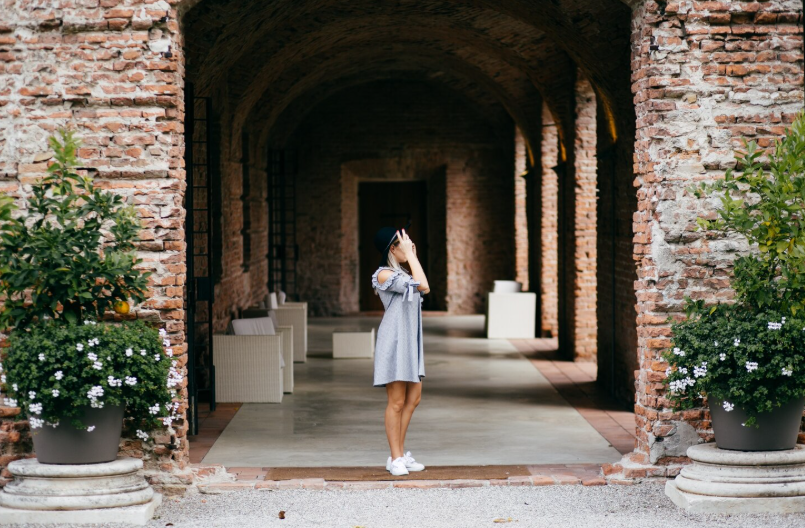
European Castle Hotels Offering Contemporary Comfort
Europe’s rich history is beautifully preserved in its castles—timeless structures that once served as fortresses, royal residences, and symbols of power. Today, many of these architectural masterpieces have been transformed into luxury hotels, offering guests the rare opportunity to experience history without sacrificing modern comfort. For discerning travelers and business leaders alike, European castle hotels represent a unique fusion of heritage, sophistication, and contemporary living.
The Evolution of Castle Hospitality
The transformation of castles into hotels reflects a broader trend in luxury travel: the desire for meaningful, immersive experiences. Rather than staying in conventional accommodations, guests are increasingly drawn to properties with a story. Castle hotels provide exactly that—centuries of history paired with the amenities expected in today’s high-end hospitality sector.
These properties have undergone meticulous restorations to preserve their original character while integrating modern conveniences such as climate control, high-speed internet, spa facilities, and fine dining. The result is a seamless blend of old and new, where guests can sleep beneath vaulted ceilings and wake up to world-class service.
France: Refined Elegance in Historic Estates
France is home to some of the most iconic castle hotels in Europe, particularly in regions such as the Loire Valley and Provence. These châteaux are renowned for their refined elegance, manicured gardens, and proximity to vineyards and cultural landmarks.
Guests can expect an experience that emphasizes both luxury and authenticity. Interiors often feature antique furnishings, grand staircases, and ornate detailing, complemented by contemporary touches such as Michelin-level dining and wellness facilities. Many properties also offer curated experiences, including wine tastings, private tours, and culinary workshops.
Scotland: Dramatic Landscapes and Timeless Grandeur
Scotland’s castle hotels offer a distinctly different ambiance, characterized by rugged landscapes, mist-covered hills, and a sense of timeless grandeur. These properties often retain their medieval architecture, complete with stone walls, turrets, and expansive estates.
Modern enhancements ensure that guests enjoy the highest level of comfort, from luxurious bedding to state-of-the-art amenities. Activities such as falconry, whisky tastings, and countryside excursions add depth to the experience, making each stay both enriching and memorable.
Italy: Romantic Heritage Meets Contemporary Luxury
In Italy, castle hotels are synonymous with romance and cultural richness. Found throughout regions like Tuscany and Umbria, these properties often overlook rolling vineyards, olive groves, and historic towns.
Italian castle hotels excel in combining traditional architecture with modern design elements. Guests can enjoy spacious suites, infinity pools, and gourmet cuisine while surrounded by centuries-old walls. The emphasis on local culture is evident in everything from the décor to the culinary offerings, creating a deeply immersive experience.
Germany and Central Europe: Precision and Preservation
Germany and its neighboring countries boast an impressive array of castle hotels, many of which have been restored with exceptional attention to detail. These properties often reflect the region’s commitment to precision and preservation, maintaining historical integrity while incorporating advanced technology.
Guests benefit from a harmonious balance between tradition and innovation. Features such as modern wellness centers, conference facilities, and eco-friendly systems make these hotels particularly appealing to business travelers seeking both functionality and inspiration.
Modern Comforts in a Historic Setting
One of the defining characteristics of Europe’s castle hotels is their ability to provide contemporary comfort within a historic framework. Rooms are often equipped with luxurious bathrooms, smart technology, and bespoke furnishings designed to complement the original architecture.
Wellness has also become a central focus. Many castle hotels now include spas, fitness centers, and holistic treatment programs, ensuring that guests can relax and recharge in a truly unique environment. Fine dining is another highlight, with chefs crafting menus that celebrate regional ingredients while embracing modern culinary techniques.
Exclusive Experiences for the Modern Traveler
Beyond accommodations, castle hotels offer exclusive experiences that set them apart from traditional luxury properties. Private tours of historic grounds, access to restricted areas, and personalized itineraries allow guests to engage with the property’s history in meaningful ways.
For corporate leaders and entrepreneurs, these venues also provide an exceptional setting for meetings, retreats, and events. The combination of privacy, prestige, and state-of-the-art facilities creates an environment conducive to both productivity and inspiration.
Sustainability and Preservation
As sustainability becomes increasingly important in the hospitality industry, many castle hotels are adopting eco-friendly practices. Restoration projects often prioritize the use of sustainable materials and energy-efficient systems, ensuring that these historic properties can be enjoyed by future generations.
This commitment to preservation extends beyond the physical structure. By supporting local communities, sourcing regional products, and promoting cultural heritage, castle hotels contribute to the long-term sustainability of their surrounding areas.
The Enduring Appeal of Castle Hotels
The appeal of staying in a castle lies in its ability to transport guests to another era while offering the comforts of the present. It is an experience that combines nostalgia with innovation, allowing travelers to connect with history in a tangible way.
Whether for leisure or business, European castle hotels provide a distinctive alternative to conventional accommodations. Their unique blend of heritage, luxury, and modernity ensures that each stay is not only comfortable but also unforgettable.
Conclusion
European castle hotels stand as a testament to the enduring value of history, architecture, and thoughtful design. By integrating contemporary comforts into these historic spaces, they offer an unparalleled travel experience that caters to the needs of today’s sophisticated traveler.
Stay Connected for More Travel and Lifestyle Inspiration. For more insights into travel, culture, and lifestyle tips, follow me on Instagram
@salvadorordorica. If you’re seeking professional translation and localization services to enhance your global ventures, visit The Spanish Group — your trusted partner in bridging cultures worldwide.
by Dulce Navarro | Mar 10, 2026 | Europe, Experiences, Hotels, Landscapes, Lifestyle, Luxury, Traditions, Travel
Luxury Travel Planning for Multi-Generational European Trips
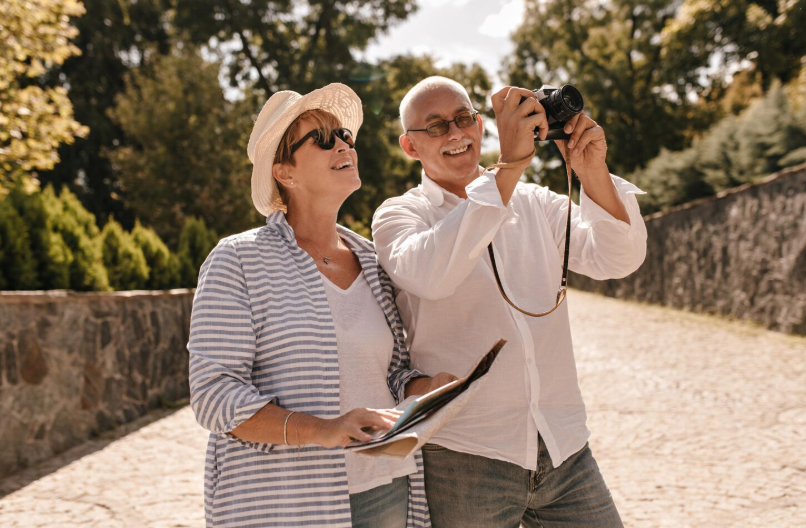
Multi-generational travel has become one of the most meaningful ways for families to explore the world together. In particular, Europe offers an exceptional setting for these experiences, blending rich history, diverse cultures, world-renowned cuisine, and luxurious accommodations. Planning a multi-generational European trip, however, requires thoughtful coordination to ensure that travelers of all ages—from young children to grandparents—can enjoy a comfortable, enriching, and memorable journey.
Luxury travel planning plays a key role in making these complex trips seamless. With the right approach, families can create an itinerary that balances cultural discovery, relaxation, and personalized experiences while maintaining the comfort and convenience that high-end travel provides.
Why Europe Is Ideal for Multi-Generational Travel
Europe’s diversity makes it uniquely suited for family groups with varying interests and energy levels. Within relatively short distances, travelers can experience historic cities, coastal retreats, mountain landscapes, and charming countryside villages. Efficient transportation networks, high-quality healthcare systems, and a long-standing tradition of hospitality further enhance Europe’s appeal for family travel.
Destinations such as Italy, France, Spain, Switzerland, and Austria offer activities that appeal to every generation. Younger travelers may enjoy interactive museum experiences and outdoor adventures, while older family members often appreciate historic landmarks, culinary experiences, and scenic cultural tours.
Luxury accommodations across the continent—from historic estates to five-star city hotels—provide spacious suites, private villas, and attentive service that make traveling with a large family group comfortable and enjoyable.
Choosing the Right Destinations
One of the most important steps in planning a successful multi-generational trip is selecting destinations that offer broad appeal. Cities such as Paris, Rome, Barcelona, and Vienna provide a balance of history, culture, and family-friendly attractions. These locations offer iconic landmarks, world-class museums, and exceptional dining experiences while maintaining accessibility for travelers of all ages.
Beyond major cities, Europe’s countryside and coastal regions provide opportunities for relaxation and bonding. The vineyards of Tuscany, the French Riviera, the Austrian Alps, and the Spanish countryside offer tranquil settings where families can slow down and enjoy time together.
Combining urban and rural destinations within a single itinerary allows travelers to experience both the cultural highlights and the natural beauty that define Europe.
Luxury Accommodations for Family Comfort
Selecting the right accommodations is critical when traveling with multiple generations. Luxury hotels and private villas offer flexibility that standard accommodations may not provide. Spacious suites, connecting rooms, and private residences allow families to spend time together while maintaining personal space.
Many luxury properties also offer services tailored to families, including concierge planning, childcare options, and curated local experiences. Private chefs, guided tours, and wellness amenities such as spas and fitness facilities ensure that every family member can enjoy the trip according to their preferences.
For longer stays, renting historic villas or countryside estates can create an especially memorable experience. These properties often feature gardens, pools, and expansive living spaces ideal for family gatherings and shared meals.
Curating Experiences for Every Generation
A well-designed itinerary balances structured activities with free time. Guided tours can provide valuable context and storytelling when visiting historical landmarks, while more relaxed activities allow family members to explore at their own pace.
For younger travelers, interactive experiences such as cooking classes, cycling tours, and outdoor excursions can make cultural exploration more engaging. Grandparents may prefer scenic river cruises, art museums, or wine tastings that offer a slower pace.
Private experiences are often the best way to accommodate diverse interests within a family group. A private guide can adjust the pace of a tour, customize routes, and ensure that everyone remains comfortable throughout the day.
The Importance of Seamless Transportation
Transportation logistics become more complex when traveling with a large group. Luxury travel planning often includes private transfers, premium train services, or chartered transportation to ensure smooth transitions between destinations.
Europe’s high-speed rail network is particularly well-suited for family travel, connecting major cities efficiently while allowing passengers to enjoy scenic landscapes along the way. For longer distances, business or first-class flights within Europe can provide additional comfort and convenience.
Private drivers are also a valuable option for countryside exploration, allowing families to travel comfortably while stopping at villages, vineyards, and scenic viewpoints along the route.
Dining as a Shared Cultural Experience
Food plays a central role in European culture and is often one of the highlights of a family trip. Multi-generational travelers can enjoy everything from Michelin-starred restaurants to traditional family-run establishments serving regional specialties.
Shared meals provide an opportunity for storytelling, connection, and cultural discovery. In many regions, culinary experiences such as market tours, cooking workshops, and vineyard visits allow families to learn about local traditions while enjoying exceptional cuisine.
For special occasions, private dining experiences or chef-prepared meals at a villa can create unforgettable moments that bring the entire family together.
Balancing Activity and Relaxation
When planning travel for multiple generations, pacing is essential. Overly ambitious itineraries can lead to fatigue, particularly for older travelers and young children. Incorporating rest days, spa visits, or leisurely afternoons at cafes and parks allows everyone to recharge.
Luxury travel planning often includes built-in flexibility so that family members can choose how they spend their time. Some may prefer sightseeing tours, while others might enjoy shopping, relaxation, or independent exploration.
This balance ensures that the trip remains enjoyable and stress-free for every member of the group.
Creating Lasting Family Memories
Beyond the destinations and experiences themselves, the true value of multi-generational travel lies in the memories created together. Exploring historic cities, sharing meals, and discovering new cultures as a family strengthens relationships and creates stories that will be cherished for years to come.
Europe’s timeless beauty and cultural richness provide the perfect setting for these shared experiences. With thoughtful planning and attention to detail, families can design journeys that celebrate connection, curiosity, and discovery across generations.
Conclusion
Luxury travel planning for multi-generational European trips requires careful coordination, but the rewards are extraordinary. By selecting destinations that appeal to a wide range of interests, choosing accommodations that provide comfort and space, and curating experiences that engage every traveler, families can create journeys that are both seamless and deeply meaningful.
Europe offers a remarkable variety of landscapes, cultures, and traditions, making it one of the most rewarding regions in the world for family exploration. With the right planning and support, a multi-generational European trip can become a once-in-a-lifetime experience that brings families closer together while discovering the beauty and heritage of the continent.
Stay Connected for More Travel and Lifestyle Inspiration
Stay Connected for More Travel and Lifestyle Inspiration. For more insights into travel, culture, and lifestyle tips, follow me on Instagram @salvadorordorica. If you’re seeking professional translation and localization services to enhance your global ventures, visit The Spanish Group — your trusted partner in bridging cultures worldwide.
by Dulce Navarro | Dec 26, 2025 | Europe, Experiences, Food, Hotels, Landscapes, Lifestyle, Travel
From Farm to Table: Europe’s Elite Organic Estates Hosting Luxury Stays
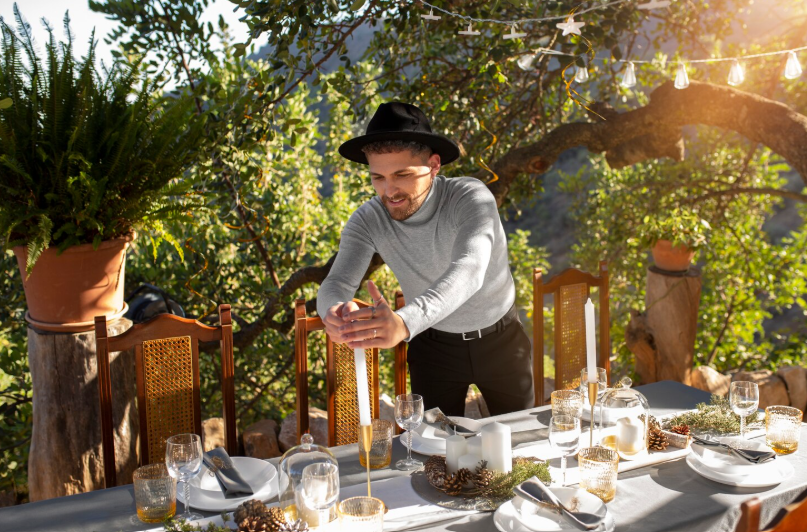
Across Europe, a new form of luxury travel is quietly redefining what it means to stay well. Rooted in sustainability, authenticity, and refined comfort, elite organic estates are opening their doors to discerning travelers seeking more than indulgence alone. These destinations combine world-class hospitality with working farms, vineyards, and orchards, offering immersive “farm-to-table” experiences without compromising elegance or exclusivity.
For company leaders and globally minded travelers, these estates represent a thoughtful intersection of wellness, culture, and responsible luxury. They offer a slower, more intentional way to experience Europe—one that values provenance, craftsmanship, and connection to the land.
The Rise of Farm-to-Table Luxury Travel
Farm-to-table dining has long been associated with quality and transparency, but Europe’s organic estates elevate the concept far beyond cuisine. These properties are often centuries old, stewarded by families or visionaries committed to organic agriculture, biodiversity, and heritage preservation.
Luxury travelers are increasingly drawn to experiences that feel meaningful and restorative. Staying on an organic estate allows guests to enjoy impeccable accommodations while engaging with the rhythms of nature—harvests, vineyards, olive groves, and artisanal food production—translated into refined, unforgettable hospitality.
Italy: Organic Estates Rooted in Tradition and Elegance
Italy leads Europe’s farm-to-table luxury movement, particularly in regions such as Tuscany, Umbria, and Piedmont. Historic estates offer restored villas, boutique lodges, and private residences surrounded by organic vineyards and farmland.
Guests enjoy seasonal menus crafted entirely from estate-grown ingredients, paired with organic wines produced on-site. Beyond dining, experiences often include truffle hunting, olive oil tastings, cooking classes, and private tours that reveal the deep connection between Italian culture, agriculture, and refined living.
France: Sustainable Refinement and Culinary Heritage
In France, organic luxury estates seamlessly blend sustainability with the country’s legendary gastronomic standards. From Provence to the Loire Valley, guests are welcomed into châteaux and countryside retreats where biodynamic farming supports exceptional cuisine.
These estates often collaborate with Michelin-starred chefs or employ resident culinary teams dedicated to seasonal, organic menus. Vineyard walks, cellar tastings, and private market visits reinforce the idea that luxury in France is inseparable from terroir, tradition, and taste.
Spain and Portugal: Authenticity, Nature, and Emerging Luxury
Spain and Portugal are emerging as leaders in organic luxury hospitality. In regions such as Andalusia, Catalonia, Alentejo, and Douro Valley, estates combine rustic architecture with contemporary design, offering understated elegance rooted in authenticity.
Guests experience organic olive oils, wines, and produce grown on the property, often prepared using traditional techniques passed down through generations. These stays appeal to travelers seeking privacy, warmth, and cultural immersion without ostentation.
Switzerland and Northern Europe: Precision, Wellness, and Sustainability
In Switzerland and parts of Northern Europe, organic estates focus on holistic wellness and environmental stewardship. Alpine farms and lakeside retreats emphasize clean living, locally sourced cuisine, and thoughtful design that integrates seamlessly with the natural landscape.
Luxury here is defined by serenity, precision, and balance. Guests enjoy organic dining, spa treatments using natural ingredients, and outdoor experiences that promote physical and mental well-being—ideal for leaders seeking restoration and clarity.
What Sets These Estates Apart
The defining characteristic of Europe’s elite organic estates is integrity. Every element of the guest experience—from architecture and interiors to cuisine and service—is aligned with sustainability and quality.
Unlike traditional luxury hotels, these estates offer transparency and storytelling. Guests know where their food comes from, who produces it, and how the land is cared for. This sense of authenticity creates a deeper emotional connection and a more memorable stay.
Farm-to-Table as a Global Lifestyle Philosophy
The appeal of farm-to-table luxury reflects a broader global shift toward conscious consumption and cultural awareness. High-net-worth individuals increasingly seek experiences that align with their values—health, sustainability, and long-term impact.
For global travelers, these estates also highlight the importance of communication and cultural fluency. Sharing stories of land, food, and heritage across borders requires thoughtful translation and localization, ensuring authenticity is preserved for international audiences.
Conclusion: Redefining Luxury Through the Land
Europe’s elite organic estates demonstrate that true luxury is evolving. It is no longer defined solely by opulence, but by intention, quality, and connection to place. Farm-to-table luxury stays offer an experience that nourishes both body and mind, while honoring tradition and the environment.
For discerning travelers and company leaders alike, these destinations provide a meaningful way to explore Europe—where refinement begins at the source and every detail tells a story rooted in the land.
Stay Connected for More Travel and Lifestyle Inspiration. For more insights into travel, culture, and lifestyle tips, follow me on Instagram
@salvadorordorica. If you’re seeking professional translation and localization services to enhance your global ventures, visit The Spanish Group — your trusted partner in bridging cultures worldwide.
