
Spain for Travelers Who Prefer Authenticity to Excess
In an era where luxury travel is often equated with exclusivity, high price tags, and curated perfection, Spain offers something far more meaningful: authenticity. For travelers who value culture over spectacle, tradition over trend, and human connection over extravagance, Spain remains one of the most compelling destinations in the world.
As a country deeply rooted in history yet vibrantly alive in the present, Spain rewards those who slow down. It invites you to step beyond the polished façades of five-star resorts and immerse yourself in everyday life — in village plazas, family-run restaurants, centuries-old markets, and coastal towns where time moves with the rhythm of the sea.
A Culture Lived, Not Performed
Authentic travel in Spain begins with understanding that culture here is not staged for visitors — it is lived. In cities like Seville, Valencia, and Bilbao, daily life unfolds in public squares where neighbors gather in the evenings, children play under the watchful eyes of grandparents, and conversations stretch late into the night.
Spain’s festivals are not spectacles designed for tourism; they are deeply rooted expressions of regional identity. Whether it is a local feria, a religious procession, or a harvest celebration, these events reflect centuries of tradition and communal pride. Participating respectfully in these traditions allows travelers to connect with Spain at a far deeper level than any luxury experience could offer.


The Spanish Group
If you’re seeking professional translation and localization services to enhance your global ventures, visit The Spanish Group — your trusted partner in bridging cultures worldwide.
LEARN MOREThe Beauty of Regional Diversity
One of Spain’s most extraordinary qualities is its regional diversity. Each autonomous community has its own traditions, dialects, gastronomy, and architectural identity. Traveling authentically means embracing this mosaic rather than limiting oneself to the most internationally famous cities.
In the north, green landscapes stretch across Asturias and Galicia, where seafood is served simply and impeccably fresh. In the south, Andalusia offers whitewashed villages and Moorish architectural influences that tell the story of centuries of cultural exchange. In Catalonia and the Basque Country, innovation and heritage coexist in remarkable harmony.
Choosing smaller towns over major tourist hubs often reveals the Spain that locals cherish most. Places like Ronda, Cadaqués, or Úbeda offer profound beauty without the overwhelming crowds, allowing visitors to appreciate architecture, cuisine, and conversation at an unhurried pace.
Gastronomy Rooted in Simplicity
Spanish cuisine is perhaps one of the clearest reflections of the country’s authenticity. Rather than elaborate presentation, Spanish food celebrates high-quality ingredients prepared with restraint and respect for tradition.
A plate of jamón ibérico carved by hand, fresh tomatoes drizzled with olive oil, grilled sardines by the sea, or a simple tortilla española served in a neighborhood bar embody Spain’s culinary philosophy. Meals are not rushed; they are social rituals. Long lunches, late dinners, and shared tapas reinforce the importance of connection and conversation.
For travelers who prefer substance over spectacle, Spain’s gastronomy offers genuine pleasure without pretense.
Architecture that Tells a Story
Spain’s architectural landscape is a testament to its layered history. Roman aqueducts, Gothic cathedrals, Islamic palaces, and avant-garde contemporary structures coexist across the country. Visiting these sites with curiosity rather than checklist urgency transforms sightseeing into meaningful discovery.
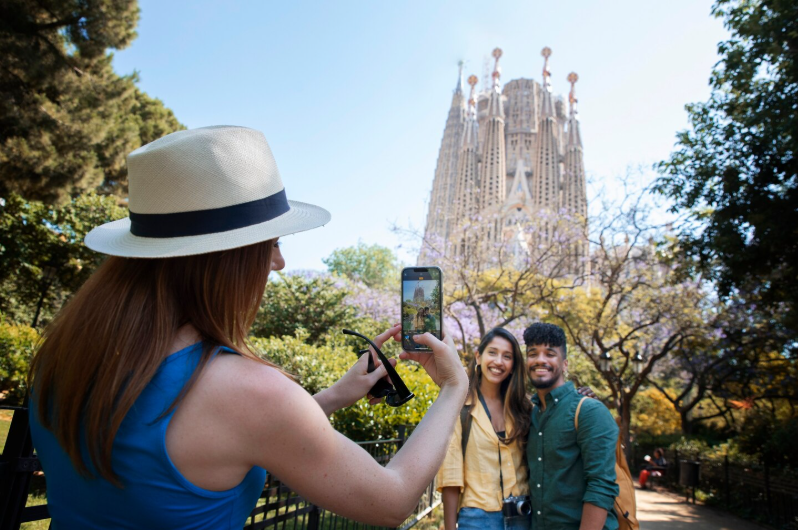
The Alhambra in Granada reflects centuries of Islamic artistry. The Sagrada Família in Barcelona represents visionary ambition and faith. Meanwhile, small village churches and quiet monasteries offer moments of reflection that rival the grandeur of more famous landmarks.
Authentic travel in Spain involves not only observing these spaces but understanding the cultural intersections that shaped them.
The Art of Slow Living
Perhaps Spain’s most valuable lesson for modern travelers is the art of slowing down. The concept of “sobremesa” — lingering at the table after a meal — reflects a broader cultural mindset. Time is not merely scheduled; it is experienced.
Afternoons may include a walk through a local market, a coffee in a shaded plaza, or a conversation with a shopkeeper who has run the same family business for decades. Even in cosmopolitan centers like Madrid and Barcelona, pockets of calm exist for those willing to seek them.
Travelers who approach Spain without rigid itineraries often discover their most memorable experiences in unscripted moments: a recommendation from a taxi driver, an invitation to a neighborhood celebration, or an impromptu flamenco performance in a modest venue.
Sustainable and Meaningful Exploration
Authenticity also aligns with sustainability. Supporting local artisans, dining in family-owned establishments, and staying in boutique accommodations contribute to the preservation of regional character.
Spain’s rural tourism initiatives, vineyard stays, and agritourism experiences allow visitors to engage directly with producers and communities. These experiences not only reduce environmental impact but also create deeper understanding and appreciation.
In an age where overtourism challenges many destinations, choosing lesser-known regions and traveling thoughtfully ensures that Spain’s cultural heritage remains vibrant for future generations.
Connection Over Consumption
Ultimately, Spain for the authenticity-minded traveler is about connection — connection to history, to community, to food, to landscape, and to oneself. It is not about excess or extravagance. It is about richness measured in experience rather than expense.
The warmth of Spanish hospitality, the pride in regional identity, and the daily rituals that shape local life create an environment where visitors feel welcomed rather than processed.
For those who seek travel that resonates beyond social media imagery — travel that educates, grounds, and inspires — Spain remains one of the world’s most rewarding destinations.
Conclusion
Spain offers an alternative to the excess often associated with global travel. It provides depth where others provide display, meaning where others offer momentary spectacle. By embracing regional diversity, savoring simple yet extraordinary cuisine, and engaging with local communities, travelers can experience a Spain that is genuine, enduring, and profoundly enriching.
Stay Connected for More Travel and Lifestyle Inspiration. For more insights into travel, culture, and lifestyle tips, follow me on Instagram @salvadorordorica. If you’re seeking professional translation and localization services to enhance your global ventures, visit The Spanish Group — your trusted partner in bridging cultures worldwide.
The Spanish Group
If you’re seeking professional translation and localization services to enhance your global ventures, visit The Spanish Group — your trusted partner in bridging cultures worldwide.
LEARN MORE