by Dulce Navarro | Mar 6, 2026 | Culture, Europe, Experiences, Lifestyle, Luxury, Travel
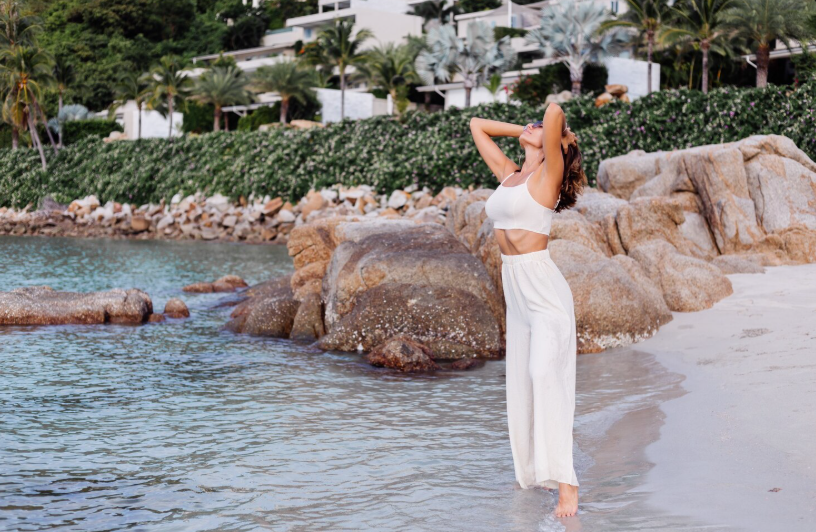
Discreet Island Retreats Across the Mediterranean
The Mediterranean’s Quiet Side of Luxury
For generations, the Mediterranean has symbolized beauty, culture, and effortless luxury. Yet beyond its famous coastal resorts and bustling beach clubs lies a quieter dimension of travel—one defined by privacy, elegance, and meaningful connection to place. Discreet island retreats across the Mediterranean offer a refined alternative to the more publicized destinations that often dominate travel itineraries.
These islands provide travelers with something increasingly rare: the opportunity to slow down and experience the Mediterranean at a more thoughtful pace. Instead of crowded marinas and busy promenades, visitors encounter tranquil harbors, family-run tavernas, ancient landscapes, and boutique accommodations that prioritize authenticity over spectacle.
For seasoned travelers who value atmosphere and cultural depth, the Mediterranean’s lesser-known islands deliver a uniquely rewarding experience.
Why Discretion Defines True Mediterranean Luxury
Luxury travel has evolved significantly in recent years. While five-star hotels and glamorous destinations remain appealing, many experienced travelers are now seeking something deeper: privacy, authenticity, and immersion in local culture.
Discreet Mediterranean islands offer exactly that. Rather than focusing on display, they emphasize atmosphere, heritage, and understated sophistication. Guests can spend their days wandering historic villages, enjoying long seaside lunches, or sailing between quiet coves without the pressures of crowded tourism.
This shift toward quiet luxury reflects a broader trend in travel. Instead of ticking off landmarks, travelers are curating experiences that prioritize calm environments, meaningful interactions, and memorable landscapes.
Favignana: Sicily’s Elegant Escape
Located just off the western coast of Sicily, Favignana is one of the Mediterranean’s most charming yet understated island retreats. Known for its crystal-clear waters and historic tuna fisheries, the island offers a distinctive blend of maritime heritage and relaxed elegance.
Visitors typically explore Favignana by bicycle, following scenic coastal paths that reveal secluded beaches and turquoise coves. The island’s historic town center features pastel-colored buildings, family-owned restaurants, and lively piazzas where locals gather in the evenings.
Boutique hotels and restored villas provide accommodations that balance comfort with authenticity, allowing guests to experience Sicilian culture in an intimate setting. Dining is naturally centered around seafood, with fresh tuna, grilled fish, and local wines defining the island’s culinary identity.
Hydra: Greece Without the Noise
In Greece, the island of Hydra offers a remarkable example of timeless Mediterranean elegance. Located within easy reach of Athens, Hydra has managed to preserve its historic character while maintaining a distinctly refined atmosphere.
One of Hydra’s defining features is its ban on motor vehicles. Transportation across the island relies on walking, boats, and donkeys, which contributes to its peaceful ambiance. The island’s harbor is lined with beautiful stone mansions that date back to the 18th and 19th centuries, reflecting Hydra’s rich maritime past.
Today, the island attracts artists, writers, and travelers seeking inspiration in its tranquil surroundings. Elegant guesthouses, seaside cafés, and small art galleries contribute to Hydra’s creative spirit while maintaining its reputation as a destination of quiet sophistication.
Formentera: The Refined Side of the Balearic Islands
Often overshadowed by its lively neighbor Ibiza, Formentera represents a different side of the Balearic Islands—one defined by natural beauty and understated charm. With its turquoise waters and pristine beaches, the island offers a relaxed atmosphere that appeals to travelers who appreciate privacy and tranquility.
Formentera’s landscape is characterized by pine forests, sandy dunes, and traditional whitewashed houses that blend seamlessly with the environment. Cycling routes connect small villages and scenic viewpoints, making exploration both easy and enjoyable.
The island’s boutique hotels and beachfront restaurants emphasize sustainability and simplicity. Long lunches overlooking the sea, sunset walks along quiet beaches, and boat excursions to hidden coves define the Formentera experience.
Vis: Croatia’s Understated Adriatic Gem
Croatia’s coastline has become increasingly popular in recent years, but the island of Vis remains one of the Adriatic’s most discreet retreats. Once closed to foreign visitors during the Yugoslav era due to its strategic military importance, Vis has retained a level of authenticity that distinguishes it from more developed destinations.
The island’s charm lies in its simplicity. Stone villages, vineyards, olive groves, and secluded beaches create a landscape that feels both historic and untouched. Visitors often spend their days exploring coastal caves, sailing around the island’s dramatic cliffs, or enjoying fresh seafood in family-run konobas.
Vis also serves as a gateway to the nearby Blue Cave on the island of Biševo, a natural phenomenon where sunlight reflects through the water to illuminate the cave with an otherworldly blue glow.
Pantelleria: Italy’s Secret Volcanic Island
Situated between Sicily and Tunisia, Pantelleria offers one of the Mediterranean’s most distinctive landscapes. Formed by volcanic activity, the island features dramatic cliffs, lava stone terraces, and natural hot springs that have attracted visitors for centuries.
Pantelleria’s traditional dammusi houses—constructed from lava stone with white domed roofs—have been carefully restored into elegant private residences and boutique accommodations. These properties provide remarkable privacy while blending seamlessly with the island’s rugged environment.
The island’s cuisine reflects its unique geographic position, combining Italian and North African influences. Capers, olives, seafood, and locally produced wines create a culinary identity that is both distinctive and memorable.
The Appeal of Slow Mediterranean Travel
One of the greatest advantages of visiting discreet Mediterranean islands is the opportunity to embrace slower travel. Without the pressures of crowded itineraries or busy tourist hubs, visitors can engage more deeply with their surroundings.
Morning swims in secluded coves, leisurely market visits, sunset dinners overlooking the sea, and conversations with local artisans all contribute to a richer travel experience. These moments, though simple, often become the most memorable aspects of a journey.
For travelers seeking balance and inspiration, such environments offer a refreshing contrast to the fast pace of modern life.
Choosing the Right Island Retreat
Selecting the ideal Mediterranean island retreat ultimately depends on personal travel preferences. Some travelers may prioritize cultural history and architecture, while others may seek pristine beaches or culinary experiences.
What unites the Mediterranean’s most discreet islands is their commitment to authenticity. These destinations resist overdevelopment and instead celebrate their natural landscapes, historic traditions, and local communities.
For those who value elegance without excess, these island retreats offer the perfect setting for meaningful exploration and quiet luxury.
Conclusion
Discreet island retreats across the Mediterranean represent a different philosophy of travel—one that prioritizes atmosphere, authenticity, and thoughtful discovery. By stepping away from the region’s most crowded destinations, travelers can uncover islands that remain deeply connected to their heritage and landscapes.
From the volcanic beauty of Pantelleria to the historic harbor of Hydra and the serene beaches of Formentera, these islands demonstrate that true luxury often lies in simplicity and privacy.
For experienced travelers seeking elegance without spectacle, the Mediterranean’s quieter islands continue to offer some of the most rewarding journeys in Europe.
Stay Connected for More Travel and Lifestyle Inspiration
Stay Connected for More Travel and Lifestyle Inspiration. For more insights into travel, culture, and lifestyle tips, follow me on Instagram
@salvadorordorica. If you’re seeking professional translation and localization services to enhance your global ventures, visit
The Spanish Group — your trusted partner in bridging cultures worldwide.
by Dulce Navarro | Mar 6, 2026 | Culture, Europe, Experiences, Lifestyle, Luxury, Travel
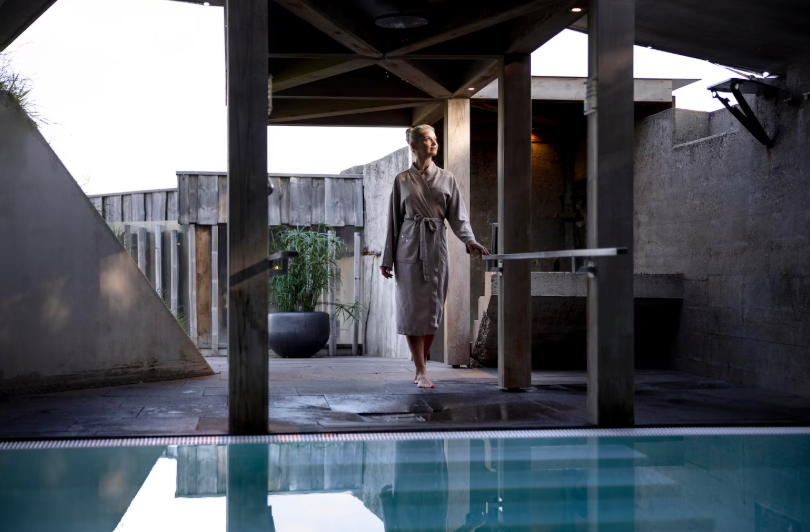
Europe’s Finest Boutique Hotels for Design-Conscious Travelers
Europe has long been synonymous with elegance, artistry, and architectural brilliance. For travelers who appreciate thoughtful design, intimate atmospheres, and curated aesthetics, boutique hotels provide a unique alternative to traditional luxury accommodations. These smaller, design-forward properties often reflect the culture, history, and creative energy of their locations while offering highly personalized service. From historic palazzos reimagined by renowned architects to avant-garde urban retreats, Europe’s finest boutique hotels offer unforgettable experiences for design-conscious travelers.
The Appeal of Boutique Design Hotels
Boutique hotels distinguish themselves through individuality. Unlike large international chains, these properties typically feature fewer rooms and prioritize distinctive character over standardized layouts. Designers often collaborate with local artisans, architects, and artists to create spaces that feel authentic and immersive. Every detail—from the choice of materials to lighting design and custom furniture—contributes to an atmosphere that blends comfort with aesthetic sophistication.
For modern travelers who value creativity and authenticity, boutique hotels offer more than just a place to sleep. They serve as cultural gateways where design, hospitality, and storytelling intersect. Guests can experience interiors that reflect regional traditions while embracing contemporary innovation.
Architectural Heritage Meets Modern Design
One of the most fascinating aspects of Europe’s boutique hotel scene is the seamless integration of historic architecture with modern design sensibilities. Many of the continent’s most remarkable boutique properties are housed in restored historic buildings such as centuries-old mansions, monasteries, or palaces.
Designers carefully preserve original elements like stone facades, frescoed ceilings, and ornate staircases while introducing contemporary features such as minimalist furniture, sculptural lighting, and modern art installations. The result is a harmonious blend of past and present, where guests can appreciate historical craftsmanship while enjoying modern comfort and functionality.
This balance between heritage and innovation reflects Europe’s broader design philosophy: honoring tradition while continually evolving.
Paris: Where Fashion and Interior Design Converge
Paris remains a global epicenter for art, fashion, and interior design, making it an ideal destination for travelers seeking aesthetically exceptional accommodations. Boutique hotels throughout the city often collaborate with prominent designers and architects to craft visually striking environments.
Many Parisian boutique properties feature elegant Haussmann-style architecture paired with contemporary interiors that showcase custom furnishings, curated art collections, and luxurious textiles. Designers frequently incorporate subtle references to French craftsmanship, including marble bathrooms, brass accents, and handcrafted woodwork.
Staying in a design-focused boutique hotel in Paris offers guests the opportunity to immerse themselves in the city’s sophisticated creative culture while enjoying intimate hospitality and refined comfort.
Milan: A Capital of Contemporary Style
As the global capital of fashion and design, Milan naturally hosts some of Europe’s most visually inspiring boutique hotels. Many properties reflect the city’s innovative design scene, featuring interiors created by renowned Italian architects and designers.
Guests can expect bold geometric patterns, sleek furniture, dramatic lighting installations, and innovative material combinations such as glass, steel, and natural stone. These design elements reflect Milan’s reputation for pushing creative boundaries while maintaining a strong foundation in craftsmanship and quality.
For travelers attending events such as Milan Design Week or exploring the city’s galleries and showrooms, staying in a boutique design hotel provides an immersive extension of the local creative environment.
Barcelona: Artistic Energy and Architectural Influence
Barcelona’s architectural heritage—most famously represented by Antoni Gaudí—continues to inspire designers and hoteliers throughout the city. Boutique hotels in Barcelona frequently embrace bold artistic concepts, vibrant color palettes, and fluid architectural forms.
Many properties integrate local art into their interiors, featuring works by contemporary Catalan artists alongside custom-designed furniture and handcrafted décor. Rooftop terraces, open courtyards, and light-filled spaces further enhance the design experience while highlighting Barcelona’s Mediterranean atmosphere.
The result is an environment that celebrates creativity and cultural identity while offering a welcoming retreat for international travelers.
Scandinavian Minimalism in Northern Europe
For travelers who appreciate simplicity and clean lines, Northern Europe offers boutique hotels that exemplify Scandinavian design principles. Cities such as Copenhagen, Stockholm, and Oslo are known for their minimalist aesthetics, natural materials, and functional elegance.
Scandinavian boutique hotels often feature neutral color palettes, warm wood finishes, large windows that maximize natural light, and carefully selected furnishings that emphasize both comfort and craftsmanship. Sustainability also plays a central role in many Nordic properties, with eco-friendly materials and energy-efficient systems integrated into the overall design philosophy.
This understated elegance creates a calming environment where guests can unwind while appreciating thoughtful design and environmental responsibility.
Immersive Design Experiences
Many of Europe’s most exceptional boutique hotels extend their design philosophy beyond guest rooms. Public spaces such as lounges, libraries, and restaurants are carefully curated to create immersive environments where art, architecture, and hospitality intersect.
Guests might encounter rotating art exhibitions, custom-designed lighting installations, or curated design libraries that showcase local craftsmanship and creative talent. Some properties even collaborate with prominent designers or artists to periodically redesign rooms or create limited-edition suites.
These immersive experiences transform boutique hotels into living galleries where guests can engage with design in meaningful and inspiring ways.
Personalized Service and Intimate Atmosphere
In addition to their visual appeal, boutique hotels are known for providing highly personalized service. With fewer rooms and a more intimate setting, staff can offer tailored recommendations, curated experiences, and attentive hospitality that larger hotels often cannot match.
For design-conscious travelers, this personalized approach enhances the overall stay. Hotel teams often share insights about local design studios, architecture tours, art galleries, and hidden cultural landmarks, helping guests explore the creative essence of each destination.
The combination of thoughtful design and attentive service creates an experience that feels both exclusive and deeply authentic.
Choosing the Perfect Boutique Hotel
When selecting a boutique hotel in Europe, travelers should consider the design philosophy that resonates most with their personal style. Some properties emphasize historic grandeur and classical elegance, while others showcase contemporary minimalism or bold artistic expression.
Researching the architects or interior designers behind a property can provide valuable insight into its aesthetic vision. Travelers may also wish to explore hotels that collaborate with local artists or incorporate regional craftsmanship, ensuring a stay that reflects the cultural identity of the destination.
Ultimately, the finest boutique hotels combine exceptional design with comfort, service, and a strong sense of place.
The Future of Boutique Hospitality in Europe
The boutique hotel sector continues to evolve as travelers increasingly seek meaningful, personalized experiences. Designers and hoteliers are exploring new ways to integrate sustainability, technology, and artistic collaboration into hospitality spaces.
Adaptive reuse of historic buildings, partnerships with contemporary artists, and eco-conscious materials are becoming defining features of the next generation of boutique hotels. These innovations ensure that Europe will remain at the forefront of design-driven hospitality for years to come.
For travelers who appreciate architecture, creativity, and cultural authenticity, Europe’s finest boutique hotels offer far more than luxury accommodations—they provide immersive experiences that celebrate the art of design.
Stay Connected for More Travel and Lifestyle Inspiration. For more insights into travel, culture, and lifestyle tips, follow me on Instagram @salvadorordorica. If you’re seeking professional translation and localization services to enhance your global ventures, visit The Spanish Group — your trusted partner in bridging cultures worldwide.

by Dulce Navarro | Mar 4, 2026 | Europe, Experiences, Lifestyle, Luxury, Travel
Curated Wine Harvest Experiences in Europe’s Prestigious Vineyards
An Invitation Beyond the Tasting Room
For discerning travelers, wine is no longer simply something to taste — it is something to experience. Across Europe’s most prestigious wine regions, curated harvest programs now offer private access to one of the most meaningful moments in the winemaking calendar: vendange season. These immersive experiences move beyond standard vineyard tours and invite guests into the rhythm, ritual, and heritage of Europe’s most celebrated estates.
From France’s historic châteaux to Italy’s family-owned vineyards and Spain’s architectural wineries, harvest season offers a rare convergence of tradition, craftsmanship, and cultural depth. For executives, collectors, and global citizens seeking purposeful travel, participating in the grape harvest represents both refinement and authenticity.
Bordeaux: Tradition and Precision at Grand Cru Estates
In Bordeaux, harvest season is treated with almost ceremonial reverence. Prestigious Left Bank and Right Bank estates conduct harvesting with extraordinary precision, often by hand, selecting grapes at optimal ripeness plot by plot. Curated programs allow invited guests to observe and, in select cases, participate in early-morning picking alongside vineyard teams.
Beyond the fields, private tastings in barrel cellars introduce participants to the science of fermentation, blending trials, and aging techniques. Conversations with estate directors and oenologists provide insight into terroir — the interplay of soil, climate, and cultivation that defines each vintage. For collectors, these experiences may also include exclusive futures allocations unavailable to the general public.
Burgundy: Small Parcels, Singular Expression
Burgundy’s fragmented vineyard landscape produces some of the world’s most sought-after wines. During harvest, family-owned domaines invite a limited number of guests to witness the meticulous sorting process that distinguishes Grand Cru and Premier Cru vineyards.
Here, curated harvest programs often emphasize education. Participants gain a deeper understanding of vineyard classification, barrel aging, and the subtle differences between neighboring plots. Intimate lunches prepared by private chefs, paired with vertical tastings of rare vintages, transform the harvest into an elegant cultural exchange.
Tuscany: A Celebration of Land and Lifestyle
In Tuscany, harvest season blends agricultural tradition with convivial Italian hospitality. Rolling vineyards in Chianti Classico and Montalcino come alive with activity as grapes are gathered beneath the late-summer sun.
Curated experiences frequently combine hands-on harvesting with truffle hunts, olive oil tastings, and private dinners in historic villas. Guests may participate in blending sessions guided by winemakers, creating a personalized cuvée to commemorate their visit. The Tuscan harvest is less about ceremony and more about continuity — a celebration of land, family, and generational knowledge.
Champagne: The Art of Precision Harvesting
The Champagne harvest is defined by precision and timing. Grapes must be collected within a tightly regulated window to preserve freshness and acidity. Select maisons and grower-producers offer exclusive access during this brief period.
Participants observe pressing techniques unique to Champagne production and explore underground chalk cellars carved centuries ago. Private tastings reveal the complexity of blending base wines before secondary fermentation. For those seeking a refined yet educational harvest experience, Champagne offers technical mastery paired with understated elegance.
Rioja and Ribera del Duero: Modern Innovation Meets Heritage
Spain’s premier wine regions have embraced both tradition and contemporary innovation. In Rioja and Ribera del Duero, harvest programs may include vineyard tours led by viticulturists explaining canopy management and sustainable practices.
Architecturally striking wineries designed by renowned international architects create a dramatic setting for harvest celebrations. Guests often enjoy curated vertical tastings, flamenco performances, and private cellar access that reflect Spain’s vibrant cultural identity.
What Defines a Curated Harvest Experience?
True exclusivity during harvest season is defined by access, authenticity, and education. The most refined programs typically include:
- Private or Small-Group Participation: Limited guest numbers to preserve intimacy.
- Direct Interaction with Winemakers: Insight into vineyard management, fermentation, and blending.
- Behind-the-Scenes Access: Entry to production areas and historic cellars rarely open to visitors.
- Luxury Accommodations: Stays in vineyard estates, boutique countryside hotels, or private villas.
- Personalized Bottlings: Opportunities to create or label a custom vintage.
These elements transform harvest participation into a meaningful cultural encounter rather than a staged activity.
The Strategic Appeal for Sophisticated Travelers
For company directors, investors, and collectors, curated harvest experiences provide more than leisure. They offer relationship-building opportunities within influential circles of producers and fellow enthusiasts. Wine, historically intertwined with commerce and diplomacy, continues to serve as a bridge between cultures and industries.
Moreover, harvest travel encourages a slower pace. Early mornings in the vineyard, shared meals with producers, and reflective tastings foster intentional engagement. In contrast to fast-paced tourism, harvest season demands patience and attentiveness — qualities that resonate deeply with thoughtful leaders.
Sustainability and Stewardship
Many of Europe’s prestigious vineyards are embracing sustainable and biodynamic practices. Curated harvest programs often highlight soil regeneration, water management, and organic cultivation methods. Understanding these efforts provides participants with insight into the environmental stewardship shaping modern European viticulture.
For environmentally conscious travelers, supporting estates committed to sustainability adds an ethical dimension to the harvest experience.
A Vintage of Memory and Meaning
Participating in Europe’s wine harvest is not simply about collecting bottles; it is about collecting perspective. The tactile act of harvesting grapes, the aroma of fermenting must, and the quiet concentration of cellar work create memories that extend far beyond the glass.
Curated wine harvest experiences in Europe’s most prestigious vineyards represent a convergence of heritage, education, and understated luxury. They invite travelers to step into centuries-old traditions while engaging directly with the artisans shaping future vintages.
For those who value depth over display, harvest season offers one of Europe’s most meaningful and refined travel opportunities.
Stay Connected for More Travel and Lifestyle Inspiration.
For more insights into travel, culture, and lifestyle tips, follow me on Instagram @salvadorordorica. If you’re seeking professional translation and localization services to enhance your global ventures, visit The Spanish Group — your trusted partner in bridging cultures worldwide.
by Dulce Navarro | Mar 4, 2026 | Culture, Europe, Experiences, Lifestyle, Luxury, Travel
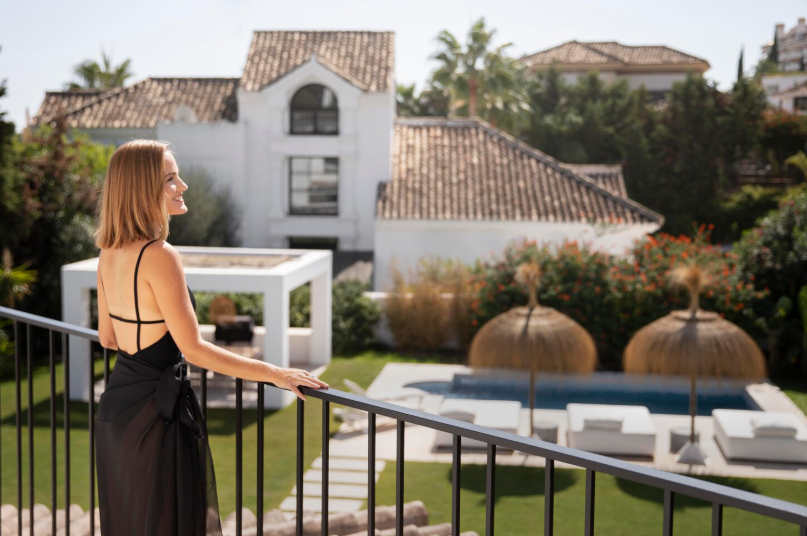
The Most Exclusive Private Villas in Europe for Long-Term Luxury Stays
A New Standard of European Living
For seasoned travelers and global executives, luxury is no longer defined by fleeting indulgence but by immersion, privacy, and permanence. Across Europe, an increasing number of discerning individuals are choosing long-term stays in exclusive private villas rather than traditional five-star hotels. These estates offer space, discretion, architectural beauty, and a lifestyle that feels less like a visit and more like true European living.
From Mediterranean coastlines to vineyard-covered hills and alpine panoramas, Europe’s private villas provide an unparalleled blend of heritage, comfort, and modern refinement. For those seeking extended stays—whether for a season, a sabbatical, or a lifestyle shift—these properties represent the pinnacle of quiet luxury.
The French Riviera: Secluded Grandeur with Timeless Appeal
The French Riviera has long attracted royalty, artists, and international business leaders. Beyond the iconic hotels of Cannes and Monaco lies a portfolio of discreet private villas tucked into the hills of Cap Ferrat, Mougins, and Èze. These estates offer panoramic sea views, terraced gardens, infinity pools, and private staff quarters designed for seamless long-term residence.
Many villas here are architectural masterpieces—Belle Époque mansions restored with contemporary interiors or sleek modernist compounds blending glass, stone, and Mediterranean light. For long-term tenants, services often include private chefs, security teams, yacht access, and tailored concierge management, creating a fully integrated lifestyle rather than a temporary stay.
Tuscany: Vineyard Estates for Slow, Cultured Living
In Tuscany, exclusivity is expressed through landscape and legacy. Restored farmhouses and noble estates surrounded by olive groves and vineyards provide an entirely different rhythm of luxury. These villas are ideal for long-term stays focused on tranquility, gastronomy, and cultural depth.
Properties often feature original stonework, frescoed ceilings, and expansive grounds, paired with modern wellness amenities such as spa facilities, private gyms, and wine cellars. For professionals seeking a seasonal base, Tuscany offers proximity to Florence’s art and Milan’s business centers while preserving a peaceful countryside setting.
Lake Como: Refined Waterside Elegance
Lake Como represents one of Europe’s most prestigious addresses for extended villa living. Historic waterfront estates with private docks, manicured gardens, and sweeping mountain views create an atmosphere of cinematic serenity.
Long-term residents benefit from privacy, boat access, and proximity to Milan’s international airports and financial district. Interiors often combine neoclassical detailing with contemporary Italian design, resulting in spaces that are both stately and inviting. For those balancing work and leisure, Lake Como offers a rare equilibrium.
The Balearic Islands: Contemporary Privacy in the Mediterranean
Mallorca and Ibiza have evolved beyond seasonal tourism into destinations for sophisticated long-term residents. In the countryside of Mallorca or along Ibiza’s quieter northern coast, minimalist villas emphasize open-plan design, sustainable materials, and indoor-outdoor living.
These properties frequently incorporate solar energy systems, organic gardens, private wellness pavilions, and expansive terraces designed for sunset views. For executives working remotely or dividing time between continents, the Balearics provide both discretion and vibrant cultural life.
The Swiss Alps: Discreet Mountain Retreats
For those who prefer alpine landscapes, Switzerland’s luxury chalets in St. Moritz, Gstaad, and Verbier offer year-round appeal. Designed for long-term occupancy, these residences combine traditional craftsmanship with cutting-edge technology—wine rooms, cinema lounges, spa suites, and ski-in/ski-out access.
Security and privacy are paramount, making alpine villas particularly attractive to high-profile individuals. With exceptional infrastructure, international schools, and financial services nearby, the Swiss Alps present a practical yet indulgent base for extended stays.
Provence and Andalusia: Sun-Drenched Sophistication
Provence offers understated elegance through restored mas farmhouses framed by lavender fields and olive orchards. Interiors highlight natural materials—limestone floors, exposed beams, and neutral palettes—while modern additions ensure comfort for long-term living.
Similarly, southern Spain’s Andalusian estates combine Moorish architectural influences with expansive courtyards and gardens. These villas provide warmth, privacy, and a strong sense of regional identity. For those seeking slower, more contemplative luxury, both regions deliver authenticity alongside refinement.
What Defines a Truly Exclusive Long-Term Villa?
Exclusivity in this market extends beyond price or square footage. The most desirable villas share several defining qualities:
- Architectural Integrity: A balance between historic character and modern comfort.
- Privacy and Security: Gated access, advanced surveillance systems, and secluded locations.
- Full-Service Capability: Dedicated staff accommodations, property managers, and concierge teams.
- Wellness Infrastructure: Private spas, fitness studios, treatment rooms, and outdoor leisure areas.
- Accessibility: Proximity to international airports and major cultural centers.
These elements transform a property from a vacation rental into a residence suitable for months or years of refined European living.
The Strategic Appeal of Long-Term Luxury Stays
For business leaders and global citizens, long-term villa living in Europe is often a strategic decision. It allows families to integrate into local communities, access international schools, and maintain a European presence without permanent relocation.
Additionally, extended stays foster deeper cultural engagement—relationships with local artisans, seasonal market routines, and immersion in regional traditions. Rather than moving rapidly between destinations, residents experience Europe as insiders.
Investing in Experience Over Excess
The appeal of exclusive villas lies not in ostentation but in thoughtful design and meaningful experience. Whether overlooking the Mediterranean, nestled among vineyards, or framed by alpine peaks, these properties offer something increasingly rare: time and space to live deliberately.
As luxury travel continues to evolve, the demand for long-term private villas reflects a broader shift toward intentional living. Europe, with its diversity of landscapes and cultures within short distances, remains uniquely positioned to offer this elevated yet grounded lifestyle.
Conclusion
The most exclusive private villas in Europe are more than prestigious addresses—they are gateways to a refined way of life. For those prepared to move beyond transient travel, long-term luxury stays offer continuity, privacy, and immersion in some of the world’s most captivating environments.
In choosing a European villa for extended residence, one is not simply selecting a property. One is selecting a pace, a perspective, and a deeper connection to place.
Stay Connected for More Travel and Lifestyle Inspiration. For more insights into travel, culture, and lifestyle tips, follow me on Instagram
@salvadorordorica.
If you’re seeking professional translation and localization services to enhance your global ventures, visit
The Spanish Group — your trusted partner in bridging cultures worldwide.

by Dulce Navarro | Mar 3, 2026 | Europe, Experiences, Lifestyle, Luxury, Travel
A Thoughtful Guide to Luxury Travel Across Europe
Redefining Luxury Through Intention
Luxury travel in Europe has evolved beyond grand hotels and first-class flights. For the modern traveler — particularly those balancing demanding professional lives — true luxury lies in intention. It is the art of choosing experiences that are meaningful, culturally immersive, and thoughtfully curated.
Europe remains uniquely positioned to deliver this level of refinement. Its layered history, regional diversity, and enduring commitment to craftsmanship create opportunities not only for comfort, but for depth. The key is approaching the continent with discernment rather than excess.
Italy: Living Well at a Deliberate Pace
Italy exemplifies experiential luxury. Whether along the Amalfi Coast, in Florence’s Renaissance corridors, or among the vineyards of Piedmont, the country rewards those who slow down. Private villa stays, curated wine tastings with local producers, and access to artisan workshops transform a visit into an education.
In cities such as Milan or Rome, refined travel might include after-hours access to cultural landmarks or bespoke shopping appointments with heritage brands. Yet the true luxury often lies in simpler pleasures — a long lunch overlooking Lake Como or a private cooking lesson in a countryside estate.
France: Elegance Without Display
France offers a masterclass in understated sophistication. Paris remains iconic, but thoughtful luxury may be found in the quieter corners of Provence, the vineyards of Bordeaux, or the coastal beauty of the French Riviera outside peak season.
The discerning traveler values privacy and authenticity: a private tour through a family-owned château, a personalized fragrance consultation in Grasse, or an intimate Michelin-starred dining experience. French luxury is not loud; it is precise, cultivated, and deeply rooted in tradition.
Switzerland: Precision and Serenity
For those seeking tranquility and natural grandeur, Switzerland delivers exceptional quality. Discreet alpine resorts, private rail journeys such as the Glacier Express, and lakeside retreats provide a balance between comfort and landscape.
Switzerland’s reputation for precision extends to hospitality. Seamless logistics, immaculate design, and respect for privacy make it particularly appealing to executives who value efficiency alongside beauty.
Spain: Culture, Craft, and Contemporary Energy
Spain blends heritage with modern creativity. Barcelona offers architectural brilliance and coastal ease, while Madrid provides access to world-class art collections and culinary innovation. Andalusia introduces Moorish history, intimate courtyards, and equestrian traditions.
Luxury in Spain often means engaging directly with local culture — private flamenco performances, curated gallery visits, or exclusive access to historic estates. It is a country where warmth and sophistication coexist naturally.
Greece: Minimalism Meets Majesty
The Greek islands, particularly Santorini, Paros, and Crete, combine dramatic landscapes with architectural simplicity. Whitewashed villas overlooking the Aegean Sea provide seclusion and restorative calm.
Thoughtful luxury here involves timing and discretion. Visiting outside peak months allows for greater privacy and authentic interaction with local communities. Private yacht charters or curated archaeological tours deepen the experience.
The Value of Personalization
Across Europe, personalization defines modern luxury. Travelers increasingly seek tailored itineraries designed around their interests — whether art, gastronomy, wellness, or history. Engaging local experts enhances both convenience and understanding.
Concierge services, multilingual guides, and seamless transfers ensure that every element aligns with one’s expectations. True luxury eliminates friction, allowing travelers to focus fully on the experience.
Wellness as a Cornerstone
Wellness has become integral to European luxury travel. From thermal baths in Budapest to spa retreats in the Austrian Alps, opportunities for restoration abound. Many historic properties now integrate contemporary wellness programs that include personalized nutrition, fitness, and mindfulness components.
Balancing cultural exploration with restorative practices ensures that travel enhances well-being rather than depletes it.
Sustainability and Responsible Indulgence
Thoughtful luxury also considers environmental and cultural impact. Supporting boutique hotels, regional producers, and sustainable initiatives contributes positively to local economies. Many European destinations now prioritize eco-conscious practices without compromising comfort.
Choosing experiences that respect heritage and environment reflects a deeper understanding of what refined travel truly means.
Leadership Lessons from the Journey
As a company director, I often reflect on how travel parallels leadership. Successful organizations, like exceptional journeys, require preparation, adaptability, and cultural awareness. Europe’s diversity reminds us that excellence manifests differently across regions — yet quality, authenticity, and integrity remain universal standards.
Luxury travel across Europe is not about collecting destinations. It is about cultivating perspective. It is about returning home not only rested, but enriched.
Conclusion: Traveling With Purpose
A thoughtful approach to luxury travel transforms Europe into more than a backdrop. It becomes a dynamic classroom of art, history, innovation, and human connection. By prioritizing meaning over spectacle and personalization over excess, travelers unlock the continent’s most rewarding experiences.
In the end, the highest form of luxury is intentionality — choosing where to go, how to engage, and why the journey matters.
Stay Connected for More Travel and Lifestyle Inspiration. For more insights into travel, culture, and lifestyle tips, follow me on Instagram
@salvadorordorica. If you’re seeking professional translation and localization services to enhance your global ventures, visit The Spanish Group — your trusted partner in bridging cultures worldwide.
