
by Dulce Navarro | Mar 3, 2026 | Culture, Europe, Experiences, Lifestyle, Luxury, Travel
Paris for the Experienced Traveler Seeking Refinement
Beyond First Impressions
Paris is often introduced through its most recognizable icons — the Eiffel Tower, the Champs-Élysées, the Louvre. Yet for the experienced traveler, refinement lies beyond first impressions. Paris rewards those who have moved past checklist tourism and now seek nuance, discretion, and depth.
For the seasoned visitor, the city becomes less about monuments and more about atmosphere. It is found in the quiet rhythm of a morning along the Seine, in the understated elegance of a neighborhood café, and in the architectural harmony that makes even the simplest street feel curated.
The Art of Staying Well
Refined travel begins with where one stays. Paris offers an array of distinguished accommodations that prioritize discretion and service over spectacle. Properties such as Hôtel Plaza Athénée, Le Meurice, and La Réserve Paris exemplify the city’s dedication to heritage, privacy, and impeccable hospitality.
These establishments are not merely hotels; they are extensions of Parisian culture. Staff members often anticipate needs before they are voiced. Interiors reflect both historical reverence and contemporary restraint. For the experienced traveler, this level of attentiveness transforms a visit into a residence.
Culinary Excellence Without Excess
Paris remains one of the world’s great culinary capitals, yet refinement today favors subtle mastery rather than ostentation. Michelin-starred institutions such as Guy Savoy or Le Cinq deliver precision and artistry, but equally compelling are smaller bistros where technique is expressed with quiet confidence.
The seasoned traveler understands that the essence of Parisian dining lies not in extravagance, but in execution. A perfectly prepared sole meunière, a thoughtfully curated wine list, or an expertly crafted tarte Tatin can leave a deeper impression than the most elaborate tasting menu.
Private Encounters with Art and Culture
While the Louvre and Musée d’Orsay remain extraordinary, refinement often involves experiencing them differently. Private guided visits before opening hours or curated tours focused on a specific movement — Impressionism, Renaissance sculpture, or modern photography — offer intellectual engagement beyond surface admiration.
Paris also rewards exploration of lesser-known institutions such as Musée Jacquemart-André or Musée Marmottan Monet. These spaces allow for reflection without crowds, where one can study brushstrokes and historical context in peace.
The Elegance of the Neighborhoods
Each arrondissement offers a distinct character, and refinement lies in choosing experiences aligned with one’s sensibilities. The 7th arrondissement embodies classical Parisian dignity, while Saint-Germain-des-Prés blends literary heritage with contemporary sophistication. The Marais offers a dialogue between medieval architecture and modern design.
Walking remains the most refined mode of discovery. Paris unfolds gradually, revealing hidden courtyards, artisan workshops, and architectural details invisible from a passing car. It is a city best absorbed at a deliberate pace.
Discerning Shopping and Craftsmanship
For travelers seeking refinement, shopping in Paris transcends acquisition. It becomes a study of craftsmanship. Beyond flagship boutiques on Avenue Montaigne, one finds independent ateliers specializing in bespoke tailoring, handmade fragrances, and artisanal leather goods.
True luxury lies in dialogue with the maker — understanding materials, techniques, and heritage. Whether commissioning a custom shirt or selecting a rare fragrance, the process itself becomes part of the experience.
Seasonal Paris: A Study in Atmosphere
Paris transforms with the seasons, and each offers its own refinement. Spring introduces subtle blossoms along the Seine and in the Jardin des Tuileries. Summer evenings extend gracefully, ideal for late dinners outdoors. Autumn brings intellectual energy as galleries unveil new exhibitions. Winter, perhaps most refined of all, wraps the city in a contemplative calm.
The experienced traveler chooses timing intentionally, understanding that Paris reveals different facets depending on when and how one arrives.
Language, Etiquette, and Presence
Refinement in Paris is also behavioral. A simple “Bonjour” upon entering a boutique or café sets the tone for respectful interaction. Observing local customs — from dining etiquette to conversational nuance — reflects cultural awareness.
Paris responds positively to those who approach it with consideration. For the experienced traveler, this mutual respect deepens every exchange.
Paris as a Reflection of Leadership
There is a reason Paris continues to attract leaders, creatives, and visionaries. The city embodies balance — between history and innovation, formality and spontaneity, tradition and evolution. These qualities resonate beyond travel.
As a company director, I often view Paris as a metaphor for refined leadership. Success, like the city itself, is not built on speed but on thoughtful structure. It is cultivated through attention to detail, commitment to excellence, and respect for legacy.
Conclusion: The Reward of Discernment
Paris offers many layers. For the inexperienced traveler, it dazzles. For the experienced traveler, it refines. The city becomes less about what is seen and more about how it is experienced — with patience, curiosity, and discernment.
In Paris, refinement is not performative. It is lived. It is found in restraint, in mastery, and in quiet confidence. Those who seek it will find that the city continues to evolve, revealing new dimensions with each return.
Stay Connected for More Travel and Lifestyle Inspiration. For more insights into travel, culture, and lifestyle tips, follow me on Instagram
@salvadorordorica. If you’re seeking professional translation and localization services to enhance your global ventures, visit
The Spanish Group — your trusted partner in bridging cultures worldwide.
by Dulce Navarro | Mar 2, 2026 | Culture, Europe, Experiences, Lifestyle, Luxury, Travel
Italy as an Invitation to Slow, Meaningful Travel
Rediscovering the Art of Traveling Well
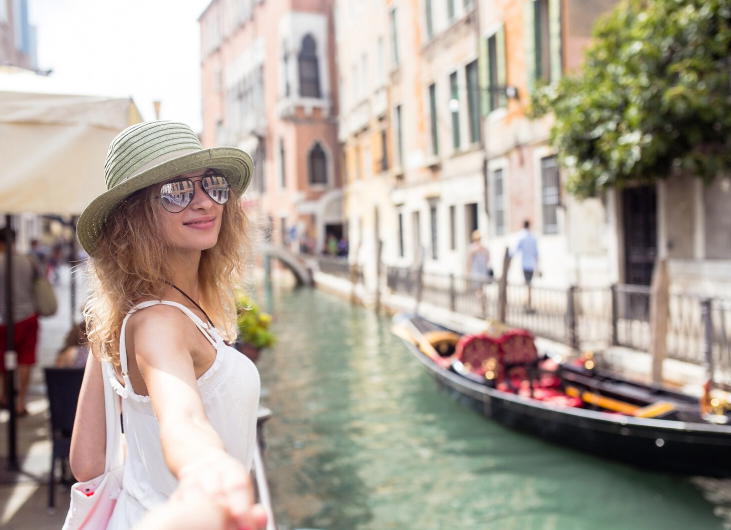
In an era defined by speed, efficiency, and checklist tourism, Italy offers something radically different: an invitation to slow down. Rather than racing from landmark to landmark, Italy rewards those who linger — who sit longer at the café, who take the scenic train instead of the fastest route, who wander side streets without an agenda. Meaningful travel in Italy is not about consumption; it is about immersion.
From the Renaissance streets of Florence to the quiet vineyards of Piedmont, from the cliffside villages of the Amalfi Coast to the rolling countryside of Tuscany, Italy encourages presence. It reminds us that travel is not measured in attractions visited but in moments deeply experienced.
La Dolce Vita: A Philosophy, Not a Slogan
The phrase la dolce vita — the sweet life — is often romanticized, yet in Italy it reflects a practical philosophy. Meals are not rushed. Conversations are not transactional. Even business is conducted with an appreciation for relationship and context. This cultural rhythm invites travelers to align with a slower cadence.
In cities like Rome, where ancient ruins coexist with vibrant daily life, one quickly understands that time is layered. The Colosseum stands as it has for centuries, while locals gather in nearby piazzas as they have for generations. The experience is not about spectacle; it is about continuity. Italy teaches us that beauty is not fleeting when it is integrated into everyday life.
Regional Diversity that Rewards Patience
Italy’s richness lies in its regional identities. Each region possesses its own dialects, culinary traditions, architectural styles, and rhythms of living. To truly appreciate Italy, one must resist the urge to compress it into a single itinerary.
In Emilia-Romagna, one discovers the origins of Parmigiano Reggiano and traditional balsamic vinegar, products that require years — sometimes decades — to perfect. In Sicily, layers of Greek, Arab, and Norman influence unfold through cuisine and architecture. In the lakeside elegance of Lake Como, serenity becomes a central character in the journey.
Meaningful travel means choosing depth over breadth. Spending three days in one Tuscan village may offer more insight than visiting five cities in a week. Italy rewards those who stay.
Culinary Traditions as Cultural Education
Food in Italy is not merely nourishment; it is narrative. Every dish carries geographic, historical, and familial identity. A plate of handmade pasta in Bologna speaks of craftsmanship passed down through generations. A simple margherita pizza in Naples reflects pride in regional ingredients and technique.
Slow travel in Italy often centers around the table. Long lunches, wine tastings at family-run vineyards, and market visits with local chefs become immersive experiences. Rather than sampling superficially, travelers are invited to understand provenance — why olive oil from one region tastes different from another, why certain wines thrive in volcanic soil.
Art and Architecture Beyond the Surface
Italy houses some of the world’s most significant artistic treasures. Yet meaningful engagement requires more than a hurried museum visit. In Vatican City, standing beneath Michelangelo’s Sistine Chapel ceiling becomes transformative when approached with context and reflection. In Venice, understanding the city’s fragile ecosystem deepens appreciation beyond its visual romance.
Italy encourages contemplation. Churches, piazzas, and galleries are not just attractions but spaces of reflection. Travelers who pause — who sit quietly in a Renaissance courtyard or observe daily life unfolding in a small-town square — experience Italy more fully.
The Luxury of Time
True luxury in Italy is not defined solely by five-star accommodations, though they are plentiful. It is defined by time. Time to stroll through cobblestone streets without urgency. Time to converse with artisans in local workshops. Time to watch the sunset over the Mediterranean without distraction.
In regions like Puglia, where whitewashed towns meet crystalline waters, simplicity becomes elevated. In Umbria, often called Italy’s green heart, the absence of crowds creates space for reflection. These destinations remain authentic precisely because they encourage slower exploration.
Human Connection at the Center
Italy’s hospitality is deeply personal. Family-owned hotels, generational trattorias, and local guides bring warmth that cannot be replicated by standardized experiences. Conversations matter. Stories matter. Relationships matter.
When travelers engage with Italy in this way, they move beyond observation into participation. They learn phrases in Italian. They understand customs. They return home not only with photographs but with perspective.
A Model for Intentional Living
Italy ultimately offers more than a destination; it offers a model. It demonstrates that excellence is achieved through patience, that quality requires care, and that enjoyment is not indulgence but appreciation. These principles resonate far beyond travel.
As a company director, I have often reflected on how Italy’s approach to life parallels sustainable leadership. Thoughtful pacing, respect for craftsmanship, and investment in relationships yield enduring results — whether in business or in personal experience. Italy reminds us that the most meaningful outcomes are rarely rushed.
Conclusion: Travel as Transformation
Italy stands as an invitation — to slow down, to savor, to connect. It encourages travelers to trade urgency for awareness and itineraries for intention. In doing so, it transforms travel from a series of transactions into a deeply human experience.
When we approach Italy with patience and openness, we discover that the journey is not about how much we see, but how fully we experience what is before us. That is the essence of slow, meaningful travel.
Stay Connected for More Travel and Lifestyle Inspiration. For more insights into travel, culture, and lifestyle tips, follow me on Instagram @salvadorordorica. If you’re seeking professional translation and localization services to enhance your global ventures, visit The Spanish Group — your trusted partner in bridging cultures worldwide.
by Dulce Navarro | Mar 2, 2026 | Culture, Europe, Experiences, Lifestyle, Luxury, Travel
Europe’s Most Beautiful Destinations That Remain Understated
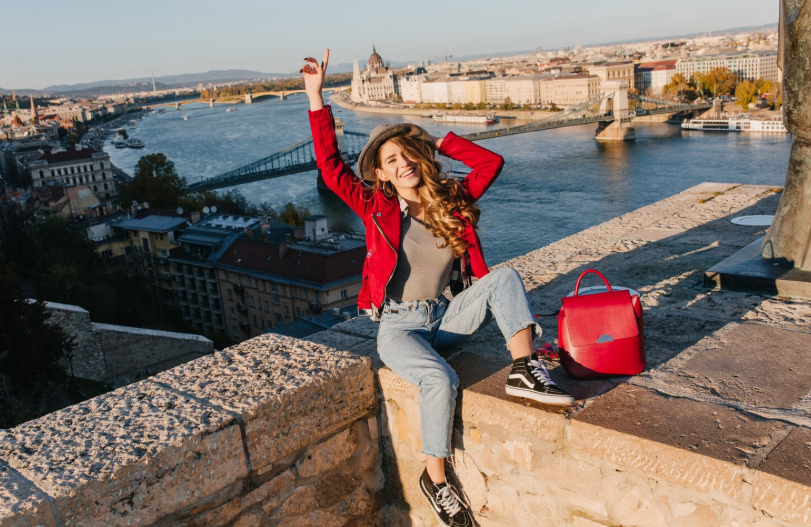
Europe’s most iconic cities—Paris, Rome, London—continue to captivate travelers year after year. Yet beyond these celebrated capitals lies another Europe: one defined not by spectacle, but by quiet beauty, cultural depth, and authenticity. For discerning travelers seeking refinement without excess, Europe offers remarkable destinations that remain understated, where heritage, landscape, and local life take center stage.
These destinations do not rely on grandiosity or crowds to impress. Instead, they offer timeless architecture, preserved traditions, and landscapes that feel personal rather than performative. For business leaders, cultural enthusiasts, and global citizens alike, discovering these hidden gems provides a richer and more meaningful travel experience.
Ljubljana, Slovenia: A Capital of Grace and Sustainability
The charming capital of Slovenia, Ljubljana, embodies understated elegance. Compact and walkable, the city is known for its pedestrian-friendly center, baroque façades, and the serene Ljubljanica River winding through its heart. The city’s architectural character owes much to the visionary work of Jože Plečnik, whose bridges and colonnades lend cohesion and grace.
Beyond aesthetics, Ljubljana stands out as one of Europe’s greenest capitals. Sustainability initiatives, local markets, and a strong café culture create an atmosphere that feels progressive yet intimate. The nearby Lake Bled and Triglav National Park provide easy access to alpine beauty without overwhelming tourism.
Colmar, France: Storybook Alsace Without the Crowds
In northeastern France, Colmar offers half-timbered houses, canals, and a viticultural heritage that rivals more publicized French regions. Often overshadowed by Strasbourg, Colmar feels more personal and tranquil. Its preserved medieval architecture and vibrant façades create a setting that feels cinematic yet authentic.
The Alsace Wine Route nearby allows visitors to explore family-owned vineyards and centuries-old villages. Rather than hurried tastings, the experience here encourages conversation and connection, embodying a slower, more thoughtful approach to travel.
Porto, Portugal: Heritage with Humility
While Lisbon draws increasing global attention, Porto maintains a quieter confidence. Overlooking the Douro River, Porto’s layered rooftops and azulejo-tiled churches reflect centuries of maritime history and craftsmanship. Its Ribeira district, a UNESCO World Heritage site, retains a lived-in authenticity that feels both historic and contemporary.
Port wine cellars across the river in Vila Nova de Gaia offer tastings rooted in tradition rather than spectacle. The city’s culinary scene emphasizes substance over trend, with fresh seafood, regional wines, and family-run establishments anchoring its appeal.
Ghent, Belgium: Medieval Majesty, Modern Energy
Often eclipsed by Bruges, Ghent presents one of Europe’s most impressive yet understated skylines. Gothic spires, guild houses, and the imposing Gravensteen Castle create a sense of medieval grandeur without overwhelming visitor traffic.
At the same time, Ghent thrives as a university city, blending innovation with heritage. Independent boutiques, contemporary art spaces, and a vibrant culinary culture coexist with centuries-old cathedrals. The result is a destination that feels dynamic yet grounded.
Lake Bohinj, Slovenia: Alpine Serenity Redefined
While Lake Bled garners global recognition, nearby Lake Bohinj remains tranquil and expansive. Nestled within Triglav National Park, Bohinj offers pristine waters framed by the Julian Alps. Here, nature is experienced without excess infrastructure or commercialization.
Travelers can hike, kayak, or simply absorb the stillness of the landscape. For executives seeking clarity and reflection, Bohinj offers a restorative environment that feels both elevated and untouched.
Matera, Italy: Ancient Beauty Reimagined
In southern Italy’s Basilicata region lies Matera, one of the world’s oldest continuously inhabited cities. Its ancient cave dwellings, known as the “Sassi,” have been thoughtfully restored into boutique hotels and cultural spaces. Once overlooked, Matera has emerged as a symbol of preservation done right.
Unlike more crowded Italian destinations, Matera invites contemplation. Wandering its stone pathways at dusk reveals a city that feels timeless rather than curated for tourism. It is a powerful example of how heritage can be revitalized without sacrificing authenticity.
Ronda, Spain: Dramatic Landscapes, Quiet Sophistication
Perched above a dramatic gorge in Andalusia, Ronda offers sweeping views and architectural distinction. The Puente Nuevo bridge, spanning the El Tajo gorge, provides one of Spain’s most striking vistas—yet the town retains a measured pace.
Ronda’s historic bullring and whitewashed streets reflect Andalusian tradition without the intensity of larger Spanish cities. Vineyards and olive groves surrounding the region further enhance its understated appeal.
Tallinn, Estonia: Digital Innovation Meets Medieval Charm
In Northern Europe, Tallinn seamlessly combines technological innovation with medieval preservation. Its Old Town, a UNESCO World Heritage site, features cobblestone streets and fortified walls that transport visitors to another era.
Simultaneously, Estonia’s reputation as a digital leader shapes Tallinn’s forward-thinking identity. The blend of historical depth and modern governance creates a distinctive atmosphere—one that appeals to globally minded travelers seeking substance over spectacle.
The Value of Understatement in Modern Travel
In an age where social media often prioritizes visibility over experience, understated destinations offer a refreshing alternative. They encourage presence rather than performance. For leaders and entrepreneurs accustomed to high-pressure environments, these locations provide space to think, reconnect, and observe local culture in its genuine form.
Understated beauty is not about lesser quality—it is about refined selectivity. It favors craftsmanship over hype, intimacy over crowds, and meaning over mass appeal. Europe’s quieter destinations remind us that true sophistication rarely needs to announce itself loudly.
Travel with Intention
As global travel continues to evolve, thoughtful exploration becomes increasingly important. Choosing destinations that value sustainability, cultural preservation, and community engagement supports not only richer personal experiences but also responsible tourism.
Europe’s most beautiful understated destinations offer more than scenic backdrops; they provide perspective. They allow travelers to engage deeply with history, cuisine, architecture, and landscape—without distraction.
Stay Connected for More Travel and Lifestyle Inspiration. For more insights into travel, culture, and lifestyle tips, follow me on Instagram @salvadorordorica. If you’re seeking professional translation and localization services to enhance your global ventures, visit The Spanish Group — your trusted partner in bridging cultures worldwide.
by Dulce Navarro | Feb 27, 2026 | Europe, Experiences, Lifestyle, Luxury, Travel
Spain for Travelers Who Prefer Authenticity to Excess
In an era where luxury travel is often equated with exclusivity, high price tags, and curated perfection, Spain offers something far more meaningful: authenticity. For travelers who value culture over spectacle, tradition over trend, and human connection over extravagance, Spain remains one of the most compelling destinations in the world.
As a country deeply rooted in history yet vibrantly alive in the present, Spain rewards those who slow down. It invites you to step beyond the polished façades of five-star resorts and immerse yourself in everyday life — in village plazas, family-run restaurants, centuries-old markets, and coastal towns where time moves with the rhythm of the sea.
A Culture Lived, Not Performed
Authentic travel in Spain begins with understanding that culture here is not staged for visitors — it is lived. In cities like Seville, Valencia, and Bilbao, daily life unfolds in public squares where neighbors gather in the evenings, children play under the watchful eyes of grandparents, and conversations stretch late into the night.
Spain’s festivals are not spectacles designed for tourism; they are deeply rooted expressions of regional identity. Whether it is a local feria, a religious procession, or a harvest celebration, these events reflect centuries of tradition and communal pride. Participating respectfully in these traditions allows travelers to connect with Spain at a far deeper level than any luxury experience could offer.
The Beauty of Regional Diversity
One of Spain’s most extraordinary qualities is its regional diversity. Each autonomous community has its own traditions, dialects, gastronomy, and architectural identity. Traveling authentically means embracing this mosaic rather than limiting oneself to the most internationally famous cities.
In the north, green landscapes stretch across Asturias and Galicia, where seafood is served simply and impeccably fresh. In the south, Andalusia offers whitewashed villages and Moorish architectural influences that tell the story of centuries of cultural exchange. In Catalonia and the Basque Country, innovation and heritage coexist in remarkable harmony.
Choosing smaller towns over major tourist hubs often reveals the Spain that locals cherish most. Places like Ronda, Cadaqués, or Úbeda offer profound beauty without the overwhelming crowds, allowing visitors to appreciate architecture, cuisine, and conversation at an unhurried pace.
Gastronomy Rooted in Simplicity
Spanish cuisine is perhaps one of the clearest reflections of the country’s authenticity. Rather than elaborate presentation, Spanish food celebrates high-quality ingredients prepared with restraint and respect for tradition.
A plate of jamón ibérico carved by hand, fresh tomatoes drizzled with olive oil, grilled sardines by the sea, or a simple tortilla española served in a neighborhood bar embody Spain’s culinary philosophy. Meals are not rushed; they are social rituals. Long lunches, late dinners, and shared tapas reinforce the importance of connection and conversation.
For travelers who prefer substance over spectacle, Spain’s gastronomy offers genuine pleasure without pretense.
Architecture that Tells a Story
Spain’s architectural landscape is a testament to its layered history. Roman aqueducts, Gothic cathedrals, Islamic palaces, and avant-garde contemporary structures coexist across the country. Visiting these sites with curiosity rather than checklist urgency transforms sightseeing into meaningful discovery.
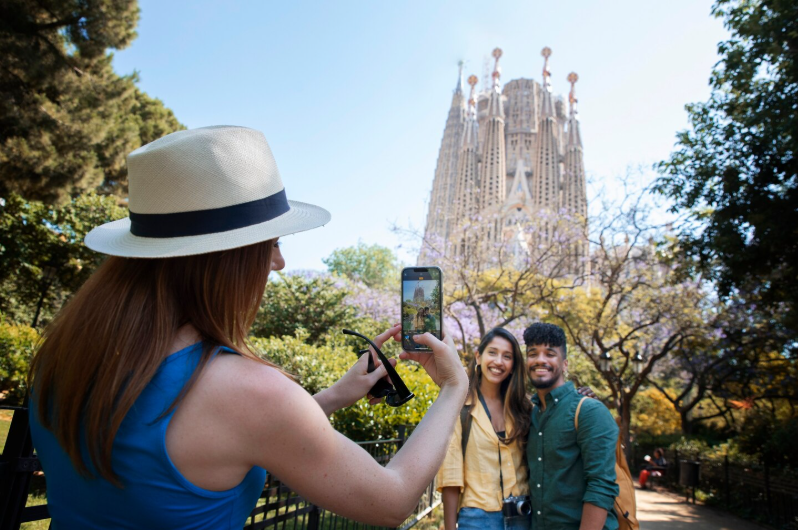
The Alhambra in Granada reflects centuries of Islamic artistry. The Sagrada Família in Barcelona represents visionary ambition and faith. Meanwhile, small village churches and quiet monasteries offer moments of reflection that rival the grandeur of more famous landmarks.
Authentic travel in Spain involves not only observing these spaces but understanding the cultural intersections that shaped them.
The Art of Slow Living
Perhaps Spain’s most valuable lesson for modern travelers is the art of slowing down. The concept of “sobremesa” — lingering at the table after a meal — reflects a broader cultural mindset. Time is not merely scheduled; it is experienced.
Afternoons may include a walk through a local market, a coffee in a shaded plaza, or a conversation with a shopkeeper who has run the same family business for decades. Even in cosmopolitan centers like Madrid and Barcelona, pockets of calm exist for those willing to seek them.
Travelers who approach Spain without rigid itineraries often discover their most memorable experiences in unscripted moments: a recommendation from a taxi driver, an invitation to a neighborhood celebration, or an impromptu flamenco performance in a modest venue.
Sustainable and Meaningful Exploration
Authenticity also aligns with sustainability. Supporting local artisans, dining in family-owned establishments, and staying in boutique accommodations contribute to the preservation of regional character.
Spain’s rural tourism initiatives, vineyard stays, and agritourism experiences allow visitors to engage directly with producers and communities. These experiences not only reduce environmental impact but also create deeper understanding and appreciation.
In an age where overtourism challenges many destinations, choosing lesser-known regions and traveling thoughtfully ensures that Spain’s cultural heritage remains vibrant for future generations.
Connection Over Consumption
Ultimately, Spain for the authenticity-minded traveler is about connection — connection to history, to community, to food, to landscape, and to oneself. It is not about excess or extravagance. It is about richness measured in experience rather than expense.
The warmth of Spanish hospitality, the pride in regional identity, and the daily rituals that shape local life create an environment where visitors feel welcomed rather than processed.
For those who seek travel that resonates beyond social media imagery — travel that educates, grounds, and inspires — Spain remains one of the world’s most rewarding destinations.
Conclusion
Spain offers an alternative to the excess often associated with global travel. It provides depth where others provide display, meaning where others offer momentary spectacle. By embracing regional diversity, savoring simple yet extraordinary cuisine, and engaging with local communities, travelers can experience a Spain that is genuine, enduring, and profoundly enriching.
Stay Connected for More Travel and Lifestyle Inspiration. For more insights into travel, culture, and lifestyle tips, follow me on Instagram @salvadorordorica. If you’re seeking professional translation and localization services to enhance your global ventures, visit The Spanish Group — your trusted partner in bridging cultures worldwide.
by Dulce Navarro | Feb 27, 2026 | Europe, Experiences, Lifestyle, Luxury, Travel
The Luxury of Knowing Where Not to Go in Europe
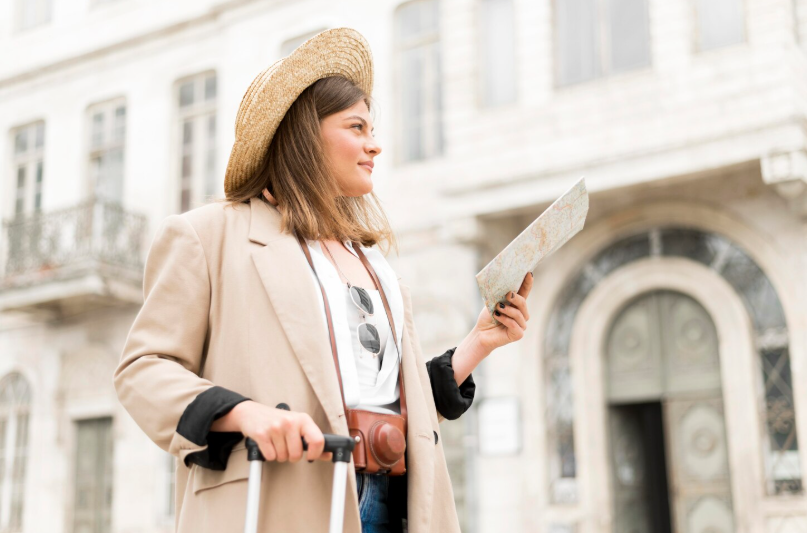
Luxury travel has evolved. It is no longer defined solely by five-star hotels, private transfers, or coveted reservations. Today, true luxury is discretion. It is space. It is the ability to move through the world without friction, noise, or spectacle. In Europe especially, one of the most refined travel skills is knowing not only where to go — but where not to go.
Europe remains one of the most visited regions on the planet. Cities like Paris, Rome, Barcelona, and Amsterdam attract tens of millions of visitors annually. While their cultural significance is unquestionable, their popularity often transforms what should be intimate experiences into crowded, hurried encounters. For the quietly sophisticated traveler, the ultimate indulgence is not access — it is discernment.
The Hidden Cost of Overexposure
Mass tourism has reshaped many of Europe’s most iconic destinations. Historic centers have become saturated with souvenir shops, short-term rentals, cruise ship groups, and long queues for landmarks. In cities such as Venice and Dubrovnik, local governments have introduced visitor caps and restrictions in response to overtourism.
The consequence is not merely inconvenience. It is dilution. The atmosphere that once defined these places — the rhythm of local life, the authenticity of neighborhood cafés, the subtlety of cultural rituals — becomes harder to access amid the crowds.
Luxury travelers increasingly recognize that avoiding these pressure points is not about elitism; it is about preservation. Choosing alternatives allows for deeper immersion and more meaningful engagement.
Reconsidering the “Must-See” Mentality
There is a pervasive belief that certain European landmarks must be experienced firsthand. The Eiffel Tower at sunset. The Trevi Fountain at dawn. The narrow streets of Santorini in summer. Yet the question sophisticated travelers ask is different: What is the quality of that experience today?
Standing shoulder to shoulder with hundreds of others, waiting for the perfect photograph, rarely embodies the spirit of European refinement. Instead, the luxury lies in selecting destinations and seasons that preserve atmosphere.
For example, instead of peak-season Santorini, consider lesser-visited Greek islands such as Folegandros or Milos. Rather than central Venice in midsummer, explore the Veneto region’s quieter towns or arrive in the off-season when mist settles gently over the canals. Europe rewards those who travel with intention.
The Power of Seasonality
Timing is often more important than geography. Europe’s high season — typically June through August — brings not only warm weather but density. Flights are full, restaurants are overbooked, and historic centers feel compressed.
Traveling in the shoulder seasons — April to early June and September to October — transforms the experience. Light softens. Locals reclaim their spaces. Cultural events continue, but without the overwhelming surge of visitors. In cities such as Florence, Vienna, or Seville, autumn provides a richer sensory experience than midsummer ever could.
Knowing when not to go is an exercise in patience — and patience is one of luxury’s most undervalued traits.
Choosing Depth Over Display
Another dimension of knowing where not to go involves resisting destinations driven primarily by social media visibility. Some locations have become stages rather than places. Travelers arrive not to absorb, but to broadcast.
Refined travel values depth over display. Instead of racing between landmarks, it favors longer stays in fewer places. It prioritizes relationships — with local artisans, chefs, historians, and winemakers — over checklist tourism.
Consider exploring regional France beyond the Riviera’s most photographed stretches, or northern Spain’s quieter coastal villages rather than Barcelona’s busiest corridors. In Italy, towns in Umbria or Le Marche often offer the same architectural splendor as Tuscany, without the density.
The luxury is not in avoiding culture — it is in encountering it without interference.
The Psychological Freedom of Selectivity
Travel fatigue often stems from excess — too many reservations, too many transfers, too many expectations. Curating a European itinerary requires restraint. It means acknowledging that one cannot, and should not, see everything.
When travelers eliminate oversaturated stops, they create space for spontaneity. An afternoon lingers longer. A conversation unfolds without schedule pressure. A museum visit becomes contemplative rather than hurried.
In this sense, knowing where not to go is an act of self-awareness. It aligns travel choices with personal values rather than public narratives.
Preserving Europe’s Cultural Integrity
Responsible luxury also considers impact. Overtourism strains infrastructure, raises housing costs for residents, and alters the fabric of historic neighborhoods. By diverting attention to emerging or secondary destinations, travelers contribute to a more balanced economic ecosystem.
Cities such as Lyon, Bologna, Porto, and Antwerp offer extraordinary culinary and artistic traditions without the intensity of Europe’s most saturated capitals. These places thrive on thoughtful visitation rather than volume.
Discerning travel, therefore, becomes both a personal benefit and a cultural contribution.
The Art of Substitution
The refined traveler understands substitution. If one iconic site is overcrowded, there is often a comparable — and sometimes superior — alternative nearby.
If Lake Como is at peak saturation, explore Lake Orta. If Ibiza’s clubs dominate summer headlines, seek the understated elegance of Menorca. If central Amsterdam feels congested, venture into Utrecht or Haarlem for canal-lined charm with local cadence intact.
Europe’s richness lies in its layers. Its secondary cities and lesser-known regions often reveal more authenticity than headline destinations.
A New Definition of European Luxury
Ultimately, the luxury of knowing where not to go in Europe reflects maturity. It signals a shift from consumption to cultivation. It prioritizes experience over exposure, atmosphere over agenda, and presence over performance.
Europe rewards travelers who listen — to seasonal rhythms, to local guidance, to subtle cultural cues. In doing so, they discover that absence can be as powerful as presence. The destinations they omit create the clarity that defines their journey.
In a continent layered with centuries of history, art, and refinement, discernment becomes the most sophisticated travel accessory. It is not about avoiding beauty — it is about choosing the conditions under which beauty can be truly appreciated.
Stay Connected for More Travel and Lifestyle Inspiration
For more insights into travel, culture, and lifestyle tips, follow me on Instagram @salvadorordorica. If you’re seeking professional translation and localization services to enhance your global ventures, visit The Spanish Group — your trusted partner in bridging cultures worldwide.
