
by Dulce Navarro | Oct 3, 2025 | Europe, Hotels, Lifestyle, Luxury, Travel
Staying in Paris’s Most Secluded Luxury Boutique Hotels
Paris, the City of Light, is known for its iconic landmarks, world-class cuisine, and vibrant cultural scene. While many visitors flock to famous hotels near the Eiffel Tower or Champs-Élysées, there exists a refined alternative: secluded luxury boutique hotels that offer privacy, intimacy, and an unparalleled Parisian experience. These hidden gems provide discerning travelers with personalized service, sophisticated design, and the comfort of exclusivity, making them perfect for those seeking a more intimate stay in the heart of the city.
What Defines a Luxury Boutique Hotel?
Luxury boutique hotels are smaller, more intimate establishments that emphasize unique design, exceptional service, and personalized experiences. Unlike large hotel chains, boutique hotels offer individually decorated rooms, attention to detail, and a sense of privacy. In Paris, these hotels often combine historic architecture with contemporary luxury, creating a charming and exclusive atmosphere for their guests.
Why Choose Secluded Hotels in Paris?
Staying in a secluded boutique hotel allows travelers to enjoy Paris at their own pace, away from the crowds. These hotels often occupy quiet streets, hidden courtyards, or charming neighborhoods, offering an oasis of calm while remaining close to the city’s attractions. Guests can savor the luxury of attentive service, gourmet breakfasts, and curated experiences that are often unavailable at larger hotels.
Top Secluded Luxury Boutique Hotels in Paris
1. Hôtel Providence Paris
Located in the vibrant 10th arrondissement, Hôtel Providence combines historic charm with modern luxury. Each room is uniquely decorated with vintage furniture, luxurious fabrics, and bespoke artwork. The hotel’s intimate atmosphere, combined with its discreet service, makes it a haven for travelers seeking privacy. Guests can enjoy a stylish cocktail bar, a gourmet restaurant, and personalized concierge services to arrange private tours or experiences in Paris.
2. La Réserve Paris
La Réserve is a sophisticated boutique hotel tucked away in the 8th arrondissement, offering an oasis of tranquility near the Champs-Élysées. Its elegantly appointed suites feature marble bathrooms, custom furnishings, and private terraces. The hotel boasts a Michelin-starred restaurant, a serene spa, and personalized butler services. This secluded retreat provides an ideal balance of luxury, privacy, and accessibility to Paris’s main attractions.
3. Hotel des Grands Boulevards
Housed in a historic 18th-century building, Hotel des Grands Boulevards offers a contemporary and playful design with a focus on comfort and style. Located in a quiet street in the 2nd arrondissement, it combines the charm of Parisian architecture with modern luxury. Guests enjoy a rooftop terrace, intimate lounges, and a boutique cinema, making it a perfect choice for travelers seeking a secluded yet culturally rich experience.
4. Le Roch Hotel & Spa
Le Roch Hotel & Spa is situated in the heart of Paris, yet provides a peaceful and intimate environment for its guests. The boutique hotel features individually styled rooms, a serene spa, and a cozy library. Guests can enjoy gourmet dining on-site or explore nearby cafes and boutiques. The hotel’s attentive service ensures that each guest experience is tailored to individual preferences, offering both privacy and comfort.
5. Hotel Henriette
Located on a quiet street in the Latin Quarter, Hotel Henriette blends vintage charm with modern elegance. Its boutique rooms are decorated with warm colors, luxurious fabrics, and unique artwork. Guests can enjoy a peaceful courtyard, a breakfast room with freshly prepared gourmet meals, and a location that provides easy access to both historic landmarks and hidden neighborhood gems. Hotel Henriette is perfect for travelers seeking an authentic and secluded Parisian experience.
Benefits of Staying in a Secluded Boutique Hotel
- Privacy and Tranquility: Escape the hustle of busy tourist areas and enjoy a peaceful retreat.
- Personalized Service: Boutique hotels emphasize individualized attention, ensuring every guest’s needs are met.
- Unique Design: Rooms often feature bespoke furnishings, original artwork, and distinctive décor that reflect Parisian style.
- Exclusive Experiences: Guests can access curated local experiences, private tours, and insider recommendations.
- Proximity to Hidden Gems: While secluded, these hotels often place guests near charming neighborhoods, artisanal shops, and local cafes.
Tips for Booking a Secluded Boutique Hotel in Paris
1. Research Neighborhoods: Look for hotels in quieter areas such as the Marais, Latin Quarter, or Saint-Germain-des-Prés for privacy while staying central.
2. Check Amenities: Ensure the hotel provides the level of comfort and services you expect, from spa treatments to in-room dining.
3. Read Reviews: Prioritize boutique hotels with excellent guest feedback for both service and atmosphere.
4. Book Early: These small hotels often have limited rooms, so early booking is essential, especially during peak travel seasons.
5. Engage with Concierge Services: Boutique hotels often offer personalized recommendations and bookings for unique Parisian experiences.
Conclusion
Paris’s most secluded luxury boutique hotels offer travelers an intimate, refined, and unforgettable experience. From historic buildings to contemporary designs, these hidden gems combine privacy, elegance, and personalized service, providing the perfect base to explore the City of Light. By choosing a secluded boutique hotel, visitors can enjoy the tranquility of a private retreat while remaining close to Paris’s cultural and gastronomic attractions.
Stay Connected for More Travel and Lifestyle Inspiration. For more insights into travel, culture, and lifestyle tips, follow me on Instagram @salvadorordorica. If you’re seeking professional translation and localization services to enhance your global ventures, visit The Spanish Group — your trusted partner in bridging cultures worldwide.
by Dulce Navarro | Oct 3, 2025 | Europe, Experiences, Lifestyle, Luxury, Travel
Luxury Glamping in Europe’s Remote Landscapes
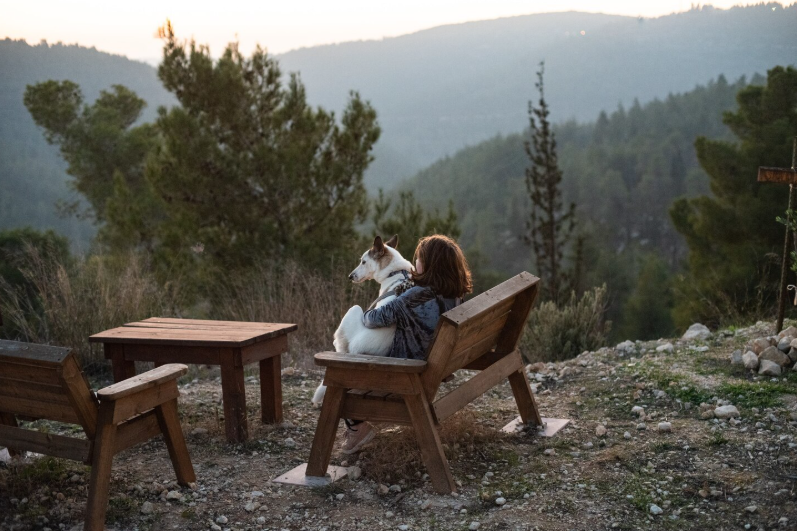
Europe is renowned for its rich history, vibrant culture, and breathtaking landscapes. While traditional travel experiences often involve city tours, historic landmarks, and luxury hotels, a new trend is captivating the discerning traveler: luxury glamping. Combining the raw beauty of nature with five-star comfort, glamping allows travelers to immerse themselves in Europe’s remote landscapes without sacrificing elegance, convenience, or style.
What is Luxury Glamping?
Glamping, short for “glamorous camping,” transforms the traditional outdoor camping experience into one of luxury and sophistication. Unlike conventional camping, which can be uncomfortable and require extensive preparation, luxury glamping offers fully furnished accommodations, premium amenities, and unique experiences that merge nature with indulgence. From safari-style tents to eco-lodges and treehouses, luxury glamping sites across Europe cater to travelers seeking adventure with comfort.
Exploring Europe’s Remote Landscapes
Europe’s diversity is reflected in its landscapes, from the rugged Scottish Highlands to the pristine fjords of Norway, the rolling hills of Tuscany, and the untouched wilderness of the Pyrenees. These remote destinations offer the perfect canvas for luxury glamping, allowing visitors to escape the hustle and bustle of urban life and reconnect with nature. Whether you are seeking tranquility, adventure, or simply a new way to experience the outdoors, Europe’s remote regions provide unparalleled opportunities for exploration.
Top Luxury Glamping Destinations in Europe
1. The Scottish Highlands
Scotland’s Highlands are synonymous with dramatic scenery, from misty mountains to serene lochs. Luxury glamping sites here offer modern yurts, cozy cabins, and safari tents with floor-to-ceiling windows to admire the landscape. Guests can enjoy private hot tubs, gourmet dining experiences, and guided outdoor adventures including hiking, horseback riding, and wildlife spotting.
2. Tuscany, Italy
Tuscany is famed for its rolling vineyards, historic villages, and picturesque countryside. Luxury glamping here often takes place on private estates or vineyards, offering guests stylish tents or lodges complete with high-end furnishings, spa services, and wine-tasting experiences. The combination of natural beauty, culinary delights, and artistic heritage makes Tuscany a top choice for glamping enthusiasts.
3. The Pyrenees, France and Spain
The Pyrenees mountain range stretches between France and Spain, offering a remote and peaceful retreat for nature lovers. Luxury glamping accommodations in this region include elegant lodges, canvas tents with ensuite bathrooms, and eco-friendly cabins. Guests can partake in hiking, skiing, or simply relaxing while surrounded by stunning alpine vistas. The Pyrenees combine adventure with serenity, making it an ideal glamping destination.
4. Norwegian Fjords
Norway’s fjords are some of Europe’s most dramatic natural wonders. Luxury glamping options here range from floating cabins and fjord-view lodges to stylish tents perched on cliffside landscapes. Travelers can experience the midnight sun, aurora borealis, and a range of water-based activities including kayaking, fishing, and fjord cruises. The unique combination of luxury and natural spectacle sets the Norwegian fjords apart as a premier glamping locale.
Why Choose Luxury Glamping?
Luxury glamping offers several distinct advantages over traditional travel accommodations:
- Immersive Nature Experiences: Being closer to natural surroundings allows travelers to truly connect with the environment, often in ways that hotels cannot replicate.
- Comfort and Convenience: Modern amenities such as ensuite bathrooms, heating, Wi-Fi, and gourmet food ensure that comfort is never compromised.
- Unique and Personalized Experiences: Many glamping sites offer curated activities, private excursions, and tailored services, providing a memorable and exclusive experience.
- Eco-Friendly Travel: Many luxury glamping providers prioritize sustainability, offering eco-conscious accommodations that minimize environmental impact.
Tips for Planning a Luxury Glamping Trip in Europe
1. Research Locations: Choose a destination that aligns with your desired experiences, whether it’s adventure, relaxation, or cultural immersion.
2. Book Early: Luxury glamping sites are often limited in availability, particularly in peak travel seasons, so planning ahead is essential.
3. Check Amenities: Ensure the site offers the level of comfort and services you expect, from fine dining to private bathrooms.
4. Consider the Season: Weather can greatly impact your glamping experience, especially in remote mountain or coastal areas.
5. Engage with Local Experiences: Take advantage of guided tours, outdoor activities, and local cuisine to enrich your glamping journey.
Conclusion
Luxury glamping in Europe’s remote landscapes provides a perfect balance of adventure, serenity, and indulgence. It allows travelers to immerse themselves in stunning natural environments while enjoying the comforts and conveniences of high-end accommodations. From the Scottish Highlands to Tuscany, the Pyrenees, and the Norwegian fjords, the possibilities are vast, offering experiences that are both memorable and transformative.
Stay Connected for More Travel and Lifestyle Inspiration. For more insights into travel, culture, and lifestyle tips, follow me on Instagram @salvadorordorica. If you’re seeking professional translation and localization services to enhance your global ventures, visit The Spanish Group — your trusted partner in bridging cultures worldwide.

by Dulce Navarro | Oct 2, 2025 | Europe, Experiences, Food, Lifestyle, Luxury, Restaurant, Travel
Private Chef Experiences in Europe for Epicurean Travelers
Introduction: Why Private Chef Experiences Matter
For company directors and seasoned travellers who value time, quality, and discretion, a private chef experience in Europe offers more than a meal — it delivers a carefully curated moment that combines culture, cuisine, and comfort. Whether hosted in a historic villa on the Amalfi Coast, a contemporary penthouse in Barcelona, or a countryside chateau in Provence, private dining with a professional chef affords control over the menu, exceptional service, and an intimate environment that fosters meaningful conversation and relationship-building.
Types of Private Chef Experiences
Private chef services in Europe span a wide spectrum. Understanding the options helps directors choose the right format for business dinners, client entertainment, or personal retreats:
- In-Residence Dining: The chef prepares a multi-course menu in your accommodation, using the on-site kitchen and often leaving the space spotless before departure.
- Pop-up Dinners: Temporary, location-specific events where a chef transforms an unconventional space — rooftop, gallery, boat — into an exclusive dining venue for a single evening.
- Chef-Led Culinary Tours: A hybrid of guided market visits, private cooking classes, and a culminating meal; ideal for guests who want hands-on engagement with local foodways.
- Multi-Day Private Service: For extended stays, chefs can provide breakfast, lunch, and dinner with bespoke menus that adapt to guest preferences and seasonal availability.
What Defines an Exceptional Private Chef
Top-tier private chefs combine mastery of technique with cultural fluency and logistical reliability. Look for professionals who demonstrate:
- Proven Credentials: Experience in Michelin-star kitchens, reputable culinary schools, or long-term private service for high-profile clients.
- Local Knowledge: Deep familiarity with regional producers, vintners, and seasonal ingredients that make each menu authentic and memorable.
- Service Orientation: Discretion, punctuality, and the ability to manage staff and timing for seamless guest experiences.
- Menu Versatility: Capacity to accommodate dietary restrictions, corporate branding requests, and multi-course tasting formats.
Regions and Specialties Across Europe
Europe’s culinary diversity means private chef experiences vary dramatically by region. A few highlights to consider:
Mediterranean Classics
Italy, Greece, Spain, and southern France offer chefs who excel in seafood, fresh herbs, olive oil-driven dishes, and rustic preparations elevated by technique. Expect market-driven menus with a strong emphasis on provenance and simplicity.
Central European Refinement
In Austria, Germany, and parts of Eastern Europe, private chefs often blend traditional hearty fare with modern plating and techniques. These experiences are well suited to winter retreats and wine-pairing dinners featuring local varietals.
Nordic and Contemporary Cuisine
Scandinavia’s private chefs bring minimalism, foraged ingredients, and precision. For directors seeking boundary-pushing tasting menus, Nordic chefs craft seasonal journeys that pair well with exclusive spirits and small-batch aquavits.
Planning and Logistics for Busy Executives
Time is the most valuable currency for a director. A successful private dining engagement requires clear, upfront planning:
- Define Objectives: Clarify whether the meal is for client entertainment, celebration, or an intimate team dinner; this shapes menu complexity and staffing needs.
- Confirm Guest Profile: Provide dietary restrictions, allergies, and guest preferences well in advance to ensure a personalised menu.
- Secure a Reliable Provider: Use recognised concierge services, luxury travel advisors, or referrals from trusted hotels to source reputable chefs.
- Arrange Logistics: Coordinate arrival windows, on-site kitchen capabilities, service staff, and any special equipment the chef might require.
- Negotiate Confidentiality: For high-profile guests, request and formalise non-disclosure agreements where appropriate.
Menu Design and Beverage Pairings
The hallmark of an exceptional private chef is the ability to design a coherent menu that reflects the locale and the occasion. Directors should expect:
- Tasting Menus: Multi-course progressions that showcase local ingredients and culinary storytelling.
- Wine and Beverage Pairings: Sommeliers or chef-curated pairings to complement each course, including premium and rare bottles when requested.
- Custom Elements: Branded menu cards, personalised welcome amuse-bouches, or thematic courses aligned with corporate milestones.
Sustainability and Local Sourcing
Increasingly, discerning clients prioritise chefs who source responsibly. Directors wanting to align private dining with corporate sustainability goals should inquire about:
- Seasonal procurement and partnerships with local fishermen or farmers.
- Traceability of proteins and commitments to ethical animal welfare.
- Minimised single-use disposables and low-waste kitchen practices.
Checklist for Booking a Private Chef
Use this brief checklist to ensure nothing is overlooked:
- Confirm date, time, and duration of service.
- Provide a complete guest list with dietary notes.
- Review sample menus and ask for price ranges per person.
- Clarify service inclusions: staffing, tableware, cleanup, and gratuity.
- Request references or sample menus from previous high-end engagements.
Conclusion
Private chef experiences in Europe deliver curated culinary moments that respect time, elevate relationships, and reflect the best of regional gastronomy. For company directors who demand discretion, quality, and an exceptional return on time invested, these bespoke dining services are an investment in hospitality that pays dividends in client satisfaction and team cohesion. Thoughtful planning, collaboration with trusted providers, and a commitment to provenance will ensure an experience that is both memorable and impeccably executed.
Stay Connected for More Travel and Lifestyle Inspiration
For more insights into travel, culture, and lifestyle tips, follow me on Instagram @salvadorordorica. If you’re seeking professional translation and localization services to enhance your global ventures, visit The Spanish Group — your trusted partner in bridging cultures worldwide.

by Dulce Navarro | Oct 2, 2025 | Europe, Experiences, Hotels, Lifestyle, Luxury, Travel
Secret Luxury Beach Clubs Along the European Riviera
Introduction: Hidden Elegance on the Riviera
The European Riviera—stretching gracefully from the French Riviera through the Italian coastline and into the sun-drenched shores of Spain and Portugal—has long been synonymous with glamour, leisure, and exceptional seaside hospitality. Beyond the well-known destinations and high-profile establishments, there exists a quieter constellation of secret luxury beach clubs that offer discerning travellers privacy, bespoke service, and an atmosphere of cultivated exclusivity. This post explores some of the defining characteristics of these hidden gems and offers practical insight for directors, executives, and well-travelled guests seeking an elevated coastal experience.
What Makes a Beach Club “Secret”?
The term “secret” does not merely denote scarcity or obscurity. Instead, it signals an intentional curation of guests, limited capacity, discreet locations, and an emphasis on tailored service. Secret luxury beach clubs typically share several distinguishing features:
- Limited Access: Invitation-based reservations, membership tiers, or private transfers help control crowds and preserve ambiance.
- Thoughtful Design: Architecture and landscaping that blend into the coastline—private cabanas, shaded terraces, and secluded piers—create a sense of retreat.
- Bespoke Service: On-call concierges, private chefs, and wellness offerings designed for single parties ensure a high level of personalization.
- Quality Over Quantity: An uncompromising focus on premium ingredients, curated wine lists, and signature cocktails distinguishes the culinary experience.
Notable Examples and Their Signature Qualities
While the Riviera contains many celebrated clubs, the truly exceptional ones often hide in plain sight—tucked behind olive groves, accessed through private gates, or reached by short boat rides. The following are representative examples of the type of establishments that embody the “secret” luxury ethos:
A Secluded French Estate with Old-World Charm
On the quieter coves of the Côte d’Azur, boutique beach clubs that operate from restored estates offer an intimate alternative to the bustling promenade. These venues typically provide private terraces overlooking crystalline water, Michelin-level dining executed in a relaxed al fresco format, and an emphasis on provenance—local seafood, heirloom vegetables from nearby markets, and carefully selected rosés. Access is often through a membership or via hotel affiliation, giving guests a peaceful, almost private-bay experience even in high season.
Italian Coastal Retreats with Bespoke Wellness
Along the Ligurian and Amalfi stretches, small-scale beach clubs merge wellness with Mediterranean living. Expect single-day spa packages that include thalassotherapy treatments, guided morning pilates on a floating platform, and sunsets accompanied by live classical or jazz ensembles. These venues are frequently family-run, combining modern comforts with generational knowledge of the sea—fishermen’s catch-of-the-day prepared to exacting standards, and sommeliers who can match regional vintages to seasonal plates.
Understated Spanish and Portuguese Havens
In southern Spain and Portugal, discreet beach clubs favor a relaxed, barefoot-casual aesthetic while delivering white-glove service. Think private boathouse access, sand-level loungers separated by natural hedging, and chefs fluent in both traditional Mediterranean recipes and international cuisine. Weekend bookings often require advance planning, and several top clubs will coordinate logistics—private drivers, chartered boats, or helicopter transfers—to preserve guest privacy and punctuality.
How to Secure the Best Experience
For company directors and senior executives who prioritise time, privacy, and a refined atmosphere, planning is essential. Here are practical tips to ensure an exceptional experience:
- Engage a Local Concierge: Specialist concierges have relationships with clubs and can secure early reservations, private cabanas, or after-hours access.
- Book Around Low-Traffic Windows: Early weekdays or late-season visits often yield the most tranquil conditions without compromising weather quality.
- Inquire About Private Transfers: Trusted clubs will coordinate discreet arrival options to avoid public attention and ensure safety and punctuality.
- Clarify Cancellation and Weather Policies: High-end clubs typically offer flexible arrangements, but it’s prudent to confirm policies for private events or inclement weather.
Why Directors and Leaders Choose Secret Beach Clubs
Beyond the obvious pleasures of sun and sea, private beach clubs serve strategic purposes for busy leaders. They provide an environment conducive to confidential conversations, one-on-one client entertainment, and small, well-managed team retreats. The intimacy and control offered by these venues reduce distractions and create a setting where relationships can be nurtured away from the press of city life.
Sustainability and Local Engagement
Increasingly, the most respected boutique beach clubs are integrating sustainable practices—marine conservation efforts, local sourcing, and low-impact architecture—into their operating models. When choosing a destination, directors may wish to prioritise clubs that contribute to local communities, support artisanal producers, and maintain transparent environmental policies. These choices reflect well on corporate social responsibility commitments and enrich the overall travel experience.
Practical Checklist Before You Go
- Confirm guest lists and privacy requirements in writing.
- Ask about on-site security and medical provisions, especially for private events.
- Request sample menus, wine lists, and wellness packages in advance.
- Verify transport logistics and arrival windows (boat, car, helicopter).
- Request photographs of private areas or cabanas to ensure they meet expectations.
Conclusion
Secret luxury beach clubs along the European Riviera offer a rare combination of discretion, craftsmanship, and coastal beauty—making them ideal venues for directors seeking restorative retreats, confidential meetings, or refined client hospitality. By prioritising curated service, sustainable values, and meticulous planning, you can discover a beachside sanctuary that elevates both leisure and business engagement.
Stay Connected for More Travel and Lifestyle Inspiration
For more insights into travel, culture, and lifestyle tips, follow me on Instagram @salvadorordorica. If you’re seeking professional translation and localization services to enhance your global ventures, visit The Spanish Group — your trusted partner in bridging cultures worldwide.

by Dulce Navarro | Oct 1, 2025 | Europe, Experiences, Landscapes, Lifestyle, Luxury, Traditions, Travel
Private Wine Cellar Tastings in Europe’s Oldest Estates
For the discerning traveler and the serious oenophile, a private tasting within the vaulted cellars of Europe’s oldest estates is an experience that transcends mere consumption. It is an immersion in history, terroir, and craftsmanship—an intimate dialogue between place, vintage, and the people who have tended those vines for generations. These exclusive tastings combine cultural heritage with sensory precision, offering a rare glimpse behind the doors of estates where winemaking traditions are as carefully preserved as the bottles themselves.
Heritage and Atmosphere: Why Cellars Matter
Cellars in historic estates are living museums. Many date back centuries and were designed with an instinctive understanding of the conditions required to age wine: stable temperatures, humidity control, and protection from light. Beyond their functional role, these spaces carry the patina of family histories—etchings on beams, archival labels, and handwritten journals that recount seasons and vintages long passed. When a tasting is held in such a setting, the atmosphere augments the wine: oak, stone, and the smell of old corks become part of the tasting vocabulary.
Tailored Tastings: The Private Advantage
Private cellar tastings are curated to the guest’s interests. Unlike public tastings, which often present a standard flight, private sessions allow for bespoke selections: library vintages not available to the public, experimental small-batch cuvées, and vertical tastings that chart a wine’s evolution over decades. These sessions are typically led by a cellar master or owner, whose first-hand knowledge adds invaluable context—vineyard practices, harvest conditions, aging regimes, and the decisions that shaped a particular vintage. This level of access turns a tasting into a narrative experience rather than a checklist of flavors.
Notable Regions and Estates Worth Seeking Out
Across Europe there are estates—some famed, others quietly legendary—that open their cellars by appointment. In France, small châteaux in Bordeaux and Burgundy offer verticals of grand crus rarely seen outside private collections. In Italy, estates in Tuscany and Piedmont invite guests to taste Nebbiolo and Sangiovese from family reserves stored for decades. Spain’s historic bodegas in Rioja and Ribera del Duero pair centuries-old cellars with modern viticulture, while Portugal’s Douro Valley houses ports and table wines in terraced estates with dramatic river views. Each region brings a distinct architectural and sensory context, from chalk cellars and vaulted stone to underground tunnels lined with amphorae.
What to Expect: Structure of a Private Tasting
A well-executed private tasting typically begins with a short tour of the estate—vineyards, production facilities, and finally the cellar. The tasting itself is paced, often beginning with younger wines and progressing to mature or reserve bottles. Hosts will guide guests through appearance, aroma, and palate, encouraging questions and comparisons. Small food pairings—artisan bread, local cheeses, charcuterie, or simple canapés—are frequently included to highlight the wines’ structural qualities. The goal is education as much as enjoyment: learning how climate, oak regimen, and bottle age shape expression.
Planning and Etiquette for an Exceptional Visit
Because private cellar tastings are intimate and often restricted, advance planning is essential. Contact the estate directly—email or a formal reservation request—to outline your interests, any dietary restrictions, and whether you would like specific vintages or themes (for instance, “wines from pre-1990 vintages” or “a comparative Chardonnay flight”). Dress is typically smart casual; cellars can be cool and damp, so a light jacket is advisable. Respect for the property and the host’s time is fundamental: arrive punctually, refrain from disruptive photography unless invited, and treat open bottles and historic objects with care.
Costs and Value: Understanding Pricing
Pricing for private cellar tastings varies widely depending on estate reputation, rarity of the wines presented, and whether dinner or a tour is included. Expect a premium for access to library bottles and for experiences led by senior staff or proprietors. While the cost can be significant, the value lies in the education, provenance, and the unique opportunity to taste wines that are not commercially available. For directors and clients seeking corporate hospitality, these tastings can also be tailored into private events that combine prestige and relationship building.
Corporate and Experiential Uses
For leaders and companies looking to impress clients or reward teams, private cellar tastings offer tasteful and memorable hospitality. They can be integrated into larger itineraries—combining estate tours with regional culinary experiences—or structured as exclusive networking events where limited seating ensures meaningful conversation. Work with the estate to create a program that aligns with your objectives, whether it’s brand entertaining, client appreciation, or an executive retreat focused on cultural immersion.
Preserving the Experience: Buying and Shipping
Most estates that open their cellars for private tastings will accommodate purchases of wines sampled during the visit and can advise on proper storage. Many also offer international shipping and can assist with export documentation for corporate acquisitions. If you plan to purchase bottles as gifts or for company collections, ask about provenance documentation and professional packing for transit to ensure the wines arrive in optimal condition.
Conclusion
Private wine cellar tastings in Europe’s oldest estates are more than a luxury: they are a bridge to the past and a lesson in the meticulous craft of winemaking. For company directors, refined travelers, and collectors alike, these experiences deliver historical perspective, sensory education, and unparalleled hospitality. With careful planning and an appreciation for provenance, a private cellar tasting will become an indelible chapter in any wine lover’s journey.
Stay Connected for More Travel and Lifestyle Inspiration. For more insights into travel, culture, and lifestyle tips, follow me on Instagram @salvadorordorica. If you’re seeking professional translation and localization services to enhance your global ventures, visit The Spanish Group — your trusted partner in bridging cultures worldwide.
