
by Dulce Navarro | Dec 29, 2025 | Art, Culture, Europe, Experiences, Lifestyle
Bespoke Art Commissioning: Working with Europe’s Top Master Artists
In an era where individuality and cultural depth define true luxury, bespoke art commissioning has emerged as one of the most refined ways to curate meaningful, timeless works. For discerning collectors, business leaders, and private clients, commissioning art directly from Europe’s top master artists offers far more than decoration—it creates a personal legacy, a narrative expressed through craftsmanship, history, and creative excellence.
The Meaning of Bespoke Art
Bespoke art commissioning is the process of collaborating directly with an artist to create a one-of-a-kind piece tailored specifically to the client’s vision, space, and personal story. Unlike acquiring existing works, bespoke commissions allow clients to influence concept, scale, medium, and emotional direction while respecting the artist’s creative integrity.
This approach is deeply rooted in European artistic tradition. From Renaissance patronage in Italy to royal ateliers in France and Spain, Europe has long cultivated relationships between patrons and master artists—relationships that resulted in some of history’s most celebrated works. Today, bespoke commissioning continues this legacy in a contemporary context.
Why Europe Remains the Epicenter of Master Artistry
Europe remains unparalleled in its concentration of master artists, ateliers, and centuries-old artistic institutions. Countries such as France, Italy, Spain, and the United Kingdom are home to painters, sculptors, textile artists, and mixed-media innovators who combine classical training with modern sensibilities.
Many European artists are trained in prestigious academies and inherit techniques passed down through generations. This foundation allows them to execute bespoke works with extraordinary technical precision while adapting to modern tastes and architectural environments.
The Bespoke Commissioning Process
Commissioning bespoke art is a thoughtful, structured journey that emphasizes collaboration and trust. While the process varies by artist, it typically includes several key stages:
1. Initial Consultation
The process begins with an in-depth discussion of the client’s vision, objectives, and environment. This may include the intended space, architectural considerations, emotional tone, color palette, and any personal or cultural influences the client wishes to incorporate.
2. Concept Development
Based on the consultation, the artist develops preliminary concepts, sketches, or mood boards. This stage allows for refinement and alignment before execution begins, ensuring clarity and mutual understanding.
3. Creation and Craftsmanship
Once approved, the artist begins creating the final piece using their chosen techniques and materials. This phase can take weeks or months, depending on complexity, scale, and medium. Clients often receive progress updates, reinforcing transparency and connection to the work.
4. Delivery and Installation
The final artwork is professionally delivered and, when required, installed to ensure optimal presentation. For international clients, logistics, customs, and handling are carefully managed to preserve the integrity of the piece.
The Value Beyond Aesthetics
Bespoke art holds intrinsic value that extends far beyond visual appeal. Each commissioned piece tells a story—of collaboration, intention, and cultural exchange. For corporate leaders, bespoke art can reinforce brand identity within offices, hotels, or developments. For private collectors, it becomes a deeply personal heirloom.
Additionally, bespoke works often appreciate in value, particularly when commissioned from established or emerging European masters. More importantly, they provide cultural capital—an authentic connection to artistic heritage and creative excellence.
Choosing the Right Artist
Selecting the right artist is one of the most critical aspects of the commissioning process. Compatibility in vision, communication style, and artistic philosophy is essential. Many clients work with curators, art advisors, or cultural consultants to identify artists whose work aligns with their goals.
Europe’s top master artists span diverse disciplines, from contemporary abstract painters in Paris to classical sculptors in Florence and experimental mixed-media artists in Barcelona. Each brings a distinct voice, making the selection process both exciting and meaningful.
Cultural Sensitivity and Global Perspective
When commissioning art across borders, cultural nuance plays a vital role. Understanding symbolism, historical references, and regional artistic traditions ensures that the final piece resonates authentically. Clear communication is essential, particularly when collaborating internationally.
This is where professional translation and localization services become invaluable. Ensuring that contracts, concepts, and creative discussions are accurately conveyed protects both the client and the artist while fostering a seamless creative experience.
A Timeless Investment in Creativity
Bespoke art commissioning is not a transactional purchase—it is a journey of collaboration, creativity, and cultural appreciation. Working with Europe’s top master artists offers access to unparalleled craftsmanship and a legacy of artistic excellence that transcends trends.
For company directors and global leaders, bespoke art represents an investment in authenticity, storytelling, and lasting impact. It reflects a commitment to quality, culture, and the enduring power of human creativity.
Stay Connected for More Travel and Lifestyle Inspiration. For more insights into travel, culture, and lifestyle tips, follow me on Instagram
@salvadorordorica. If you’re seeking professional translation and localization services to enhance your global ventures, visit The Spanish Group — your trusted partner in bridging cultures worldwide.
by Dulce Navarro | Dec 26, 2025 | Art, Culture, Europe, Luxury, Traditions
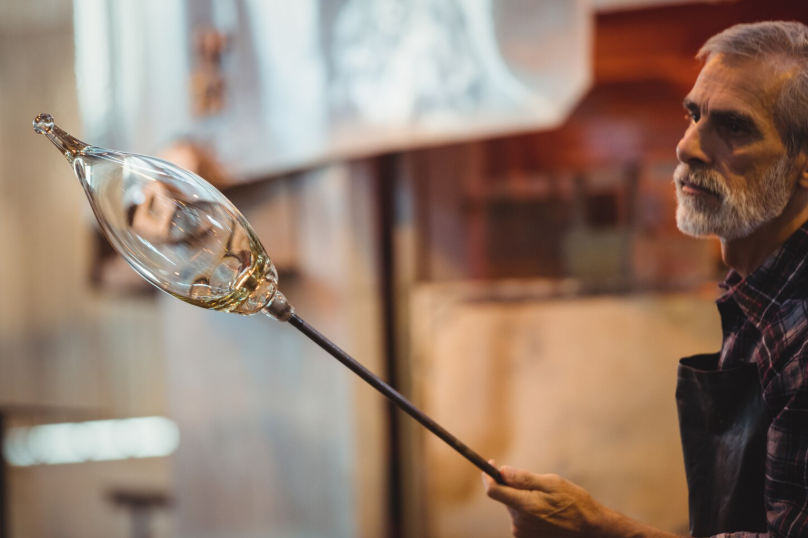
The Artisan Renaissance: European Craftsmen Creating Ultra-Luxury Goods
In an era dominated by automation, speed, and mass production, Europe is witnessing a powerful and intentional return to craftsmanship. This movement — often referred to as the Artisan Renaissance — represents a renewed appreciation for heritage skills, meticulous handwork, and the human stories behind ultra-luxury goods. Across the continent, master artisans are redefining modern luxury by blending centuries-old techniques with contemporary design and global relevance.
For discerning consumers and global tastemakers, true luxury is no longer defined solely by brand recognition or price point. Instead, it lies in authenticity, rarity, cultural depth, and the quiet excellence of craftsmanship passed down through generations.
The Return of Craftsmanship as the Ultimate Luxury
Luxury has always been rooted in scarcity, but today’s scarcity is not merely material — it is human. Skilled artisans capable of hand-stitching leather, shaping precious metals, or weaving intricate textiles are increasingly rare. Europe’s artisan renaissance is a response to this reality, placing value back on time, precision, and expertise.
From family-owned ateliers to historic workshops quietly supplying the world’s most prestigious maisons, craftsmanship has become the defining marker of ultra-luxury. These creations are not designed for rapid consumption; they are meant to endure, both physically and culturally.
Italy: Masters of Leather, Tailoring, and Design
Italy stands at the forefront of Europe’s artisanal revival. Regions such as Tuscany, Veneto, and Lombardy remain home to workshops where leather goods, bespoke tailoring, footwear, and furniture are crafted entirely by hand. Techniques refined over centuries continue to shape modern luxury fashion and accessories.
Italian artisans are distinguished by their ability to balance tradition with innovation. While time-honored methods remain sacred, contemporary aesthetics and sustainable practices are increasingly integrated. This balance allows Italian craftsmanship to remain globally relevant while preserving its cultural soul.
France: Haute Savoir-Faire and Artistic Precision
French craftsmanship is synonymous with refinement and precision. From haute couture embroidery in Paris to fine watchmaking and jewelry in the regions of Jura and Alsace, France’s artisans uphold an uncompromising standard of excellence.
Many of the world’s most prestigious luxury houses rely on small, highly specialized workshops — often designated as “Métiers d’Art” — to execute complex techniques that machines cannot replicate. These artisans work quietly behind the scenes, yet their expertise defines the final product. In France, craftsmanship is not merely a profession; it is a cultural institution.
Switzerland and Germany: Engineering Meets Artistry
In Switzerland and Germany, craftsmanship is deeply intertwined with engineering excellence. Swiss watchmakers, in particular, embody the pinnacle of precision, where micro-mechanical mastery meets artistic design. Each timepiece represents hundreds of hours of hand-assembly, adjustment, and finishing.
Similarly, German artisans excel in fields such as luxury automobiles, musical instruments, and fine cabinetry. Their approach emphasizes structural perfection, durability, and functionality — proving that artistry and engineering are not mutually exclusive but deeply complementary.
Spain and Portugal: Heritage, Materials, and Emerging Luxury
Spain and Portugal are experiencing renewed recognition for their artisanal traditions. From hand-tooled leather in Spain to fine ceramics, footwear, and textiles, these countries offer a rich heritage rooted in craftsmanship and regional identity.
Portuguese artisans, in particular, have gained global attention for their mastery of stonework, cork, and textile production. Their work reflects a growing movement toward sustainable luxury, where local materials and ethical practices are central to the value of the final product.
The Role of Storytelling and Cultural Identity
What elevates artisan-made goods into the realm of ultra-luxury is not only technical mastery, but narrative. Each object carries a story — of place, tradition, and human touch. For global consumers, these stories create emotional connection and cultural meaning.
As luxury becomes increasingly globalized, the ability to communicate these stories across languages and cultures is essential. Translation and localization play a vital role in preserving authenticity while making craftsmanship accessible to an international audience.
Why the Artisan Renaissance Matters in a Global Economy
The resurgence of European craftsmanship reflects a broader shift in consumer values. High-net-worth individuals and cultural leaders are seeking products that align with sustainability, heritage preservation, and long-term value.
By supporting artisans, luxury brands and consumers alike contribute to the survival of rare skills and regional economies. The artisan renaissance is not nostalgic; it is forward-looking, ensuring that craftsmanship continues to evolve while remaining rooted in excellence.
Conclusion: Craftsmanship as the Future of Luxury
Europe’s artisan renaissance signals a profound redefinition of luxury. In a world saturated with immediacy and replication, the patience, expertise, and individuality of craftsmen stand as the ultimate markers of distinction.
These artisans remind us that true luxury is created by human hands, guided by heritage, and sustained through cultural exchange. As global appreciation for craftsmanship grows, so too does the need to bridge cultures, languages, and markets with clarity and respect.
Stay Connected for More Travel and Lifestyle Inspiration. For more insights into travel, culture, and lifestyle tips, follow me on Instagram @salvadorordorica. If you’re seeking professional translation and localization services to enhance your global ventures, visit The Spanish Group — your trusted partner in bridging cultures worldwide.

by Dulce Navarro | Dec 22, 2025 | Art, Culture, Europe, Experiences, Lifestyle, VIP
VIP Access: Private After-Hours Museum Experiences Across Europe
In an era where luxury travel is increasingly defined by access rather than extravagance, private after-hours museum experiences stand out as one of Europe’s most exclusive and intellectually enriching offerings. For discerning travelers, cultural leaders, and global executives, these curated moments provide more than just privacy — they deliver a profound connection to history, art, and heritage, away from crowds and distractions.
Across Europe, renowned museums are opening their doors after closing time, offering intimate, bespoke encounters that transform iconic institutions into private cultural salons. Whether guided by world-class curators or accompanied by champagne receptions beneath historic ceilings, these experiences redefine how art and culture are consumed at the highest level.
The Rise of After-Hours Cultural Privilege
Private museum access was once reserved for heads of state and major benefactors. Today, it has evolved into a refined luxury experience sought by high-net-worth individuals, corporate leaders, and cultural enthusiasts who value exclusivity paired with substance.
After-hours access allows guests to explore collections without crowds, creating space for reflection, dialogue, and immersion. Artworks can be appreciated at a slower pace, architectural details come alive, and conversations with expert guides elevate the experience far beyond a traditional visit.
The Louvre, Paris: A Night at the World’s Most Iconic Museum
Few experiences rival a private evening at the Louvre. As the sun sets and the museum closes to the public, select guests are welcomed into its galleries for a personalized journey through centuries of artistic achievement.
Guided by art historians or former museum curators, visitors may explore highlights such as the Mona Lisa, the Venus de Milo, and the grand French salons in complete tranquility. Optional additions include private dinners beneath the glass pyramid or champagne receptions in historic wings of the palace.
The result is a deeply memorable encounter that combines cultural gravitas with refined luxury — a true Parisian privilege.
The Vatican Museums, Rome: Sacred Art After Dark
The Vatican Museums offer one of Europe’s most extraordinary after-hours experiences. With corridors emptied of daytime visitors, guests move through galleries housing some of the world’s most sacred and influential works.
A private viewing of the Sistine Chapel, illuminated and silent, allows guests to absorb Michelangelo’s frescoes in a way that is impossible during standard hours. These visits are often accompanied by Vatican-approved experts who provide insight into theology, Renaissance history, and artistic symbolism.
This experience is particularly valued by cultural patrons, academic institutions, and executives seeking meaningful, contemplative moments during their travels.
The British Museum, London: Intellectual Prestige Meets Exclusivity
In London, the British Museum offers private access to one of the most comprehensive collections of human history. After-hours tours can be tailored to specific interests, from ancient civilizations to global trade routes and cultural exchange.
Guests may enjoy curator-led discussions, private viewings of rarely displayed artifacts, and exclusive receptions within the museum’s neoclassical halls. For corporate groups or international delegations, these evenings often serve as sophisticated networking events rooted in shared intellectual curiosity.
The Prado Museum, Madrid: A Masterclass in European Painting
Madrid’s Prado Museum delivers an unparalleled after-hours immersion into European painting, featuring masterpieces by Velázquez, Goya, Rubens, and El Greco. Private evening visits allow guests to engage closely with Spain’s artistic legacy under expert guidance.
These experiences often include behind-the-scenes insights into conservation efforts, private gallery access, and elegant receptions reflecting Spain’s refined hospitality. For international visitors, the Prado offers a powerful cultural narrative that complements business or diplomatic travel.
Beyond the Visit: Customization and Personalization
What truly distinguishes private after-hours museum experiences is their level of customization. Visits can be designed around specific themes, historical periods, or personal interests. Options may include:
- Private curator or art historian-led tours
- Exclusive gallery access or closed exhibitions
- Champagne receptions or private dinners
- Live classical music performances
- Photography sessions within iconic spaces
For company directors and global leaders, these experiences also offer discreet environments for hosting clients, rewarding teams, or celebrating milestones in a culturally meaningful way.
Why Cultural Access Matters in Global Leadership
In today’s interconnected world, cultural literacy is an essential asset for global leadership. Engaging with Europe’s artistic and historical institutions fosters deeper understanding, cross-cultural appreciation, and intellectual enrichment.
Private museum experiences reflect a commitment to thoughtful travel — one that values heritage, education, and connection over spectacle. For leaders operating across borders, these moments reinforce the importance of preserving and respecting cultural narratives.
Conclusion: Experiencing Europe Beyond the Crowds
VIP after-hours museum access represents the pinnacle of cultural luxury in Europe. It transforms iconic institutions into intimate spaces of discovery, reflection, and dialogue. Whether in Paris, Rome, London, or Madrid, these experiences offer rare access to humanity’s greatest artistic achievements — experienced quietly, thoughtfully, and on one’s own terms.
For travelers seeking depth, exclusivity, and authenticity, private museum evenings are not simply an indulgence — they are a profound investment in cultural understanding.
Stay Connected for More Travel and Lifestyle Inspiration. For more insights into travel, culture, and lifestyle tips, follow me on Instagram
@salvadorordorica. If you’re seeking professional translation and localization services to enhance your global ventures, visit The Spanish Group — your trusted partner in bridging cultures worldwide.

by Dulce Navarro | Dec 12, 2025 | Art, Countries, Culture, Europe, Experiences, Lifestyle, Luxury, Travel
Architectural Wonders: Europe’s Most Luxurious Modernist Hotels
Introduction — Modernism Meets Luxury
Modernist architecture, with its clean lines, structural honesty, and celebration of materials, has left an indelible mark on Europe’s hospitality landscape. In recent decades, a new generation of designers and hoteliers has reinterpreted modernist principles to create hotels that are not only places to stay but also immersive architectural experiences. For company directors and cultural curators, these properties offer more than comfort; they are statements of design, venues for high-level hospitality, and cultural touchpoints that reflect the intersection of business and aesthetics.
Defining the Modernist Luxury Hotel
A modernist luxury hotel prioritizes functionality and proportion while celebrating the qualities of concrete, glass, steel, and natural stone. Interiors favor open plans, deliberate sightlines, and an economy of ornamentation—yet the result is far from austere. Thoughtful lighting, tailored furniture, bespoke art collections, and high-end materials transform geometric forms into intimate, sophisticated environments. Crucially for luxury hospitality, the modernist framework creates flexible public and private spaces that support both discreet business needs and memorable social engagements.
Adaptive Reuse: Breathing Life into Modernist Icons
One compelling trend is adaptive reuse—converting mid-century office blocks, post-war civic buildings, and industrial structures into hotels that preserve architectural integrity while introducing contemporary comforts. These projects respect the original structural vocabulary and bring modern engineering and service standards to historic shells. Adaptive reuse often yields highly characterful spaces: double-height lobbies with original facades, terraces that reveal city geometry, and guest rooms that retain the material honesty of their original construction. For corporate events and client hospitality, these hotels provide distinct narratives that elevate the guest experience.
Design Features that Define Luxurious Modernism
Several recurring design features distinguish the most successful modernist hotels. First, material authenticity—exposed concrete, oak, brass, and hand-polished stone—creates a tactile sense of quality. Second, integrated lighting schemes emphasize architectural form and create a hospitable atmosphere. Third, custom furniture and local craftsmanship reconcile minimalism with warmth. Finally, generous public spaces—library lounges, sculptural staircases, and courtyard gardens—support serendipitous encounters and private conversations alike. These elements combine to produce environments that are both efficient and emotionally resonant.
Signature Examples and What They Offer
Across Europe there are exemplary hotels where modernist architecture and luxury hospitality converge. Some properties are celebrated for their faithful restorations of mid-century designs; others are new-builds that apply modernist principles with contemporary detail. What they share is an uncompromising attention to materials and proportion, and service models tailored to guests who expect discretion and excellence. For directors organizing corporate retreats, product launches, or intimate client dinners, these hotels provide spaces that are visually arresting and operationally dependable.
Guest Experience: How Architecture Shapes Hospitality
Architecture informs the guest journey from arrival through departure. In modernist hotels, circulation is intentional: arrival sequences are choreographed to reveal volumes and views, circulation paths frame art and light, and private suites are designed for both rest and work. This clarity benefits corporate guests: meeting rooms are efficiently organized, acoustics are carefully managed, and auxiliary spaces allow small-group breakout sessions without sacrificing privacy. The architectural restraint emphasizes service and relationships—guests feel attended to, rather than overwhelmed by decorative excess.
Sustainability and Modernist Principles
Contemporary luxury architecture must respond to ethical and environmental imperatives. The best modernist hotels integrate sustainable strategies without compromising design integrity: passive solar orientation, high-performance glazing, responsible sourcing of materials, and energy-efficient HVAC systems. Adaptive reuse projects are especially green by nature—retaining structural elements and minimizing embodied carbon. For corporate travel programs with sustainability goals, selecting a modernist hotel that demonstrates measurable environmental performance aligns brand values with guest experience.
Curating Cultural Programming
Beyond built form, the most engaging hotels act as cultural platforms. Partnerships with local artists, curated exhibitions in lobby galleries, and salon-style talks transform hotels into civic hubs. For directors seeking experiential value, programming creates opportunities for private receptions, panel discussions, and exclusive dinners that resonate with clients. When a hotel’s curatorial strategy complements its architectural identity, the result is a multilayered hospitality offering that enhances both prestige and engagement.
Practical Considerations for Corporate Bookings
When selecting a modernist luxury hotel for corporate needs, consider access, flexibility, and technological capacity alongside aesthetics. Confirm that meeting spaces can be configured for the desired format, that AV and connectivity meet executive standards, and that service protocols accommodate high-profile guests. Discuss privacy and security requirements early and negotiate room blocks and bespoke catering. A well-chosen hotel not only reflects good taste but also streamlines event logistics and elevates client relations.
Conclusion
Europe’s luxurious modernist hotels offer a distinctive blend of architectural clarity and hospitality refinement. They serve as ideal venues for leaders and companies who wish to fuse aesthetic values with purposeful engagement: spaces that communicate discernment, encourage conversation, and support meaningful encounters. For a director planning a high-impact client experience or cultural program, these properties present memorable settings where design and service align to create lasting impressions.
Stay Connected for More Travel and Lifestyle Inspiration. For more insights into travel, culture, and lifestyle tips, follow me on Instagram @salvadorordorica. If you’re seeking professional translation and localization services to enhance your global ventures, visit The Spanish Group — your trusted partner in bridging cultures worldwide.

by Dulce Navarro | Dec 12, 2025 | Art, Culture, Europe, Experiences, Lifestyle, Luxury, Travel
Private Opera Evenings and Bespoke Classical Music Experiences in Europe
Introduction: The Rise of Intimate, Curated Performances
In recent years, discerning travelers and culture curators have shown a growing appetite for intimate cultural experiences that go beyond the standard concert itinerary. Private opera evenings and bespoke classical music events deliver the rare combination of artistic excellence, personalized service, and exceptional ambiance. For company directors, cultural advisors, and luxury travel designers, these tailor-made evenings present a valuable way to create memorable client experiences, strengthen relationships, and distinguish a brand through cultural capital.
Why Choose a Private Opera Evening?
A private opera evening transforms music into an exclusive encounter. Rather than attending a crowded house, guests enjoy a concert tailored to their tastes—programming, soloists, and even staging are selected with the guest list and venue in mind. The intimacy elevates emotional connection: a single voice filling a small historic salon, or a chamber ensemble performing in a Renaissance palazzo, has a markedly different impact than a seat in a large opera house. For executives and VIPs, this means privacy, flexibility, and a chance to blend culture with hospitality in ways that mass-market events cannot match.
Selecting the Right Venue: Historic Houses to Modern Terraces
Europe’s architectural variety gives organizers a broad palette of venues. Private salons in Paris and Vienna offer resonant acoustics and period charm; Florentine palazzi and Venetian palazzos provide an unparalleled backdrop for opera arias and chamber works. Contemporary options—rooftop terraces overlooking city skylines, boutique hotel ballrooms, or converted industrial spaces—offer a modern twist. When selecting a venue, prioritize acoustics and sightlines as much as aesthetics. A successful private performance balances atmosphere with the technical needs of musicians and a comfortable experience for guests.
Programming: Balancing Familiar Favorites with Curated Discoveries
Bespoke concerts typically combine beloved arias and instrumental standards with less familiar repertoire that reflects the host’s tastes or the setting’s history. A program might pair an excerpt from Mozart or Puccini with a contemporary composition by a living European composer, or feature regional songs and instrumental interludes that reference the host city. Thoughtful programming engages guests intellectually and emotionally, and it also allows for meaningful storytelling during the evening—a short introduction by the director, conductor, or a musicologist can deepen appreciation without disrupting the musical flow.
Artists and Production: Sourcing the Right Talent
The success of any private evening rests on artist selection. Top-tier freelance singers and chamber musicians frequently perform in private events across Europe; established small ensembles and conservatory-trained soloists provide both reliability and artistry. For higher-profile evenings, contracting internationally recognized soloists or a small chamber orchestra may be appropriate. Work with reputable artist managers who understand the nuance of private events: they will advise on repertoire, stage needs, rehearsal time, and technical riders. Staging and lighting should be discreet and focused on enhancing the music rather than creating a theatrical spectacle—after all, intimacy is the core promise.
Hospitality: Culinary Pairings and Guest Experience
A private performance is also a hospitality experience. Menu planning—whether a seated multi-course dinner, elegant canapés, or a single-course tasting—should complement the program and reflect local culinary strengths. Wine pairings by a sommelier, a post-performance reception with the artists, and thoughtful seating arrangements turn the evening into a complete cultural touchpoint. Consider timing carefully: entrances, intermissions, and post-concert mingling must align with the pacing of the performance and the needs of the guests.
Logistics and Practicalities
Behind the romance of a private concert lies precise logistics. Sound considerations (amplification, if any), load-in/load-out restrictions, rehearsal scheduling, and local permits are all essential. Musicians require clear contracts that outline rehearsal hours, performance length, and compensation; venues often require insurance and security arrangements. For international clients, visa and travel arrangements for artists should be coordinated well in advance. Working with a local production partner or cultural concierge dramatically reduces risk and ensures timelines are met.
Personalization and Storytelling
The most memorable bespoke evenings are those that tell a story. Tie the repertoire to a location’s history, a patron’s heritage, or an anniversary. Include program notes that are printed or narrated, incorporate multimedia elements like historical images for context, or invite a brief storyteller—such as a music historian—to introduce key works. Personal touches—custom programs, a commemorative playlist, or a signed keepsake—leave guests with tangible memories of the evening.
Sustainability and Ethical Considerations
As with all luxury services, sustainability is increasingly important. Opt for local musicians, source seasonal catering, and minimize single-use materials. Transparent contracting and fair compensation for artists are not only ethical practices—they also reinforce the quality of the experience. Guests expect and appreciate events that reflect contemporary values as much as classical beauty.
ROI for Directors and Brands
For company directors, bespoke music evenings provide measurable returns: client engagement, strengthened relationships, unique PR content, and high-impact hospitality that supports long-term business objectives. Compared with standard entertainment options, a private classical event communicates refinement and cultural literacy—attributes that align well with luxury brands, diplomatic receptions, and high-level corporate hospitality.
How to Book and Partner
Begin with a clear brief—guest count, desired repertoire, tone (formal vs. relaxed), and budget. Engage a cultural advisor or local producer who can recommend vetted artists and venues and manage permits and logistics. Obtain multiple proposals to compare artistic credentials, production plans, and hospitality options. Budget realistically: a truly bespoke evening involves artist fees, production, venue rental, catering, and contingency for last-minute needs.
Conclusion
Private opera evenings and bespoke classical music experiences offer a singular way to celebrate culture, community, and refinement across Europe’s unforgettable settings. When planned with intentionality—prioritizing the art, the acoustics, and the guest experience—these events become enduring memories that reflect both personal taste and professional excellence.
Stay Connected for More Travel and Lifestyle Inspiration. For more insights into travel, culture, and lifestyle tips, follow me on Instagram @salvadorordorica (Hyperlink @salvadorordorica). If you’re seeking professional translation and localization services to enhance your global ventures, visit The Spanish Group — your trusted partner in bridging cultures worldwide.
by Dulce Navarro | Nov 3, 2025 | Art, Culture, Europe, Experiences, Lifestyle, Luxury
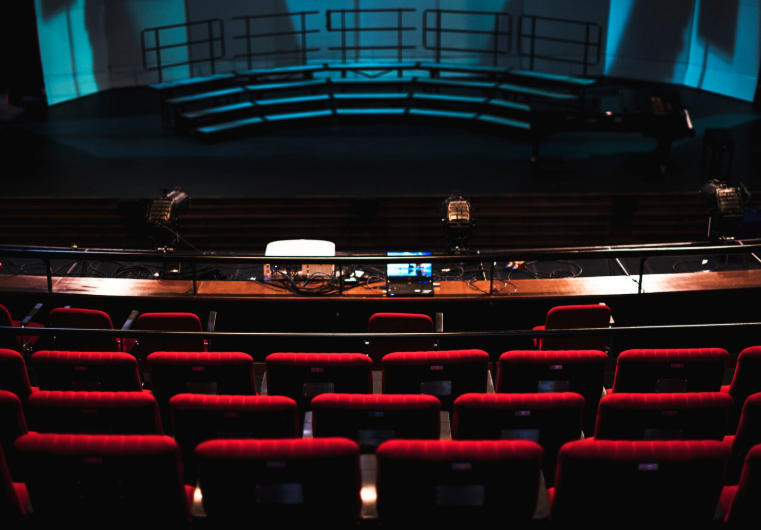
A Night at the Opera: VIP Boxes at Palais Garnier
Introduction: An Iconic Setting for a Memorable Evening
The Palais Garnier, Paris’s opulent 19th-century opera house, remains one of the world’s most celebrated cultural landmarks. Its marble staircases, gilt ornamentation, and grand foyer set a stage not only for stellar performances but also for an experience of theatrical hospitality. For the company director or discerning traveler seeking privacy, prestige, and an elevated perspective on the performance, a VIP box at the Palais Garnier offers an unmatched blend of history, comfort, and visibility. This piece explains what to expect from a VIP box, how the experience differs from regular seating, practical considerations for booking, and etiquette to ensure your evening is as refined as the venue itself.
What Defines a VIP Box at Palais Garnier?
A VIP box — sometimes referred to as a private box or loge — is a small, semi-enclosed seating area located along the orchestra and balconies. Historically, private boxes were designed to provide aristocratic families with secluded observation points where they could socialize while enjoying the spectacle. Today, VIP boxes preserve that intimacy while adding contemporary comforts: plush seating, exclusive entry or cloakroom arrangements, and sometimes private catering or concierge services. From a vantage point that combines proximity to the stage with an excellent sightline, box guests enjoy both the pageantry of the performance and the privacy to conduct discreet conversation during intermissions.
Durability of the Experience: Comfort, Acoustics, and Sightlines
The architectural design of the Palais Garnier emphasizes both visual splendor and acoustic resonance. While the acoustics in private boxes differ slightly from the center stalls — occasionally sounding a touch more resonant or slightly less direct — the difference is rarely detrimental. Many patrons value the ability to observe stagecraft and audience reactions simultaneously. In terms of comfort, VIP boxes typically offer more space per person than standard seats, and the semi-private environment reduces distractions from neighboring patrons, making it ideal for corporate guests or clients where conversation and networking are part of the evening.
Practical Benefits for Company Directors
For a company director hosting clients, partners, or team members, a VIP box is more than just seats — it’s an experience that signals care and status. Boxes provide an opportunity to entertain in a contained environment (perfect for presenting a corporate gift or offering a short welcome before curtain). They also simplify logistics: your party can arrive together, enjoy private cloakroom or dedicated entry where available, and benefit from coordinated service during intermissions. When choosing a box for business purposes, consider proximity to the stage, the number of seats, and available services such as in-box refreshments or the possibility of having staff coordinate arrivals.
Booking and Cost Considerations
Booking a VIP box at Palais Garnier requires some lead time, especially for popular productions and gala nights. Prices vary considerably depending on the production, the box’s location, and whether additional services are requested. Expect to pay a premium compared to regular seating: private boxes often price per box rather than per seat. Many patrons work with concierge services, corporate accounts at the opera, or specialist ticket brokers to secure desirable nights. If budget is a concern, consider weekday performances or less in-demand productions, which can significantly reduce the cost without compromising the quality of the evening.
Atmosphere and Etiquette
The etiquette in a VIP box mirrors the formal atmosphere of the opera house. Dress codes at the Palais Garnier tend toward smart or formal attire for evening performances; a business suit or cocktail attire is typically appropriate for directors and corporate guests. During the performance, boxes are quieter and more private, but it remains polite to avoid conversations that could disturb fellow audience members or the acoustics. Use intermissions for socializing, refreshments, and introductions. If hosting, brief your guests on expected behavior — arriving on time, silencing devices, and minimizing movement during the performance will preserve the experience for everyone.
Accessibility and Logistics
The Palais Garnier is a historic building and can present mobility considerations. Many box areas are accessible, but access routes sometimes involve stairs or narrow corridors. If accessibility is a priority for any guest, confirm elevator access, cloakroom options, and staff assistance when booking. Coordination with the opera’s box office or a concierge service in advance will ensure smoother arrivals and departures. Additionally, plan transport carefully: the opera’s central location in the 9th arrondissement eases access by taxi or public transport, but traffic and peak arrival times can affect punctuality.
Enhancing the Experience: Catering, Pre-Show, and Private Touches
To convert an evening at the opera into a full-fledged corporate hospitality moment, consider arranging pre-show drinks in the foyer, a private introduction to the production team (when possible), or in-box catering for intermission. Many corporate hosts pair the performance with a short welcome speech or a small branded gift to create a lasting impression. If you’re hosting international guests, provide a brief program translation or summary in advance so they can fully enjoy the narrative and nuances of the performance.
Final Thoughts: Why a VIP Box Is Worth Considering
A night in a VIP box at Palais Garnier is an investment in cultural capital and client relationships. It combines the grandeur of Parisian high culture with the private convenience that corporate hospitality requires. For a company director aiming to impress, reward, or build rapport, the box experience delivers on atmosphere, exclusivity, and memorable detail. With thoughtful booking, clear communication about accessibility and services, and a touch of hospitality, your evening will be as impeccable as the venue itself.
Stay Connected
Stay Connected for More Travel and Lifestyle Inspiration. For more insights into travel, culture, and lifestyle tips, follow me on Instagram
@salvadorordorica. If you’re seeking professional translation and localization services to enhance your global ventures, visit The Spanish Group — your trusted partner in bridging cultures worldwide.
