
by Dulce Navarro | Aug 11, 2026 | Countries, Europe, Experiences, Lifestyle, Luxury, Travel, VIP
Anyone can book Paris, the Riviera, and Lake Como. The route that actually feels effortless depends on getting the order right.
I’ve written before about the planning principles behind genuinely well-run ultra-high-net-worth travel — mobility strategy, aviation corridors, working with a single coordinating advisor rather than three disconnected bookings. This is the applied version: an actual ten-day route through four of Europe’s defining luxury destinations, sequenced the way private aviation and top advisory teams actually build these trips, not the way a search engine would list them alphabetically.
Days 1–2: Paris — the anchor, not an afterthought
Paris opens the trip rather than closing it, for a practical reason: it’s the strongest hub for long-haul arrivals from North America and Asia, and starting here lets the rest of the itinerary flow south toward the Mediterranean rather than doubling back. Two days is enough for a proper reset after a transatlantic flight, a Michelin-caliber dinner, and one genuinely memorable cultural anchor — the Musée d’Orsay at opening hour, or a private evening visit to the Louvre before the crowds arrive. I’ve written a full breakdown of how to actually navigate Paris well, from neighborhoods to etiquette, in my complete guide to Paris in 2026.
Days 3–5: The French Riviera — Nice, Monaco, and Saint-Tropez
From Paris, a short private flight into Nice opens the entire Riviera. Nice Côte d’Azur functions as the essential gateway to the Mediterranean, though its capacity is strictly managed during high-demand periods like the Monaco Grand Prix and peak summer weeks — exactly the reason a broker who can secure priority handling and parking matters more here than almost anywhere else on the route.
Once on the ground, the three days split naturally. A day in Monaco delivers Michelin dining, an evening at the Casino de Monte-Carlo, and yacht-lined Port Hercule regardless of whether the Grand Prix calendar aligns with your trip — I’ve covered the specific event-driven version of this stop in my guide to Europe’s most exclusive festivals and events, worth checking before locking dates. A day in Saint-Tropez means beach club-hopping along Pampelonne, a long lunch that stretches well past two hours, and an evening that starts with rosé over the Vieux Port. What began as a sleepy fishing village has become the world’s defining playground for the wealthy, and it retains its effortless Riviera charm even at full summer capacity. A private boat transfer between the two, rather than a road route around the coast, is almost always the faster and more scenic option.
Days 6–7: Lake Como — the deliberate slowdown
After three days of Riviera energy, Lake Como resets the pace entirely. The standard, well-tested routing flies into Milan, then transfers by private helicopter directly to the lakeside — a fifteen-minute helicopter journey that avoids the two-hour drive entirely and turns the transfer itself into part of the experience rather than a logistics tax on it.
Como rewards slowness: a private boat cruising the glacier-carved lake past the villas dotting its shore, an Aperol Spritz lakeside rather than a packed schedule of sightseeing, a Michelin-caliber dinner at a lakefront palazzo. This is the stop built for genuine recovery between the Riviera’s social intensity and the Amalfi Coast’s more active final act — and it’s a natural point in the trip to layer in a half-day wellness reset. I’ve covered the range of European wellness categories worth building into a longer itinerary like this in my executive’s guide to wellness travel in Europe.
Days 8–9: The Amalfi Coast and Capri — the active finale
The final leg trades stillness for motion. A private flight south to Naples connects to the coast, where a private speedboat along the Amalfi Coast reaches secluded beaches and the island of Capri that no road route can access. Two days here typically split between a base in Positano — pastel cliffside views, a hike along one of the coast’s dramatic trails, fresh seafood and the region’s famous limoncello — and a full day trip to Capri by private boat, exploring the island’s Roman-era ruins and natural grottoes at a pace no group tour allows.
This is deliberately the most physically active stretch of the itinerary, positioned last so the trip builds toward energy rather than winding down into it too early.
Day 10: Departure, staged deliberately
The return leg deserves the same planning rigor as the arrival. A private transfer back to Naples, timed against flight schedules rather than squeezed in as an afterthought, avoids the single most common way a beautifully run trip ends on a stressful note. Europe’s private aviation sector is projected to exceed a €5.45 billion valuation by 2026, and the infrastructure now genuinely supports this kind of multi-stop, helicopter-and-jet-linked routing — but only when the departure leg is booked with the same lead time as everything preceding it, not treated as a formality once the trip itself is “done.”
What makes this route work as a sequence, not just a destination list
The order matters more than any individual stop. Paris opens the trip because it’s the strongest arrival hub. The Riviera comes second because its social intensity is easiest to enjoy fresh, not exhausted. Lake Como sits deliberately in the middle as a genuine reset, not a final stop, because ending a ten-day trip on stillness undersells the effort that went into the rest of it. The Amalfi Coast closes the loop with motion and energy specifically because it’s the part of the trip most worth remembering. None of that sequencing is accidental — it’s the same logic that separates an itinerary someone had to actively manage from one that simply unfolded correctly, day after day.
Stay Connected for More Travel and Lifestyle Inspiration
For more insights into travel, culture, and lifestyle tips, follow me on Instagram @salvadorordorica.
If you’re seeking professional translation and localization services to enhance your global ventures, visit The Spanish Group — your trusted partner in bridging cultures worldwide.

by Dulce Navarro | Jul 1, 2026 | Countries, Europe, Experiences, Lifestyle, Luxury, Travel, VIP
Where Do Billionaires Actually Vacation in Europe?
Europe has long been the playground of the world’s wealthiest individuals. From its sun-drenched Mediterranean coastlines to its storied Alpine retreats, the continent offers a concentration of luxury, culture, and exclusivity that is simply unmatched anywhere else on the globe. But where do the ultra-high-net-worth truly go when they want to escape — not the curated Instagram version, but the real destinations where privacy, prestige, and world-class service converge? Here is the real list.
1. Porto Cervo, Sardinia, Italy
Nestled along the Costa Smeralda on the northern tip of Sardinia, Porto Cervo is arguably Europe’s most prestigious summer destination for the ultra-wealthy. Developed in the 1960s by the Aga Khan IV with the explicit purpose of creating an exclusive enclave, this small marina town has attracted royalty, heads of state, and billionaires for decades. The harbor is lined with some of the world’s largest superyachts, and the surrounding hills conceal private villas worth tens of millions of euros. Understated yet undeniably elite, Porto Cervo is where wealth speaks in whispers.
2. Saint-Jean-Cap-Ferrat, French Riviera
Often described as one of the most expensive places on Earth per square meter, Saint-Jean-Cap-Ferrat is a small peninsula between Nice and Monaco on the French Riviera. The village itself is deceptively quiet — but behind the dense hedgerows and security gates lie some of Europe’s most extraordinary private estates. Microsoft co-founder Paul Allen was among those who owned property here. With its clear turquoise waters, Michelin-starred dining, and proximity to Monaco, Cap-Ferrat remains a perennial favorite among Europe’s wealthiest elite.
3. Gstaad, Switzerland
When winter arrives, the global billionaire class heads to Gstaad. This Swiss alpine village in the Bernese Oberland is far more than a ski resort — it is a social institution. The Palace Hotel Gstaad has hosted everyone from European royalty to Silicon Valley titans. Unlike the flashier resorts of Verbier or Courchevel, Gstaad has an old-money discretion that makes it deeply appealing to those who have had wealth for generations. The clientele does not come here to be seen — they come here to be among their own.
4. Positano, Amalfi Coast, Italy
The Amalfi Coast has attracted wealthy travelers since the Roman Empire, and Positano remains its crown jewel. With its steeply terraced houses cascading down to the turquoise Tyrrhenian Sea, it is one of the most visually spectacular places in all of Europe. While it draws a broader luxury crowd in peak summer, the billionaire set tends to arrive in May or September — renting entire clifftop villas, arriving by private helicopter from Rome or Naples, and spending evenings at intimate tables overlooking the sea. Positano is romance and privilege in equal measure.
5. Mykonos and Hydra, Greece
Greece offers two very distinct luxury experiences for the ultra-wealthy. Mykonos is vibrant, social, and hedonistic — home to some of Europe’s most exclusive beach clubs and private villa compounds. It attracts a younger, more visible tier of wealth. Hydra, by contrast, is one of Europe’s best-kept secrets: a car-free island accessible only by boat, where donkeys carry luggage up cobblestone streets and the houses of former sea captains have been converted into private retreats. Hydra is where those who are truly beyond needing to perform wealth tend to disappear.
6. Porto Montenegro, Montenegro
One of Europe’s newer luxury destinations, Porto Montenegro on the Bay of Kotor has been quietly attracting billionaires since its development in the early 2010s. Backed by Canadian mining billionaire Peter Munk, the marina was purpose-built to accommodate the world’s largest superyachts. The surrounding Adriatic landscape is breathtaking, the privacy is exceptional, and the cost of access — while significant — remains lower than comparable Riviera destinations. Montenegro is where the next generation of European luxury is being written.
7. Comporta, Portugal
South of Lisbon, along a stretch of unspoiled Atlantic coastline, lies Comporta — a destination that has earned the nickname “the Hamptons of Europe” among those who know it. Unlike many luxury destinations, Comporta has deliberately resisted overdevelopment. Pine forests, rice paddies, and empty white-sand beaches define the landscape. Christian Louboutin owns a home here. So do several members of European royalty and a growing number of tech entrepreneurs. The appeal is precisely what cannot be bought with money alone: true natural tranquility and the sense that the modern world is far away.
The Common Thread
What unites all of these destinations is not simply their price point — it is their combination of beauty, privacy, cultural depth, and a clientele that demands authenticity alongside luxury. The world’s wealthiest travelers are increasingly moving away from ostentatious displays and toward experiences that are irreplaceable: a specific light at a specific hour over a specific sea, a meal prepared by a family who has cooked the same dish for four generations, a harbor where the conversation is always more interesting than the scenery.
Europe, in this sense, remains without equal. And for those who understand that the greatest luxury is not what you spend but what you experience, these destinations represent something money can approach — but never fully manufacture.
Stay Connected for More Travel and Lifestyle Inspiration
For more insights into travel, culture, and lifestyle tips, follow me on Instagram @salvadorordorica.
If you’re seeking professional translation and localization services to enhance your global ventures, visit The Spanish Group — your trusted partner in bridging cultures worldwide.

by Dulce Navarro | Apr 2, 2026 | Europe, Experiences, Fashion, holiday, Lifestyle, Luxury, Shopping, Traditions, Travel, VIP
Europe’s Most Sophisticated Christmas Market Destinations
As the holiday season approaches, Europe transforms into a landscape of festive elegance, where centuries-old traditions meet refined cultural experiences. While many Christmas markets attract large crowds with their vibrant energy, there exists a more sophisticated side of these seasonal gatherings—destinations that offer charm, exclusivity, and a heightened sense of artistry.
For discerning travelers and corporate leaders seeking inspiration, Europe’s most refined Christmas markets provide not only a celebration of the season but also an opportunity to experience culture, craftsmanship, and hospitality at the highest level.
Vienna, Austria: Imperial Elegance
Vienna’s Christmas markets are synonymous with grandeur and tradition. Set against the backdrop of imperial architecture, such as Rathausplatz and Schönbrunn Palace, these markets exude a sense of sophistication that reflects the city’s rich cultural heritage.
Visitors can enjoy finely crafted ornaments, artisanal gifts, and gourmet delicacies while surrounded by classical music and elegantly designed stalls. The attention to detail and historical ambiance make Vienna a premier destination for a refined holiday experience.
Strasbourg, France: The Capital of Christmas
Strasbourg is often referred to as the “Capital of Christmas,” and for good reason. Its market, one of the oldest in Europe, dates back to the 16th century and is renowned for its authenticity and charm.
The city’s half-timbered houses and illuminated streets create a magical setting, while the market itself offers a curated selection of high-quality crafts, regional specialties, and festive décor. Strasbourg’s commitment to tradition ensures a sophisticated yet welcoming atmosphere.
Zurich, Switzerland: Modern Luxury Meets Tradition
Zurich offers a unique blend of contemporary elegance and traditional holiday charm. Its Christmas markets, including the one held inside the main train station, are known for their sleek design and high-end offerings.
From luxury goods to gourmet Swiss chocolates, Zurich’s markets cater to a clientele that values quality and refinement. The city’s impeccable organization and attention to detail further enhance the overall experience.
Munich, Germany: Bavarian Tradition with a Refined Touch
Munich’s Christmas markets combine the warmth of Bavarian tradition with a polished and well-curated presentation. Marienplatz serves as the focal point, where visitors can explore a wide array of artisanal products and culinary delights.
Beyond the main market, smaller themed markets—such as the medieval market—offer unique experiences that maintain a high standard of authenticity and craftsmanship.
Prague, Czech Republic: A Fairytale Setting
Prague’s Christmas markets are set within one of Europe’s most picturesque cities. The Old Town Square and Wenceslas Square provide stunning backdrops for festive stalls adorned with lights and decorations.
The market’s emphasis on traditional crafts and local cuisine, combined with the city’s architectural beauty, creates an enchanting and sophisticated holiday atmosphere.
Bruges, Belgium: Intimate and Enchanting
Bruges offers a more intimate Christmas market experience, characterized by its cobblestone streets and medieval charm. The market is smaller in scale but excels in quality and ambiance.
Visitors can enjoy artisanal chocolates, handcrafted gifts, and a picturesque ice-skating rink, all set within a serene and beautifully preserved historic environment.
Copenhagen, Denmark: Nordic Elegance
Copenhagen’s Tivoli Gardens host one of the most elegant Christmas markets in Northern Europe. The market’s design reflects Scandinavian aesthetics, emphasizing simplicity, warmth, and quality.
With its tasteful decorations, curated stalls, and festive performances, Copenhagen offers a refined yet cozy holiday experience that appeals to modern travelers.
Key Elements of a Sophisticated Christmas Market
What distinguishes these destinations from more commercialized markets is their commitment to excellence in every detail. Key characteristics include:
- High-quality, artisanal products
- Thoughtfully designed stalls and décor
- Authentic cultural traditions
- Gourmet food and beverage offerings
- Elegant and well-organized environments
These elements contribute to an experience that is both festive and refined, allowing visitors to engage with the holiday season in a meaningful and elevated way.
Why Choose a Refined Holiday Experience?
For executives and professionals, time is a valuable resource. Choosing destinations that offer quality over quantity ensures that travel experiences are both enriching and memorable.
Europe’s most sophisticated Christmas markets provide an ideal setting for relaxation, inspiration, and cultural exploration. They also present opportunities for informal networking and meaningful connections in a unique and festive context.
Final Thoughts
Europe’s refined Christmas markets represent the pinnacle of holiday tradition, blending history, artistry, and modern luxury. They offer a distinctive alternative to more crowded and commercialized destinations, allowing travelers to fully appreciate the beauty and significance of the season.
Whether set in imperial cities, medieval towns, or contemporary urban centers, these markets provide unforgettable experiences that capture the essence of a sophisticated European Christmas.
Stay Connected for More Travel and Lifestyle Inspiration. For more insights into travel, culture, and lifestyle tips, follow me on @salvadorordorica. If you’re seeking professional translation and localization services to enhance your global ventures, visit The Spanish Group — your trusted partner in bridging cultures worldwide.

by Dulce Navarro | Mar 31, 2026 | Europe, Experiences, Healthcare, Landscapes, Luxury, Nature, VIP
Luxury Retreats in Europe’s National Parks
Europe’s national parks are often associated with untouched wilderness, dramatic landscapes, and rich biodiversity. However, in recent years, these protected areas have also become home to some of the continent’s most refined and luxurious retreats. For discerning travelers seeking both tranquility and sophistication, luxury accommodations within or near national parks offer an unparalleled combination of nature and comfort.
From the snow-capped peaks of the Alps to the serene forests of Scandinavia and the rugged coastlines of Southern Europe, these destinations provide immersive experiences without compromising on elegance. Whether it’s a secluded lodge, a boutique eco-resort, or a historic estate, Europe’s national parks are redefining the concept of luxury travel.
The Rise of Luxury in Protected Landscapes
The evolution of luxury retreats in national parks reflects a broader shift in travel preferences. Modern travelers are increasingly drawn to experiences that offer both exclusivity and authenticity. National parks, with their preserved environments and cultural significance, provide the ideal setting for this new form of luxury.
Developers and hospitality brands have responded by creating properties that blend seamlessly into their surroundings while delivering world-class amenities. Sustainable design, locally sourced materials, and eco-conscious operations are now essential elements of these retreats, ensuring that luxury does not come at the expense of the environment.
Alpine Elegance: Retreats in the Heart of the Mountains
The Alpine region is home to some of Europe’s most iconic national parks, including those in Switzerland, France, Italy, and Austria. Here, luxury retreats are defined by breathtaking mountain views, refined architecture, and exceptional service.
Guests can enjoy private chalets with panoramic terraces, gourmet dining experiences featuring regional cuisine, and wellness facilities such as heated infinity pools and spa treatments inspired by Alpine traditions. Activities range from guided hiking and skiing to helicopter tours, offering a perfect balance between adventure and relaxation.
Scandinavian Serenity: Immersion in Northern Wilderness
In Northern Europe, countries like Norway, Sweden, and Finland offer a unique approach to luxury within their national parks. The emphasis here is on minimalism, tranquility, and a deep connection with nature.
Luxury lodges often feature floor-to-ceiling windows that frame the surrounding forests, lakes, or fjords. Guests can experience phenomena such as the Northern Lights or the Midnight Sun, all while enjoying high-end comforts. Wellness plays a central role, with saunas, cold-water immersion, and holistic treatments forming part of the experience.
Mediterranean Escapes: Coastal Parks with a Refined Touch
Southern Europe’s national parks, particularly those along the Mediterranean, offer a different yet equally compelling form of luxury. Destinations in Spain, Italy, and Croatia combine natural beauty with cultural richness and culinary excellence.
Luxury retreats in these regions often occupy restored historic properties or contemporary villas overlooking the sea. Guests can enjoy private beaches, curated wine tastings, and personalized excursions to nearby villages and landmarks. The integration of local heritage into the guest experience adds depth and authenticity to each stay.
Central and Eastern Europe: Hidden Gems of Sophistication
While often overlooked, Central and Eastern Europe boast a number of national parks that are increasingly attracting luxury travelers. Countries such as Slovenia, Poland, and Romania offer pristine landscapes and a growing portfolio of high-end accommodations.
These retreats emphasize exclusivity and privacy, often with fewer guests and more personalized service. From forest lodges to countryside estates, the focus is on creating intimate experiences that highlight the region’s natural and cultural assets.
Sustainability as a Core Principle
A defining feature of luxury retreats in national parks is their commitment to sustainability. Many properties operate with strict environmental guidelines, including energy efficiency, waste reduction, and conservation initiatives.
Guests are encouraged to engage with their surroundings responsibly, whether through guided nature walks, wildlife observation, or participation in local conservation projects. This alignment between luxury and sustainability enhances the overall experience, offering travelers a sense of purpose alongside comfort.
Wellness and Reconnection
Another key aspect of these retreats is their focus on wellness. The natural setting provides an ideal backdrop for physical and mental rejuvenation. Many properties offer comprehensive wellness programs, including yoga, meditation, and personalized fitness plans.
Spa treatments often incorporate natural elements such as herbs, minerals, and thermal waters, reflecting the unique characteristics of each location. The result is a holistic approach to well-being that resonates with modern luxury travelers.
Curated Experiences and Personalization
Luxury in Europe’s national parks extends beyond accommodation to include highly curated experiences. Guests can enjoy private guided tours, bespoke culinary experiences, and exclusive access to areas not typically open to the public.
Personalization is a hallmark of these retreats, with staff dedicated to tailoring every aspect of the stay to individual preferences. Whether it’s arranging a private dinner under the stars or organizing a custom adventure itinerary, attention to detail is paramount.
Conclusion: A New Standard of Luxury Travel
Luxury retreats in Europe’s national parks represent a new standard in travel—one that prioritizes authenticity, sustainability, and meaningful experiences. By combining the natural beauty of protected landscapes with the highest levels of comfort and service, these destinations offer a unique and compelling alternative to traditional luxury travel.
For company directors and global professionals, these retreats provide an ideal setting to unwind, reflect, and reconnect with both nature and oneself. As the demand for experiential and responsible travel continues to grow, Europe’s national parks are poised to remain at the forefront of this evolving industry.
Stay Connected for More Travel and Lifestyle Inspiration
Stay Connected for More Travel and Lifestyle Inspiration. For more insights into travel, culture, and lifestyle tips, follow me on Instagram
@salvadorordorica. If you’re seeking professional translation and localization services to enhance your global ventures, visit The Spanish Group — your trusted partner in bridging cultures worldwide.
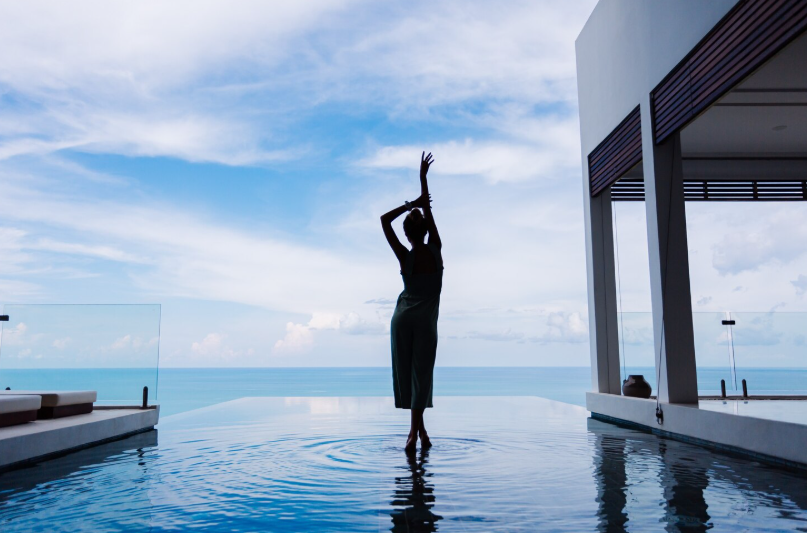
by Dulce Navarro | Mar 30, 2026 | Europe, Experiences, Healthcare, Lifestyle, Luxury, Nature, Travel, VIP
Exclusive Wellness Resorts Along Europe’s Coastlines
In today’s fast-paced world, wellness travel has evolved from a luxury into a necessity for many global professionals and discerning travelers. Europe’s coastlines, with their unparalleled natural beauty, rich cultural heritage, and world-class hospitality, offer some of the most exclusive wellness resorts in the world. These destinations combine restorative environments with cutting-edge health programs, delivering transformative experiences that go far beyond traditional vacations.
The Rise of Coastal Wellness Travel
Coastal wellness resorts have gained prominence due to their unique ability to merge natural healing elements—such as sea air, mineral-rich waters, and tranquil landscapes—with curated health and wellness programs. The rhythmic sound of waves, combined with expansive ocean views, creates an environment that naturally promotes relaxation, mental clarity, and physical rejuvenation.
Across Europe, luxury resorts have embraced this trend by offering personalized wellness journeys that include everything from detox programs and holistic therapies to advanced medical spa treatments. These experiences are designed not only to relax guests but to deliver measurable improvements in health and well-being.
Mediterranean Excellence: Southern Europe’s Finest Retreats
The Mediterranean coastline remains one of the most sought-after regions for wellness travel. Countries such as Spain, Italy, and Greece are home to resorts that seamlessly blend luxury with tradition. Guests can expect sun-drenched terraces, locally sourced cuisine, and therapies inspired by ancient practices.
In Spain, coastal retreats emphasize balance through nutrition, mindfulness, and movement, often incorporating Mediterranean diets known for their health benefits. Italy’s coastal wellness resorts elevate the experience with thermal baths, thalassotherapy, and vineyard-integrated wellness programs. Meanwhile, Greece offers a holistic approach rooted in ancient philosophy, combining yoga, meditation, and natural healing rituals against breathtaking island backdrops.
The French Riviera: Where Luxury Meets Holistic Care
The French Riviera stands as a symbol of sophistication and exclusivity. Wellness resorts in this region are renowned for their meticulous attention to detail and integration of medical-grade treatments with luxurious accommodations.
Many of these resorts provide comprehensive health assessments upon arrival, followed by tailored programs that may include nutritional counseling, stress management techniques, and advanced skincare treatments. The combination of scientific expertise and serene coastal surroundings ensures that guests leave feeling both revitalized and empowered.
Portugal’s Atlantic Coast: A Sanctuary for Mind and Body
Portugal’s coastline offers a more understated yet equally compelling wellness experience. Known for its dramatic cliffs and pristine beaches, the Atlantic coast provides a powerful natural setting for reflection and renewal.
Resorts in this region often focus on holistic well-being, emphasizing mindfulness, surf therapy, and nature immersion. The invigorating Atlantic waters and fresh ocean air contribute to improved circulation and respiratory health, while locally inspired treatments use natural ingredients such as sea salt, algae, and essential oils.
Northern Europe: Wellness in Untouched Landscapes
For travelers seeking a different kind of coastal wellness experience, Northern Europe offers a unique blend of rugged beauty and innovative wellness concepts. Destinations in countries like Denmark, Sweden, and Norway provide minimalist luxury paired with deep-rooted traditions of sauna culture and cold-water therapy.
These resorts emphasize contrast therapy—alternating between heat and cold—to stimulate circulation, boost immunity, and enhance mental resilience. Surrounded by fjords, forests, and open seas, guests can disconnect from daily stressors and reconnect with nature in its purest form.
Personalized Wellness: The New Standard of Luxury
One of the defining characteristics of Europe’s top coastal wellness resorts is their commitment to personalization. Rather than offering one-size-fits-all packages, these destinations tailor each experience to the individual. Guests undergo consultations to assess their physical condition, lifestyle habits, and wellness goals, resulting in highly customized programs.
This level of personalization extends to every aspect of the stay—from curated meal plans and private fitness sessions to bespoke spa treatments and mental wellness coaching. The result is a holistic journey that addresses the unique needs of each guest, ensuring lasting benefits long after the visit concludes.
Culinary Wellness: Nourishing the Body from Within
Nutrition plays a central role in the wellness experience. Europe’s coastal resorts are known for their commitment to high-quality, locally sourced ingredients that support both health and sustainability. Menus are often designed by nutritionists and chefs working in tandem to create dishes that are both delicious and beneficial.
From Mediterranean-inspired meals rich in olive oil and fresh vegetables to plant-based cuisine and detox-friendly options, guests are encouraged to develop healthier eating habits. Culinary workshops and cooking classes further enhance the experience, empowering visitors to bring these practices into their daily lives.
The Lasting Impact of Wellness Travel
The true value of a wellness retreat lies in its long-term impact. Europe’s exclusive coastal resorts are designed not just for temporary relaxation but for meaningful transformation. Guests often return home with improved physical health, reduced stress levels, and a renewed sense of purpose.
As wellness travel continues to evolve, these destinations remain at the forefront, setting new standards for luxury, innovation, and holistic care. Whether along the sunlit shores of the Mediterranean or the dramatic coastlines of the North, Europe offers a wealth of opportunities to restore balance and elevate well-being.
Conclusion
Europe’s coastal wellness resorts represent the pinnacle of modern luxury travel, where natural beauty meets advanced health and wellness practices. For those seeking a refined escape that nurtures both body and mind, these destinations provide an unparalleled experience that is as enriching as it is indulgent.
Stay Connected for More Travel and Lifestyle Inspiration. For more insights into travel, culture, and lifestyle tips, follow me on Instagram @salvadorordorica. If you’re seeking professional translation and localization services to enhance your global ventures, visit The Spanish Group — your trusted partner in bridging cultures worldwide.

by Dulce Navarro | Mar 23, 2026 | Countries, Europe, Experiences, Landscapes, Lifestyle, Luxury, Nature, Travel, VIP
Europe’s Most Prestigious Golf Resorts for Executive Travelers
Introduction
For executive travelers, time is both a luxury and a constraint. Combining business with leisure in a meaningful way has become increasingly important, and golf offers a refined avenue to achieve this balance. Europe, with its rich heritage, breathtaking landscapes, and world-class hospitality, is home to some of the most prestigious golf resorts in the world. These destinations not only provide exceptional courses but also deliver premium accommodations, fine dining, and exclusive services tailored to high-level professionals.
The Appeal of Golf Resorts for Executives
Golf resorts cater uniquely to executive travelers by offering environments that foster both productivity and relaxation. Beyond the sport itself, these resorts provide private meeting spaces, concierge services, and opportunities for discreet networking. The calm and structured nature of golf encourages strategic thinking and meaningful conversations, making it an ideal complement to business travel.
Additionally, the prestige associated with renowned golf destinations enhances the overall experience. Hosting clients or partners at a distinguished resort can strengthen relationships and create lasting impressions, elevating both personal and professional engagements.
St Andrews Links, Scotland
Often referred to as the “Home of Golf,” St Andrews Links stands as a symbol of tradition and excellence. Located on Scotland’s eastern coast, this historic destination offers a collection of iconic courses, including the world-famous Old Course. Executive travelers are drawn to its legacy, challenging play, and the opportunity to walk in the footsteps of golfing legends.
Beyond the fairways, St Andrews offers luxury accommodations, fine dining, and a charming town atmosphere steeped in history. The combination of heritage and modern amenities creates an unparalleled setting for both leisure and business interactions.
Finca Cortesin, Spain
Situated in the heart of Andalusia, Finca Cortesin is synonymous with elegance and exclusivity. This award-winning resort is known for its meticulously maintained course, which has hosted international tournaments. The property features spacious suites, a world-class spa, and exceptional culinary experiences that reflect the richness of Spanish culture.
For executive travelers, Finca Cortesin offers privacy and personalized service, ensuring a seamless experience from arrival to departure. Its tranquil setting provides the perfect backdrop for relaxation after high-level meetings or negotiations.
Le Golf National, France
Located just outside Paris, Le Golf National gained global recognition as the host of the Ryder Cup. Its championship course presents a strategic challenge that appeals to seasoned players. The proximity to Paris makes it particularly attractive for executives who wish to combine business engagements in the city with a premium golfing experience.
The resort’s facilities include modern training centers, elegant accommodations, and meeting spaces designed to accommodate corporate needs. This blend of accessibility and excellence positions Le Golf National as a top choice for business travelers.
Verdura Resort, Italy
Nestled along the Sicilian coastline, Verdura Resort offers a unique combination of natural beauty and refined luxury. Its courses, designed to harmonize with the surrounding landscape, provide stunning समुद views and challenging play. The resort’s commitment to sustainability and wellness further enhances its appeal.
Executive travelers benefit from Verdura’s comprehensive offerings, including private villas, gourmet dining, and state-of-the-art wellness facilities. The serene environment encourages relaxation while maintaining the highest standards of service.
Quinta do Lago, Portugal
Quinta do Lago, located in the Algarve, is renowned for its pristine courses and vibrant atmosphere. With multiple championship courses, it caters to golfers of varying skill levels while maintaining a high standard of excellence. The region’s favorable climate allows for year-round play, making it a reliable destination for international travelers.
The resort community offers a range of luxury accommodations, fine dining establishments, and recreational activities. Its accessibility and diverse amenities make Quinta do Lago a practical yet prestigious option for executives.
Gleneagles, Scotland
Gleneagles is a name synonymous with luxury and tradition. Set amidst the rolling hills of Perthshire, this iconic resort features multiple championship courses and a five-star hotel that epitomizes Scottish elegance. It has hosted numerous high-profile events, further cementing its reputation.
For executive travelers, Gleneagles provides a comprehensive experience that includes fine dining, outdoor activities, and exceptional service. Its ability to combine grandeur with comfort makes it a standout destination.
Key Features That Define Prestigious Golf Resorts
Several characteristics distinguish Europe’s top golf resorts. First, course design and maintenance are paramount, ensuring a challenging and enjoyable experience. Second, accommodations must meet the highest standards of luxury, offering comfort and privacy. Third, exceptional service, including concierge and personalized experiences, is essential.
Additionally, accessibility plays a crucial role. Resorts located near major cities or transportation hubs provide convenience for busy executives. Finally, supplementary amenities such as spas, fine dining, and cultural experiences enhance the overall value of the stay.
Maximizing the Executive Travel Experience
To fully benefit from these destinations, executive travelers should plan strategically. Scheduling meetings in conjunction with tee times can optimize productivity while allowing for relaxation. Leveraging concierge services can streamline logistics, from transportation to dining reservations.
It is also advisable to consider the specific needs of clients or partners when selecting a resort. Matching the destination to their preferences can enhance the overall experience and contribute to successful outcomes.
Conclusion
Europe’s most prestigious golf resorts offer more than exceptional courses; they provide environments where business and leisure seamlessly intersect. From the historic fairways of St Andrews to the coastal elegance of Verdura, these destinations deliver experiences that cater to the discerning executive traveler.
By choosing the right resort, professionals can elevate their travel, strengthen relationships, and enjoy moments of relaxation in some of the world’s most beautiful settings. In today’s fast-paced business landscape, such opportunities are not merely indulgences but valuable investments in both personal well-being and professional success.
Stay Connected
Stay Connected for More Travel and Lifestyle Inspiration. For more insights into travel, culture, and lifestyle tips, follow me on Instagram @salvadorordorica. If you’re seeking professional translation and localization services to enhance your global ventures, visit The Spanish Group — your trusted partner in bridging cultures worldwide.
