
by Dulce Navarro | Apr 20, 2026 | Europe, Experiences, Landscapes, Lifestyle, Luxury, Nature, Travel
Europe’s Most Serene Peninsula Retreats for High-End Travelers
Introduction
In a world where luxury is increasingly defined by privacy, authenticity, and meaningful experiences, Europe’s peninsula retreats stand out as some of the most refined destinations for high-end travelers. These unique landscapes—surrounded by water on three sides—offer an exceptional blend of seclusion, natural beauty, and curated sophistication. For company directors, entrepreneurs, and discerning individuals, these destinations provide not just an escape, but a setting for reflection, inspiration, and elevated living.
The Unique Appeal of Peninsula Living
Unlike traditional coastal destinations, peninsulas offer a natural sense of exclusivity. Their geography inherently limits access, reducing crowds and creating a more tranquil environment. This makes them particularly attractive to high-net-worth travelers who prioritize privacy and personalized service.
In addition, peninsula destinations often feature panoramic water views, diverse microclimates, and rich ecosystems. This combination allows for a wide range of experiences—from serene beach days to scenic hikes and cultural exploration—all within a relatively compact area.
The Sorrentine Peninsula, Italy
The Sorrentine Peninsula is one of Italy’s most iconic luxury destinations, offering breathtaking views over the Tyrrhenian Sea and the Bay of Naples. Known for its elegant villas, world-class cuisine, and proximity to the Amalfi Coast, this region provides a perfect balance between relaxation and cultural immersion.
High-end travelers can indulge in private yacht charters, exclusive wine tastings, and personalized culinary experiences. The towns of Sorrento and Positano offer charm and sophistication, while hidden coves and terraces provide moments of quiet luxury.
Cap d’Antibes, France
Situated along the French Riviera, Cap d’Antibes is synonymous with understated elegance and discretion. This peninsula offers a more tranquil alternative to nearby hotspots such as Cannes and Nice, making it ideal for those seeking privacy without sacrificing luxury.
The area is home to prestigious hotels, private estates, and secluded beaches. Guests can enjoy bespoke services, including private dining, яхting excursions, and curated cultural experiences, all set against the backdrop of the Mediterranean.
Formentor Peninsula, Mallorca
The Formentor Peninsula in Mallorca is a hidden gem characterized by dramatic cliffs, crystal-clear waters, and untouched natural beauty. This destination is perfect for travelers who appreciate both luxury and a strong connection to nature.
Exclusive resorts and boutique accommodations offer stunning views and personalized services. Activities such as scenic drives, private beach access, and cultural tours enhance the overall experience, making Formentor a truly unique retreat.
Tróia Peninsula, Portugal
Located just south of Lisbon, the Tróia Peninsula is a modern luxury destination known for its pristine beaches and contemporary design. This area offers a quieter, more refined alternative to Portugal’s more crowded coastal regions.
High-end travelers can enjoy world-class golf courses, wellness retreats, and private villas with direct beach access. The peninsula’s proximity to Lisbon also allows for seamless travel and access to urban amenities.
The Peloponnese Peninsula, Greece
The Peloponnese Peninsula combines rich history with natural beauty, offering a unique travel experience that goes beyond traditional luxury. From ancient ruins to olive groves and serene coastlines, this region provides both cultural depth and relaxation.
Luxury resorts in the area focus on holistic experiences, including spa treatments, culinary journeys, and guided tours of historical sites. This makes the Peloponnese an ideal destination for travelers seeking both enrichment and tranquility.
Key Features of High-End Peninsula Retreats
What sets these destinations apart is their ability to deliver a comprehensive luxury experience. Common features include:
- Privacy and exclusivity due to limited access
- Panoramic views and diverse natural landscapes
- Personalized services and bespoke experiences
- Rich cultural and historical contexts
- Wellness-focused environments promoting relaxation
Why These Destinations Matter for High-End Travelers
For today’s global leaders and executives, travel is not just about leisure—it is an opportunity to reset, gain perspective, and foster creativity. Peninsula retreats offer the ideal environment for this, combining tranquility with inspiration.
These destinations also provide an excellent setting for intimate gatherings, whether personal or professional. Their exclusivity ensures discretion, while their natural beauty enhances the overall experience.
Conclusion
Europe’s most serene peninsula retreats represent the pinnacle of modern luxury travel. By offering privacy, natural beauty, and curated experiences, they cater to the evolving needs of high-end travelers. Whether it is the timeless elegance of Cap d’Antibes, the dramatic landscapes of Formentor, or the cultural richness of the Peloponnese, these destinations provide unforgettable experiences that go far beyond traditional tourism.
As the demand for meaningful and exclusive travel continues to grow, peninsula retreats are poised to remain at the forefront of luxury travel in Europe.
Stay Connected
Stay Connected for More Travel and Lifestyle Inspiration. For more insights into travel, culture, and lifestyle tips, follow me on Instagram @salvadorordorica. If you’re seeking professional translation and localization services to enhance your global ventures, visit The Spanish Group — your trusted partner in bridging cultures worldwide.

by Dulce Navarro | Apr 17, 2026 | Art, Europe, Experiences, Lifestyle, Luxury, Travel
Luxury Artisan Workshops Offering Private Masterclasses
Introduction
In the evolving world of luxury travel, exclusivity is no longer defined solely by where you stay, but by what you experience. Today’s discerning travelers are increasingly seeking immersive, meaningful engagements that connect them directly with culture, heritage, and craftsmanship. One of the most refined expressions of this trend is the rise of luxury artisan workshops offering private masterclasses—highly curated experiences where tradition meets personalization.
These workshops provide unparalleled access to master artisans, allowing participants to learn centuries-old techniques while creating something tangible and unique. Whether in a Tuscan leather atelier or a Parisian perfume house, these experiences transform travel into a deeply personal journey of creativity and cultural discovery.
The Shift Toward Experiential Luxury
Luxury consumers are increasingly prioritizing experiences over possessions. According to industry insights, high-net-worth travelers value authenticity, exclusivity, and storytelling—elements that artisan workshops naturally embody. Private masterclasses offer all three, creating memorable interactions that go far beyond traditional tourism.
Unlike large group tours, these sessions are typically intimate, often one-on-one or in small groups. This ensures personalized attention and a deeper level of engagement. Participants gain not only technical knowledge but also insight into the history, philosophy, and passion behind each craft.
Italy: Heritage Craftsmanship in Leather and Fashion
Italy remains one of the most iconic destinations for artisan experiences. Cities like Florence and Milan are home to family-run ateliers that have preserved their techniques for generations. Private leatherworking masterclasses allow participants to understand every stage of the process—from selecting premium hides to cutting, stitching, and finishing bespoke items.
In addition to leather goods, travelers can explore bespoke tailoring workshops, where master tailors demonstrate the meticulous art of suit-making. These sessions highlight the precision and dedication required to produce garments synonymous with Italian luxury.
The result is not just a product, but a deeper appreciation for the craftsmanship that defines the global reputation of Italian design.
France: Perfumery and Culinary Excellence
France offers some of the most sophisticated artisan experiences, particularly in perfumery and gastronomy. In Grasse, the world’s perfume capital, private masterclasses guide participants through the art of scent creation. Guests learn to identify fragrance notes, blend compositions, and ultimately create a personalized perfume.
Culinary workshops in Paris and beyond provide a similarly immersive experience. Hosted by Michelin-trained chefs, these sessions go beyond basic cooking classes, offering insight into advanced techniques, ingredient sourcing, and presentation. Participants not only prepare gourmet dishes but also gain a deeper understanding of French culinary traditions.
These experiences engage multiple senses, making them both educational and unforgettable.
Spain: Artistic Expression Through Ceramics and Textiles
Spain’s artisan heritage is rich and diverse, particularly in ceramics and textiles. Regions such as Andalusia and Valencia are renowned for their pottery traditions. Private workshops allow participants to engage directly with master ceramists, learning techniques such as wheel-throwing, glazing, and decorative painting.
Textile workshops offer additional opportunities to explore embroidery, weaving, and fabric design. These sessions often incorporate historical context, helping participants understand how cultural influences have shaped Spanish artistry over time.
The hands-on nature of these workshops fosters a deeper connection to the destination, turning cultural appreciation into active participation.
Switzerland: Precision in Watchmaking
For those drawn to precision and engineering, Switzerland offers exclusive access to the world of luxury watchmaking. Private masterclasses hosted by renowned horologists provide a rare opportunity to explore the intricate mechanics behind high-end timepieces.
Participants can observe and even contribute to the assembly of watch components, gaining insight into the craftsmanship and innovation that define Swiss watchmaking. These experiences are highly exclusive, often limited to a select number of guests.
They represent a unique intersection of art, science, and tradition, making them particularly appealing to professionals and collectors alike.
Why Private Masterclasses Stand Out
Luxury artisan workshops offer a range of benefits that distinguish them from other travel experiences:
- Exclusivity: Limited participation ensures a highly personalized experience.
- Authenticity: Direct interaction with artisans provides genuine cultural insight.
- Skill Development: Participants gain practical, hands-on knowledge.
- Unique Souvenirs: Guests create one-of-a-kind items to take home.
- Emotional Connection: These experiences foster meaningful memories and deeper cultural appreciation.
For company directors and executives, these workshops can also serve as powerful tools for client engagement or team-building, offering unique environments that inspire creativity and connection.
The Future of Luxury Travel
As the demand for personalized and meaningful experiences continues to grow, luxury artisan workshops are becoming a cornerstone of high-end travel. They align perfectly with the values of modern travelers—authenticity, sustainability, and cultural respect.
These masterclasses not only preserve traditional crafts but also support local artisans and communities. By participating, travelers contribute to the continuation of these skills, ensuring they remain relevant in a rapidly changing world.
Looking ahead, we can expect even greater innovation in this space, with more bespoke offerings and cross-cultural collaborations that further elevate the experience.
Conclusion
Luxury artisan workshops offering private masterclasses represent the pinnacle of experiential travel. They provide a rare opportunity to engage deeply with culture, learn from masters, and create something truly personal. Whether crafting leather in Italy, blending perfumes in France, shaping ceramics in Spain, or assembling watches in Switzerland, these experiences redefine what it means to travel in luxury.
For those seeking more than just a destination, these workshops offer a journey into creativity, heritage, and human connection—elements that leave a lasting impression long after the trip has ended.
Stay Connected
Stay Connected for More Travel and Lifestyle Inspiration. For more insights into travel, culture, and lifestyle tips, follow me on Instagram @salvadorordorica. If you’re seeking professional translation and localization services to enhance your global ventures, visit The Spanish Group — your trusted partner in bridging cultures worldwide.

by Dulce Navarro | Apr 16, 2026 | Art, Culture, Europe, Experiences, Landscapes, Lifestyle, Luxury, Travel
Exclusive Literary-Inspired Travel Across Europe
For discerning travelers and company directors seeking meaningful, culturally rich experiences, Europe offers a unique opportunity to explore the continent through the lens of its most celebrated literary figures. Beyond traditional tourism, literary-inspired travel provides a refined and intellectually engaging journey—one that blends history, architecture, and storytelling into a sophisticated itinerary.
From the cafés of Paris that nurtured existentialist thought to the quiet English countryside that inspired timeless novels, Europe’s literary heritage remains deeply embedded in its landscapes. These curated experiences offer not only inspiration but also a deeper connection to the ideas and narratives that have shaped global culture.
Paris, France: The Intellectual Heart of Literary Europe
Paris has long been a sanctuary for writers, thinkers, and artists. The Left Bank, particularly Saint-Germain-des-Prés, is synonymous with literary history. Here, figures such as Ernest Hemingway and James Joyce once gathered in iconic cafés to exchange ideas and craft their works.
Visitors can explore historic bookstores like Shakespeare and Company, attend private literary tours, or enjoy curated experiences that revisit the golden age of expatriate writers. A guided walk through these neighborhoods offers a rare glimpse into the intellectual energy that defined an era.
London, England: A Tapestry of Literary Legacy
London’s literary scene is vast and layered, reflecting centuries of storytelling. From the works of Charles Dickens to the modern influence of contemporary authors, the city provides countless opportunities for exploration.
Private tours of historic homes, such as the residences of Virginia Woolf or Sherlock Holmes-inspired locations, offer an intimate perspective on literary life. Exclusive access to archives and libraries can further enhance the experience for those seeking depth and authenticity.
Dublin, Ireland: Celebrating Literary Greatness
Dublin is a UNESCO City of Literature and home to some of the world’s most influential writers, including James Joyce, W.B. Yeats, and Samuel Beckett. The city’s literary heritage is celebrated through museums, walking tours, and cultural events.
Visitors can experience private readings, curated pub crawls inspired by literary figures, and guided tours that trace the footsteps of these iconic authors. The immersive nature of Dublin’s literary culture makes it a must-visit destination.
Florence, Italy: Renaissance Inspiration and Literary Artistry
Florence’s influence extends beyond visual art into the realm of literature. Dante Alighieri’s legacy is deeply rooted in the city, with landmarks and guided experiences dedicated to his life and works.
Exclusive tours can include access to historic sites, private lectures, and curated visits to libraries housing rare manuscripts. Florence offers a seamless blend of artistic and literary excellence.
Edinburgh, Scotland: A City of Stories
As another UNESCO City of Literature, Edinburgh boasts a vibrant literary scene. It has inspired authors from Sir Walter Scott to J.K. Rowling, whose work on the Harry Potter series began in the city’s cafés.
Luxury travelers can enjoy private literary tours, attend exclusive events, and explore historic sites that have shaped storytelling traditions. The city’s atmosphere is both inspiring and deeply rooted in literary heritage.
Prague, Czech Republic: Kafka’s World
Prague offers a distinctive literary experience centered around Franz Kafka. The city’s architecture and ambiance provide a fitting backdrop to his introspective and often surreal works.
Guided tours can include visits to Kafka’s former residences, museums, and key locations that influenced his writing. Prague’s unique character makes it an essential stop for literary enthusiasts.
Exclusive Experiences for the Modern Traveler
What sets literary-inspired travel apart is the ability to access experiences that go beyond the ordinary. Private guided tours, exclusive readings, and behind-the-scenes access to historic libraries create a tailored journey that aligns with the expectations of high-level professionals.
These experiences can be further enhanced by partnering with concierge services or cultural experts who specialize in curating bespoke itineraries. Whether it’s arranging a private dinner in a historic literary setting or securing access to restricted archives, the possibilities are extensive.
Why Literary Travel Matters for Leaders
For company directors, literary travel offers more than cultural enrichment—it provides a source of inspiration and perspective. Engaging with the ideas and narratives of great writers can foster creativity, strategic thinking, and a deeper understanding of human experiences.
In a fast-paced business environment, these moments of reflection and intellectual engagement are invaluable. They allow leaders to step back, gain new insights, and return with renewed clarity and vision.
Planning a Refined Literary Journey
To maximize the value of a literary-inspired itinerary, careful planning is essential. Selecting destinations that align with personal interests, securing exclusive access, and ensuring a seamless travel experience are key considerations.
Working with experienced travel advisors can help streamline the process, providing access to curated experiences and expert guidance. This ensures that each destination is not only visited but truly experienced.
Conclusion
Exclusive literary-inspired travel across Europe offers a sophisticated and enriching alternative to traditional tourism. By exploring the continent through its literary heritage, travelers can connect with the ideas, stories, and cultural influences that have shaped the modern world.
For those seeking depth, inspiration, and a refined travel experience, these journeys provide an unparalleled opportunity to engage with Europe’s intellectual legacy in a meaningful way.
Stay Connected for More Travel and Lifestyle Inspiration. For more insights into travel, culture, and lifestyle tips, follow me on @salvadorordorica. If you’re seeking professional translation and localization services to enhance your global ventures, visit The Spanish Group — your trusted partner in bridging cultures worldwide.
by Dulce Navarro | Apr 16, 2026 | Europe, Experiences, Lifestyle, Luxury, Travel
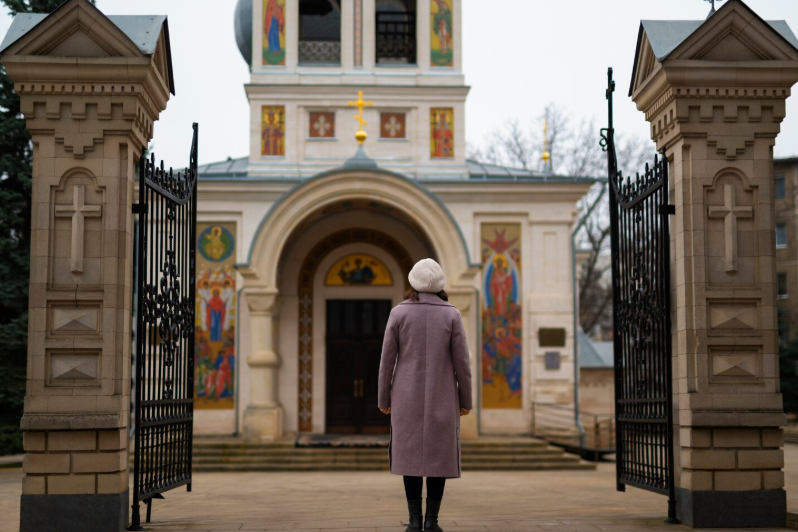
Europe’s Hidden Architectural Masterpieces Open to Visitors
For company directors and sophisticated travelers, Europe offers far more than its globally recognized landmarks. Beyond the Eiffel Tower, Colosseum, and Sagrada Familia lies a curated world of lesser-known architectural masterpieces—spaces that embody innovation, heritage, and exclusivity. These hidden gems provide not only visual and cultural enrichment but also a more intimate and refined travel experience.
Exploring these architectural treasures allows travelers to engage with Europe’s design legacy in a meaningful way, often with fewer crowds and enhanced access. From private residences and historic estates to avant-garde structures and restored landmarks, these destinations reveal the continent’s depth and diversity.
Villa Farnese, Italy: Renaissance Precision and Symmetry
Located in Caprarola, just outside Rome, Villa Farnese is a striking example of Renaissance architecture. Designed with a unique pentagonal layout, the villa combines geometric precision with elaborate frescoes and grand interiors.
Unlike many of Italy’s more crowded attractions, Villa Farnese offers a quieter and more immersive experience. Visitors can explore its expansive gardens, intricate staircases, and richly decorated rooms at a relaxed pace, gaining a deeper appreciation for Renaissance design principles.
Palácio de Monserrate, Portugal: Romanticism Reimagined
Nestled in the hills of Sintra, the Palácio de Monserrate is a masterpiece of 19th-century Romantic architecture. Its design blends Gothic, Moorish, and Indian influences, creating a structure that is both exotic and harmonious.
The surrounding gardens, featuring rare plant species from around the world, enhance the overall experience. With fewer visitors than Sintra’s more famous palaces, Monserrate provides a tranquil and visually captivating setting.
Hundertwasserhaus, Austria: Organic Modernism
In Vienna, the Hundertwasserhaus stands as a testament to creative freedom and environmental consciousness. Designed by artist Friedensreich Hundertwasser, the building rejects conventional architectural norms in favor of organic shapes, vibrant colors, and integrated greenery.
While primarily a residential building, portions of the site are accessible to visitors, offering insight into a unique design philosophy that prioritizes individuality and harmony with nature.
Casa Vicens, Spain: Gaudí’s Early Vision
Before the global recognition of Antoni Gaudí’s later works, Casa Vicens marked the beginning of his architectural journey. Located in Barcelona, this residence showcases a fusion of Moorish and Catalan influences, characterized by intricate tilework and bold design elements.
Now open to the public, Casa Vicens provides a more intimate perspective on Gaudí’s evolving style, away from the crowds typically associated with his more famous projects.
Stoclet Palace, Belgium: Art Nouveau Excellence
Though not always accessible to the public, Stoclet Palace in Brussels occasionally opens for special visits and events. Designed by Josef Hoffmann, it represents one of the most complete examples of Art Nouveau architecture.
The palace’s interiors, featuring works by renowned artists such as Gustav Klimt, highlight the integration of art and architecture—a defining characteristic of the movement.
Château de Vaux-le-Vicomte, France: Baroque Grandeur Without the Crowds
Often overshadowed by Versailles, Château de Vaux-le-Vicomte offers a similarly grand yet more intimate experience. Located just outside Paris, this 17th-century estate is a masterpiece of Baroque architecture and landscape design.
Visitors can explore the château’s opulent interiors, expansive gardens, and candlelit evening events, which recreate the ambiance of its historical era.
Therme Vals, Switzerland: Minimalist Luxury
Designed by architect Peter Zumthor, Therme Vals is a contemporary architectural masterpiece that seamlessly integrates with its natural surroundings. The spa complex is constructed using locally sourced quartzite, creating a harmonious relationship between structure and environment.
This destination offers not only visual appeal but also a sensory experience, combining design excellence with wellness and relaxation.
Kolumba Museum, Germany: Layers of History
In Cologne, the Kolumba Museum stands as a testament to thoughtful architectural integration. Designed by Peter Zumthor, the museum incorporates the ruins of a Gothic church into its modern structure.
The result is a space that bridges past and present, offering visitors a contemplative environment that highlights both historical preservation and contemporary design.
Why These Hidden Masterpieces Matter
These lesser-known architectural sites provide a deeper understanding of Europe’s cultural and artistic evolution. They offer opportunities for reflection, inspiration, and discovery that are often difficult to achieve in more crowded settings.
For company directors and high-level professionals, these destinations also present opportunities to engage with design thinking, innovation, and heritage—concepts that can translate into broader business and creative insights.
Planning a Refined Architectural Journey
To fully appreciate these hidden masterpieces, careful planning is essential. Many of these sites require advance reservations or offer limited access, making it important to coordinate visits strategically.
Working with experienced travel advisors or concierge services can enhance the experience, providing access to private tours, expert guides, and tailored itineraries that align with personal interests and schedules.
Conclusion
Europe’s hidden architectural masterpieces represent a compelling alternative to traditional travel itineraries. By exploring these refined and often overlooked destinations, travelers can experience the continent’s design heritage in a more meaningful and exclusive way.
From Renaissance villas and Romantic palaces to modernist icons and contemporary spaces, these sites offer a rich and diverse perspective on architecture. For those seeking depth, inspiration, and sophistication, they provide an unparalleled journey through Europe’s creative legacy.
Stay Connected for More Travel and Lifestyle Inspiration. For more insights into travel, culture, and lifestyle tips, follow me on @salvadorordorica. If you’re seeking professional translation and localization services to enhance your global ventures, visit The Spanish Group — your trusted partner in bridging cultures worldwide.
by Dulce Navarro | Apr 16, 2026 | Countries, Europe, Experiences, Landscapes, Lifestyle, Luxury, Travel
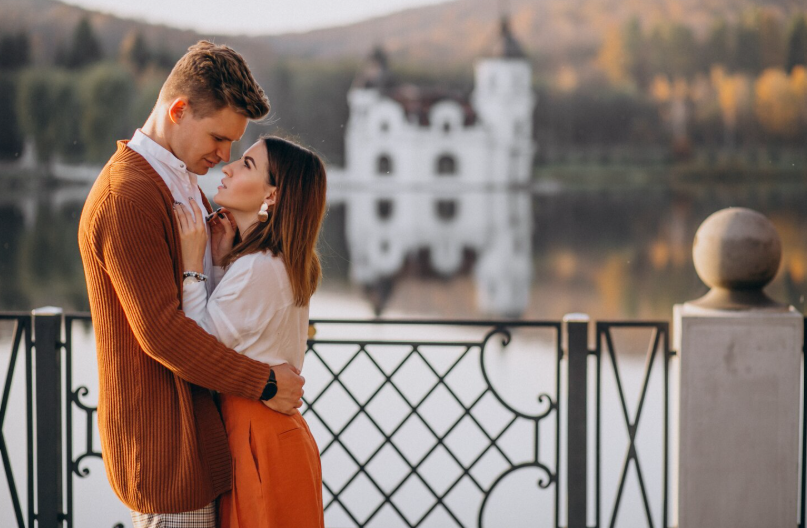
The Most Refined European Cities for Romantic Getaways
For company directors and discerning travelers, romance is best experienced in destinations that offer a seamless blend of culture, elegance, and exclusivity. Europe, with its timeless cities and refined atmosphere, remains the ultimate setting for sophisticated romantic getaways. From iconic capitals to hidden gems, the continent provides an unparalleled range of experiences designed to inspire connection, relaxation, and unforgettable memories.
Whether it is a spontaneous escape or a carefully curated itinerary, selecting the right destination is essential. The most refined European cities combine architectural beauty, exceptional hospitality, and intimate experiences that elevate travel beyond the ordinary.
Paris: Timeless Elegance and Iconic Romance
No list of romantic destinations would be complete without Paris. Known globally as the City of Light, Paris embodies sophistication and charm. Couples can enjoy private Seine river cruises, dine in Michelin-starred restaurants, and explore world-renowned museums such as the Louvre.
The city’s historic neighborhoods, including Saint-Germain-des-Prés and Le Marais, offer boutique shopping, art galleries, and quiet cafés perfect for intimate moments. Luxury hotels provide exceptional service and views of landmarks such as the Eiffel Tower, ensuring a truly memorable stay.
Venice: Intimacy on the Water
Venice offers a uniquely romantic setting defined by its canals, historic palaces, and serene atmosphere. A private gondola ride through the quieter waterways provides an intimate perspective of the city’s architectural beauty.
Luxury travelers can enjoy exclusive access to historic palazzos, private dining experiences, and guided tours of cultural landmarks such as St. Mark’s Basilica. Visiting during the shoulder season enhances the experience, allowing couples to appreciate Venice’s charm without the crowds.
Florence: Art, Culture, and Tuscan Charm
Florence is a city where art and romance converge. As the birthplace of the Renaissance, it offers a rich cultural landscape complemented by a warm and inviting atmosphere. Couples can explore iconic sites such as the Duomo and the Uffizi Gallery, followed by intimate dinners featuring Tuscan cuisine.
Private tours, wine tastings in nearby vineyards, and boutique accommodations add layers of sophistication to the experience. Florence’s manageable size makes it ideal for leisurely exploration and meaningful connection.
Prague: Fairytale Ambiance and Historic Beauty
Prague’s cobblestone streets, Gothic architecture, and enchanting skyline create a fairytale setting for romance. The city’s historic center, a UNESCO World Heritage site, offers a wealth of cultural and architectural treasures.
Couples can enjoy evening walks across the Charles Bridge, private concerts in historic venues, and fine dining experiences that highlight Czech and international cuisine. Prague’s blend of history and elegance makes it a standout destination for refined travelers.
Vienna: Classical Sophistication
Vienna is synonymous with classical music, imperial history, and refined living. The city’s grand palaces, such as Schönbrunn and the Hofburg, provide a glimpse into its aristocratic past.
Romantic experiences include attending a private concert, enjoying traditional Viennese coffee culture, and exploring art collections in world-class museums. Luxury hotels and impeccable service further enhance Vienna’s appeal as a romantic destination.
Barcelona: Vibrant Elegance by the Sea
Barcelona offers a dynamic blend of culture, architecture, and coastal beauty. The works of Antoni Gaudí, including the Sagrada Familia and Park Güell, provide a visually striking backdrop for exploration.
Couples can enjoy beachfront dining, private yacht charters, and exclusive cultural experiences. The city’s energy, combined with its refined offerings, creates a unique and engaging romantic atmosphere.
Lisbon: Warmth and Authenticity
Lisbon’s charm lies in its authenticity, scenic viewpoints, and welcoming ambiance. The city’s historic neighborhoods, such as Alfama and Bairro Alto, offer a mix of tradition and modernity.
Romantic experiences include sunset views over the Tagus River, private Fado performances, and curated culinary tours. Lisbon’s understated elegance makes it an increasingly popular choice for sophisticated travelers.
Edinburgh: Historic Romance and Scenic Views
Edinburgh combines historic grandeur with natural beauty, creating a distinctive romantic setting. The city’s medieval Old Town and elegant New Town offer contrasting yet complementary experiences.
Couples can explore Edinburgh Castle, enjoy scenic walks along Arthur’s Seat, and dine in refined restaurants that showcase Scottish cuisine. The city’s atmospheric charm is particularly captivating during the cooler months.
Tailored Experiences for Discerning Travelers
What sets these cities apart is their ability to offer personalized and exclusive experiences. Private tours, bespoke itineraries, and curated cultural activities allow couples to design journeys that reflect their preferences and interests.
From helicopter tours and private museum access to customized culinary experiences, the possibilities are extensive. These tailored offerings ensure that each trip is unique and memorable.
Conclusion
Europe’s most refined cities provide the perfect backdrop for romantic getaways that combine elegance, culture, and intimacy. Whether exploring the iconic streets of Paris, the canals of Venice, or the historic charm of Prague and Vienna, each destination offers a distinct and enriching experience.
For company directors and luxury travelers, these cities represent more than just destinations—they are opportunities to reconnect, unwind, and create lasting memories in some of the world’s most beautiful settings.
Stay Connected for More Travel and Lifestyle Inspiration. For more insights into travel, culture, and lifestyle tips, follow me on @salvadorordorica. If you’re seeking professional translation and localization services to enhance your global ventures, visitThe Spanish Group — your trusted partner in bridging cultures worldwide.

by Dulce Navarro | Apr 15, 2026 | Countries, Culture, Europe, Experiences, Landscapes, Lifestyle, Luxury, Travel
Luxury Travel in Europe During the Shoulder Season
For company directors and discerning travelers, timing is everything. While Europe’s peak summer months draw global attention, the shoulder season—typically spanning April to June and September to October—offers a more refined, strategic, and rewarding way to experience the continent. Luxury travel during this period combines exclusivity, cultural richness, and operational efficiency, making it an increasingly preferred choice for high-net-worth individuals.
From quieter cities to enhanced service levels and more favorable pricing, the shoulder season provides a unique opportunity to explore Europe’s most iconic destinations without the constraints of peak tourism.
What Defines the Shoulder Season
The shoulder season sits between the high and low travel periods, offering a balance of pleasant weather and reduced crowds. In spring, Europe comes alive with blooming landscapes and vibrant cultural events, while autumn delivers warm hues, harvest festivals, and a more relaxed pace of life.
For luxury travelers, this timing allows for a more intimate experience—whether exploring historic cities, coastal retreats, or countryside estates—without compromising on quality or access.
Enhanced Privacy and Exclusivity
One of the most compelling advantages of shoulder season travel is the level of privacy it affords. Popular destinations such as Paris, Rome, and Barcelona are significantly less crowded, enabling travelers to enjoy landmarks, museums, and dining experiences with greater ease and comfort.
Luxury hotels, private tour operators, and concierge services are also better positioned to provide personalized attention. This translates into upgraded experiences, priority access, and a higher degree of customization—key elements for executives seeking efficiency and discretion.
Superior Service and Availability
During peak season, even the most prestigious establishments operate at full capacity, which can limit flexibility. In contrast, the shoulder season allows hotels, restaurants, and service providers to deliver a more attentive and tailored experience.
From securing last-minute reservations at Michelin-starred restaurants to arranging private guided tours with minimal notice, travelers benefit from a level of responsiveness that enhances the overall journey.
Favorable Pricing Without Compromising Luxury
Another significant advantage is cost efficiency. While luxury travel is not solely defined by price, the shoulder season offers more favorable rates on accommodations, transportation, and exclusive experiences.
High-end hotels often provide promotional packages, including extended stays, complimentary upgrades, or added amenities. Private villa rentals and boutique properties are also more accessible, allowing travelers to enjoy premium accommodations at a better value.
Ideal Weather Conditions
Weather plays a critical role in shaping the travel experience. The shoulder season typically offers mild temperatures and comfortable conditions, making it ideal for both urban exploration and outdoor activities.
In spring, destinations such as the French Riviera and the Amalfi Coast begin to warm up without the intense summer heat. In autumn, regions like Tuscany and Provence provide a picturesque backdrop for wine tastings, countryside drives, and cultural excursions.
Cultural Immersion and Local Experiences
Traveling during the shoulder season allows for deeper cultural engagement. With fewer tourists, visitors can connect more authentically with local communities, traditions, and daily life.
Seasonal events, including harvest festivals, art exhibitions, and regional celebrations, offer unique insights into Europe’s diverse cultural landscape. These experiences are often less commercialized and more reflective of local heritage.
Strategic Destinations for Shoulder Season Travel
Several European destinations stand out during the shoulder season. Paris offers a refined atmosphere with shorter queues and a vibrant cultural calendar. Italy’s major cities and countryside regions provide an ideal blend of history, gastronomy, and scenic beauty.
Spain’s coastal and urban destinations become more accessible, while Portugal’s mild climate makes it an excellent choice for both relaxation and exploration. Emerging destinations in Eastern Europe also present opportunities for discovery with fewer crowds and exceptional value.
Efficiency for Executive Travel
For company directors balancing demanding schedules, the shoulder season aligns well with professional commitments. Reduced congestion at airports, hotels, and tourist sites contributes to a more efficient travel experience.
Additionally, the ability to secure reservations and access premium services with greater ease ensures that time is maximized, whether for leisure or business-related travel.
Sustainability and Responsible Travel
Choosing to travel during the shoulder season also supports more sustainable tourism practices. By distributing visitor numbers more evenly throughout the year, travelers help reduce the environmental and social pressures associated with peak season tourism.
This approach aligns with the values of many modern executives who prioritize responsible and conscious travel without compromising on luxury.
Conclusion
Luxury travel in Europe during the shoulder season represents a strategic and sophisticated approach to exploring the continent. With enhanced privacy, superior service, favorable pricing, and optimal weather conditions, this period offers a compelling alternative to peak travel months.
For discerning travelers seeking efficiency, exclusivity, and authentic experiences, the shoulder season provides the perfect balance. As the demand for more personalized and sustainable travel continues to grow, this approach is set to become a defining trend in the luxury travel landscape.
Stay Connected for More Travel and Lifestyle Inspiration. For more insights into travel, culture, and lifestyle tips, follow me on @salvadorordorica. If you’re seeking professional translation and localization services to enhance your global ventures, visit The Spanish Group — your trusted partner in bridging cultures worldwide.
