
by Dulce Navarro | Mar 24, 2026 | Art, Countries, Culture, Europe, Experiences, Lifestyle, Luxury, Travel
The Finest European Destinations for Art Collectors
Introduction
Europe has long been regarded as the epicenter of the global art world, offering an unparalleled blend of history, innovation, and cultural depth. For art collectors, the continent presents a sophisticated landscape where masterpieces of the past coexist with cutting-edge contemporary works. From prestigious galleries and international art fairs to private collections and emerging creative hubs, Europe provides a dynamic environment for both seasoned collectors and those seeking to expand their portfolios.
Paris: Timeless Elegance and Contemporary Influence
Paris remains one of the most influential cities for art collectors. Renowned for its historic institutions such as the Louvre and Musée d’Orsay, the city also thrives as a center for contemporary art. Districts like Le Marais and Saint-Germain-des-Prés are home to leading galleries showcasing both established and emerging artists.
The city’s art fairs, including FIAC (Foire Internationale d’Art Contemporain), attract global collectors and industry leaders. Paris offers a refined collecting experience, combining heritage with innovation, making it an essential destination for those seeking both classic and modern works.
London: A Global Art Market Powerhouse
London stands as a dominant force in the international art market. The city hosts world-renowned auction houses such as Sotheby’s and Christie’s, where significant works regularly change hands. Its diverse gallery scene spans from blue-chip institutions in Mayfair to experimental spaces in East London.
Frieze London, one of the most prestigious contemporary art fairs in the world, draws collectors from across the globe. The city’s cosmopolitan nature and strong financial infrastructure make it a strategic hub for art investment and acquisition.
Basel: The Heart of the International Art Fair Scene
Basel may be a smaller city, but it holds immense importance in the art world. Art Basel, arguably the most prestigious art fair globally, transforms the city into a vibrant marketplace for collectors, galleries, and artists. The event features works ranging from modern masterpieces to avant-garde installations.
Beyond the fair, Basel offers a rich cultural landscape with institutions such as the Fondation Beyeler and Kunstmuseum Basel. Its focused and high-quality offerings make it a must-visit destination for serious collectors.
Berlin: Innovation and Emerging Talent
Berlin has established itself as a leading center for contemporary art and experimental creativity. The city’s relatively accessible cost structure has attracted a diverse community of artists, resulting in a vibrant and ever-evolving scene. Neighborhoods like Mitte and Kreuzberg are filled with independent galleries and project spaces.
For collectors interested in discovering emerging talent and avant-garde works, Berlin offers unique opportunities. The city’s emphasis on innovation and cultural dialogue makes it an exciting destination for forward-thinking collectors.
Milan: Design, Fashion, and Fine Art
Milan’s reputation as a global design and fashion capital extends naturally into the art world. The city’s galleries and institutions reflect a sophisticated aesthetic that appeals to collectors with an eye for both art and design. Events such as Miart highlight Milan’s role in bridging modern and contemporary art.
The integration of art with design and lifestyle creates a distinctive collecting environment. Milan is particularly attractive for those seeking works that complement high-end interiors and architectural spaces.
Madrid: A Cultural and Artistic Heritage
Madrid offers a rich artistic heritage anchored by institutions such as the Prado Museum and Reina Sofía. The city’s collections span centuries, providing collectors with a comprehensive understanding of European art history. In recent years, Madrid has also developed a growing contemporary scene.
ARCOmadrid, one of Europe’s leading contemporary art fairs, showcases a diverse range of international galleries. The city’s blend of tradition and modernity makes it an appealing destination for collectors seeking depth and diversity.
Key Considerations for Art Collectors
Navigating Europe’s art landscape requires a strategic approach. Collectors should consider factors such as market trends, provenance, and authenticity when acquiring works. Engaging with reputable galleries, auction houses, and advisors is essential to ensure informed decisions.
Additionally, understanding regional specialties can enhance the collecting experience. For example, Paris excels in both historical and contemporary art, while Berlin is known for emerging artists. Aligning acquisitions with personal interests and long-term goals is crucial for building a meaningful collection.
The Role of Art Fairs and Private Viewings
Art fairs play a central role in the European art market, providing collectors with access to a wide range of works in a concentrated setting. These events offer opportunities to engage directly with galleries and artists, facilitating informed purchasing decisions.
Private viewings and gallery appointments further enhance the experience by offering a more intimate setting. These interactions allow collectors to gain deeper insights into the works and establish relationships within the art community.
Enhancing the Collector Experience
Beyond acquisitions, Europe offers a wealth of cultural experiences that enrich the collector’s journey. Visiting museums, attending exhibitions, and exploring architectural landmarks provide valuable context for understanding artistic movements and influences.
Many destinations also offer bespoke services tailored to collectors, including art advisory, logistics, and storage solutions. These services ensure that acquisitions are managed professionally and efficiently.
Conclusion
Europe’s finest destinations for art collectors offer a sophisticated and diverse landscape that caters to a wide range of interests and objectives. From the historic elegance of Paris to the innovative energy of Berlin, each city provides unique opportunities for discovery and investment.
For executive travelers and discerning collectors, these destinations represent more than places to acquire art—they are environments that inspire creativity, foster connections, and celebrate cultural excellence. By engaging with Europe’s vibrant art scene, collectors can build meaningful collections while experiencing some of the world’s most dynamic cultural centers.
Stay Connected
Stay Connected for More Travel and Lifestyle Inspiration. For more insights into travel, culture, and lifestyle tips, follow me on Instagram @salvadorordorica. If you’re seeking professional translation and localization services to enhance your global ventures, visit The Spanish Group — your trusted partner in bridging cultures worldwide.
by Dulce Navarro | Mar 24, 2026 | Countries, Europe, Experiences, Lifestyle, Luxury, Travel
Elevated City Breaks in Europe’s Design-Forward Neighborhoods
Introduction
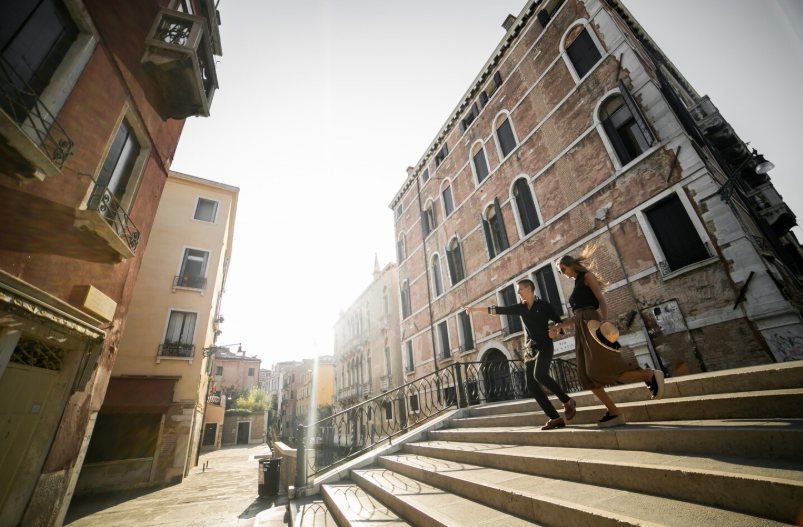
Europe has long been synonymous with culture, history, and architectural excellence. However, beyond its iconic landmarks lies a new layer of sophistication: design-forward neighborhoods that redefine the modern city break. These districts combine cutting-edge architecture, curated retail, innovative gastronomy, and artistic expression, offering executive travelers a refined and inspiring urban escape. For those seeking elevated experiences, these neighborhoods represent the perfect intersection of creativity, luxury, and lifestyle.
The Rise of Design-Forward Travel
Today’s discerning traveler is no longer satisfied with traditional sightseeing alone. There is a growing desire for immersive experiences that reflect contemporary culture and innovation. Design-forward neighborhoods respond to this demand by blending heritage with modern aesthetics, creating environments that are both visually compelling and culturally relevant.
These areas often emerge from revitalized industrial zones or historic quarters that have been reimagined through thoughtful urban planning. The result is a dynamic atmosphere where galleries, concept stores, boutique hotels, and culinary destinations coexist, offering visitors a multifaceted experience.
Le Marais, Paris
Le Marais stands as one of Paris’s most vibrant and stylish districts. Known for its preserved medieval streets and elegant mansions, it has evolved into a hub for contemporary art and design. Visitors can explore independent galleries, avant-garde boutiques, and curated lifestyle stores that reflect the district’s creative spirit.
The neighborhood’s blend of historic charm and modern sophistication makes it ideal for executive travelers seeking both inspiration and comfort. Its central location also allows for seamless access to Paris’s broader cultural offerings.
Shoreditch, London
Shoreditch has transformed from an industrial area into one of London’s most influential creative hubs. Its streets are adorned with striking street art, while its warehouses house innovative startups, co-working spaces, and design studios. The area’s energy is further enhanced by a thriving culinary scene and a selection of boutique accommodations.
For executives, Shoreditch offers a unique environment that encourages creativity and forward thinking. It is a place where business and design intersect, making it particularly appealing for those in creative industries.
Brera, Milan
Milan is globally recognized as a capital of design, and Brera embodies this reputation. The district is home to renowned galleries, design showrooms, and the prestigious Brera Academy. Its cobblestone streets are lined with elegant cafés and high-end boutiques, creating an atmosphere of understated luxury.
Brera’s appeal lies in its ability to balance tradition with innovation. Visitors can immerse themselves in Milan’s design heritage while experiencing the latest trends in fashion and interior design.
El Born, Barcelona
El Born offers a compelling mix of history and contemporary culture. Its narrow streets lead to artisan workshops, modern galleries, and stylish dining establishments. The neighborhood’s creative energy is palpable, making it a favorite among designers and artists.
Executive travelers will appreciate El Born’s vibrant yet refined atmosphere, as well as its proximity to key landmarks and the Mediterranean coastline.
Vesterbro, Copenhagen
Vesterbro exemplifies Scandinavian design principles with its clean lines, functional spaces, and emphasis on sustainability. Once a working-class district, it has been transformed into a trendy neighborhood filled with design shops, organic eateries, and contemporary hotels.
The area’s commitment to quality and innovation makes it particularly appealing for those seeking a modern, forward-thinking travel experience.
What Defines an Elevated City Break
An elevated city break goes beyond accommodation and sightseeing. It is defined by a curated approach to travel, where every element—from lodging to dining—is thoughtfully selected to enhance the overall experience. In design-forward neighborhoods, this often includes boutique hotels with distinctive aesthetics, restaurants that prioritize both flavor and presentation, and retail spaces that showcase emerging designers.
Accessibility is another key factor. These neighborhoods are typically well-connected, allowing travelers to navigate the city with ease while remaining immersed in a creative environment.
The Role of Architecture and Urban Design
Architecture plays a central role in shaping the identity of these neighborhoods. Innovative building designs, adaptive reuse of historic structures, and public art installations contribute to a cohesive and visually engaging landscape. This emphasis on design extends to public spaces, where thoughtful planning enhances both functionality and aesthetic appeal.
For executive travelers, this creates an environment that is not only visually stimulating but also conducive to productivity and relaxation.
Curated Experiences for the Modern Traveler
Design-forward neighborhoods offer a range of curated experiences that cater to sophisticated tastes. Private gallery tours, exclusive shopping experiences, and bespoke dining events allow travelers to engage with the local culture on a deeper level. These activities provide opportunities for both personal enrichment and professional networking.
Additionally, many neighborhoods host design festivals and cultural events that showcase the latest innovations in art and architecture. Attending these events can further enhance the travel experience.
Maximizing Your Stay
To fully enjoy an elevated city break, it is important to plan strategically. Selecting accommodations within the neighborhood ensures easy access to key attractions, while working with local concierges can unlock exclusive opportunities. Balancing scheduled activities with time for exploration allows travelers to experience the neighborhood’s unique character at their own pace.
It is also beneficial to engage with local experts who can provide insights into the area’s history, culture, and design scene. This personalized approach can transform a standard visit into a truly memorable experience.
Conclusion
Europe’s design-forward neighborhoods offer a compelling alternative to traditional city breaks. By combining innovative design, cultural richness, and modern luxury, they create environments that inspire and engage. For executive travelers, these destinations provide the perfect balance of productivity and leisure, allowing for meaningful experiences that extend beyond the ordinary.
Whether exploring the artistic streets of Le Marais or the contemporary energy of Shoreditch, these neighborhoods represent the future of urban travel. They invite visitors to see cities through a new lens—one defined by creativity, sophistication, and a commitment to excellence.
Stay Connected
Stay Connected for More Travel and Lifestyle Inspiration. For more insights into travel, culture, and lifestyle tips, follow me on Instagram @salvadorordorica. If you’re seeking professional translation and localization services to enhance your global ventures, visit The Spanish Group — your trusted partner in bridging cultures worldwide.

by Dulce Navarro | Mar 23, 2026 | Countries, Europe, Experiences, Landscapes, Lifestyle, Luxury, Nature, Travel, VIP
Europe’s Most Prestigious Golf Resorts for Executive Travelers
Introduction
For executive travelers, time is both a luxury and a constraint. Combining business with leisure in a meaningful way has become increasingly important, and golf offers a refined avenue to achieve this balance. Europe, with its rich heritage, breathtaking landscapes, and world-class hospitality, is home to some of the most prestigious golf resorts in the world. These destinations not only provide exceptional courses but also deliver premium accommodations, fine dining, and exclusive services tailored to high-level professionals.
The Appeal of Golf Resorts for Executives
Golf resorts cater uniquely to executive travelers by offering environments that foster both productivity and relaxation. Beyond the sport itself, these resorts provide private meeting spaces, concierge services, and opportunities for discreet networking. The calm and structured nature of golf encourages strategic thinking and meaningful conversations, making it an ideal complement to business travel.
Additionally, the prestige associated with renowned golf destinations enhances the overall experience. Hosting clients or partners at a distinguished resort can strengthen relationships and create lasting impressions, elevating both personal and professional engagements.
St Andrews Links, Scotland
Often referred to as the “Home of Golf,” St Andrews Links stands as a symbol of tradition and excellence. Located on Scotland’s eastern coast, this historic destination offers a collection of iconic courses, including the world-famous Old Course. Executive travelers are drawn to its legacy, challenging play, and the opportunity to walk in the footsteps of golfing legends.
Beyond the fairways, St Andrews offers luxury accommodations, fine dining, and a charming town atmosphere steeped in history. The combination of heritage and modern amenities creates an unparalleled setting for both leisure and business interactions.
Finca Cortesin, Spain
Situated in the heart of Andalusia, Finca Cortesin is synonymous with elegance and exclusivity. This award-winning resort is known for its meticulously maintained course, which has hosted international tournaments. The property features spacious suites, a world-class spa, and exceptional culinary experiences that reflect the richness of Spanish culture.
For executive travelers, Finca Cortesin offers privacy and personalized service, ensuring a seamless experience from arrival to departure. Its tranquil setting provides the perfect backdrop for relaxation after high-level meetings or negotiations.
Le Golf National, France
Located just outside Paris, Le Golf National gained global recognition as the host of the Ryder Cup. Its championship course presents a strategic challenge that appeals to seasoned players. The proximity to Paris makes it particularly attractive for executives who wish to combine business engagements in the city with a premium golfing experience.
The resort’s facilities include modern training centers, elegant accommodations, and meeting spaces designed to accommodate corporate needs. This blend of accessibility and excellence positions Le Golf National as a top choice for business travelers.
Verdura Resort, Italy
Nestled along the Sicilian coastline, Verdura Resort offers a unique combination of natural beauty and refined luxury. Its courses, designed to harmonize with the surrounding landscape, provide stunning समुद views and challenging play. The resort’s commitment to sustainability and wellness further enhances its appeal.
Executive travelers benefit from Verdura’s comprehensive offerings, including private villas, gourmet dining, and state-of-the-art wellness facilities. The serene environment encourages relaxation while maintaining the highest standards of service.
Quinta do Lago, Portugal
Quinta do Lago, located in the Algarve, is renowned for its pristine courses and vibrant atmosphere. With multiple championship courses, it caters to golfers of varying skill levels while maintaining a high standard of excellence. The region’s favorable climate allows for year-round play, making it a reliable destination for international travelers.
The resort community offers a range of luxury accommodations, fine dining establishments, and recreational activities. Its accessibility and diverse amenities make Quinta do Lago a practical yet prestigious option for executives.
Gleneagles, Scotland
Gleneagles is a name synonymous with luxury and tradition. Set amidst the rolling hills of Perthshire, this iconic resort features multiple championship courses and a five-star hotel that epitomizes Scottish elegance. It has hosted numerous high-profile events, further cementing its reputation.
For executive travelers, Gleneagles provides a comprehensive experience that includes fine dining, outdoor activities, and exceptional service. Its ability to combine grandeur with comfort makes it a standout destination.
Key Features That Define Prestigious Golf Resorts
Several characteristics distinguish Europe’s top golf resorts. First, course design and maintenance are paramount, ensuring a challenging and enjoyable experience. Second, accommodations must meet the highest standards of luxury, offering comfort and privacy. Third, exceptional service, including concierge and personalized experiences, is essential.
Additionally, accessibility plays a crucial role. Resorts located near major cities or transportation hubs provide convenience for busy executives. Finally, supplementary amenities such as spas, fine dining, and cultural experiences enhance the overall value of the stay.
Maximizing the Executive Travel Experience
To fully benefit from these destinations, executive travelers should plan strategically. Scheduling meetings in conjunction with tee times can optimize productivity while allowing for relaxation. Leveraging concierge services can streamline logistics, from transportation to dining reservations.
It is also advisable to consider the specific needs of clients or partners when selecting a resort. Matching the destination to their preferences can enhance the overall experience and contribute to successful outcomes.
Conclusion
Europe’s most prestigious golf resorts offer more than exceptional courses; they provide environments where business and leisure seamlessly intersect. From the historic fairways of St Andrews to the coastal elegance of Verdura, these destinations deliver experiences that cater to the discerning executive traveler.
By choosing the right resort, professionals can elevate their travel, strengthen relationships, and enjoy moments of relaxation in some of the world’s most beautiful settings. In today’s fast-paced business landscape, such opportunities are not merely indulgences but valuable investments in both personal well-being and professional success.
Stay Connected
Stay Connected for More Travel and Lifestyle Inspiration. For more insights into travel, culture, and lifestyle tips, follow me on Instagram @salvadorordorica. If you’re seeking professional translation and localization services to enhance your global ventures, visit The Spanish Group — your trusted partner in bridging cultures worldwide.

by Dulce Navarro | Mar 23, 2026 | Countries, Culture, Europe, Experiences, Landscapes, Lifestyle, Luxury, Nature, Travel
Private Guided Historical Walks in Europe’s Medieval Cities
Introduction
Europe’s medieval cities offer a rare opportunity to step back in time and experience centuries of history woven into cobblestone streets, ancient walls, and architectural masterpieces. While many travelers visit these destinations independently, private guided historical walks provide a deeper, more immersive experience. With expert insights, tailored itineraries, and exclusive access to lesser-known sites, these tours transform a simple stroll into a meaningful journey through history.
The Value of Private Guided Experiences
Private guided walks stand apart from standard group tours by offering a personalized approach. Travelers benefit from the undivided attention of knowledgeable guides who can adapt the experience to individual interests—whether focused on art, architecture, politics, or daily life in the medieval era.
These guides are often historians, archaeologists, or local experts with a passion for storytelling. They provide context that goes beyond guidebooks, helping visitors understand how historical events shaped modern Europe. The flexibility of private tours also allows for spontaneous detours, extended discussions, and a pace that suits the traveler.
Exploring Iconic Medieval Cities
Florence, Italy
Florence is widely known as the birthplace of the Renaissance, but its medieval roots are equally compelling. A private walking tour through Florence reveals hidden alleys, fortified towers, and historic guild halls that predate its artistic golden age. Visitors can explore neighborhoods where merchants and craftsmen once lived, gaining insight into the economic and social systems that defined the city.
Prague, Czech Republic
Prague’s Old Town is one of the best-preserved medieval urban centers in Europe. Private guided walks allow visitors to uncover the stories behind its Gothic churches, astronomical clock, and winding streets. Guides often share lesser-known narratives about royal intrigue, religious conflict, and the city’s role in shaping Central European history.
Carcassonne, France
The fortified city of Carcassonne offers a striking glimpse into medieval defensive architecture. With a private guide, travelers can explore the double-walled fortress, towers, and drawbridges while learning about siege warfare and the strategic importance of the region. The experience is enriched by historical anecdotes that bring the fortress to life.
Dubrovnik, Croatia
Dubrovnik’s medieval walls and limestone streets tell the story of a powerful maritime republic. Private walking tours often include access to viewpoints and quiet corners that showcase the city’s resilience and independence. Guides highlight trade routes, diplomatic achievements, and the cultural influences that shaped Dubrovnik’s identity.
Hidden Gems and Off-the-Beaten-Path Discoveries
One of the greatest advantages of private guided walks is the opportunity to discover hidden gems. Beyond the main attractions, guides introduce travelers to secluded courtyards, forgotten chapels, and local artisan shops. These locations often hold unique stories that are overlooked by larger tour groups.
In cities like Bruges, Siena, and Tallinn, private tours can reveal quiet neighborhoods where medieval traditions are still preserved. These experiences provide a more authentic perspective, allowing travelers to connect with the living history of each destination.
Storytelling That Brings History to Life
The essence of a private guided walk lies in storytelling. Skilled guides transform historical facts into engaging narratives, weaving together personal stories, legends, and documented events. This approach makes history accessible and memorable, turning abstract dates into vivid experiences.
For example, a guide might recount the daily routines of medieval citizens, the challenges of surviving plagues, or the political rivalries that shaped city governance. These stories provide context that enhances appreciation for the architecture and artifacts encountered along the way.
Customization and Flexibility
Private guided walks offer unparalleled flexibility. Travelers can tailor their itineraries to focus on specific themes, such as medieval cuisine, religious history, or architectural evolution. This customization ensures that each tour aligns with personal interests and goals.
Additionally, private tours can accommodate varying schedules and mobility needs. Whether travelers prefer a leisurely pace with frequent stops or a comprehensive exploration within a limited timeframe, guides can adjust accordingly to deliver an optimal experience.
Enhancing Cultural Understanding
Beyond historical knowledge, private guided walks foster a deeper understanding of local culture. Guides often share insights into traditions, customs, and contemporary life, bridging the gap between past and present. This holistic perspective enriches the travel experience and encourages meaningful connections with each destination.
By engaging with knowledgeable locals, travelers gain a nuanced appreciation of cultural heritage and the factors that continue to shape European societies today.
Practical Considerations for Booking
When booking a private guided historical walk, it is important to consider several factors. Researching the guide’s credentials, reading reviews, and confirming language proficiency can help ensure a high-quality experience. Travelers should also communicate their interests and expectations in advance to allow for proper customization.
Many reputable tour providers offer curated experiences that combine historical walks with additional elements, such as museum visits or culinary tastings. These packages can enhance the overall journey while maintaining a focus on historical exploration.
Conclusion
Private guided historical walks in Europe’s medieval cities offer a unique and enriching way to explore the past. Through personalized attention, expert storytelling, and access to hidden treasures, these experiences provide a deeper connection to history and culture. Whether wandering through the fortified streets of Carcassonne or the vibrant alleys of Florence, travelers can gain a profound appreciation for the legacy of medieval Europe.
For those seeking an immersive and meaningful travel experience, private guided walks represent an invaluable opportunity to engage with history in a dynamic and memorable way.
Stay Connected
Stay Connected for More Travel and Lifestyle Inspiration. For more insights into travel, culture, and lifestyle tips, follow me on Instagram @salvadorordorica. If you’re seeking professional translation and localization services to enhance your global ventures, visit The Spanish Group — your trusted partner in bridging cultures worldwide.
by Dulce Navarro | Mar 20, 2026 | Europe, Experiences, Landscapes, Lifestyle, Luxury, Travel
Luxury Travel Through Europe’s UNESCO World Heritage Landscapes
Introduction
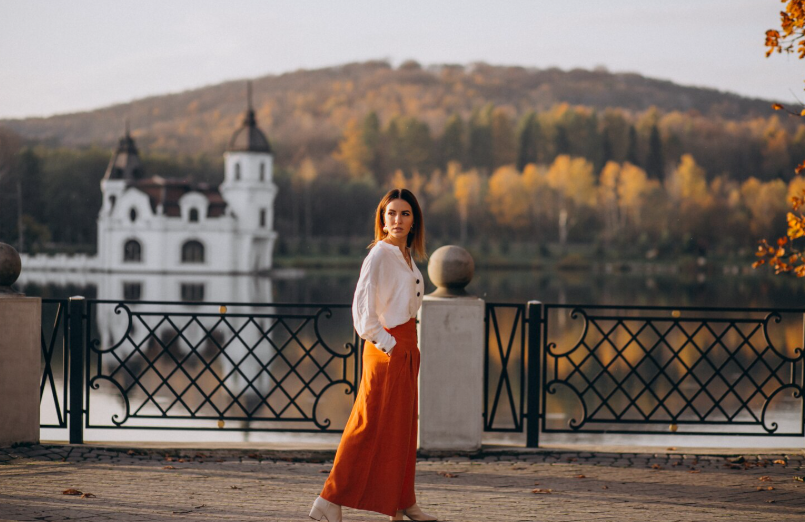
Europe’s UNESCO World Heritage landscapes represent some of the most extraordinary natural and cultural treasures in the world. For discerning travelers, these destinations offer more than scenic beauty—they provide an opportunity to experience history, heritage, and exclusivity in a refined and meaningful way. From vineyard-covered hills to dramatic coastal cliffs, luxury travel through these protected sites combines comfort, authenticity, and unparalleled access to Europe’s most iconic environments.
The Appeal of UNESCO World Heritage Landscapes
UNESCO World Heritage designation is reserved for locations of outstanding universal value, whether for their cultural significance, natural beauty, or both. In Europe, these landscapes span centuries of human history and geological evolution, offering travelers a unique opportunity to explore environments that have shaped civilizations.
What makes these destinations particularly appealing to luxury travelers is the balance between preservation and exclusivity. Many sites offer curated experiences such as private tours, limited-access areas, and bespoke itineraries that allow visitors to engage with the landscape in a more intimate and elevated way.
The Douro Valley, Portugal
The Douro Valley is one of Europe’s oldest wine regions and a UNESCO World Heritage Site renowned for its terraced vineyards and scenic river views. Luxury travelers can explore the region through private river cruises, exclusive wine tastings at historic estates, and stays in boutique vineyard hotels.
The combination of natural beauty and cultural heritage creates a sophisticated travel experience, where guests can enjoy world-class cuisine, curated wine pairings, and personalized tours that highlight the region’s rich history.
The Amalfi Coast, Italy
The Amalfi Coast is a quintessential example of Mediterranean elegance, with its dramatic cliffs, colorful villages, and azure waters. As a UNESCO World Heritage Site, it offers a blend of natural beauty and cultural significance that has captivated travelers for generations.
Luxury experiences in this region include private yacht charters, exclusive beach clubs, and stays in historic villas overlooking the sea. Visitors can also enjoy guided excursions to nearby cultural landmarks, ensuring a well-rounded and immersive journey.
The Swiss Alps Jungfrau-Aletsch Region
The Jungfrau-Aletsch region in Switzerland is a UNESCO-listed natural wonder known for its glaciers, alpine peaks, and pristine landscapes. This destination is ideal for travelers seeking both adventure and refinement.
High-end resorts, private ski experiences, and panoramic train journeys allow visitors to explore the region in comfort and style. Whether visiting in winter or summer, the Swiss Alps offer a breathtaking backdrop for luxury travel.
Plitvice Lakes National Park, Croatia
Plitvice Lakes National Park is celebrated for its cascading waterfalls, crystal-clear lakes, and lush forests. As one of Europe’s most beautiful natural sites, it provides a serene and visually stunning environment for exploration.
Luxury travelers can enjoy guided tours with expert naturalists, private access to less crowded areas, and accommodations in nearby upscale lodges. The park’s tranquil setting makes it an ideal destination for those seeking relaxation and connection with nature.
The Loire Valley, France
The Loire Valley, often referred to as the “Garden of France,” is a UNESCO World Heritage Site known for its historic châteaux, vineyards, and picturesque landscapes. This region offers a perfect blend of cultural heritage and natural beauty.
Visitors can indulge in private château tours, wine tastings, and gourmet dining experiences. The Loire Valley’s elegance and charm make it a standout destination for sophisticated travelers.
Curated Experiences and Personalized Itineraries
One of the defining features of luxury travel through UNESCO landscapes is the emphasis on personalization. Travel advisors and concierge services work closely with clients to design itineraries that reflect their interests and preferences.
These experiences may include private guides, exclusive access to restricted areas, and tailored activities such as culinary workshops, cultural performances, and wellness retreats. The goal is to create a seamless and enriching journey that goes beyond traditional tourism.
Sustainable Luxury Travel
As UNESCO sites are protected for their cultural and environmental significance, sustainability plays a crucial role in preserving these landscapes. Luxury travel providers are increasingly incorporating eco-friendly practices, such as supporting local communities, minimizing environmental impact, and promoting responsible tourism.
Travelers can contribute to these efforts by choosing accommodations and experiences that prioritize sustainability, ensuring that these remarkable destinations remain intact for future generations.
Planning Your Journey
Planning a luxury journey through Europe’s UNESCO landscapes requires attention to detail and advance preparation. Many exclusive experiences have limited availability and require early booking.
Working with experienced travel professionals can help secure access to premium accommodations, private tours, and unique experiences. By carefully selecting destinations and activities, travelers can create a cohesive and memorable itinerary that showcases the best of Europe’s heritage and natural beauty.
Conclusion
Luxury travel through Europe’s UNESCO World Heritage landscapes offers an unparalleled opportunity to explore the continent’s most treasured destinations in style and comfort. From the vineyards of the Douro Valley to the alpine majesty of the Swiss Alps, these sites provide a perfect balance of history, culture, and natural beauty. By embracing curated experiences and sustainable practices, sophisticated travelers can enjoy a journey that is both enriching and responsible.
Stay Connected for More Travel and Lifestyle Inspiration. For more insights into travel, culture, and lifestyle tips, follow me on @salvadorordorica. If you’re seeking professional translation and localization services to enhance your global ventures, visit The Spanish Group — your trusted partner in bridging cultures worldwide.

by Dulce Navarro | Mar 20, 2026 | Countries, Europe, Experiences, Lifestyle, Luxury, Travel
Under-the-Radar European Capitals for Sophisticated Visitors
Introduction
While cities like Paris, Rome, and London continue to captivate global audiences, a new wave of discerning travelers is turning their attention to Europe’s lesser-known capitals. These destinations offer the same cultural depth, architectural beauty, and refined experiences—without the overwhelming crowds. For sophisticated visitors seeking authenticity, exclusivity, and understated elegance, under-the-radar European capitals present an exceptional opportunity to explore the continent from a fresh perspective.
Ljubljana: Slovenia’s Elegant Cultural Gem
Ljubljana, the charming capital of Slovenia, is a city where Baroque architecture meets a youthful, creative energy. Its pedestrian-friendly center, lined with riverside cafés and boutique galleries, offers an intimate and relaxed atmosphere ideal for refined exploration. The city’s castle, perched above the old town, provides panoramic views and a glimpse into Slovenia’s rich history.
Culinary enthusiasts will appreciate Ljubljana’s growing reputation as a gastronomic destination, with farm-to-table restaurants and innovative chefs redefining traditional cuisine. The city’s commitment to sustainability further enhances its appeal, making it one of Europe’s greenest capitals.
Bratislava: A Refined Escape Along the Danube
Often overshadowed by neighboring Vienna and Budapest, Bratislava offers a quieter yet equally sophisticated experience. Its compact old town is characterized by pastel-colored buildings, elegant squares, and a vibrant café culture. The city’s location along the Danube River adds a scenic charm that is both relaxing and inspiring.
Bratislava’s cultural scene includes intimate concert halls, contemporary art spaces, and historic landmarks such as Bratislava Castle. Visitors can enjoy a blend of tradition and modernity, all within a setting that feels both exclusive and accessible.
Tallinn: Medieval Beauty with Modern Sophistication
Estonia’s capital, Tallinn, seamlessly blends its medieval heritage with cutting-edge innovation. The UNESCO-listed Old Town is one of the best-preserved in Europe, featuring cobblestone streets, Gothic spires, and centuries-old merchant houses.
Beyond its historic core, Tallinn offers a dynamic cultural landscape with design districts, technology hubs, and world-class dining. The city’s forward-thinking approach to digital innovation complements its rich history, creating a unique destination for sophisticated travelers.
Valletta: A Mediterranean Jewel
Valletta, the capital of Malta, is a compact city rich in history and architectural grandeur. Built by the Knights of St. John, it features stunning Baroque buildings, grand fortifications, and breathtaking views of the Mediterranean Sea.
Despite its small size, Valletta offers a wealth of cultural experiences, including theaters, museums, and fine dining establishments. Its warm climate and coastal setting make it an ideal destination for those seeking both cultural enrichment and relaxation.
Reykjavík: Nordic Elegance and Natural Wonders
Reykjavík, Iceland’s capital, combines minimalist design with dramatic natural surroundings. While known for its proximity to glaciers, volcanoes, and geothermal landscapes, the city itself offers a refined cultural scene with art galleries, concert halls, and innovative cuisine.
Sophisticated visitors can enjoy curated experiences such as private Northern Lights tours, exclusive spa retreats, and personalized excursions into Iceland’s unique landscapes. Reykjavík’s blend of urban sophistication and natural beauty makes it a standout destination.
Zagreb: Croatia’s Cultural Heart
Zagreb is a city of understated elegance, where Austro-Hungarian architecture meets a vibrant contemporary culture. Its historic upper town, with its cobblestone streets and iconic landmarks, offers a glimpse into Croatia’s past, while its lower town features modern shops, galleries, and cafés.
The city’s cultural calendar includes festivals, exhibitions, and performances that reflect its dynamic artistic community. Zagreb’s welcoming atmosphere and refined charm make it an ideal destination for those seeking a more intimate European experience.
Why These Capitals Stand Out
What sets these under-the-radar capitals apart is their ability to offer authentic and high-quality experiences without the pressures of mass tourism. Visitors can explore historic sites, enjoy world-class cuisine, and engage with local cultures in a more personal and meaningful way.
Additionally, these cities often provide better access to exclusive experiences, from private tours to boutique accommodations, allowing travelers to tailor their journeys to their preferences.
Planning a Sophisticated European Itinerary
Incorporating these lesser-known capitals into your travel plans requires thoughtful preparation. Consider combining multiple destinations to create a diverse and enriching itinerary. For example, pairing Ljubljana with nearby Venice or Zagreb with the Croatian coast can enhance your overall experience.
Working with travel advisors or concierge services can also help secure exclusive access to events, accommodations, and experiences that elevate your journey.
Conclusion
Europe’s under-the-radar capitals offer a compelling alternative to the continent’s more traditional destinations. With their unique blend of history, culture, and sophistication, cities like Ljubljana, Bratislava, Tallinn, Valletta, Reykjavík, and Zagreb provide unforgettable experiences for discerning travelers. By venturing beyond the familiar, sophisticated visitors can discover a new side of Europe—one defined by authenticity, elegance, and discovery.
Stay Connected for More Travel and Lifestyle Inspiration. For more insights into travel, culture, and lifestyle tips, follow me on @salvadorordorica. If you’re seeking professional translation and localization services to enhance your global ventures, visit The Spanish Group — your trusted partner in bridging cultures worldwide.
