Elite Equestrian Estates in Europe Offering High-End Riding Holidays
Introduction
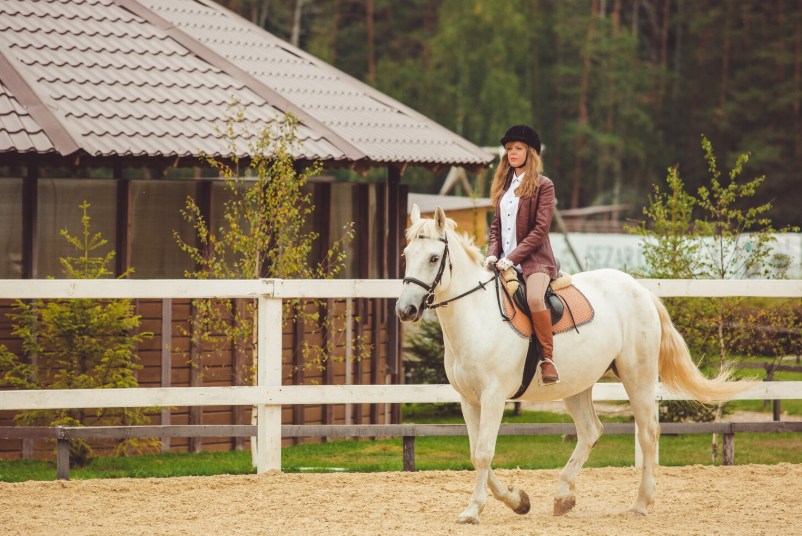
For discerning travelers who love horses and demand refined comforts, Europe’s elite equestrian estates offer an exceptional way to combine world-class riding with luxury hospitality. These curated properties—often set on historic estates, private farms, or secluded valleys—deliver personalized riding programs, expert instruction, and bespoke experiences that extend far beyond ordinary holidays. Whether you’re an advanced competitor seeking focused training or a couple looking for scenic hacks and elegant evenings, a high-end riding holiday provides structure, service, and sophistication.
What Defines an Elite Equestrian Estate
An elite equestrian estate is more than a collection of stables. It balances high-quality equine facilities (well-bred schoolmasters, top-tier arenas, cross-country courses, and turnout pastures) with luxury accommodations, thoughtful hospitality, and often a cultural or gastronomic context. Staff usually include experienced trainers, grooms, and stable managers; many estates also employ farriers, physiotherapists, or vets on call. Attention to detail—individualized tack, impeccable turnout, and bespoke lesson plans—creates an atmosphere where guests feel both secure and spoiled.
Types of Riding Holidays Available
Elite estates typically offer a variety of holiday formats to suit different interests and skill levels:
Private Training Weeks: Intensive one-to-one coaching focused on dressage, show jumping, or eventing, often led by internationally recognized trainers.
Luxury Trekking and Hacking: Guided rides through vineyards, coastal paths, or mountain trails with picnic stops and scenic viewpoints.
Family and Beginner Programs: Gentle lessons, supervised pony rides for children, and non-riding activities for companions.
Competitor Preparation: Pre-show tuning and conditioning, with access to arenas and warm-up facilities identical to competition standards.
Wellness & Equestrian Retreats: Blending riding with yoga, physiotherapy, and nutritional guidance aimed at rider performance and recovery.
Why Choose Europe for a Riding Holiday
Europe combines deep equestrian traditions with diverse landscapes and exceptional hospitality. From the rolling hills of England and Ireland—where hunting and showjumping heritage remains strong—to the vineyards and olive groves of France, Spain, and Italy, the continent offers varied terrain, long riding seasons, and established equestrian networks. Many estates are located near cultural centers, allowing riders to pair equestrian days with visits to vineyards, museums, and Michelin-starred restaurants.
What to Expect on Arrival
On arrival at an elite estate you can expect a seamless welcome: luggage assistance, stable orientation, and a warm-up schedule tailored to your riding level. Guests typically meet their assigned horse or have an opportunity to choose from a selection of schoolmasters. The first day often includes a brief assessment ride with the head trainer to design a personalized program, followed by an overview of on-site facilities and safety protocols.
Practical Considerations Before You Book
Before booking, be clear about your riding level and goals. Elite estates will ask for a riding résumé, including experience with different disciplines and any competition history. Check the estate’s insurance requirements and whether helmets and protective equipment are available or must be brought. Understand what is included—meals, transfers, tack, veterinary cover—and what counts as an extra charge, such as private lessons, evening excursions, or special stable services. If you have a favorite bit or saddle you prefer, confirm whether you can bring it or whether the estate can accommodate your tack.
Safety and Horse Welfare
Reputable estates prioritize horse welfare and rider safety. Expect well-maintained arenas, sensible turnout schedules, and clear emergency procedures. Trainers should perform a suitability check to match you with an appropriate horse and will never push riders beyond safe limits. If you have any allergies, medical conditions, or previous injuries, disclose them in advance so the estate can prepare accordingly.
The Added Value of Bespoke Experiences
What sets elite estates apart is their ability to craft tailor-made experiences: sunrise rides followed by private breakfasts in a vineyard, lessons with guest clinicians who are industry leaders, or curated cultural excursions to nearby historical sites. Many estates also provide off-horse options such as spa treatments, private chefs, or guided hikes for accompanying non-riders—ensuring every guest’s holiday is both active and indulgent.
How to Choose the Right Estate
Choose an estate that aligns with your priorities: trainer pedigree for skill development, terrain for scenic riding, or hospitality for a refined relaxation experience. Read guest reviews, request sample itineraries, and ask about horse-to-rider matching protocols. If you plan to travel with a competition schedule in mind, confirm access to facilities that match show conditions and ask about transport logistics for competitions or vet appointments.
Budget and Booking Tips
Elite riding holidays range widely in price depending on accommodation standards, trainer reputation, and inclusion of extras. High-end packages often include full-board accommodation, a set number of lessons, horse hire, and some leisure activities. For the best experience, book early—especially for popular summer and autumn slots—and discuss cancellation and transfer policies. If you are bringing your own horse, verify quarantine, transport, and stabling arrangements well in advance.
Conclusion
An elite equestrian estate offers an immersive blend of horsemanship, luxury, and cultural discovery. These high-end riding holidays provide focused training for serious riders while also crafting unforgettable leisure experiences for those seeking scenic exploration and refined leisure. For anyone who views travel as both restorative and professionally enriching, a riding holiday at one of Europe’s top estates is a compelling choice.
Stay Connected for More Travel and Lifestyle Inspiration. For more insights into travel, culture, and lifestyle tips, follow me on Instagram @salvadorordorica. If you’re seeking professional translation and localization services to enhance your global ventures, visit The Spanish Group — your trusted partner in bridging cultures worldwide.
Europe’s Best Designer-Led Cultural Residencies for Creative Travelers
Introduction
For creative travelers who want more than a vacation — who want immersion, inspiration, and a chance to create within a thoughtfully designed environment — designer-led cultural residencies across Europe offer something rare. These programs are curated by architects, fashion and product designers, artists, or cultural institutions and combine hands-on workshops, collaborative projects, and deep cultural engagement with the comfort and aesthetics of best-in-class design. Whether you make, write, photograph, or simply seek new perspectives, a designer-led residency can refresh your practice and expand your creative network.
What “Designer-Led” Means (And Why It Matters)
Designer-led residencies are distinct because the program’s vision and daily rhythm are guided by a creative director who is a working designer, architect, or studio head. That influence shapes everything — the built environment, the material palette, the kinds of workshops offered, and the resident selection. Expect facilities oriented toward making (well-equipped studios), bespoke mentorship, curated local excursions, and a program that values craftsmanship, material experimentation, and design thinking as core ingredients of cultural exchange.
Where to Look: Regions and Their Strengths
Europe offers a wide range of settings for designer-led residencies. City-based programs tend to focus on collaboration, exhibitions, and rapid experimentation; rural estates give you space, quiet, and access to maker networks; and coastal retreats combine natural inspiration with craft traditions.
Provence and the South of France: Known for light, landscape, and private art estates, this region is ideal for designers who draw inspiration from architecture and outdoor sculpture.
Tuscany and Central Italy: Long traditions of craft, ceramics, and textile making pair with intimate villas and foundations that host cross-disciplinary residencies.
Spain (Catalonia & Andalusia): Cities like Barcelona combine cutting-edge design culture with workshops in ceramics, textiles, and graphic arts.
Scandinavia: Minimalist design sensibility, access to wood and textiles, and well-organized design labs that emphasize experimentation and sustainability.
Urban Hubs (Paris, London, Berlin): Best for short, intense residencies tied to galleries, design weeks, and networking with curators and brands.
What to Expect During a Designer-Led Residency
Most designer-led residencies combine several core elements:
Studio Time: Dedicated hours and a private or shared workspace to prototype and experiment.
Mentorship: Regular check-ins and critique sessions with the residency director and visiting designers.
Workshops & Masterclasses: Hands-on sessions focused on materials, techniques, or conceptual frameworks particular to the residency’s director.
Local Immersion: Curated visits to ateliers, museums, traditional workshops, and makers in the region.
Public Presentation: A final showing, talk, or installation that shares residents’ work with the local cultural community.
How to Choose the Right Residency
Choosing a residency is about fit. Ask yourself: Do you want quiet time to produce, or public-facing critique and exhibition? Are you seeking technical skill development (e.g., ceramics, metalwork) or conceptual mentorship? Consider practicalities too: the length of stay, what’s included (materials, accommodation, meals), and whether travel or living stipends are available. Designer-led residencies often prioritize applicants whose practice intersects with the director’s focus, so tailor your application to show alignment.
Benefits for Creative Travelers and Directors
For the traveler, residencies are concentrated opportunities to develop projects, meet peers, and return home with new work or prototypes. For company directors or creative leaders, residencies offer a place to test ideas, host collaborations with makers, and strengthen brand storytelling through curated experiences. They are also an efficient way to source talent, pilot new product directions, and deepen relationships with cultural institutions.
Examples of What a Stay Might Look Like (Typical Program)
A two-week residency might begin with an orientation and materials workshop led by the program director, followed by daily studio hours and twice-weekly masterclasses. Mid-residency outings could include studio visits with local artisans and museum curators. The final days culminate in an open studio event or a small installation where the director invites press or collectors. Longer residencies can include a commissioned project or collaboration with the host institution.
Practical Tips Before You Apply
Prepare a concise portfolio that highlights relevant projects and includes a clear statement of intent: what you want to achieve and why that particular residency helps. Be realistic about materials and shipping: if your work requires heavy tools or hazardous materials, check whether the facility can support them. Budget for travel costs, materials not covered by the program, local transport, and any visa requirements if you are not an EU resident.
Sustainability and Local Impact
Increasingly, designer-led residencies emphasize sustainable practices and meaningful engagement with local communities. Look for programs that prioritize ethical sourcing of materials, collaboration with local makers, and long-term benefits for the area (skills exchange, exhibitions, or community workshops) rather than short-term tourism.
Final Thoughts
Designer-led cultural residencies in Europe are ideal for creatives who want structure, mentorship, and design-led environments that foster deep work. Whether you’re an established director looking to prototype a new line, or an independent maker seeking fresh influence, the right residency will challenge your assumptions, expand your network, and leave you with work that’s been shaped by place, craft, and thoughtful design.
Stay Connected for More Travel and Lifestyle Inspiration. For more insights into travel, culture, and lifestyle tips, follow me on Instagram @salvadorordorica. If you’re seeking professional translation and localization services to enhance your global ventures, visit The Spanish Group — your trusted partner in bridging cultures worldwide.
Luxury Falconry Experiences in Europe’s Royal Estates
Introduction: An Ancient Art Reimagined
Falconry, one of humanity’s oldest hunting traditions, has long been associated with nobility, strategy, and elegance. Today, across Europe’s royal estates and historic manors, this ancient practice is experiencing a renaissance—this time as an exclusive luxury travel experience. Far from a simple demonstration, modern falconry experiences offer immersive encounters with birds of prey, guided by master falconers who uphold centuries-old techniques and philosophies.
Europe’s Royal Legacy of Falconry
Throughout medieval Europe, falconry was considered a symbol of prestige and refinement. Monarchs, aristocrats, and knights trained hawks and falcons not only for hunting but also as status symbols representing discipline and power. Today, many of the estates where falconers once trained their birds continue to preserve the tradition—inviting travelers to step into history while engaging with majestic raptors up close. From the English countryside to the forests of Central Europe, falconry remains intertwined with the identity of Europe’s grand estates.
Where Luxury Meets Tradition
Luxury falconry experiences often begin with a tour of the estate grounds, followed by an introduction to the raptors: falcons, hawks, eagles, and owls. Guests learn about the lineage of each bird, training methods, and the cultural significance of falconry throughout European history. Sessions are intimate and hands-on, with participants invited to don the falconer’s glove and guide the birds through flight exercises. The combination of nature, royal architecture, and the grace of the birds creates a deeply immersive atmosphere.
Destinations Offering Elite Falconry Experiences
Across Europe, several estates have become renowned for their elevated approach to falconry. In England, historic manors offer private sessions that include bird-handling lessons and woodland hunts. Ireland’s sprawling estates immerse guests in rugged landscapes, allowing them to walk with hawks through centuries-old forests. In Central Europe, castle estates blend falconry with cultural storytelling, sharing how royal families shaped the evolution of the sport. These curated experiences often include luxury accommodations, fine dining, and outdoor excursions that extend the adventure beyond the falconry session itself.
The Spiritual and Sensory Connection
What sets luxury falconry apart from other outdoor pursuits is its profound emotional impact. The practice requires calmness, focus, and mutual trust—qualities that foster a unique connection between guest and bird. Standing in a meadow with a falcon soaring overhead, then returning gracefully to your glove, creates a sense of harmony and mindfulness. Many guests describe falconry as transformative, offering perspective, grounding, and a rare form of communion with the natural world.
Conservation and Ethical Stewardship
Today’s falconry programs often double as conservation initiatives. Many estates collaborate with wildlife organizations to protect endangered species, rehabilitate injured birds, and promote sustainable ecosystems. Through participation, visitors help support these preservation efforts while gaining deeper insight into the ecological role of raptors. Ethical training practices and the welfare of the birds remain central to all reputable luxury falconry programs.
Who Should Try Falconry?
Luxury falconry appeals to travelers seeking experiences that are immersive, educational, and emotionally resonant. It is ideal for nature lovers, history enthusiasts, families, and couples looking for a unique activity that combines adventure with elegance. Because sessions are customizable and guided by expert falconers, beginners feel just as welcomed as seasoned wildlife enthusiasts.
Conclusion
Luxury falconry experiences in Europe’s royal estates offer more than a glimpse into a noble past—they provide a rare opportunity to engage with nature through one of civilization’s oldest traditions. These curated journeys blend history, craftsmanship, and the majesty of birds of prey, creating moments that stay with travelers long after they leave the estate grounds.
The Revival of Artisan Perfumeries Across Europe’s Historic Cities
Introduction: A Scented Renaissance
Across Europe’s cobbled streets and centuries-old districts, a quiet renaissance is unfolding: the revival of artisan perfumeries. These small-batch ateliers—often tucked behind unassuming shopfronts in cities such as Paris, Florence, Prague, and Barcelona—are reclaiming a craft that combines history, chemistry, and storytelling. Far from the mass-produced fragrances that dominate global markets, artisan perfumeries emphasize provenance, craftsmanship, and a bespoke approach to scent. This renewed interest reflects broader cultural shifts toward authenticity, locality, and sensory travel experiences.
Rooted in History: Perfume’s European Heritage
The modern resurgence draws on a deep European lineage. Perfume has been woven into the continent’s social and cultural life for centuries—used in religious rites, courtly rituals, and as fashionable adornment. Cities with rich artisanal traditions often retain the physical and intangible infrastructure necessary for a perfumery revival: skilled florists, chemists, cabinetmakers, and an appreciation for handcrafted goods. These elements converge in historic districts where the tactile and the olfactory complement architectural memory, creating neighborhoods that invite slow, sensory exploration.
Artisanal Principles: What Sets Them Apart
Artisan perfumeries distinguish themselves with a handful of core principles. First, ingredient transparency: many ateliers source natural essences—rose from Grasse, bitter orange from Seville, or juniper from the Balkans—directly from growers or small cooperatives. Second, limited production: batches are small to ensure quality and uniqueness. Third, creative freedom: perfumers are often the business owners or closely partnered with founders, allowing experimental compositions that major brands would deem commercially risky. Finally, storytelling is central: each scent is framed within a narrative that links place, memory, and material.
Cities in Focus: Local Flavors and Global Appeal
In Paris, several new ateliers nod to the city’s perfumery heritage while embracing modern minimalism—scent libraries and intimate consultation rooms offer bespoke blends tailored to individual skin chemistry. Florence’s revival intersects with the city’s long-standing artisan network: leather tanners, botanical apothecaries, and Renaissance-inspired packaging artisans collaborate to produce fragrances that feel like extensions of Tuscan craft. Prague’s perfumers draw on Bohemian botanicals and amber-like resins, marrying Gothic romanticism with contemporary clean lines. Barcelona, informed by Mediterranean citrus and Catalan design, offers vibrant, sunlit boutiques that fuse scent with modernist visual language.
Economic and Cultural Impact
The artisanal perfume movement generates both cultural value and economic opportunity. Small perfumeries attract culturally curious tourists and locals seeking authentic experiences, creating foot traffic that benefits surrounding businesses. Workshops, masterclasses, and scent tours become supplementary revenue streams and educational platforms. Importantly, this renaissance supports supply chains that prioritize small-scale farmers and ethical sourcing, aligning with consumer demand for sustainability and traceability.
The Creative Process: From Botanical to Bottle
At the heart of every artisan fragrance is a creative process that blends science and intuition. Perfumers begin with raw materials—essential oils, absolutes, and tinctures—then craft accords that balance top, middle, and base notes. Many ateliers maintain small in-house laboratories where notes are blended, macerated, and tested on skin. Packaging and finishing are equally deliberate: hand-numbered bottles, wax seals, and textured boxes enhance the tactile relationship between owner and product, reinforcing the perception of each bottle as a collectible object rather than a disposable commodity.
Challenges and Resilience
Artisan perfumeries face several challenges: regulatory complexities surrounding fragrance labeling and ingredient restrictions, rising costs of rare botanicals, and competition from large houses with powerful distribution networks. Yet resilience emerges through community collaboration, creative direct-to-consumer strategies, and the cultivation of loyal local followings. Many ateliers participate in craft fairs, partner with boutique hotels, and collaborate with local designers to amplify their visibility without compromising artisanal standards.
How to Experience Artisan Perfumeries
For travelers and locals eager to experience this scented revival, a few practical tips help elevate the visit. Schedule a consultation or workshop—these sessions unveil the composition process and often include skin tests to show how a fragrance evolves. Visit at off-peak hours to enjoy a focused, unhurried experience. Ask about ingredient sourcing and request samples to try at home; artisan fragrances often reveal new facets over days. Finally, look beyond headline cities: smaller towns and regions frequently harbor perfumers who maintain especially close ties to local botanicals and traditions.
The Future of Fragrance: Craft, Community, and Conservation
Looking ahead, the revival of artisan perfumeries signals a larger recalibration in consumer priorities—toward sustainability, provenance, and meaning. As ateliers scale thoughtfully, collaborations with conservation organizations and ethical suppliers are likely to become standard practice. The perfumery renaissance also revitalizes urban cultural life, adding sensory depth to historic cities and creating new vectors for cultural exchange. In this sense, scent becomes a bridge: between past and present, place and person, maker and wearer.
Conclusion
The artisan perfumery revival is more than a niche trend; it is a cultural movement that restores craftsmanship to the center of olfactory culture. By honoring local ingredients, investing in small-batch production, and privileging narrative and sensory experience, these perfumeries are redefining what fragrance can mean in Europe’s historic cities. For travelers and residents alike, they offer richly layered encounters—an invitation to remember a place by its scent, and to carry that memory forward in a bottle.
Ultra-Luxury Castle Buyouts for Family Retreats and Executive Gatherings
Introduction: Why Choose a Castle Buyout?
For those seeking privacy, history, and an unforgettable setting, ultra-luxury castle buyouts offer an experience that no standard hotel or villa can replicate. Whether the goal is a multi-generational family retreat, an executive offsite that inspires strategic thinking, or a bespoke celebration, taking over an entire castle creates an immersive environment where hospitality, discretion, and legacy converge. These properties combine architectural gravitas with modern comforts, creating a rare stage for meaningful connection, high-level work, and cultural discovery.
The Appeal: Space, Privacy, and Story
Castles inherently provide scale — extensive grounds, separate guest suites, private dining rooms, libraries, and abundant indoor and outdoor spaces for programming. For families, this means children, grandparents, and extended relatives can coexist with comfort and independence. For corporations and executive groups, castles allow confidential meetings, team-building activities, and social programming under one roof without public interruption. Equally important is the narrative: every stone and fresco becomes part of the guest experience, lending gravitas and meaning to gatherings that aim to be remembered.
What “Ultra-Luxury” Really Means
Ultra-luxury castle buyouts go beyond mere grandeur. Expect high-touch service tailored to each guest, private chefs offering multi-course tasting menus, sommeliers curating cellar selections, spa therapists, and concierge teams able to coordinate everything from helicopter transfers to bespoke cultural programming. Interiors combine period authenticity and modern amenities: underfloor heating, high-speed connectivity, cinema rooms, gym facilities, and discreet staff quarters. Security and privacy protocols are elevated to match guest expectations, with flexible staffing and dedicated property managers on call 24/7.
Planning the Perfect Castle Buyout
Successful buyouts begin with meticulous planning. Key considerations include guest count and room allocation, dietary restrictions and catering preferences, meeting and event space needs, on-site activities (e.g., riding, falconry, wine tastings), and transport logistics. Advance planning permits the host to book preferred suppliers, arrange permits for events on the grounds, and ensure that the property is prepared to host high-value items or sensitive programming. For corporate clients, careful scheduling of work sessions and downtime maximizes productivity while preserving the restorative benefits of a retreat.
Programming and Experience Design
The best castle buyouts are experiential: curated dinners in candlelit halls, private concerts in converted chapels, guided historical tours with expert narrators, or immersive culinary workshops with local chefs. For executive gatherings, programming can blend strategy sessions with activities that strengthen team cohesion — for example, escape-room style challenges using the castle’s architecture, or small-group cultural excursions that foster conversation and creativity. Family retreats often center on multigenerational programs that include storytelling evenings, private film screenings, and outdoor adventure tailored to different ages.
Logistics: Access, Staffing, and Legalities
Many castles are in rural areas and require thoughtful transport planning. Hosts should consider private air transfers, chartered helicopters, or luxury road transfers for international guests. Staffing for a complete buyout typically includes a head chef, sous chefs, service staff, housekeeping, groundskeepers, property manager, and security. Hosts should also account for permits, insurance, and any local restrictions on events and noise. A local expert or destination management company can streamline these tasks and ensure compliance with regional regulations.
Budgeting and Value
Castle buyouts range widely in price depending on location, season, and property pedigree. While initial costs can be substantial, the value delivered is compounded across privacy, experience exclusivity, and the efficiencies of centralized logistics. When compared to booking multiple high-end villas or hotels and transporting guests between locations, a single castle buyout often provides operational simplicity and a superior guest experience. Many hosts find that investing in quality programming and service yields a higher return in guest satisfaction and event outcomes than focusing solely on per-night rates.
Sustainability and Local Impact
Responsible hosts consider the environmental and community impact of their events. Many castle owners and operators are adopting sustainable practices — sourcing local produce, using renewable energy where possible, and supporting local artisans and service providers. Buyouts present an opportunity to invest in the local economy, from employing regional staff to commissioning cultural programming that benefits nearby towns. When sustainability is prioritized, guests enjoy a deeper connection to place and leave a positive legacy beyond the event itself.
Choosing the Right Castle for Your Purpose
Selection should be guided by function as much as form. Families may prioritize bedrooms and leisure amenities, while corporations may require discrete meeting rooms, reliable AV infrastructure, and high-speed internet. Location matters — proximity to cultural hubs or airports influences guest convenience. Sensitivity to accessibility, dietary needs, and cultural expectations ensures that all guests feel welcome. Working with a trusted luxury broker or DMC (destination management company) will help match objectives to properties and secure the right suppliers for a flawless execution.
Conclusion: A Unique Platform for Memorable Moments
An ultra-luxury castle buyout is more than a venue; it’s a platform for storytelling, connection, and strategic retreat. When executed thoughtfully, a castle buyout provides both the grandeur of legacy and the intimacy of a private home — an ideal combination for families and executives who want an elevated, distraction-free environment. With careful planning, experienced staff, and intentional programming, these extraordinary properties become places where memories are forged and meaningful work gets done.
Stay Connected
Stay Connected for More Travel and Lifestyle Inspiration. For more insights into travel, culture, and lifestyle tips, follow me on Instagram @salvadorordorica. If you’re seeking professional translation and localization services to enhance your global ventures, visit The Spanish Group — your trusted partner in bridging cultures worldwide.
A Journey Through Europe’s Private Art Foundations Not Open to the Public
Introduction: The Hidden World of Private Collections
Europe’s cultural landscape is widely celebrated for its public museums and grand institutions, but tucked behind corporate headquarters, family estates, and discreet urban buildings lies another layer of cultural stewardship: private art foundations that are not open to the public. These collections are often the result of lifetimes of collecting, philanthropy, and curatorial ambition. While they may not welcome daily visitors, their existence shapes art markets, supports artists, and quietly influences the way we understand contemporary and historical art.
What Defines a Private Art Foundation?
Private art foundations are organizations—sometimes charitable trusts, sometimes family-run institutions—established to acquire, conserve, study, and promote works of art. Unlike public museums, they are generally funded and governed by private individuals, families, or corporations. Many are created for tax-efficient stewardship, philanthropic legacy, or to provide a controlled environment for exhibiting sensitive or valuable works. Their mission statements can range from artist support and research to education and selective exhibition, but the unifying feature is restricted public access.
Why Some Foundations Remain Closed
There are several practical and philosophical reasons why a collection might not be open to the general public. Security and conservation are paramount—fragile or high-value works require stringent environmental controls and limited handling. The collectors may also want to curate private viewing experiences for scholars, donors, and institutional partners rather than operate as a public museum. Additionally, legal and financial structures, including insurance and tax considerations, can place limits on public accessibility. Finally, privacy and discretion often play a role for families or corporations who wish to preserve control over how and to whom their collection is shown.
How These Foundations Influence the Art World
Even without daily foot traffic, private foundations exert significant influence. They commission new work, fund exhibitions and research, and loan pieces to major museums for headline shows. Their acquisition strategies can set market trends—when a respected private foundation purchases a work by an emerging artist, galleries and collectors take note. Foundations are also key incubators for scholarship: they often support conservation projects and academic research that inform curatorial practice across the sector.
Access: Who Gets to See the Art?
Access policies vary widely. Some foundations host periodic, invitation-only viewings for curators, academics, and patrons. Others operate by appointment, offering curated tours for select institutions or tailored programming for students and professionals. A few foundations collaborate with public museums to mount traveling exhibitions, thereby reaching a wider audience without opening their doors full-time. For collectors and researchers, building relationships with foundation staff is the most reliable way to arrange viewings or secure loans for exhibitions.
Curatorial Practice and Conservation
The curatorial work inside private foundations can be as rigorous as that of a large museum. Many foundations employ conservators, cataloguers, and researchers to maintain provenance records, condition reports, and contextual interpretation. Because public exposure is limited, foundations can undertake long-term conservation and research projects without the immediate pressures of exhibition schedules. This behind-the-scenes work often contributes substantially to art historical knowledge and sometimes results in publications or collaborative exhibitions once the research is complete.
Examples of Private Foundation Activity (Without Naming Specific Institutions)
Across Europe, private foundations support artist residencies, fund restoration of historic works, and loan artworks to blockbuster shows. They may sponsor symposia that gather art historians and conservators to share findings, or underwrite catalogues raisonnés that become standard references. Although individual policies and visibility differ, the collective impact of these institutions is a richer, better-documented cultural heritage that benefits public institutions indirectly.
Engaging With Private Foundations: Practical Tips
If you or your institution seeks access, begin by developing a clear, professional request: explain the research or exhibition need, outline how the work will be handled and credited, and offer practical details about schedules and insurance. Building a relationship with the foundation’s director or collections manager pays dividends—many foundations respond positively to well-documented, scholarly requests and to established institutional partnerships. Networking through curators, conservators, and academic contacts is often the most effective route.
Ethical Considerations and Transparency
As private foundations grow in profile and resources, questions about transparency, governance, and public benefit gain importance. Best practice recommends that private collectors who establish foundations adopt clear policies for loans, conservation, and public engagement. When foundations publish catalogues, share research, or participate in joint programming with museums, public trust increases. Ethically managed foundations balance private stewardship with a commitment to advancing knowledge and access wherever feasible.
Conclusion: The Quiet Guardians of Culture
Private art foundations that remain closed to the daily public are not cultural gatekeepers so much as careful stewards: they protect fragile works, fund scholarship, and act as quiet partners to the broader museum ecosystem. While they may not offer everyday access, their contributions—through loans, research, and selective programming—enrich the public domain in meaningful ways. For collectors, curators, and patrons who understand how to approach them, these foundations can be invaluable collaborators in preserving and interpreting the artistic legacy of Europe.
Stay Connected
Stay Connected for More Travel and Lifestyle Inspiration. For more insights into travel, culture, and lifestyle tips, follow me on Instagram @salvadorordorica. If you’re seeking professional translation and localization services to enhance your global ventures, visit The Spanish Group — your trusted partner in bridging cultures worldwide.