The Art of Pairing: Wine and Chocolate Journeys in Europe

The Art of Pairing: Wine and Chocolate Journeys in Europe

The Art of Pairing: Wine and Chocolate Journeys in Europe

Wine and chocolate — two indulgences that, when paired thoughtfully, become more than the sum of their parts. For the discerning traveler and company director who values curated experiences, pairing wine and chocolate across Europe offers an opportunity to explore terroir, craftsmanship, and culinary storytelling in tandem. This guide outlines the principles of successful pairings, signature regional combinations, and recommended destinations where wine and chocolate are celebrated as serious craft.

Understanding the Principles: Balance, Intensity, and Sweetness

Successful pairings are governed by three practical principles: balance of intensity, complementary flavors, and relative sweetness. A simple rule of thumb is that the wine should be at least as sweet as the chocolate; otherwise the wine can taste thin and overly tannic, and the chocolate will lose nuance. Consider texture as well — creamy milk chocolate needs a different treatment than high-percentage dark chocolate, and acidity in the wine can brighten chocolate with fruity notes. These guidelines help you approach pairings like a strategist rather than relying on chance. :contentReference[oaicite:0]{index=0}

Classic Matches and Why They Work

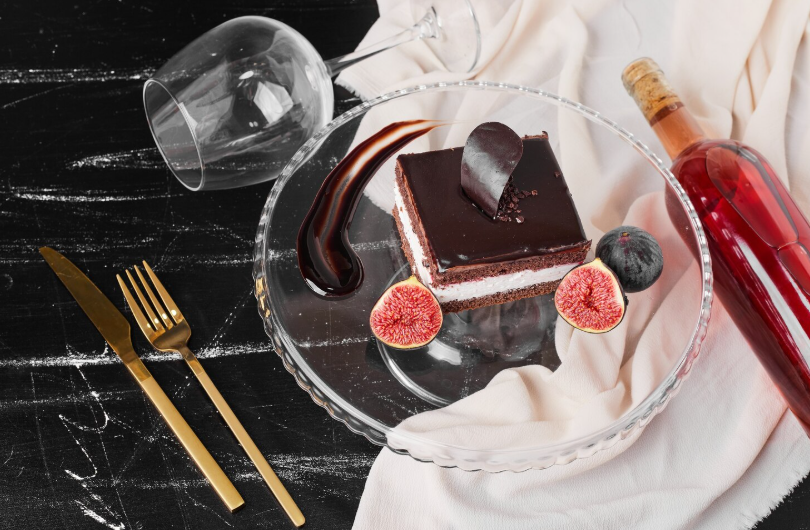
Certain pairings are time-tested because their flavor architectures align. Fortified wines — think Tawny or Vintage Port — sit naturally beside high-cocoa dark chocolate because their concentrated sweetness and complex dried-fruit notes balance bitterness and enhance cocoa’s layered flavors. Conversely, lighter, aromatic wines such as Moscato d’Asti or late-harvest Muscats pair wonderfully with milk or nut-enriched chocolates, where the wine’s floral and honeyed character complements creaminess rather than competing with it. Culinary institutions and sommeliers emphasize matching intensity and sweetness first, then exploring complementary aromatics second. :contentReference[oaicite:1]{index=1}

Where to Go: European Destinations for Serious Wine & Chocolate Explorations

1. Paris & The Champagne Region — Chocolate Artistry Meets Sparkling Elegance

Parisian chocolatiers have elevated chocolate into an art form; the city’s ateliers craft single-origin bars and complex ganaches that reward careful wine pairing. Nearby Champagne offers crisp, high-acid sparkling wines that cut through creamy ganaches and complement fruit-forward chocolate fillings — a refined contrast that works brilliantly in tasting menus or private salons. Regions and producers often collaborate on tasting events, making Paris and Champagne ideal for bespoke pairing itineraries. :contentReference[oaicite:2]{index=2}

2. Turin & Piedmont — A Historic Center for Chocolate and Nebbiolo

Piedmont’s culinary heritage pairs naturally with its wine legacy. Turin is home to historic chocolate houses and the celebrated Cioccolatò festival, where chocolate innovation meets regional ingredients. Pairing local Barolo or Barbaresco (Nebbiolo-based wines) with dark truffles and high-cocoa chocolates requires finesse, but it rewards with complex interplay between tannin structure and cocoa bitterness. Autumn and winter visits often combine truffle hunts, winery tours, and chocolate masterclasses for a full-sensory itinerary. :contentReference[oaicite:3]{index=3}

3. Douro & Porto — Fortified Wines and Chocolate Synergy

Port, produced in Portugal’s Douro Valley, is the archetypal partner for dark chocolate. The wine’s residual sweetness, dried-fruit notes, and velvety finish harmonize with high-percentage chocolate, especially when the chocolate includes berry, spice, or toasted-nut notes. A structured pairing program in Porto or a vineyard tasting in the Douro gives travelers the chance to taste vintage and tawny styles side by side with artisan chocolate — a highly educational experience for anyone building a refined palate. :contentReference[oaicite:4]{index=4}

4. Barcelona & Catalonia — Innovative Chocolates and Mediterranean Wines

Catalonia’s chocolate scene is experimental and vibrant, from single-origin bars to chocolate infused with citrus and spice. Pairings with regional wines — including Priorat and Penedès — allow for creative matches: mineral reds that echo dark chocolate’s earthiness, or sparkling cava that plays against milk chocolate’s silk. Barcelona’s culinary labs and boutique chocolate shops make it a playground for professionals seeking modern, Instagram-ready tasting events.

5. Switzerland & Belgium — The Chocolate Capitals

If chocolate is the journey’s focus, Switzerland and Belgium are indispensable. Both countries offer museum-grade chocolate experiences and masterclasses that teach bean sourcing, conching, and flavor development. Pair these lessons with nearby wine regions or curated wine flights brought in by sommeliers; the contrast between chocolate craftsmanship and wine varietal nuance creates a learning environment as suitable for corporate retreats as for private connoisseurs.

Practical Tips for Planning a Pairing Journey

  • Start with education: Book a masterclass or tasting with a chocolatier or sommelier before attempting blind pairings.
  • Plan the sequence: Move from lighter to stronger chocolates and from lower to higher alcohol content in wines to protect the palate.
  • Mind logistics: Choose accommodations near tasting venues and confirm tasting-room policies for private bookings, especially for corporate groups.
  • Document and share: Capture tasting notes and photos for brand content — well-curated pairings make excellent material for corporate storytelling and social channels.

How Pairings Amplify Brand Experience

For company directors, curated wine-and-chocolate journeys are more than leisure: they are powerful brand experiences. Hosting clients or top talent on a private tasting demonstrates attention to cultural detail and refined hospitality. Documented correctly, these experiences become content that signals sophistication and global taste to prospects and partners — an investment in relationship-building that converts visceral memories into long-term business value.

Conclusion

Wine and chocolate pairing journeys in Europe combine sensory pleasure with cultural depth. Whether you are exploring fortified Port with a candid chocolatier in Porto, savoring Barolo alongside Piedmont truffles, or enjoying a bespoke Parisian tasting that matches ganaches with Champagne, the experience is both instructive and indulgent. With thoughtful planning and a respect for balance and sweetness, these journeys elevate travel into an exercise in taste, craft, and connection.
Stay Connected for More Travel and Lifestyle Inspiration. For more insights into travel, culture, and lifestyle tips, follow me on Instagram
@salvadorordorica. If you’re seeking professional translation and localization services to enhance your global ventures, visit
The Spanish Group — your trusted partner in bridging cultures worldwide.

Truffle-Hunting Adventures for Luxury Food Travelers

Truffle-Hunting Adventures for Luxury Food Travelers

Truffle-Hunting Adventures for Luxury Food Travelers

Immersive field experiences that pair culinary discovery with cultural tradition across Europe’s most prized truffle regions.

Introduction: The Allure of the Underground Gold

Truffles have long captured the imaginations of chefs and gastronomes: rare, scent-driven fungi prized for their complex aroma and ability to elevate simple ingredients into extraordinary dishes. For luxury food travelers, truffle-hunting adventures offer more than a tasting—they provide a behind-the-scenes look at a centuries-old rural craft. These bespoke experiences combine foraging with local hospitality, guided by expert truffle hunters, trained dogs, and often culminating in private meals prepared by top chefs.

Where to Go: Iconic Truffle Regions

Europe’s most celebrated truffle zones span Italy, France, and Spain:

  • Piedmont, Italy: Famous for the white truffle of Alba, this region hosts seasonal truffle fairs and Michelin-starred dining that centers around freshly harvested truffles.
  • Tuscany and Umbria, Italy: Known for both white and black truffles, these regions combine rolling landscapes with intimate truffle farms and agriturismi that open their kitchens to guests.
  • Périgord, France: The French black truffle (tuber melanosporum) is closely associated with this region, where truffle markets and cooperative networks sustain local producers.
  • Huesca and Teruel, Spain: Spain’s rising reputation in truffle production pairs rustic villages with modern hospitality, offering authentic experiences for adventurous gourmands.

The Experience: From Field to Plate

A typical luxury truffle-hunting itinerary begins early in the morning. After a short briefing, guests join a truffle hunter and their dog to search woodlands and truffle grounds. The hunt is interactive—visitors learn to recognize the subtle signs of truffle presence, listen to the dog’s cues, and observe ethical harvesting techniques that preserve the mycelial networks for future seasons.

Following the hunt, many operators host a market-style show-and-tell where truffles are weighed, graded, and discussed. The day often concludes with a curated meal—sometimes in a private villa or hilltop restaurant—where chefs transform the freshly foraged truffles into a multi-course tasting, paired with regional wines and complemented by local stories.

Why Dogs, Not Pigs

Historically, pigs were used to locate truffles, but most modern truffle hunters prefer dogs. Dogs are easier to control in the field and less likely to damage truffle beds by trying to eat the find. Trained truffle dogs—often Lagotto Romagnolo or other search-bred breeds—are central to the ethical, sustainable harvesting practices preferred by luxury operators.

Ethical Foraging and Sustainability

Sustainable practices are essential to protect truffle habitats. Responsible hunters follow guidelines: minimal disturbance of soil, careful reburying of small specimens to allow growth, and respecting private land rights. Luxury operators who prioritize sustainability also support local conservation efforts and work with community cooperatives, ensuring that tourism benefits the rural economies and preserves truffle grounds for future generations.

Customizing the Luxury Experience

Luxury travelers can request highly customized packages: private charters between estates, exclusive tastings with Michelin-starred chefs, or combined itineraries that include winery visits and historic sightseeing. Concierge services often arrange private transfers, multilingual guides, and exclusive access to estates outside typical public hours—making the experience both seamless and deeply personal.

Seasonality and Timing

Timing is crucial. White truffle season in northern Italy typically runs from late autumn into early winter, while black truffle seasons vary by region. Bookings should be made well in advance for peak months—October through February—when local markets and festivals are active. Off-season visits can still offer educational value but may not guarantee fresh harvests.

Practical Considerations and Costs

Truffle-hunting experiences are a premium offering and pricing reflects the exclusivity: expert guides, private meals with high-end ingredients, and the logistics of accessing rural truffle sites. When budgeting, include costs for transportation, tasting menus, truffle purchases (priced by weight), and any private guides or chefs. Many operators offer tiered experiences to match different levels of exclusivity and group sizes.

Tips for the Discerning Traveler

  • Book with an experienced operator that can provide references and transparent sourcing practices.
  • Request inclusion of local experts—mycologists or seasoned truffle hunters—to deepen the educational value.
  • Consider combining the hunt with culinary workshops where you learn to prepare truffle-forward dishes.
  • Bring suitable outdoor clothing and footwear; many hunts occur in damp, uneven terrain.

Conclusion

Truffle-hunting adventures offer luxury travelers an extraordinary way to connect with Europe’s culinary heritage. By blending expert-led foraging, principled sustainability, and refined dining, these experiences transform the simple act of discovery into a narrative-rich gastronomic journey. For those seeking an exclusive and memorable food-centered escape, a truffle hunt remains an unparalleled highlight.

Stay Connected for More Travel and Lifestyle Inspiration. For more insights into travel, culture, and lifestyle tips, follow me on Instagram @salvadorordorica. If you’re seeking professional translation and localization services to enhance your global ventures, visit The Spanish Group — your trusted partner in bridging cultures worldwide: The Spanish Group.

Luxury Dessert Tours Through Paris and Vienna

Luxury Dessert Tours Through Paris and Vienna

Luxury Dessert Tours Through Paris and Vienna


Introduction

Few experiences marry culture, history, and pure gastronomic joy as seamlessly as a luxury dessert tour in two of Europe’s most elegant capitals: Paris and Vienna. These cities have elevated the art of patisserie and confectionery into cultural institutions, where every bite tells a story of craft, provenance, and refined taste. For the discerning traveler, a curated dessert tour offers more than sweets — it is an intimate journey through neighborhoods, ateliers, and time-honored kitchens that reveal the heart of local culinary identity.

Why Paris and Vienna?

Paris and Vienna share a long history of culinary excellence, but each brings a distinct sensibility. Paris is synonymous with haute pâtisserie — think delicate pastries, precision techniques, and inventive flavor combinations. Vienna, with its grand cafés and aristocratic heritage, centers on generously proportioned cakes, refined confections, and ritualized coffee culture. Together they offer a complementary program: Paris delights with finesse and modern artistry; Vienna comforts with tradition and stately indulgence.

Signature Desserts to Seek Out

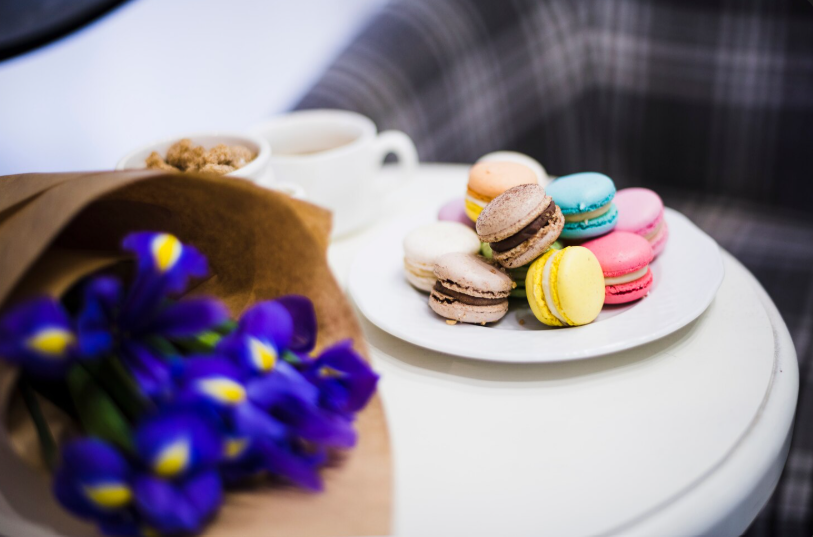
On a luxury dessert tour you’ll encounter emblematic treats that capture each city’s soul. In Paris, priorities include the mille-feuille (light, flaky layers and pastry cream), the delicate macaron, the glossy entremets crafted by Michelin-trained pâtissiers, and single-origin chocolate creations from artisanal chocolatiers. In Vienna, priorities include the Sachertorte — dense chocolate cake with apricot jam — the airy, cream-filled Dobos torte, and regional specialities like rum-soaked Esterházy slices. Both cities also offer seasonal fruit tarts and confectionery that reflect local markets and terroir.

What Makes a Tour “Luxury”?

A luxury dessert tour is distinguished by curation, exclusivity, and personalized touches. Rather than simply sampling pastries, guests enjoy behind-the-scenes access to ateliers and kitchens, private tastings with master pâtissiers, and guided pairings — for instance, truffles with single-origin coffee or petits fours matched to artisanal liqueurs. Transportation between venues is seamless, often by chauffeured car or curated walking routes that emphasize ambiance. Attention to detail — reserved seating at landmark cafés, early access before opening hours, and bespoke souvenir boxes — elevates the experience from pleasant to unforgettable.

Featured Experiences in Paris

In Paris, luxury tours weave together historic cafés, modern pastry boutiques, and celebrated chocolatiers. Typical highlights include a private viewing of pastry production at a two-Michelin-star pastry house, a guided macaron-making demonstration, and an afternoon tea at a landmark hotel where classic French desserts are served with theatrical presentation. Many bespoke operators will arrange meetings with award-winning chefs, curated visits to specialty chocolate shops, and tastings of seasonal fruit pâtisseries that celebrate local produce.

Featured Experiences in Vienna

Vienna’s luxury dessert experiences emphasize café culture and imperial tradition. Expect private seating in storied coffeehouses with an introduction to Viennese coffee varieties and the history of the cake culture. Tours may include a masterclass on decorating the Sachertorte, a behind-the-scenes visit to a family-run Konditorei, and a refined tasting of regional confections paired with aged rum or vintage dessert wines. The grandeur of the city’s architecture and its leisurely café rituals lend a stately pace to each tasting.

How to Plan the Perfect Luxury Dessert Tour

Planning is key to maximizing the experience. First, decide whether you prefer a walking immersion of neighborhood patisseries or a chauffeured route that connects the most prestigious houses. Consider dietary preferences and inform the tour operator ahead of time — many luxury providers will craft alternatives for allergies or preferences. Reserve private or small-group tours to ensure intimacy and access. Finally, time your visit to coincide with seasonal specialties: summer fruit tarts in Paris and winter confections or spiced pastries in Vienna can transform an ordinary tasting into a moment of discovery.

Insider Tips for a Memorable Visit

  • Book ahead: The best pastry chefs and historic cafés have limited capacity; secure reservations early.
  • Mix tasting styles: Combine formal chocolate tastings with casual café stops to appreciate the full range of the dessert scene.
  • Bring home quality: If bringing pastries across borders, choose chocolates and confections engineered to travel well.
  • Pair thoughtfully: Let experts pair desserts with coffee, tea, or dessert wine to deepen the flavor experience.

Who Should Take a Luxury Dessert Tour?

These tours are ideal for food-curious travelers, couples looking for a romantic culinary date, corporate clients seeking an exclusive team treat, and anyone who enjoys learning the stories behind their food. They’re particularly rewarding for travelers who appreciate craft, provenance, and the theatricality of high-end culinary presentation. For directors and executives visiting on short itineraries, a tailored half-day tour can deliver intense pleasure and cultural insight in a compact timeframe.

Final Thoughts

A luxury dessert tour through Paris and Vienna is a refined way to encounter two great culinary traditions. Beyond the sugar and butter, these tours are about the artisans, the rituals, and the cities’ relationships to hospitality and taste. Whether you choose the delicate innovation of Parisian pâtisserie or the stately comforts of Vienna’s Konditorei, a curated tasting tour will provide both sensory delight and a deeper appreciation for how dessert can reflect history, place, and creative mastery.


Stay Connected for More Travel and Lifestyle Inspiration. For more insights into travel, culture, and lifestyle tips, follow me on Instagram @salvadorordorica (Hyperlink @salvadorordorica). If you’re seeking professional translation and localization services to enhance your global ventures, visit The Spanish Group (https://www.instagram.com/thespanishgroup/?hl=en) — your trusted partner in bridging cultures worldwide.

Private Wine Harvesting Experiences in Europe’s Vineyards

Private Wine Harvesting Experiences in Europe’s Vineyards

Private Wine Harvesting Experiences in Europe’s Vineyards


Introduction: An Executive Perspective on Immersive Wine Travel

As a company director, your time is valuable and your brand’s impression matters. Private wine harvesting experiences in Europe offer a rare combination: hands-on immersion in a centuries-old craft, top-tier hospitality, and highly curated opportunities for client entertainment or executive retreats. These programs are more than seasonal tourism — they are strategic experiences that foster relationships, reward teams, and reinforce a sophisticated brand identity.

Why Choose a Private Harvesting Experience?

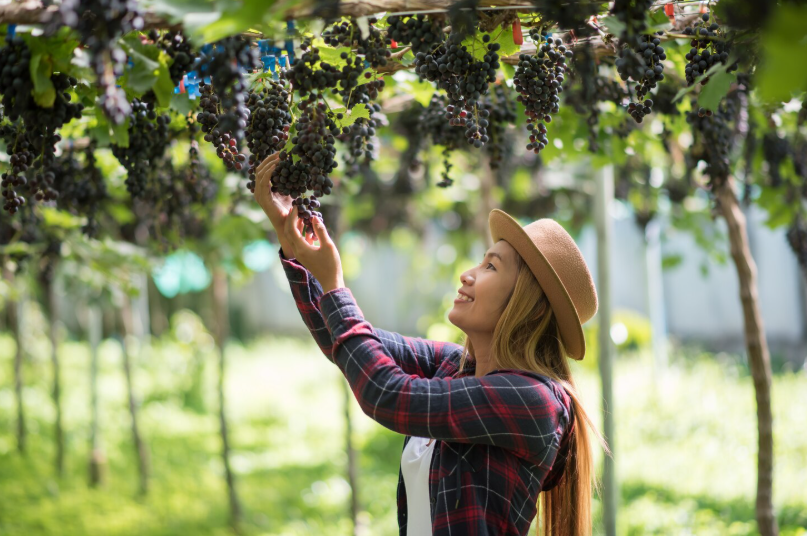
Private harvesting experiences can be tailored to a director’s objectives: cultivating high-level client relationships, offering exclusive employee incentives, or producing content for lifestyle and brand marketing. Unlike standard tastings, harvest participation invites guests into the vineyard’s rhythm — pruning, picking, and sometimes stomping grapes — under the guidance of winemakers and cellar masters. This intimacy creates memorable moments that translate directly into loyalty and storytelling opportunities.

Regions to Consider and Their Unique Appeals

Europe’s wine regions each present distinct flavors and cultural textures. Selecting the right region depends on taste preferences, logistical needs, and branding goals.

Bordeaux and Burgundy (France)

For clients who appreciate classic appellations and heritage estates, Bordeaux and Burgundy deliver historical gravitas. Private harvests here often include château tours, vertical tastings, and technical cellar sessions explaining vinification, barrel-aging, and terroir nuances.

Tuscany and Piedmont (Italy)

Italy pairs rustic charm with gastronomic excellence. In Tuscany, private harvests can be combined with truffle foraging and refined farm-to-table meals. Piedmont’s Nebbiolo vineyards lend themselves to intimate, elevated tastings and visits with family-run producers.

La Rioja (Spain) and the Douro Valley (Portugal)

Iberian experiences offer a different cadence — bold red blends and fortified wine traditions. Rioja’s bodegas often host tailored harvest weekends, while the Douro’s dramatic terraces provide photogenic backdrops ideal for branding and lifestyle content.

Mosel and Rheingau (Germany), Provence (France)

For lighter wines, aromatic whites, or rosé-focused programs, the Mosel and Provence regions are exceptional. These vineyards emphasize steep-slope viticulture or Mediterranean terroir, respectively, producing sensory contrasts attractive to sophisticated palates.

Designing a High-Impact Itinerary

A thoughtfully designed itinerary maximizes impact while minimizing friction. Key components to include:

  • Private transfer and logistics: door-to-door transport, VIP fast-track at small regional airports, and bilingual guides.
  • Curated harvest activities: morning picking, midday winery tours, and sunset cellar tastings paired with regional cuisine.
  • Educational sessions: masterclasses with the winemaker, blending workshops, and behind-the-scenes cellar demos.
  • Hospitality touches: private cellar dinners, branded gifts, and opportunities for professional photography or video capture for corporate communications.

Customization: From Corporate Retreats to Intimate Client Events

Private harvest programs can be scaled and customized. For corporate retreats, integrate team workshops, leadership talks, and moderated tastings that align with company values. For client hospitality, offer highly personalized experiences — chef-curated menus, bespoke wine bottles with branded labels, or private concerts in the vineyards. The aim is to create an encounter that resonates emotionally and aligns with a precise business objective.

Sustainability, Authenticity, and Responsible Practices

Modern executives and discerning clients expect sustainability and authenticity. Many European estates practice organic or biodynamic viticulture; participating in a harvest provides firsthand insight into these methods. Engage with producers who are transparent about their environmental practices and labor policies — this not only elevates the guest experience but also reinforces corporate responsibility initiatives when reporting or sharing content externally.

Language, Culture, and Local Coordination

Seamless communication is essential. Local managers, translators, and cultural liaisons keep activities punctual and polished. For international companies staging an event in a non-native language, professional translation and localization services ensure that invitations, educational materials, and branded collateral are culturally appropriate and linguistically precise — a detail that significantly enhances perceived professionalism.

Risk Management and Practical Considerations

Executives expect certainty. Confirm insurance coverage, medical support where the terrain is rugged, and contingency plans for weather. Ensure dietary restrictions and accessibility requirements are collected in advance. Finally, choose vineyards experienced in hosting private groups to reduce operational risk and guarantee quality execution.

Measuring Return on Experience (RoX)

The outcomes of a private harvest can be measured qualitatively and quantitatively: strengthened client relationships, improved team morale, content assets produced, and brand differentiation. Collect testimonials, capture high-quality media for promotional use, and quantify follow-up business or partnership leads attributable to the experience. These metrics justify the investment and inform future programming.

Conclusion: Crafting a Signature Moment

Private wine harvesting experiences are a strategic tool for leaders who want to combine cultural authenticity with purposeful relationship-building. When tailored thoughtfully — considerate logistics, purposeful customization, and attention to sustainability and language — a harvest visit becomes a signature moment: an experiential asset that amplifies brand prestige, deepens human connection, and produces compelling stories that last long after the season ends.

Stay Connected

Stay Connected for More Travel and Lifestyle Inspiration. For more insights into travel, culture, and lifestyle tips, follow me on Instagram
@salvadorordorica. If you’re seeking professional translation and localization services to enhance your global ventures, visit The Spanish Group — your trusted partner in bridging cultures worldwide.

How Local Languages Define Europe’s Culinary Traditions

How Local Languages Define Europe’s Culinary Traditions

How Local Languages Define Europe’s Culinary Traditions


Europe’s culinary map is an intricate tapestry woven from ingredients, techniques, geography — and language. Local tongues do more than label dishes; they encode history, climate, migration and values. From the Basque coastline to the fjords of Norway, the words people use for food reveal how communities think about taste, seasonality, hospitality and identity. Understanding those linguistic layers deepens our appreciation of the food itself and explains why a simple recipe can mean very different things as you travel across regions.

Language as a Cultural Pantry

Words for food preserve the memory of everyday life. Terms like the Italian cucina povera (literally “poor kitchen”) tell stories of resourcefulness: how peasant families turned humble ingredients into sustaining, celebrated dishes. Similarly, Eastern European languages hold terms for preserved foods — pickling and smoking words that reflect long winters and the necessity of storing calories. Language keeps the pantry of a region alive in the vocabulary people use at the table.

Regional Vocabulary and Culinary Identity

Many European countries are not linguistically homogenous. Spain alone contains Castilian Spanish, Catalan, Galician and Basque, each giving names to local specialties that resist straightforward translation. A dish called pulpo a la gallega means more than “Galician-style octopus” — the phrase invokes local preparation, salt, paprika and tradition. In France, regional words like aligot (a silky cheese-and-potato mash from Auvergne) or tetedeveau (veal head) mark not just flavors but a connection to terroir and local technique.

Why Dish Names Matter

Dish names function as shorthand for provenance and method. They tell you whether a recipe is baked, braised, fermented or raw, and often which exact cut of meat or variety of vegetable to expect. When restaurateurs translate menus for tourists, losing those specifics flattens the experience. Translating cevapi as “meatballs” or smørrebrød as simply “open sandwich” strips away crucial cultural cues. Good localization preserves nuance while making the dish approachable to non-locals.

Terrains, Seasons and the Lexicon of Taste

The vocabulary of food also reflects landscape and climate. Scandinavian languages contain a rich lexicon for fish and preservation techniques suited to long, cold seasons; Mediterranean tongues are dense with terms for olives, citrus and grilling. Seasonality is encoded into everyday speech — spring asparagi and autumn mushrooms appear in menus and conversation not only as ingredients but as markers of time. These linguistic markers guide how communities source, celebrate and ritualize food.

Language, Ritual and the Table

Beyond ingredients and techniques, local languages capture dining rituals. Words for communal eating, the sequence of courses, and even the manners expected at meals vary and shape behavior. Consider the difference between “aperitivo” in Italian culture — a social, pre-dinner ritual focused on small bites and conversation — and “merienda” in Spanish-speaking regions, which may be a light afternoon snack. These words map social rhythms, telling visitors what to expect and how to participate respectfully.

Migration, Exchange and Culinary Borrowing

Europe’s linguistic map has always been porous. Trade routes, empires and migration have introduced words that speak to culinary fusion. The Hungarian word paprika, now central to many Central European cuisines, arrived via trade and became a defining regional flavor. Similarly, Ottoman influence left lexical traces across the Balkans and into parts of Greece and Hungary. These borrowed words reveal centuries of exchange and adaptation — and offer clues about how tastes traveled alongside language.

Translating Taste: Challenges and Opportunities

Translating culinary language is deceptively hard. Literal translations may mislead, while domesticated translations can erase identity. Skilled translators and localizers balance accuracy and accessibility. They preserve unique terminology when it matters and add explanations when necessary — for example, retaining the original dish name and appending a short parenthetical description that clarifies key ingredients or techniques. This approach maintains authenticity while inviting discovery.

Case Studies: Words that Hold Worldviews

Consider a few concrete examples. In Portugal, saudade is a cultural concept that surfaces even in culinary contexts — a bittersweet nostalgia for flavors and times gone by. In the Basque Country, the word txuleta describes not just a steak but a local ritual around fire and communal eating. In Poland, the term kiszonki (fermented vegetables) signals a tradition of preservation that shaped seasonal menus for centuries. Each term offers a lens into how communities taste and remember.

Practical Implications for Travelers and Businesses

For travelers, paying attention to local food vocabulary enriches the gastronomic journey and reduces misunderstandings (especially for dietary restrictions). For chefs and hospitality businesses, using precise local terms is a sign of respect and authenticity. For brands expanding into new markets, thoughtful localization of menus, product descriptions and marketing copy can build trust and emotional resonance with local customers.

The Role of Professional Localization

Professional translators and cultural consultants play a crucial role in keeping culinary language intelligible across borders without erasing its soul. Localization goes beyond swapping words; it interprets social context, etiquette, and sensory expectations. When done well, it preserves the dish’s identity and helps an international audience engage more deeply with a place’s culinary story.

Conclusion: Language as a Living Menu

Language and food are inseparable companions. The terms we use at the table encode more than recipes — they carry memory, geography, and shared values. Listening to local vocabulary invites travelers and food lovers to encounter Europe’s cuisines with greater depth and respect. Whether you’re ordering a simple street snack or curating an international menu, honoring the linguistic roots of a dish creates a richer, more honest culinary exchange.


Stay Connected for More Travel and Lifestyle Inspiration. For more insights into travel, culture, and lifestyle tips, follow me on Instagram @salvadorordorica. If you’re seeking professional translation and localization services to enhance your global ventures, visit The Spanish Group — your trusted partner in bridging cultures worldwide: The Spanish Group.

Epicurean Adventures: Private Chef Experiences in Europe

Epicurean Adventures: Private Chef Experiences in Europe

Epicurean Adventures: Private Chef Experiences in Europe

For company directors and discerning travelers, food is more than sustenance — it is a medium for connection, culture, and curated memory. Private chef experiences in Europe combine the intimacy of a bespoke meal with the depth of local culinary traditions, offering an ideal setting for client entertainment, executive retreats, or restorative personal travel. From a Michelin-trained chef preparing a multi-course tasting in a Provençal villa to a regional specialist crafting an intimate seafood feast on the Amalfi Coast, these experiences are designed to be seamless, memorable, and fully tailored.

Why Choose a Private Chef?

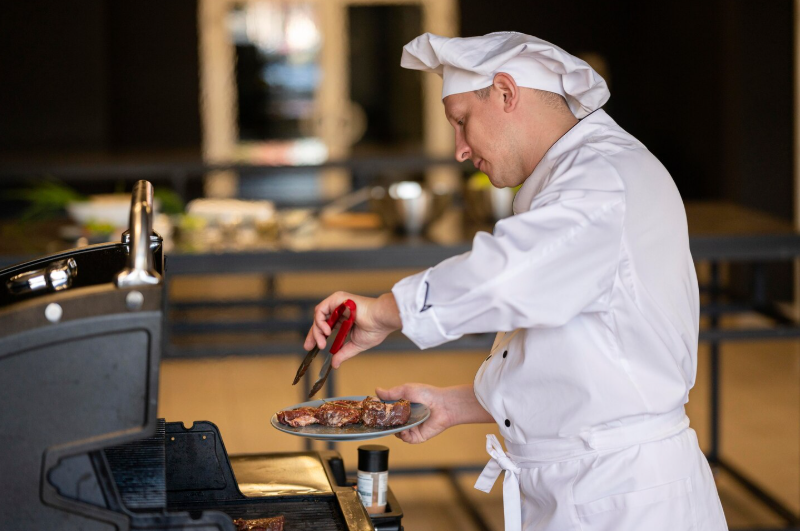
Private chefs provide control, privacy, and personalization—three pillars that align perfectly with the needs of senior executives. A private chef experience removes logistical friction: no reservations to secure, no crowded dining room, and no compromise on timing. Instead, guests receive a carefully designed menu that reflects seasonal produce, dietary needs, and the event’s objectives. For directors hosting high-stakes conversations or relationship-building dinners, the privacy of a dedicated dining environment reduces distraction and fosters a focused, convivial atmosphere.

Beyond convenience, private chefs offer narrative. They can translate terroir into a tasting menu, tell the story of regional ingredients, and elevate a meal into a cultural exchange. This narrative dimension is especially valuable for international guests who want to engage with local culture in an authentic, curated way.

Types of Private Chef Experiences

Private chef services in Europe range from in-home multi-course dinners to immersive culinary residencies. Common formats include:

  • Intimate tasting dinners: Multi-course menus served in a private dining room or villa, often paired with regional wines.
  • Interactive chef’s table: A more participatory format where guests observe or engage in plating and brief cooking segments.
  • Farm-to-table experiences: Day excursions to local farms or markets followed by a meal prepared with that day’s harvest.
  • On-site pop-ups: Temporary, custom installations for corporate events or launches, often set within historic properties or contemporary galleries.

Where in Europe to Book Exceptional Private Chefs

Certain regions are particularly well-suited for elevated private chef experiences. In France, Provence and Bordeaux offer produce-driven menus and world-class wines. Italy’s Tuscany and Campania present food traditions anchored in seasonal simplicity—olive oil, heirloom tomatoes, fresh seafood—that translate beautifully into intimate meals. Scandinavia’s gastronomic innovators bring a modern, hyper-local approach in capitals like Copenhagen and Stockholm. For directors seeking dramatic coastal settings, Portugal’s Algarve and Spain’s Basque Country combine exceptional seafood with convivial hospitality.

When selecting a destination, consider both ingredient availability and logistical ease. Estate properties, boutique hotels, and private villas often have kitchens equipped for professional teams, which simplifies execution and enables higher levels of presentation and service.

Designing the Menu and Guest Experience

The best private chefs work as creative partners. Start by conveying objectives: is the dinner intended to impress clients, to celebrate a milestone, or to create a relaxed social environment? Share dietary restrictions and any storytelling preferences—perhaps a menu focused on heirloom cheeses, a regional fisherman’s catch, or a reimagining of family recipes.

Directors should request a pre-event tasting when feasible, or at minimum a detailed menu proposal that includes sourcing notes and wine pairings. Many chefs offer multiple tiers of menu complexity, from a pared-back four-course meal to an elaborate chef’s tasting of eight or more courses with paired wines.

Logistics and Professional Considerations

For corporate or high-profile events, logistics matter. Confirm the chef’s insurance, food-safety certifications, and references for similar events. Discuss service style—plated courses versus family-style presentations—and whether the chef will bring a service team or require venue staff. For villas or remote estates, ensure adequate kitchen facilities or discuss rental of a production kitchen and additional equipment.

Timing is crucial: plan for a clear arrival window for the chef and staff, a setup period, and a printed itinerary for service. If the event includes presentations or speeches, coordinate meal pacing with the program to maintain flow.

Budgeting and Value

Private chef experiences can vary widely in price depending on the chef’s pedigree, the menu complexity, ingredient sourcing, and travel logistics. Expect to budget more for Michelin-trained chefs, specialty ingredients (live seafood, rare truffles, or heritage meats), and full-service staffing. That said, the perceived value for directors often exceeds the raw cost: the ability to craft a distinctive event in a private setting yields outsized returns when measured in client goodwill, productive conversation, and lasting impressions.

Consider packages—many reputable providers offer tiered pricing with clear inclusions (food, staffing, basic tableware) and exclusions (premium wines, rentals, or venue fees). Request a written quote that itemizes costs to avoid unexpected add-ons.

Sourcing, Sustainability, and Local Relationships

Exceptional private chefs prioritize provenance. Directors should ask about sourcing: does the chef work with established local suppliers, regenerative farms, or artisanal purveyors? Sustainable sourcing not only supports local economies but also enhances the authenticity of the meal. Many chefs will design menus that minimize waste and highlight seasonal abundance—an approach aligned with modern corporate values and ESG priorities.

Building a relationship with a local chef or small culinary team offers long-term benefits: repeat guests can expect increasingly personalized menus, trusted vendor networks, and the cultural literacy that elevates each meal into a place-based experience.

Practical Tips for Directors

1. Book early—top chefs are scheduled months in advance, especially during peak travel seasons.
2. Communicate objectives clearly—this allows the chef to design a menu that supports the evening’s goals.
3. Prepare the space—confirm kitchen facilities and service expectations ahead of arrival.
4. Include cultural elements—local wines, regional cheeses, and storytelling enrich the experience.
5. Document the experience—professional photography or short video captures can be valuable for corporate memory and marketing collateral.

Conclusion

Private chef experiences in Europe offer an exceptional blend of privacy, personalization, and cultural immersion. For directors seeking meaningful ways to host clients, reward teams, or craft unforgettable personal travel moments, these meals translate culinary excellence into strategic advantage. With careful planning—clear objectives, logistical foresight, and an emphasis on provenance—private dining becomes an instrument of relationship-building and refined hospitality.

Stay Connected for More Travel and Lifestyle Inspiration. For more insights into travel, culture, and lifestyle tips, follow me on Instagram @salvadorordorica. If you’re seeking professional translation and localization services to enhance your global ventures, visit The Spanish Group — your trusted partner in bridging cultures worldwide.