
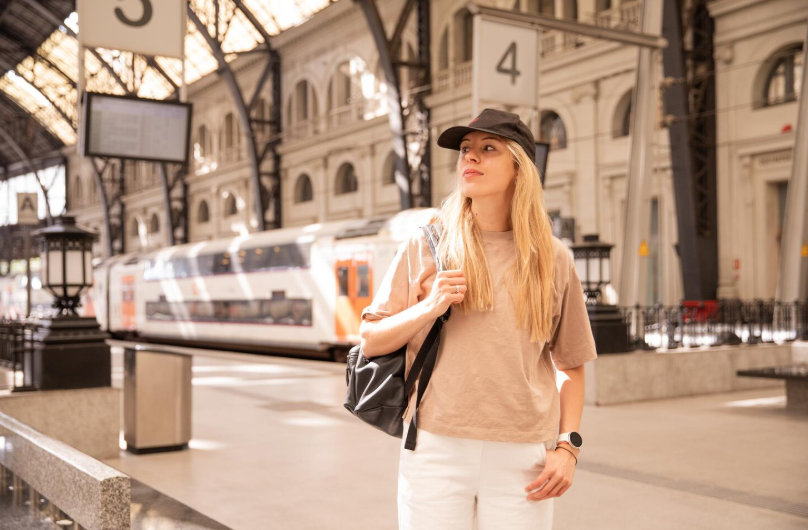
Traveling Europe Without Rushing the Experience
Modern travel often rewards speed. Multi-city itineraries, tightly scheduled tours, and social media checklists encourage visitors to see more in less time. Yet Europe, with its centuries of layered history and deeply rooted cultural traditions, is not a continent that reveals itself fully at high velocity. For discerning travelers and global professionals, the most meaningful journeys are those approached with patience and intention.
Traveling Europe without rushing the experience is not about seeing less — it is about seeing better. It is about trading quantity for depth, observation for immersion, and movement for mindfulness.
The Case for Slow Travel
Slow travel is not a trend; it is a philosophy. It prioritizes extended stays, fewer destinations, and a willingness to engage with daily rhythms. In Europe, where towns and cities often evolved over centuries, nuance matters. Architecture reflects political change, cuisine reflects geography, and language reflects identity. These subtleties require time to appreciate.
By staying longer in one destination, travelers begin to notice patterns — how markets operate in the morning, how neighborhoods shift from day to evening, how locals interact in cafés and public squares. This awareness transforms travel from observation into participation.


The Spanish Group
If you’re seeking professional translation and localization services to enhance your global ventures, visit The Spanish Group — your trusted partner in bridging cultures worldwide.
LEARN MOREChoosing Depth Over Density
A common mistake among first-time visitors is attempting to visit multiple countries within a single week. While efficient transportation makes this feasible, it often results in fatigue and superficial engagement. Instead, consider selecting one region and exploring it thoroughly.
For example, rather than dividing time between Paris, Rome, and Barcelona, one might focus solely on Tuscany or Provence. Within a single region, travelers can visit smaller towns, meet artisans, and develop a sense of continuity that is impossible to achieve through rapid transit.
Embracing Local Rhythms
Europe operates at varied paces depending on the region. Southern destinations often observe extended midday breaks, while northern cities maintain structured schedules. Respecting these rhythms enhances the travel experience.
In Spain, for instance, late dinners and evening strolls are integral to social life. In Austria, coffeehouse culture encourages long conversations and reflection. By aligning with local customs rather than imposing external expectations, travelers gain insight into cultural priorities and values.
Staying in Thoughtfully Chosen Accommodations
Accommodation plays a significant role in shaping experience. Boutique hotels, restored historic residences, and family-run inns often provide more meaningful engagement than large, anonymous chains. Hosts can offer recommendations rooted in personal knowledge, directing guests to hidden courtyards, independent galleries, or neighborhood restaurants rarely listed in guidebooks.
Such environments foster connection and authenticity. The setting becomes part of the narrative rather than a neutral backdrop.
Prioritizing Meaningful Experiences
Rushed travel tends to emphasize landmarks. Slower travel prioritizes context. Instead of standing briefly before a famous painting, consider arranging a guided tour that explores the historical and artistic significance behind it. Rather than photographing a cathedral exterior, spend time understanding its architectural evolution and symbolic elements.
Cooking classes, vineyard visits, literary tours, and artisan workshops provide experiential insight. These interactions encourage dialogue and cultural exchange, deepening understanding far beyond surface impressions.
The Role of Transportation
Europe’s rail network supports unhurried exploration. Trains connect cities and countryside efficiently while allowing travelers to observe changing landscapes. Traveling by rail rather than air reduces logistical stress and environmental impact, reinforcing the philosophy of intentional movement.
Scenic routes — whether through the Swiss Alps or along the Italian coast — become experiences in themselves. Time spent in transit can be reflective rather than hurried.
Allowing for Unscripted Moments
Some of the most memorable travel experiences occur spontaneously: a conversation with a shopkeeper, a local festival discovered unexpectedly, or an invitation to explore a lesser-known neighborhood. Overscheduling eliminates these possibilities.
Building flexibility into an itinerary creates space for serendipity. A free afternoon may lead to discovering a small museum or a quiet park that becomes the highlight of the trip.
Travel as Professional Enrichment
For executives and entrepreneurs, slow travel offers professional benefits as well. Immersion in different cultural environments enhances adaptability, empathy, and strategic thinking. Observing how European regions balance tradition with innovation can inspire new perspectives in business leadership.
Time spent in reflection — whether during a countryside walk or over a thoughtfully prepared meal — encourages clarity. In an increasingly fast-paced global economy, intentional pauses can foster more effective decision-making.
Managing Expectations
Traveling without rushing requires adjusting expectations. It means accepting that not every landmark will be visited and that some experiences are better savored than documented. It involves prioritizing presence over performance.
Technology can support this approach. Limiting screen time and social media engagement allows travelers to engage more fully with their surroundings. Photography remains valuable, but it should complement rather than replace lived experience.
Environmental and Cultural Responsibility
Slow travel also aligns with sustainability. Extended stays reduce frequent transit emissions and support local economies more meaningfully. Choosing independent businesses and participating in cultural traditions respectfully fosters positive impact.
Europe’s heritage sites and historic districts depend on responsible tourism. Visitors who approach travel thoughtfully contribute to preservation rather than strain.
Conclusion
Traveling Europe without rushing the experience transforms a trip into a journey of depth and discovery. By prioritizing fewer destinations, embracing local rhythms, and engaging meaningfully with culture, travelers cultivate memories grounded in understanding rather than accumulation.
Europe rewards patience. Its villages, cities, and landscapes reveal their richness gradually — through conversation, craftsmanship, cuisine, and quiet observation. In choosing to slow down, travelers not only enhance their personal experiences but also gain perspectives that resonate long after returning home.
Stay Connected for More Travel and Lifestyle Inspiration. For more insights into travel, culture, and lifestyle tips, follow me on Instagram @salvadorordorica. If you’re seeking professional translation and localization services to enhance your global ventures, visit The Spanish Group — your trusted partner in bridging cultures worldwide.
The Spanish Group
If you’re seeking professional translation and localization services to enhance your global ventures, visit The Spanish Group — your trusted partner in bridging cultures worldwide.
LEARN MORE